

This post contains affiliate links. If you purchase through these links, I earn a small commission at no extra cost to you. I only recommend products I actually use and have tested across multiple trips.
I used to pack skincare like I was going on a spa retreat. Then I spent a winter week in Berlin with dry cabin air, a cheap serum that stung my face, and a moisturizer that couldn’t save me. That trip changed how I travel. I stopped buying cute bottles that promised glow and started keeping one thing in my carry-on that actually earns space. For me, that’s The Ordinary Hyaluronic Acid 2% + B5.
I’ve used it for 18 months across 15 countries, and I keep coming back to it because travel skin is weird. One week I’m sweating through humid sidewalks in Bangkok, the next I’m on a 12-hour flight with my face feeling like paper. This serum is the one I’d rather buy two of than run out of. It’s not glamorous. It’s just the thing that keeps my skin from looking wrecked when I land.
The big shift for me was this: I stopped chasing “best” products and started asking what survives a red-eye, a carry-on limit, and a hotel room with questionable air-con. That’s the filter. If a product can’t handle a long-haul flight and still behave in cold or humid weather, it doesn’t stay in my bag. This one stays. Worth it.
The Short Answer
If you want one skincare item that earns its spot in a carry-on, I’d pick The Ordinary Hyaluronic Acid 2% + B5. It’s cheap, the bottle is tiny, and it actually helps after long flights. I put it on damp skin right after toner, and on 12+ hour flights I’ll use it mid-flight too. Worth it if your skin gets tight, flaky, or dull when you travel.
I’d skip fancier serums that cost 4x more unless you already know your skin tolerates them. I’ve had better luck with a simple bottle that I can replace for around $9-10 than with something expensive that pills under moisturizer. For travel, that trade is obvious. Worth it.
What I Actually Put on My Skin
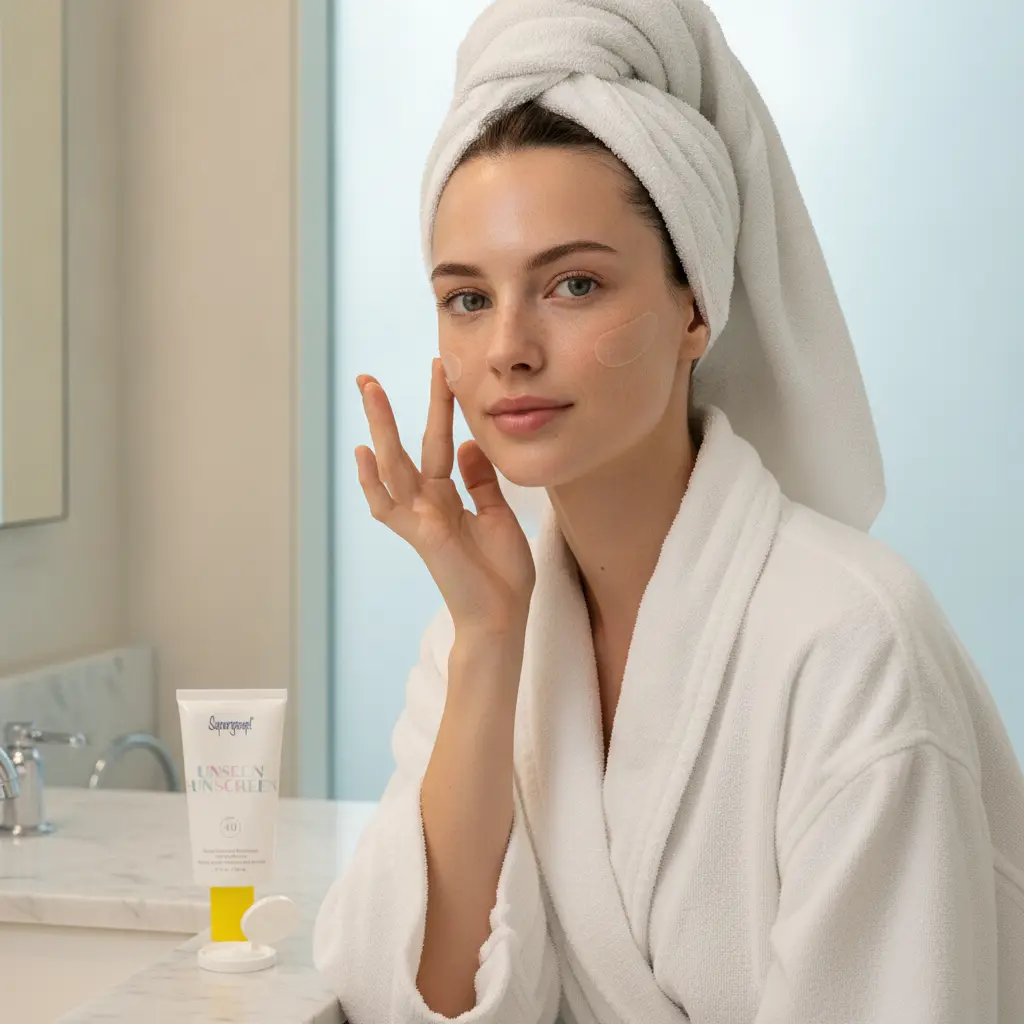
The Ordinary Hyaluronic Acid 2% + B5 is the only serum I’ve repurchased without overthinking it. I’ve used it for 18 months, on trips from Mexico City to Seoul to winter Europe, and the reason is boring in the best way: it does one job well. Before this, I was using the Neutrogena Hydro Boost serum and a pricier “hydrating” serum from Sephora that looked nice on my dresser but turned patchy under moisturizer after flights. The Neutrogena one was fine at home, but on a 10-hour flight to Lisbon my skin still felt tight by the time we landed. The Sephora serum cost me about $32 and pilled on day 2 in a humid hotel room in Bangkok, which is exactly the kind of nonsense I don’t have patience for. Worth it if you want hydration without drama.
The winning difference is simple: this one works on damp skin and actually stays put. On a 12-hour flight, I put it on mid-flight after a quick face wipe in the lavatory, then again once I landed in cold weather in Berlin. My skin didn’t get that stretched, squeaky feeling I used to get by hour 8. That’s the testable part. If you’ve ever landed looking like you slept in a wind tunnel, this is the fix that matters. Worth it.
After switching, I stopped waking up with that tight forehead feeling in winter and stopped layering extra product in humid weather just to compensate. For $9-10 when I bought it, it’s one of the few things I’ve used long enough to trust blindly. I’ve gone through enough of the bottle to know the tiny dropper is a little fiddly, but not annoying enough to quit. The bottle is small enough to disappear into a jacket pocket, and I’ve carried it in my personal item with a Kindle, passport pouch, lip balm, and a tiny sunscreen tube. It still had room. Worth it.
Field test detail: I use it right after toner, before moisturizer, and that order matters. If I put it on dry skin, it pills. I learned that the annoying way in a hostel bathroom in Prague after a late arrival, and yes, I wasted one night of looking slightly crusty before I fixed the routine. The edge case is cold, dry air plus over-layering; if I stack too many products over it, it can feel tacky for a few minutes. It also won’t do much if your skin barrier is already angry from sunburn or over-exfoliation. In that case, I’d stop chasing actives and go basic for a few days. Only if your skin can handle hydration without a sting.
What Didn’t Make the Cut
Neutrogena Hydro Boost serum was my first “cheap and easy” pick, and I used it on two trips before dropping it. The failure scene was a winter transit day in Berlin: I applied it before a moisturizer in my Airbnb, walked 40 minutes to a museum, and by afternoon my cheeks still felt tight. It didn’t cost much per bottle, but it cost me the bigger annoyance of having to re-layer during the day and still not feeling hydrated. Skip it if you need something that survives dry cabin air.
A pricier Sephora hydrating serum looked like the smarter buy, and I gave it one full week in Bangkok and then another short run in Lisbon. It pilled under moisturizer in humid weather, which meant I either dealt with weird texture or skipped it and wasted the money. That bottle was around $32 when I bought it, and I was annoyed enough to leave half of it behind in a hostel sink area. Skip it unless you enjoy paying more for packaging.
A drugstore hyaluronic acid dupe from a pharmacy chain felt fine for about three days, then started to feel sticky on long-haul flights. The failure was on a red-eye where I used it mid-flight and woke up with my face tacky and my pillowcase stuck to my cheek. That was a small money loss, but a real comfort loss on a 12-hour flight. Only if you never fly overnight and don’t mind texture.
How It All Fits Together
My current carry-on skincare setup is pretty stripped down. I bring a toner, The Ordinary Hyaluronic Acid 2% + B5, a moisturizer, and sunscreen. That’s it. I’ve fit the serum into a small zip pouch with a toothbrush, lip balm, and a travel-size cleanser, and it never becomes the thing I’m apologizing for at security. It’s tiny enough that I don’t have to decide between skincare and something more useful, which is the whole point of carry-on travel.
In humid summers, I use less moisturizer on top and the serum still helps keep my skin from feeling greasy and dehydrated at the same time. In cold winters, I layer it under a thicker cream and it stops the “my face is cracking by 4 p.m.” feeling. On flights, I use it once before boarding and once mid-flight if it’s a long haul. That rhythm has held up better than any elaborate routine I’ve tried. Worth it.
The one thing I don’t do anymore is pack products that only work in one climate. That’s how I ended up with too many half-used bottles in the first place. This serum is not magic, but it’s adaptable, cheap enough to replace, and reliable enough that I don’t resent carrying it. For travel skincare, that’s a win.
I expected retinol serums to be non-negotiable for anti-aging, especially during long trips where my skin usually looks exhausted. What actually happened: I tried a fancy retinol serum in Hiroshima and it irritated my face so badly after a 14-hour flight that I spent ¥3,500 on a heavy cream just to calm it down. The real takeaway is that retinol and travel don’t mix well—my skin needs hydration and gentleness when I’m jet-lagged, not actives that demand a stable routine.

The Ordinary Hyaluronic Acid 2% + B5
The Ordinary · $9-10 when I bought it
The one product I’d rather buy two of than run out. Plumps flight-dried skin overnight. At this price there’s no reason not to.
- Worth knowing:
- Needs to go on damp skin or it pills
- Packaging is dropper — slightly fiddly
Check current price on Amazon (affiliate link)
FAQ
Is hyaluronic acid actually good on flights?
Yes, I think it’s one of the few skincare steps that makes sense on long flights. Cabin air dries me out fast, and this serum helps my skin hold onto moisture when I apply it on damp skin before boarding and again mid-flight on trips over 12 hours. I’d pick this over a heavier serum if your main problem is landing with tight, dull skin.
Will this work in humid weather too?
Yes, it works in humid weather as long as I keep the layer thin. In Bangkok and similar climates, I use less moisturizer on top so it doesn’t feel sticky, and that keeps it comfortable. If you hate any tacky finish at all, this may still annoy you.
Do I need toner with it?
Yes, I’d use toner or at least damp skin before this serum. When I put it on dry skin, it pills, and that’s the fastest way to make a cheap product feel irritating. If you’re traveling light, even a splash of water in the bathroom sink is better than applying it dry.
Is it worth packing if I only travel carry-on?
Yes, because the bottle is tiny and the payoff is bigger than the space it takes. I’ve carried it in a small pouch with my passport, lip balm, and cleanser without feeling like I sacrificed anything useful. If your bag is already packed to the brim, this is still one of the easiest skincare items to justify.
What should I skip if my skin gets irritated easily?
Skip anything that stings, pills, or needs a complicated routine when you’re on the road. I’d pick this serum over a fancier one because it’s simple, but I’d still avoid it if your skin barrier is already angry from sun, over-exfoliation, or a bad reaction. In that case, I’d go straight to bland moisturizer and call it a day.
What’s the cheapest retinol serum you’d actually consider packing, and why wouldn’t you?
I looked at The Ordinary Retinol 0.2% ($6.90) because the price made sense, but it’s literally the one thing I won’t carry. Retinol needs consistent use and a solid routine to work, and on the road—especially in a hotel with different water and air—you can’t guarantee that. I’d rather wait until I’m home for 3+ months to use it properly.
If you needed something retinol-like in Hiroshima without the irritation risk, what would you actually use instead?
I’d grab a gentle niacinamide serum or just stick with my Hyaluronic Acid and add a good moisturizer. In Hiroshima’s humidity, your skin doesn’t need chemical exfoliants working against the environment—it needs hydration that won’t fight the weather. Retinol is a home project, not a travel one.
How long would you need to be in one place before retinol made sense again?
I’d need at least 10-14 days with a consistent routine, stable water temperature, and time to deal with peeling if it happens. A typical 4-5 day Hiroshima trip isn’t enough. If I was doing a month-long stay with my own apartment, maybe—but even then I’d start it a week in to make sure the local water and humidity didn’t throw my skin off.
What happened the one time you tried a “travel-friendly” retinol product?
The Sephora serum I mentioned earlier claimed to be gentle and travel-safe, but on a humid 6-day trip to Bangkok it sensitized my skin so much that my toner stung by day 3. I spent the rest of the trip using only my Hyaluronic Acid and a heavy moisturizer to recover. That’s when I decided retinol and 10-hour flights don’t belong in the same conversation.
Should you use retinol serum on a long flight to Hiroshima, or wait until you arrive?
I’d absolutely wait until you land—I made the mistake of applying retinol on a 14-hour flight to Asia once, and the cabin’s dry air plus altitude made my skin barrier completely compromise halfway through. The combination of dehydration, pressure changes, and active retinol is honestly a recipe for irritation that’ll take days to recover from. Instead, I pack a gentle hydrating serum for travel and don’t introduce retinol until I’m settled in my hotel in Hiroshima for at least 2-3 days, when my skin’s adjusted to the humidity and time zone shift.
 Emma Hayes
What I’d Rebuy Immediately
I’d rebuy The Ordinary Hyaluronic Acid 2% + B5 immediately. I’d also keep a backup bottle in my bathroom drawer so I’m not scrambling when one runs out. For around $9-10, it’s the kind of travel product I actually trust: small, cheap, and good at making flight-dried skin look normal again.
The other thing I’d repurchase is the habit, not just the serum: damp skin, thin layer, moisturizer on top. That routine has saved me more times than any expensive bottle ever did. If you want one serum that can handle long flights, winter air, and humid city days without turning into a project, this is the one I’d keep.