
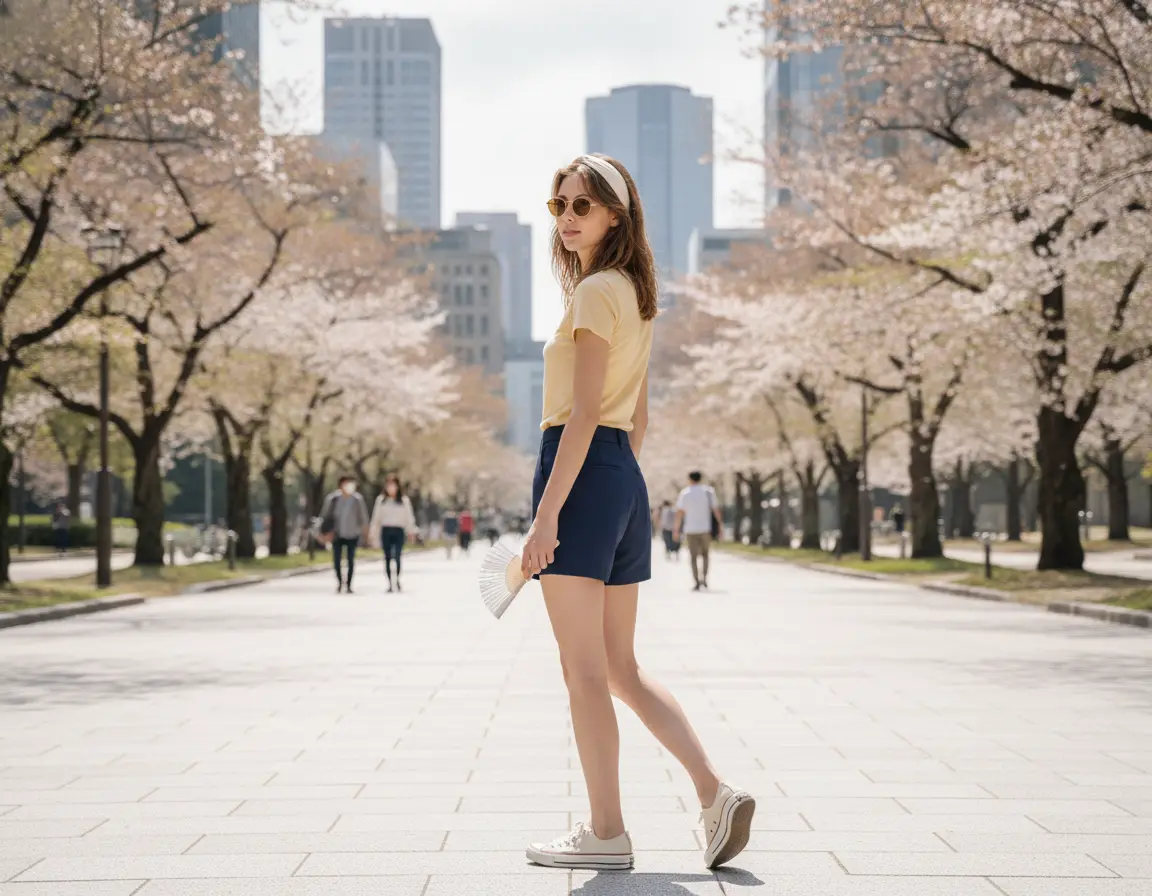
29°C: that was the hot, humid stretch I hit in Hiroshima, and I was already regretting the extra layer I’d stuffed in my day bag. I spent one afternoon fanning myself outside Hiroshima Station and another waiting 20 minutes for a tram that looked simple on the map and still managed to confuse me a little. Hiroshima in March is worth it, but not for the reasons people usually sell it. I’d go for mild weather, easier crowds than peak cherry blossom weeks, and a city that works best when you plan the basics well. It fits travelers who want a practical city break with a serious day trip attached. It’s not for people who want nonstop nightlife or who hate moving between memorial sites, train stations, and a lot of walking.
Quick Answer: Go to Hiroshima in March if you want decent weather, lower hotel pressure than April, and fewer lines. I’d book the first night near Hiroshima Station, keep the Peace Memorial Museum early in the day, and do Miyajima without overpacking the schedule.
March Is a Good Time Here, But Not for the Obvious Reason

I’d pick This march guide for the shoulder-season math first and the weather second. Hotel rates are usually less annoying than they are once cherry blossom peak gets going, and the city feels usable without being empty. I paid ¥8,900 for a simple business hotel room near Hiroshima Station on one trip, then checked similar rooms again a week later and saw them climb closer to ¥11,000 when spring dates tightened up. That gap is real enough to matter.
Who this fits: me, basically. I like cities that are walkable enough to keep moving but not so dense that every transfer turns into a small project. Hiroshima works for that. Who should skip March: anyone chasing warm beach weather or somebody who wants the most dramatic flower season possible. If that’s your thing, early April is the bigger draw, but you’ll pay for it and stand in more lines.
Best for: budget-conscious travelers who still want comfortable weather and clean logistics.
Skip if: you’re timing the trip mainly for peak sakura photos and don’t mind paying more for it.
My pick: March is the smarter month if you want value, not just pretty calendar dates.
What I’d Book Before I Land

The one thing I’d book ahead is my first-night hotel, especially if I wanted to stay near Hiroshima Station or the Peace Memorial area. I almost winged it once because I thought March would be loose enough. It wasn’t a disaster, but the decent options under ¥10,000 were thinner than I expected, and the places left over had awkward walking routes or bad reviews that I didn’t trust. I paid ¥9,200 for a room I booked two weeks out. If I’d waited until arrival, I probably would’ve spent more and settled for a worse location.
I’d also lock in the Peace Memorial Museum timing if I were on a short trip. The museum itself isn’t expensive — adult entry has been around ¥200, which is almost absurdly low for what it is — but the value comes from not turning the day into a shuffle. I went on a weekday morning and still had to work around other visitors, though it never turned into the kind of line that makes me bail. If you hate crowds, go early and keep the rest of the day loose.
Worth booking ahead: first-night accommodation, especially on weekends or around blossom season.
Only if: you want your day to feel organized instead of improvised, reserve your museum timing or arrive right at opening.
Skip this: paying extra for a packaged “Hiroshima intro” day. I don’t love those. The city is easy enough to handle on your own.
See all Hiroshima hotels on Agoda if you want to compare station-area prices before they creep up.
Staying Near Hiroshima Station vs the Peace Memorial Area
I’d stay near Hiroshima Station if I were arriving late, leaving early, or doing a side trip to Miyajima. The station area is not cute. It is useful. That matters more than charm if you’re only in town for a couple of nights. I walked out of the station with a backpack, bought a 7-Eleven iced coffee for about ¥180, and was in my hotel in under 10 minutes. That kind of friction-free arrival is worth paying a little extra for if you’ve had a long train day.
See current Hiroshima hotel prices on Agoda →
The Peace Memorial area makes more sense if your main goal is walking to the museum, the park, and the river without fuss. It’s calmer at night and nicer for slow evenings, but I think it’s a little less efficient if you’re also doing Miyajima or hopping trains. I had one hotel near the river that looked great online and was actually a 15-minute walk from the station with a bag in hot weather. Fine without luggage. Annoying with it.
My pick: station area for short stays and transit-heavy trips.
Better if: you want a quieter base and plan to spend most of your time around the Peace Memorial Park.
Skip if: you hate walking 15 minutes after a long ride and your room is not right by the station.
Getting Around Without Wasting Money
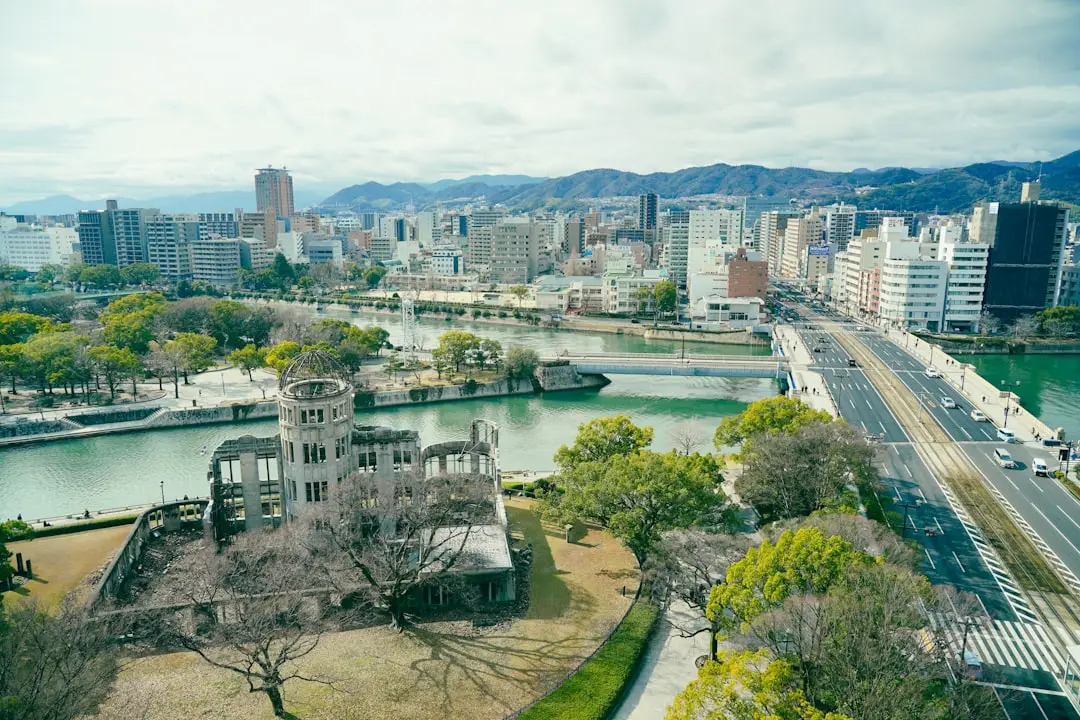
I mostly used the tram and my feet, and that was enough. Hiroshima’s streetcar network is old-school in the best way: cheap, direct, and easier than I expected once I stopped overthinking the route map. A single ride is usually ¥220 for adults, and the day pass options can make sense if you’re bouncing between the station, central sights, and the Peace Memorial area. I didn’t need a taxi for most of the city, and I’m glad I didn’t start pretending I did.
The one thing I’d skip is paying for transport just because it looks convenient on paper. I looked at a few hop-on, hop-off style options and couldn’t make the cost work for me. Hiroshima is not that big. If you’re staying less than 5 days, I’d skip anything that sounds like a sightseeing transport package unless you have mobility issues or a very tight schedule. That money is better spent on food or one decent ryokan night elsewhere.
Worth it: tram rides, walking, and the occasional short taxi if it saves real time.
Skip it: packaged city tours that duplicate what the tram already does for a few hundred yen.
My pick: I’d buy transit as needed, then reassess after one full day instead of pre-paying for convenience I probably won’t use.
What I’d Eat First, and What I’d Skip
The food is one of the main reasons I’d tell someone to stay at least two nights. Hiroshima-style okonomiyaki is the obvious first stop, and I’d actually do it, but I wouldn’t make it a full personality trait. My first plate cost ¥950 at a counter near the city center, and it was filling enough that I didn’t need a second dinner. I sat with a cold drink and watched the cook work the layers on the griddle. That was the point. Not some overproduced food tour. Just dinner.
I’d also eat oyster dishes if the season and the restaurant looked decent, though I’d keep expectations practical. I had grilled oysters for around ¥1,200 and they were good, not life-changing. That’s Hiroshima in a nutshell sometimes: solid, efficient, not flashy. I’d skip hotel breakfasts unless they’re included in the room and actually decent. I never think the buffet is worth much in this city when there are onigiri, sandwiches, and coffee shops within a 5-minute walk.
Worth it: one proper okonomiyaki meal and one local snack stop.
Skip if: the restaurant has a long line and a laminated English menu that looks more polished than the food smells.
My pick: I’d spend money on lunch or dinner, not a hotel breakfast I’ll forget by 10 a.m.
Miyajima Is the Day Trip, But Don’t Overbuild It
I thought Miyajima would be the dramatic part of the trip. It was good, but not in the overhyped way social media makes it look. The island is worth a half-day or full-day visit if you’re already in Hiroshima, especially in March when the weather is usually still easy enough for walking. I took the ferry, which is covered by the JR Pass if you’re using one on the JR ferry, or costs a small cash fare otherwise depending on route and ticket type. The bigger cost for me was time, not money.
The mistake I’d warn against is treating Miyajima like a giant event. I did that once in my head. I assumed I’d spend all day there. Instead, I found the busiest areas around Itsukushima Shrine and the main approach were enough for me after a few hours, especially once the novelty wore off and the souvenir streets started blending together. I spent about 20 minutes deciding whether to climb further, then bailed and ate a simple set meal instead. That was the right call. If you only have 2 days total, do Miyajima, but don’t overpack the island with extra paid stops.
Worth it: if you want one classic Hiroshima-area day trip and don’t mind a ferry.
Skip if: you’re trying to cram in too much and already feel rushed in the city.
My pick: I’d do Miyajima once, early, then keep the rest of the day loose instead of stacking more tickets on top.
I book activities through Klook when I want to compare timed options quickly, but for Hiroshima I’d only use it if I wanted a ferry-plus-entry combo or a specific slot that sells out.
The Stuff I’d Leave Out Next Time
I’d skip any overpriced “Hiroshima highlights” bus circuit. I looked at one and laughed a little when I saw the price next to what the tram already covers. That math never works out for me unless I’m totally exhausted or the weather is awful, and March usually doesn’t force that. I’d also skip souvenir shopping until the end of the trip. I bought a few small things too early once, then carried them around all day like a fool.
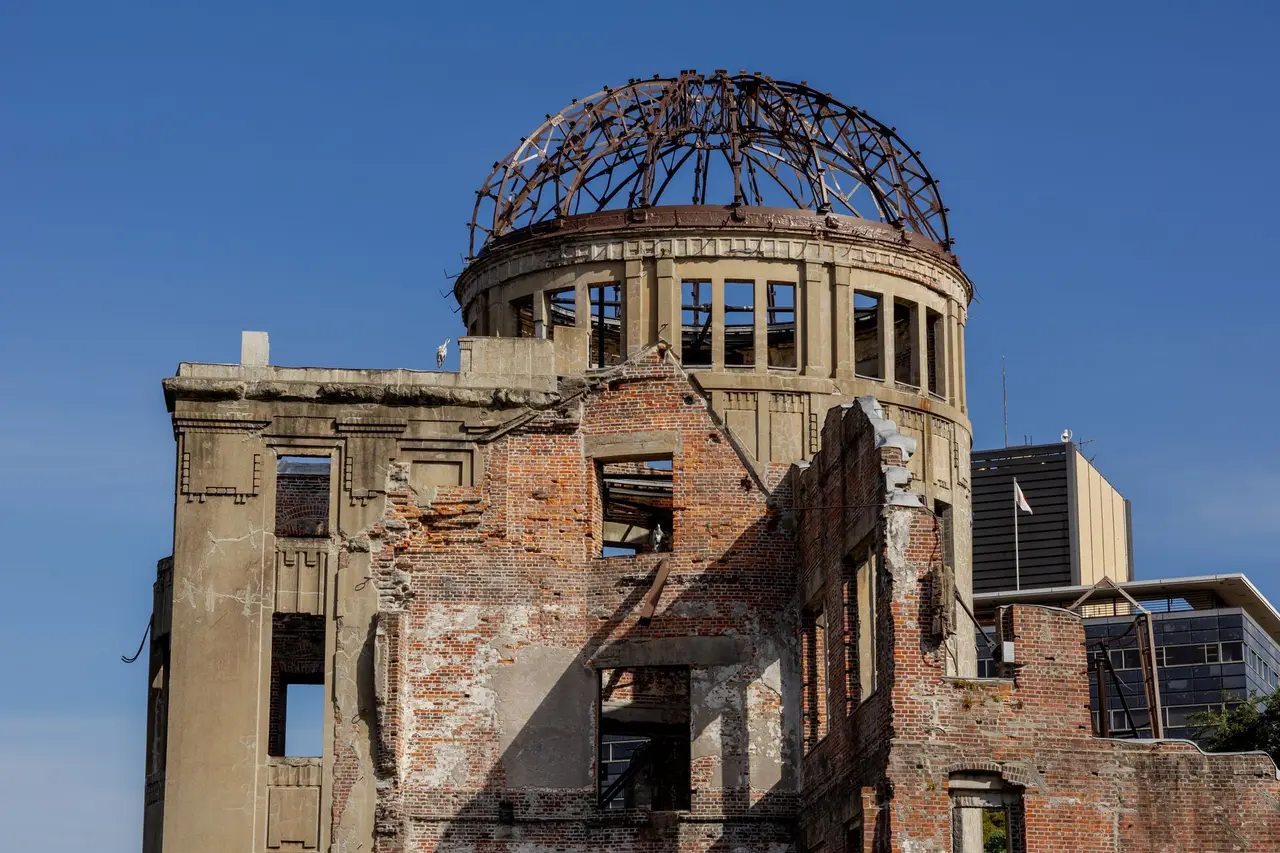
I’d be careful with timing around the Peace Memorial Park too. I expected the whole area to feel heavy in a slow, quiet way, and it did, but the actual flow of the day still matters. If you arrive hungry, tired, or distracted, you won’t get much out of it. I went after a coffee and a quick breakfast from a convenience store, and that helped. It sounds minor. It isn’t.
Skip this: bus tours, generic souvenir stops, and hotel breakfast unless it’s included and genuinely good.
Worth it: a simple solo pace with room to sit, walk, and eat without a schedule breathing down your neck.
My pick: I’d keep the day lighter than I think I need to, especially if I’m combining memorial sites with a Miyajima trip.
The Morning I Got My Timing Wrong
I assumed I could stack the museum, the park, and lunch into one smooth morning. That was the obvious move on paper. Then I hit a tram delay, walked more than I expected in the heat, and arrived at the museum feeling more rushed than I wanted to be. Not disastrous, just sloppy. I lost about an hour to bad sequencing and paid for it with a less focused visit.
What I’d do now is start earlier, eat a small breakfast near my hotel, and keep the museum first instead of treating it like something I can squeeze in after wandering around. The city is easy, but only if I stop pretending it runs on my ideal timeline. It doesn’t.
Worth it: an early start with a loose afternoon.
Skip if: you’re already running late and trying to force in one more sight before lunch.
My pick: museum first, sightseeing second, random wandering last.
Rough daily estimates from my own trip. Prices shift by season.
What I’d Do Differently
I’d book my hotel earlier and stop trying to save $10 if it adds a dumb walk from the station. I’d also keep one full afternoon empty instead of trying to “maximize” the day. And I’d eat one proper meal before the memorial zone so I’m not making decisions while hungry, which is always a bad version of me.
My pick: fewer stops, earlier starts, and one solid base near the station if I’m moving on quickly.
1. I skipped booking my first night and figured I’d find something near the station when I landed, thinking March meant empty rooms everywhere—but it didn’t, and I ended up paying ¥13,500 for a cramped capsule hotel 40 minutes away from where I needed to be the next morning. That wasted commute and the extra cost taught me the real lesson: shoulder season still fills up, just not as fast as April. Now I book the first night before I leave home, even if it costs a bit more upfront.
I usually book Hiroshima tours on Klook — the best time slots go fast, especially in peak season.
FAQ
Is March a good time to go to Hiroshima?
Yes, I’d call March a smart time to go. The weather is usually comfortable enough for walking, and I had better luck with prices than I would’ve had in full blossom season. I’d choose March again if I wanted a cleaner, less frantic trip.
How many days do you actually need in Hiroshima?
Two full days is the sweet spot for me. That gives you one city day and one Miyajima day without sprinting between trains and memorial sites. If you only have one day, I’d keep the city and skip trying to do everything.
Should I stay near Hiroshima Station or the Peace Memorial Park?
I’d stay near Hiroshima Station for a short trip, especially if I’m arriving by train or heading to Miyajima. The station area saves time and makes late check-in easier, while the Peace Memorial area is nicer only if you want a quieter evening base. I’d pay a little more for station convenience before I’d pay for charm I won’t use much.
Do I need to book Miyajima stuff in advance?
No, not for a basic March day trip. I’d only book ahead if I wanted a specific timed experience or if I knew I was going on a busy weekend. For most travelers, the ferry and the island are simple enough to handle on the day.
Is Hiroshima expensive in March?
No, not by Japan city standards. I found decent hotels around ¥8,900 to ¥11,000, meals around ¥950 to ¥1,200, and tram rides around ¥220, which kept the trip reasonable. If you avoid packaged tours and hotel breakfasts, the budget stays pretty sane.
 Emma Hayes