

I almost wasted ¥3,200 and a whole afternoon in Nagoya by treating it like a city I could “figure out later.” I arrived with a loose plan, a light jacket in hand, and the kind of confidence that gets you in trouble. My honest take: Nagoya is worth it if you care about food, transit, and a slower pace, but it is not for people chasing constant sightseeing drama. If you only have one or two days, the real game is choosing the right neighborhoods and skipping the stuff that eats time without giving much back. These are the nagoya mistakes first time visitors make when they try to wing it.
Quick answer: I’d still go to Nagoya, but I’d plan it differently from Tokyo, Kyoto, or Osaka. Start in Osu or the station area, keep Nagoya Castle for a relaxed day, and use the subway instead of trying to walk everywhere.
I wrote a more detailed breakdown in Nagoya Travel Tips First-Time Visitors — worth reading if you’re still deciding.
Main Tips
I wasted my first morning by not picking one base area
I thought Nagoya was simple enough that I could just land near the station and wander. That sounded sensible because Nagoya Station is the obvious center, and the city has a clean grid that makes it look easy on a map. I figured I’d start at Nagoya Station, head to Osu later, and maybe squeeze in a castle stop if I felt like it.
The trigger was my own lazy logic: I got off the train, dropped my bag, and spent too long deciding where to go first instead of actually going. I walked back and forth between the station exits, checked maps three times, and then chose lunch before the day had any shape. That sounds minor, but it cost me about 90 minutes and set the tone for the rest of the day.
The consequence was real. I paid ¥980 for a mediocre café lunch near the station because I was hungry and indecisive, then another ¥240 on subway fare I probably didn’t need that early. I also missed the best part of the morning in Osu, when shops were open but not packed yet. By the time I got there, it felt more like browsing than exploring.
Hindsight: I’d pick one anchor area before I leave the hotel. If I were doing Nagoya again with one full day, I’d start in Osu for food and walking, then add one station-area stop later only if I still had energy. That keeps the day from turning into transit filler.
Best for: First-timers who want a city day that feels efficient, not scattered.
Skip if: You like drifting with no plan and don’t mind losing an hour to indecision.
My pick: Choose Osu or the station area first, not both at once.
I trusted a famous sightseeing stop that was more time sink than payoff
I expected Nagoya Castle to be one of those places that quietly earns its reputation. I wasn’t expecting Kyoto-level magic, but I did think it would give me a solid hour of history and a good walk. That expectation was reasonable on paper. The grounds are famous, and the castle name is one of the first things people mention when Nagoya comes up.
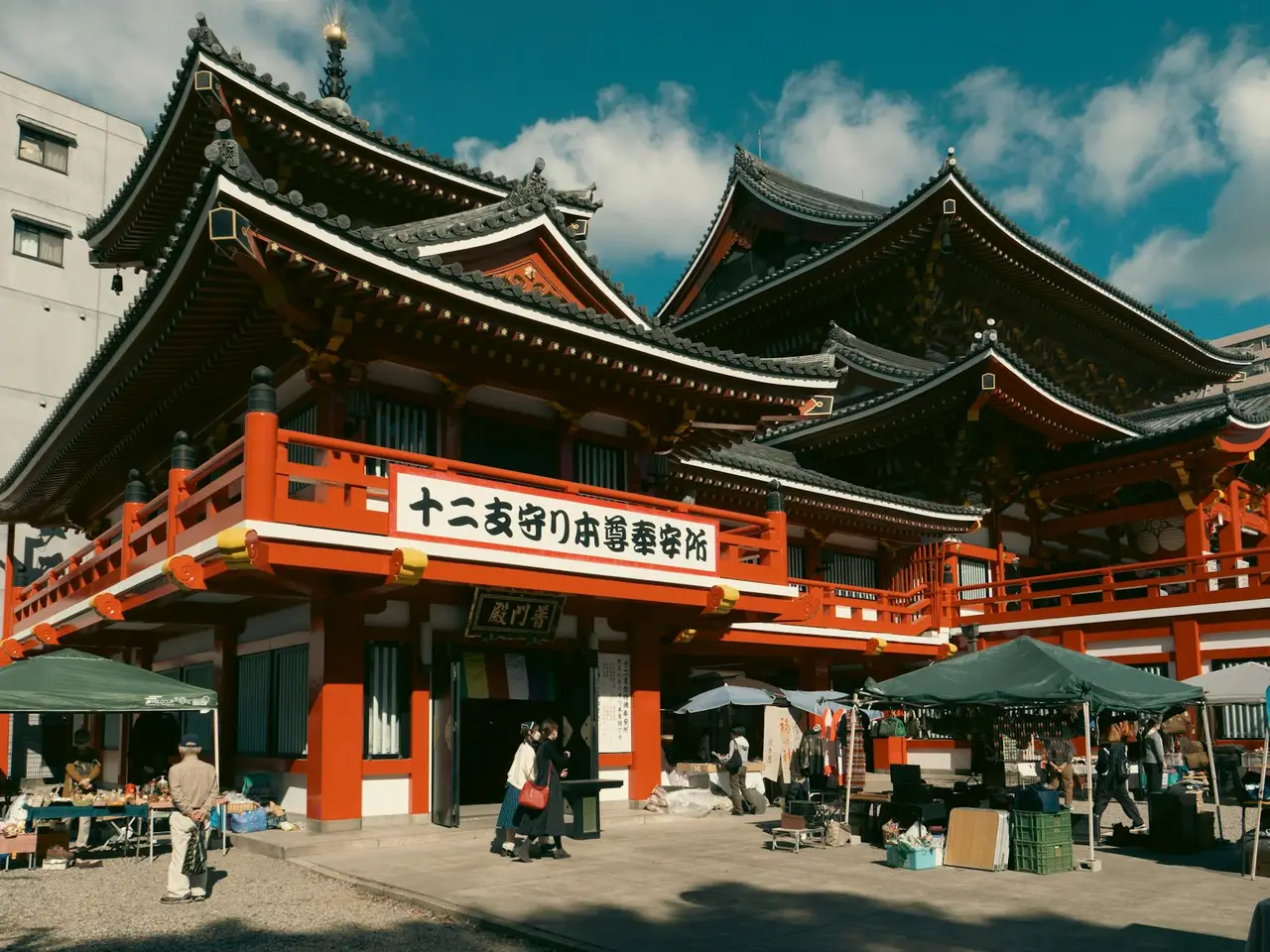
The trigger was showing up mid-morning instead of earlier. I got there around 10:30 a.m., saw the line, and decided it didn’t look terrible. That was the mistake. I waited about 25 minutes just to get through the entry flow, then spent another stretch moving through spaces that felt more managed than memorable. The whole thing took close to 2 hours door to door, and I left feeling like I’d done the obvious thing rather than the best thing.
The consequence was simple: I paid ¥500, used up nearly half a day once you count the walk and the wait, and got less out of it than I expected. The exterior looked fine, but the visit didn’t justify the time cost for me. That’s the part people leave out when they talk about famous city landmarks. They tell you it’s classic. They don’t tell you it can still be a drag.
Hindsight: I’d go only if I had a very open schedule or if I was already nearby. If I had to choose again, I’d put that time into a better food circuit or a neighborhood walk instead. Nagoya Castle is worth it only if you’re building a slow day and you’re okay with a modest payoff.
Best for: Travelers who care about city history and don’t mind a controlled, museum-like visit.
Skip if: You’re trying to make every hour count on a short trip.
My pick: Do it early, or not at all.
I underplanned lunch and ended up paying for convenience
This was the mistake that annoyed me most because my logic was sound, just not useful enough. Nagoya is known for food, so I assumed I could wander into a decent place and eat well without booking anything. That’s usually how I travel. It works in a lot of cities. I don’t love overplanning meals, and I still don’t.
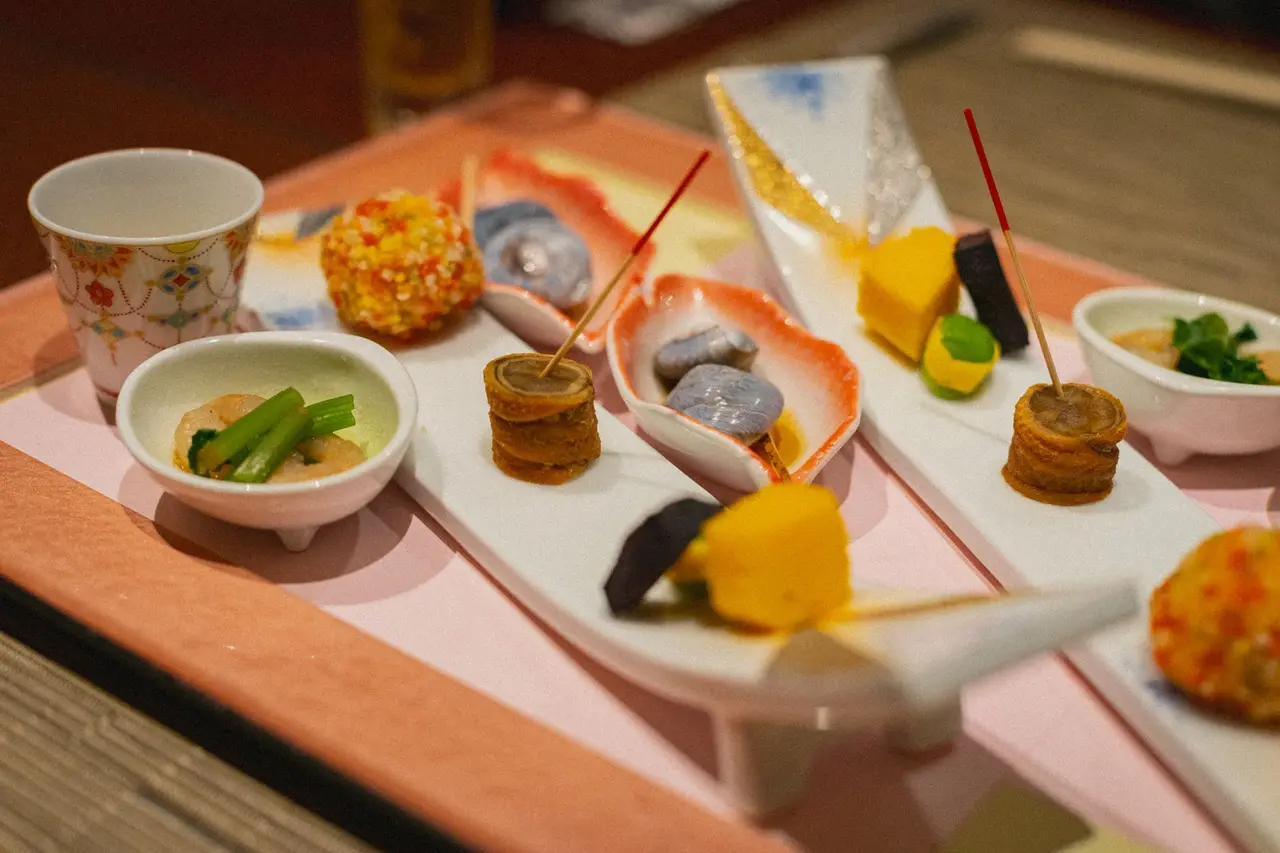
The trigger was waiting until I was already hungry to decide. I hit the Osu area around 1 p.m., and the better-looking places had lines or were full. I didn’t want to stand around in the heat with my sunglasses on and my jacket in my bag, so I picked the first place that could seat me. It was a set lunch for ¥1,450, and it was fine. Just fine.
The consequence wasn’t ruinous, but it was annoying. I probably overpaid by ¥300 to ¥500 compared with the places I’d have chosen if I’d arrived earlier or had a backup. More importantly, I lost the chance to eat the thing I actually wanted. Nagoya’s food scene is one of the city’s best reasons to go, and I let hunger make the decision for me. That’s bad travel math.
Hindsight: I’d pick lunch first, then sightseeing. If I were going back, I’d either eat before noon or use Klook for a food-focused booking when I know I’m arriving on a busy day. The point isn’t to turn every meal into a reservation. It’s to stop random hunger from choosing your lunch.
Best for: People who want to eat well without wasting time hunting around.
Skip if: You’re fine settling for the first available option and don’t care much about the meal itself.
My pick: Book one food stop or eat early, then roam.
I pre-booked on Klook for one of my later Nagoya activities because the lunch line on day one convinced me not to wing every meal and ticket in the city.
I thought the city was walkable enough to ignore transit planning
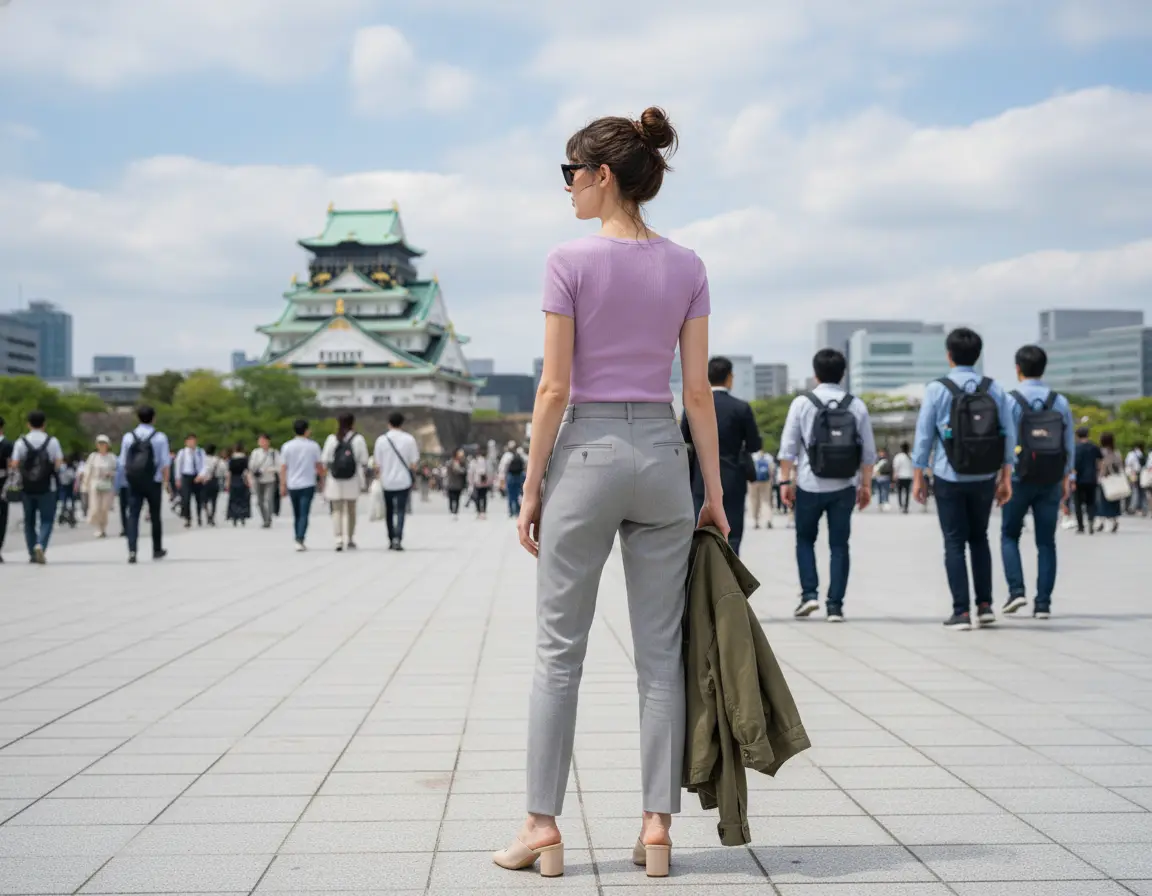
In theory, Nagoya looked compact. In practice, the city is easy to get around only if you know where you’re going. I assumed I could save money by walking between everything, and that seemed logical because the streets are straightforward and the weather was warm enough for it, about 17–25°C that day with partly cloudy skies. I had a tee on, light trousers, and a jacket in hand, so walking itself wasn’t the problem.
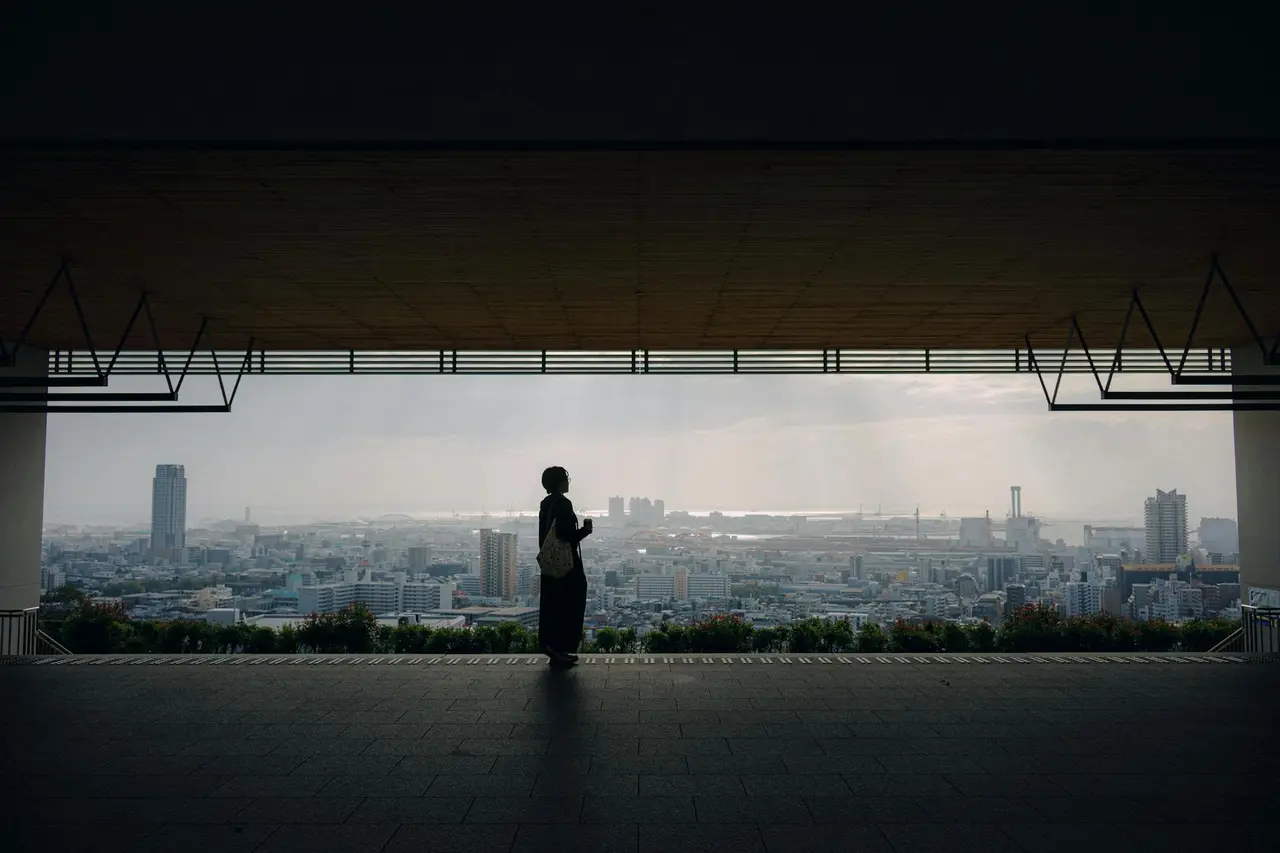
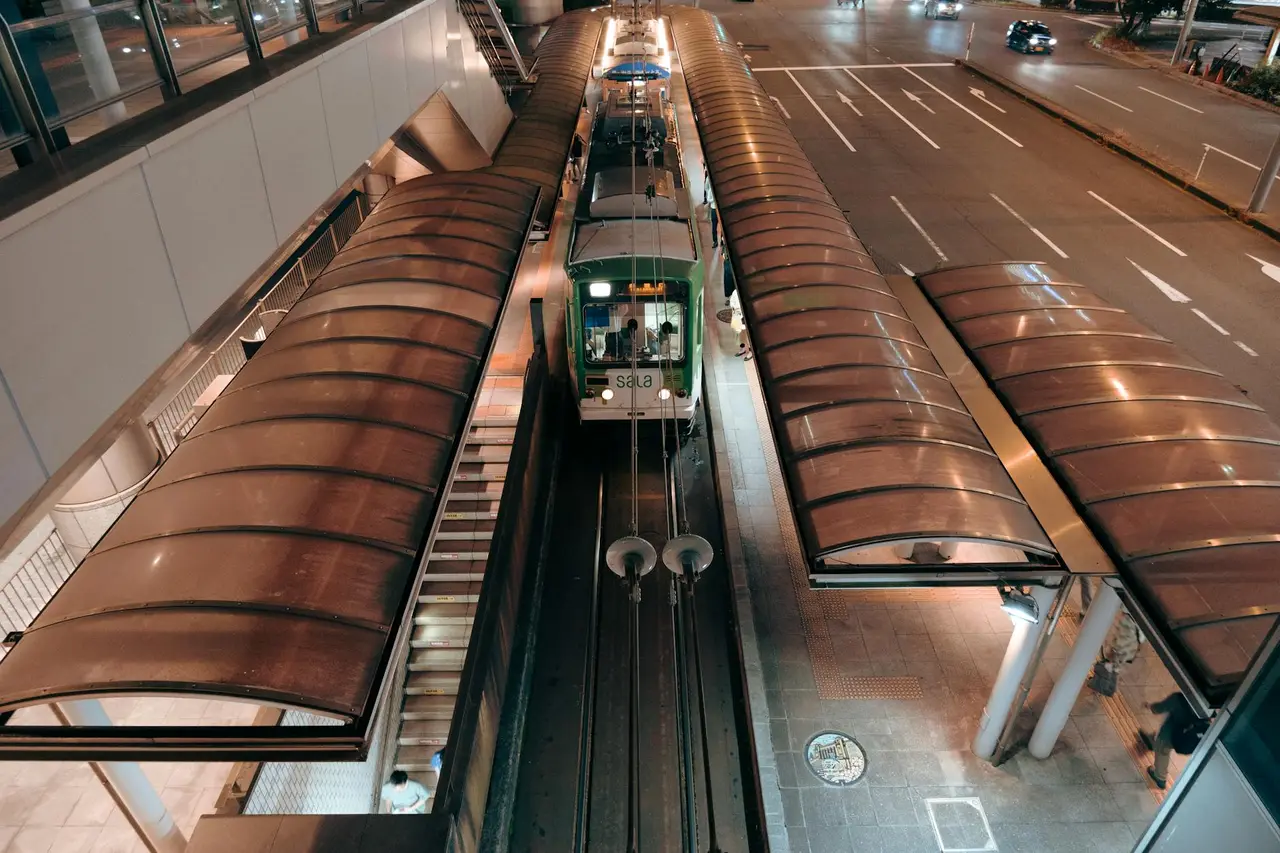
The trigger was trying to connect Osu, Sakae, and the station area on foot without checking the actual distance and timing. I did the first stretch on foot because it felt doable. It was doable. It just wasn’t efficient. I burned time crossing intersections, waiting at lights, and cutting through blocks that looked shorter on the map than they were in real life.
The consequence was around 75 minutes of extra walking and an extra ¥480 in subway fares later, after I finally gave up and took the train anyway. That was the part that stung. I didn’t save money. I just delayed the obvious choice and got tired first. By late afternoon, I was less interested in the city and more interested in sitting down.
Hindsight: I’d use the subway more aggressively from the start. Nagoya rewards practical transit thinking. If I had been smarter, I would’ve done one neighborhood on foot, then used the subway for the bigger jump. That’s the cleanest way to keep the day from leaking energy.
Best for: Travelers who like efficient city movement and don’t want to waste energy on unnecessary walks.
Skip if: You insist on walking everywhere and calling it “exploring.”
My pick: Walk within a district, then take the train between districts.
I skipped the local food plan and paid for it in bland meals
My worst food mistake in Nagoya wasn’t eating badly. It was eating vaguely. I knew the city had specific dishes people care about, but I treated that like background noise and assumed I’d run into them naturally. I figured one random meal would be enough and that the rest would sort itself out.
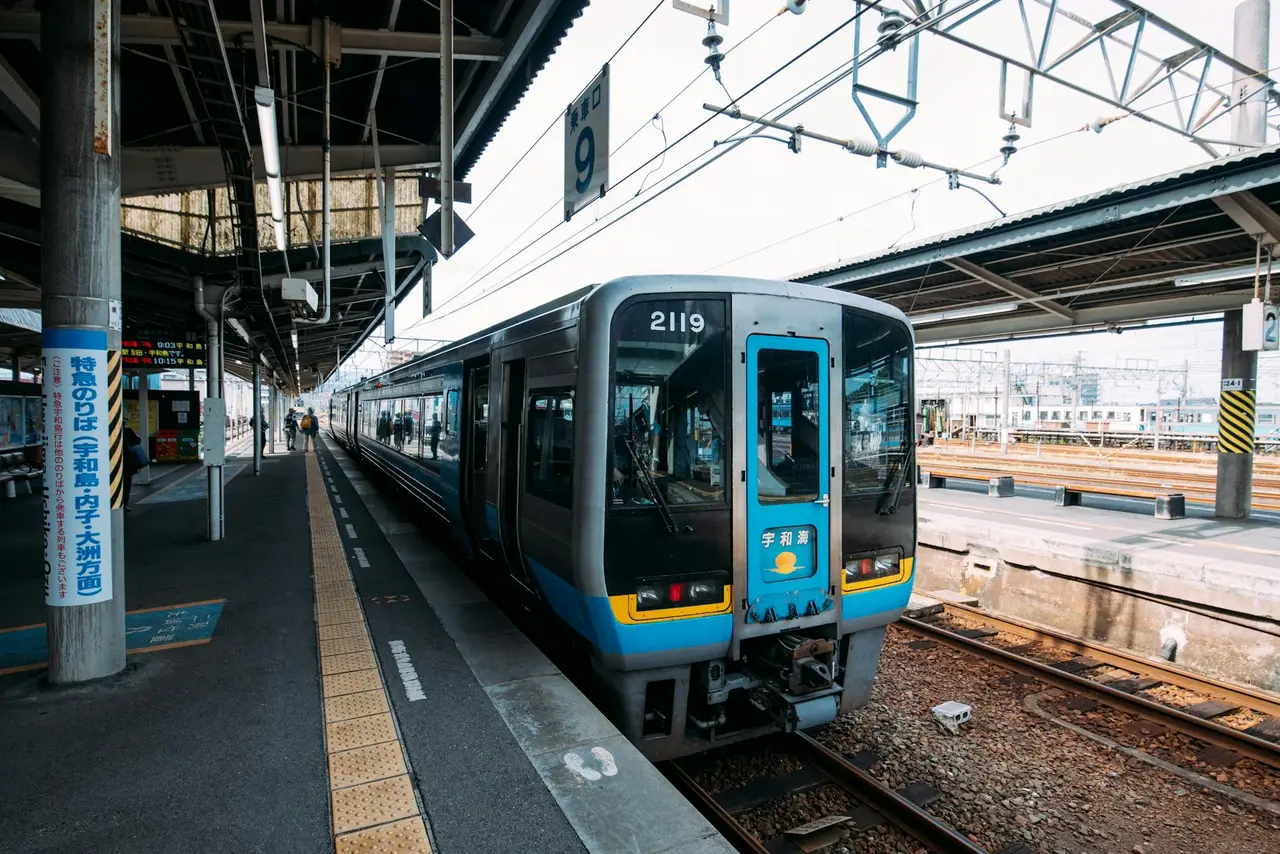
The trigger was choosing convenience over specificity twice in one day. First lunch was the ¥1,450 place near Osu. Then later I grabbed a quick snack from a convenience store because I didn’t want to hunt for anything else. That second stop cost me ¥210 and maybe five minutes, but the real loss was the missed chance to actually eat like I was in Nagoya. I went home feeling like I’d visited a city famous for food and mostly eaten because I was tired.
The consequence was not dramatic, but it was a letdown. I spent roughly ¥1,660 across two forgettable food decisions and still didn’t feel like I’d had the city’s food identity. That’s the kind of mistake that doesn’t look expensive until you realize you’ve spent money on meals you won’t remember. I don’t love that kind of waste. It’s sneaky.
Hindsight: I’d build the day around one proper local meal and one backup snack. If I were doing it again, I’d choose a place specifically for what Nagoya does well instead of letting convenience win twice. Even one better meal would’ve made the whole day feel more grounded.
Best for: Food-first travelers who want the city to feel distinct, not generic.
Skip if: You don’t care about regional dishes and just want fuel.
My pick: Plan one meal on purpose. The rest can be casual.
I kept one famous shopping area on my list too long
I went into the afternoon thinking I should “see” a bit of everything, including the big shopping streets. That seemed fair. Nagoya has enough commercial energy that I assumed the shopping areas would be useful for a break and maybe a little browsing. I’m not against shopping streets. I just don’t like them when they become the default answer to “what should I do next?”
The trigger was spending too long in a section that felt repetitive after the first 20 minutes. I walked through enough storefronts to know the pattern, then kept going because I thought there might be something better around the next corner. There wasn’t, at least not for me. I ended up killing about 45 minutes on a stretch that didn’t change my day at all.
The consequence was small but annoying: 45 minutes gone, no purchase worth remembering, and another chunk of energy spent standing in places I didn’t need. That kind of drift matters more on a one-day Nagoya visit than people admit. The city isn’t trying to dazzle you every block. If the area isn’t giving you something specific, move on.
Hindsight: I’d give shopping streets a hard time cap. Twenty minutes, maybe 30 if I’m actually looking for something. Otherwise, I’d rather sit with coffee, take a slower block in Osu, or head to one more food stop. That would’ve been better value.
Best for: Travelers who like browsing and don’t mind a slower afternoon.
Skip if: You’re already tired and hoping the area will magically entertain you.
My pick: Set a timer and leave when it stops being useful.
I usually book Nagoya tours on Klook — the best time slots go fast, especially in peak season.
FAQ
Is Nagoya worth a short stop, or should I save it for another trip?
Yes, Nagoya is worth a short stop if you like city food and efficient movement more than sightseeing theater. I think it works best as a one-night or one-full-day city, not as a place to force a packed itinerary. If you only have a few hours, I’d keep it simple and focus on one area plus one meal.
Do I need to book Nagoya attractions in advance?
No, not for every attraction, but I’d book ahead for anything time-sensitive or ticketed during busy periods. I lost about 25 minutes at one stop because I showed up at a peak-ish hour and tried to wing it. If your schedule is tight, prebooking saves you from turning a simple visit into a waiting game.
Is walking enough for getting around Nagoya?
No, walking alone is not enough if you want to use your time well. I tried to connect a few areas on foot and burned about 75 extra minutes doing it the hard way. Use the subway for the bigger jumps and save walking for one district at a time.
What should I eat first in Nagoya if I only get one proper meal?
I’d make that meal a Nagoya-specific one instead of defaulting to the nearest café or chain. I made the mistake of spending ¥1,450 on a decent-but-generic lunch, and it was the least memorable part of the day. One local meal gives the city more identity than three random snacks.
Is Nagoya Castle worth the time for a first visit?
Yes, but only if you have a relaxed schedule and you’re okay with a modest payoff. I spent close to 2 hours there including the wait and entry flow, and I wouldn’t do that on a tight day again. If your trip is short, I’d choose food and neighborhood time first.
 Emma Hayes