

I almost wasted ¥6,000 on a private transfer from Chubu Centrair Airport to Nagoya because I was tired, slightly impatient, and ready to buy convenience on arrival. I didn’t need to. The Meitetsu train was cheaper, fast enough, and the better default for almost everyone. I’d only pay extra for a car if I landed very late, had awkward luggage, or was staying somewhere the train made annoying.
If you’re landing in Nagoya for less than five days, I’d treat the airport transfer as a logistics problem, not a sightseeing moment. The main decision is simple: take the Meitetsu train if you want value, take a bus or taxi only if your hotel location or arrival time makes the train a hassle. I care about time per yen here, and Centrair is one of the easier airports in Japan to get out of without getting ripped off.
Quick answer: For Chubu Centrair Airport to Nagoya, I’d take the Meitetsu train. I paid about ¥980 for a standard limited express seat, and the ride took roughly 30 to 40 minutes. A reserved-seat μ-SKY costs about ¥1,240, and a taxi only makes sense if you land very late or have heavy luggage.
What I’d do from Centrair to Nagoya

- My pick: Meitetsu μ-SKY or limited express from Centrair to Meitetsu Nagoya Station. I paid about ¥980 for a standard limited express seat once, and that’s the sweet spot for most travelers.
- Best for: Solo travelers, couples, and anyone staying near Nagoya Station who wants the cheapest decent option.
- Skip if: You land after a long-haul flight, have multiple large bags, or are staying far from the station and would end up paying for another ride anyway.
- What I’d avoid: Random airport limousine-style transfers unless the timing is clearly better. The train is usually cleaner, faster, and less annoying than paying for “comfort” that doesn’t save much time.
The transfer I actually used: Meitetsu train, not a taxi

I took the Meitetsu Airport Line from Centrair into the city, and that’s still my default answer. At the airport, the signs were easy enough to follow, and I bought my ticket at the Meitetsu ticket machines instead of standing around trying to be clever. The ride into Nagoya Station took roughly 30 to 40 minutes depending on the service, which is good value for around ¥980 to about ¥1,240 if you choose a reserved-seat μ-SKY option.
I had two options in front of me: the Meitetsu train and a taxi. I went with the train because the price gap was ridiculous — a taxi into central Nagoya can run several thousand yen, and I wasn’t paying that just to avoid a platform. The taxi only makes sense if your hotel is awkwardly placed, you’re arriving late, or you’re splitting the fare with a group and carrying enough bags to make the station stairs annoying.
Best for: Most first-time visitors who are staying near Nagoya Station or taking another train onward.
Skip if: You’ve got heavy luggage and a hotel far from the station with no easy transit connection.
My pick: Meitetsu train over taxi, every time unless I’m landing close to midnight.
The one thing that mattered most was not the ride itself, but the last mile. Nagoya Station is huge, and if your hotel sits on the wrong side of it, a “cheap” airport transfer can turn into a long walk with a suitcase. I made that mistake once in another city and promised myself I wouldn’t do it again. In Nagoya, I’d rather pay a little more for a hotel that’s actually walkable from the station than burn money on airport cars and then still need local transit.
What the train costs, and which ticket I’d buy again
The standard Meitetsu Limited Express is the best value. I paid about ¥980 for a basic ride, and that felt fair. The μ-SKY limited express costs more because it gives you a reserved seat; if I were landing after a red-eye or during a busy weekend, I’d probably pay the extra rather than gambling on standing with luggage.
I usually book Nagoya tours on Klook — the best time slots go fast, especially in peak season.
I expected the reserved-seat version to feel like a luxury add-on I’d regret. It didn’t. It was just a cleaner way to start the trip when I didn’t want to think. Still, I wouldn’t buy it for a normal daytime arrival unless I knew I’d be tired or the train was packed. That small upgrade is worth it only when your energy is already low.
Worth it if: You’re arriving after a long flight, traveling with a bigger suitcase, or landing during a busy period.
Skip if: You’re arriving in the middle of the day and don’t mind standing for part of the ride.
My pick: Standard limited express for daytime arrivals, μ-SKY only when I’m already done for the day.
If you want the cheapest practical option, I’d still choose the train over buses. Buses can be fine, but they’re slower, and the savings usually aren’t dramatic enough to change the trip. This is one of those places where “cheapest” and “best value” are almost the same thing, which makes the decision easy for once.
When a bus or taxi makes sense, and when it doesn’t
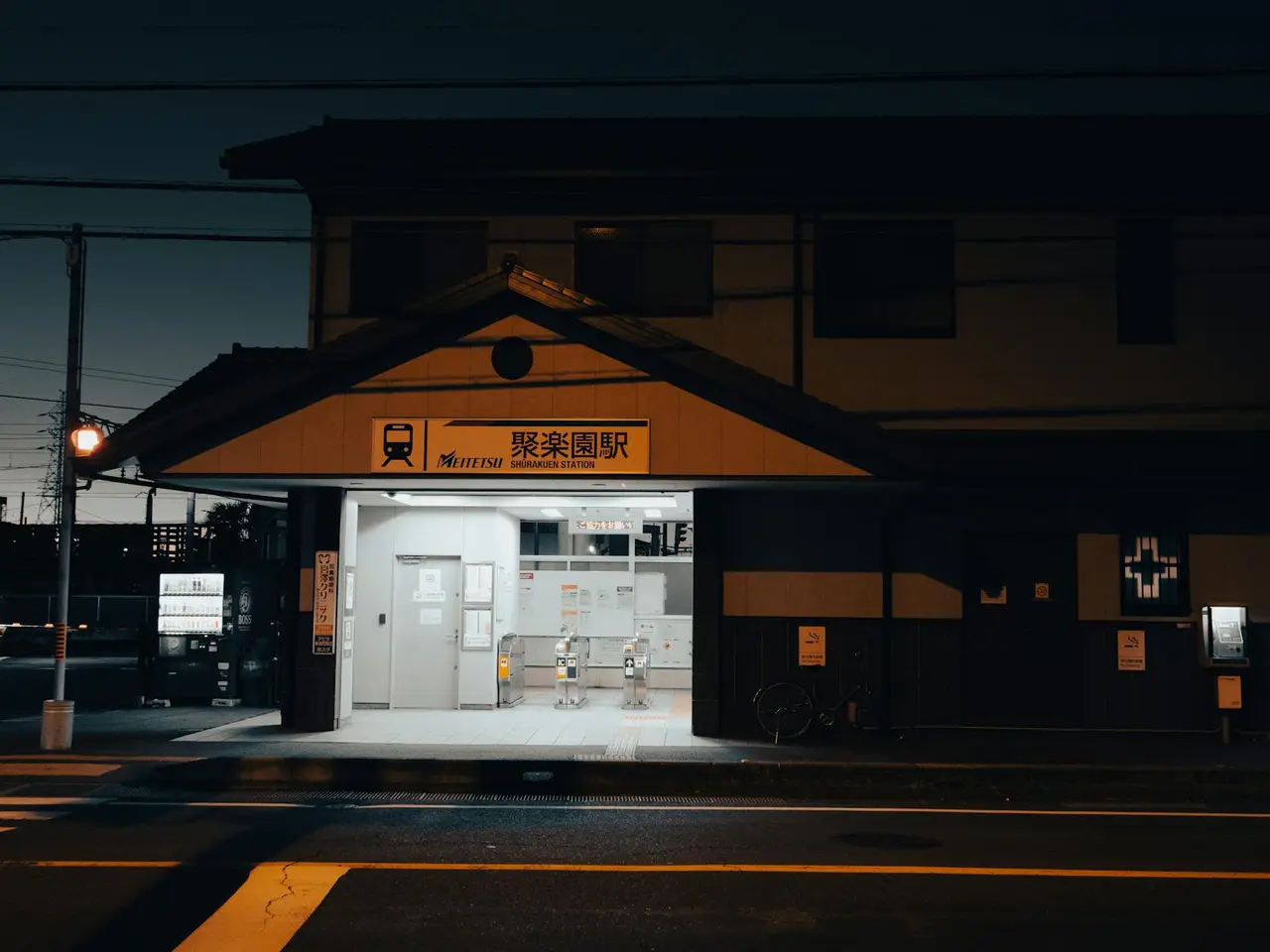
The airport bus is the fallback I’d use only under specific conditions. If your hotel is near a bus stop and you hate transfers, it can be fine. But I wouldn’t choose it just because it sounds easier. I’ve done enough airport buses to know that “direct” often means “slow and slightly vague.”
A taxi from This nagoya guide is the option for bad timing, not good value. I’d only book one if I landed very late, was traveling with someone who couldn’t handle stairs well, or had so much luggage that the train station would be a pain. For a solo traveler like me, that math never works out unless something has gone wrong.
Best for: Bus if your hotel is on the route; taxi if you land late or have mobility issues.
Skip if: You’re trying to save money and your hotel is anywhere near Nagoya Station.
My pick: Train first, bus second, taxi last.
I also wouldn’t overcomplicate arrival day by booking a transfer package in advance unless you know you need it. The airport is straightforward, and the train ticket machines are easy enough to use. I bought mine on arrival in under five minutes. That’s the kind of airport where planning every detail ahead of time starts to feel unnecessary.
Where to stay in Nagoya if you want the airport transfer to stay painless
If you’re coming in from Centrair, I’d stay near Nagoya Station or maybe Sakae if you want a bit more life at night. For a short trip, Nagoya Station is the easiest landing pad because it keeps your arrival simple and your train connections obvious. I checked a few places around the station and saw rates around ¥8,000 to ¥15,000 for basic business hotels depending on date and room type, which is normal for the area.
See current Nagoya hotel prices on Agoda →
I almost booked a cheaper place a few stops away because the nightly rate looked better by about ¥2,000. Then I looked at the map and realized I’d be adding another 20 to 30 minutes each way every time I went out. I paid more for the station area. That was the right call, and I’d do it again.
Best for: First-timers, short stays, and anyone planning day trips out of Nagoya.
Skip if: You’re staying a week and already know you won’t use the station much.
My pick: Nagoya Station over a cheaper far-out hotel for trips under five days.
See all Nagoya hotels on Agoda if you want to compare station hotels against cheaper options farther out; the price gap looked small enough that I wouldn’t save money by choosing inconvenience.
The one thing I got wrong at Centrair

I expected Centrair to feel like a sleepy airport with nothing to do, so I planned to get in, grab the train, and leave immediately. Instead, I ended up spending extra time in the airport because the layout was more pleasant than I expected and the food options were actually useful. I grabbed a quick meal and a drink before heading out, which was smarter than rushing straight to the city half-hungry and cranky.
The mistake was assuming I needed to “get moving” right away. The trigger was seeing how easy the airport was to navigate and realizing I wasn’t saving much by sprinting to the train. The consequence was small — maybe 30 extra minutes — but I’d have been in a better mood if I’d planned for a cheap airport meal instead of treating the transfer like a race. Next time I’d budget a little arrival buffer and not act like every airport has to be escaped immediately.
Worth it: Taking 20 to 30 minutes to eat before leaving the airport if you’re hungry.
Skip if: You’re trying to catch a tight connection or a last train.
My pick: Slow down a little at Centrair. It’s one of the few airports where that doesn’t feel like a waste.
I also noticed the weather was warm enough for a light long-sleeve top, around 16–24°C, with sunglasses in hand by midday. That mattered because I didn’t want to drag a heavy jacket through the station. If you land in spring or autumn, a cardigan is enough. Don’t overpack your arrival outfit for this transfer.
What to book ahead, and what to buy on arrival
I wouldn’t pre-book the standard train. It’s simple enough to buy on arrival, and that flexibility is useful if your flight gets delayed. What I would book ahead is only the stuff that can actually sell out or become annoying: a late-night taxi if you’re arriving very late, or a hotel near Nagoya Station if your first night matters and you don’t want to drag luggage around after landing.
For most travelers, the airport-to-city transfer itself does not need advanced planning. I bought my Meitetsu ticket at the airport, walked down to the platform, and left. Done. No app gymnastics, no weird voucher exchange, no line over 30 minutes. That’s my kind of arrival.
Book ahead: Hotel if you’re landing late, taxi if you truly need one, and maybe a reserved-seat μ-SKY during busy travel periods.
Buy on arrival: Standard train tickets, snacks, and anything else that doesn’t disappear.
My pick: Keep the transfer flexible unless your schedule is tight enough that one delay ruins the night.
I book tours through Klook when I’m timing something around a specific slot, but for this airport transfer I wouldn’t bother. The train is too easy to justify turning into a pre-booked activity.
What I’d do differently next time
I’d stop thinking of the airport transfer as something to “solve” with money. The train is already the solution. I’d also book a hotel closer to Nagoya Station the first time instead of trying to save a little on a room that made every movement harder. And I’d leave room for a short airport meal because Centrair is better than the average arrival hall, and I missed that on my first pass.
Best for: Travelers who want the cheapest clean transfer and are staying near Nagoya Station.
Skip if: You arrive very late, have heavy luggage, or hate station navigation with bags.
Next time: I’d take the train again, stay walkable to Nagoya Station, and stop pretending a taxi is automatically worth the extra money.
Rough daily estimates from my own trip. Prices shift by season.
FAQ
What’s the easiest way from Centrair into Nagoya if I’m traveling alone?
The Meitetsu train is the easiest option, and I’d choose it again as a solo traveler. It’s fast, the ticketing is straightforward, and you don’t have to negotiate with anyone or wait around for a car. I paid under ¥1,300 and was in the city in roughly half an hour.
Is a taxi from the airport to central Nagoya ever worth it?
Yes, but only in narrow cases. I’d take one if I landed late, had a ton of luggage, or was staying somewhere awkwardly far from the station. For a normal daytime arrival, the extra cost is too high for the small time savings.
Should I reserve a seat on the train?
I’d reserve a seat only for a late arrival or a busy travel day. The standard train is fine most of the time, and I didn’t feel squeezed when I took it during a normal daytime transfer. If you’re tired and carrying a suitcase, the reserved μ-SKY is a nicer start.
Is it better to stay near Nagoya Station or somewhere cheaper farther out?
I’d stay near Nagoya Station for a short trip. The extra hotel cost is usually smaller than the time and energy you waste commuting with bags. I paid more for location once and saved myself a lot of friction, and that tradeoff worked.
Do I need to book the airport transfer before I land?
No, I wouldn’t pre-book the standard transfer. The train is easy to buy on arrival, and that flexibility helps if your flight changes. I’d only book ahead if I needed a late-night taxi or a hotel that would be hard to reach after dark.
 Emma Hayes