
I almost wasted ¥4,000 on Nagoya Castle’s paid areas and another hour on a “local” food stop that was really just a polished souvenir stop with a menu in three languages. Common Nagoya tourist traps to avoid is the right way to think about this city if you care more about good transit, real food, and not standing in line for the sake of it. If you want a cleaner day and better value, the alternative is usually one train ride away.
Quick answer: Skip the paid interior at Nagoya Castle unless you specifically want the rebuilt rooms, avoid the busiest Osu food stalls, and don’t eat the first polished set meal you see near Nagoya Station. My pick: use Nagoya as a practical base, not a checklist city.
Main Tips

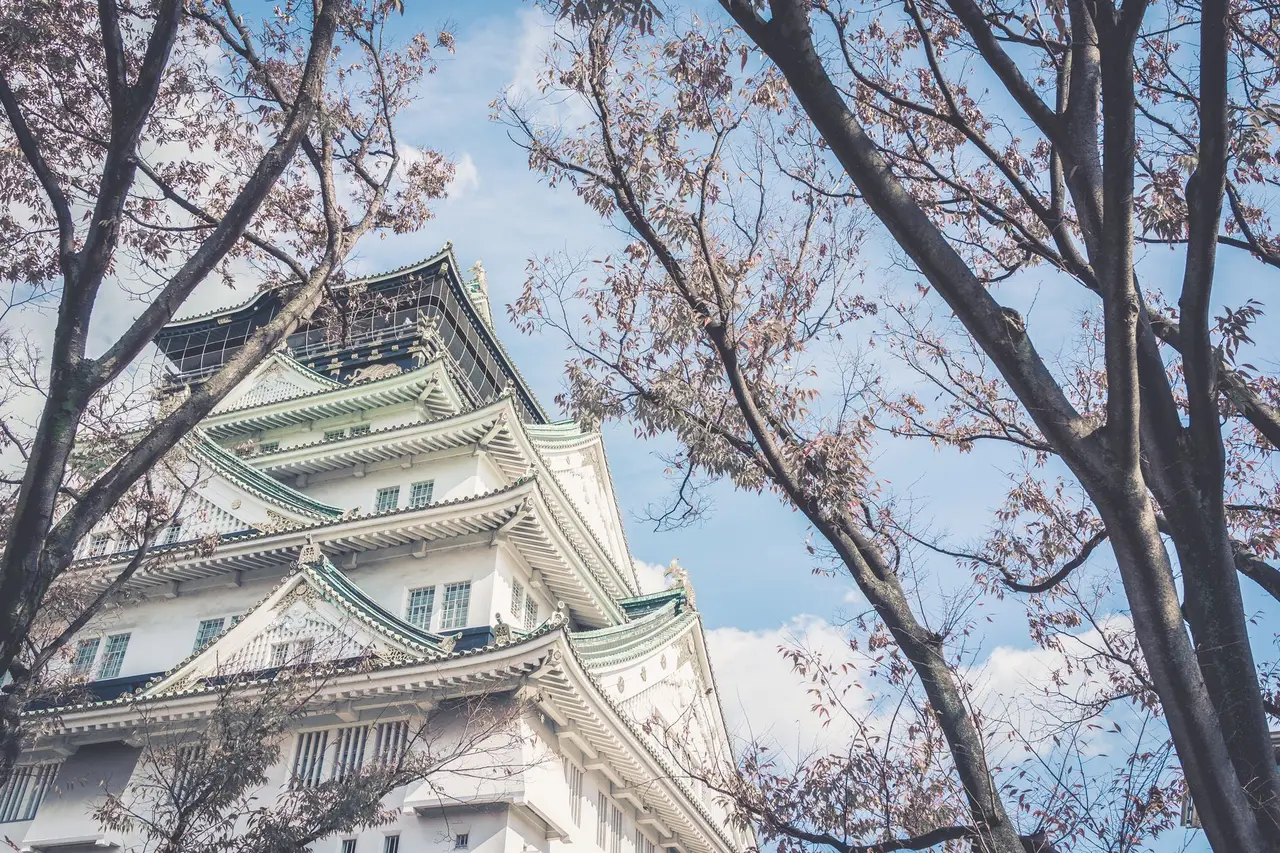
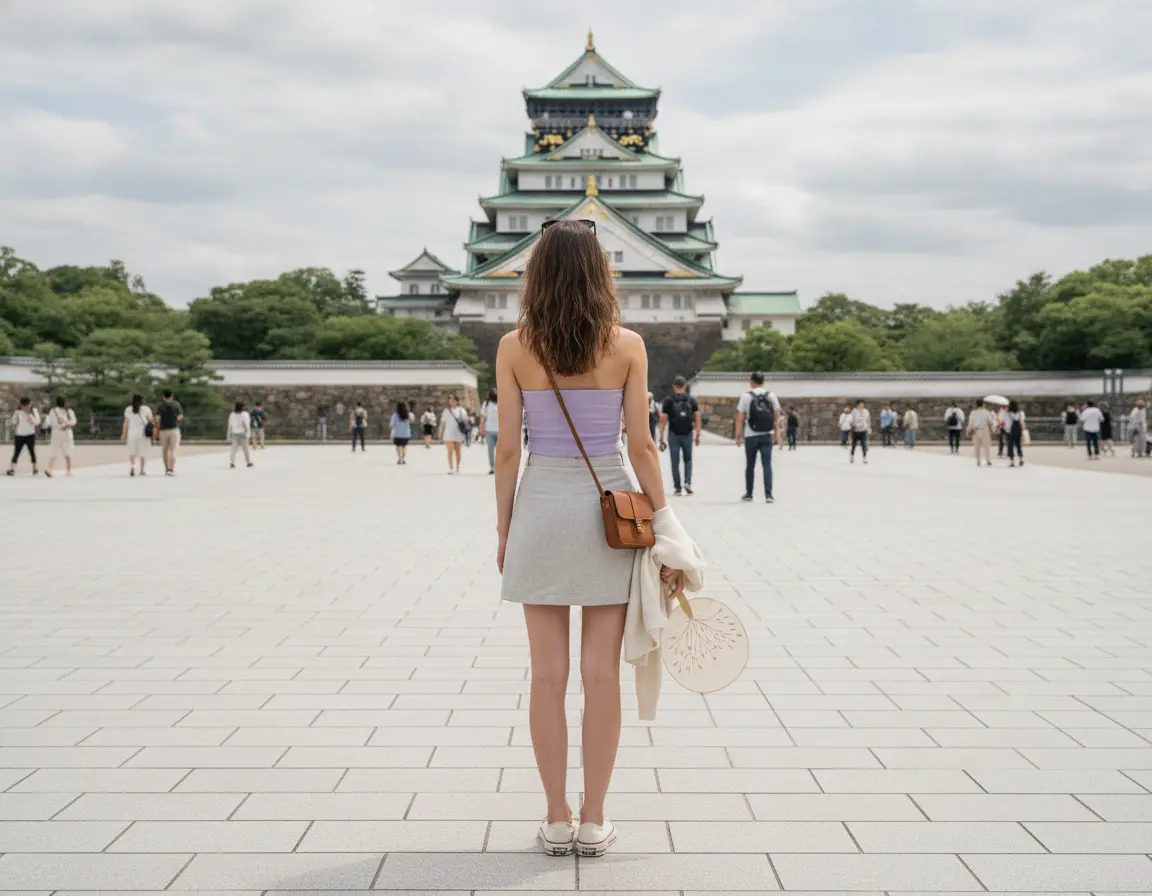
Nagoya Castle’s paid interior was the wrong use of my morning
I went in thinking the castle would be the obvious first stop. It looked efficient on paper: central location, big name, easy to fit between breakfast and lunch. I figured the main keep would be worth the entry fee because I’d already come all the way to Nagoya.
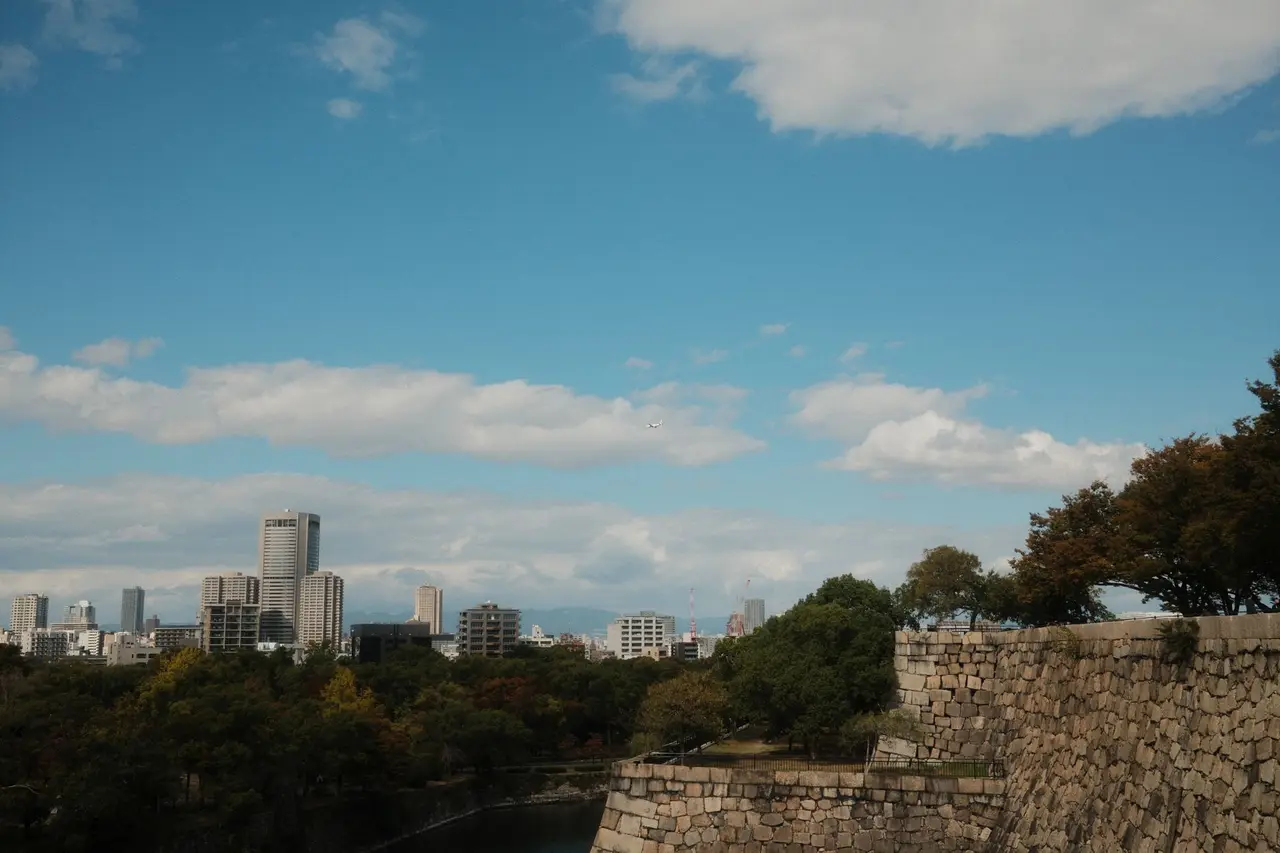
The trigger was simple. I bought a ticket, climbed in, and realized the interior reconstruction felt more like a museum walkthrough than a historic castle experience. The line moved, but it still ate time, and the rooms had that “look but don’t linger” feeling. I spent about 55 minutes inside and ¥500 on the main entry, then another ¥700-ish on small extras and a drink outside because I was hot and a little bored.
The consequence wasn’t disaster, but it was a clean waste. I lost almost two hours total once I counted the walk there, the entry, and the slow exit through the gift area. I also missed a morning slot I’d wanted for Osu, which was the better use of the day. The castle grounds were fine, but the paid interior didn’t justify the time for me.
I’d do it differently now. I’d walk the grounds, take the outside photos, and skip the interior unless I had a deep interest in reconstruction history. If you only have one Nagoya day, I think this is a low-value stop compared with using that same time on food, Osu, or a museum you actually care about.
Best for: people who specifically want the rebuilt interior and don’t mind paying ¥500 for a short visit.
Skip if: you’re trying to protect a half-day and you care more about atmosphere than exhibits.
My pick: see the grounds, then move on.
Osu’s chain-heavy food streets looked local and weren’t
I made this mistake because the area looked busy in the right way. Lots of people, lots of food signs, lots of smells. I assumed that meant good value. I also figured a place near a major temple district would at least have a few genuinely local lunch options, not just a parade of high-margin snacks.
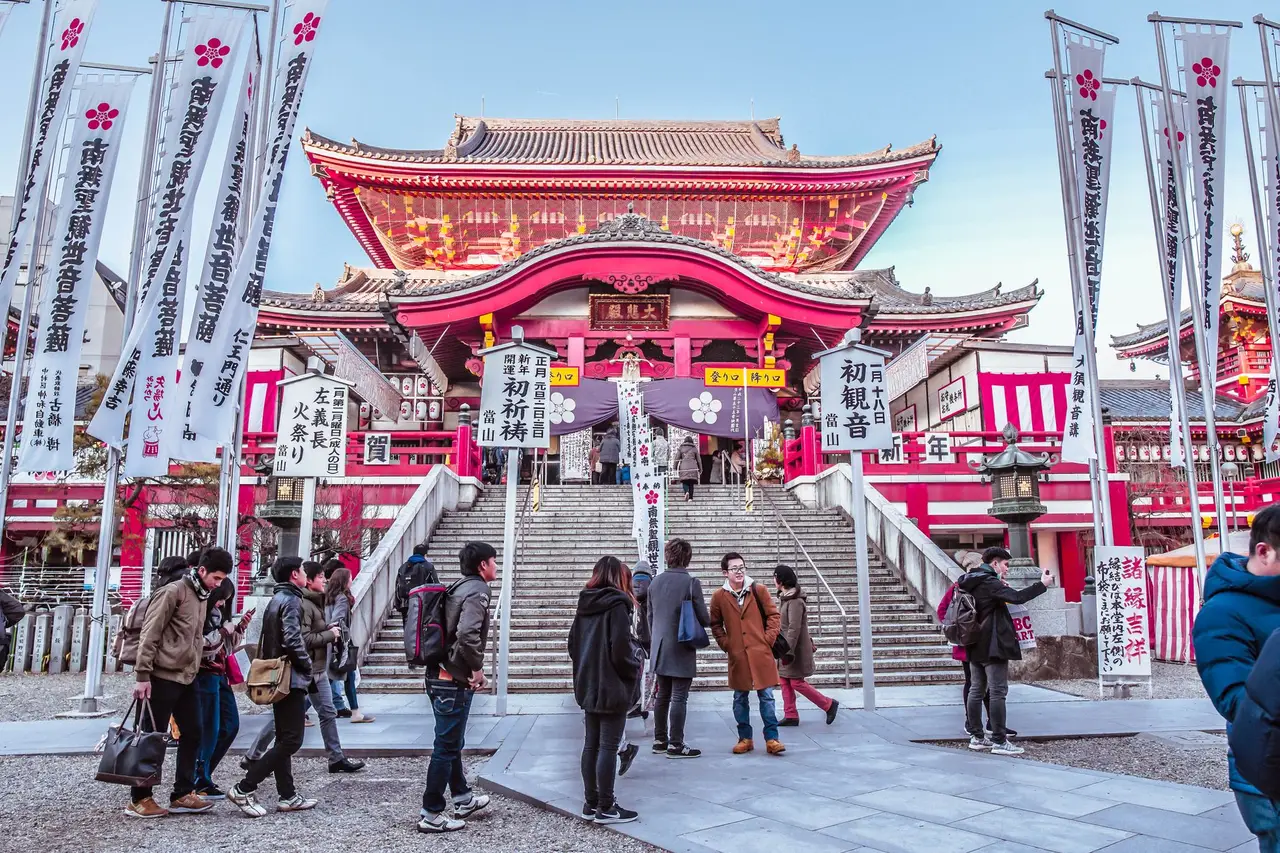
The trigger was stopping at one of the busiest stalls near Osu Kannon after a short walk from the station. I ordered a snack plate and a drink because the queue looked manageable and the pictures looked decent enough. The bill came to about ¥1,500
The consequence was mostly annoyance, but it did eat into the day. I then had to find a second lunch, which cost another ¥900 at a small noodle place farther from the main drag. So the “easy” lunch turned into a ¥2,400 mistake and about 45 extra minutes. That’s the part that gets me. It wasn’t expensive in one shot, just sneaky-expensive in total.
Hindsight is simple: I’d walk two or three blocks off the busiest strip and choose a place with a short Japanese-only lunch set instead of a picture-heavy menu. That usually gives better value and less performance. I think Osu is worth eating in, but not at the first shiny counter you see.
Best for: snack-hopping if you’re curious and don’t care about getting the best meal value.
Skip if: you want a real lunch and hate paying a markup for convenience.
My pick: leave the main lane fast and eat one street over.
The “local specialty” set meal next to the station was a markup, plain and simple
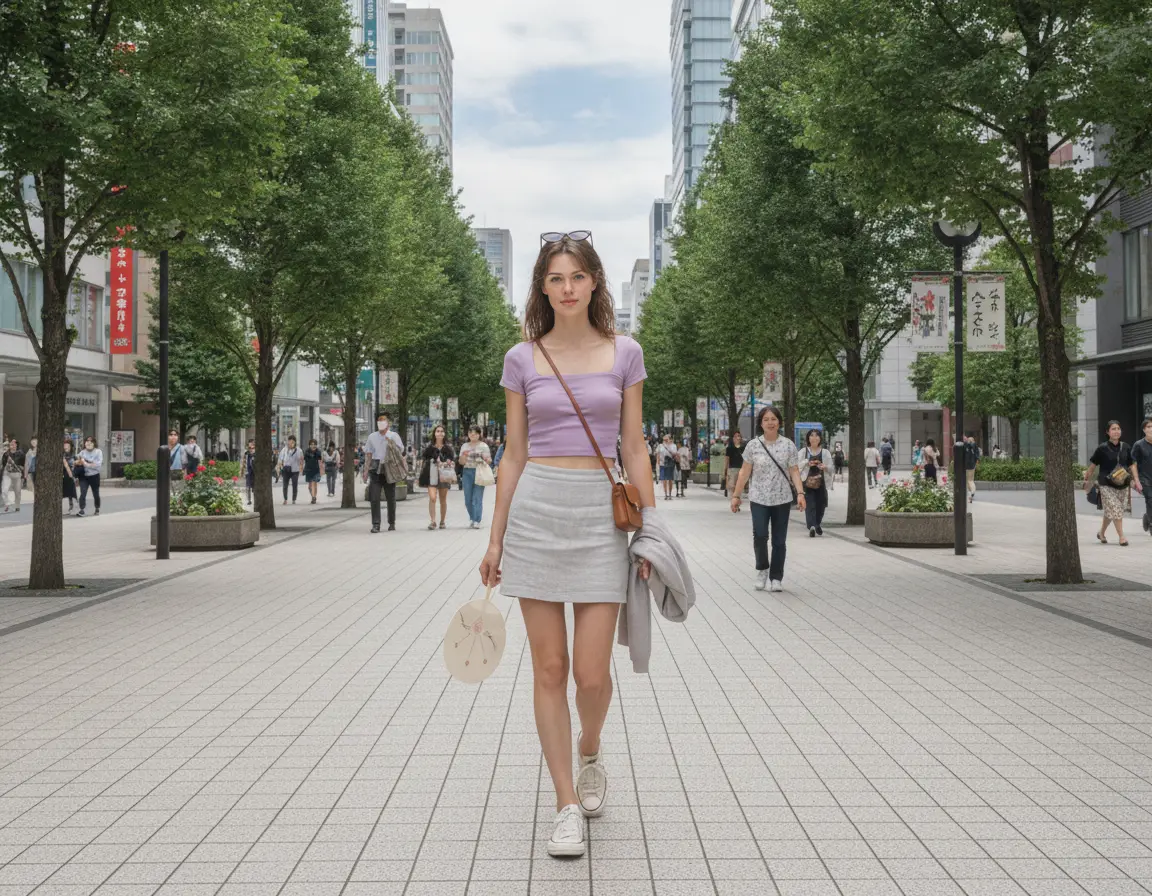
I fell for this because I was tired and hungry. It was hot — around 23–30°C that day — and I had my sunglasses on, cardigan in hand, and zero interest in wandering another 15 minutes just to save a few hundred yen. The restaurant had a clean sign, English menus, and photos of miso katsu and hitsumabushi. It seemed safe. I figured safe was fine.
The trigger was choosing the first place that looked polished near Nagoya Station instead of walking to a smaller shop. I ordered a set meal for ¥2,200 and added a drink because I was already there. The food was edible, but the price was inflated for what it was, and the room was full of other travelers doing the same tired calculation. I spent maybe 25 minutes total and left with that annoying feeling that I’d paid for location, not flavor.
The consequence was a simple money loss: about ¥700
My hindsight: if I’m near the station again, I’d walk 8 to 12 minutes away before eating. That tiny effort usually cuts the markup and gets me a better lunch crowd. If I’m too tired to walk, I’d rather grab a convenience-store onigiri for ¥150 and wait until I reach somewhere better. That math never works out in the station zone.
Best for: travelers who are exhausted and willing to pay for zero friction.
Skip if: you care about value and don’t need the first available seat.
My pick: walk away from the station before eating.
Legoland Nagoya was a bad fit for my trip, even though the logic made sense
I’m including this because my reasoning was actually sound. I thought, “I’m already in Nagoya, and I like efficient theme parks when they’re easy to reach.” That’s fair. If you’re traveling with kids or you genuinely enjoy Lego, the idea is not stupid at all.
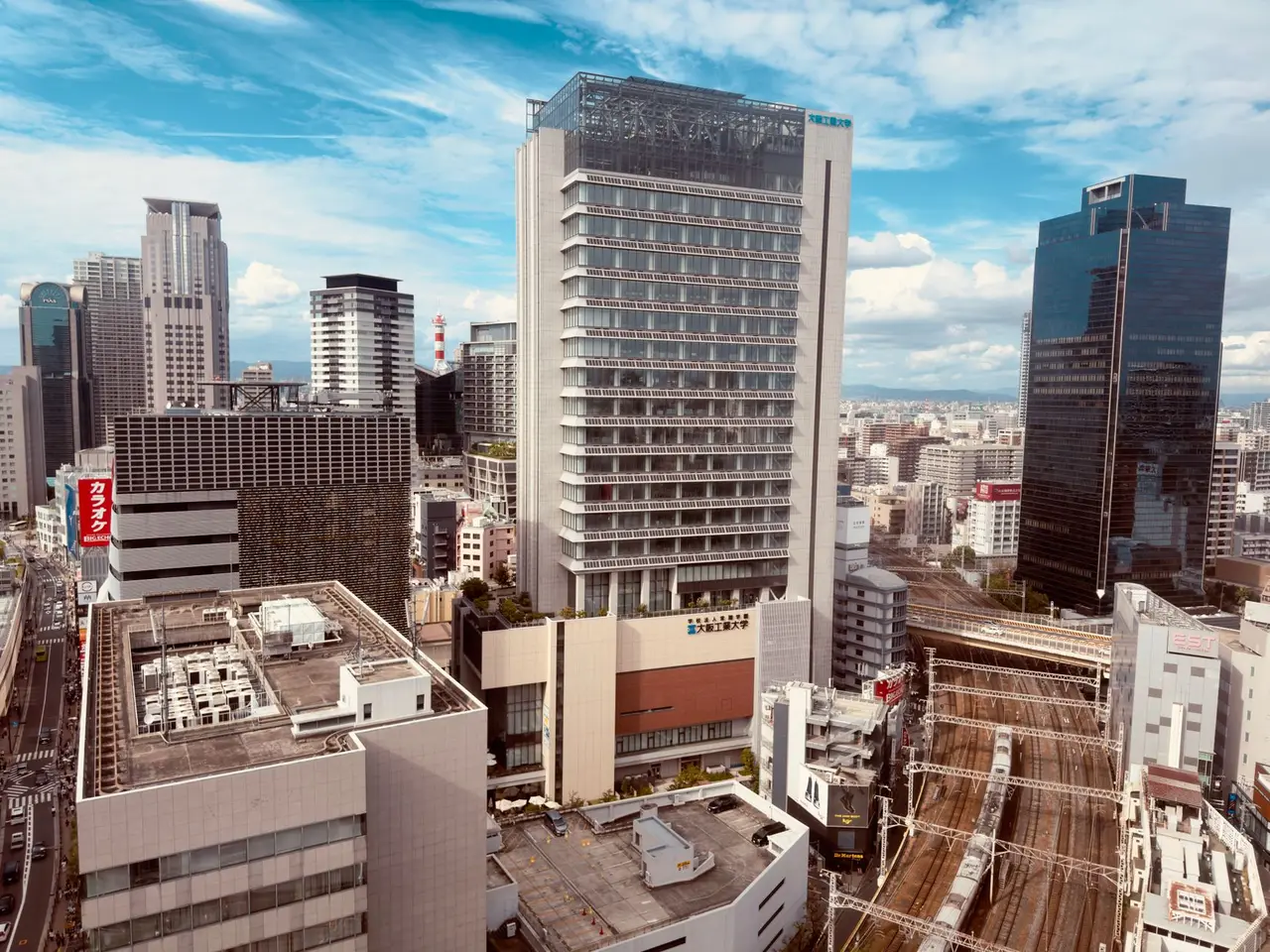
The trigger was looking at the time cost versus what I wanted from this trip. I didn’t have a full family day, and I wasn’t in a theme-park mood. The park itself is outside the center, so I’d have burned transit time getting there and back before even starting the ticketed part. I didn’t go, and that was the right call for me.
The consequence of going would have been at least half a day, probably closer to 6 hours once you count transport, entry, and wandering. Ticket prices also aren’t tiny, and I would’ve paid for a mood I didn’t have. In other words, the mistake here would have been forcing a good attraction into the wrong trip. That’s the part people miss.
Hindsight: I’d only choose Legoland if I had kids, a strong Lego interest, or a full day set aside just for that purpose. Otherwise I’d keep the center-focused day and skip the detour. This is the rare “my logic was fine, but the fit was wrong” case.
Best for: families, Lego fans, and people with a dedicated theme-park day.
Skip if: you’re in Nagoya for food, neighborhoods, or a short stopover.
My pick: save it for a different trip unless it’s your main reason for being here.
The train-station shopping detour ate more time than I expected
I thought I’d use the station area to “kill a little time” before my next stop. That was the trap. Station malls are designed to make 20 minutes disappear, and Nagoya’s big transit hubs are no exception. I told myself I’d just look around, maybe buy a drink, then head out.
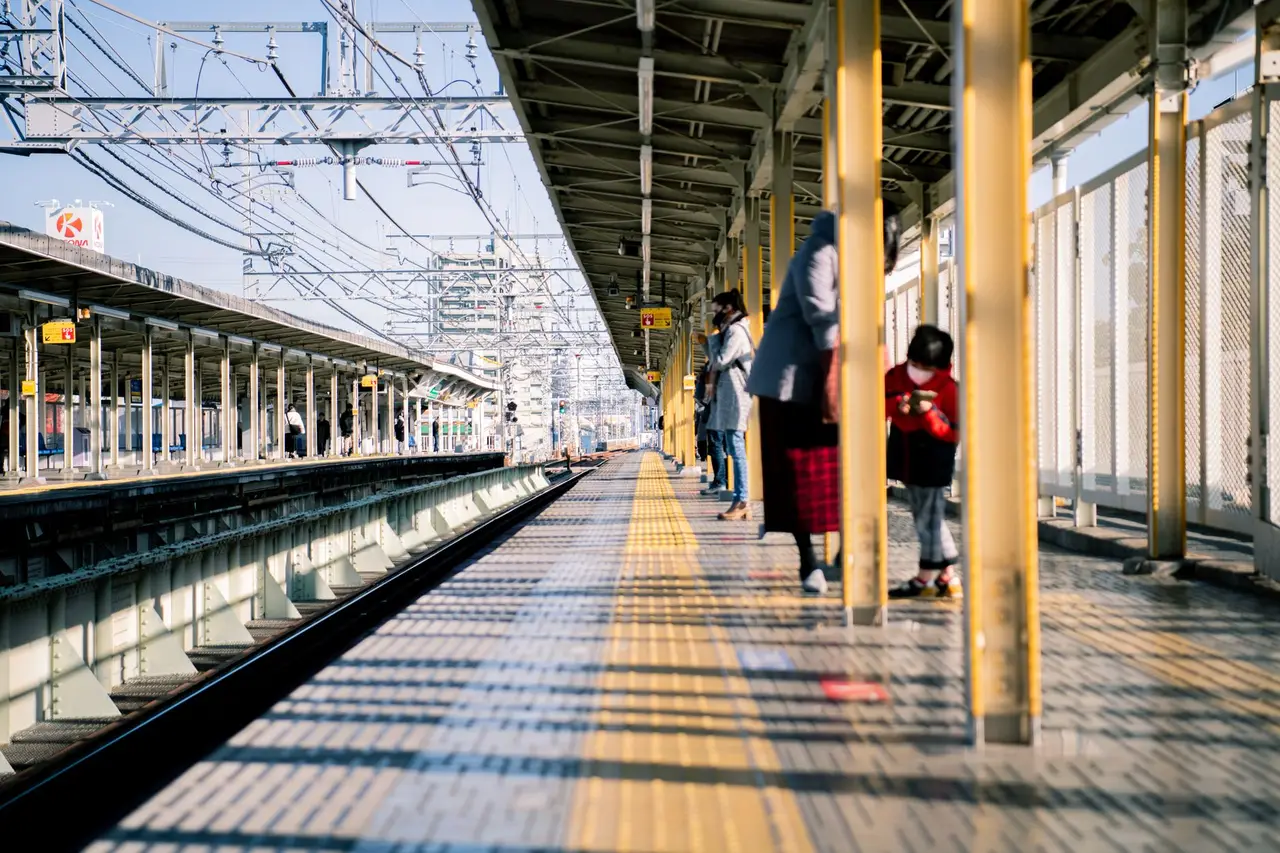
The trigger was wandering into the underground shopping maze instead of leaving immediately. I ended up following signs, checking a few stores, and then trying to find the right exit again. It sounds minor. It wasn’t. I wasted about 40 minutes and almost missed a simple transfer window I’d planned around.
The consequence was mostly schedule friction. I had to rush my next stop, and I paid ¥180 extra for a slightly different train route because I didn’t want to miss it by another few minutes. The money was small, but the stress was real. I hate paying to fix a self-made mess.
Hindsight: if I have somewhere specific to go, I’d leave station areas fast and only come back when I need them. If I do want to browse, I’d set a timer for 15 minutes and stop when it goes off. That sounds basic, but basic is what works in a city built around transit efficiency.
Best for: people with time to burn and no fixed next stop.
Skip if: you’re trying to keep a tight day on schedule.
My pick: treat station shopping as a stop, not an activity.
The “one more famous thing” mindset made the day worse
This was the broader mistake behind most of my Nagoya bad calls. I kept trying to stack one famous stop onto another because each one sounded reasonable on its own. Castle, food street, station area, one more snack, one more look. Individually, none of it was terrible. Together, it turned into a day that felt overbooked and underfed.
The trigger was not saying no early enough. I kept thinking I could squeeze in one more place before lunch or one more district before sunset. What actually happened was a bunch of small friction points: 15 minutes here, 20 minutes there, another ¥500, another train change, another decision. By the end of the day, I’d spent more energy optimizing than enjoying.
The consequence was a classic travel tax: roughly 2 extra hours lost across the day and probably ¥3,000 to ¥4,000 spent on weaker food, small transit fixes, and impulse stops I didn’t really want. That’s the part I’d warn people about most. Nagoya doesn’t punish you with one giant failure. It gets you through a series of tiny ones.
Hindsight: I’d pick one anchor for the day and build around it. If I want food, I’d make the day about food. If I want history, I’d do the castle or a museum and stop there. Nagoya works better when I stop treating it like a scavenger hunt.
Best for: travelers who like slower days with one clear objective.
Skip if: you’re trying to “see everything” in a single pass.
My pick: choose one main plan and let the rest go.
I book activities through Klook when I know a slot might sell out or when I want to compare options fast. In Nagoya, that matters more for timed entry or day-trip add-ons than for random city wandering.
I expected Osu’s main food street to be packed with family-run stalls and local recipes, but I walked straight into a corridor of chain restaurants with English menus and tour groups queuing for the same ¥1,200 donburi bowls. The real takeaway: skip the first 3 blocks near the station and walk deeper into the side alleys where the smaller places actually operate without the tourist markup.
I thought the “local food experience” near Nagoya Station would mean real home cooking, so I picked the first set meal place with a line and decent photos, only to realize it was a polished chain designed to move 50 people an hour at ¥1,500 per head. Better move is to eat near your hotel or ask your accommodation staff directly—they know which spots don’t perform for cameras.
I usually book Nagoya tours on Klook — the best time slots go fast, especially in peak season.
FAQ
Is Nagoya Castle worth going inside?
Not really, unless you care about the rebuilt interior or you’ve got time to spare. I paid the entry fee once and felt the outside grounds were the stronger part of the visit. If I went again, I’d probably walk around the exterior and save the money.
Are the food stalls near Osu a good lunch choice?
Some are fine, but I wouldn’t use the busiest ones as my main meal. I paid about ¥1,500 for one stop there and still needed a second lunch later, which is a bad sign. I’d walk a few blocks off the main strip and look for a smaller set meal instead.
Should I eat near Nagoya Station or walk elsewhere?
I’d walk elsewhere if I had more than a few minutes. The station area is convenient, but the first places you see are usually priced for tired travelers, not for value. Even a 10-minute walk can save a few hundred yen and give you a better meal.
Is Legoland worth adding to a short Nagoya trip?
No, not on a short solo trip without a strong reason. It takes too much of the day once you count transport, and I wouldn’t spend that time unless I was already excited about the park. Families or Lego fans are the exception.
How much time should I give Nagoya if I want to avoid tourist traps?
I’d give it at least one full day, and two is better if you want to slow down. A rushed half-day pushes you into overpriced food, random station wandering, and the kind of sightseeing that feels like chores. With one full day, I can be selective and skip the junk.
 Emma Hayes