
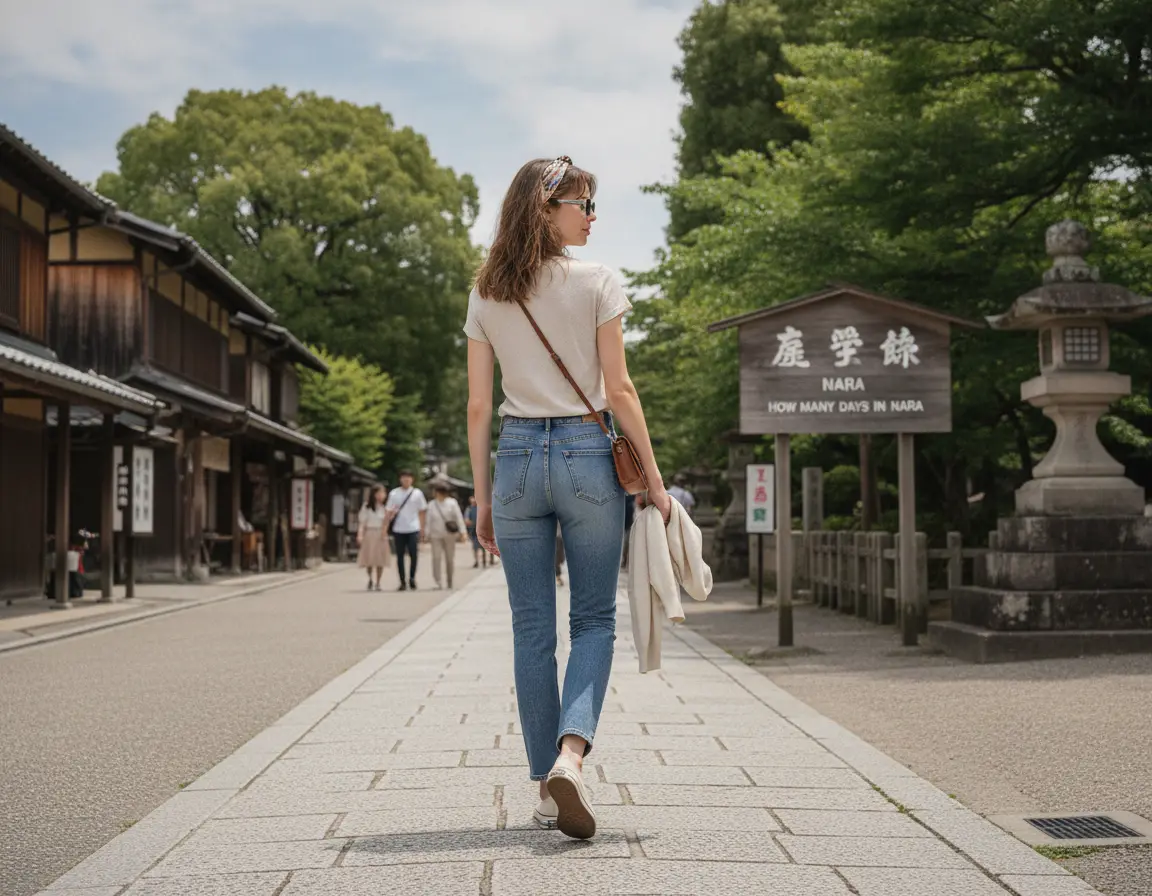
1 deer stole my map in Nara Park, and that was before lunch. I paid ¥200 for deer crackers, got surrounded in about 90 seconds, and spent the rest of the morning trying not to become part of the snack economy. My answer: I’d give Nara one full day if you’re coming from Kyoto or Osaka, and two days only if you want slow mornings, fewer train transfers, or a quieter base after the day-trippers leave.
If you only have a short Japan trip, Nara is mostly a day-trip decision. If you like wandering, eating well, and not rushing through temples with a clock in your face, one night can work. If you’re trying to choose between Nara and another base, I’d pick Nara for a calm reset, not for nightlife or nonstop sightseeing. If you’re wondering how many days in Nara makes sense, the answer depends on whether you want the highlights or the slower version.
The real question isn’t whether Nara is “worth it.” It’s how much time you want to spend around deer, temple grounds, and a town that gets very sleepy after sunset. I think that matters more than people admit.
Quick Answer: For most travelers, one full day in Nara is enough. I’d only stay two days if you want a slower pace, an early temple morning, or a quiet base after the day-trippers leave.
My short answer: 1 day is enough for most people
For most travelers, I’d plan one full day in Nara. That gives you time for Nara Park, Todai-ji, Kasuga Taisha, and one decent meal without turning the day into a sprint. I did the main sights in a long, slightly lazy loop and still had time to sit down for a ¥1,100 set lunch near the park instead of grabbing convenience store food and pretending that counts as lunch.
Best for: Day-trippers from Kyoto or Osaka who want the highlights without sleeping there.
Skip if: You’re expecting a packed city break with late bars and lots of after-dark plans.
My pick: One day, unless you really want a quieter pace or you’re building a slower Kansai itinerary.
I’d only stretch it to two days if you want to see Nara without the day-trip crush. The city changes once the crowds leave, and that part is nicer than I expected. I figured Nara would feel like one of those places that exists mainly for tour buses. It didn’t. It felt calmer and more local after 5pm, which was the part I liked most.
Worth it if: You want a slower start, an early temple morning, or a base with easy access to Kyoto and Osaka.
Skip it if: You’re only adding a night because you think “more time” automatically means “better trip.” It doesn’t here.
What I’d do with 1 day, 2 days, and 3 days
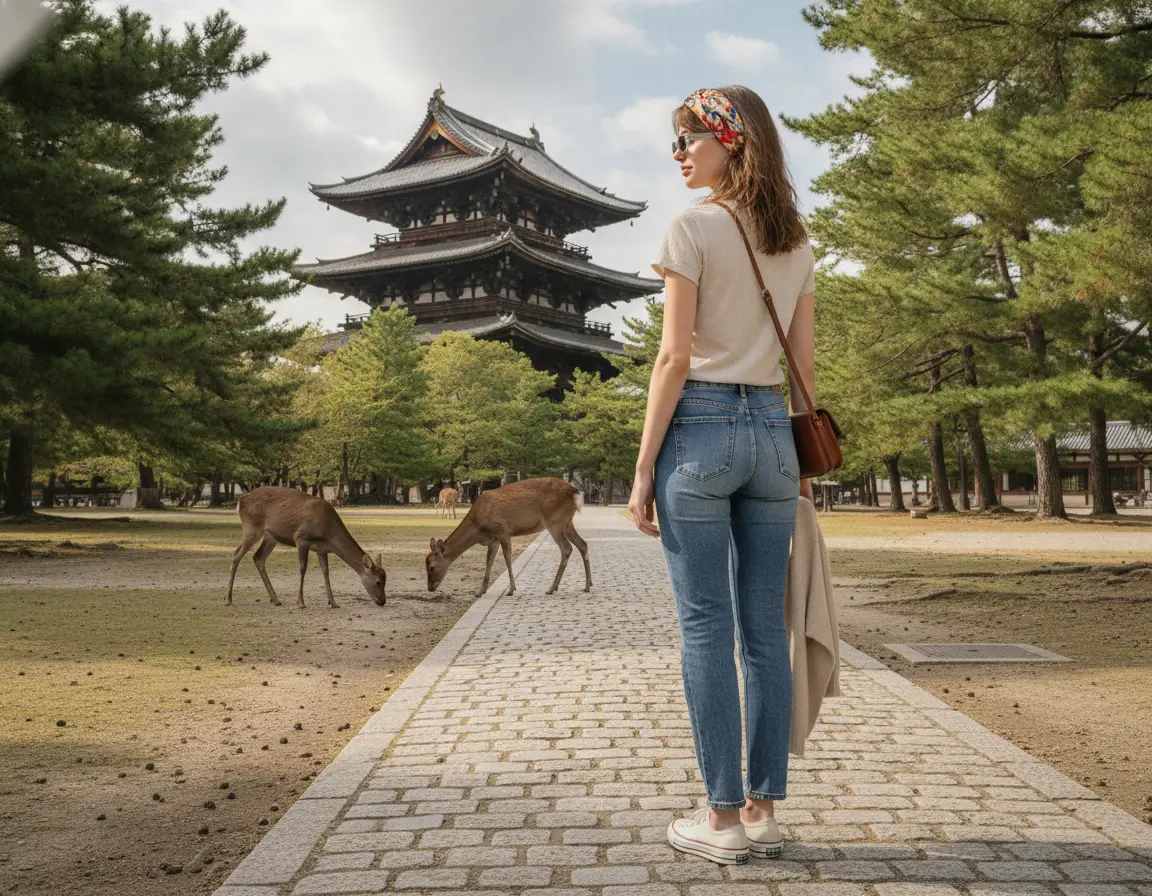
One day: This is the sweet spot. I’d take an early train, do Nara Park before the biggest crowds, see Todai-ji, walk to Kasuga Taisha, eat lunch near the park, and leave by late afternoon. I spent about 25 minutes just moving between deer clusters, which sounds silly until you realize how quickly a simple walk turns into a small obstacle course. One day is worth it.
Two days: This is for people who don’t like rushing. I’d add Nigatsu-do at a slower pace, wander around Naramachi, and keep one evening open for a proper dinner instead of rushing back to Kyoto. I paid ¥1,800 for a simple guesthouse room in Nara on a different trip, and the main thing I noticed was how much calmer the mornings felt before the tour groups arrived. Two days is worth it only if you actually want that slower rhythm.
Three days: I wouldn’t do this unless Nara is part of a broader Kansai stop and you’re using it as a base. That’s the point where the city itself starts running out of things to fill your time unless you’re happy with slow walks, cafés, and day trips nearby. Three days is skip-it for most first-timers.
My pick: One full day for almost everyone, two if you’re picky about pace, and three only if Nara is your quiet base rather than your main attraction.
What actually takes time in Nara, and what doesn’t
The deer are the least efficient part of the trip, which is funny because they’re the thing everyone comes for. I bought crackers, held them at waist height, and had three deer following me like I owed them money. It was entertaining for about ten minutes and then mildly annoying. Still worth it, but only once.
Todai-ji is the thing that deserves time. The Great Buddha Hall is huge, and the walk through the grounds is easy if you’re not dragging luggage. I paid ¥600 for entry, and that felt fair. Not cheap-cheap, but not one of those “you paid for the name, not the experience” situations. Todai-ji is worth it.
Kasuga Taisha and the surrounding paths take longer than they look on a map. I thought I’d breeze through in half an hour. Wrong. Between the approach, the lanterns, and the slower pace of the grounds, I spent closer to an hour there, and I wasn’t bored. That surprised me, honestly. I expected a quick temple stop and got a place that actually changes your walking speed. Worth it if you don’t mind moving slowly.
Naramachi is the part people underrate because it doesn’t scream at you on Instagram. Good. That usually means lower prices and fewer lines. I stopped for coffee and a pastry, paid around ¥700, and it was the kind of break that makes the rest of the day feel less contrived. Skip it only if you’re trying to cram in the absolute minimum and catch a train right after lunch.
Best for: Travelers who like one or two major sights plus a slow neighborhood walk.
Skip if: You want constant stimulation or a long list of attractions stacked back-to-back.
My pick: Spend extra time at Todai-ji and Naramachi, not at the deer photo-op area.
How I’d split the day if I were doing it again

I’d start early, before the crowds and before the deer get fully fed and cranky. I got into the park around 9:00 a.m., and that was already better than arriving at noon, when the place starts feeling like a group project. The morning was warm, around 19–26°C that day, so I wore a T-shirt, kept a cardigan in my bag, and was glad I did when the shade got cooler near the temple paths.
Here’s the order I’d use again: Nara Park first, Todai-ji second, lunch third, Kasuga Taisha after that, then Naramachi if I still had energy. I’d skip any guided bus tour here. They’re expensive for a place this walkable, and I don’t need someone narrating deer behavior to me while I’m already being head-butted by one. That’s a skip.
I also wouldn’t book a packed itinerary around Nara. The city works better when it has breathing room. If you’re staying less than 5 days in Kansai, I’d keep Nara as a day-trip or one-night stop and spend the saved time on Kyoto or Osaka instead.
Worth it if: You’re planning your own route and want the day to feel easy.
Skip if: Your trip is already packed and you’re only adding Nara because it seems like something you’re supposed to do.
My pick: Build your day around walking, not transport between tiny stops. That’s where Nara makes sense.
Where to base yourself, and what I’d pay for it
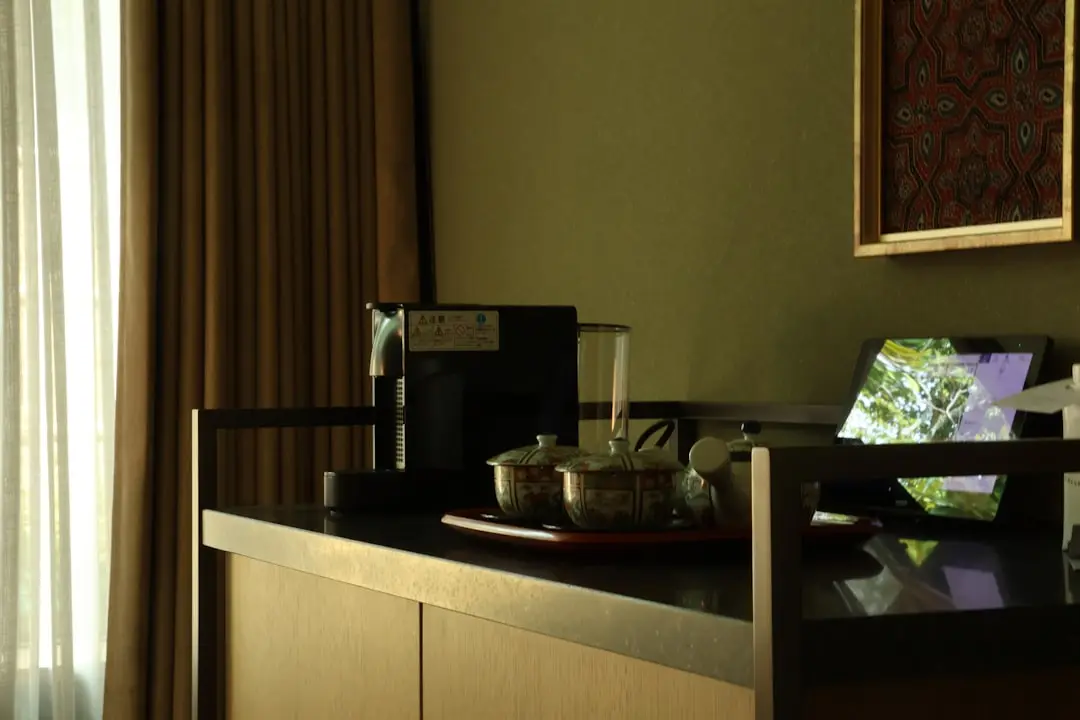
If I were sleeping in Nara, I’d stay near Kintetsu Nara Station rather than chasing a cheaper room far out of the center. I found that the difference between “cheap” and “annoying” was often just a 15- to 20-minute walk with a bag. That math never works out for me. I’d rather pay a little more and not waste the first hour of the day getting from a random guesthouse to the park.
I looked at a basic hotel near the station for about ¥7,500 to ¥11,000 a night and compared it with a cheaper place that was roughly ¥2,000 less. The cheaper one looked fine online, but the walk would’ve been longer and there was no easy luggage convenience. I picked the station-area option before on another trip and I’d do that again. The extra cost bought me time, which is the whole point.
Best for: Solo travelers, short stays, and anyone arriving late or leaving early.
Skip if: You’re only doing Nara as a day trip and don’t need to sleep there at all.
My pick: Pay for location near Kintetsu Nara Station or JR Nara if you’re staying overnight. Farther out is cheaper, but I don’t think it’s worth the hassle.
See all Nara hotels on Agoda if you want to check live rates near the station before they creep up on weekends.
What I’d book ahead, and what I’d just buy there
I would not pre-book Nara like it’s a once-in-a-lifetime event. That’s overkill. But I would book the train if I were traveling at a busy time, especially if I wanted a specific morning departure from Kyoto or Osaka. On normal days, though, I’d just show up and buy the ticket unless I was moving with luggage and wanted to avoid extra friction.
For activities, I wouldn’t book deer crackers or temple entries ahead. You buy deer crackers on the spot for about ¥200, and temple tickets are simple enough to handle when you arrive. The only thing that might deserve advance planning is a special experience, like a guided evening walk or a very specific seasonal event. Even then, I’d only book if the timing actually matters. I don’t book things just because the internet tells me to.
Worth it if: You’re traveling during a holiday period or you care about an exact departure time.
Skip if: You’re trying to over-engineer a place that works fine on a flexible schedule.
My pick: Book transport only if your day is tight. Everything else can usually wait until arrival.
I book tours through Klook when I know a time slot matters, but for Nara itself I didn’t need much beyond a train ticket and cash for deer crackers.
The one mistake I made, and what it cost me
I assumed Nara would be easy to wing in half a day, so I arrived later than I should have. That was the setup. The trigger was getting stuck behind a cluster of day-trippers and school groups near the park entrance right when I wanted to move toward Todai-ji. I lost nearly an hour just drifting around slower-than-expected foot traffic, and by the time I got to lunch the places I wanted had lines or sold out of the nicer set meals. I ended up paying ¥1,350 for a lunch I probably would’ve skipped online, and I was annoyed enough to notice it.
What I’d do now is arrive earlier and treat Nara like a walkable day, not a “we’ll see what happens” stop. If I only had one day, I’d lock in the morning train and leave the afternoon loose. That’s the version that works. The later start did not.
Best for: People who like a loose schedule and don’t mind a slower pace.
Skip if: You hate crowds or get irritated when lunch becomes a scavenger hunt.
My pick: Start early, eat when you’re near the park, and don’t assume you can compress Nara into a few casual hours.
For a deeper look at get, I covered this in my How To Get Around Nara.
I wrote a more detailed breakdown in How Much Does Nara Cost Per Day — worth reading if you’re still deciding.
For a deeper look at nara, I covered this in my Nara In March.
For a deeper look at nara, I covered this in my Nara In November.
What I’d do differently next time
I’d stay one night only if I was already tired from Kyoto or Osaka. That’s the main change. Otherwise, I’d keep Nara as a day trip and use the extra night somewhere with more evening options.
I’d also bring a better lunch plan. I ended up paying more than I wanted because I got hungry at the same time as everyone else. Small thing, but it changes the day. And I’d ignore anyone who tries to sell Nara as a big, all-day, high-energy destination. It’s not that.
Rough daily estimates from my own trip. Prices shift by season.
So how many days in Nara?
I’d give Nara one full day for most trips, two days if you want a slower pace, and three days only if you’re using it as a quiet base. The city doesn’t need a lot of time to make its point. It needs the right amount of time.
If I had to choose again, I’d still do one day first. Two days is the version I’d pick only when I’m tired and want a softer schedule. Three days is too much unless Nara is serving a bigger Kansai plan.
Best for: First-timers who want a clean, low-stress day trip with temples, deer, and a decent lunch.
Skip if: You need a nightlife-heavy base or you only have one packed day left in Kansai.
Next time: I’d arrive earlier, eat before the lunch rush, and still keep Nara to one night max unless I was deliberately slowing down.
See current Nara hotel prices on Agoda →
I usually book Nara tours on Klook — the best time slots go fast, especially in peak season.
FAQ
Can I do Nara in half a day?
Yes, but I wouldn’t plan it that way unless you’re only coming for the deer and one temple. I spent more time than expected just moving through the park and waiting for the crowds to thin, so half a day feels rushed fast. If you only have 4-5 hours, do Todai-ji and Nara Park and call it.
Is Nara worth an overnight stay?
Yes, but only for a slower trip or if you hate arriving and leaving in the middle of a crowd. I liked Nara more after the day-trippers left, and the morning was calmer too. If you’re already staying in Kyoto or Osaka, I’d still make it a day trip first.
Do I need to book anything before I go?
No, not for the main sights. I bought deer crackers on arrival for ¥200 and paid temple entry at the gate, which kept the day flexible. I’d only book ahead if you’re traveling on a holiday weekend or want a specific train time.
What’s the biggest mistake people make with Nara?
They give it too little time and arrive too late. I did that once, and it cost me nearly an hour of wandering plus a lunch rush I didn’t need. Start early, and the whole day gets easier.
Would you pick Nara or another day trip from Kyoto?
I’d pick Nara if I wanted an easy walk, temples, and a low-effort day. If I wanted more variety or a busier city feel, I’d choose somewhere else. Nara wins on simplicity, not on constant excitement.
 Emma Hayes