
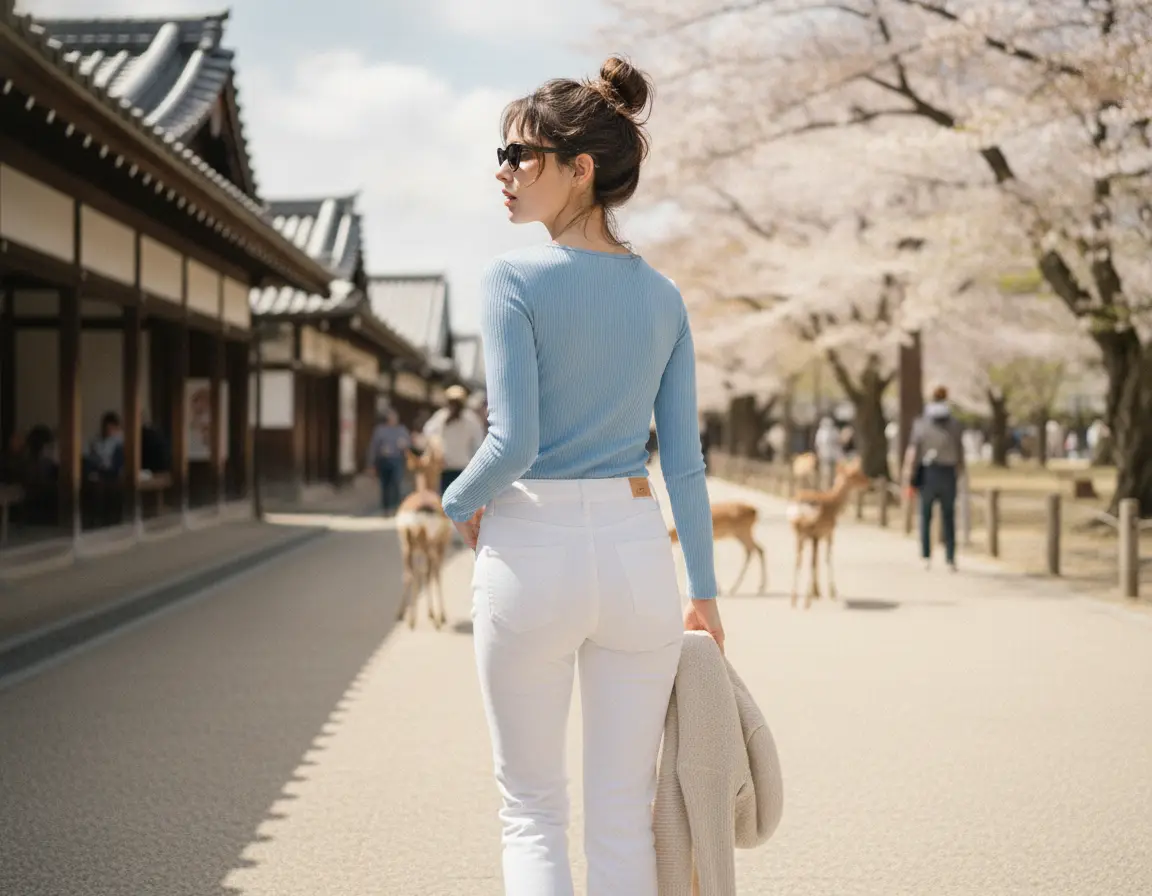
I did this wrong the first time. I treated Nara like a quick deer stop, showed up too late, and spent more time dodging crowds than actually seeing anything. The second time, I built the day around the train, the walkable core, and one good meal, and that was the version that worked.
My answer: yes, Nara is worth a day trip, but only if you go early and keep the day simple. It fits first-timers from Kyoto or Osaka who want an easy, low-stress day with temples, a park walk, and decent local food. It is not the place for people chasing nonstop nightlife or a packed checklist of “top attractions.” The big decision here is timing. Get that wrong and Nara feels like a crowd funnel. Get it right and it’s one of the easier day trips in Kansai. If you’re looking for the best things to do in Nara, the classic temple-and-park route is the one that actually works.
Quick answer: Start early, head to Todai-ji first, then Nara Park, Nigatsu-do, and Kasuga Taisha. I paid around ¥570 for the JR train from Kyoto, ¥600 for Todai-ji, ¥200 for deer crackers, and about ¥1,100 for lunch.
Day by Day

Day 1: Todai-ji, Nara Park, and the deer everyone comes for

I’d start here because this is the part of Nara that actually earns the trip. From Kyoto Station, I took the JR Nara Line to Nara Station in about 45 minutes on a local train, and it cost me around ¥570. From Nara Station, I walked about 20 minutes to Todai-ji, though the bus is faster if you’re tired; the Nara City Loop Bus is roughly ¥250 a ride. I walked because I wanted the park to build slowly, and that turned out to be the right call.
Go straight to Todai-ji first. I paid ¥600 for the main hall, and that was worth it because the scale is the whole point. The Great Buddha Hall is huge in a way photos flatten completely, and I’m not even that easily impressed by temple interiors. I expected it to feel like one more famous stop that I’d see for ten minutes and leave. It didn’t. I stayed longer than I planned, mostly because the size of the room makes everyone quiet down without trying.
From Todai-ji, I wandered into Nara Park, where the deer are the headline and also the messiest part of the day. Deer crackers were ¥200, and I bought them once, which was enough. One deer immediately followed me like I owed it money, and another tried to mouth the paper bag before I’d even opened it. Funny for about two minutes. Less charming after that.
Best for: first-time visitors who want the classic Nara experience without overcomplicating the day.
Skip if: you’re hoping for quiet, because the deer areas near the main paths get busy fast after 10 a.m.
My pick: Todai-ji first, deer second. If you reverse that, you’ll spend more time navigating people than seeing the temple.
If you only have one day in Nara, this is the section I would not cut. The park itself is free, the walk between sights is easy, and the whole thing is efficient in a way I wish more day trips were. It’s not thrilling in a flashy sense. It’s useful, and that matters more.
Day 1, late morning: Nigatsu-do and the uphill walk that’s actually worth it
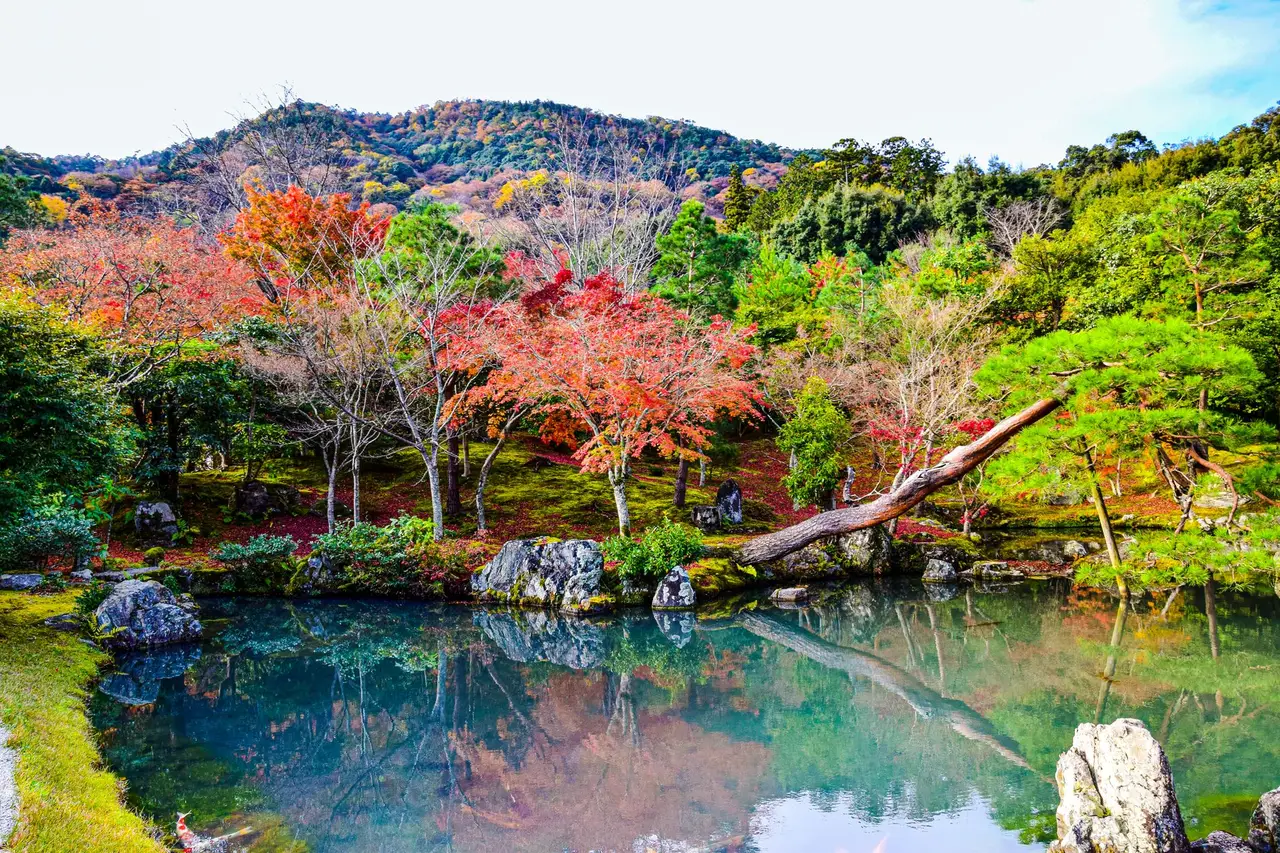
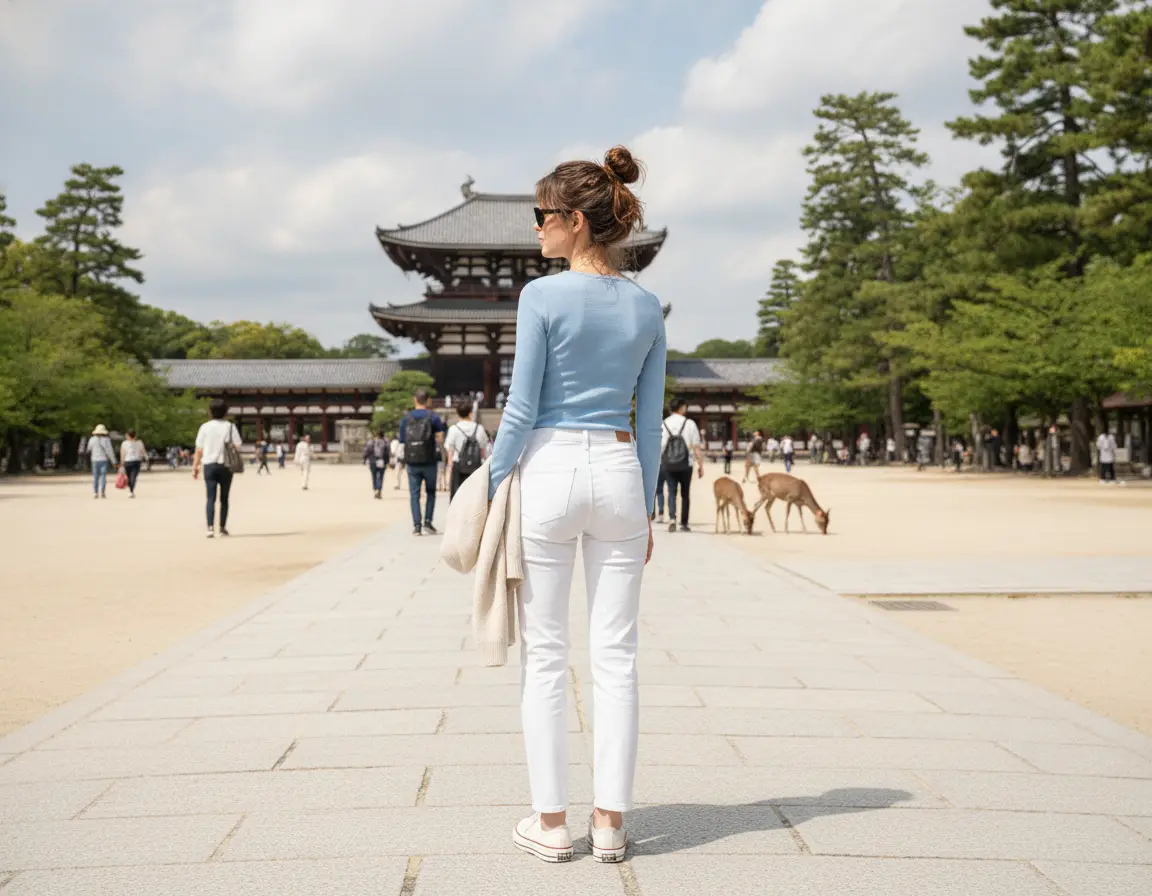
After Todai-ji, I walked up to Nigatsu-do, which took me about 15 minutes at an easy pace. The uphill part is mild, not brutal, but I was glad I had a cardigan in my bag because the morning was around 16–24°C and the shade made it feel cooler than the forecast looked. By late morning, I had sunglasses on and the jacket tied around my arm, which is basically my usual travel uniform when I’m trying not to overpack.
Nigatsu-do is worth the detour because it gives you a better sense of Nara’s layout than the deer park does. The view opens up without making you work too hard for it, and the walkway has just enough breathing room compared with the main temple area. I wouldn’t build the whole day around it, though. It’s a good 20-minute stop, not a half-day event.
I expected this part to be more scenic than it was. It was pleasant, but the real value was the pause between bigger stops. That’s a useful distinction. If your day is already full, you can skip it. If you need a break from crowds before lunch, it fits nicely.
Worth it if: you want a short uphill walk and a calmer stop between the big sights.
Skip if: your knees are already complaining or you’re racing a train back to Kyoto.
My pick: do it only if you’re already nearby. I wouldn’t make a special trip just for this one.
Meal-wise, I’d keep lunch close to this part of the route or back near the station rather than wandering too far. I grabbed a simple set meal near the park for about ¥1,100, and it solved the only real problem I had before lunch: I was getting hungry and a little grumpy, which is never the best state for temple sightseeing. Nara doesn’t need a fancy lunch. It needs a fast one.
Day 1, afternoon: Kasuga Taisha, the forest path, and what I’d cut if time is short
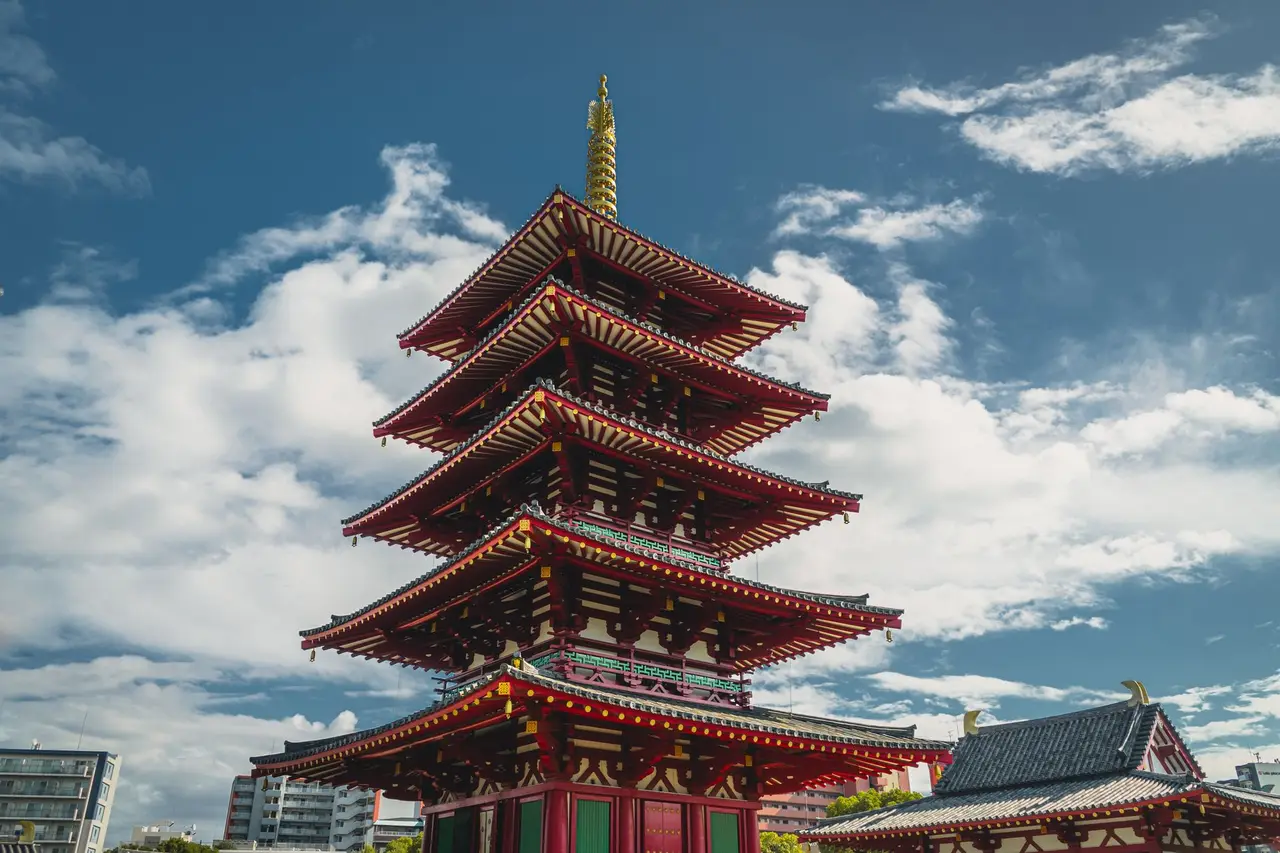
Kasuga Taisha is the stop I’d keep if I had three hours left in Nara and had to choose between that and anything else. From the park area, I walked there in about 20 minutes, and the route through the trees made the transition feel smoother than I expected. I thought this would be one more temple on a list. It wasn’t. The approach is the point, and the shrine grounds feel different from Todai-ji even though they’re close enough to combine in one day.
I paid around ¥700 for the main shrine area, and I thought that was fair for the atmosphere and the overall condition of the site. This is where Nara starts to feel less like a deer-themed day trip and more like an actual cultural stop. The lanterns are the obvious visual draw, but what stayed with me was how little noise there was once I got a few steps off the main stream of visitors.
Best for: people who want one more meaningful stop after Todai-ji instead of returning straight to the station.
Skip if: you’re already temple-saturated by lunch. There’s no prize for forcing one more shrine into the day.
My pick: Kasuga Taisha over the smaller side stops. If I had to cut something, I’d cut souvenir browsing before I’d cut this.
Skip if short on time: the smaller deer-photo detours, random shops around the park, and any “cute” snack stop with a line longer than 30 minutes. I didn’t wait in those lines, and I don’t think you should either.
Day 1, lunch and snacks: what I ate near the park and station

I’m picky about food on day trips because bad lunch can waste the whole afternoon. In Nara, I’d keep it simple and local rather than chasing something Instagram-friendly and overpriced. I ate a set lunch near the park for about ¥1,100, and later I picked up a quick snack near Nara Station for around ¥350
If you want one meal that fits the area, I’d look for kakinoha-zushi, the persimmon-leaf-wrapped sushi Nara is known for. It’s not some life-changing bite, and I’m not going to pretend it is. But it’s local, portable, and better than wasting money on a café that exists mainly for day-trippers. I’d rather spend ¥1,000 on something regional than ¥1,700 on a generic plate with a nice font.
Best for: travelers who want a fast lunch that doesn’t hijack the day.
Skip if: you’re hoping Nara will be a food destination. It’s decent, not a food pilgrimage.
My pick: simple local lunch near the park, then one snack later if you need it. That’s the cleanest setup.
If you’re the type who wants a sit-down dinner later, save it for Kyoto or Osaka. Nara is better as a daytime city. By evening, the value drops fast unless you’re staying overnight for a reason.
Day 2: Mount Wakakusa, quieter streets, and the part most day-trippers miss
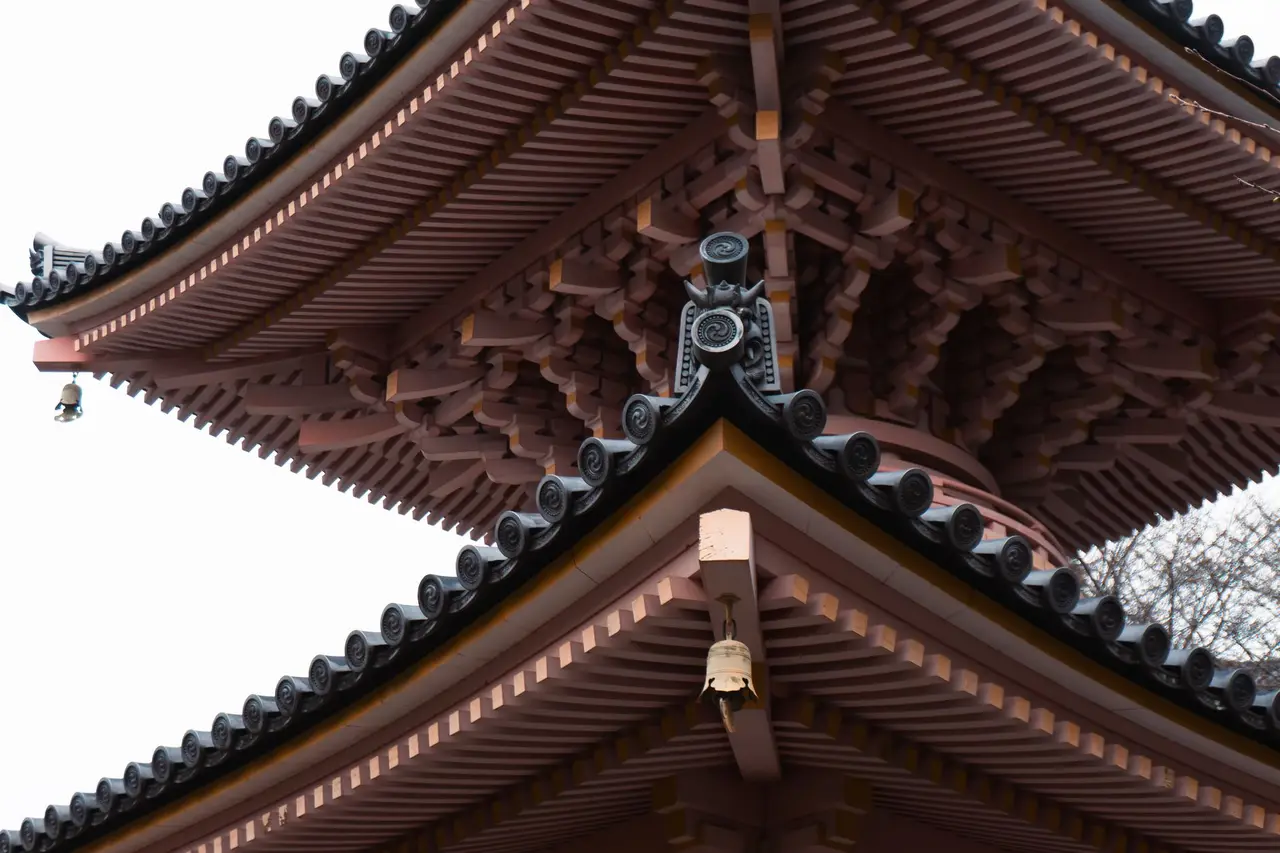
If you’ve got a second day, I’d use it for the slower side of Nara, not for more deer. Mount Wakakusa is the obvious add-on, and I’d do it only if the weather is mild and you don’t mind a steady climb. The trail isn’t technical, but it’s enough of a walk that I wouldn’t tack it onto an already overstuffed schedule. From the park area, the hike took me around 30 to 40 minutes up at an easy pace, and I spent another 20 minutes on top before heading down.
I went up expecting a bigger payoff than I got. The views were fine, not dramatic. Still, the hill gives you space, which is rare in the center of the tourist zone, and that alone made it useful. If you’re in town in the late afternoon and want a break from temple hopping, this is a solid choice. If you only have one day, skip it without guilt.
From the base, I’d plan on walking back toward central Nara or catching a bus if your legs are done. The local bus fares are cheap enough that I don’t think twice about using them here, especially if I’ve already done 10,000 steps. Nara is walkable, but it’s not a city where I want to prove something.
Worth it if: you have a second day or you’re staying overnight and want a different view of the city.
Skip if: your trip is short and you’d rather spend the time on the main temple-and-park loop.
My pick: only add Mount Wakakusa if you’ve already done the essentials and still have energy left.
Skip if short on time: this whole section. If you only have one day, I’d cut the mountain before I cut Todai-ji, Kasuga Taisha, or a proper lunch.
Day 2, late afternoon: Naramachi and the slower version of the city
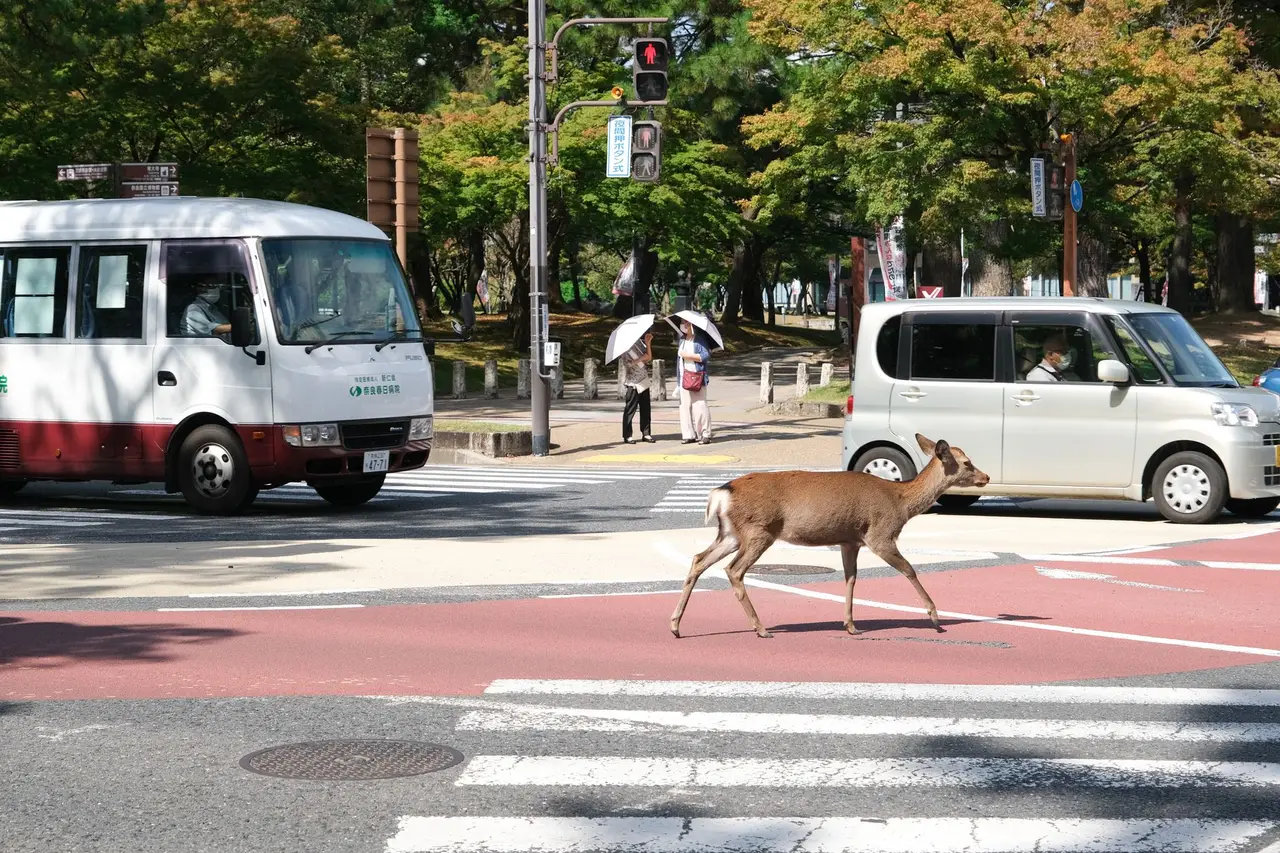
Naramachi is where I’d go when I’m done with the headline sights and don’t want to sit in a café pretending I’m “soaking up the atmosphere.” It’s a small historic area with shops, old streets, and a less frantic pace than the park zone. I walked there from central Nara in about 15 to 20 minutes, and that distance matters because it keeps the whole stop easy to fold into the day.
This area is only worth it if you like wandering without a fixed goal. I do, sometimes, but not when I’m tired. I ducked into a little shop and bought a small souvenir for ¥800, mostly because I’d been walking around with too much cash change in my pocket and wanted to stop carrying it. That’s the real use case for Naramachi: a reset, not a headline attraction.
Best for: slower travelers, overnight visitors, and anyone who wants a calmer final hour in Nara.
Skip if: you’re treating Nara as a tight half-day trip. This is the first thing I’d drop.
My pick: Naramachi after the main sights, not before. It works better as a wind-down than as a starting point.
I’d be honest: this is not the kind of place I’d cross a city for on its own. But after Todai-ji and Kasuga Taisha, it makes the day feel less rushed. That’s enough.
The mistake I made with timing, and what I’d do now
The first time I went, I assumed Nara would stay manageable through late morning. That was the mistake. I arrived too late, around 10:30 a.m., and by then the deer area was already crowded enough that every photo spot came with a small queue of humans. I spent about 25 minutes just trying to get from one side of the park to the other without getting boxed in. That doesn’t sound like a disaster, but it adds up when the whole day is supposed to feel easy.
The trigger was simple: I’d left Kyoto after a lazy breakfast because I thought “it’s just a day trip.” The consequence was a slower, noisier day and a lunch I ate because I was annoyed, not because I wanted it. I probably wasted an hour total between crowding, slower walking, and waiting for a decent moment to take photos. Next time, I’d take an earlier train, get to Todai-ji before 9 a.m., and keep the rest of the day loose. That fixes most of the problem.
Best for: anyone who wants the easy version of Nara, not the crowded one.
Skip if: you’re planning to arrive late and “see what happens.” That plan doesn’t work well here.
My pick: earlier train, slower afternoon. The order matters more than people think.
Cost Breakdown
Rough daily estimates from my own trip. Prices shift by season.
I compared the options in Is Nara Worth Visiting — useful if you haven’t booked yet.
If how many days matters to your trip, my How Many Days In Nara has the specifics.
If nara mistakes first time visitors matters to your trip, my Nara Mistakes First Time Visitors has the specifics.
For a deeper look at time to visit nara, I covered this in my Best Time To Visit Nara.
I compared the options in Best Neighborhoods In Nara — useful if you haven’t booked yet.
I compared the options in Nara Or Kyoto For First Timers — useful if you haven’t booked yet.
Transport Tips
I’d leave Kyoto early, probably on the first or second train that doesn’t feel miserable. I’d also skip random snack stops until after Todai-ji, because I kept wanting to pause before I’d seen the main thing. And I wouldn’t try to “do all of Nara” in one day. That math never works out.
Best for: travelers who want one efficient, low-friction day with real sights and one good meal.
Skip if: you need a city with lots of nightlife, shopping, or layered neighborhoods to explore.
Next time: I’d arrive early, do Todai-ji first, and keep Nara Park, Kasuga Taisha, and lunch as the core of the day.
Where I’d Actually Stay in Nara
Nara Royal Hotel
Nara
★★★★☆

Asukasou Hotel
Nara
★★★★☆

Hotel Nikko Nara
Nara
★★★★☆
For Nara I used Agoda — they had the best rate for my dates.
I pre-booked on Klook the night before — skipped the entire ticket line.
FAQ
How many hours do I actually need in Nara?
Six to eight hours is the sweet spot if you want the main sights without rushing. I’ve done it in less, but the day gets cramped fast once you add train time and lunch. If you only have four hours, I’d focus on Todai-ji and Nara Park and call it.
Is Nara better as a day trip from Kyoto or Osaka?
I’d choose Kyoto if I’m already staying there, because the JR Nara Line makes the trip easy and the timing feels cleaner. Osaka works too, but I think Kyoto is the smoother base for a first visit. Either way, leaving early matters more than the departure city.
Do I need to buy tickets in advance for the main sights?
No, I wouldn’t bother for Todai-ji or most of the standard Nara stops. I bought tickets at the gate and moved on without any hassle. The only thing I’d plan in advance is my train timing, because that affects the whole day more than entry tickets do.
Is the deer experience fun or just annoying?
It’s fun for about ten minutes, then it gets repetitive if you keep feeding them. I bought one pack of crackers for ¥200 and that was enough for me. If you want the deer part, do it once and move on before the crowd energy takes over.
Would I stay overnight in Nara?
Yes, but only if I wanted the slower version of the city and an early start at the temples. Staying overnight makes sense if you want Mount Wakakusa or Naramachi without rushing, and I’d probably pay around $45 to $110 for a decent room near the station. For a first trip, though, I still think a day trip is the cleaner choice.
 Emma Hayes