
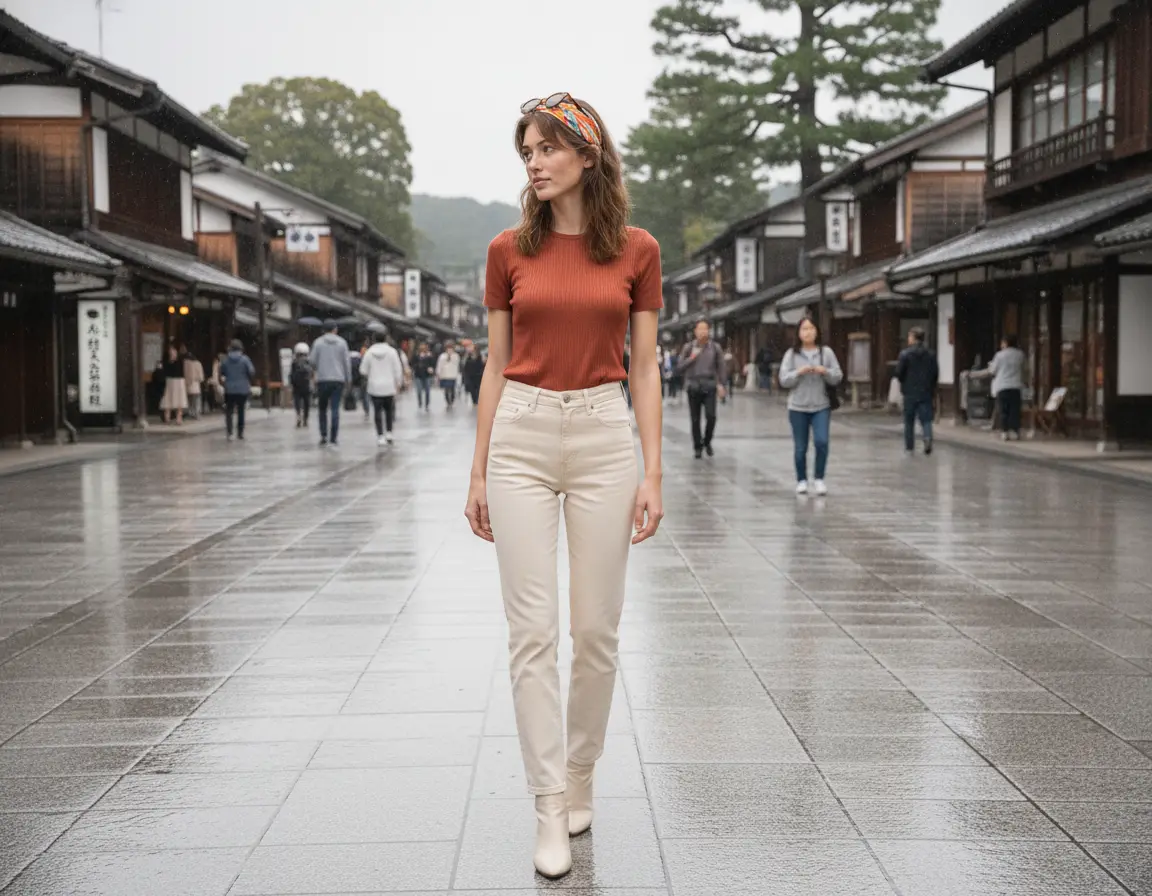
I almost wasted ¥1,800 on deer crackers and a half-day in Nara on the wrong kind of afternoon. I’d seen the same glossy photos everyone else has, and I assumed the city would feel the same all day. It doesn’t. The best time to visit Nara is early morning on a weekday in spring or autumn, and I’d avoid the middle of a weekend day unless I was fine sharing the park with everyone else in Kansai.
That’s the short answer. If you want quiet temples, easier deer encounters, and a walk that doesn’t feel like a queue, go early. If you only have a Saturday afternoon, Nara still works, but I’d treat it as a fast day trip, not a leisurely one.
Quick Answer: I’d go to Nara early on a weekday in spring or autumn, before 9am if possible. My best window was late October through November, and I’d still treat a Saturday afternoon as a rushed version of the trip.
- Best overall: Weekday mornings, especially March to May and October to November.
- Skip if: You hate crowds, deer traffic jams, and paying more for the same lunch near the park.
- My pick: I’d arrive before 9am, do Todai-ji and Nara Park first, then leave before the tour-bus wave builds.
- Only if: You’re already in Kyoto or Osaka and can get there early without turning it into a rushed transit day.
The timing I’d choose first

I’d go in spring or autumn on a weekday morning. That’s the sweet spot for weather, light, and crowd control. I was there after rain once, in warm 19-26°C weather, and the park felt totally different at 8:30am than it did two hours later when more day-trippers showed up with snacks, umbrellas, and the same deer-deer-deer energy.
Best for: First-time visitors who want the classic Nara experience without the crush.
Skip if: You can only go on a weekend and you hate crowds more than you like temples.
My pick: Early weekday in April, May, late October, or November.
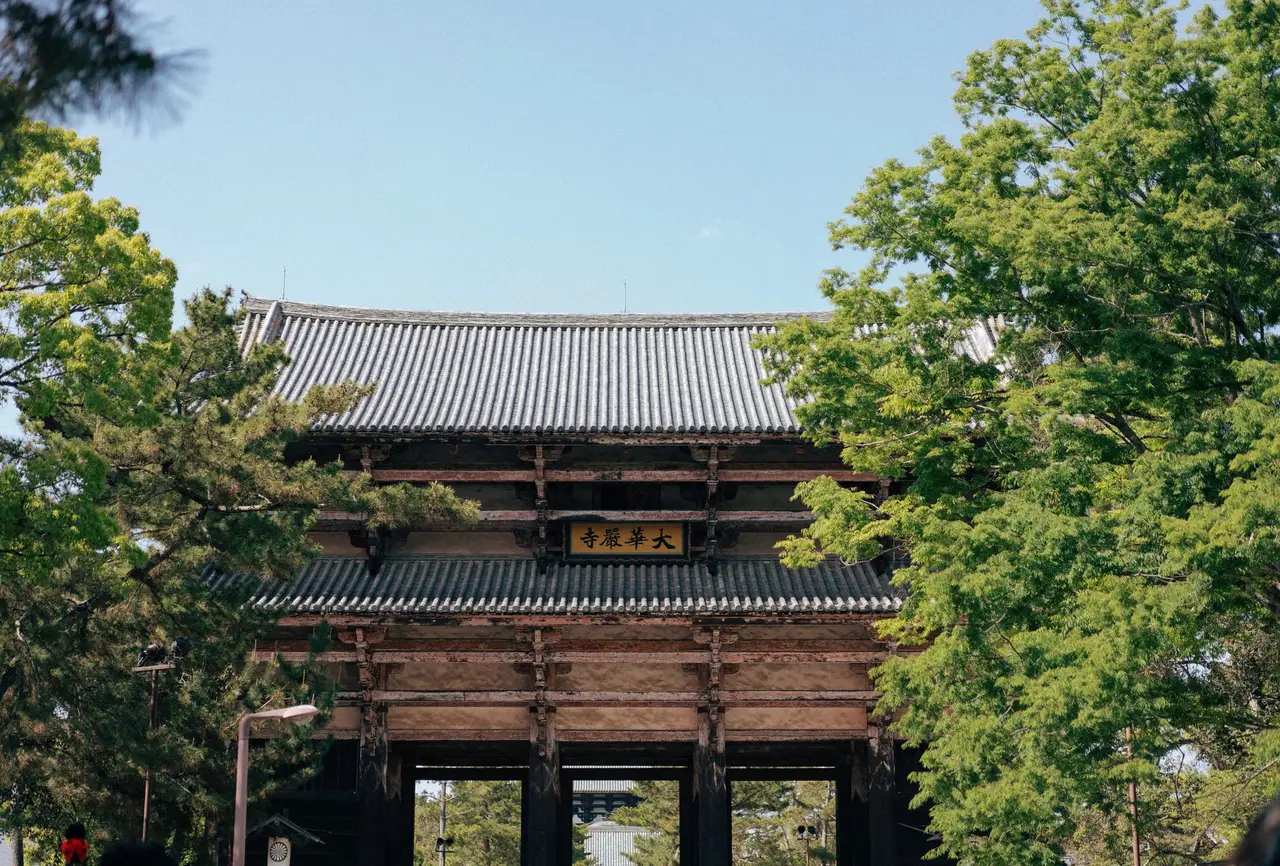
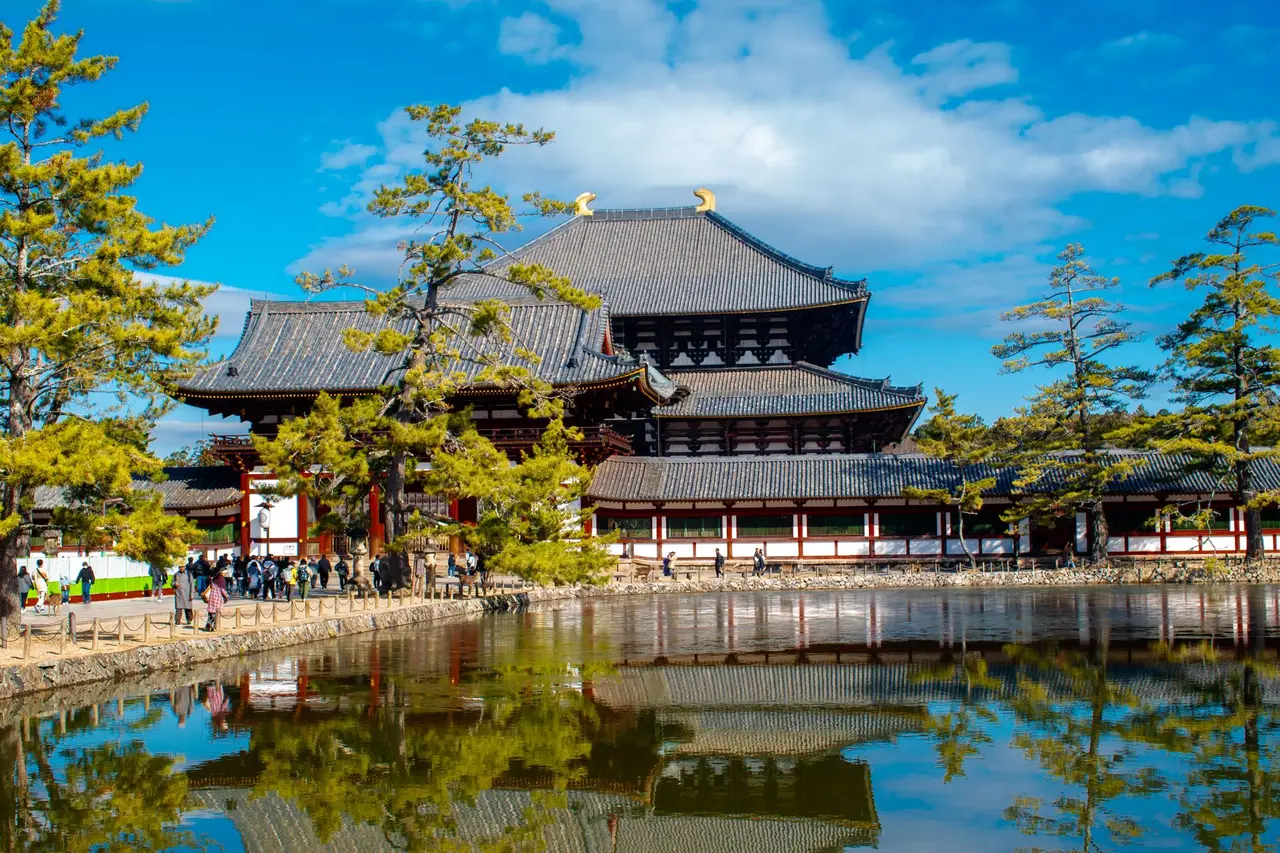
The reason is simple: Nara is not a city I’d do at noon if I could help it. The deer are still there, the temples are still there, but the atmosphere gets flatter when the park turns into a slow-moving crowd corridor. I paid ¥600 for Todai-ji’s Great Buddha Hall and spent less time looking at the building than I did sidestepping people taking deer selfies. Fine, not great.
If you’re trying to decide between Nara and a longer Kyoto day, Nara wins when you can start early and leave early. Kyoto gives you more to spread out across the day. Nara is cleaner as a half-day or an early full day. That’s the tradeoff.
What each season actually feels like
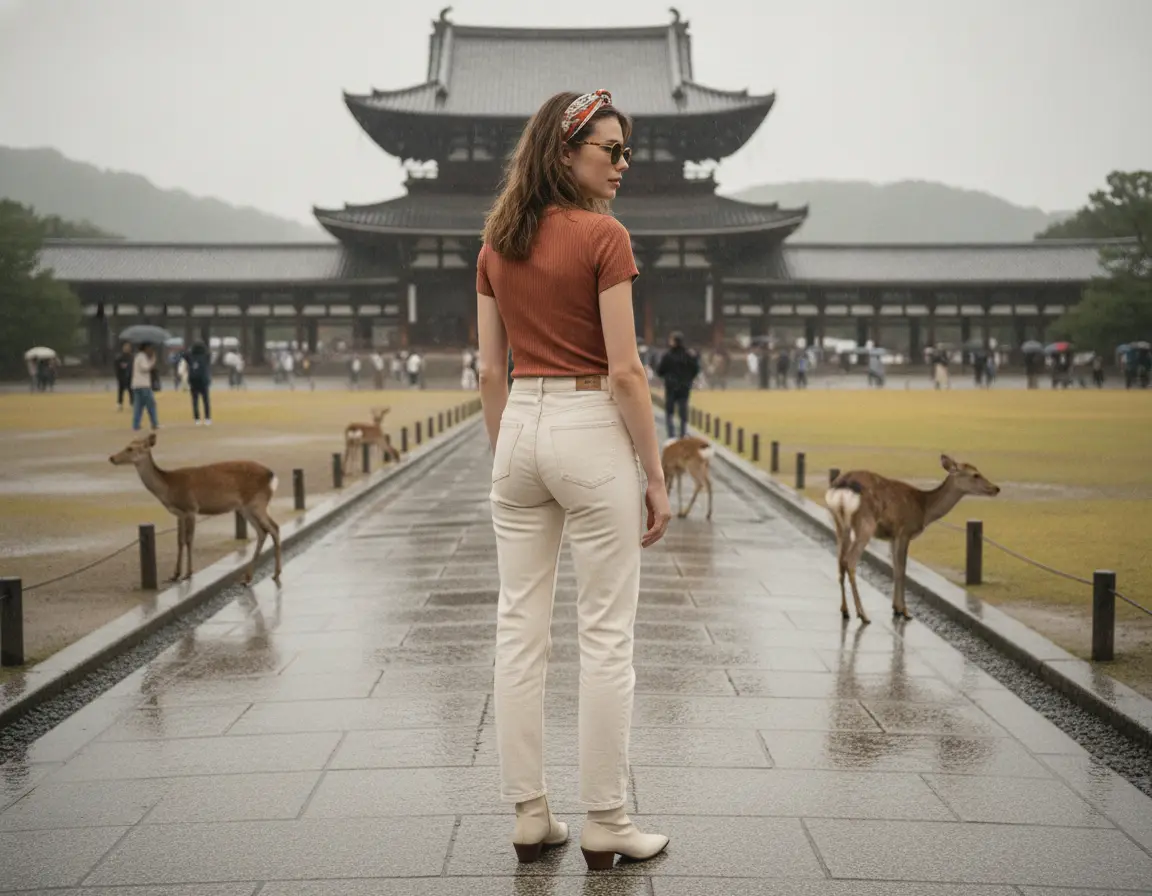
Spring: good, but not the quiet version
Spring is the easiest season to like. The weather is comfortable, the park is green, and you can walk for hours without feeling cooked. I went in warm weather after rain with a light cardigan in my bag, and that worked better than a jacket I would have had to carry all day.
Best for: People who care more about comfort than empty paths.
Skip if: You expect cherry-blossom season to feel relaxed. It won’t.
My pick: Late March to early May, but only with an early start.
The one thing I’d warn you about is cherry blossom timing. Everyone acts like it’s the dream window, and yes, the city looks nice, but it also pulls in more visitors. I thought the famous park would feel spacious even in spring. It didn’t. I still liked it, but I’d never plan a lazy midday visit around blossoms.
Summer: only if you start very early
I’d call summer the hardest season for Nara. It gets hot, the walk between sights starts to drag, and the deer are less charming when you’re sweaty and trying to keep your water bottle out of reach. If I went in summer again, I’d be on the first train and gone by lunch.
Best for: Travelers who can handle heat and want lower hotel prices in the region.
Skip if: You hate humidity or you’re planning to wander slowly between temples.
My pick: Early morning only. Midday is a bad deal.
I grabbed an iced drink for about ¥350 from a convenience store near the station and that felt more useful than any fancy cafe stop. Nara in summer is a transit-and-shade game. If you’re the kind of traveler who likes long, meandering days, I’d skip this season unless you’ve got a very short list and a very early alarm.
Autumn: the easiest yes
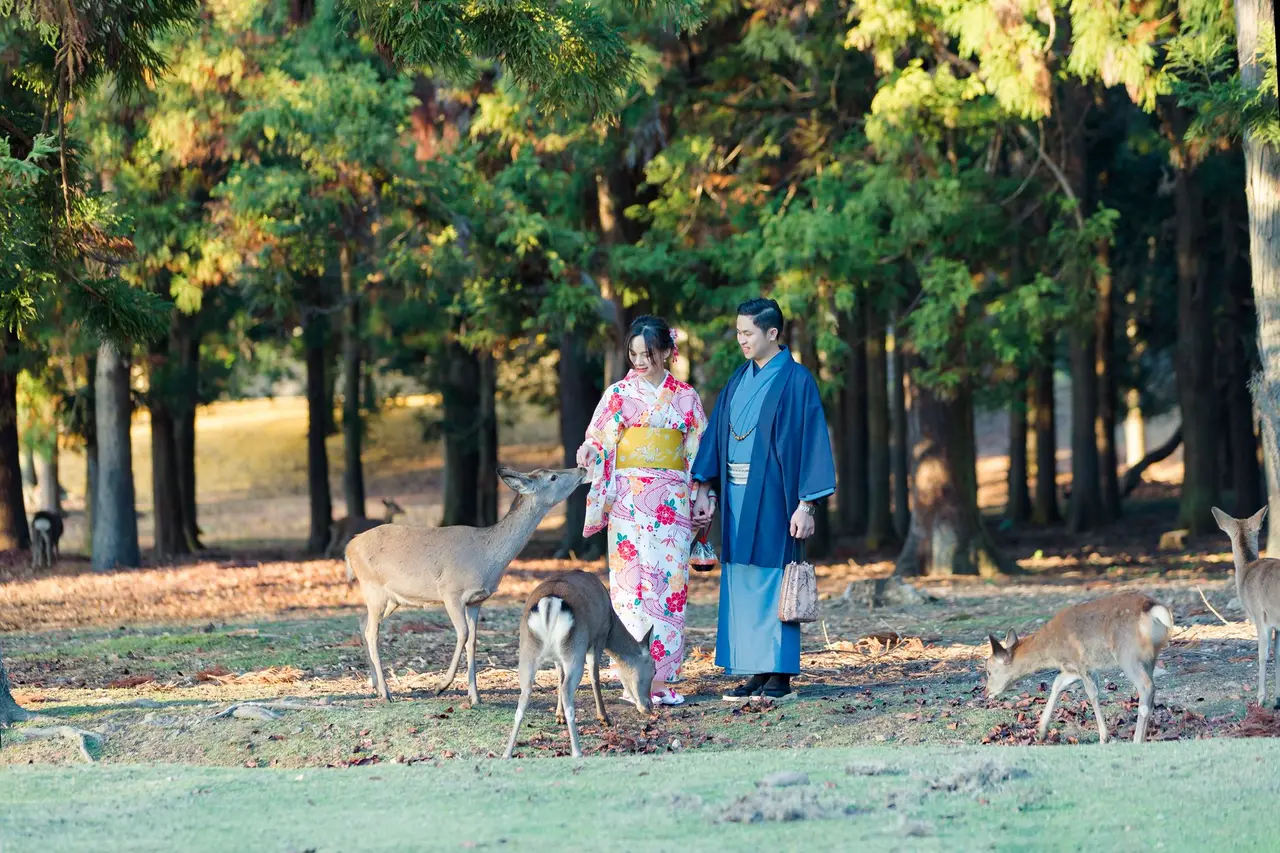
Autumn is the season I’d actually plan around. The weather sits in that comfortable range where a T-shirt works in the sun and a light layer helps in the morning. The crowds are still there, but the whole day feels more manageable because you’re not fighting heat on top of people.
Best for: Anyone who wants the safest balance of weather and walkability.
Skip if: You’re trying to avoid all crowds. Autumn still gets busy.
My pick: Late October through November, with a weekday morning start if you can swing it.
I expected autumn to be a little overhyped. It kind of is, because everyone says the same thing. But in Nara, it earns the praise. I walked from Nara Station toward the park with sunglasses on, then took them off once I got under the trees, and the whole route felt easier than I’d expected. That matters more than pretty photos.
Winter: underrated if you want space
Winter is the season I’d choose if I wanted Nara to feel calmer. The deer are still around, the major temples stay open, and the city loses some of the day-trip pressure that makes other seasons messy. It’s not cold in a dramatic way, but mornings can feel sharp enough that I’d want a cardigan or light coat.
Best for: Travelers who care more about lower crowds than peak scenery.
Skip if: You want lush greenery and easy all-day strolling without layers.
My pick: January or February, but only if you don’t mind shorter daylight hours.
I think winter is the best “value” season if you’re already in Kansai and just want a cleaner day trip. Lunch was cheaper too; I paid around ¥900 for a simple set meal near the station instead of the pricier park-side spots. That’s the thing nobody says out loud enough: a less popular season can make the whole day feel less inflated.
Time of day matters more than people admit
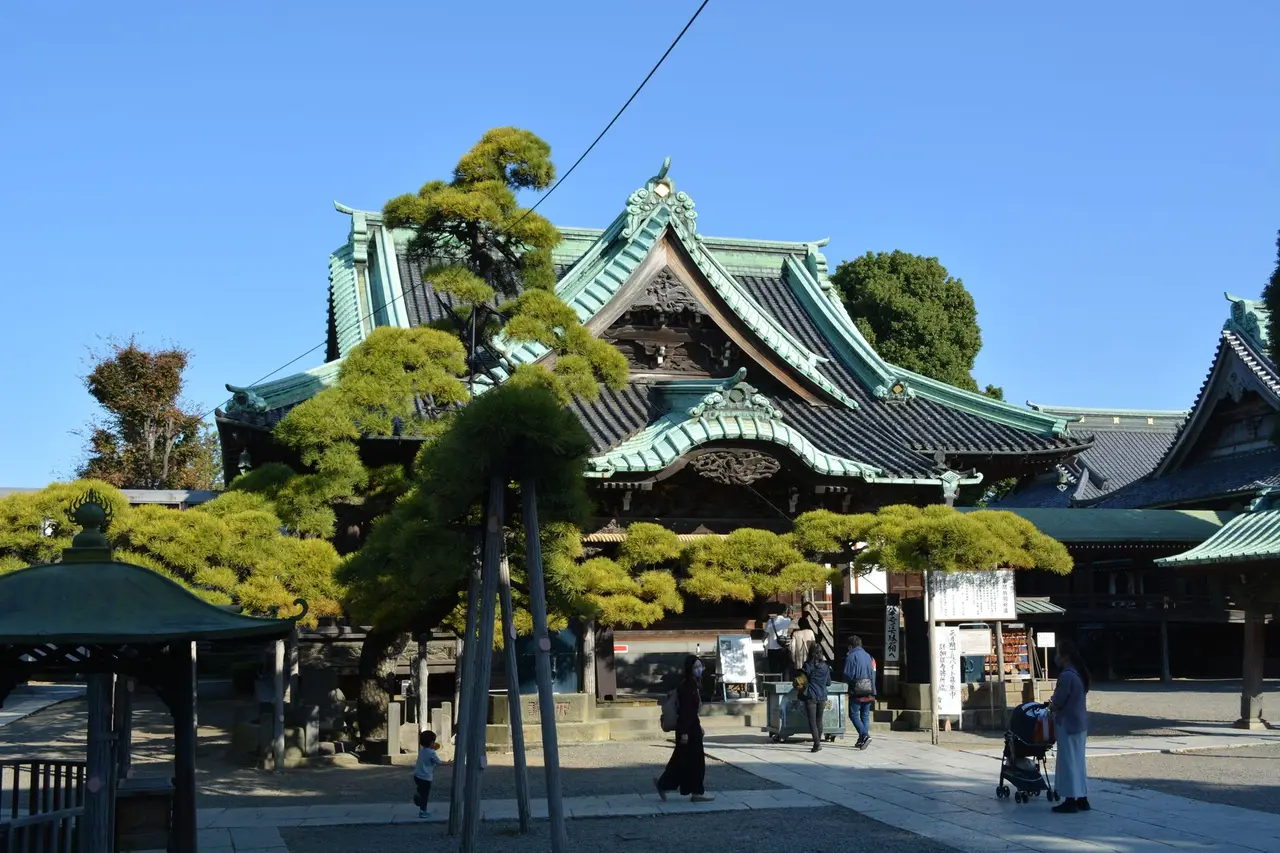
I’d go before 9am, and I’d try to be at Nara Park or Todai-ji first. The first hour changes everything. Deer are calmer, paths are easier, and the city still feels like a place locals move through instead of a set built for visitors. By late morning, the same route turns into a slow shuffle.
Best for: Solo travelers and anyone who wants better photos without paying for a tour.
Skip if: You like sleeping in and don’t mind lines for everything.
My pick: Arrive early, eat breakfast in Kyoto or Osaka, and skip the hotel breakfast if it means losing the morning.
I made that mistake once. I figured I’d take it easy, leave later, and still see the main sights. By the time I got moving, the park had already filled with tour groups and school trips, and I spent more time waiting for gaps in foot traffic than actually looking around. The consequence was real: I burned roughly two hours and ended up paying for a faster lunch near the station because I was annoyed and hungry. Next time, I’d rather eat a convenience-store sandwich on the train than lose the best part of the day.
Worth it: Early arrival if you want the city to feel calm.
Skip it: Late morning unless your only goal is a quick deer photo.
What to book ahead and what to ignore
I wouldn’t book much in advance for Nara itself. That’s one of the nice things about it. You can show up, walk, eat, and leave without turning the day into a logistics project. The only thing I’d check ahead is your train timing, especially if you’re coming from Kyoto and want to hit the early window.
Best for: Spontaneous day trippers who are still willing to plan the first train.
Skip if: You’re trying to do Nara as an afterthought at 2pm.
My pick: Buy the train ticket or use IC card, then keep the rest flexible.
From Kyoto, the JR Nara Line Special Rapid from Kyoto Station to JR Nara Station is the most efficient move for me. It’s usually around 45 minutes and costs roughly ¥720 one way. Kintetsu Nara is also useful if you’re closer to central Nara, and I’d pick it if I were staying near the old town rather than the JR side. I’d take JR for speed, Kintetsu for location. That’s the whole decision.
If you’re thinking about guided day tours, I’d skip them. Nara is too easy to do on your own to justify the markup. I don’t need a bus, a microphone, and a forced schedule to walk from the station to the park. If you really want a packaged activity, only book something that saves time or gets you into a very specific experience. Otherwise, it’s money for no reason.
I book train-heavy day plans around the first hour, not around a tour desk. For Nara, that matters more than a fancy add-on. If you’re comparing dates or staying overnight, I’d look at room rates early because weekend prices near the station can jump fast once cherry blossom or autumn dates start filling up. See all Nara hotels on Agoda.
Worth it: Booking only the train timing and maybe a room if you’re staying overnight.
Skip it: Packaged bus tours and anything that turns a simple walk into an itinerary with a clipboard.
How I’d spend money without overspending
The good news is that Nara doesn’t need a big budget. The bad news is that tourist-adjacent food near the park can get lazy and overpriced fast. I’d rather spend on one solid lunch than on random snacks marketed to visitors.
I usually book Nara tours on Klook — the best time slots go fast, especially in peak season.
Best for: Travelers who want a low-stress day without feeling cheap.
Skip if: You’re expecting luxury-level value from a day trip city.
My pick: Eat one real meal near the station and keep the rest simple.
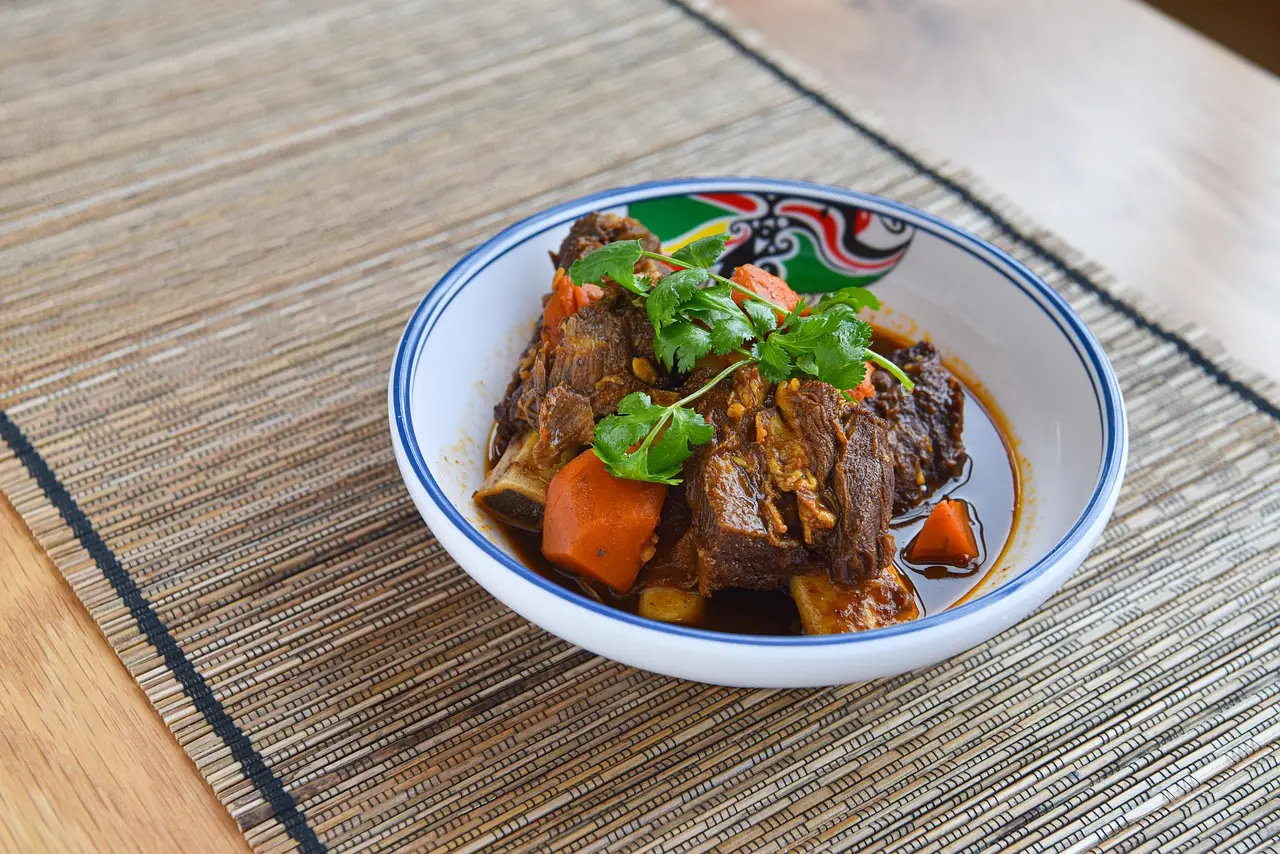
I paid about ¥1,200 for a lunch set near Nara Station that was straightforward and filling. That beat the deer-themed snack shops near the park, which were cute for about ten seconds and then felt like a trap. The deer crackers are the obvious splurge at ¥200 for a pack, and I’d still buy them once because feeding the deer is part of the point. Just don’t pretend they’re a meal.
Here’s what I’d actually budget:
Rough daily estimates from my own trip. Prices shift by season.
Worth it: Paying for location near the station if you’re staying overnight.
Skip it: Overpaying for park-side food just because you’re tired and hungry.
The one thing I’d do differently next time
I’d stay overnight only if I wanted an empty early morning and a slower pace. Otherwise, I’d do Nara as a sharp half-day and leave before the afternoon crowd builds. The city is better in smaller doses than people expect. I thought I’d want to linger longer, but after a few hours, I’d already gotten what I came for.
Best for: Travelers who like calm mornings, simple logistics, and a day trip that doesn’t need advance booking.
Skip if: You only have a late start and you’re hoping the city will still feel easy at noon.
Next time: I’d arrive on the first practical train, skip the hotel breakfast, and buy lunch near the station instead of wasting the best part of the day waiting around.
See current Nara hotel prices on Agoda →
FAQ
Is Nara better in spring or autumn?
Autumn wins for me. The weather is a little easier to walk in, and I don’t feel like I’m fighting heat while I’m trying to see the park and temples. Spring is good too, but it brings more blossom-season traffic and more people aiming for the same photos.
Can I do Nara as a half-day trip?
Yes, and that’s how I’d do it if I were coming from Kyoto or Osaka. I’d aim for 4-5 hours total, with the first 2 hours spent at Nara Park and Todai-ji before the crowds build. If I left after lunch, I’d still feel like I got the point of the city.
Is a weekend visit a bad idea?
No, but I’d treat it as the busy version of the same trip. Weekends are fine if you start early and accept that the park will be fuller by late morning. If I had a choice, I’d still pick Tuesday or Wednesday because the whole day feels easier.
What time should I arrive to avoid crowds?
I’d aim for before 9am, and 8:30am is even better. That’s when I noticed the biggest difference in how the park felt, and it also gave me a quieter walk from the station. After 10:30am, the pace changes fast and you start sharing every path with everyone else.
Is it worth staying overnight in Nara?
Yes, but only if you want a slow morning and a quieter first hour in the park. I’d skip the overnight if your goal is just the standard sights, because the city is easy enough to cover in one day. For me, the overnight only makes sense if I’m pairing Nara with a slower Kansai trip and don’t mind paying a bit more for convenience.
 Emma Hayes