
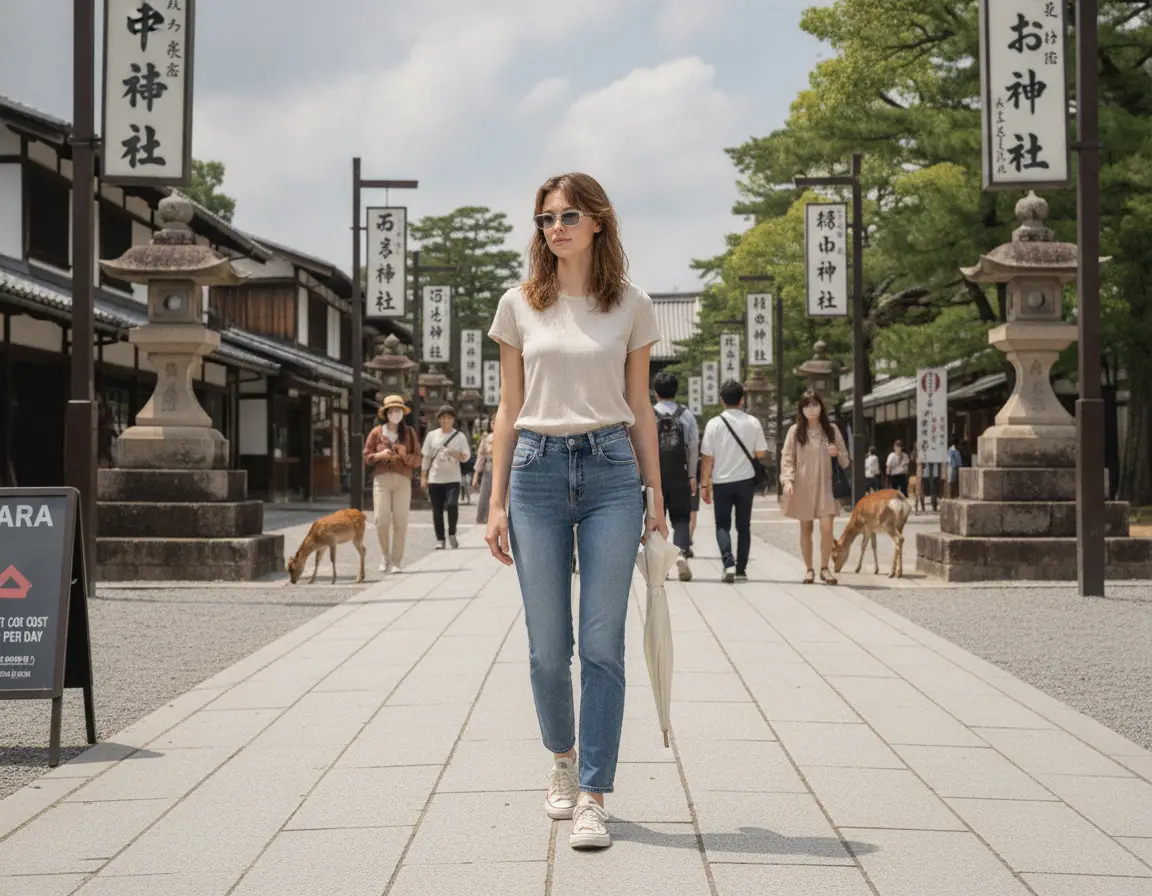
¥4,800: that’s what I spent in Nara on a warm, partly cloudy day when I mostly stayed on foot and skipped anything that felt like a tourist tax. I bought deer crackers, ate a cheap lunch near the station, and paid for one train ride that I could’ve shaved down if I’d planned better. Nara is cheap if you keep it simple. It gets expensive fast only when you start paying for convenience you don’t actually need.
I’d budget Nara at around $35-$60 for a low-key day trip, or more if you’re staying overnight and want a nicer room near the park. That’s the honest answer to how much does Nara cost per day. If you’re in Kyoto or Osaka for less than 5 days, I’d keep Nara as a day trip and skip the extra hotel night unless you really want a slow evening after the crowds leave.
Quick Answer: Nara is one of the cheaper day trips in Japan if you walk, eat simply, and don’t buy every deer-themed thing in sight. I’d budget $35-$60 for a day trip, including transit, food, and one or two paid stops. I paid ¥760 for the Kintetsu train, about ¥900 for lunch, and ¥200 for deer crackers.
What I’d budget for Nara, by trip style
If I’m being plain about it, Nara is not a place where the daily cost should surprise you. The core sights are cheap or free, the city is walkable, and the biggest money sink is usually getting there from Kyoto or Osaka, not the actual day in Nara. I spent most of my time between Nara Station, Nara Park, and Todai-ji, and the only thing that felt remotely overpriced was the snacks I bought because I got hungry early and didn’t want to sit down anywhere fancy.
Best for: travelers who want a low-cost day out with one or two paid stops.
Skip if: you want a packed, activity-heavy itinerary that needs taxis and bookings.
My pick: Budget for the transit first, then keep the rest loose.
Here’s the range I’d actually use:
- Ultra-budget day: $25-$35 if you already have a rail pass or discounted train fare, eat from a convenience store, and only pay for the essentials.
- Normal day: $35-$60 if you take regular train transit, have lunch at a casual restaurant, and buy deer crackers.
- Comfortable day: $60-$100 if you add a nicer lunch, a taxi once or twice, or a paid museum/temple stop.
I went with the middle version because I wanted a day that felt easy, not stingy. I paid ¥760 for the Kintetsu train from Osaka-Namba to Kintetsu-Nara on one trip, and that was the part of the budget that made sense. If I’d been coming from Kyoto, I’d have compared JR and Kintetsu instead of just grabbing the first train that showed up.
Worth it: paying a little more for the most direct train if you’re carrying a bag or only have one day.
Not worth it: paying a taxi fare just to avoid a 10- to 15-minute walk from the station.
Decision shortcut: if you’re in Nara for under 6 hours, keep the budget tight and skip anything that requires a reservation.
The transit cost I’d plan for first
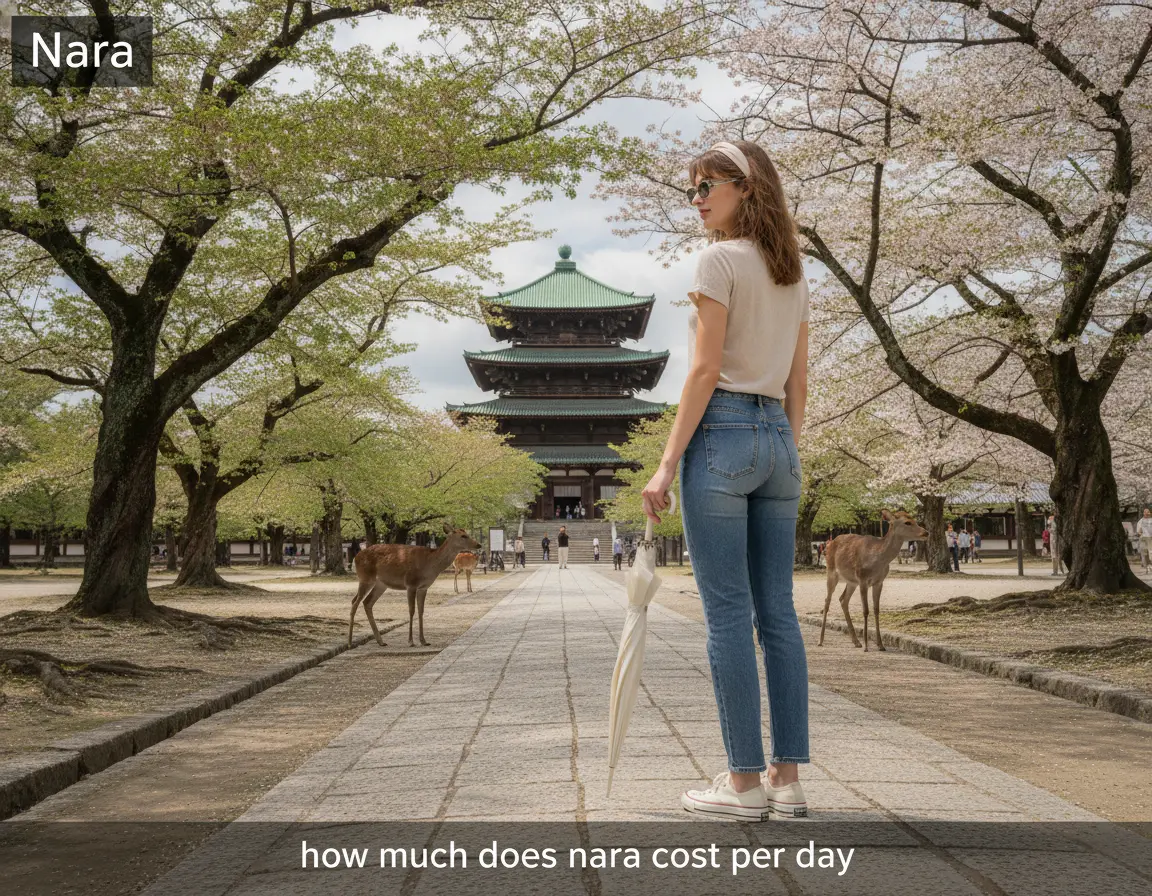
The train is the main cost, so I’d pin that down before I think about food or souvenirs. From Kyoto, the JR Nara Line and Kintetsu both work, but they don’t feel the same once you add walking time. From Osaka, Kintetsu Nara is usually the cleaner choice if you want to land closer to the park. I took Kintetsu because I wanted the simplest route, and that saved me the hassle of a transfer I didn’t need.
I paid ¥760 one way from Osaka-Namba to Kintetsu-Nara. From Kyoto, prices shift depending on whether you take JR or Kintetsu, but I’d still expect roughly the same ballpark for a simple one-way ride, with the real difference being station convenience. The station you arrive at matters more than the fare difference when you’re dragging yourself through a warm 20-28°C afternoon with sunglasses on and a bottle of water already half gone.
Best for: Kintetsu if you want to arrive closer to the park and keep the walk short.
Skip if: you’re choosing a route only because it’s a few yen cheaper but adds a transfer and extra walking.
My pick: I’d pay a little more for the station that drops me where I actually want to be.
One mistake I made: I assumed the cheapest-looking route would be the smartest one. It wasn’t. I saved maybe a few hundred yen at most, but I spent more time than I wanted figuring out the station layout and then walking farther in the heat. That’s not a disaster, but it’s the kind of small travel tax I hate paying twice.
Failure narrative: I thought I’d be clever and just take whatever train was first. The trigger was realizing I’d be arriving at a less useful station for the day I planned, and I’d already built my route around the park area. The consequence was a longer walk with my bag and probably 20 extra minutes I didn’t need to lose. Next time I’d choose the station first and the fare second.
Food in Nara: cheap if you keep moving
Food is where Nara can stay very reasonable. I paid about ¥900 for a simple lunch near the station, and it was exactly the kind of meal I wanted: fast, filling, nothing precious. I also grabbed a convenience-store drink for around ¥150 because I was already walking a lot and didn’t want to overpay for bottled water at a café near the tourist zone.
I’d budget $10-$20 for food if you’re doing Nara on the cheap, or $20-$35 if you want a sit-down lunch and a coffee. The expensive traps are obvious. Deer-shaped snacks, themed parfaits, and cafés right on the main drag can quietly turn a normal lunch into a silly bill. I don’t love that math.
Best for: Lawson, 7-Eleven, and small noodle or curry shops near Nara Station.
Skip if: you’re paying extra just because a place has deer on the menu board.
My pick: I’d eat one simple lunch and keep the rest as snack money.
If I had to choose between a cute café and a plain local lunch shop, I’d take the lunch shop again. The café I looked at had a line, higher prices, and the kind of menu that looks better on Instagram than in real life. The lunch shop solved the actual problem, which was hunger, and it did it for less than half the price.
Worth it: one sit-down meal if you need a break from walking.
Skip it: hotel breakfast if you’re staying overnight and the hotel charges extra for something you can get better and cheaper outside.
What the deer cost, and what they don’t
The deer are the headline, but they’re not the budget problem. Deer crackers were ¥200 when I bought them, and that’s the right amount to spend if you want the interaction without turning the whole thing into a gimmick. I bought one pack, fed a few deer, and then put the rest away because once the deer realize you have food, the situation gets a little pushy. Funny once. Then annoying.
Best for: first-time visitors who want the classic Nara moment without spending much.
Skip if: you’re expecting a quiet wildlife experience. It’s a park full of semi-feral deer, not a petting zoo.
My pick: One pack of crackers is enough.
The deer are free to see, and that’s why this part of Nara is such good value. I expected the whole thing to feel more engineered, like a place built to sell souvenirs first and experiences second. It did have that side, sure, but the park itself still felt better than I expected. I went in assuming I’d be done in 20 minutes. I stayed longer because the walking was easy and the deer were odd in a way that kept me interested.
Worth it: yes, but only at the low-cost level.
Not worth it: buying multiple packs of crackers unless you’re with kids or planning to linger a while.
Paid sights: what I’d actually spend on
Not every temple or museum in Nara needs your money. That’s the part I wish more planning guides said plainly. Todai-ji is the big one people usually pay for, and I’d keep it on the list if it’s your first time in Nara. The Great Buddha Hall has a real scale to it, and even though it’s a tourist magnet, it doesn’t feel fake. I paid around ¥600 for entry, and that felt fair for one major sight.
I’d skip piling on extra paid stops unless you’re staying overnight. If you only have a day, one paid temple or museum is enough. The rest of the value in Nara comes from walking between places, not from collecting ticket stubs like you’re trying to win a prize.
Best for: Todai-ji if you want one paid stop that feels worth the entry fee.
Skip if: you’re trying to do three or four paid attractions in one short day.
My pick: one major paid sight, then keep the rest free.
I’d also avoid the mistake of assuming every famous spot needs a ticket. Some of the best parts of Nara are just the walk between areas, especially if the weather is warm and partly cloudy like it was for me. I had my umbrella in my bag and barely used it, but the light jacket I’d brought ended up shoved away by lunchtime. That’s the kind of day where moving slowly through the park costs nothing and still feels like the point.
Skip it: anything with a long line at the entrance. I won’t stand around for 30 minutes in Nara unless I know exactly what I’m getting.
Where to stay if you’re not just day-tripping
If I were staying overnight in Nara, I’d pay for location over charm. That’s the whole game here. The best value is usually somewhere near Kintetsu-Nara Station or within an easy walk of Nara Park, because once you’re in the city, the point is to walk. I’m not paying extra for a pretty room if it puts me 25 minutes away from where I actually want to be.
See current Nara hotel prices on Agoda →
I’d expect a basic private room or decent guesthouse to land somewhere around $45-$90 a night, with nicer hotels moving up from there. If you’re booking for cherry blossom season, weekends, or a holiday, rates can jump more than you’d expect. I’ve watched “cheap” rooms disappear faster than the nicer ones in cities this size, and Nara is not immune to that.
Best for: one-night stays that are meant to be relaxed, not rushed.
Skip if: you’re only sleeping in Nara between Kyoto and Osaka and don’t care about an evening stroll.
My pick: book close to the station, not in some scenic spot that makes every errand a walk.
If you want to compare rates, I’d start with Agoda because Nara’s best-value rooms move around fast around weekends and school holiday periods. I’d still compare a couple of options manually, but I wouldn’t wait until arrival if I wanted a room under control.
What I’d skip to keep Nara cheap
This is the part that saves money. I’d skip the souvenir shops near the busiest path unless I wanted one small thing, because the pricing there is pure tourist markup. I looked at a few deer-themed trinkets and walked away when I saw how fast tiny purchases could stack up. A ¥600 magnet and a ¥1,200 snack box don’t sound like much until you’ve done that three times.
Best for: travelers who want a clean, low-friction day without shopping detours.
Skip if: you’re the kind of person who can’t resist buying the first cute thing you see.
My pick: buy one thing or nothing. Nara doesn’t need a haul.
I’d also skip guided bus tours. They’re not necessary here. Nara is one of the easiest places I’ve done on my own, and the whole appeal is that you can stitch together the day at your own pace. I don’t want to pay extra to be told where to stand in a place that’s already simple to navigate.
Worth it: only if you’re traveling with someone who really can’t handle trains or walking.
Not worth it: for solo travelers or anyone comfortable following a map.
What I’d do differently next time
I’d buy my train ticket with the station choice already decided, not after I’d convinced myself a cheaper route was fine. That would save me a bit of time and a little annoyance. I’d also bring one more snack from the convenience store and skip the impulse stop for overpriced drinks near the deer park.
I’d probably stay overnight only if I wanted a quieter evening after the day-trippers left. Otherwise, I’d keep Nara as a clean day trip and move on. That’s the version that makes the most sense for my budget and for the kind of trip I actually like.
Rough daily estimates from my own trip. Prices shift by season.
I usually book Nara tours on Klook — the best time slots go fast, especially in peak season.
FAQ
Is Nara cheap enough for a day trip from Kyoto?
Yes, I’d call it cheap by Japan standards. I’d usually expect to spend around $35-$60 total if I’m taking a regular train, eating one casual meal, and not buying random extras. The biggest cost is the train, not the park itself.
How much money should I bring for food in Nara?
I’d bring $10-$20 if I want to keep it simple. A convenience-store snack plus a basic lunch near Nara Station can stay under ¥1,500, and that’s enough for most day trips. If I want coffee or a nicer sit-down meal, I’d move the food budget closer to $25.
Are the deer expensive to see?
No, the deer are basically free, which is why the park works so well for a low-cost day. The only real expense is deer crackers, and I paid about ¥200 for a pack. I’d buy one pack and stop there unless I’m with kids.
Is it worth staying overnight in Nara?
Yes, but only if I want a slower evening and a quieter morning. For a short Kyoto-or-Osaka trip, I’d usually keep Nara as a day trip because the cost of a room adds more than the experience does. Overnight makes sense if I want to walk around after the tour groups leave.
What would I skip to save money in Nara?
I’d skip guided tours, souvenir-heavy cafés, and any taxi I don’t truly need. Those are the easiest ways to turn a cheap day into an annoying one. If I’m trying to keep costs low, I’d spend on train, lunch, and one paid sight, then leave it there.
 Emma Hayes