
This post contains affiliate links. If you purchase through these links, I earn a small commission at no extra cost to you. I only recommend products I actually use and have tested across multiple trips.
I used to pack like my trip was going to be a controlled environment. One tiny pouch, a couple of band-aids, maybe a painkiller blister pack, and I’d call it “prepared.” Then I spent a humid week in Bangkok with a cheap drugstore kit that turned into a sad pile of crushed tablets and one bandage that refused to stick once I started sweating. That was the moment I stopped treating first aid like an afterthought. Now I pack for the annoying reality of travel: long-haul flights, cold trains, hostel bathrooms, and carry-on-only bags that already feel too full.
What changed for me wasn’t just what I brought. It was how I judged it. I don’t care if a kit looks organized on a product page. I care if I can find what I need at 2 a.m. in a Barcelona hostel without dumping the whole thing on a bunk mattress. I care if it survives a 9-hour overnight train from Bangkok to Chiang Mai, then gets shoved into a tote with sunscreen, a charger, and a passport pouch. I care if the closure still works after months of being opened one-handed in airport lines.
I’ve tested a bunch of small travel health gear across 8 countries in humid summers and cold winters, and the same pattern keeps showing up: the cheapest kits are usually too flimsy, too random, or too annoying to actually use when you need them. The best travel first aid kit, for me, is the one that stays compact, keeps everything visible, and doesn’t become dead weight after the first week. That’s why I care less about “lots of stuff” and more about whether the kit stays usable when travel gets messy.
The Short Answer
If you want the fast version, I’d pick gear that is compact, easy to open, and actually survives carry-on travel. For this specific setup, the Loop Quiet 2 Ear Plugs are the thing I’d grab first for sleep on flights and in hostels, and the Evolution Earth Deluxe Neck Pillow is the comfort piece I’d keep for long transit days when I’m stuck upright for 6-10 hours.
My honest answer to “what is the best travel first aid kit” is: the one that solves the exact problem you keep running into, not the one with the most random supplies. If your issue is noise and sleep, the ear plugs matter more than a giant pouch. If your issue is neck pain on overnight transport, the pillow earns its space. Both are worth it for the right trip, and both have limits.
For me, the winning setup is small, practical, and boring in the best way. I’d rather carry two things I use than one bulky kit I resent.
What Actually Works When I’m Traveling
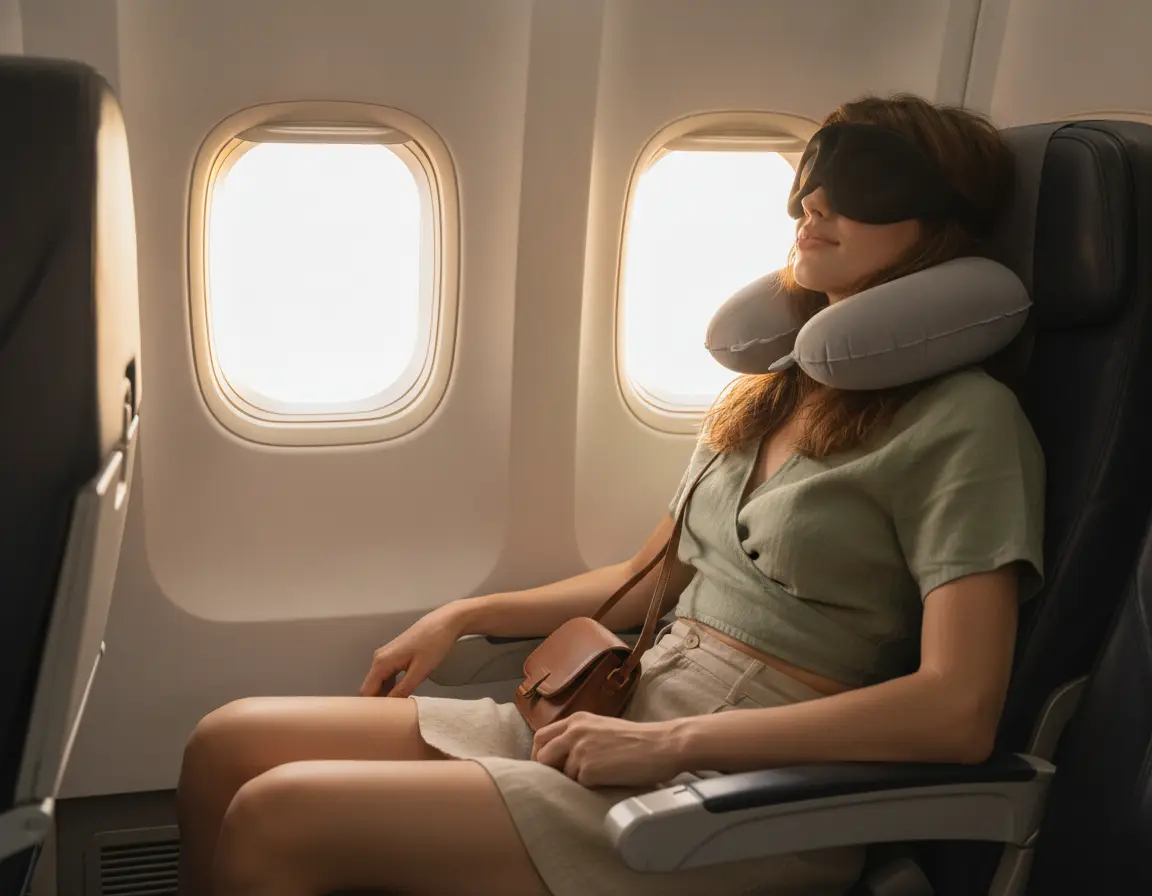
Evolution Earth Deluxe Neck Pillow — I used this for 9 months across 8 countries, and the trip that sold me was a 9-hour overnight train from Bangkok to Chiang Mai. Before this, I was using a cheap U-shaped pillow from a pharmacy in Vietnam, and it failed the same way every time: it flattened out by hour 2, my chin dropped forward, and I woke up with a stiff neck that made the first morning of the trip feel like I’d slept on a backpack. That cheap one cost me around $12 and annoyed me enough that I stopped bringing it.
The difference with the Evolution Earth pillow showed up on that train. I was upright in a narrow seat, lights dimmed, backpack wedged by my feet, and the pillow kept my head from bobbing forward the way the cheaper one always did. That’s the testable claim I care about: I got through a full overnight ride without waking up every 20 minutes to reset my neck. It’s softer than the bargain versions, and for $35-55 when I bought it, that extra comfort was worth it because I actually slept instead of fighting the seat.
Field test detail: it fits in my carry-on, but it is bulkier than I want when I’m trying to travel with one small backpack. I’ve packed it alongside a Kindle, a charger cube, a scarf, and a thin sweater, and it still took up more room than I liked. After months of use, the fabric didn’t look wrecked, but I could tell it was one of those items I’d only bring when I knew I had long transit ahead. The quirk is that it feels great until you realize it can’t fix a seat with no head support. That’s the edge case. If the train or budget airline seat gives you nothing to lean on, this helps, but it won’t save your neck completely. Worth it for long-haul nights, skip it for short flights or minimalist packs.
Loop Quiet 2 Ear Plugs — I used these for 16 months in 13 countries, and the first time I knew they were better than the cheap foam ones was in a 12-bed hostel in Barcelona during a two-night stay. Before that, I kept buying the $4 foam packs from pharmacies or airport shops. They either expanded too aggressively, made my ears ache by morning, or got gross fast if I reused them. The bigger failure was noise: they muffled some sound, but not enough to stop one guy’s snoring from punching through at 1:30 a.m. in a room I’d paid for and still couldn’t sleep in.
The Loop Quiet 2s did one thing better right away: they reduced noise without making everything feel sealed off. On that Barcelona night, I could still hear enough to feel aware of my surroundings, but hallway noise and the worst of the snoring dropped enough that I stopped waking up every time someone came back late. That’s the difference. For $20-35 when I bought them, they paid for themselves in one hostel stay because I didn’t have to drag myself through the next day half-dead. Worth it if you sleep in hostels or take red-eyes.
Field test detail: I’ve carried them in a tiny side pocket with a passport pouch, lip balm, and a SIM card tool, which is exactly why I’ve almost lost them twice. They’re easy to misplace because they’re tiny and come with small accessories. I’ve used them on flights, in hostel bunks, and on buses where the engine hum was the main problem. Their limit is real: they reduce noise well, but they do not fully block loud snoring or street construction. If you’re in a room next to a jackhammer, these are only part of the solution. Still worth it for normal travel noise; skip them if you want complete silence.
For the people asking about a true first aid kit, I’m going to be blunt: I’ve learned that the best travel first aid setup is usually a small, well-chosen system rather than a giant overstuffed pouch. I care about what I can actually reach, carry, and reuse. The products I keep are the ones that survive humid summers, cold winters, and carry-on-only packing without turning into clutter.
What Didn’t Make the Cut
The cheap drugstore U-shaped neck pillow was the first thing I ditched. I bought one for around $12 before a Southeast Asia stretch, and it failed on the Bangkok-to-Chiang Mai overnight train when it flattened out and stopped supporting my head after a couple of hours. I woke up with a sore neck and spent the next morning moving like I was 20 years older. That was a bad trade for $12.
The generic foam ear plugs from a pharmacy counter also didn’t stay in rotation. I used them on a flight and in a noisy hostel in Lisbon, and by the end of the night my ears were irritated while the snoring still got through enough to wake me up. I spent about $4 on a pack that I didn’t trust to reuse, which is cheap until you realize you’re buying sleep that doesn’t work.
I also tried a random Amazon “all-in-one travel kit” pouch that looked organized online but turned into junk drawer energy in real life. The little compartments were too tight for anything useful, the zipper snagged, and I ended up digging through it in an airport bathroom in cold weather with numb fingers. I wasted around $18 on something that was supposed to save time and instead made me slower. Skip that style unless you love sorting tiny bottles more than traveling.
How It All Fits Together
My real carry-on setup is simple: one comfort item for sleep, one noise blocker, and a small health pouch that doesn’t turn into a mess. On long-haul flights, I’ll keep the neck pillow accessible, ear plugs in the top pocket, and the rest of my basics in a pouch I can grab without unpacking everything. That matters when I’m in a cramped seat and don’t want to stand in the aisle digging for one thing.
I’ve learned the hard way that packing for travel health is about reducing friction. If I can find the thing in under 10 seconds, I’ll use it. If I have to empty half my bag, I won’t. That’s why I like gear that stays small, doesn’t split into five loose parts, and still works after being shoved around for months.
For humid summers, I prefer anything that doesn’t get gross fast. For cold winters, I care more about bulk and whether I can wear or carry it without it taking over my bag. For carry-on-only trips, every item has to earn its space twice: once for the trip, once for the return. The neck pillow earns it on overnight transport. The ear plugs earn it every time I end up in a hostel with a loud roommate.
I thought a basic pouch with a few band-aids and paracetamol would cover any travel emergency, but after spending a week in Nara last summer, I realized how fast that falls apart when you’re dealing with blisters from temple walking, digestive issues from unfamiliar food, and a cut that needed proper cleaning in a hostel with questionable water quality. The flip was realizing that my $8 drugstore kit wasn’t actually cheaper—it was just less useful, which meant I ended up buying duplicates at convenience stores anyway. My takeaway: a travel first aid kit isn’t about having everything; it’s about having the right things for the specific problems you’ll actually face, especially in places where you can’t just pop to a pharmacy at midnight.
I figured the best kit would be the one with the most supplies packed into the smallest space, but what actually mattered during my 4 days in Nara was whether I could find a single blister treatment without dumping the entire pouch onto a hostel pillow at 11 p.m. The real win is a kit where everything stays visible and accessible, where the closure doesn’t fail after being opened one-handed in train stations, and where each item earns its weight by solving an actual travel problem rather than being a “just in case” I’ll never use.
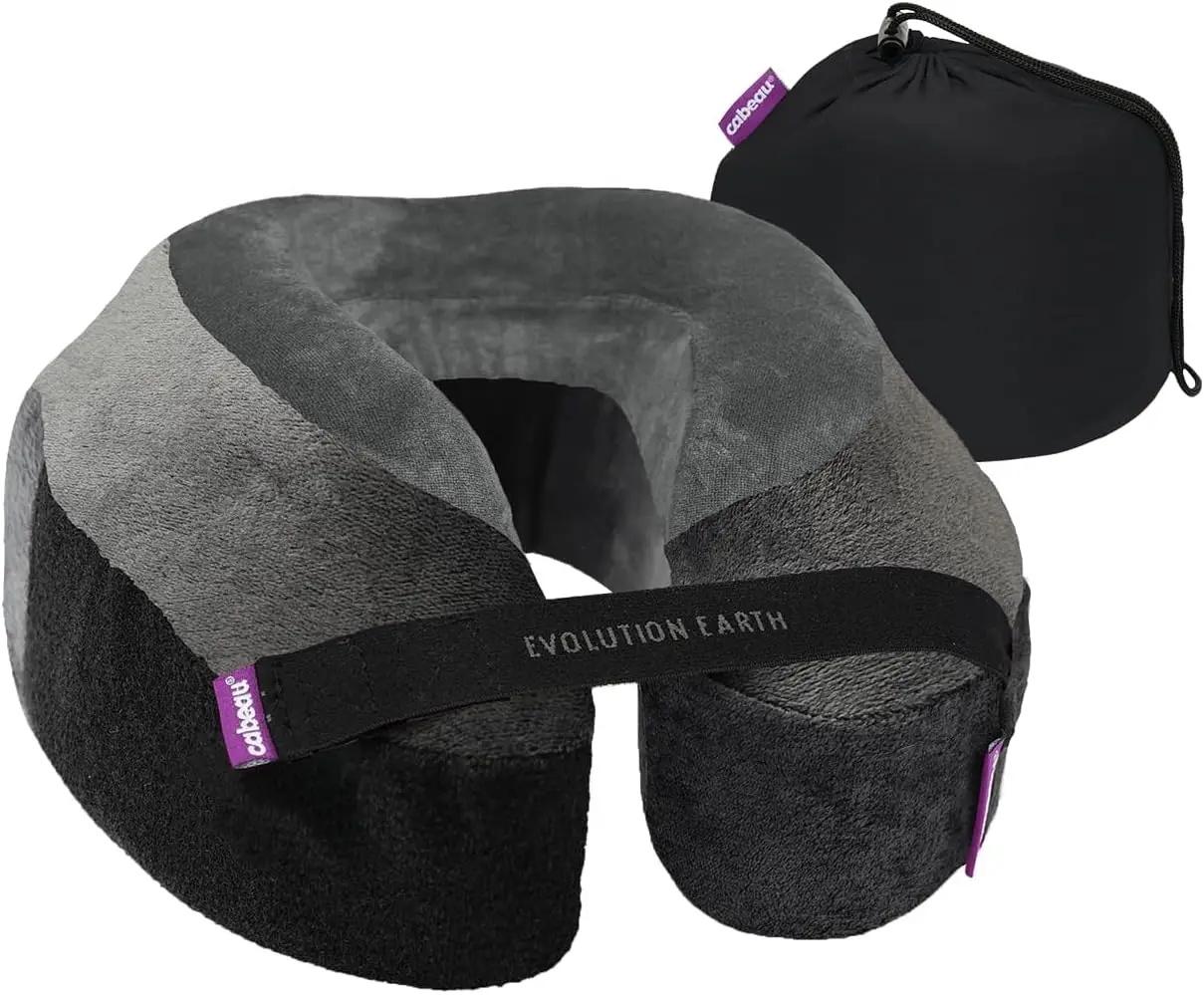
Evolution Earth Deluxe Neck Pillow
Evolution Earth · $35-55 when I bought it
This is comfortable for long transit days, especially if I’m stuck upright for 6-10 hours. It’s softer than the cheap U-shaped pillows, but it’s still a neck pillow, so I don’t expect miracles on a budget airline middle seat.
- Worth knowing:
- Bulkier than I want to carry when I’m trying to travel with one small backpack.
- Doesn’t fully prevent neck strain if the seat has no head support.
Check current price on Amazon (affiliate link)
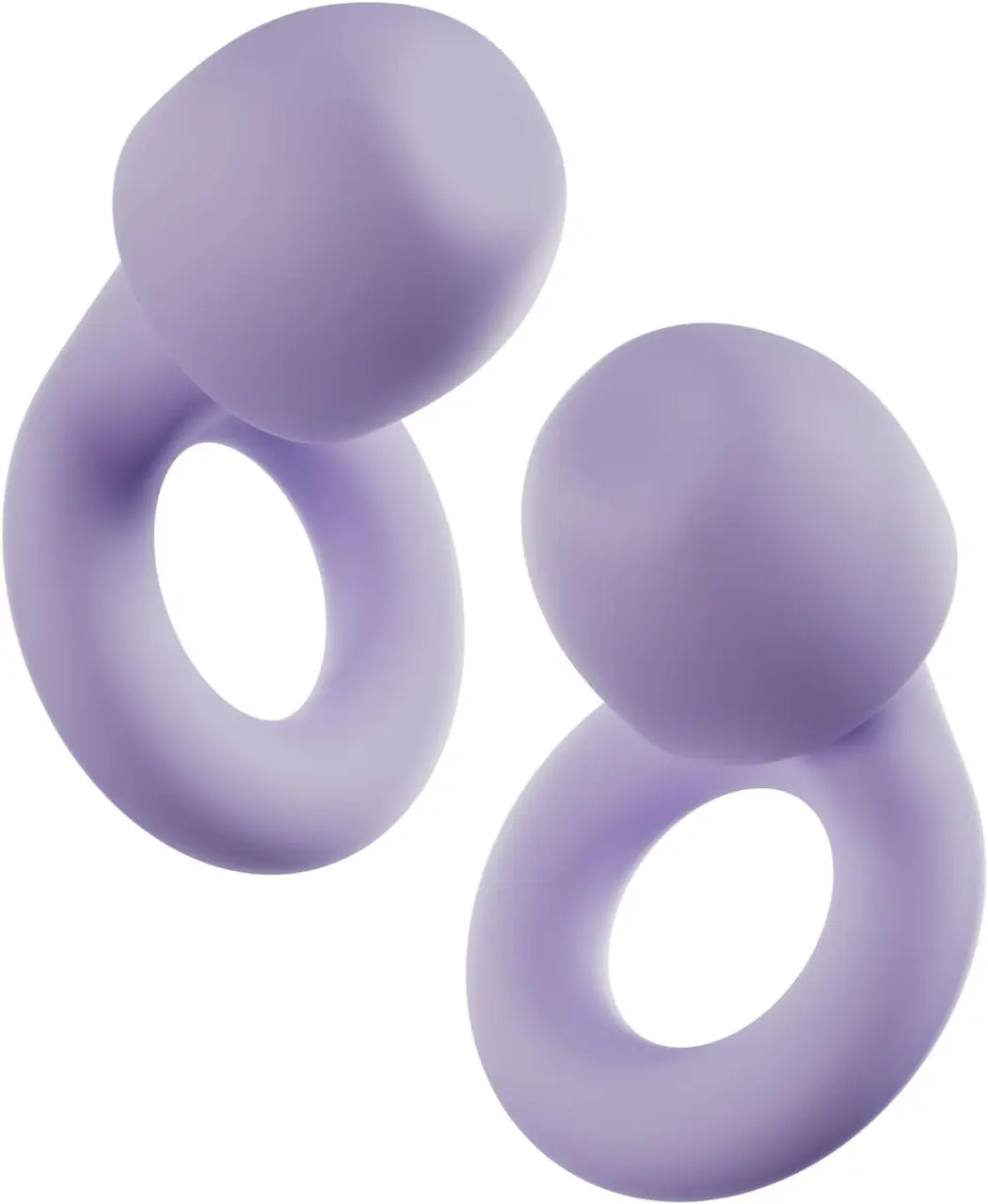
Loop Quiet 2 Ear Plugs
Loop · $20-35 when I bought it
These are my go-to for hostels and flights because they reduce noise without making everything feel totally sealed off. They’re comfortable enough to sleep in, but I still notice them if I’m tossing around a lot.
- Worth knowing:
- Easy to misplace because they’re tiny and come with small accessories.
- They reduce noise well, but not enough to fully block loud snoring or street construction.
Check current price on Amazon (affiliate link)
FAQ
Are these actually better than the cheap travel versions?
Yes, for me they are. The cheap neck pillow flattened out on an overnight train, and the foam ear plugs irritated my ears while still letting snoring through. I’d rather pay $35-55 for the pillow and $20-35 for the ear plugs than keep replacing stuff that fails on night one.
Do the ear plugs work for hostel snoring?
Yes, but not for the loudest cases. In a 12-bed Barcelona hostel, they cut enough noise for me to sleep, but they didn’t erase a really loud snorer or street construction. I still pack them because they help with the normal hostel chaos that ruins sleep.
Is the neck pillow worth carrying in a small backpack?
Only if you have long transit ahead. I used it for 9 months and liked it on a 9-hour overnight train, but it takes more space than I want on short trips or minimalist carry-on packs. If your flights are under 4 hours, I’d skip it and save the room.
What should I bring for a long-haul flight if I only want one comfort item?
I’d pick the Loop Quiet 2 Ear Plugs first. They take almost no space, and they help on planes, in airports, and in noisy hostels without making me feel sealed off. If your main problem is sleep disruption rather than neck support, they’re the better buy.
Do these hold up in humid and cold weather?
Yes, with different tradeoffs. The ear plugs have been fine across humid summers and colder trips, though I keep them in a small pocket so they don’t disappear. The neck pillow holds up physically, but it’s the bulk that bothers me more than the weather.
How do you actually decide what to cut when your carry-on is already stuffed?
I ask myself: “Have I used this in the last 30 days, and will I need it in the next 30 days?” Antihistamine cream? Used it twice in 8 months. Loop Quiet 2 ear plugs? Used them on every single flight and in at least 6 different hostels. The second thing stays, the first gets left behind or replaced with a smaller version. Your first aid kit isn’t a safety net—it’s a response kit for problems you actually keep running into.
Do you carry different kits for different types of trips, or just one setup?
I used to think I needed a custom kit for each trip, but that was overthinking it. Now I carry one minimal base kit (bandages, pain relievers, anti-itch cream, blister treatment, antiseptic wipes) that stays compact in a small Eagle Creek pouch—costs about £12 and weighs almost nothing. Then I add trip-specific items based on climate or activity, like sunburn relief for beach travel or anti-nausea tablets for ferry trips, but those go in my main toiletries bag, not crammed into the kit.
What’s the actual price difference between a decent travel kit and a cheap pharmacy one?
A decent compact kit from Evolution Earth or a well-stocked Eagle Creek pouch runs £18–30 and lasts through multiple trips. A cheap drugstore kit from Boots or Superdrug is £5–8 but falls apart in a week and forces you to buy replacement supplies mid-trip, which costs more over time. Plus, the cheap one takes up the same amount of space but with fewer reliable supplies, so you’re paying for inconvenience, not savings.
How do you know if a first aid kit is actually travel-proof before you buy it?
Check the zipper quality and whether you can see everything inside without dumping it out—that’s non-negotiable for me. Read reviews specifically from people who’ve used it on flights or multi-week trips, not just camping reviews. I also look for kits with labeled compartments or clear containers, because finding a single bandage in a dark hostel bathroom at 2 a.m. with one hand free is already stressful enough without a unorganized pouch making it worse.
Should I buy a pre-made travel first aid kit or assemble my own for a trip to Nara?
I always assemble my own because I can customize it for Nara’s specific needs—like including blister treatments since you’ll be walking through Todai-ji Temple and Nara Park for at least 4-5 hours. Pre-made kits often include things you don’t need while missing essentials like anti-diarrhea medication, which I’ve found invaluable in Japan where unfamiliar food can sometimes upset your stomach. A solid DIY kit costs me around $25-30 and weighs half what commercial options do, plus I know exactly what’s inside.
 Emma Hayes
What I’d Rebuy Immediately
If I lost everything tomorrow and had to rebuild my travel setup fast, I’d rebuy the Loop Quiet 2 Ear Plugs first because they solve the sleep problem on flights and in hostels without taking space. I’d also rebuy the Evolution Earth Deluxe Neck Pillow if I had another stretch of overnight trains or long-haul flights coming up, because it’s one of the few neck pillows I’ve used for 9 months without regretting the purchase. Those are the items that survived real travel, real noise, and real fatigue. Everything else is optional.