

I thought this would be worth it. It wasn’t, at least not in the way I expected. I went to Nara on a warm post-rain day, umbrella in my bag and cardigan in hand, and the deer were the least interesting part of it for me. If you’re asking is Nara worth visiting, my answer is still yes—but mostly as an easy day trip, not the main event.
My answer is still yes: I’d choose Nara because it’s an easy, low-friction day from Kyoto or Osaka, and the payoff is better than the hype suggests if you like walking, old temples, and a city that doesn’t waste your time. Choose Kyoto instead only if this is your only free day in the region and you want a denser, more layered day with better food and more variety.
Best for: first-timers who want one simple day trip with real sights and almost no transit stress.
Skip if: you only care about temples, food, and neighborhoods that keep you busy for a full day without repetition.
My pick: Nara is worth visiting, but I’d treat it as a half-day or easy day trip, not the main event.
Quick answer: I’d go to Nara if you have one free day from Kyoto or Osaka. Todai-ji was ¥800, the JR train from Kyoto took under 45 minutes door to door, and I spent about ¥2,900 total that day before snacks.
Why I’d choose Nara over forcing another Kyoto day
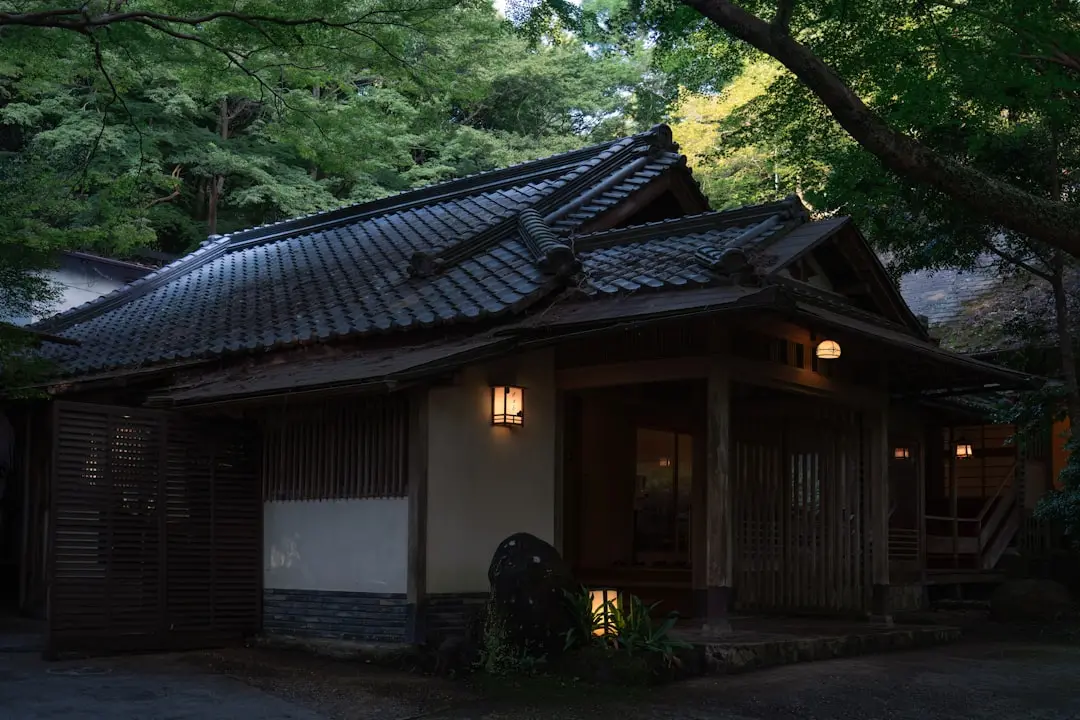
I had Kyoto and Nara in front of me, and I went with Nara because I wanted a day that didn’t require planning four separate neighborhoods before lunch. Kyoto can be amazing, but it also asks more of you. You’re choosing between Gion, Arashiyama, Higashiyama, Nishiki, or some temple cluster, and the transit and walking add up fast. Nara gave me a cleaner day with less decision fatigue.
That sounds boring until you’re actually traveling. I started in the park near Kintetsu Nara Station, walked toward Todai-ji, then kept drifting without checking a map every ten minutes. I paid ¥800 for Todai-ji’s Great Buddha Hall, and that was the only “should I or shouldn’t I?” spend of the morning. Fine, not thrilling. Useful, though.
The thing that changed my mind was how little effort the day asked for. I expected the deer to be the main event and a bit of a gimmick. They kind of are. But the city around them felt calmer and more coherent than I expected, especially after the rain when the paths were still damp and the air was warm enough that I didn’t need my jacket once noon hit. I’m not sure that’s universal, but I liked how easy it was to keep moving.
Best for: travelers who want one simple, low-stress day with a clear route.
Worth it if: you hate packing too many sights into one day.
My pick: Nara beats a second Kyoto day when I want less transit and fewer choices.
I bought a 150-yen onigiri from a convenience store near the station and ate it while walking toward the park. That’s the kind of day Nara gives you. Not fancy. Just smooth.
If kansai airport to nara matters to your trip, my Kansai Airport To Nara has the specifics.
I compared the options in How Much Does Nara Cost Per Day — useful if you haven’t booked yet.
What Kyoto does better, and why I still wouldn’t swap
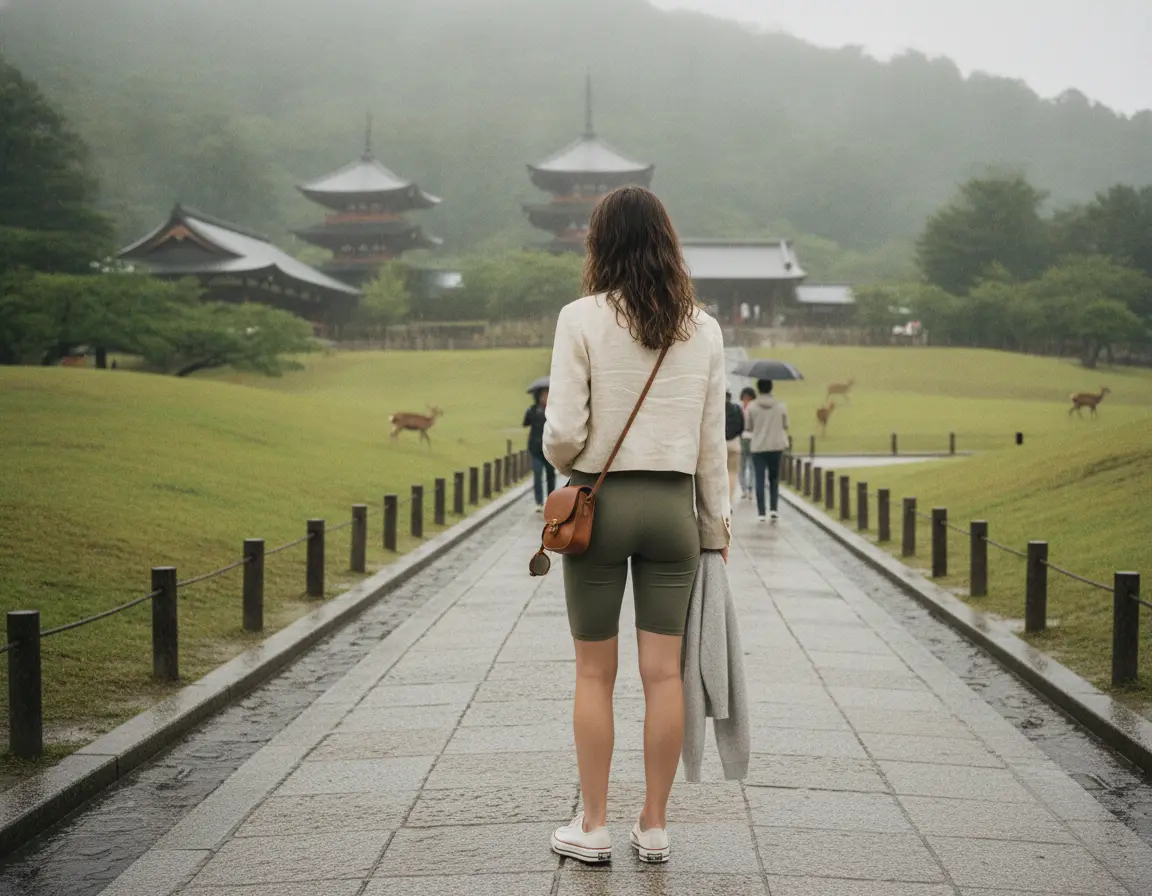
Kyoto is the stronger trip if your priority is density. I’m not going to pretend otherwise. Kyoto gives you better food range, more interesting neighborhoods, and more ways to fill a day without repeating yourself. If you want to spend the afternoon jumping from a shrine to a coffee shop to a narrow shopping street, Kyoto wins.
But Nara does one thing Kyoto doesn’t: it keeps the day from splintering. I walked from the station into the park, then to Todai-ji, then back through the older streets, and I never felt like I was hustling to the next “zone.” That matters more than people admit. I spent maybe 20 minutes looking for a lunch spot in Nara, and that was mostly because I was picky. In Kyoto, I’ve spent longer just trying to get to the right area.
I also think people overrate the idea that every day in Kansai has to be packed. Nara isn’t trying to compete with Kyoto’s depth. It’s a cleaner, smaller day with fewer moving parts. If you like wandering without a tight agenda, that’s a good trade. If you want a day that feels full from morning to evening, Kyoto is the better use of your time.
Best for: people who want variety, food, and neighborhoods that keep unfolding.
Skip if: you’re trying to cut transit and decision-making.
My pick: Kyoto is better for a long, layered day; Nara is better for an easy one.
I figured Nara would feel too small. It did, a little. I still preferred that to spending the day zigzagging across Kyoto with a hungry stomach and a dead phone battery. That tradeoff is real.
Cost, time, and convenience: the part that actually changes the decision
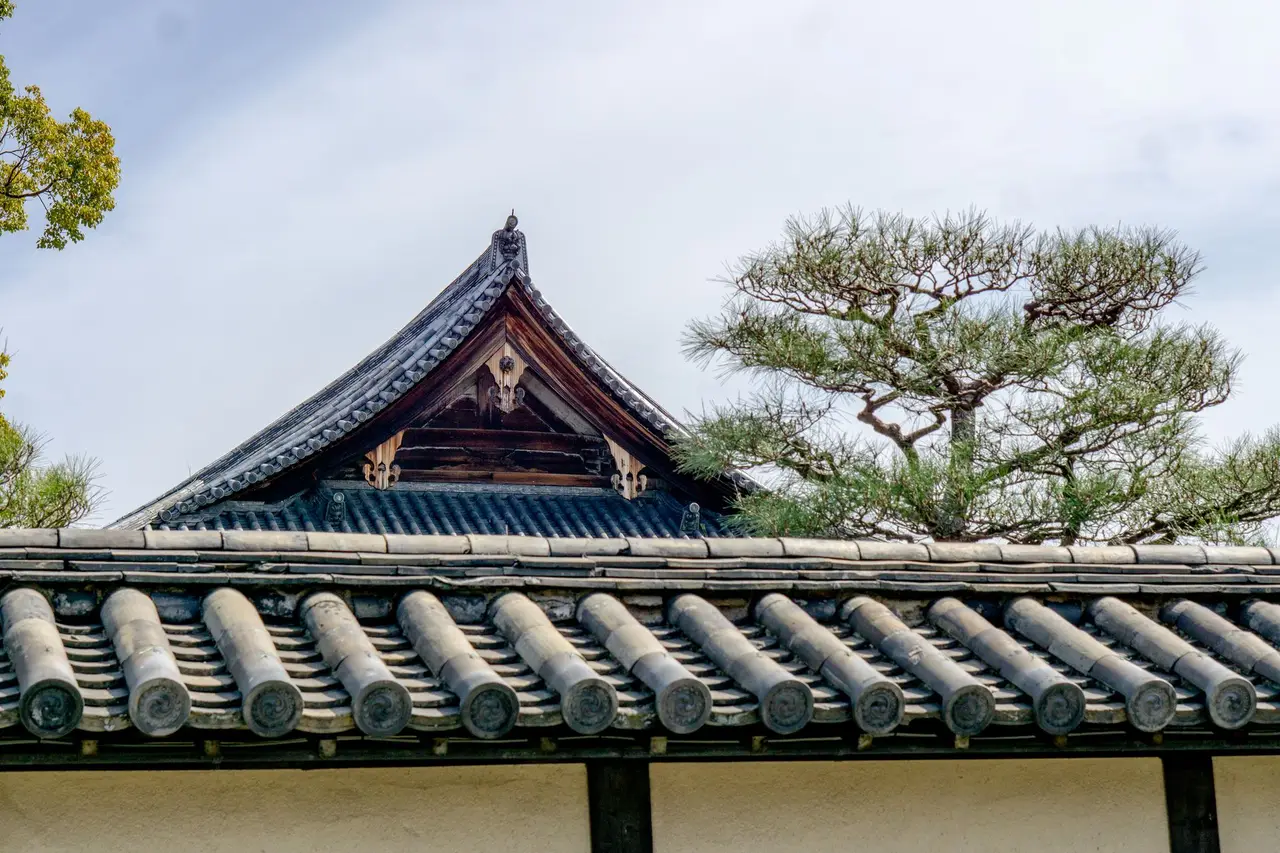
Here’s the practical split. From Kyoto Station, the JR Nara Line is usually around 45 minutes on the rapid service and roughly ¥720 one way. From Osaka, the Kintetsu line is often the faster-feeling option depending on where you start, and the ride from Kintetsu Nara Station drops you closer to the park than JR Nara Station does. I used JR from Kyoto because it fit my route, and I didn’t need a transfer.
The money difference is small, which is why time matters more here than cost. A Nara day trip can stay cheap: maybe ¥1,440 round trip on trains, ¥800 for Todai-ji, and ¥1,000 to ¥1,500 for lunch if you keep it simple. I spent about ¥2,900 total that day before snacks. Kyoto can be similar in base transport, but once you start moving between districts, the cash isn’t the issue. The lost time is.
Door to door, Nara from Kyoto is usually a half-day commitment once you count station walking, temple time, lunch, and the park. I’d budget 5 to 7 hours for a relaxed visit. Kyoto, by contrast, can swallow a full day without feeling repetitive if you’re moving around smartly. That’s the real tradeoff: Nara is cheaper in mental energy, Kyoto is better in opportunity cost if you want to squeeze more out of one day.
Budget-wise: I’d plan about ¥6,000 to ¥9,000 for a Nara day including transport, entry, and food.
Worth it if: you’re trying to keep the day efficient and still see something old and good.
Skip if: you need every hour to feel packed with distinct neighborhoods.
I waited 25 minutes for a train back to Kyoto because I didn’t check the schedule carefully enough. That was the one annoying part of the day, and it’s exactly why I’d still choose Nara only as a planned outing, not a spontaneous “let’s see what happens” move. The convenience is good, but it’s not magic.
The vibe difference: Nara feels calm, Kyoto feels busy, and that’s the whole game
Nara’s rhythm is slower in a way that’s visible, not poetic. People are there to do the same basic loop, and the city doesn’t pretend otherwise. You walk, you see deer, you visit a temple, maybe you stop for matcha or a simple lunch, and you leave. I liked that. It felt honest.
Kyoto has more texture, but it also has more friction. You’re dealing with crowds, longer walks between things, and the constant sense that you might be missing a better street two blocks over. Nara doesn’t make me play that game. The downside is obvious: it’s less layered, less surprising, and less likely to become the most memorable day of your trip. I don’t love it for that reason, but I do respect it.
The deer are the obvious draw, and they’re fine. I bought a pack of deer crackers for about ¥200 and watched one deer bow at me like it had a script. Cute for five minutes. Then it gets repetitive, especially near the busiest paths where tourists keep stopping in the same spots for photos. I’d never build the whole day around the deer alone. They’re part of the day, not the point.
What I actually liked was the contrast: the park, the temple scale, and the fact that I could step away from the busiest stretch and still have a decent walk. I expected Nara to feel like a theme park with deer. It didn’t. It felt like a small city that has learned how to live with its own famous animals. That’s better than I expected, and I’d still recommend it for that reason.
Best for: calm walkers who don’t need constant stimulation.
Skip if: you want a city that keeps changing block by block.
My pick: Nara wins on rhythm, even if Kyoto wins on depth.
I got caught in a light shower near the park entrance and ducked under an awning for ten minutes while the sun kept coming and going. Post-rain Nara had a softer feel, and honestly that helped. I probably would’ve liked it less on a hot, packed weekend.
The day I almost overplanned Nara and wasted money on the wrong idea

I almost treated Nara like a full itinerary day and booked more around it than I needed. My original idea was to add a second stop and stretch the trip into a long, efficient marathon. That sounded smart on paper. It wasn’t.
The trigger was simple: I saw how easy the train was and assumed I should “maximize” it. But once I got there, the better move was obvious. I stayed in the park area, went into Todai-ji, wandered a bit, ate lunch, and stopped. If I had forced a second temple or an extra neighborhood, I would’ve spent more money on transport and more time resetting my pace for very little gain.
The consequence would’ve been real. I would’ve added at least another ¥800 to ¥1,200 in local transit and likely burned an extra 1.5 to 2 hours moving around without getting much more out of the day. I also would’ve missed the better part of the afternoon back in Kyoto, which is where I wanted dinner. That’s the kind of mistake that doesn’t look expensive until you add up the lost hours.
What I’d do now is simpler: one station, one main temple, one long walk, one lunch. That’s enough. Nara rewards restraint. If you try to force it into a big sightseeing day, it gets thin fast.
Best for: travelers who can stop after the main loop and not chase extra stops.
Skip if: you feel weird about “only” doing one major sight.
My pick: I’d keep Nara tight and use the saved energy elsewhere.
What I’d do differently next time
I’d leave Kyoto earlier and aim for the first comfortable train instead of drifting out late morning. I arrived with enough time, but I still felt a little rushed deciding where to eat once I was there. I also would’ve checked return trains before lunch so I wasn’t standing around later doing schedule math on my phone.
I’d also skip trying to turn the deer into a whole activity. Five to ten minutes is enough. After that, I’d move on to the temple and the streets around it.
I might stay one night only if I were using Nara as a quiet reset between busier cities. For a normal Kansai trip, though, I’d keep it as a day trip. That’s where the value is.
Rough daily estimates from my own trip. Prices shift by season.
See current Nara hotel prices on Agoda →
I usually book Nara tours on Klook — the best time slots go fast, especially in peak season.
FAQ
Is Nara worth visiting for a first trip to Japan?
Yes, I think Nara is worth visiting on a first Japan trip if you already have Kyoto or Osaka in the plan. It’s an easy way to see a different pace without much transit hassle, and I spent about half a day there without feeling rushed. I wouldn’t make it my only Kansai stop, though.
How long do I actually need in Nara?
Four to six hours is enough for the main sights, and that’s the sweet spot in my book. I covered the core area, ate lunch, and still had time to head back before dinner. If you like lingering in temples and parks, stretch it to a full day.
Is Nara better as a day trip from Kyoto or Osaka?
I’d pick Nara as a day trip from Kyoto if Kyoto is already your base, because the train ride is straightforward and the city works well as a break from Kyoto’s pace. Osaka also works fine, especially if you’re staying near a Kintetsu or JR line that makes the ride easy. I’d choose based on where you’re sleeping, not on some huge difference in the destination itself.
Are the deer actually the main reason to go?
No, the deer are not the real reason I’d go. They’re fun for a short stretch, but the temples and the walk through the park are what make the day hold together. I’d still visit even if the deer were less famous.
Would I stay overnight in Nara?
Not for a normal trip, no. I’d only stay overnight if I wanted a slower night after busier cities or I found a hotel deal I liked near the station. For most travelers, a day trip gives you the useful part without paying for the extra downtime.
 Emma Hayes