
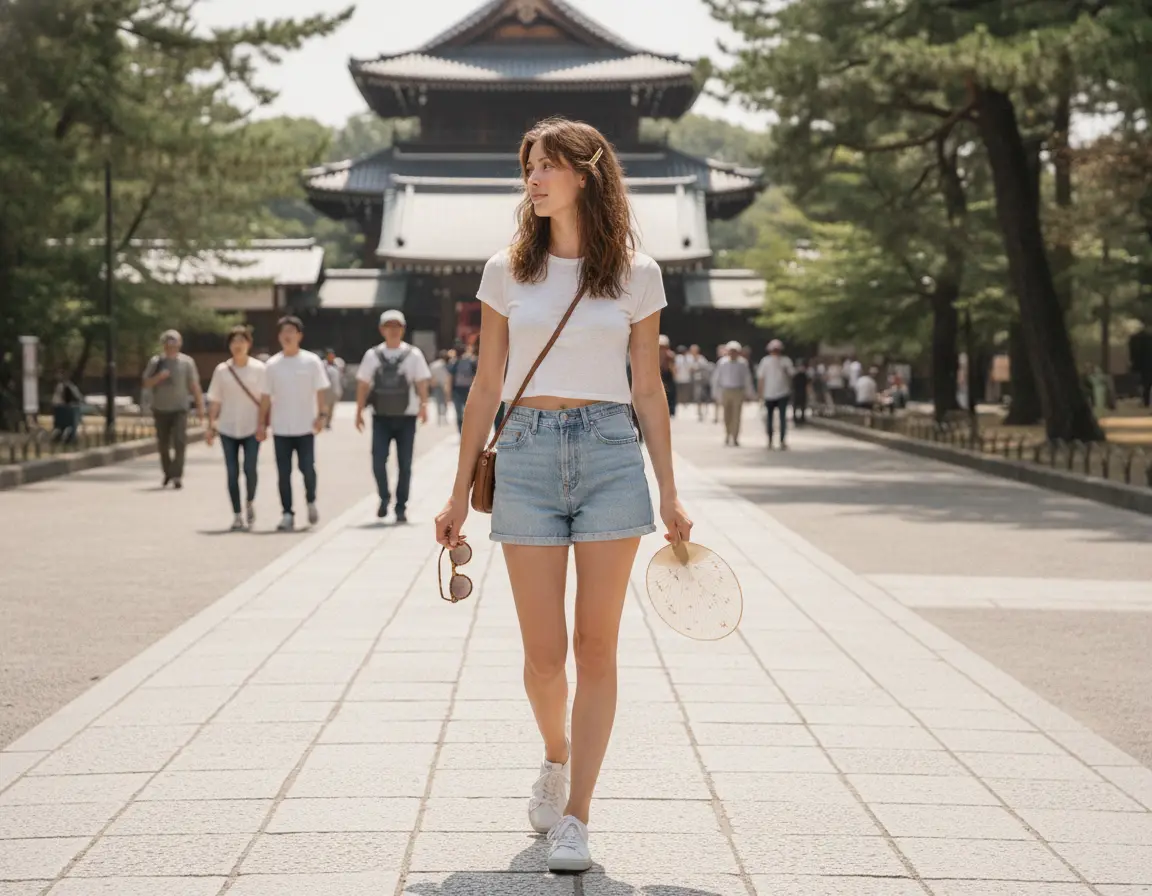
I did this wrong the first time. I treated Nara like a half-day deer stop, rushed around with everyone else, and then wondered why it felt thin. On my next pass, I gave it more breathing room, and that changed the trip a lot. My answer is simple: three days in Nara is only worth it if I use the city as a calm base for temples, parks, and easy side trips — not if I’m chasing nonstop sightseeing. This nara itinerary 3 days works best when I slow down.
This fits slow travelers, solo travelers, and anyone who likes walking more than ticking boxes. It is not for people who want nightlife, big shopping streets, or a packed museum schedule. The real decision is time versus variety: Nara itself is compact, but the surrounding area and the pacing make three days feel relaxed instead of padded.
My honest take: I’d do 3 days in Nara if I wanted one low-stress stop in the Kansai region and I cared about early mornings, good food, and shorter transit days. If I only had 1 night, I’d still go. If I had 2 days total for the whole area, I’d probably split my time between Kyoto and Nara instead of staying three nights here.
Quick Answer: I’d spend 3 days in Nara only if I wanted a slower trip with temple time, park walks, and one side trip. Best for walkers, quiet evenings, and easy train access from Kyoto or Osaka. My pick is 1 full day in central Nara, 1 day for more temples and park time, and 1 day for Horyu-ji or a slower reset.
Day by Day
Day 1: Nara Park, Todai-ji, and the Classic First Look
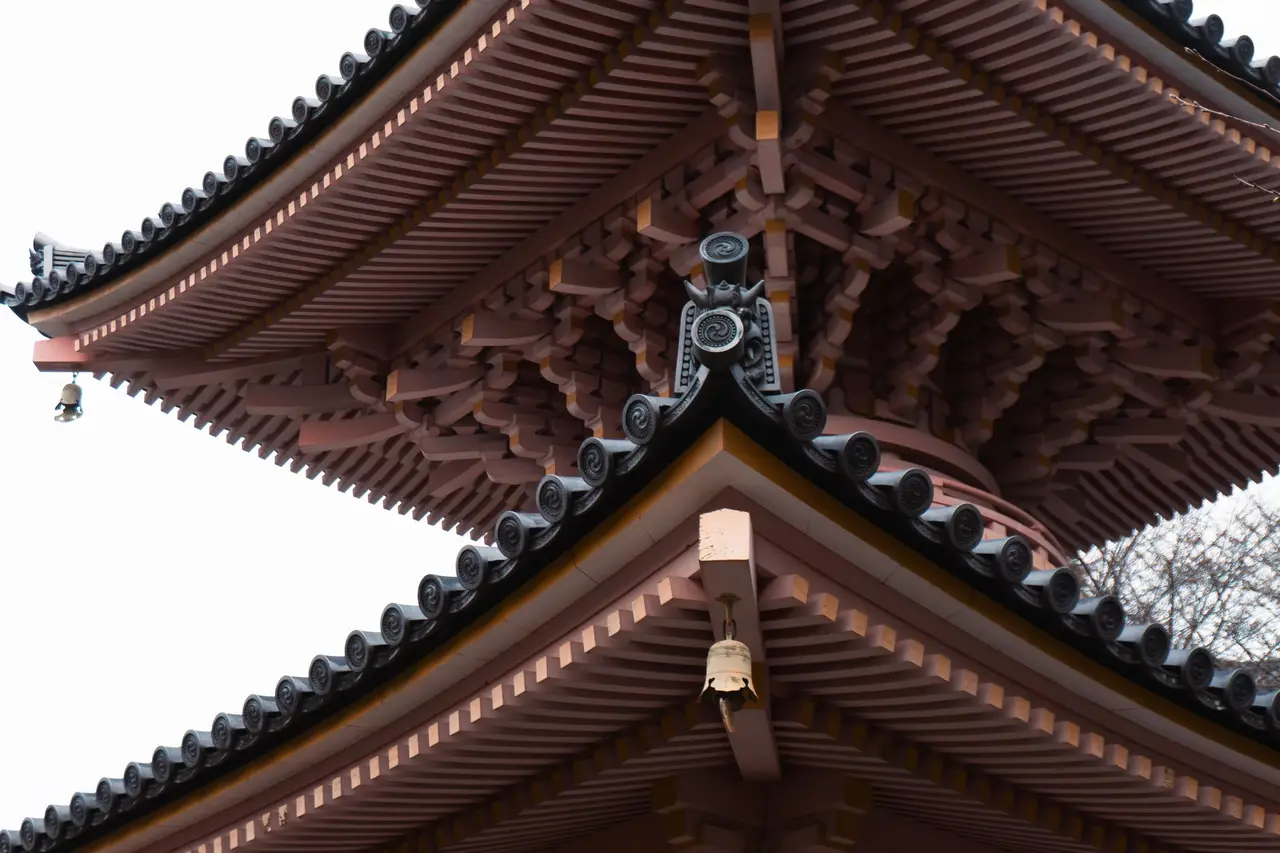
I’d keep day one simple. That’s the best way to start here, because Nara Park and Todai-ji already fill a morning without feeling rushed, and the deer crowds get more annoying as the day goes on. I walked from Nara Station to the park in about 20 minutes, which was fine with a small bag but not something I’d want to repeat in heavy rain.
Start at Kintetsu Nara Station if you can. It’s closer to the main sights than JR Nara Station, and that saved me time right away. From Kintetsu Nara, I walked about 10 minutes into Nara Park, then another 10-15 minutes to Todai-ji depending on how often I stopped for deer traffic. The deer are the whole joke here, and also the whole problem. They’re funny for about five minutes, then they start acting like tiny, rude commuters.
Best for: a first Nara day when I want the obvious sights without overplanning.
Skip if: I already hate crowded park scenes and animal photo setups.
My pick: I’d go early, before 9:00 a.m., because the area feels calmer and I spend less time dodging groups.
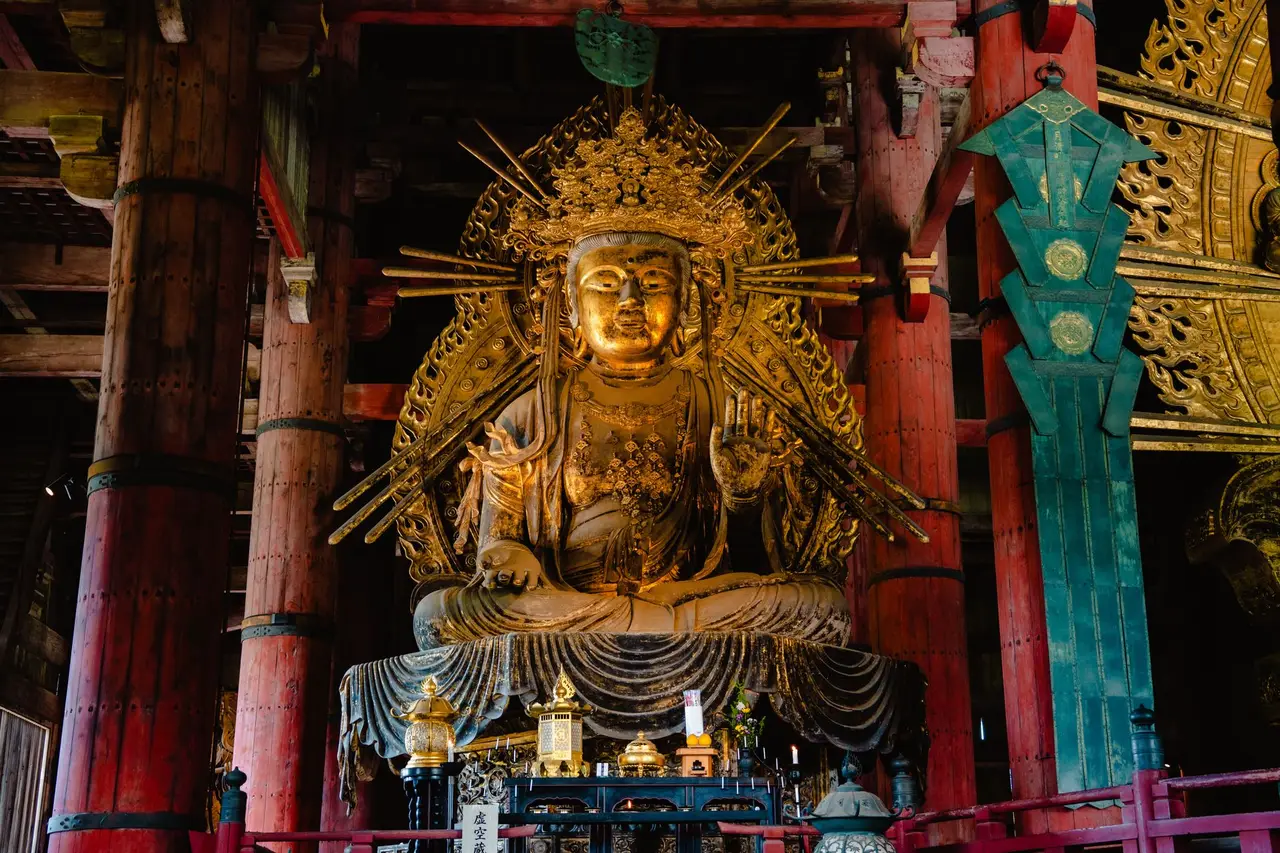
At Todai-ji, I paid ¥600 for the Great Buddha Hall, and that felt fair. It’s not cheap, but it’s not one of those places where I leave feeling fleeced. The scale is the point. I thought I’d be in and out in 20 minutes, but I stayed closer to 45 because the inside is more interesting than I expected. That surprised me, and I don’t say that lightly. I expected a famous temple to be mostly a box to check. It wasn’t. Still, I wouldn’t call it a long-haul attraction unless temples are already my thing.
For lunch, I’d stay near the park rather than wandering too far. I grabbed a simple set meal near the museum area for around ¥1,200, and that was enough to keep me moving without wasting time. If I wanted something cheaper, I’d head back toward the station and get soba or curry for ¥800-¥1,000
Worth it if: I want the classic Nara checklist and I’m okay with a basic, steady first day.
Skip if: I’m trying to save my energy for more atmospheric temples later in the trip.
Day 2: Temples, Hills, and a Better Pace

Day two is where I’d slow down and stop pretending Nara is only about deer. I’d start with Kasuga Taisha, then move into the surrounding forest paths and smaller temple areas. This day works because the walking is steady, the crowds thin out a bit, and I get more of the city’s actual rhythm. It’s useful, not flashy. That’s the right expectation.
From central Nara, I’d take the bus or walk depending on where I’m staying. I walked from the park area to Kasuga Taisha in about 25 minutes one way, and it was fine in the morning, though the humidity made me glad I’d packed a light cotton tee and shorts. The temperature hovered around 19-27°C while I was there, but the humid air made it feel warmer by noon. I had a small fan in my bag, and I used it more than I expected. That sounds minor. It wasn’t.
Kasuga Taisha itself is worth it if I want a quieter temple stop with fewer people crammed into one viewing point. The lanterns are the draw, but the real value is the walk there and the slower mood once I arrive. I paid ¥500 for the main shrine area, and I’d do that again. I would not, however, build the whole day around shrine hopping. One or two major stops is enough. More than that starts to feel like I’m collecting gates instead of enjoying the place.
Best for: travelers who want a calmer second day and don’t need every stop to be a headline sight.
Skip if: I only want one temple in Nara before moving on.
My pick: Kasuga Taisha plus the forest approach is the better use of time than trying to cram in four smaller sights.
If I wanted a meal near this part of the day, I’d keep it simple and local. I ate udon near the park for about ¥900, and that was the right kind of lunch for a humid day. Cold soba would have worked too. I’d skip anything that looked like a polished “Nara experience” lunch set with a gift-shop attached. Those places usually charge more for the same bowl and call it atmosphere.
I’d also leave room for a coffee break or an early return to the hotel. Nara is one of those places where the day gets better when I stop trying to fill every hour. I learned that the hard way when I once pushed through a hot afternoon and ended up sitting in a convenience store eating a ¥170 ice cream bar because I’d overplanned lunch. Not glamorous. Also not a disaster. Just pointless.
Worth it if: I want to see more than the deer-and-temple postcard version of Nara.
Skip if: I’m already tired and need a more compact sightseeing day.
Day 3: A Side Trip or a Slow Exit
For day three, I’d either do a side trip or keep the day intentionally light. Nara itself doesn’t need three jam-packed days, which is exactly why this last day only works if I use it well. My pick would be Horyu-ji if I want another major temple area, or I’d keep the day flexible and use it for a half-day train outing if I’m continuing through Kansai. If I’m honest, this is the day most travelers overdo. I did too once, and I regretted it by lunch.
Horyu-ji is about 12-15 minutes by train from central Nara depending on the route and connection, plus a bus or walk from the station. The temple complex is older and more spread out than the central Nara sights, which means it feels like a proper destination rather than a quick add-on. I’d budget around ¥700-¥1,000 total for transit and entry depending on exactly what I visited. It’s worth it if I care about history and want fewer deer in my face. It is not worth it if I’m looking for a lively scene. There isn’t one.
I had Horyu-ji and a lazy cafe day in front of me, and I chose the temple because I wanted one last meaningful stop before moving on. The cafe day would’ve been cheaper and easier, but it would’ve blurred into every other travel afternoon I’ve had. Horyu-ji gave the day a reason to exist. That’s the tipping point for me.
Best for: travelers with 3 full days who want one deeper historical stop instead of more shopping.
Skip if: I’m already temple-saturated or I need a rest day more than a sightseeing day.
My pick: Horyu-ji beats a random extra wander through central Nara because it changes the pace.
If I didn’t want a side trip, I’d use day three for a slow morning, one last park walk, and an early train out. That sounds boring, and maybe it is, but boring can be the right move. I’d rather leave Nara with energy than squeeze in a mediocre attraction just to say I stayed three nights.
Worth it if: I’m treating Nara as a base and I want one more meaningful outing.
Skip if: I only have 2 nights total and need to protect my time for Kyoto or Osaka.
Cost Breakdown
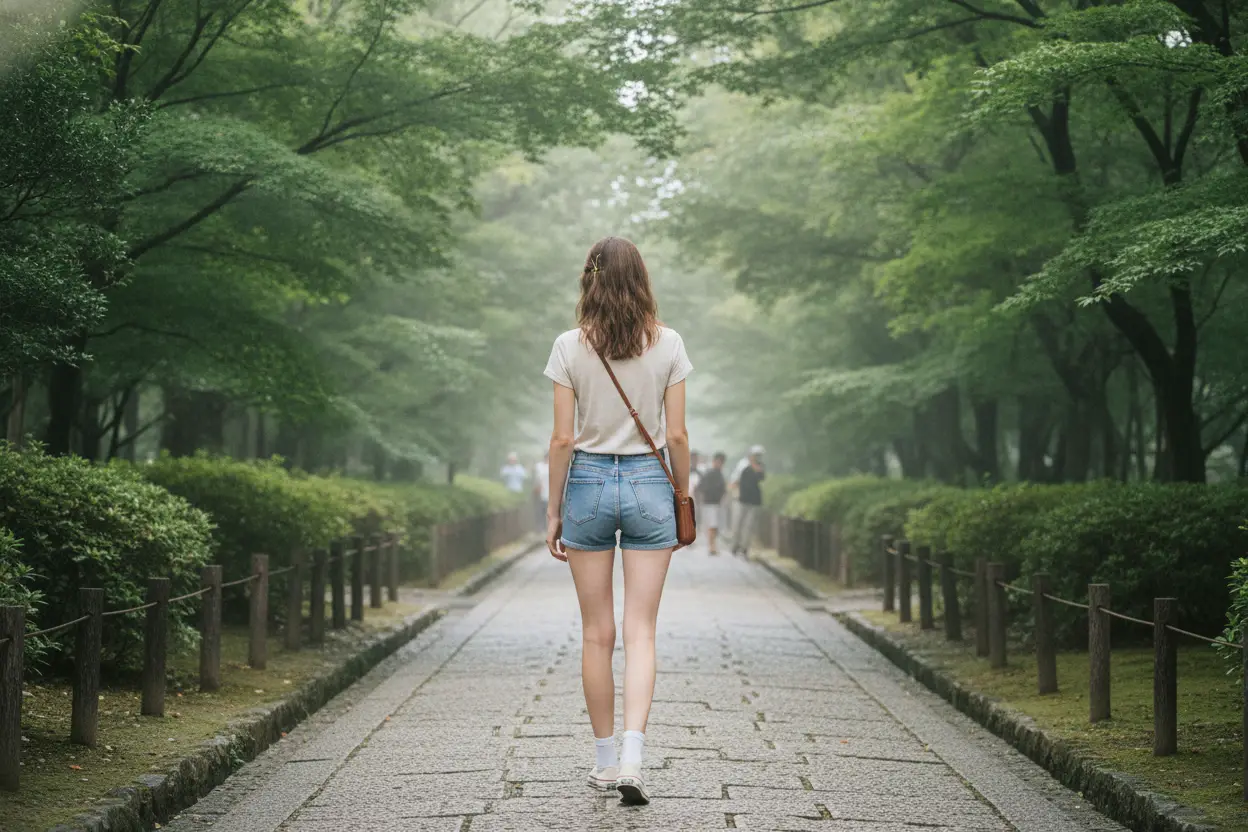
I’d stay near Kintetsu Nara Station if I wanted the easiest version of this trip. It cuts walking, keeps dinner options simple, and makes early starts less annoying. JR Nara Station is workable, but it’s a little less convenient for the main sights. I checked a few places and the price gap was real: the more walkable hotels were often a bit higher, but I saved that back in transit time and less hassle with my bag. I’d pay for location here, not luxury.
For accommodation, I’d keep my budget in the midrange rather than chasing the cheapest bed. A dorm bed can be fine if I’m only here one night, but for three days I’d want my own room or at least a quiet hostel with solid reviews. The extra ¥1,000-¥2,000 a night matters less than being able to drop my bag and walk straight out. I once booked a cheaper place farther from the station in another city and spent 30 minutes dragging luggage uphill after dark. I’m not doing that again unless I have to.
Best for: anyone who values easy walking and simple evenings over saving the last few dollars.
Skip if: I’m on a strict budget and don’t mind 15-20 extra minutes of walking each way.
My pick: Kintetsu Nara Station wins because it keeps the whole trip calmer.
For food, I’d use the station area, the park-adjacent casual spots, and a convenience store when needed. That’s not glamorous, and I don’t care. I paid around ¥600 for a breakfast sandwich and coffee one morning because I wanted to get going before the crowds, and it was better than sitting through a hotel breakfast I didn’t even want. Lunch usually ran ¥800-¥1,500 depending on whether I chose noodles, curry, or a set meal. Dinner was similar unless I went for something a little nicer.
Budget-wise: Nara is cheaper than a lot of Kyoto, but the “cheap” version only works if I avoid touristy cafes and keep transport simple.
Rough daily estimates from my own trip. Prices shift by season.
I compared the options in Is Nara Worth Visiting — useful if you haven’t booked yet.
I compared the options in How Many Days In Nara — useful if you haven’t booked yet.
I wrote a more detailed breakdown in Nara Mistakes First Time Visitors — worth reading if you’re still deciding.
I compared the options in Best Time To Visit Nara — useful if you haven’t booked yet.
If neighborhoods matters to your trip, my Best Neighborhoods In Nara has the specifics.
If nara or kyoto for first timers matters to your trip, my Nara Or Kyoto For First Timers has the specifics.
Transport Tips
I made one dumb assumption in Nara: I thought I could just wing the order of sights and still beat the crowds. I couldn’t. The trigger was leaving the hotel too late on my first day, then arriving at Nara Park when the deer-feeding crowd was already building and the main path felt clogged. It cost me about an hour of wandering and a little more patience than I wanted to spend before lunch. The money loss was small — maybe ¥500 here and there on extra snacks and drinks — but the time loss mattered more.
What I’d do differently now is start the first day earlier, keep lunch near the park, and save the side-trip day for when I actually have energy. That sounds obvious. It wasn’t to me at 10:30 a.m. with a warm drink in my hand and a crowd in front of Todai-ji.
Best for: travelers who like calm mornings and want fewer crowds without paying more.
Skip if: I’m fine with a looser schedule and don’t care if the popular sights are busier.
My pick: Early start beats any clever routing in Nara.
Where I’d Stay
I’d probably stay one night fewer unless I had a very specific side trip in mind. Three days worked, but only because I used the extra time well. If I didn’t have Horyu-ji or another nearby stop on my list, the third day would have felt soft around the edges.
For Nara I used Agoda — they had the best rate for my dates.
Where I’d Actually Stay in Nara
Nara Royal Hotel
Nara
★★★★☆

Asukasou Hotel
Nara
★★★★☆

Hotel Nikko Nara
Nara
★★★★☆
I’d also pack lighter. My umbrella, sunglasses, and light jacket all got used because the weather kept switching between bright sun, damp air, and over-air-conditioned interiors. I kept the jacket in my bag most of the day, but I was glad to have it in temples and on the train. Tiny detail, big comfort difference.
My pick: Nara is better as a slow base than as a frantic checklist city.
Better if: I use it to reset between busier stops in Kyoto or Osaka.
Less good if: I’m trying to squeeze in too many “big” Japan sights at once.
I’d go back, but I’d go back with a plan. Nara rewards early starts, simple meals, and one or two solid decisions a day. It does not reward overpacking the schedule.
Best for: slow travelers, solo travelers, and anyone who wants a low-stress Kansai base with easy day structure.
Skip if: I want nightlife, constant novelty, or a trip where every hour is booked solid.
Next time: I’d keep Nara to 2 nights unless I had a side trip already mapped out.
I pre-booked on Klook the night before — skipped the entire ticket line.
FAQ
Is three days too long for Nara?
No, three days is not too long if I’m using Nara as a slow base and adding one side trip. The city center itself is compact, so the extra time only pays off when I want calmer mornings, longer temple visits, and less train hopping. If I’m just doing the standard deer-and-park circuit, 1 night is enough.
Should I stay near Nara Station or Kintetsu Nara Station?
I’d stay near Kintetsu Nara Station. It’s closer to Nara Park and Todai-ji, which cuts down on walking and makes the whole trip easier. JR Nara Station works, but I’d only pick it if the hotel price was meaningfully better, like ¥1,500-¥2,000 less per night.
What should I cut if I only have two days?
I’d cut the side trip day first. The core Nara experience lives in the park, Todai-ji, and one quieter temple day, and that already fills two days without feeling rushed. If I’m short on time, I’d skip Horyu-ji before I’d skip Kasuga Taisha.
Is Nara worth visiting after Kyoto?
Yes, Nara is worth it after Kyoto, especially if I want a slower change of pace. The train ride is short, and Nara feels less compressed than central Kyoto once I’m on foot. I’d still stay overnight if I want early mornings and fewer day-tripper crowds.
How much money do I need per day in Nara?
I’d budget around $73-$167 a day depending on where I sleep and how many paid sights I visit. Food and transport stay pretty manageable, but hotel prices swing a lot by location and season. If I keep meals casual and stay near Kintetsu Nara, I can stay near the lower end without feeling pinched.
 Emma Hayes