
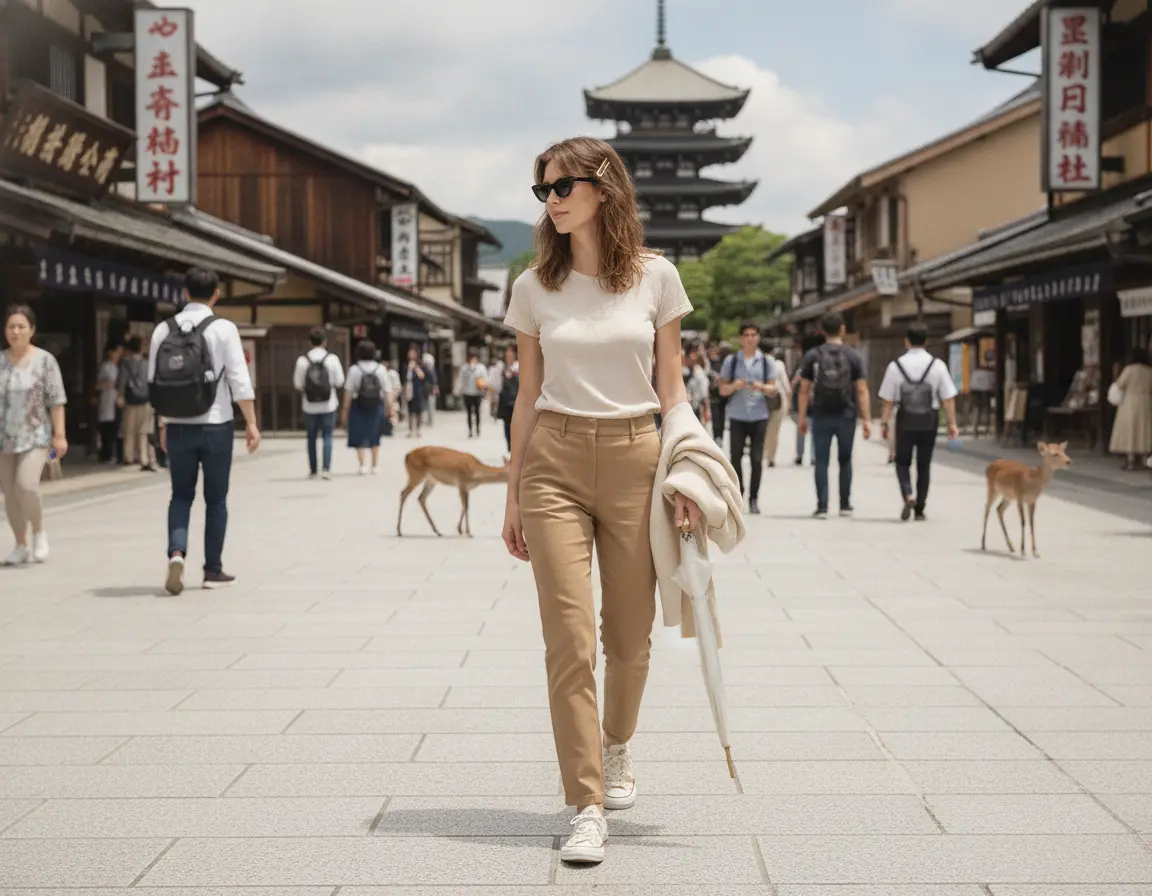
I almost treated Nara like a quick photo stop and nearly paid for it with my whole day. I showed up with a light jacket in hand, sunglasses on, and the usual “I’ll just wing it” attitude. That worked badly here. My answer: Nara is worth it, but only if I stop treating it like a side quest and give it real time. These are the nara mistakes first time visitors make when they assume it’s all close together and easy to rush.
It fits first-timers who want a calm day, real food, and easy walking between sights. It’s not for people who want a packed, high-energy day or who hate deer chaos, temple crowds, and a lot of slow walking. What matters most is timing. The difference between a smooth Nara day and a frustrating one is usually one train, one ticket choice, and one bad assumption.
Quick Answer: Nara works best as a full day, not a rushed stop. I’d arrive by 8:30 a.m., keep the deer stop tight, do the paid temples before lunch, and walk a few minutes away from the main tourist path for lunch.
- My quick take: Nara is worth a day trip, but it punishes sloppy planning.
- Best for: travelers who like walking, don’t mind simple sightseeing, and want a lower-stress day than Osaka or Kyoto.
- Skip if: you only have half a day and expect a big “wow” every hour.
- My biggest mistake: I underestimated how much time the deer, station area, and temple routing would eat.
Main Tips
I made most of my Nara mistakes first time visitors usually make, and they all came from treating it like a quick deer stop instead of a full day. I arrived too late, tried to squeeze in too much, and ended up rushing past the parts that actually make the place feel different. Nara is easier if you slow down and let the day stretch a bit.
I arrived too late and turned a calm morning into a crowded one

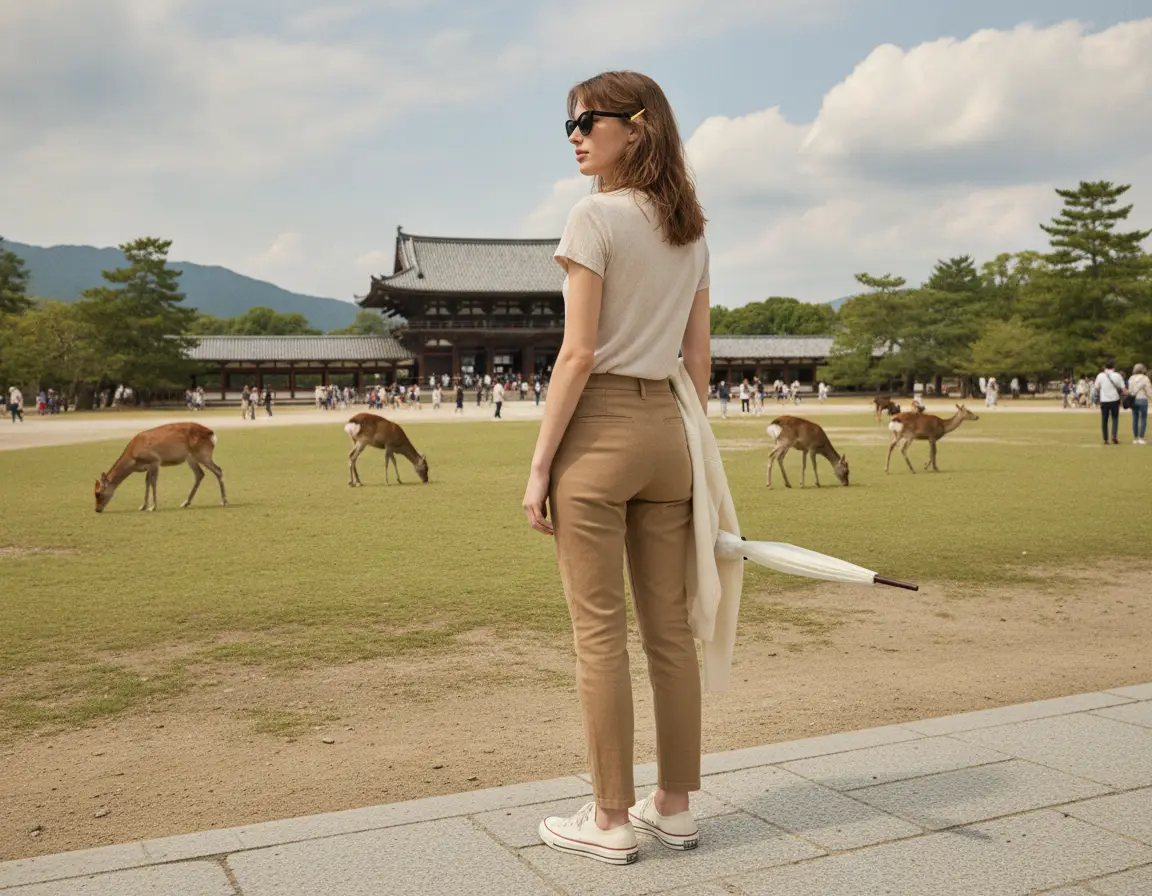
I figured a late morning start would be fine because Nara looked small on the map. I had seen enough posts saying the main sights were “all close together,” so I left Kyoto later than I should have and got into Nara around 10:30 a.m. The weather was warm, around 19-27°C, partly cloudy, and I had my cardigan in my bag by then, which made me think the day was already under control.
The trigger was simple: I stopped for coffee and didn’t take the earliest train I could have. That pushed everything back. By the time I reached Nara Park, the deer area was already busy, the path near the station had more tour groups than I wanted, and the pace felt slower than I expected. I lost about 1.5 hours to just getting into the day, and the whole first stretch felt rushed.
The consequence wasn’t dramatic, just annoying. I spent 25 minutes walking in circles near the park entrance, another 20 minutes waiting for a calmer gap to take photos, and I never got that easy early-morning feel I’d been picturing. It wasn’t ruined, but it was less relaxed than it should have been.
My hindsight is boring but useful: I’d leave Kyoto earlier and aim to be in Nara by 8:30 a.m. at the latest. That gives enough room for a slow coffee after arrival instead of trying to “save time” before the day has even started. Worth it if: you want quieter streets and fewer people around the deer.
Skip if: you’re the type who hates starting before 9:30 and still expects low crowds.
I treated the deer like a quick stop, and they ate my schedule
I thought the deer in Nara Park would be a 20-minute novelty. I’d seen enough clips of people buying crackers and bowing for photos that I assumed I’d do the same, laugh a little, and move on. That logic sounded fine because the park is free and open, so I figured there was no real downside.
The trigger was me buying the deer crackers near the park and stopping in the busiest area instead of walking a little farther first. The deer were everywhere, and once I held the crackers, they stopped being cute background animals and turned into very determined little hustlers. One nudged my tote, another followed me for several meters, and I spent more time managing the crackers than actually enjoying the park. I burned about 40 minutes on something I’d mentally budgeted as 10.
The consequence was mostly time, but it also changed the mood. I left with one half-eaten cracker pack and a slightly scratched sleeve from a deer that got impatient. Not a disaster, just not the easy stop I’d imagined. The deer are fun, but they’re not a side note. They are the event.
My hindsight: I’d buy the crackers only after I’d already walked through part of the park and seen where the crowds thin out. That way I’d spend less time in the crush near the entrance and more time actually walking. Best for: travelers who want the deer interaction and don’t mind a little chaos.
My pick: I’d keep the deer stop, but I’d give it a tighter time box and treat it like one part of the day, not the whole thing.
I skipped the temple ticket timing, and that cost me the quietest hour
I made a logic choice here that was sound and still backfired. I assumed I could just go with the flow, since temples usually aren’t complicated. I wasn’t trying to squeeze in every sight. I just wanted a calm walk, some shade, and a couple of places that felt less performative than the deer area.
I usually book Nara tours on Klook — the best time slots go fast, especially in peak season.
The trigger was not checking the timing for the paid temple areas before I got there. I drifted toward the main temples after lunch, when the crowds were already heavier and the entry flow felt more stop-start. At one spot, I waited about 25 minutes just to get through the bottleneck and into the grounds. By then, the quiet stretch I wanted was gone.
The consequence was a real one: I missed the best low-noise window and ended up moving through parts of the day more like a queue than a walk. I also paid for entry I didn’t fully use because I was already tired and slightly temple-d out. That was around ¥1,000-¥1,500 I could have spent better if I’d gone earlier and been more selective.
My hindsight is simple. I’d do the paid temples first, before lunch, and save the park wandering for later. If I only had one temple slot to spend, I’d choose the one that opens earliest and get there before the mid-morning surge. Worth it if: you care about the atmosphere more than checking off every famous stop.
Skip if: you’re arriving after lunch and expecting the temples to feel quiet.
I bought lunch near the busiest stretch and paid for convenience, not quality
I figured eating near the main sights would save time, and that part of the logic was not wrong. I was hungry, I didn’t want to wander far, and I thought a quick noodle bowl or rice set would be fine. The problem was that I let convenience beat judgment. That’s usually where I start spending badly.
The trigger was walking into the first place that looked easy instead of checking one street over. I paid about ¥1,400 for a lunch that was fine, not memorable, and definitely not the best value I found in Nara. The shop was near enough to the tourist flow that the menu felt built for tired visitors, not locals grabbing a regular meal. I ate quickly and moved on, but I could have done better with ten extra minutes.
The consequence was small money-wise, but it annoyed me because Nara has better options if you step away from the obvious path. I later grabbed a cheaper snack from a convenience store and realized I’d overpaid for the first meal by maybe ¥300-¥500 just for being lazy. Not a huge loss. Still a waste.
My hindsight: I’d walk five to ten minutes away from the main foot traffic before sitting down, even if I’m hungry. That tiny detour usually changes the price and the quality enough to matter. Best for: people who want a fast, no-drama lunch and don’t care much about food.
My pick: I’d rather eat a simple set meal farther from the crowd than pay tourist-zone prices for something forgettable.
I tried to “see everything” in one day, and Nara punished me for it
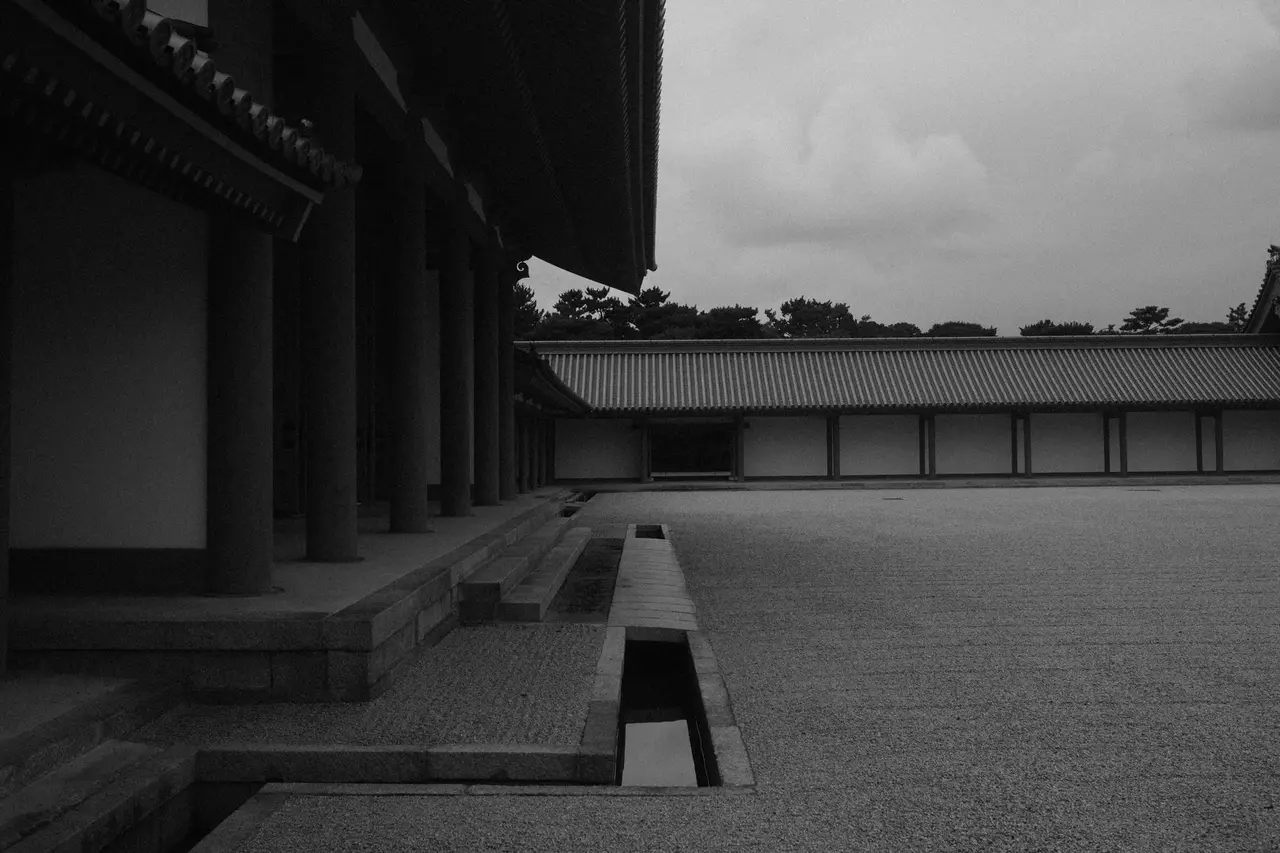
I thought Nara was compact enough to cover in one sweep. That was the trap. On paper, the main sights look close. In practice, every stop takes longer than you think because of walking, deer interruptions, ticket lines, and the pace of the place itself. I kept adding “just one more” stop, and that’s how a relaxed day turned into a long one.
The trigger was deciding to keep going after I’d already hit the obvious highlights. I pushed through instead of picking a smaller route. By mid-afternoon, I was tired enough that I stopped paying attention to the smaller details. I probably walked 12,000 steps that day, maybe more, and by the end I was done in a way that made the last temple feel like homework.
The consequence was time and energy. I spent around 2 extra hours wandering between stops I didn’t care about enough to justify the effort, and I missed the chance to sit down properly for tea or just take a break in the park. The day got flatter the more I tried to maximize it.
My hindsight: I’d choose two main sights and leave the rest open. That means less FOMO and more actual enjoyment. Nara works better as a slow day than a checklist day. Worth it if: you’re happy with a lighter itinerary and a few good stops.
Skip if: your travel style is “I need six major sights before dinner.”
The one thing I’d book ahead next time
I usually hate overplanning, and most of the time I’m still not booking every little thing. But Nara changed my mind on one point: transport and timed activities are where a little prep saves real friction. I pre-booked one activity on Klook on a different trip-style day, and I skipped the line completely. In Nara, that same logic applies if you want a smoother entry into the day.
I’m not saying every visitor needs a booking. I am saying the places and slots that save time are the ones worth locking in. If I were doing Nara again on a weekend or in a busier season, I’d check availability the night before instead of gambling on whatever looks open when I arrive. Best for: travelers who hate wasting the first hour of the day.
My pick: I’d book the one thing that removes a line, then keep the rest flexible.
I figured a late morning start would be fine because Nara looked small on the map and I’d read that the main sights were “all close together.” I arrived around 10:30 a.m. instead of 8:30 a.m., and by the time I reached Nara Park, the deer area was already crowded, the temple queues had formed, and I’d lost nearly 2 hours of calm daylight. The real lesson: Nara punishes late arrivals—start early or accept a rushed, frustrating day.
FAQ
How much time do I actually need in Nara?
One full day is the sweet spot, and I wouldn’t try to do it faster unless I was only checking off one or two sights. I lost almost 2 hours just to slow starts, deer chaos, and drifting between stops, so a half-day would have felt cramped. If you only have a few hours, I’d cut the extra temples and keep it simple.
Is Nara worth it if I only care about the deer?
No, not really. The deer are fun for a while, but they’re not enough to carry the whole trip unless you’re already in the area and don’t mind a short stop. I’d still pair them with at least one temple or a slow walk through the park so the day doesn’t feel thin.
Can I do Nara as a spontaneous day trip from Kyoto?
Yes, but I wouldn’t do it totally on a whim if I care about a smooth day. I made that mistake once and arrived late enough to hit more crowd friction than I wanted. If you go spontaneously, at least leave early and keep the train timing in mind the night before.
What’s the biggest money mistake first-timers make there?
Spending around the main tourist path without looking one street away is the easy one to avoid. I paid about ¥1,400 for a lunch that was just okay, and I could’ve done better by walking five extra minutes. Nara isn’t expensive, but convenience adds up fast if you stop at the first obvious place.
Would you skip Nara if you had only one day in the Kansai area?
No, I wouldn’t skip it, but I’d keep expectations tight. Nara is calmer and more manageable than a lot of people think, and that’s the point. I’d choose it over a second rushed city day if I wanted a slower change of pace and didn’t mind an early start.
 Emma Hayes