
Nobody told me this before I went. Tokyo doesn’t hand you cheap food on a silver platter, and a lot of the famous stuff is either overpriced or buried inside places that feel more like snack museums than meals. I spent my first afternoon chasing one hyped stall after another, and the best bites ended up being the ones I found in markets, depachika food halls, and a few streets where the vendors were just feeding people fast. My answer: Tokyo street food is worth it for budget travelers if I focus on markets, station-area snacks, and one or two specific specialties. It’s not for anyone who wants the cheapest calories in Japan or zero line-hunting. The real question is value per bite, not hype per photo.
Quick Answer: For a Tokyo street food guide budget traveler, I’d start with Tsukiji Outer Market, then use Asakusa, Ueno, and station snacks for cheaper bites. My food budget came out to about $58/day, with onigiri around ¥170
- My first pick: market food around Tsukiji Outer Market, but only if I go early and choose one or two items.
- Best budget wins: onigiri, yakitori, croquettes, taiyaki, and convenience-store backups when the line gets dumb.
- Skip the stuff that’s famous mainly because tourists post it — I paid more than I should have for a few of those.
- For a short trip, I’d mix one market morning with cheap snack stops in Asakusa, Ueno, or around train stations.
Restaurants
Worth It, But Only If I Keep It Tight
I’d start here because this is the one place I didn’t regret spending a little extra. Tsukiji Outer Market is not cheap in the way a 7-Eleven rice ball is cheap, and I’m not pretending otherwise. But if I go in with a plan, it gives me better value than random “street food” hunting in the trendy parts of Shibuya or Harajuku.
I paid about ¥500 for a tamagoyaki skewer and ¥900 for a fresh tuna-and-scallop bowl from a counter that had a line moving fast. I was in and out in under 30 minutes because I skipped the places with the long photo line. That was the whole trick. I didn’t try to build a whole day around it.
Best for: A first Tokyo food stop if I want variety and I’m okay paying a little more for seafood and egg dishes.
Skip if: I want the cheapest lunch possible. This is good value, not rock-bottom prices.
My pick: The tamagoyaki and one seafood bowl, not five tiny snacks that add up to a silly bill.
I expected Tsukiji to feel like a tourist trap with pretty plating. It kind of is, but not in the lazy, fake way I feared. The vendors were moving people through quickly, the food was fresh enough to justify the price, and the worst stalls were easy to spot because the menus looked built for Instagram, not appetite. I’d still go back, but I’d treat it like a targeted stop, not a wandering feast.
The Cheap Tokyo Snacks I’d Keep Buying
This is where Tokyo makes more sense for budget travelers. The city’s best-value food is often the stuff that doesn’t get a dramatic write-up: onigiri, yakitori, croquettes, taiyaki, and a few noodle bowls eaten standing up. I paid ¥170 for an onigiri at a station shop, ¥130 for a cream-filled taiyaki from a small stall in Asakusa, and ¥150 for a potato croquette that saved me from getting cranky between meals.
None of these are exciting in a flashy way. That’s the point. They’re filling, fast, and usually close to transit, which matters when I’m walking a lot and don’t want to sit down for every meal. I’d choose these over any place with a “street food festival” vibe and inflated prices.
Best for: Budget days when I need food between train rides or museum stops.
Skip if: I’m hoping for a single, memorable meal. These are practical, not dramatic.
My pick: Onigiri first, croquettes second, taiyaki when I want something sweet without spending ¥800 on dessert.
I once grabbed an onigiri and a bottle of tea from a kiosk near Ueno because I’d already waited 25 minutes at a ramen shop and bailed. That little detour cost me less than ¥500 and honestly fixed my mood faster than the ramen line would have. Not glamorous. Very worth it.
Good for Snacking, Not for Chasing the Famous Stuff
Asakusa is where I’d go if I want a snack crawl without overthinking it. Nakamise Street gets crowded, and a lot of the stalls are priced for visitors, but there are still a few things I’d buy again. I paid around ¥400 for a sweet potato snack and ¥300 for senbei from a stall near the temple approach. Fine. Not life-changing. But they were easy to eat while walking, and that counts when the whole area is busy.
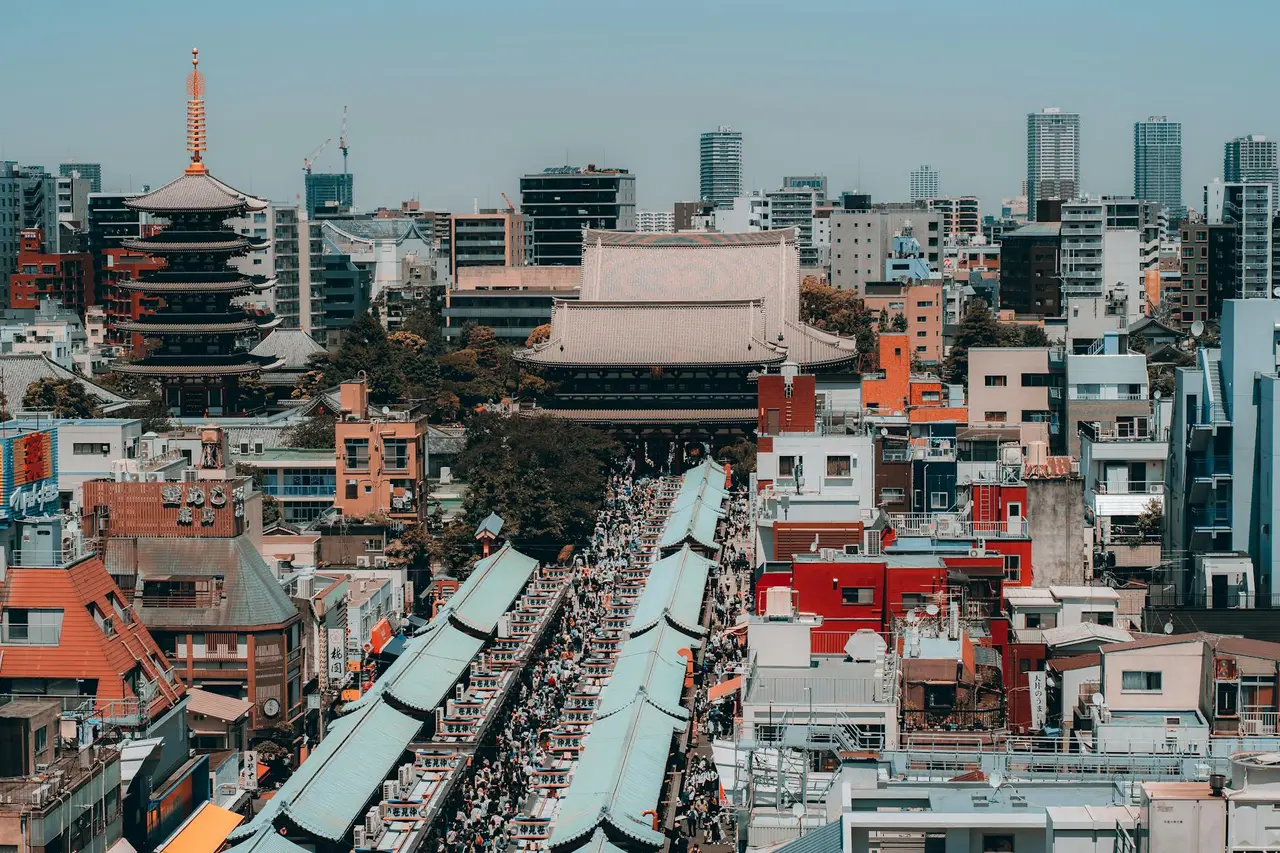
Everyone recommends the area around Senso-ji, but here’s my honest take: the food is better as a side quest than the main event. The best part is that I can combine a temple visit with a snack stop, then leave before I start paying souvenir-shop prices for mediocre food. I wouldn’t build my day around eating here, but I’d absolutely stop for one or two things.
Best for: A short snack break while I’m already in Asakusa.
Skip if: I’m expecting cheap, local-only pricing. Some stalls charge a premium just because the foot traffic is there.
My pick: One sweet snack, one savory snack, then I’m out.
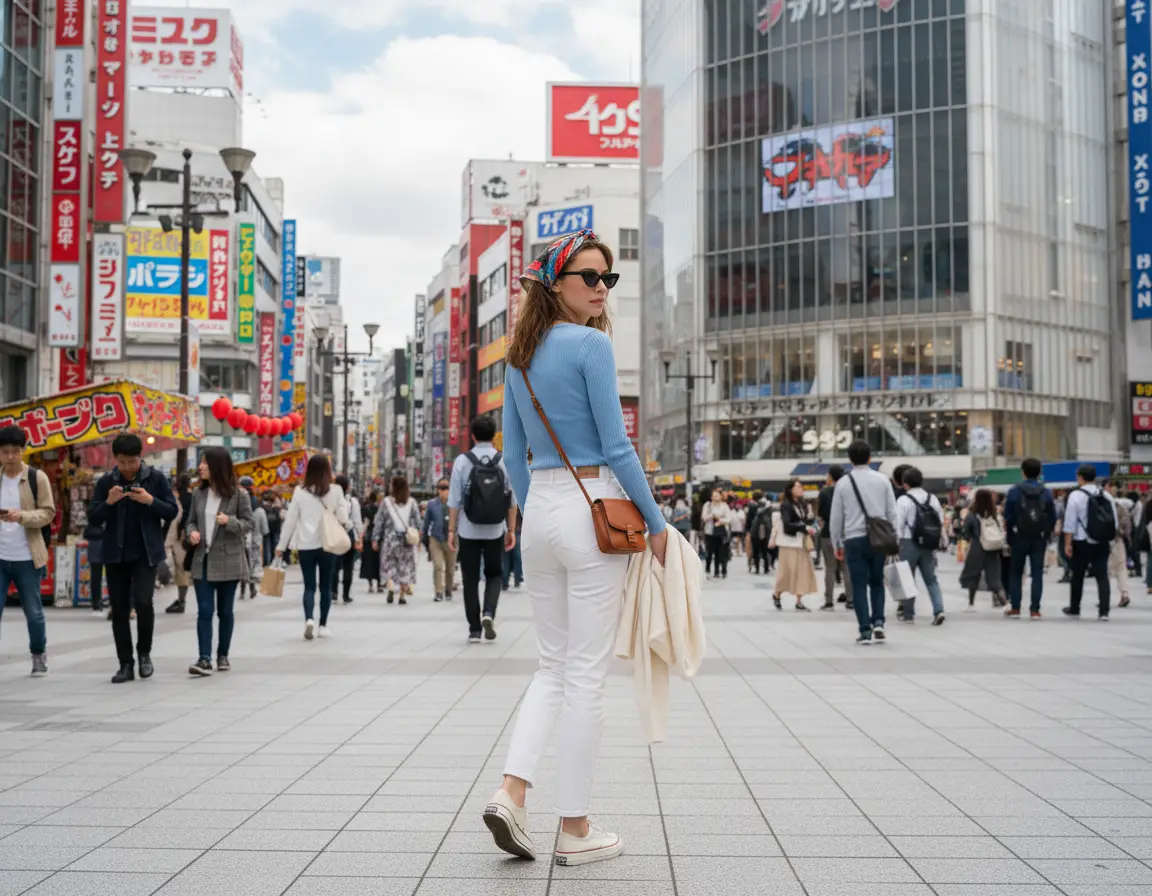
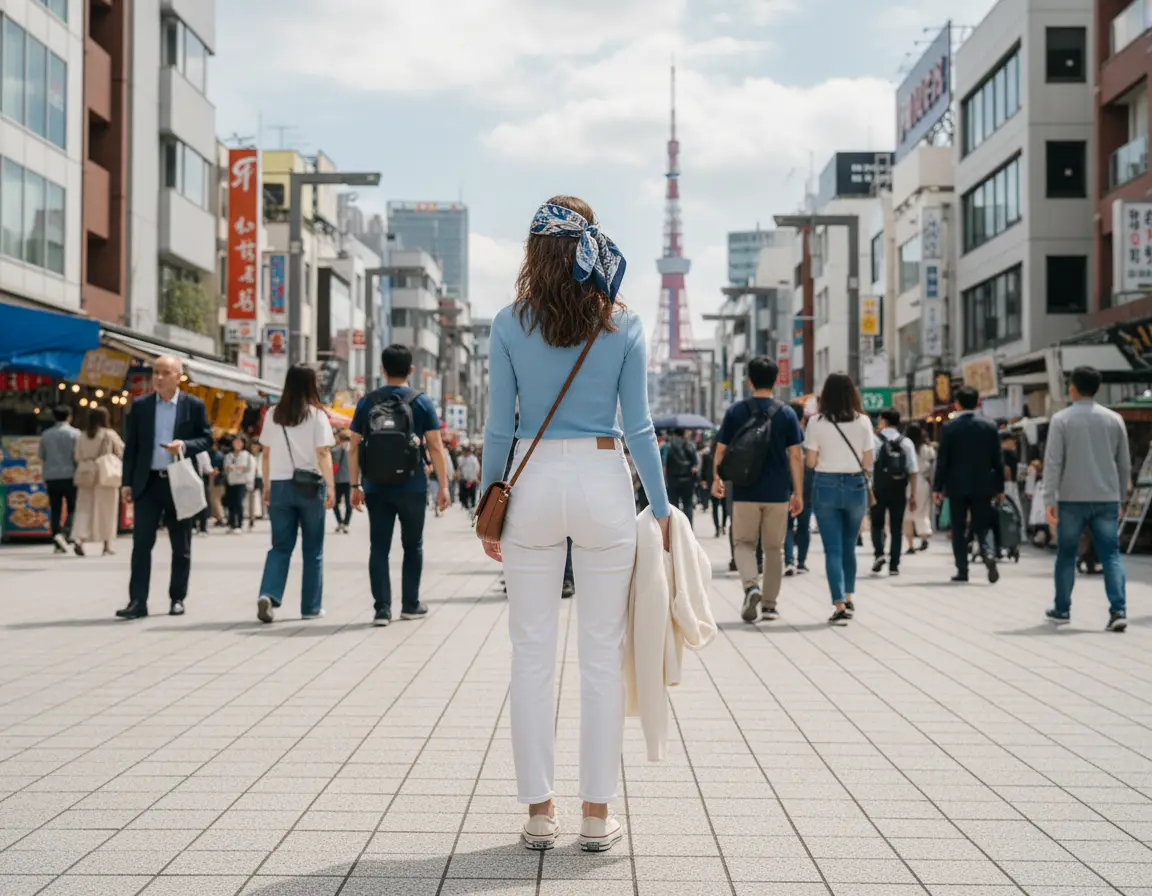
The weather helped me here a bit. It was around 20°C that morning, partly cloudy, and I had sunglasses on while carrying my cardigan in my hand because the sun kept changing its mind. That made walking between stalls easy, but it also reminded me not to linger. The area gets crowded fast, and once the crowd thickens, the food stops feeling worth the wait.
Better for Price Than Polished Food
I like Ueno and Ameyoko because the food feels more like fuel than a performance. This is where I’d go when I want to spend less and eat sooner. I paid about ¥600 for yakitori skewers and roughly ¥700 for a simple soba lunch nearby, and both were useful in the way budget food should be: quick, filling, no drama.
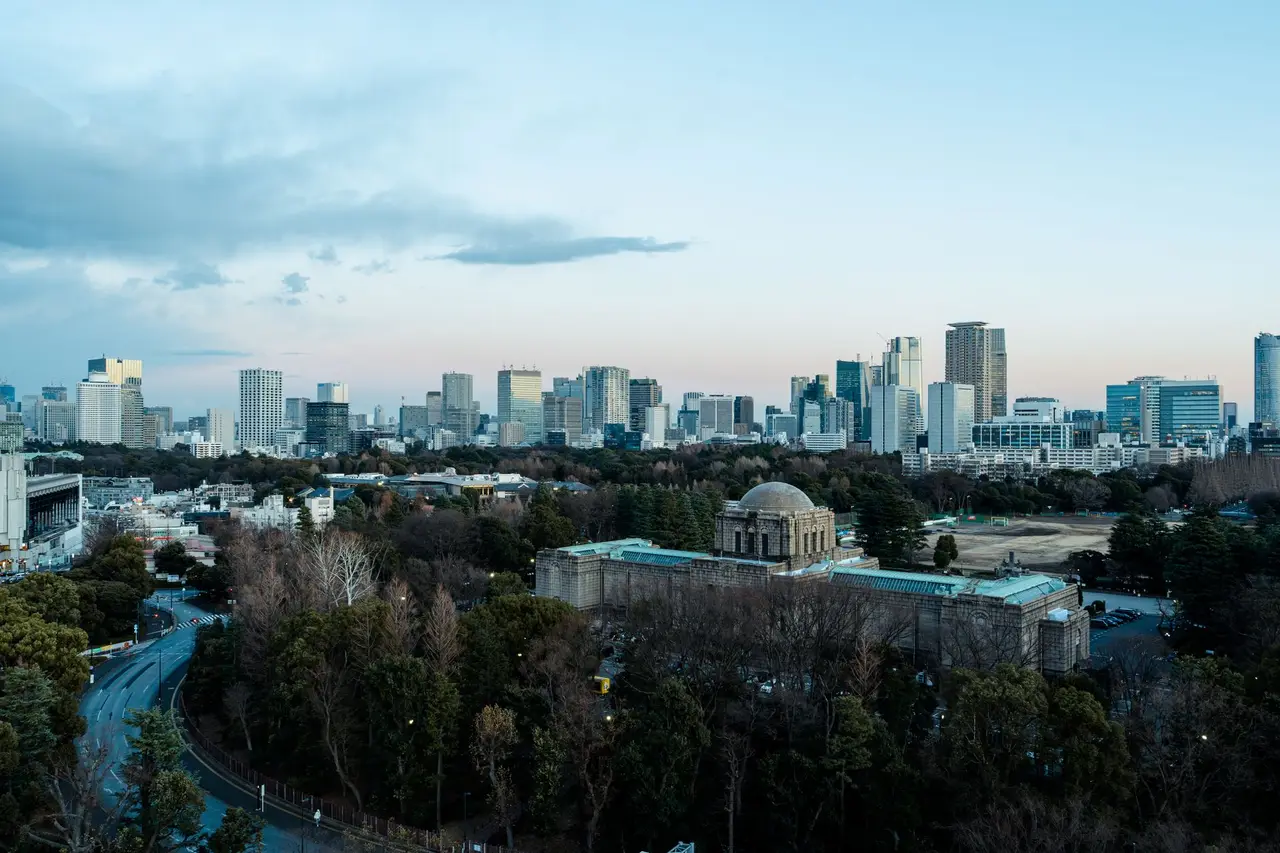
Ameyoko can look chaotic, but that’s also why I trust it more than polished tourist zones. The stalls and small shops are busy with actual shoppers, not just people taking pictures of skewers they won’t finish. I’d still check prices before ordering, because some places near the busiest stretches lean into tourist pricing, but the area as a whole is better value than the places everyone posts from.
Best for: A cheap lunch or early dinner when I’m already on the Ueno side of town.
Skip if: I want a calm sit-down meal. This area is about speed and price, not atmosphere.
My pick: Yakitori from a busy stall plus a cheap bowl of noodles if I’m actually hungry.
I thought Ameyoko would be messier and less organized than it was. It was busy, sure, but not in a bad way. The move here is simple: look for turnover, not prettiness. If people are ordering fast and leaving fast, that’s usually the right stall.
What I’d Skip: Famous Food That Eats the Budget
This is the section I wish more Tokyo food guides would write honestly. A lot of the city’s “street food” fame is attached to places that are either overpriced, heavily branded, or so crowded that the value disappears. I’m talking about the glossy snack stops around major shopping streets where a single bite can cost ¥800 to ¥1,200 and taste fine, not special.
Harajuku-style crepes are the clearest example. I paid ¥900 for one once because I’d already walked there and figured I should try it. It was soft, sweet, and completely ordinary for the money. I finished it, but I didn’t feel smart about the purchase. That’s my line: if a snack costs as much as lunch and doesn’t beat lunch, I’m out.
Best for: People who want the photo, the novelty, or a very specific item they’ve already decided to try.
Skip if: I’m budgeting carefully. The value just isn’t there for most of these stops.
My pick: I’d rather spend that ¥900 on two cheaper snacks and still have change left over.
That’s the strange thing about Tokyo food. Some of the most photographed bites are the least practical. I know that sounds obvious, but it took me a few purchases to admit it. The city is full of better food if I stop following the crowd.
Food Budget
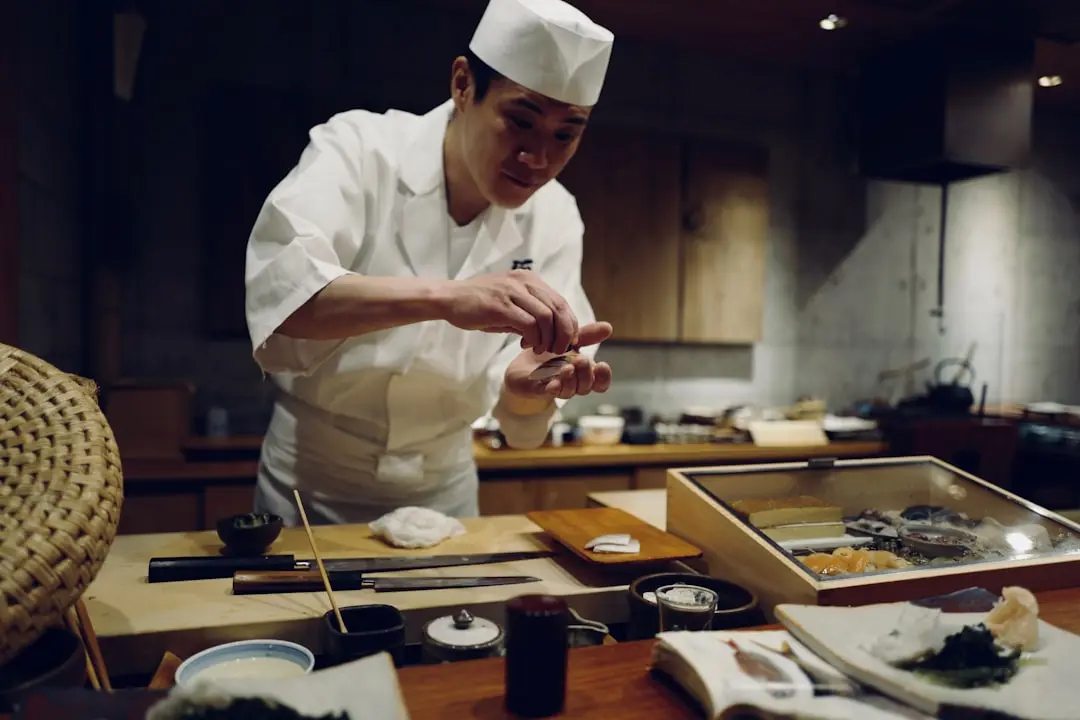
Rough per person per day estimates from my own meals.
That total is realistic if I mix a cheap breakfast, one market lunch, and one decent dinner. I can push it lower if I lean hard on station snacks and convenience stores, but then the trip starts feeling like a savings exercise instead of a food trip. I don’t want that. Not in Tokyo.
How I Order Without Wasting Money
I keep this simple. If there’s a ticket machine, I use it. If there’s a line, I check whether the people ahead of me are ordering one item or five. If the menu has photos and prices, I look for the item that people are actually carrying out of the stall, not the one that looks nicest on the board. That little habit saved me from at least two overpriced buys.
For street food in Tokyo, timing matters more than people admit. I go early for Tsukiji, before 9:30am if I can, and I avoid lunchtime peaks in Asakusa and Ueno. By late morning, the lines get long enough that the cheap food stops feeling cheap. I’m not waiting 25 minutes for a ¥300 snack. That math never works out.
Best for: Anyone who wants to eat well without turning every snack into a project.
Skip if: I’m too hungry to think clearly. Then I end up buying the first thing I see, and that’s when the budget slips.
My pick: One planned stop, then one backup convenience-store meal if the line gets stupid.
I’ve also learned not to romanticize convenience stores too much, even though they’re useful. They’re the safety net, not the whole story. I’d rather spend ¥1,000 on a few real street bites than call a random supermarket tray dinner “authentic” just because it’s cheap. But when I’m tired, a Lawson onigiri still wins.
What I’d Do Differently Next Time
I’d skip more of the famous snack streets and spend that money on one better market morning instead. I also would’ve gone to Tsukiji earlier on day one instead of treating it like a flexible afternoon stop; I arrived late once and watched the better stalls start selling out, which cost me the one seafood bowl I actually wanted. That mistake cost me about ¥1,200 and maybe 40 minutes of wandering around annoyed. Next time, I’d go early, buy two things, and leave.
I’d also build in more station food. I kept thinking I’d find “the” street food moment and ended up paying too much for novelty a couple of times. Budget travel in Tokyo works better when I mix a few planned treats with boring cheap meals. Boring sometimes wins.
I booked the food tour through Klook — way cheaper than booking at the counter.
FAQ
Is street food in Tokyo actually cheap?
Yes, but only if I choose the right stalls. Onigiri, croquettes, and station snacks can stay under ¥200 to ¥300, while market seafood and famous tourist snacks jump fast into the ¥800 to ¥1,200 range. I’d call Tokyo cheap for selective eating, not for grazing without thinking.
Which area would I go to first for food?
I’d go to Tsukiji Outer Market first. It gives me the best mix of variety and quality, and I can finish a proper snack run in under an hour if I don’t get stuck in the wrong line. After that, I’d use Ueno or Asakusa for cheaper follow-up bites.
Are convenience stores worth counting as part of a food trip?
Yes, and I’d use them without guilt. They’re the cheapest backup in Tokyo, especially when I’m between meals and don’t want to pay premium snack prices just because I’m hungry. I still prefer real stalls, but I’ve had enough good 7-Eleven onigiri to stop pretending they’re beneath me.
What should I avoid if I’m trying not to overspend?
I’d avoid glossy snack stops in the busiest shopping streets unless I already know the item is worth it. Harajuku-style crepes and similar photo food can run close to a proper lunch price, which feels bad when the food itself is just fine. I’d spend that money on one market snack and one cheap noodle bowl instead.
Can I do Tokyo street food well in one day?
Yes, and I’d keep it to three stops max. My best one-day version would be Tsukiji for breakfast, Asakusa for one snack, and Ueno for a cheap lunch or early dinner. More than that starts feeling like a checklist, and I don’t think Tokyo food needs that kind of pressure.
 Emma Hayes