
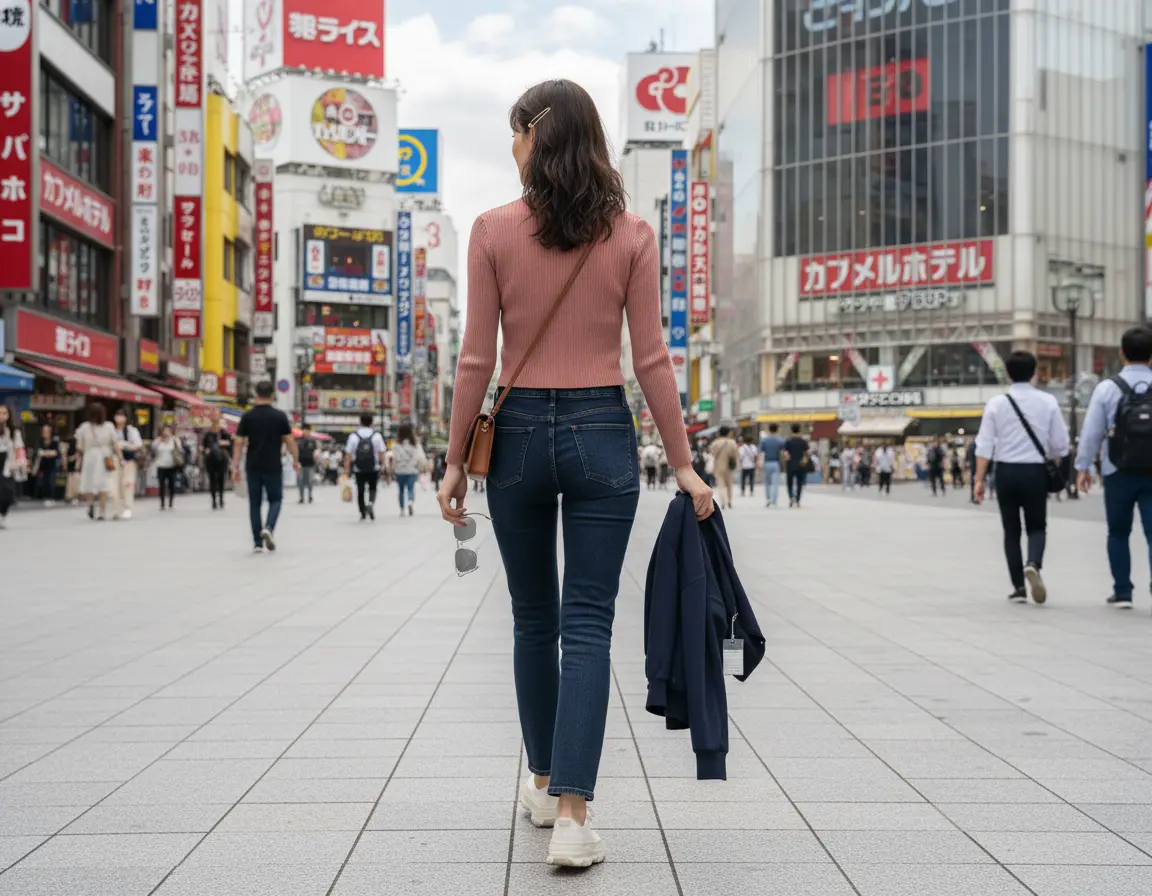
I thought this would be worth it. it wasn’t. At least not the way I first booked it, which was a cheap capsule near Shinjuku that looked fine online and felt less fine when I was hauling my bag past a tiny elevator at 11:40pm.
My actual answer: I’d still stay in a capsule hotel in Tokyo as a woman, but only if I picked the right one. For solo travelers, short stays, and anyone trying to keep Tokyo affordable without sleeping badly, capsules can be worth it. For couples, heavy packers, or people who want to unpack and sprawl, I’d pick a small business hotel instead.
The real decision is location and sleep quality. If the capsule saves me $25 a night but adds 20 minutes on the train and a noisy floor, that math never works out. Best capsule hotels Tokyo for women 2026 is really about picking the right base, not the cheapest bed.
Quick Answer: My best capsule hotels Tokyo for women 2026 picks are Nine Hours Akasaka Sleep Lab at about $38, First Cabin Akasaka at roughly $52, Book and Bed Tokyo Ikebukuro at around $34, and The Millennials Shibuya at close to $60.
Best overall: Nine Hours Akasaka Sleep Lab. Best budget pick: Book and Bed Tokyo Ikebukuro. Best for more space: First Cabin Akasaka.
| Hotel | Price/night | Location | Best for |
|---|---|---|---|
| Nine Hours Akasaka Sleep Lab | $38/night | Akasaka | solo |
| First Cabin Akasaka | $52/night | Akasaka | solo |
| Book and Bed Tokyo Ikebukuro | $34/night | Ikebukuro | budget |
| The Millennials Shibuya | $60/night | Shibuya | solo |
Hotel Review
I’m not interested in capsule hotels that only look good in photos. I care about whether I can sleep, shower, and get out the door without wasting time. In Tokyo, that usually means paying a little more for a location near a major station, then checking whether the floor plan is women-only or at least women-friendly.
I booked through Agoda and saved about 15% compared to the hotel’s own site.
Where I’d Actually Stay in Tokyo

Hotel Sunroute Plaza Shinjuku
Tokyo
★★★★☆
Shinjuku Prince Hotel
Tokyo
★★★★☆
Shinjuku Washington Hotel – Main Building
Tokyo
★★★★☆
Best for: solo women who want a cheap, efficient base with low friction.
My pick: Nine Hours Akasaka Sleep Lab, because the location made my whole next day easier.
Nine Hours Akasaka Sleep Lab
I booked this one because I wanted something central without paying Shibuya prices. I paid about $38 for the night, and the real win was that I could get there fast from Akasaka Station instead of dragging my bag through a maze of side streets. That saved me more than the room itself cost, because I got in late and left early.
The sleeping pod was exactly what I expected in the best way: narrow, simple, and dark enough once I shut the curtain. I slept fine. Noise was low for Tokyo, though I could still hear the usual capsule hotel stuff — doors, soft footsteps, the occasional zipper at 6am. Not silent. But usable.
The downside is obvious. There’s no charm here, and if you need a room to work in or unpack properly, this is the wrong place. I also didn’t love the feeling of living out of a locker for a night and a half. Still, for one or two nights, it’s worth it.
Best for: women traveling solo who want a central base and don’t need much space.
Skip if: you’re staying three nights or more and want a real room to breathe in.
Price-value judgment: worth it if the rate stays under about $45 and you’re using it as a sleep pod, not a hangout spot.
First Cabin Akasaka
I tried a First Cabin style stay because I wanted to see if the slightly bigger setup really changed the experience. It did. I paid roughly $52, which is more than a standard capsule, but the extra space made changing clothes and repacking less annoying. I could sit up without feeling like I was folding myself into furniture.
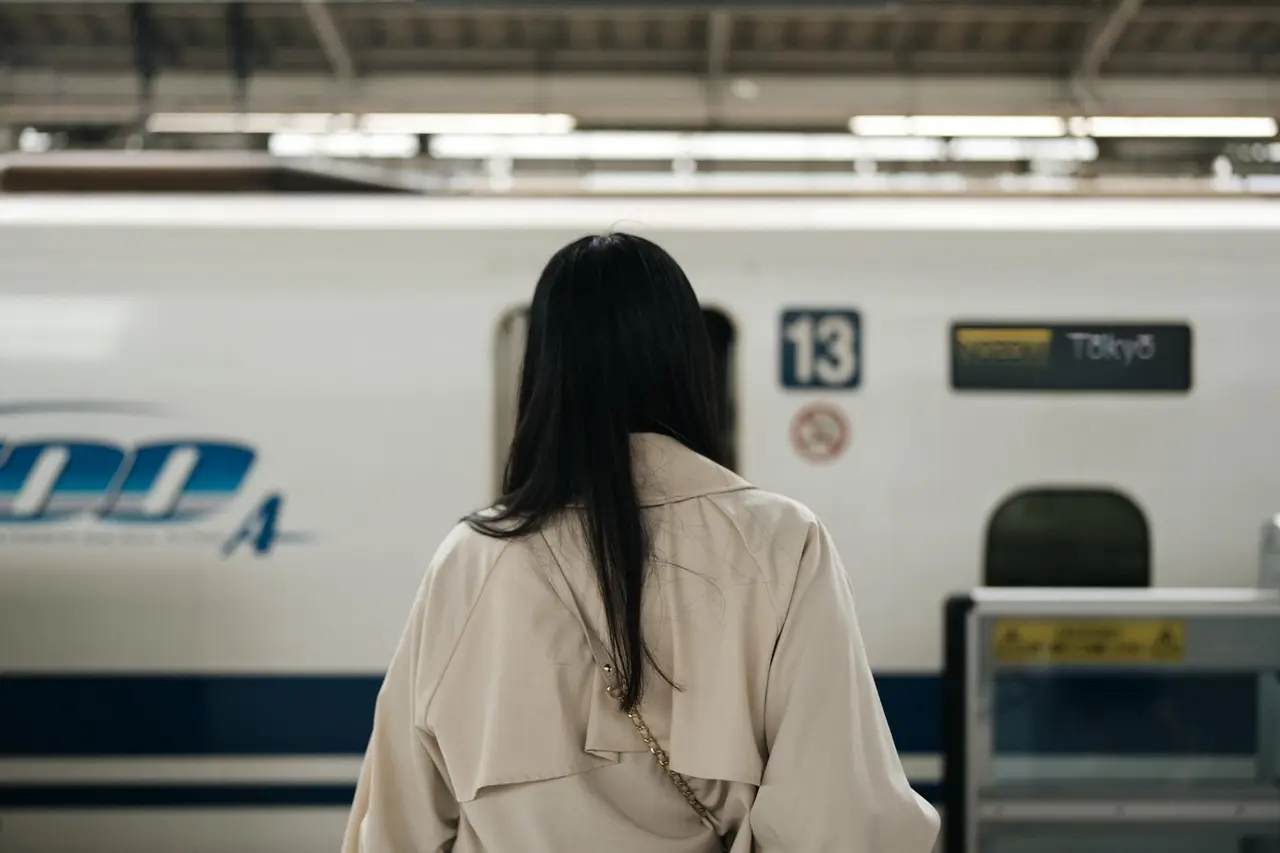
The location was good in the same practical way Akasaka usually is: easy enough for transit, not a long walk with luggage, and close to food that wasn’t trying too hard. I grabbed dinner from a nearby convenience store and a small ramen shop, which was exactly the kind of low-effort night I wanted after a long day on the train. That part mattered more than the room design.
Sleep was better than I expected. I figured the cabin-style setup would still feel cramped, but it was quieter than a full capsule floor I stayed on elsewhere. Not sure that’s universal, but on my night there, it was calm enough that I didn’t wake up annoyed. That’s a win in my book.
Best for: solo travelers who want a little more space without jumping to hotel prices.
Skip if: you’re trying to stay under $45 a night and every dollar counts.
Price-value judgment: worth the upgrade if you’re in Tokyo for work, a late arrival, or a one-night reset between neighborhoods.
Book and Bed Tokyo Ikebukuro
I went here expecting it to feel gimmicky. It kind of did, but not in a bad way. The book-heavy common area made it feel less like a hostel pretending to be clever and more like a place designed for people who actually want to sit down for a minute. I paid around $34, and that rate made sense for Ikebukuro, which is cheaper than staying closer to Shibuya but also a little less smooth if you’re crossing the city a lot.
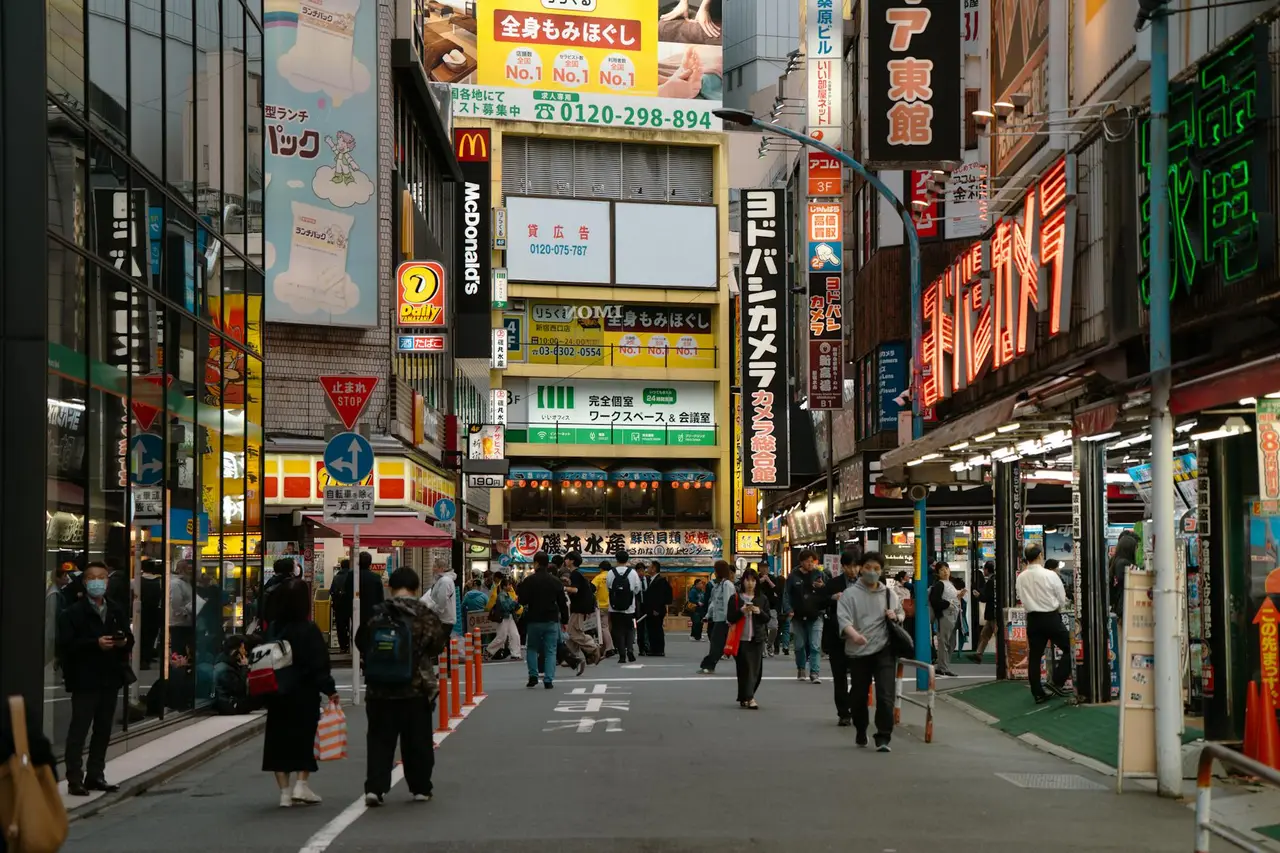
The tradeoff is location. Ikebukuro is useful if you’re coming and going on the JR lines, but it’s not the cleanest base for every Tokyo plan. I spent about 15 extra minutes each way compared with a more central stay when I headed south. That doesn’t sound like much until you do it after dark with a tired body and a bag that’s gotten heavier somehow.
Sleep was decent, though not my favorite. The place had more movement than I wanted on the floor I stayed on, and the common area energy carried a bit later than I’d hoped. Fine, not great. I’d choose it only if the rate is clearly lower than Akasaka or Ginza.
Best for: budget travelers who don’t mind being a bit less central.
Skip if: you’re in Tokyo for a short trip and want the easiest possible transit base.
Price-value judgment: worth it when the nightly savings are at least $10 to $15 and you’re okay trading that for more train time.
The Millennials Shibuya
I booked this because I wanted to see if the hype was justified. I thought it would be all style and no sleep. It wasn’t. The pod design was smarter than most capsule setups I’ve used, with enough room to feel less boxed in, and the coworking/common spaces were actually useful instead of just photo bait.
But Shibuya is expensive for a reason. I paid close to $60, and the location only pays off if you’re planning to stay out late, eat nearby, and move around on foot. If you’re mostly commuting across Tokyo, you’re paying for the neighborhood name more than for the bed. That’s fine if you want Shibuya. It’s not fine if you’re just sleeping there.
Noise was the biggest variable. I slept well, but the floor had more late-night traffic than Akasaka, and Shibuya itself doesn’t exactly power down early. I could hear hallway movement around midnight, then it settled. For me, that made it a good solo option for one night, not a long stay.
Best for: solo women who want to be in the middle of Shibuya and don’t mind paying for it.
Skip if: you’re on a tight budget or light sleeper.
Price-value judgment: only worth it if you’ll use the location hard and won’t resent the extra $15 to $25 versus cheaper areas.
Cost Breakdown
Rough daily estimates from my own trip. Prices shift by season.
That budget works because capsule hotels keep the overnight cost under control, but Tokyo food and train rides still add up. If I’m staying in a pricier area like Shibuya, I usually give myself another $10 a day because I end up buying an extra coffee or snack while I’m out longer. Small things, but they stack up fast.
See all tokyo hotels on Agoda →
Where to Stay
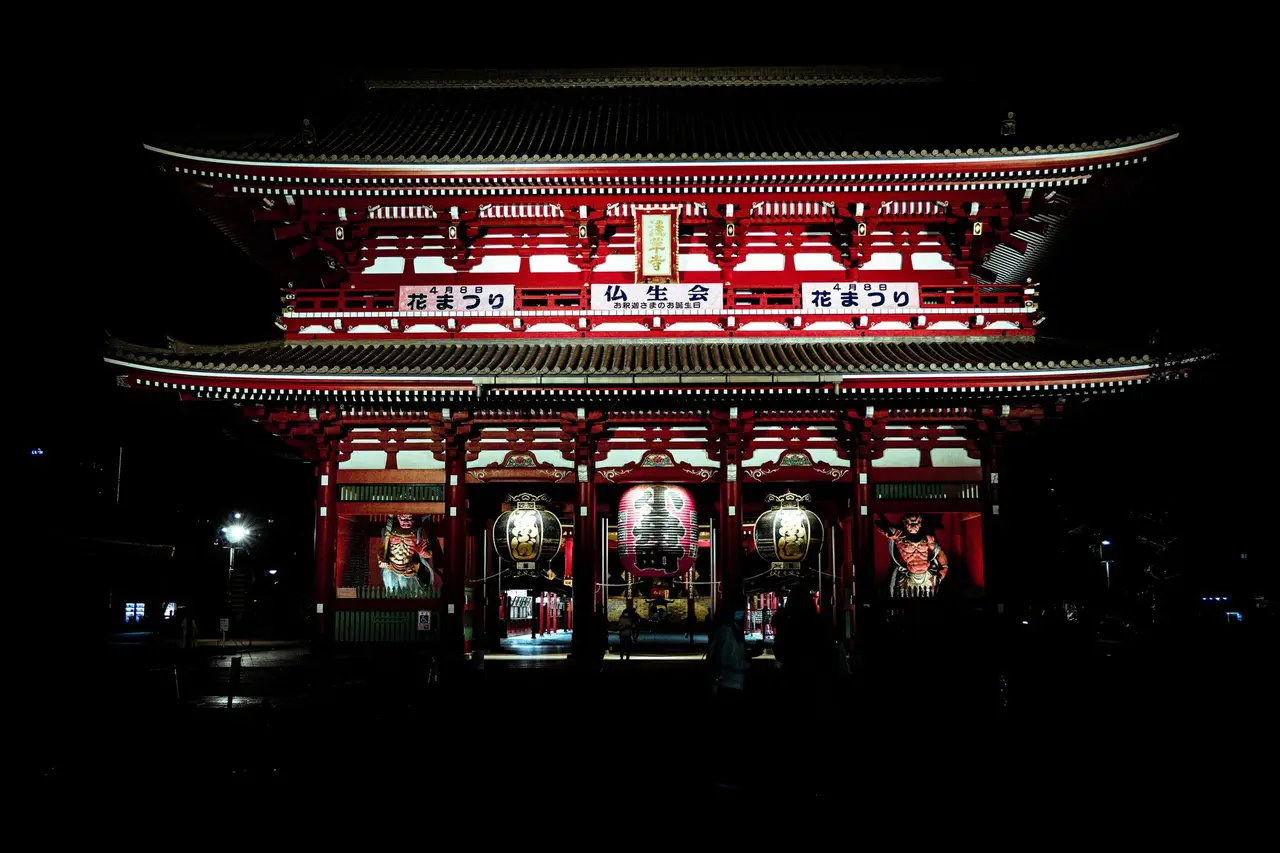
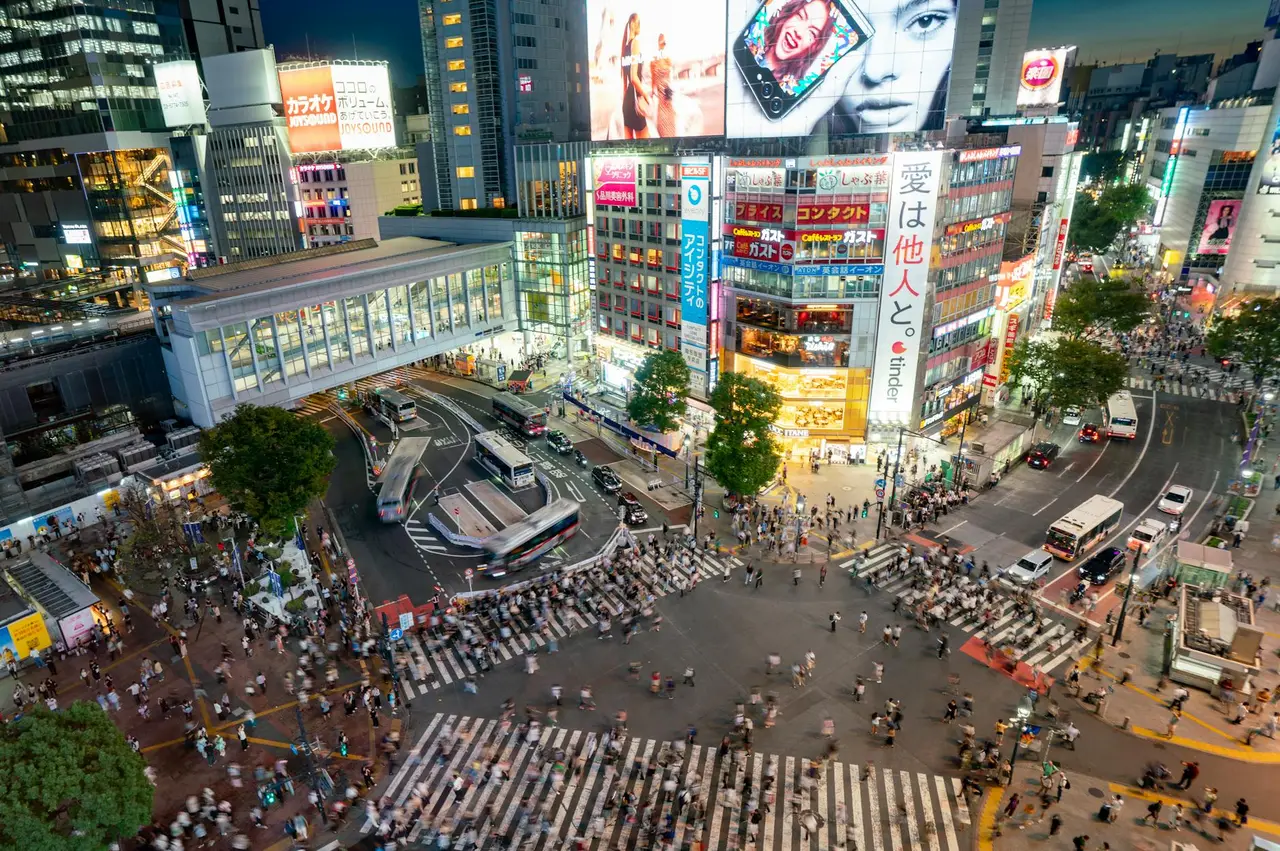
Tokyo is huge, and capsule hotel location matters more than the room type. I learned that the annoying way when I stayed too far from the station once and spent 18 minutes walking in circles with a suitcase that had one bad wheel. The room itself could’ve been fine. I was too irritated to care.
If I’m choosing between a capsule in Shinjuku and one in Akasaka, I look at the daily plan. Shinjuku is better if I’m arriving late, leaving early, or need easy rail connections. Akasaka is better if I want a calmer night and a cleaner walk from the station. Shibuya is only worth the markup if I’m actually going to use Shibuya as the base, not just sleep there.
Best for: travelers who care more about transit efficiency than neighborhood vibe.
My pick: Akasaka for a balance of price and convenience.
Skip if: you hate walking through busy station areas with luggage.
I had Shibuya and Akasaka in front of me on one booking search. I went with Akasaka because it was about $15 cheaper and the walk from the station was simpler after 10pm. Shibuya would’ve worked if I were meeting friends late, but I wasn’t, and I didn’t want to pay more just to sleep near a famous crossing I wasn’t using.
Sleep, Noise, and the Stuff That Makes or Breaks a Capsule Stay
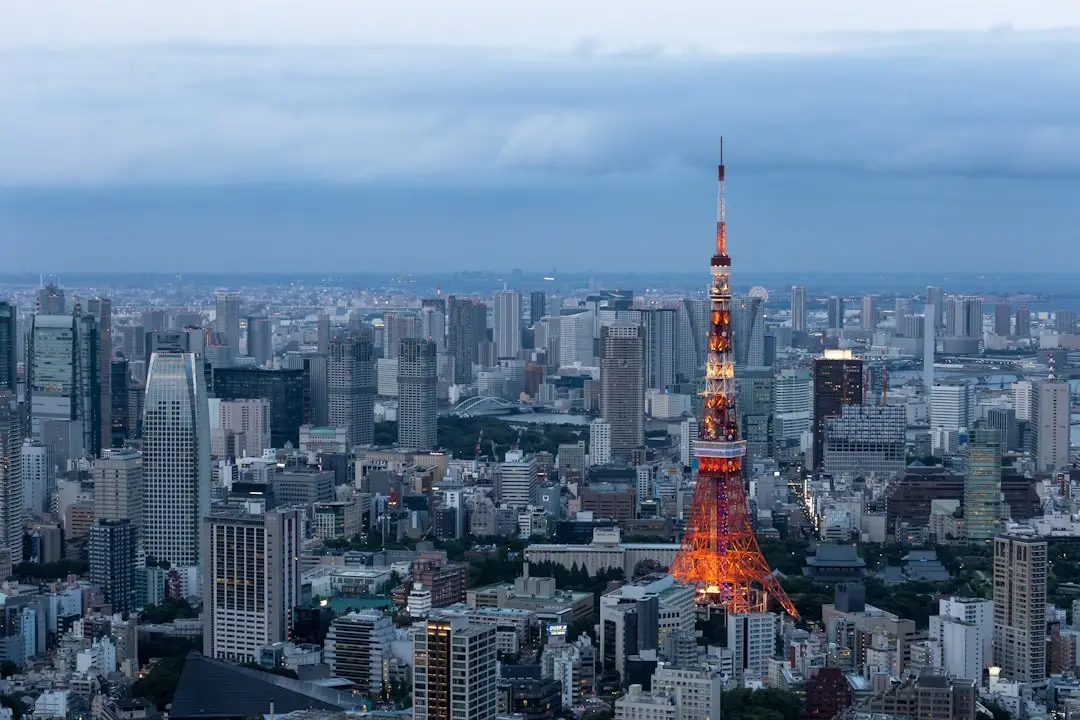
The bed is not the whole story. In Tokyo, the floor layout, locker setup, and shower timing matter just as much. I stayed in one capsule where the locker was down a hallway from the pod, and that tiny inconvenience became annoying fast because I kept forgetting my charger. Small problem, but it changed the mood of the night.
For women, I think the most useful thing is a female-only floor or at least a clearly separated women’s area. It doesn’t make the place luxurious. It just makes it easier to relax. I also pay attention to whether there’s a late check-in process that’s simple, because Tokyo nights can run late. If I’m getting in after 11pm, I don’t want a place that acts like I’m inconveniencing it.
Worth it if: you can sleep through light hallway noise and don’t need much personal space.
Skip if: you’re a light sleeper or need a desk and a proper room layout.
My pick: a quieter capsule in Akasaka over a trendier one in a louder district.
The one mistake I wouldn’t repeat
I assumed the cheapest capsule near a major station would be the smartest choice. The trigger was the first night, when I realized the pod was fine but the floor noise, the awkward locker setup, and the 11-minute walk from the station made it feel cheaper than it was. I saved about $12 that night and lost a chunk of patience, plus I burned time figuring out where to stash everything. That’s not a real deal.
Now I’d book the slightly better-located option every time, even if it costs a bit more. If the rate difference is under $15, I’d pay it without thinking. Tokyo rewards easy logistics. Cheap and irritating is still expensive in practice.
What I’d Pay For, and What I’d Skip
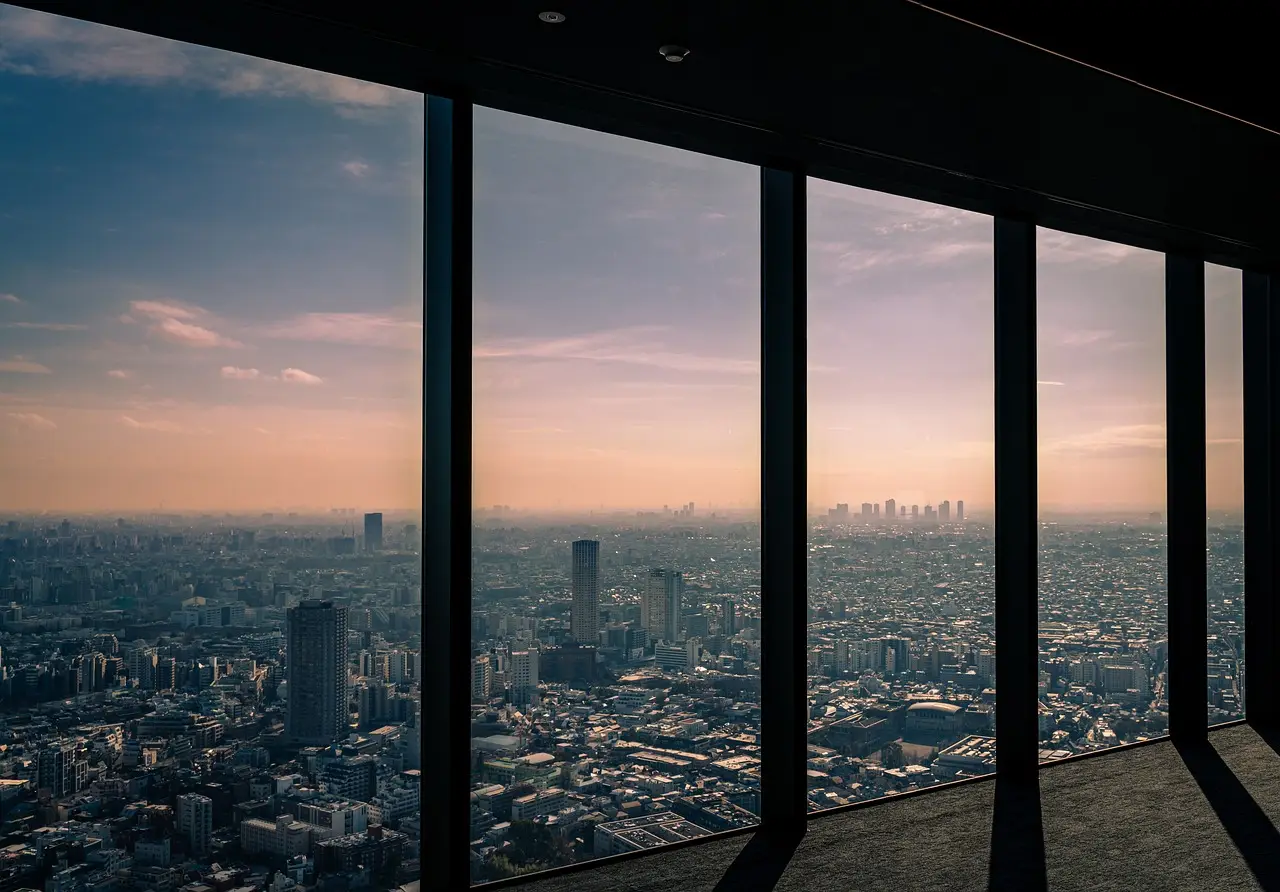
I don’t pay extra for capsule hotel breakfast. I almost never want it, and in Tokyo the better move is usually to eat at a nearby convenience store or grab a simple set meal from a local spot. I paid about $4 for breakfast one morning — coffee, yogurt, and a sandwich from FamilyMart — and it was faster than waiting in line for a hotel buffet I didn’t care about.
I would pay for these things: women-only access, close station access, blackout curtains, and a locker that actually fits a carry-on. I would skip anything that advertises itself like a lifestyle brand but can’t solve the basic problem of sleep. A capsule hotel should be good at one job. That’s it.
Best for: practical travelers who want to keep hotel costs low without making the trip harder.
Skip if: you’re expecting character, spacious bathrooms, or a social scene that feels organic.
Price-value judgment: worth paying an extra $10 to $20 for the right location or a better cabin, not for decorative extras.
Hotel Cards
Nine Hours Akasaka Sleep Lab
I’d book this when I’m landing late and leaving early. The check-in is straightforward, but the real win is that Akasaka feels calm at night, so you’re not dragging a suitcase through a party street at 11pm.
First Cabin Akasaka
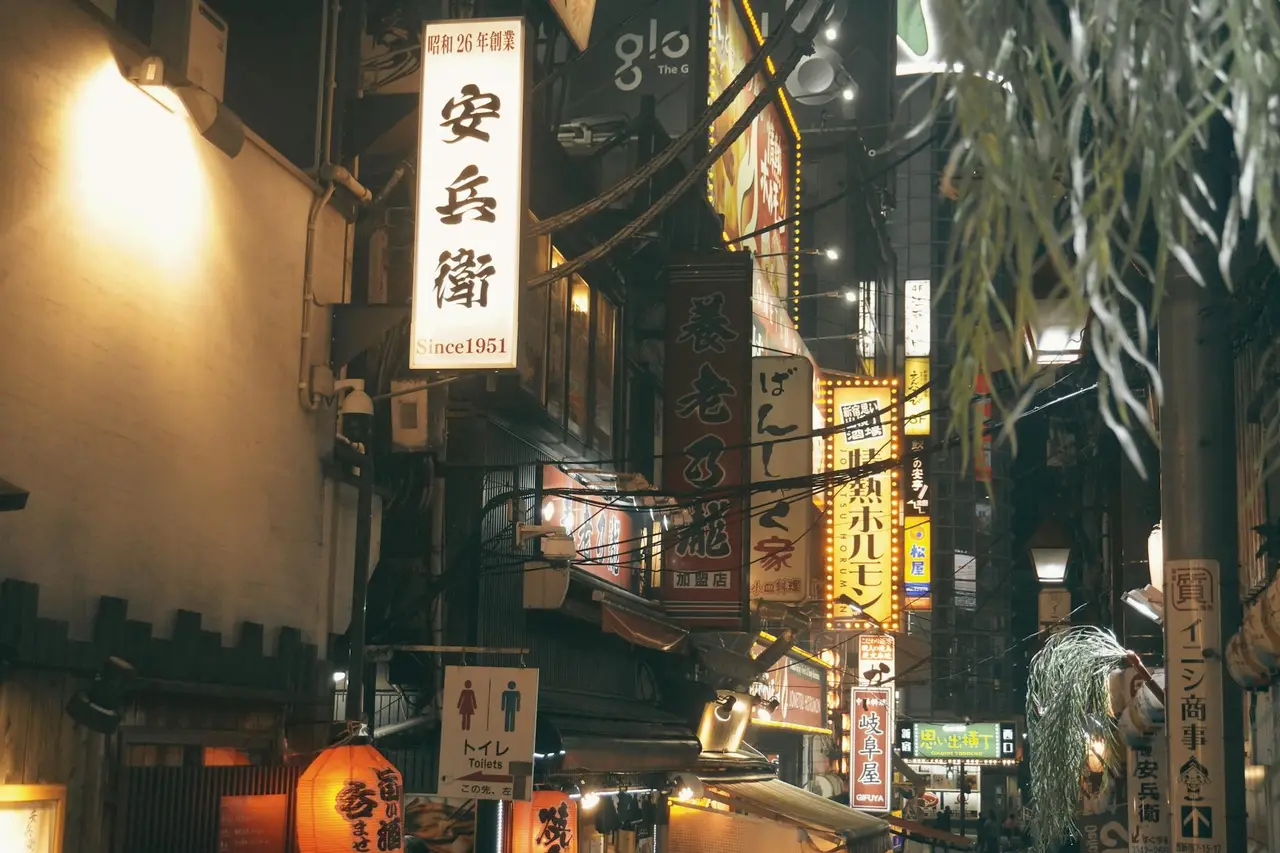
This is the one I’d choose if I wanted a bit more room to sit up and repack without paying proper hotel money. It’s still compact, so don’t bring the giant suitcase you “might need” and expect it to disappear.
Book and Bed Tokyo Ikebukuro
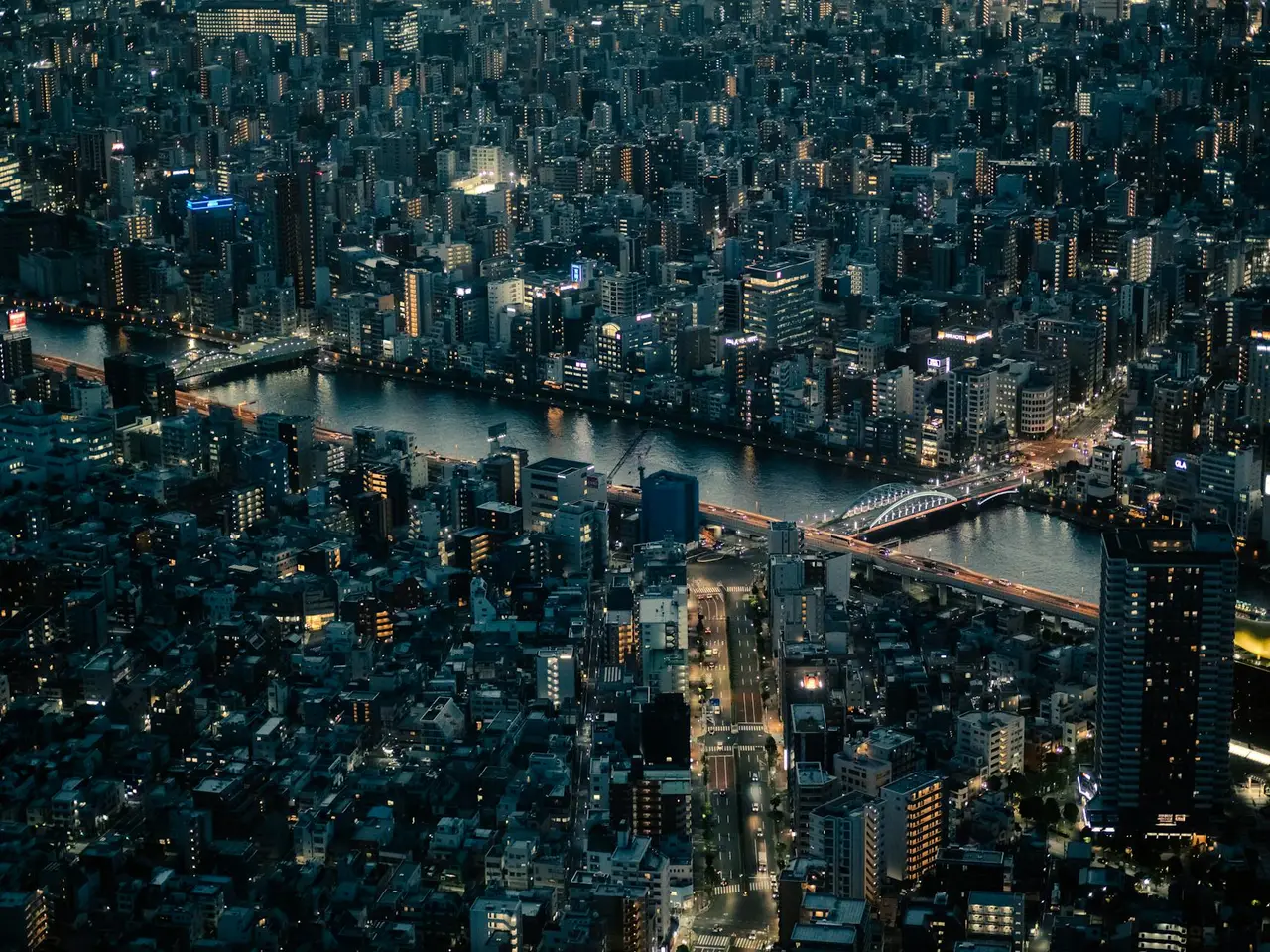
I’d only pick this if the price gap matters more than the postcode. Ikebukuro is good for transit, but it’s the sort of place where a cheap bed makes sense if you’re out most of the day and back just to sleep.
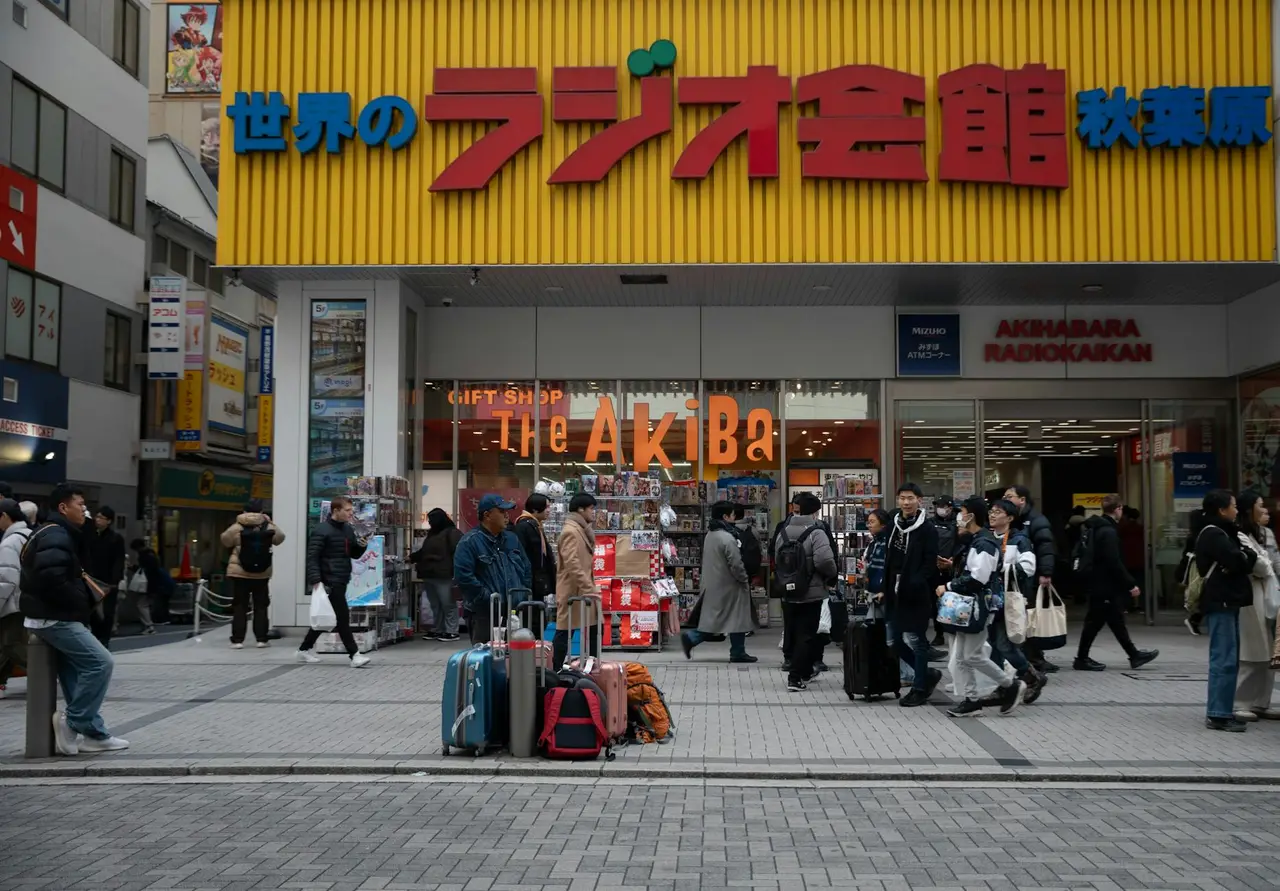
The Millennials Shibuya
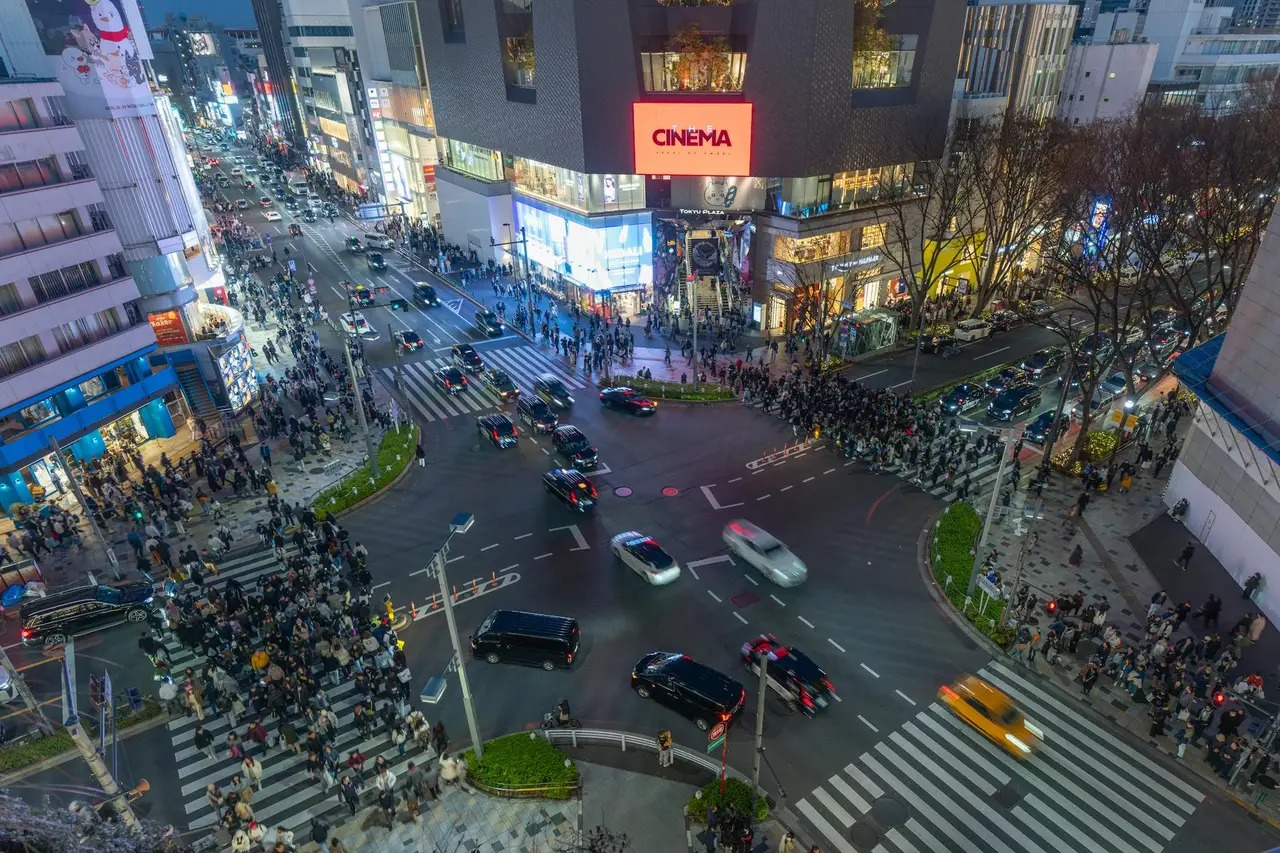
This is the easiest sell if you want Shibuya on your doorstep, but it books up fastest on weekends. I’d avoid it if you’re a light sleeper and planning to stay on a Friday, because the location is the whole point and the noise comes with it.
FAQ
Are capsule hotels in Tokyo safe for women traveling alone?
Yes, I think they’re safe when you pick a women-only floor or a hotel with a separate women’s section. I felt better in places where the locker and pod access were controlled and I didn’t have to cross mixed-use hallways at night.
Is it worth paying more for a women-only capsule floor?
Yes, I’d pay the extra $5 to $15. The comfort difference is small on paper, but it matters when you’re arriving late, half-asleep, and carrying everything you own in one bag. I sleep better when I don’t have to think about who’s walking past my pod.
What area of Tokyo is easiest for a short stay?
Akasaka is my pick for a short stay because it keeps the commute simple without the full Shibuya price tag. I saved about $10 to $20 a night compared with trendier areas, and I didn’t lose much in convenience. If you’re planning lots of late nights out, Shibuya still wins on nightlife access.
Do capsule hotels work if I have a big suitcase?
No, not really. I’d avoid them if you’re carrying a large checked bag, because the locker and pod setup gets annoying fast and the shared space feels tighter than the photos suggest. A small carry-on is fine; anything bigger starts to feel like a bad idea by night two.
Would you stay in a capsule hotel for more than two nights?
Yes, but only if the location is strong and the rate is clearly better than a business hotel. After two nights, I start caring more about storage, shower timing, and having a place to sit without packing up my whole life. If the price gap drops below about $15 a night, I’d switch to a regular hotel.
 Emma Hayes