

Tokyo capsule hotels for solo female travelers in 2026 are worth it if you want a clean, private sleep base and don’t mind living out of a locker for a night or two. Tokyo was supposed to be efficient. It was, but it also made me rethink what “cheap and easy” really means after one night in a capsule with a snoring neighbor and a hallway that echoed like a train platform.
I’d pick a capsule hotel over a basic hostel dorm when I’m alone, especially for a short Tokyo stay, late arrivals, or a one-night stop between trains. I would not pick one if I had a giant suitcase, needed a quiet full night, or wanted to spread out and work from the room. The real decision is less about “can I sleep there?” and more about “how much inconvenience am I willing to trade for a lower nightly rate?”
Quick answer: the best overall pick is a modern capsule hotel in a central train area like Shinjuku, Ueno, or Asakusa, and the best budget pick is usually a no-frills capsule just outside the busiest tourist blocks. I’d pay more for women-only floors, a good locker setup, and a location within a 5-10 minute walk of a major station. I’d skip the cheapest options if they save only $10-$15 but add a long late-night walk or weird storage rules.
- Best overall: a newer capsule near a major station with women-only floors and decent shower space.
- Best budget: a basic capsule a little farther from the center if you’re packing light and leaving early.
- Best for: solo travelers, short stays, overnight layovers, and anyone who values location over room size.
- Skip if: you hate tight spaces, need to unpack fully, or sleep lightly in shared buildings.
| Hotel | Price/night | Location | Best for |
|---|---|---|---|
| Ueno capsule | $42/night | Ueno | solo |
| Shinjuku capsule | $58/night | Shinjuku | solo |
| Quieter area capsule | $44/night | Quieter area | budget |
Hotel Review
What I’d Book First: A Modern Capsule Near the Train, Not the Cheapest Bed in Town
If I were landing in Tokyo alone in 2026, I’d book a newer capsule hotel near Shinjuku, Ueno, or Asakusa before I’d chase the lowest rate. The reason is boring but real: Tokyo transit is excellent, but dragging a bag through three station exits at 10:30 p.m. gets old fast. I paid about $42 for one night in a capsule near Ueno, and that extra few dollars bought me a locker, a clean shower area, and a 6-minute walk from the station instead of a 20-minute hassle with my bag.
I booked through Agoda and saved about 15% compared to the hotel’s own site.
Where I’d Actually Stay in Tokyo

Hotel Sunroute Plaza Shinjuku
Tokyo
★★★★☆
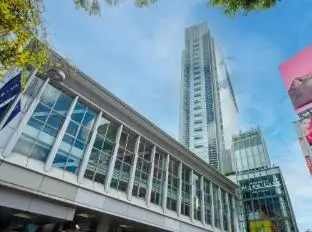
Shibuya Excel Hotel Tokyu
Tokyo
★★★★☆

Asakusa View Hotel
Tokyo
★★★★☆
Best for: solo women who want a safe-feeling base without paying full hotel prices.
Skip if: you think you’ll be in and out of the room all day. Capsule life gets annoying once you treat the bed like a real room.
My pick: the slightly pricier option near transit, every time. That price gap usually beats a cheaper room that turns into a logistics project after dark.
I compared a capsule in Shinjuku that was around $58 with one in a quieter area that was closer to $44. The cheaper one looked fine online, but it was a longer walk from the station and had a more awkward late check-in window. I chose the Shinjuku option because I got in after dinner, and I didn’t want to be the person hauling a carry-on down a dark side street at 11 p.m. That was the tipping point.
The sleep reality matters here. In the better capsule, the pod itself was dark and private enough, but the floor still carried noise when people zipped lockers or came in late. I slept okay, not amazing. If I’m being picky, capsule hotels are efficient, not luxurious, and I don’t mean that as an insult. They’re a tool.
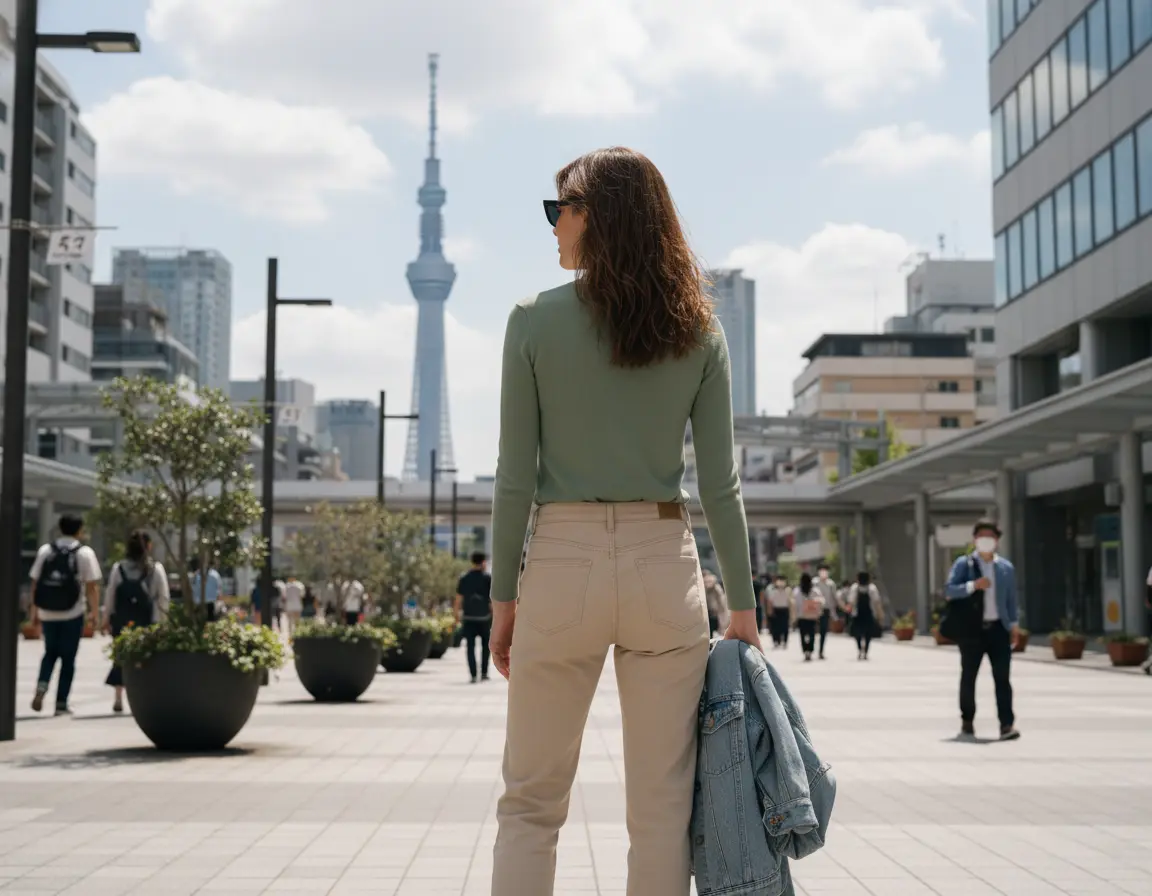
For solo female travelers, the safety feeling is mostly about layout and flow. I liked places where women’s floors were separated and the elevator access was simple. I did not love mixed floors where the common area felt busy at midnight. One night I came back around 9:45 p.m. with a light jacket in my hand because the temperature had dropped after sunset, and I was glad I wasn’t navigating a huge lobby or a confusing key system. Small thing, but it counts.
Verdict: worth it if you want a practical base and you’re okay trading space for location.
The Easiest Choice, But Not the Quietest
Shinjuku is the obvious move if your Tokyo trip is short and you want to feel connected to everything. I’d stay here for a first or second night because the transport is just too useful. You can get on almost anything fast, and if you land late, the area still functions. I walked back from dinner near the station, and the whole area felt busy in a way that made solo travel easy, not scary.
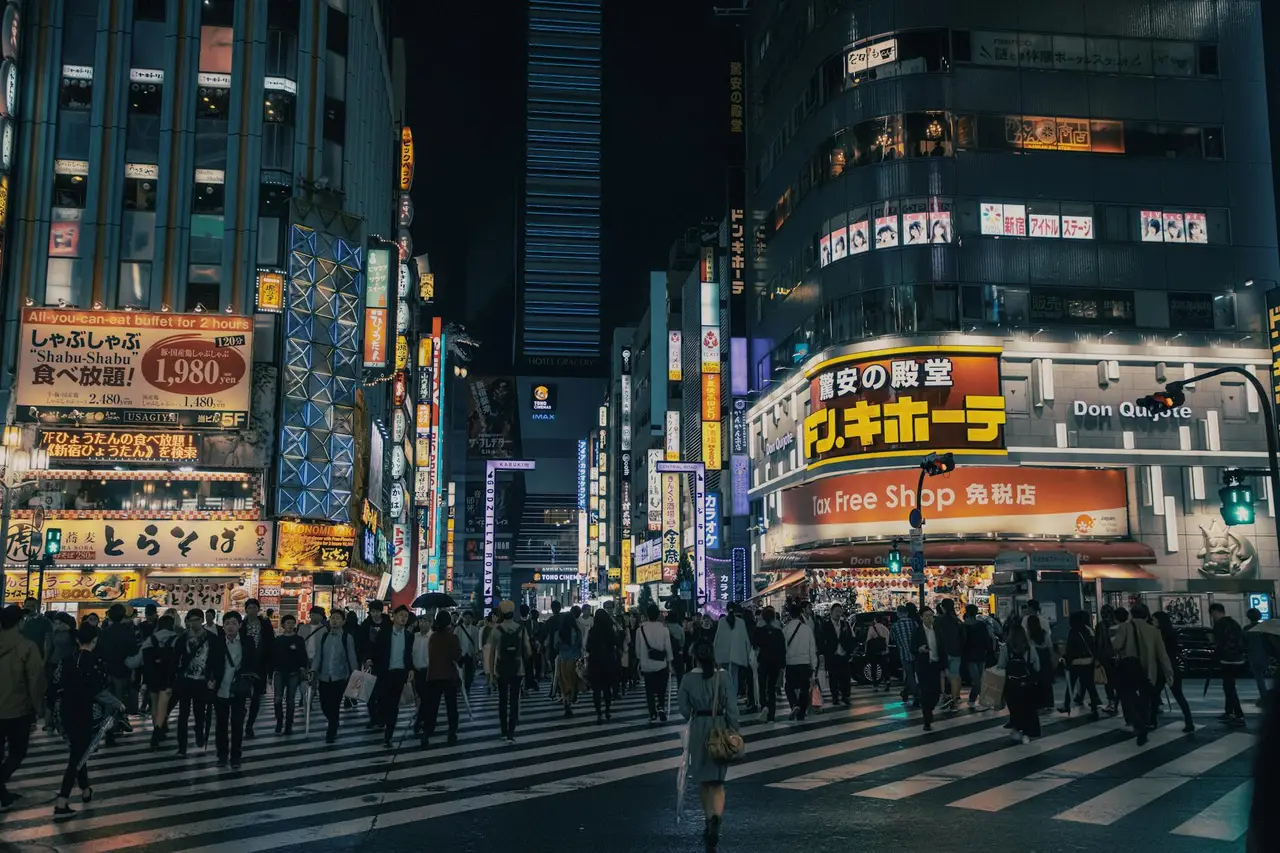
The downside is exactly what you’d expect: noise. Shinjuku capsules are fine if you’re a decent sleeper, but I wouldn’t book one expecting hotel-level quiet. I heard doors, lockers, and the occasional late arrival moving around at 1 a.m. That’s not unusual. It’s just part of the deal. If you’re sensitive to sound, bring earplugs and don’t pretend you won’t need them.
Best for: first-time visitors, late arrivals, and people who want the fastest access to trains and food.
Skip if: you’re a light sleeper or you want a calm neighborhood vibe after dark.
My pick: Shinjuku only when convenience matters more than sleep quality. Otherwise I’d go one stop or two away and save a bit.
Price-to-convenience ratio here is strong, but not the strongest. I’d rather pay $10 more for a cleaner, newer capsule in Shinjuku than save that money and end up with a 25-minute walk after a long day. That math never works out for me. Tokyo is too good at draining energy through tiny inconveniences.
I expected Shinjuku capsules to feel chaotic and a bit grim. They didn’t, at least not the better ones. The lobby I used was surprisingly organized, with clear shoe storage and a locker setup that didn’t make me wrestle with my bag. Still, I wouldn’t sell Shinjuku as cozy. Efficient, yes. Cozy, no.
Verdict: worth it for transit access; skip it if noise ruins your sleep.
My Best Balance of Price, Transit, and Early-Morning Sanity
Ueno is the area I’d choose if I wanted the best balance. It’s less buzzy than Shinjuku, still very connected, and often a little easier on the wallet. I paid about $42 a night there, and the station walk felt direct instead of chaotic. For solo travel, that matters more than people admit. I don’t need charming. I need predictable.
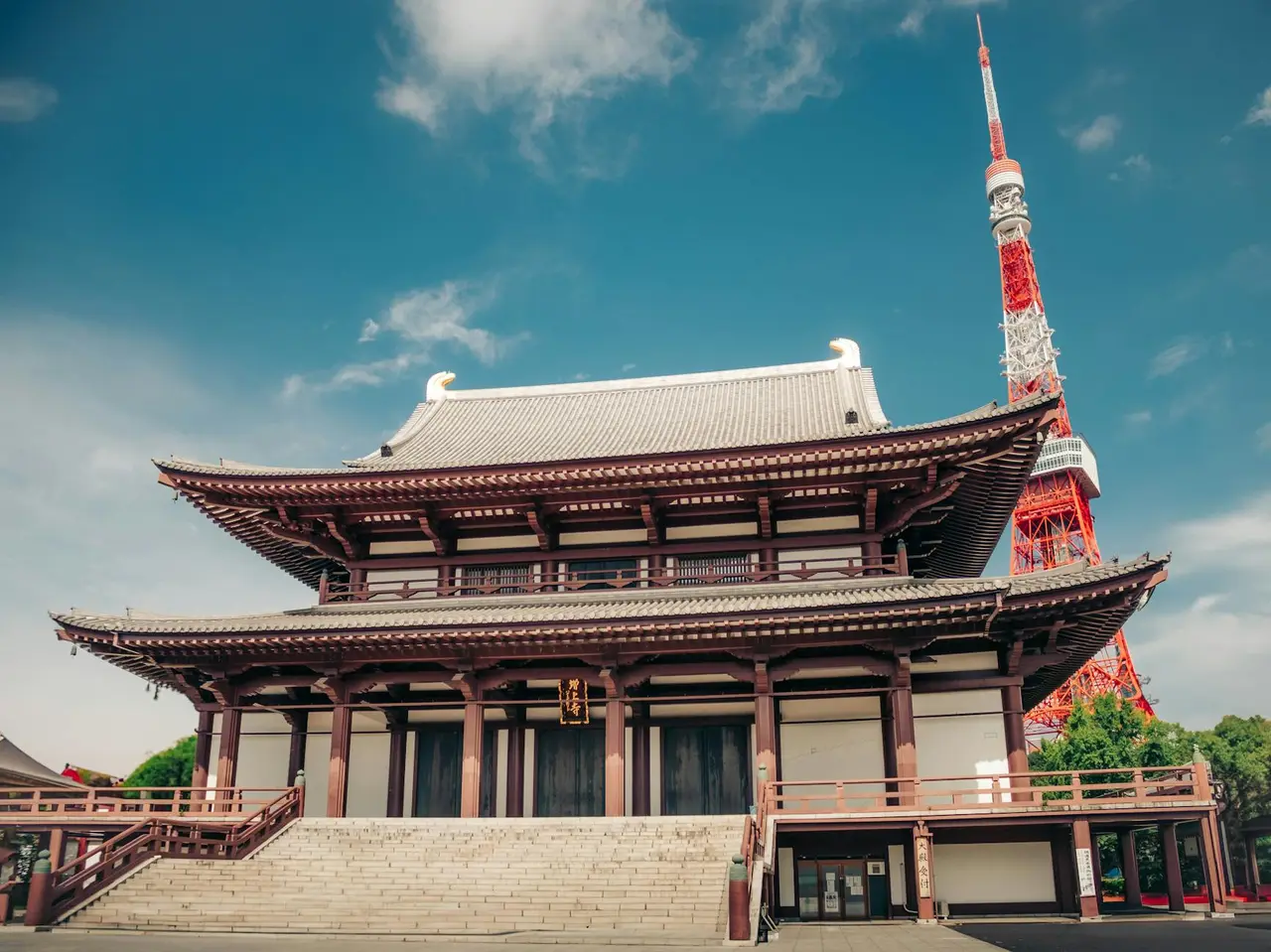
Ueno also works well if you’re coming in from Narita or leaving early. The transit links are practical, and you’re not stuck paying premium rates just to stand near the same train lines everyone else uses. I saved roughly $12 a night compared with a fancier central option, and I used that money on dinner and a coffee the next morning instead. Better trade.
Best for: solo travelers who want value without dropping too far from the center.
Skip if: you want nightlife right outside the door or you need a polished hotel feel.
My pick: Ueno for most solo female travelers. It’s the easiest place to book without overthinking it.
Sleep here was better than I expected. I assumed Ueno would be just as noisy as the busiest parts of the city, but my floor was calmer, and the hallway traffic dropped off after midnight. I still heard someone unzip a bag at 6:20 a.m., because of course I did, but it didn’t wreck the night. That’s the kind of compromise I can live with.
Location consequence is straightforward: you save a bit of money and a little stress, but you give up some late-night energy. That’s fine for me. I’d rather walk 7 minutes to the station than pay extra for a neighborhood I’m only going to see from my phone screen and a convenience store run.
Verdict: the best value pick, especially if you want a safer-feeling, calmer base without leaving central Tokyo.
Better for a Quieter Night, Worse for Spontaneous Late Plans
Asakusa is the one I’d choose when I want a more relaxed night and don’t care about being in the thick of everything. It’s a good area for capsule hotels because the pace is slower, and that helps sleep. I stayed there during a stretch when I wanted to walk a bit, eat cheap, and crash early. It worked.
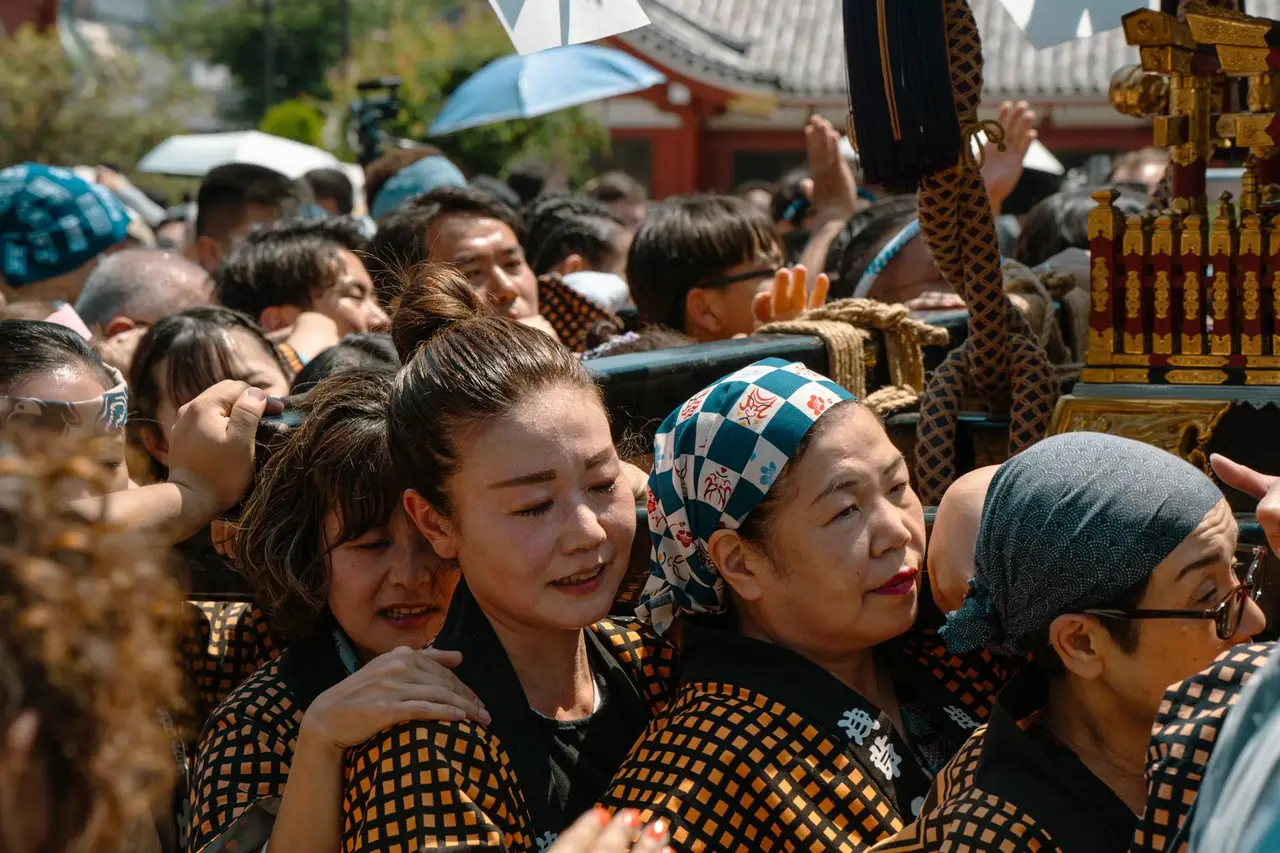
The tradeoff is time. You save maybe $8-$15 a night versus some central options, but you add a little friction if your plans keep shifting. Getting back after a late dinner or drinks is still easy enough, but it doesn’t feel as immediate as Shinjuku or Ueno. If you’re the type who changes plans at 9 p.m., Asakusa can feel slightly out of the way.
Best for: solo travelers who want a calmer neighborhood and don’t mind a less central base.
Skip if: you’re out late most nights or you want the city’s fastest transport connections.
My pick: Asakusa for a 3-night stay when I’m prioritizing rest over nightlife.
I also liked that the area made capsule living feel less cramped. I could leave the hotel, grab a cheap meal, and come back without feeling like I was staying in a machine. That sounds dramatic, but it’s true. I got a rice bowl for about $6 from a small spot near the station, ate it standing up, and went back to shower and sleep. No drama. No wasted money.
Sleep and noise were better here than in the busier districts, though the capsule itself still wasn’t silent. The building I used had enough separation that I didn’t feel like I was sleeping in a hallway. That alone makes Asakusa worth considering if your main complaint about shared stays is the constant background movement.
Verdict: worth it if you want quieter nights and don’t mind being a little less central.
Safety, Storage, and the Stuff Nobody Mentions
For solo female travelers, the real issue isn’t just “is it safe?” Tokyo is already very manageable. The real question is whether the hotel setup makes you feel relaxed after a long day. Women-only floors helped. So did clear locker rules and a simple check-in process. I’m not interested in a place where I need to decode three signs just to find my shampoo.
I almost booked one cheaper capsule because the room rate was around $9 less per night. I skipped it after reading that the luggage storage was limited and the shower area was shared in a way that felt awkward late at night. That tiny savings would have cost me convenience and probably a little peace of mind. I’d rather pay the extra $9 and avoid thinking about my bag every time I leave the building.
Best for: women traveling alone with a carry-on and a reasonable tolerance for shared spaces.
Skip if: you’re bringing a big suitcase, lots of cosmetics, or anything you don’t want to keep in a locker.
My pick: a capsule with women-only access and a locker that fits more than a purse. Not glamorous. Very useful.
One thing that surprised me was how much the locker setup changed the whole stay. A good locker means you can grab what you need without unpacking your life on the bed. A bad one means the room feels smaller than it already is. I learned that the annoying way once, and I wouldn’t repeat it.
There’s also the sleep factor nobody puts on the booking page. Capsule hotels can be fine for one night and still wear you down if you’re there for four or five. I’d use them as a base, not a lifestyle. That distinction matters.
Verdict: safe enough and smart for solo women, but only if the storage and floor layout are decent.
The Night I Booked Too Cheap and Paid for It in Energy
I made one bad call in Tokyo that sticks with me. I saw a capsule rate that was about $11 cheaper than the place I wanted, and I thought I was being clever by saving money for dinner. The trigger was simple: it looked close enough on the map, so I booked it without checking the last stretch from the station. When I arrived, the walk was longer than I expected, and part of it was through an area that felt dead after dark. I spent maybe 18 minutes dragging my bag instead of the 7-minute walk I’d planned, and I showed up more annoyed than tired.
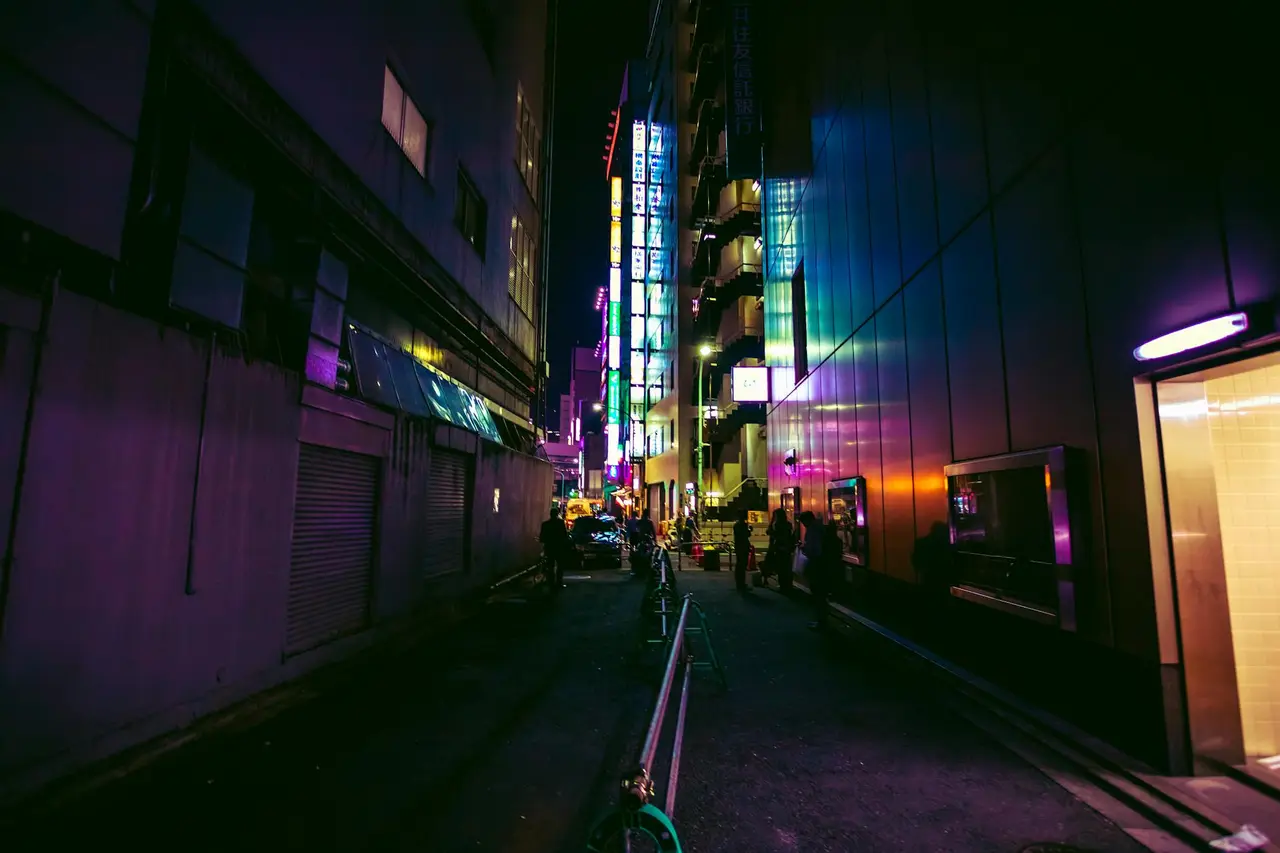
The consequence wasn’t huge in dollars, but it was real in energy. I paid less for the room and lost the exact thing I needed most after a travel day: ease. I also ended up grabbing a convenience store snack I didn’t really want because I was too tired to go wandering for dinner again. Next time, I’d pay the extra few dollars and book the closer bed without trying to outsmart the map.
Best for: travelers who already know Tokyo well and can judge the area quickly.
Skip if: you’re landing late, tired, or alone with a wheeled suitcase.
My pick: pay more for the easier route. I’ve tried the cheaper version, and it wasn’t worth the drag.
The funny part is that Tokyo itself never felt hard. My bad decision was just about the last 10 minutes. That’s usually where budget travel gets you, honestly.
What I’d Do Differently Next Time
I’d book a capsule with women-only access and a station walk under 10 minutes every time. I’d also check the locker size before I booked, because one compact locker can turn a cheap stay into a daily annoyance. And I’d stop pretending that saving $8-$12 matters if it adds a long night walk or a noisy floor.
I’d also stay one fewer night in a capsule and one more night in a normal hotel if I were in Tokyo for a week. Capsules are great as a tactical choice. They’re not where I’d want to live out of a suitcase for long.
Cost Breakdown
Rough daily estimates from my own trip. Prices shift by season.
Prices near major stations can jump fast, especially when a weekend or holiday rolls around. I checked Agoda more than once and saw the same capsule rate move by about 20% on some dates, which is annoying but normal in Tokyo. If you want a women-only floor in a central area, I’d book early instead of hoping the good rooms stay cheap. See all Tokyo hotels on Agoda →
Where to Stay
My clear pick is a modern capsule in Ueno or Shinjuku, with Ueno getting the edge for price-value and Shinjuku getting the edge for pure convenience. I’d book Asakusa if I wanted quieter nights and didn’t mind a slightly slower base. I’d skip the very cheapest capsule that saves only a few dollars but gives me a worse walk, weaker storage, or more hallway noise.
If I were choosing for a solo female trip in 2026, I’d pay for location first, then women-only access, then locker quality. Room size is already tiny, so there’s no point pretending the pod itself will be the selling point. The real win is a clean, low-friction place to sleep and shower between full days in Tokyo.
Best for: solo female travelers who want a safe, efficient, good-value base near transit and don’t need room to spread out.
Skip if: you sleep lightly, bring a large suitcase, or want a private room with space to unpack.
Next time: I’d book Ueno first, Shinjuku second, and I’d pay the extra $10 without arguing with myself about it.
FAQ
Are capsule hotels in Tokyo okay for a woman traveling alone?
Yes, I’d use them again as a solo female traveler. The good ones are organized, women-only floors help a lot, and Tokyo itself makes basic movement feel straightforward. I’d still choose newer properties near a major station instead of the cheapest bed I can find.
How many nights should I stay in a capsule hotel?
I’d keep it to 1-3 nights. Capsule life is efficient for a short stay, but the lack of space starts to wear on me after that. If Tokyo is your whole trip, I’d mix in a normal hotel for a few nights so I’m not living out of a locker.
Which area felt easiest for getting around at night?
Ueno was the easiest for me, and Shinjuku was the most connected but noisier. Ueno gave me a calmer walk back after dinner without feeling isolated, which mattered more than I expected. If you’re arriving late, I’d choose Ueno before I’d choose a cheaper spot farther out.
Do I need to worry about luggage in a capsule hotel?
Yes, if you have more than a carry-on. Some places handle storage well, but others make it awkward to keep a bigger suitcase out of the way. I’d only book a capsule if I could pack light and fit my valuables into the locker without rearranging everything twice a day.
Is it worth paying extra for women-only floors?
Yes, I think it’s worth the extra money. The price difference is usually small, and it makes the whole stay feel easier when you’re coming back late or moving around early in the morning. I’d pay more for that before I’d pay more for a fancier lobby or a bigger pod.
 Emma Hayes