
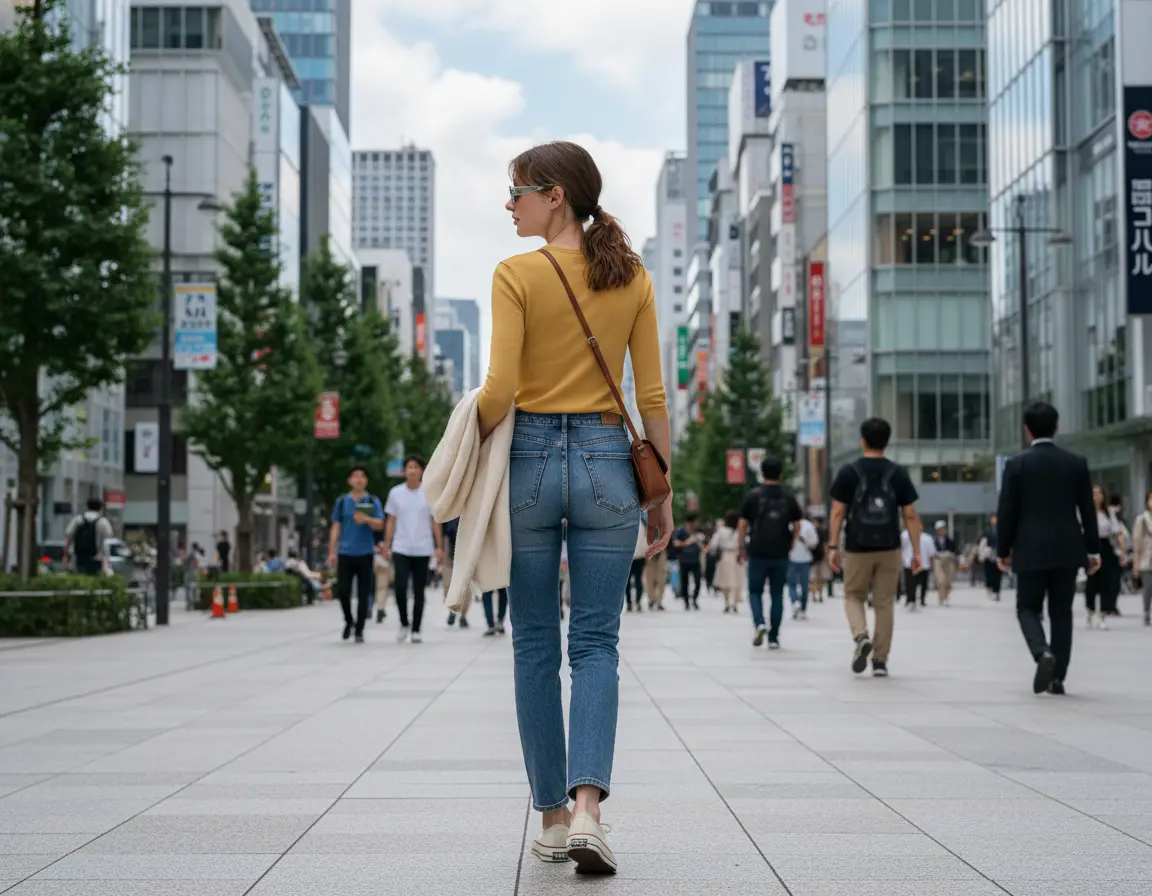
I almost spent my first Tokyo day chasing three “iconic” spots and a train transfer I barely understood. I was standing in Shibuya with a coffee going cold in my hand, looking at a map app that kept rerouting me, and I could already tell the day was going to get expensive in the wrong way. It did. Tokyo is worth it, but only if you stop doing the stuff that burns time and money for no real payoff.
I’d avoid the obvious tourist mistakes here, especially if you’re in Tokyo for 3 to 5 days and want actual experiences instead of just photos. If you love wandering, eating well, and moving efficiently, this city works. If you’re trying to “cover Tokyo” like a checklist, it gets messy fast. The biggest thing that matters is not how many famous places you hit. It’s whether your day still feels usable after the trains, crowds, and receipts.
Quick Answer: In Tokyo, the biggest mistakes are hitting Shibuya and Shinjuku at the wrong time, using taxis for short hops, eating in the most obvious tourist zones, paying for packaged “local” experiences, and assuming one rail plan covers everything.
For a deeper look at tokyo cheap eats guide 2026, I covered this in my Tokyo Cheap Eats Guide 2026.
Main Tips
Chasing Shibuya and Shinjuku at the Wrong Time
I made this mistake on purpose, which is embarrassing. I figured the famous crossings and station areas would be easiest to “just see” around late morning, since they’re open-air and not a timed attraction. I also thought I could pair Shibuya with a quick stop in Shinjuku and keep the day moving.
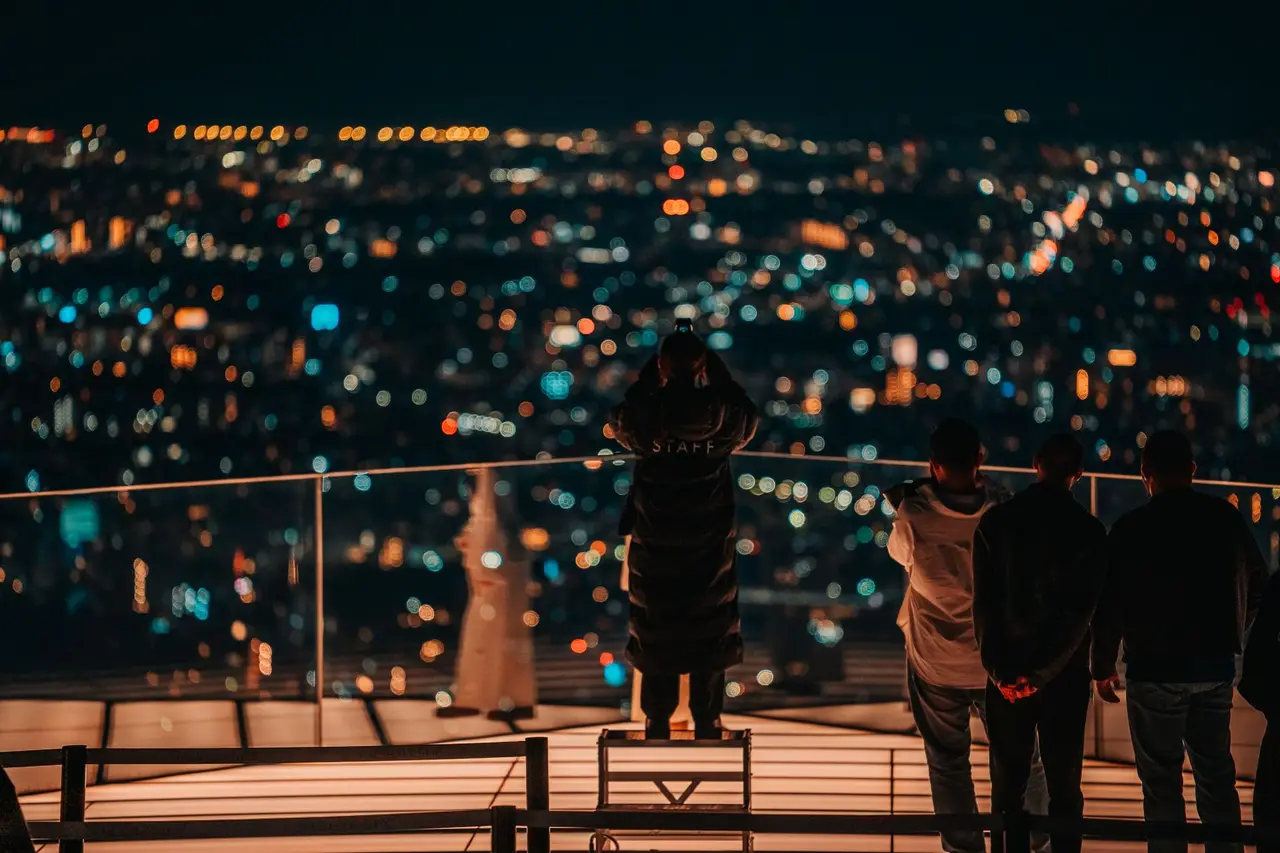
The trigger was simple: I showed up at Shibuya Crossing around 11:30 a.m. on a weekday and stayed longer than I should have. Then I wandered into Shinjuku Station trying to change lines without a clean plan. The crossing itself was fine for about 90 seconds. After that, it was just people, stoplights, and me trying to get a usable photo while crossing with everyone else.
The consequence was about 2 wasted hours and a day that felt chopped into tiny pieces. I also spent ¥1,480 on two coffees and a snack I bought because I got annoyed and needed to sit down. I missed the quieter part of my afternoon plan entirely, which was a small neighborhood walk I’d actually been excited about. That one mattered more than the crossing did.
I’d do this differently now: go early, before 9 a.m., or go late at night if you only want the visual. If I wanted a cleaner version, I’d pick one area and add a single nearby stop instead of trying to “do” both Shibuya and Shinjuku in the same stretch. Worth it: a quick look. Skip it: if you’re treating it like a destination instead of a street corner.
Using Taxis for Short Hops That the Train Handles Better
I thought I was being efficient. Tokyo looked big on the map, I had a bag with me, and I didn’t want to waste energy figuring out one more transfer. So I took a taxi for a short cross-town ride after dinner one night, telling myself it was a smart trade for comfort.
The trigger was the moment I got in the cab instead of taking the train from the area near Ueno back toward my base. The ride itself wasn’t dramatic. It was just expensive in a way that made me wince when I saw the meter. The train would’ve cost me around ¥210 to ¥320 depending on the route. The taxi came out to ¥2,940 before I tipped my own patience over the edge.
The consequence was money, not disaster. I paid roughly ¥2,600 more than necessary for maybe 18 minutes of convenience. That wouldn’t ruin a trip, but it adds up fast if you do it twice a day. I also learned that Tokyo trains are not the enemy. They’re the reason the city works.
My hindsight is pretty plain: I’d only take a taxi in Tokyo if I’m arriving late with luggage, the weather’s nasty, or I’m splitting the fare with someone. Otherwise, I’d use the train and accept the transfer. Best for: late-night arrivals and heavy bags. Skip if: you’re trying to protect a daily budget.
Buying “Authentic” Food in the Most Obvious Tourist Zones
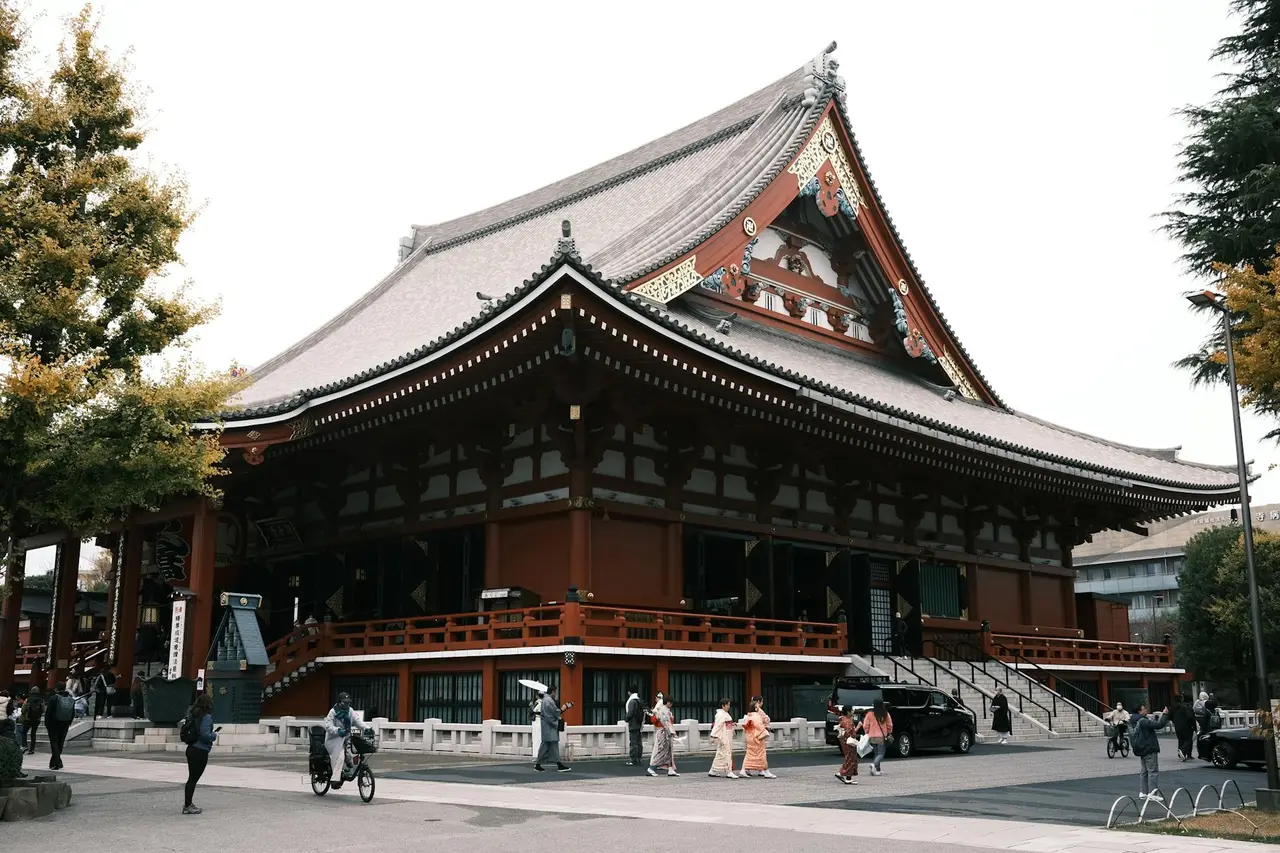
This one got me because I wanted the easy version. I was hungry near Asakusa after walking around Senso-ji, and I figured a place with English menus and lots of foot traffic would be safe. It sounded logical. I didn’t want a bad lunch. I just wanted lunch.
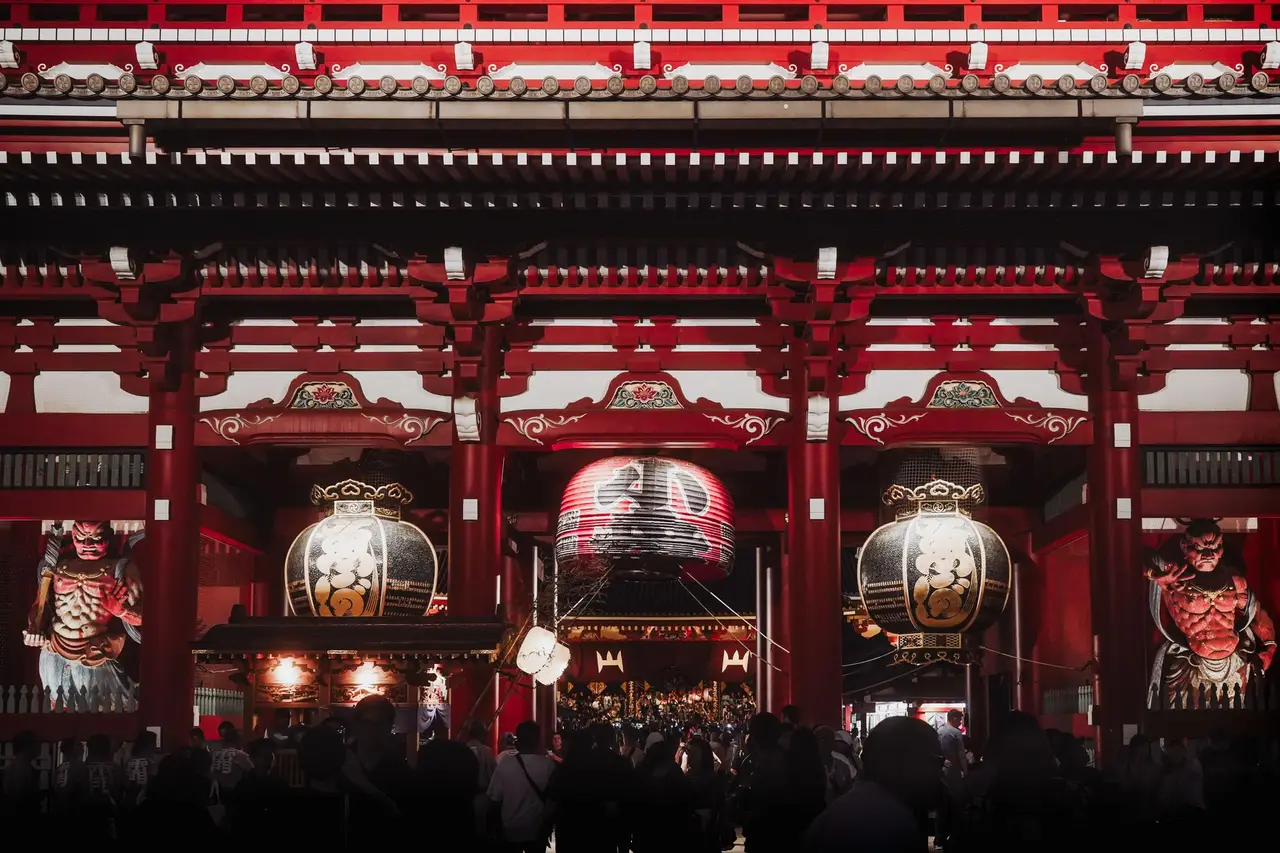
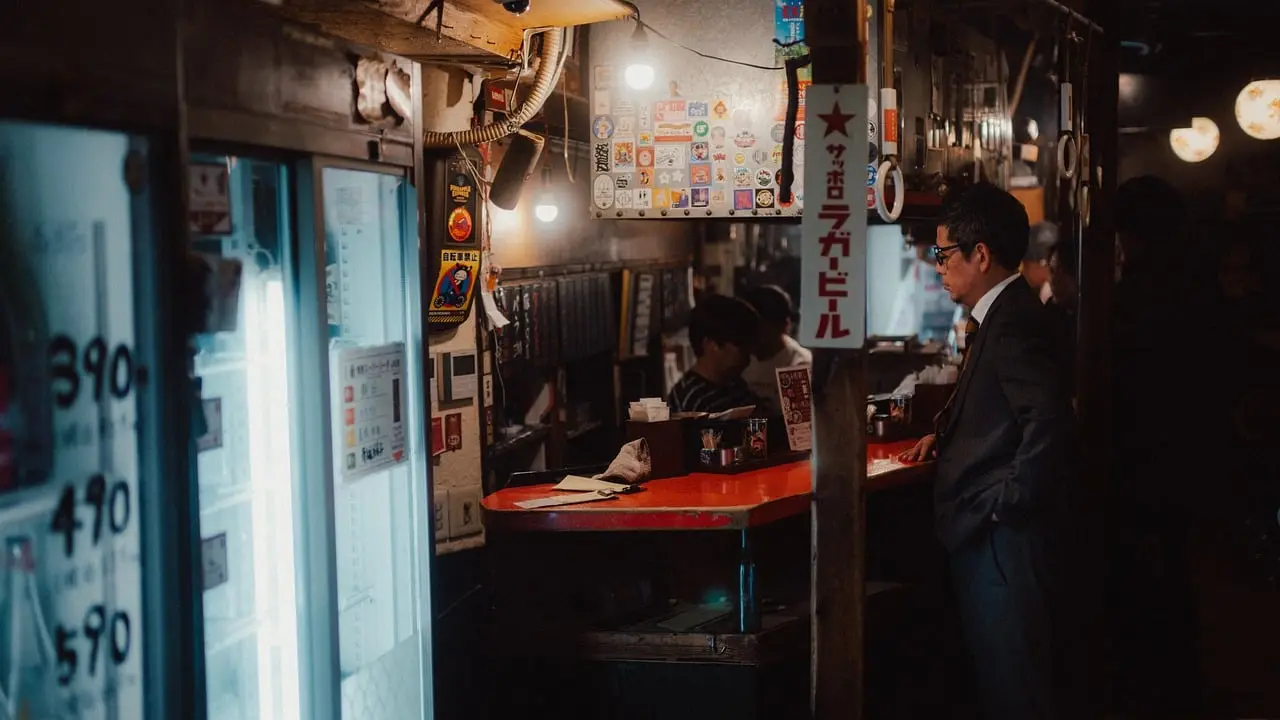
The trigger was walking into a place near the main tourist drag and ordering a set meal that looked decent enough on the menu board. The food wasn’t terrible. It was just overpriced and forgettable. I paid ¥1,850 for something I would’ve happily skipped if I’d seen the same plate somewhere less obvious. Ten minutes later, I passed a tiny standing noodle shop with a line of locals moving fast, and I knew exactly what I’d done.
The consequence was not just the ¥1,850. It was the feeling that I’d spent a meal slot on a place built for people who don’t know the area. I also waited 20 minutes for a table when I could’ve eaten better food in half the time. That’s the part that annoys me. The meal itself was fine. The value was bad.
Now I’d walk one or two blocks away from the main shrine or shopping strip and look for places with quick turnover, handwritten specials, or a lunch set under ¥1,200Worth it: wandering off the main drag for lunch. Skip it: the menu with six languages and a hostess waving you in.
Paying for “Local” Experiences That Felt Packaged
I fell for this harder than I expected. I saw a few experiences marketed as local, intimate, and small-group, and I thought that would be the clean way to do Tokyo without overplanning every hour. I wasn’t looking for a bus tour. I just wanted something simple and guided so I could relax.
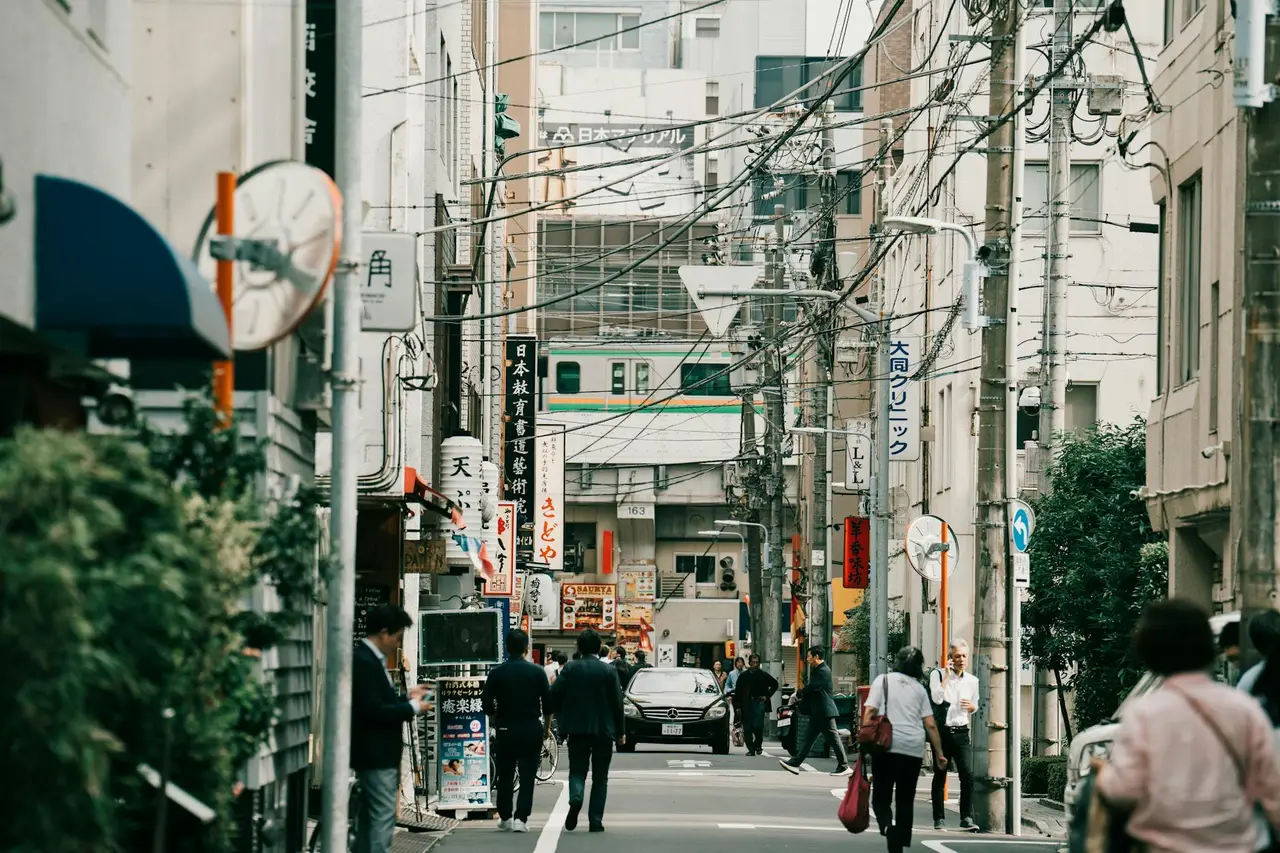
The trigger was booking a short activity that looked very authentic online but turned out to be mostly a polished sales pitch with a nice backdrop. I paid ¥4,200 for a tea-and-snack session that spent more time on the scripted explanation than on the actual tea. It wasn’t a scam. It was just too packaged for the price. I could’ve had a better, calmer afternoon buying tea on my own and sitting somewhere quieter.
The consequence was about 90 minutes and a bad taste in my mouth, which is a little dramatic but still true. The thing I wanted most was the feeling of being in the city rather than being sold a version of it. Instead, I got a performance. That’s not the same thing.
I’d choose self-directed food stops and simple neighborhood wandering over anything that sounds “curated” unless I’ve read real reviews from people who aren’t being sponsored. If I do want to book something in advance, I’d keep it to a slot that actually fills up, like a timed entry or a specific activity that saves queue time. I book those through Klook when the timing matters, because popular slots do disappear faster than I expect. Best for: real ticketed activities with limited entry. Skip if: it’s just a generic “local experience” with a pretty description.
Assuming My JR Plan Would Cover Everything
This was one of those mistakes where my logic was sound, but the outcome still annoyed me. I figured a rail pass would save money because I was moving around a lot. That part of the reasoning made sense. Tokyo is a train city, and I was planning several rail days.
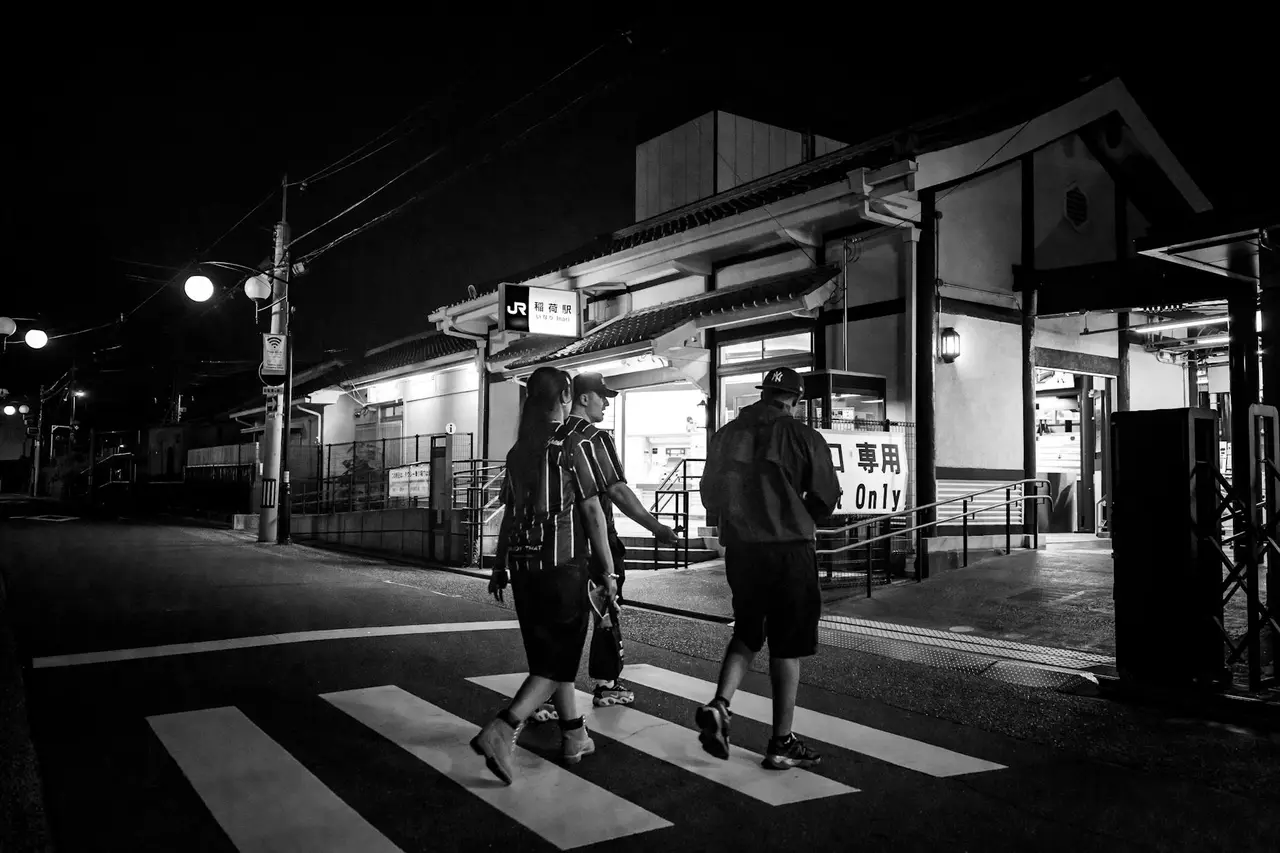
The trigger was not checking the exact routes before I left the station. I used my pass for some lines and then hit a section that wasn’t included the way I assumed it would be. That’s where the problem showed up. I ended up paying a ¥870 surcharge at the gate one day and another ¥320 on a separate segment I hadn’t budgeted for. None of it was ruinous. But it was enough to prove that broad assumptions about rail coverage are lazy in Tokyo.
The consequence was small in money, bigger in friction. I lost maybe 25 minutes standing there while I checked routes, rechecked routes, and then paid the extra fare anyway. I also missed the first 15 minutes of a dinner reservation because I was annoyed and moving slowly. The pass still saved money overall, but not as much as I thought it would.
My hindsight is to map the exact lines before counting on any pass or ticket. I’d compare the route in the app, not in my head, and I’d leave a little buffer for stations that are huge and slightly chaotic. Worth it: if you’re doing multiple long rail hops in one day. Only if: you’ve checked the exact line coverage first.
I pre-booked on Klook for one timed entry because the line was already ugly by mid-morning, and I didn’t want to gamble with a sold-out slot. That saved me the kind of dead time I hate most: standing around while other people decide what to do with their day.
Choosing a Neighborhood Without Checking the Train Math
I’ve made this mistake in plenty of cities, and Tokyo punished it less than some places but still enough to matter. I picked one area because it sounded lively and another because it looked cute on a map. I didn’t pay enough attention to how long it would actually take to get between them once I was tired.
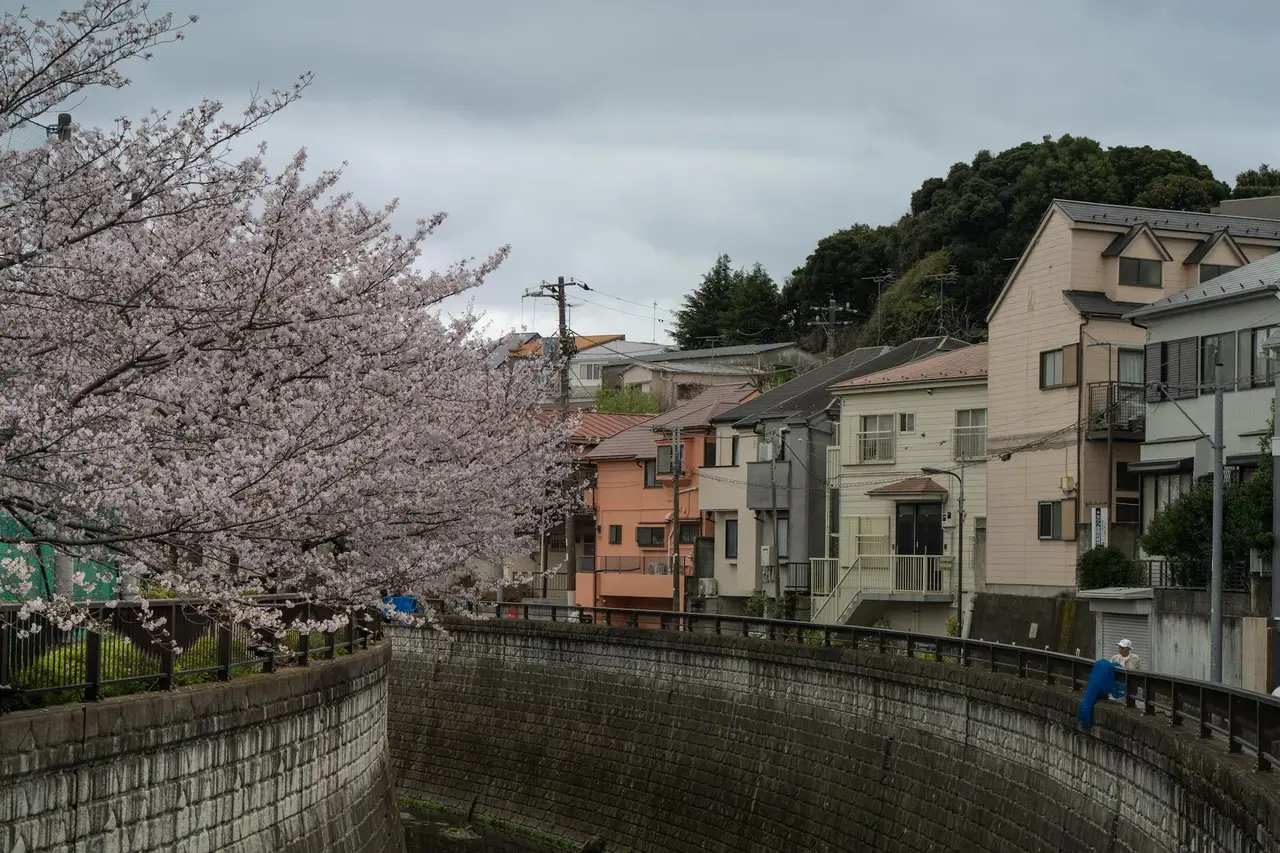
The trigger was staying a little too far from the parts of Tokyo I kept returning to. One evening I thought, “It’s only a few stops.” That’s the exact lie. It was a few stops, plus a transfer, plus a walk, plus the moment where I wanted to drop my bag and stop thinking. After a full day, those layers matter more than they do at noon.
The consequence was about 35 extra minutes each time I returned home, and that’s before I count the mental drag. Over three days, that turned into nearly 2 hours I could’ve spent eating, walking, or doing nothing. I’m not saying the neighborhood was bad. It just wasn’t efficient for the version of Tokyo I wanted to have.
If I were choosing again, I’d pick a base that makes one or two of my actual plans easy, not one that sounds cool in a listing. That’s the whole game here.
Best for: travelers who value easy train access over atmosphere.
Skip if: you’re okay with 30 to 40 extra minutes every night.
The Rainy Morning I Should Have Used Better
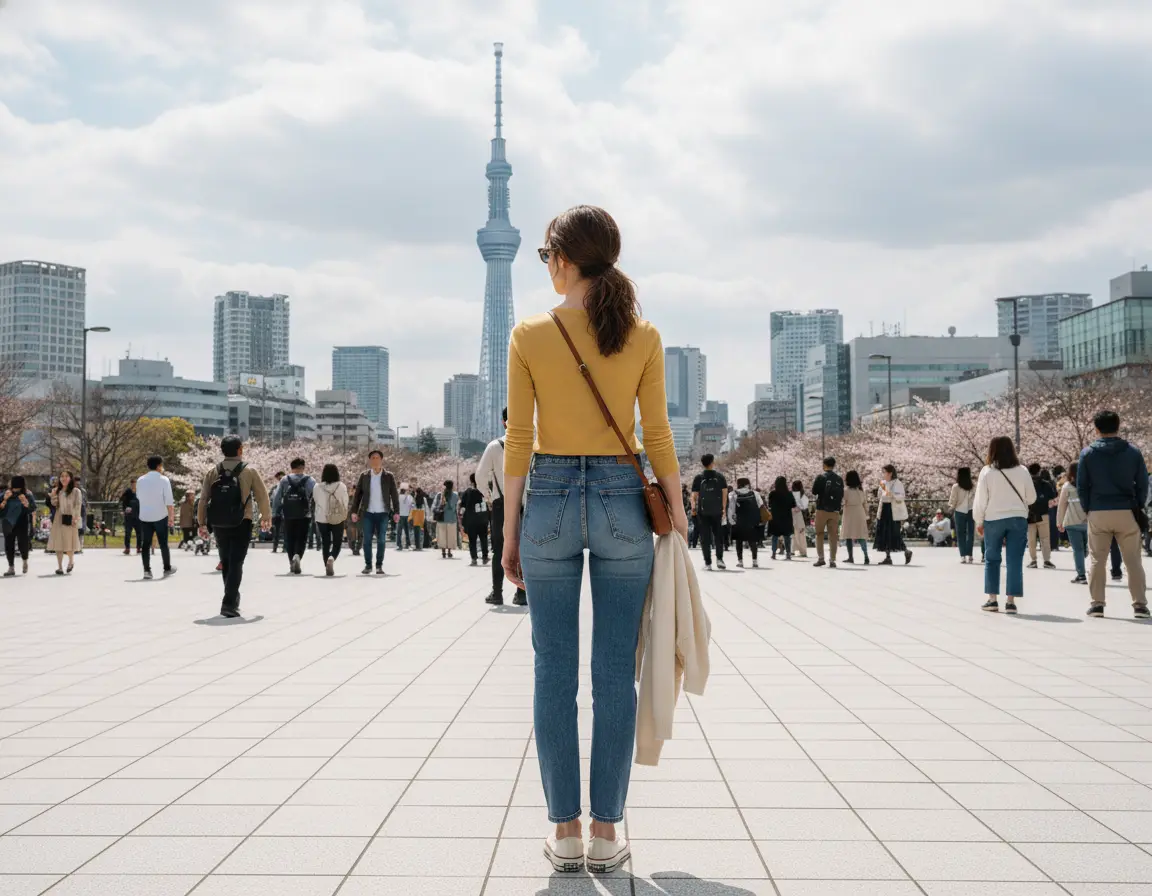
This one sounds minor, but it changed the day. Tokyo was mild, around 15 to 24°C while I was there, partly cloudy, and I had my cardigan in hand most of the time. I thought that meant I could keep the day loose and just bounce around outside. I was wrong in the boring way that still costs you time.
The trigger was staying outside too long after a damp-looking morning near a temple area and not ducking into a proper café soon enough. I kept walking because the weather wasn’t bad enough to stop me, and I didn’t want to “waste” the morning inside. Then I ended up tired, a little cold, and cranky for the next two hours. I bought a ¥620 coffee I didn’t really want just to reset myself.
The consequence was subtle but real: I lost the better part of the morning wandering without a plan, and I didn’t enjoy the rest of the day as much because I’d already burned my energy. That’s the thing about Tokyo. If you’re not deliberate, the city will happily eat your time in small pieces. No drama. Just friction.
Now I’d treat weather as a reason to slow down, not as a challenge to beat. I’d build in one indoor stop early, especially if I already know I’m walking a lot. Worth it: using cafés and department store food floors as breaks. Skip it: trying to power through a gray morning just because the rain isn’t heavy.
I compared the options in Best Day Trips From Tokyo On A Budget 2026 — useful if you haven’t booked yet.
For a deeper look at free things to do in tokyo 2026, I covered this in my Best Free Things To Do In Tokyo 2026.
I usually book Tokyo tours on Klook — the best time slots go fast, especially in peak season.
FAQ
Is Tokyo still worth it if I only have a few days?
Yes, Tokyo is worth it for a short trip, but only if you stop trying to see everything. I’d focus on two neighborhoods a day and keep one meal flexible so you’re not spending the whole trip in transit. The city is better at depth than speed.
Do I really need to book things in advance?
No, not for everything. I’d only book the few things with limited slots or obvious line risk, because most of Tokyo is easy to do on the fly. If you’re choosing between a timed entry and standing around for 40 minutes, the booking wins.
Is it a mistake to stay outside the main areas to save money?
Yes, sometimes it is. I saved money on one stay and paid for it with extra train time every night, which added up to nearly 2 hours over a few days. If your schedule is packed, paying a little more for better access usually makes more sense.
Can I get around Tokyo without speaking Japanese?
Yes, I got around fine with maps, station signs, and a little patience. The part that trips people up isn’t language as much as station size and transfer confusion. I’d still keep offline maps and leave a 10-minute cushion for bigger stations.
What’s the one mistake you’d fix first on another Tokyo trip?
I’d stop paying for mediocre convenience. My biggest regrets were the overpriced lunch, the packaged “local” activity, and the taxi I didn’t need. Those weren’t huge disasters, but they were the easiest money to save without making the trip worse.
 Emma Hayes