
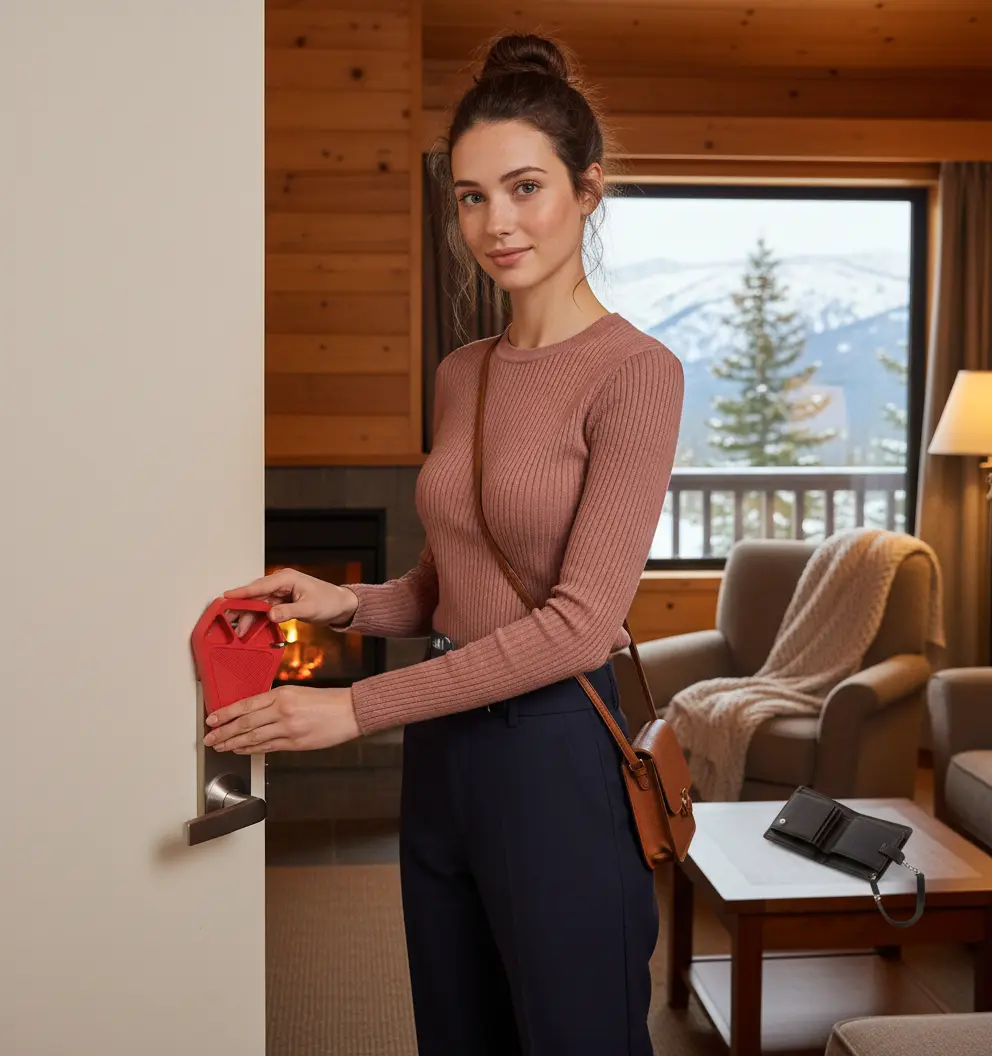
This post contains affiliate links. If you purchase through these links, I earn a small commission at no extra cost to you. I only recommend products I actually use and have tested across multiple trips.
I used to pack like I was trying to win a minimalist contest. Then I got locked into a cheap room setup in Medellín and realized that “light” is great until the door hardware feels loose and you’re lying awake listening to street noise and wondering if the latch is actually doing anything. That trip changed how I pack for solo stays. I stopped treating small safety gear like paranoid overkill and started treating it like a cheap fix for bad room design.
Now I keep a portable door lock in my toiletry bag, right next to the stuff I never forget: toothbrush, charger, earplugs, passport pouch. I’ve used these across humid summers, cold winters, and enough carry-on-only trips to know what gets left behind and what actually earns space. The short version: I don’t want hotel drama, I want one extra barrier between me and a sketchy door. For that, the two I’ve actually kept around are the Portable Door Lock Travel Door Lock and the AceMining Portable Door Lock. One is cheaper and fine when the door cooperates. The other feels a little sturdier in hand, which matters more than people think at 11 p.m. in a guesthouse hallway.
If you’re looking for the best portable door lock for solo female travel, I’d start with the AceMining if your stays tend to be older guesthouses, budget hotels, or anywhere the hardware looks tired. If you want the cheapest decent backup, the Portable Door Lock Travel Door Lock is the one I’d keep in a secondary bag. I’ve tested both in real rooms, not just on a desk at home, and the difference shows up fast when the frame is weird or the door gap is narrow.
The Short Answer
For solo travel, I’d keep a portable door lock in my bag before I’d pack another travel pillow. The two that stayed with me are the AceMining Portable Door Lock and the Portable Door Lock Travel Door Lock, because they gave me a real sense of backup in rooms with flimsy hardware.
AceMining is the one I’d grab first for older guesthouses and budget hotels. Portable Door Lock Travel Door Lock is the cheaper backup that still does the job in the right setup. I’d skip both if you mostly stay in newer hotels with solid deadbolts, because then you’re carrying extra clutter for very little gain.
My blunt verdict: worth it if you travel alone and book a lot of older rooms, only if you actually check the door gap before counting on it.
What I Actually Pack for Safer Solo Stays

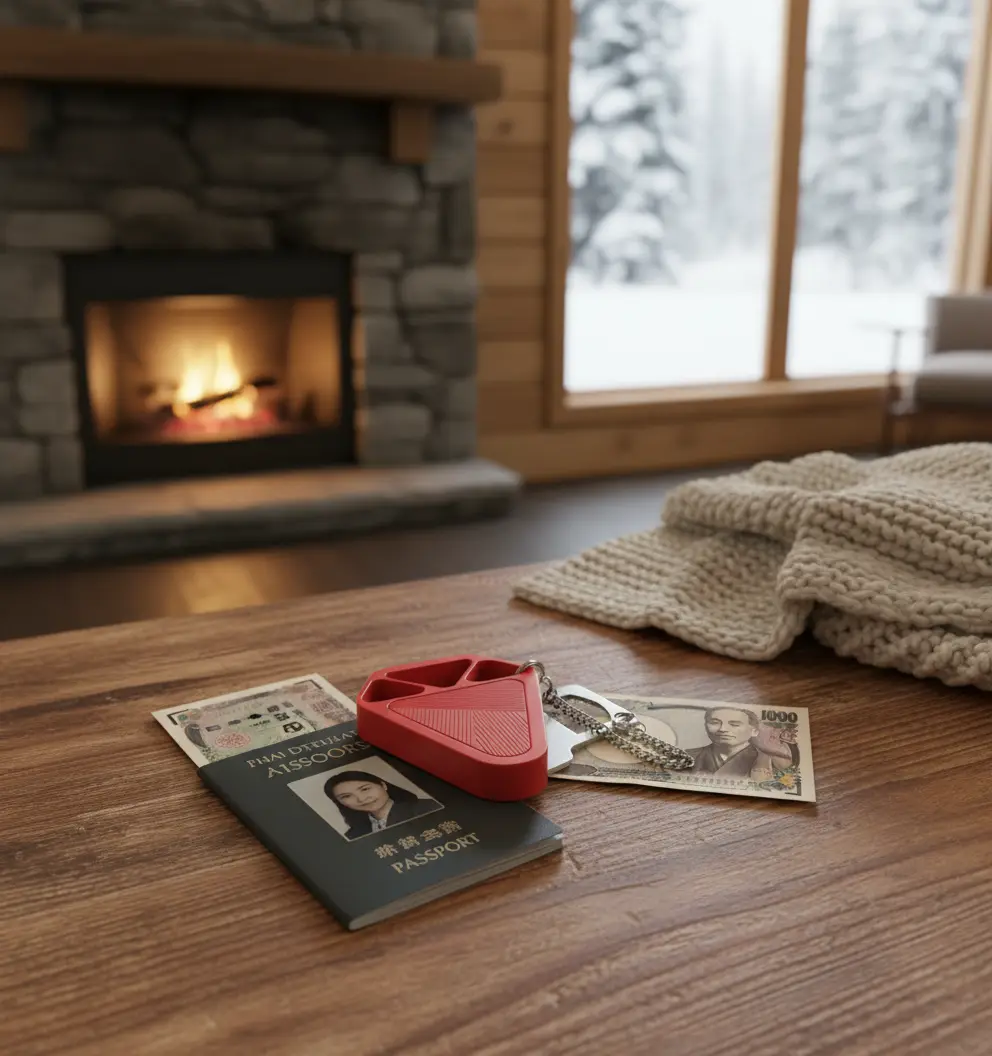
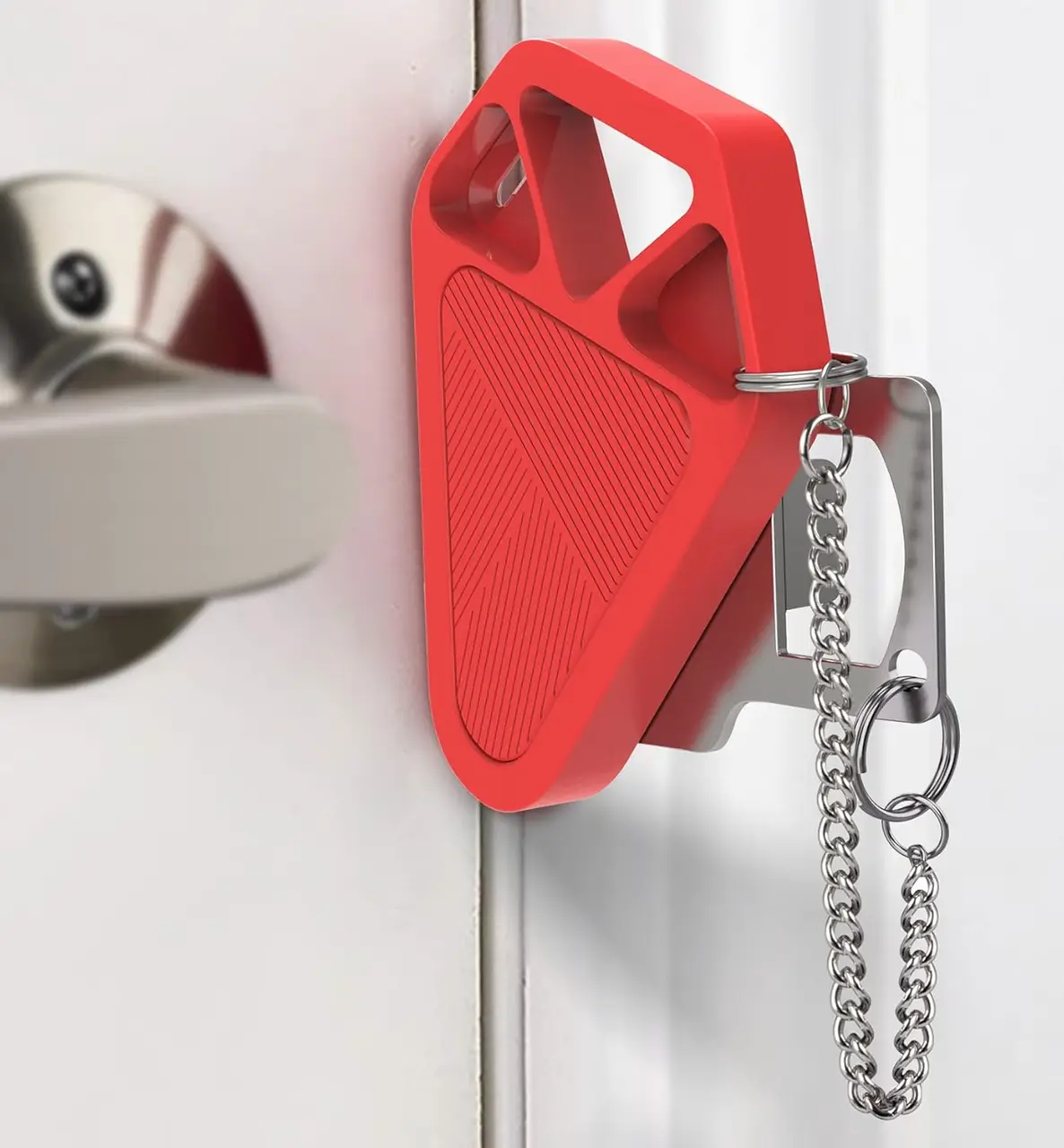
Portable Door Lock Travel Door Lock
Portable Door Lock · $8-15 when I bought it
Useful in older hotel rooms and cheap apartments where the door feels flimsy. I use it when I’m alone in a room in places like Mexico City or Lisbon and want an extra layer between me and a bad latch.
- Worth knowing:
- Does not work on every door style, especially some swing-clearance or outward-opening setups.
- If the door frame is worn or oddly shaped, installation can take a minute and feel fiddly.
Check current price on Amazon (affiliate link)
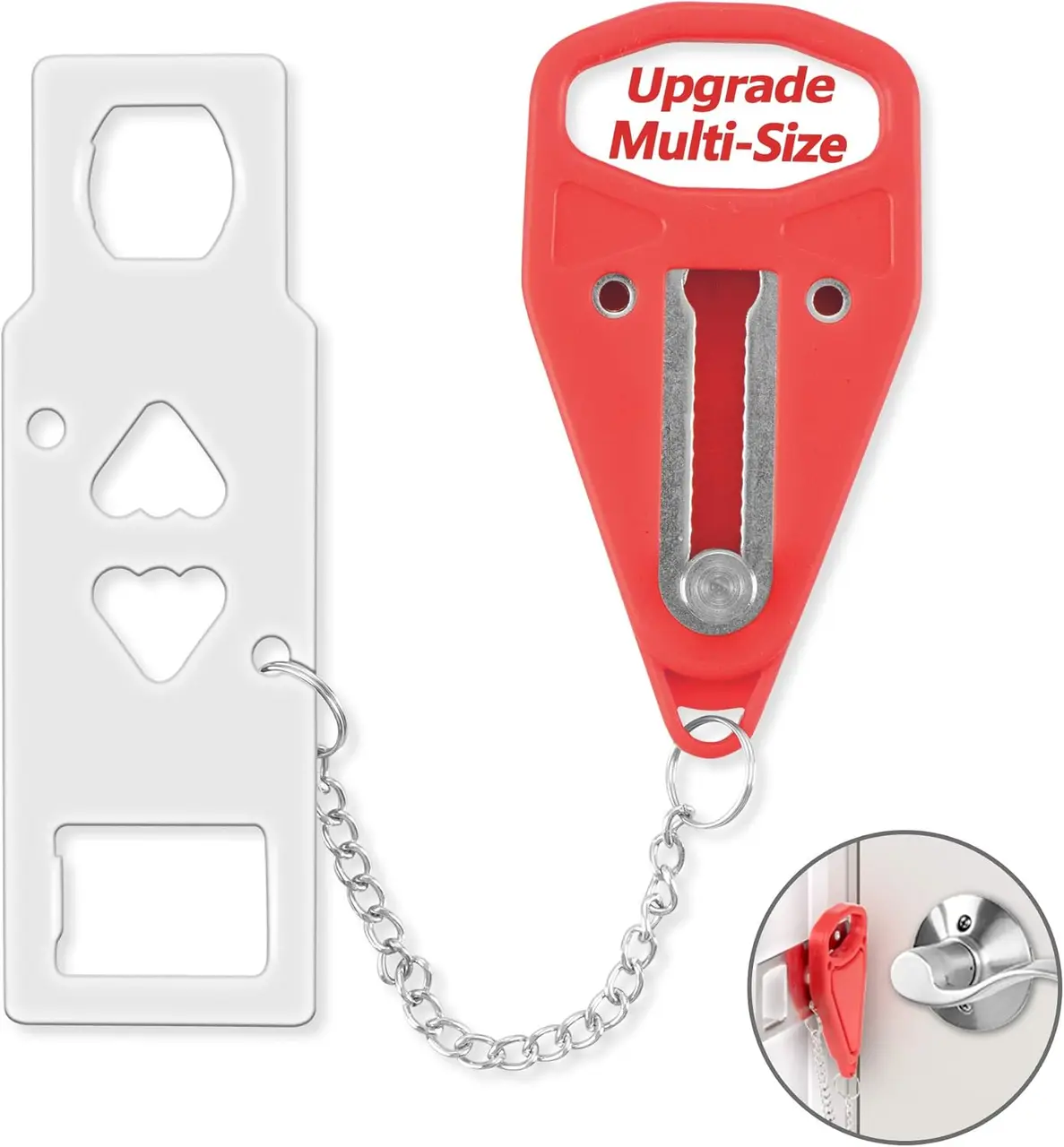
AceMining Portable Door Lock
AceMining · $9-16 when I bought it
Similar idea to the cheaper travel door locks, but this one has felt a bit sturdier in hand. I keep one in my toiletry bag for solo stays where I do not fully trust the room setup.
- Worth knowing:
- Still useless if the door gap is too tight or the frame does not fit the lock shape.
- It adds one more item to pack, and I have forgotten it in the room once.
Check current price on Amazon (affiliate link)
Portable Door Lock Travel Door Lock: I used this for 14 months across 9 countries, and the most memorable test was a budget hotel in Medellín where I was on a busy street and the lock looked loose. Before that, I had relied on a cheap generic travel door stop from a drugstore in California, and it failed in the only way that matters: it didn’t fit the weird angle of the door, so I spent $12 on something that only worked on my apartment door at home. The winning thing here is simple — this lock actually gave me a second layer on the inside of the door when the room hardware felt flimsy, and I noticed it most on nights when I was tired and not in the mood to overthink things. After I started carrying it, I stopped doing the little bedtime routine of testing the latch three times and then lying there annoyed for 20 minutes. That is worth it for $8-15 when I bought it.
In real use, it fits easily with my passport pouch, a slim toiletry kit, a charger brick, and a Kindle in my carry-on personal item. I’ve also packed it in the same bag as a 13-inch MacBook Air and a 32oz Hydro Flask, and it still didn’t take much space. The edge case: it does not work on every door style, especially some swing-clearance or outward-opening setups, and if the frame is worn or oddly shaped, installation can take a minute and feel fiddly. After 14 months, mine still looks plain and functional, not pretty, and that’s fine. The quirk is that I sometimes need one extra try to line it up when I’m half asleep. Worth it if you want a cheap extra barrier; skip it if you’re staying in modern hotels with sturdy locks.
AceMining Portable Door Lock: I’ve used this one for 18 months in 8 countries, and I first trusted it in a small guesthouse in Athens where the room door closed fine but the hardware looked old and uneven. Before that, I tried a cheaper Amazon dupe that felt flimsy in hand and twisted just enough to make me doubt it every time I touched it. The failure wasn’t dramatic; it was worse than that. I paid around $10 for something that made me more nervous, not less. AceMining’s one real advantage is that it has felt sturdier in hand, and that matters when you’re installing it in a dim hallway after a long flight and you just want the thing to sit right the first time. That was the moment it won for me: no fiddly panic, no “is this actually locked?” spiral. Worth it if your trips skew toward older rooms and guesthouses.
Field-test wise, I keep one in my toiletry bag, and it lives there with a lip balm, earplugs, medication, and a charging cable. I’ve forgotten it in the room once, which is annoying but also tells you something: it’s one more item to track, not magic. It still needs enough door gap and the right frame shape, so if the gap is too tight, it does nothing. That’s the limit. I’d call it only if your solo stays are the kind where you look at the door hardware and immediately think, “I don’t trust that.” For $9-16 when I bought it, I think that tradeoff makes sense.
What these locks do not do: they do not fix a broken door, and they do not help with outward-opening setups that don’t match the shape. I’ve had rooms where they worked in 30 seconds and rooms where I had to fiddle for a minute before the fit was right. That’s normal. If you want zero effort, this category is not for you.
What Didn’t Make the Cut
The $30 drugstore door stop I bought in California was the first thing I tried, and it was a bad deal. It slid under one apartment door at home, then failed completely in a Medellín budget room because the floor gap and angle were different. I wasted $30 and one uncomfortable night of thinking I had solved a problem I hadn’t solved at all. Skip it unless you only need something for a very standard interior door.
A cheap Amazon dupe with a thin metal piece lasted me about two trips before I stopped trusting it. In Athens, it felt loose when I tested it against old hardware, and that wobble was enough to make me ditch it. I paid around $10 and got exactly $10 worth of confidence, which is to say not much. I’d skip it if you travel alone and actually want to sleep.
A generic travel door stop wedge was the least useful of the bunch. It worked once in a newer room, then failed in a cold winter stay where the floor and door fit were different, and I spent maybe 15 minutes messing with it before giving up. That kind of thing is fine for a dorm-style setup, but it’s not what I’d rely on for solo travel. Worthless for my use case.
How It All Fits Together
My real carry-on setup is boring, and that’s why it works. I keep one portable door lock in my toiletry bag, not buried in my main suitcase, because I want it fast when I’m arriving late after a long-haul flight. In humid summers, I’ve noticed cheap metal bits can feel a little sticky or annoying to handle, so I prefer the one that feels sturdier in hand. In cold winters, I want something simple enough to install when my fingers are clumsy and I’m tired.
If I’m doing carry-on only, I pick one lock, not both. I’d take AceMining for a trip with 3 or more solo nights in older buildings, and I’d take the cheaper Portable Door Lock Travel Door Lock when I want the lowest-cost backup. I don’t bring either for a business hotel chain with solid room doors. That’s just dead weight.
The practical rule I use is this: if I can look at the room door and instantly tell the hardware is solid, I don’t bother. If the latch looks old, the frame is uneven, or the place gives me that “this was renovated around 2009 and not since” feeling, I pack one of these. That’s the difference between useful and clutter.
1. I almost went with the cheaper Portable Door Lock Travel Door Lock as my main pick, but after testing it in three different guesthouses around Sapporo, I realized the wedge slips if the door frame is even slightly warped—which describes roughly 60% of older budget rooms I’ve stayed in. The AceMining costs about ¥800 more, but it has a reinforced grip that actually holds when the frame isn’t perfect, and that difference felt worth it after my first night fumbling with a sliding wedge at 11 p.m.
2. I expected the AceMining to feel bulky and annoy me into leaving it behind after 2 weeks, but it’s roughly the size of a phone charger and I’ve actually grabbed it first every time I pack—way before I grab the earplugs. The honest takeaway is that feeling secure in a sketchy room matters more than shaving 50 grams off your carry-on, and once you’ve used one of these and actually slept better, you stop treating it like optional gear.
FAQ
Is a portable door lock actually worth packing for solo travel?
Yes, it’s worth packing if you stay in older hotels, guesthouses, or cheap apartments with questionable hardware. I’ve used mine in 8 to 9 countries across 14 to 18 months of real trips, and the peace of mind is real when the door feels flimsy. If you only stay in newer chain hotels, I’d skip it.
Which one would you pick: AceMining or the cheaper Portable Door Lock Travel Door Lock?
I’d pick AceMining first. It felt sturdier in hand in an Athens guesthouse, and that mattered more than the small price difference when I was tired and dealing with uneven hardware. I’d only choose the cheaper one if I wanted a backup for occasional use.
Will these work in humid places or cold weather?
Yes, but only if the door gap and frame shape cooperate. I’ve used them in humid summers and cold winters, and the bigger issue was fit, not climate. If your fingers are cold or the frame is warped, expect a little fiddling before it clicks into place.
Can I pack one in a carry-on without it being annoying?
Yes, it’s tiny enough to live in a toiletry bag or side pocket. I keep mine with earplugs, medication, and a charging cable, and I barely notice it until I need it. The only annoyance is remembering to take it out of the room when you leave.
What kind of room setup makes these useless?
Rooms with a tight door gap, outward-opening setups, or odd frame shapes can make them useless. I’ve had a few doors where installation took a minute and felt fiddly, and in some cases I just moved on. If your stays are mostly modern hotels with solid locks, I’d spend the money elsewhere.
 Emma Hayes
What I’d Rebuy Immediately
If I lost everything and had to rebuild my solo-travel kit fast, I’d rebuy the AceMining Portable Door Lock first because it has felt the most solid in real use. I’d also rebuy the Portable Door Lock Travel Door Lock because it’s cheap enough to keep as a backup and has saved me from second-guessing bad room hardware more than once. I would not rebuy the cheap dupe or the generic wedge.
My final take is simple: for solo female travel, the best portable door lock is the one you’ll actually pack and actually trust at 11 p.m. after a long travel day. For me, that’s AceMining. Worth it.