
I almost spent half my first Tokyo day standing in the wrong line for a famous bowl of ramen, then I paid ¥1,800 for a “local” dessert that felt engineered for photos instead of taste. By the time I got back to my hostel, I’d wasted money, time, and a fair bit of patience. Tokyo is still worth it, but my answer is simple: I’d avoid the obvious tourist traps and build the trip around neighborhoods, transit, and places that don’t charge extra for hype. Avoiding tourist traps Tokyo 2026 is mostly about timing and saying no to the line.
This is for travelers who care about value, not bragging rights. It’s not for people who want to tick off every viral spot no matter the wait. In Tokyo, the real decision isn’t “what’s famous?” It’s “what’s worth the line, the surcharge, and the detour?”
Quick Answer: I’d skip most overhyped stops if your time is under five days, keep Shibuya Crossing to a 10-minute stop, go to Senso-ji by 8:30 a.m., and book timed entries on Klook when the line is the whole problem.
Main Tips
- I’d skip most overhyped stops if your time is under five days.
- I’d still pay for one or two booked experiences if they save a brutal queue.
- The biggest trap in Tokyo is not bad food. It’s paying more to get less.
- My rule is simple: if the line is longer than 30 minutes, I usually walk away.
I Learned Fast That “Famous” Usually Means Expensive and Slow

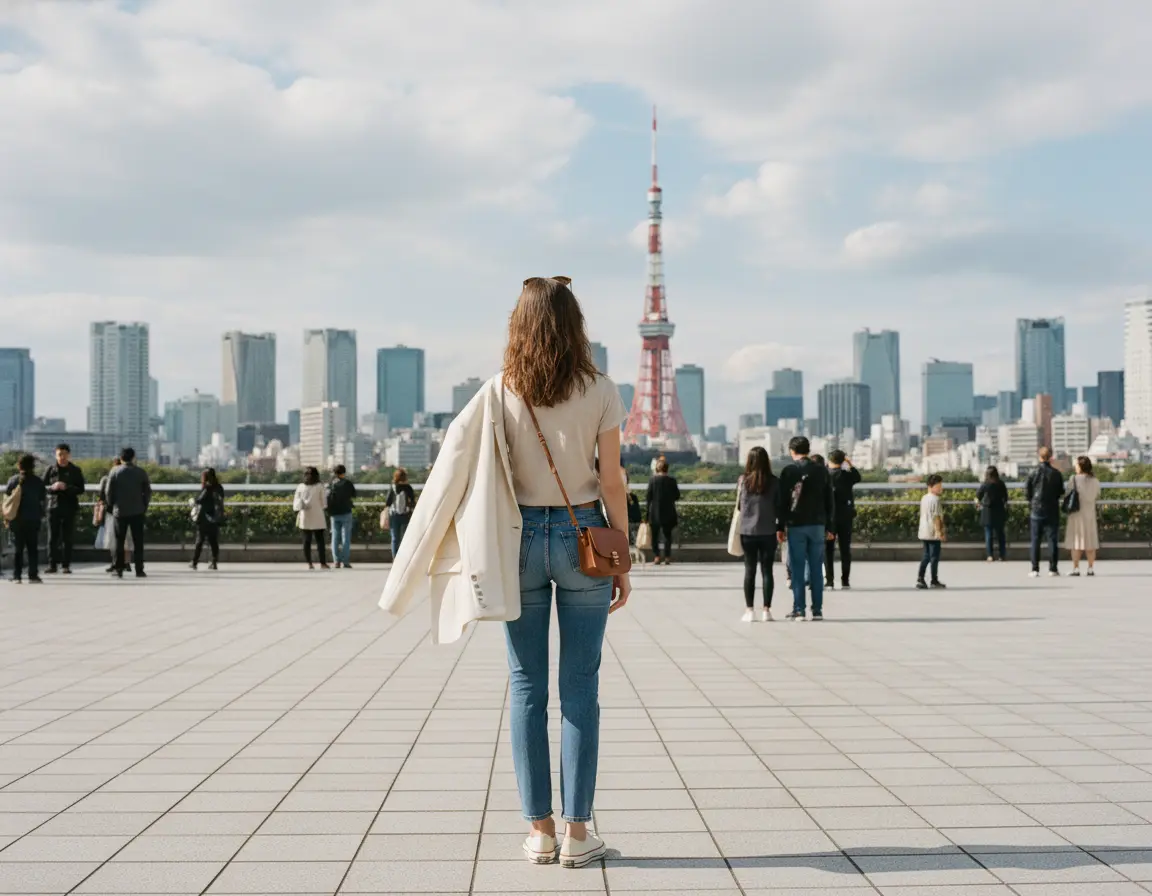
I thought a few iconic Tokyo food stops would be worth it because everyone online made them sound like part of the city’s identity. That logic wasn’t stupid. It just broke down the second I saw how much of the experience was built around crowd control and branding. I showed up near Tsukiji Outer Market around 10:30 a.m. and immediately understood the game. The stalls that looked the most authentic had the longest queues, and the cheapest-looking bowls were already getting pushed into the “tourist special” price range.
The trigger was simple: I joined a line that looked manageable because it was only about 12 people deep. It still took 35 minutes. By the time I sat down, I’d already spent enough time waiting to have walked to another neighborhood and eaten something better for less. I paid ¥1,600 for a bowl that was fine, not memorable, and I missed the first hour I’d planned for walking around Kappabashi instead.
Worth it: only if you’re going early and you already know exactly what you want.
Skip if: you hate queues or you’re trying to keep a loose, low-stress day.
My pick: I’d rather eat in a normal neighborhood place where the menu isn’t staged for tourists.
The hindsight here is pretty clear. I’d now eat breakfast in a regular station-area diner or grab a convenience store onigiri, then save one market stop for a quick look, not a meal mission. That’s the better move if you want Tokyo to feel like a city instead of a theme park with noodles.
I Paid for an Instagram Dessert and Regretted It Before I Finished It
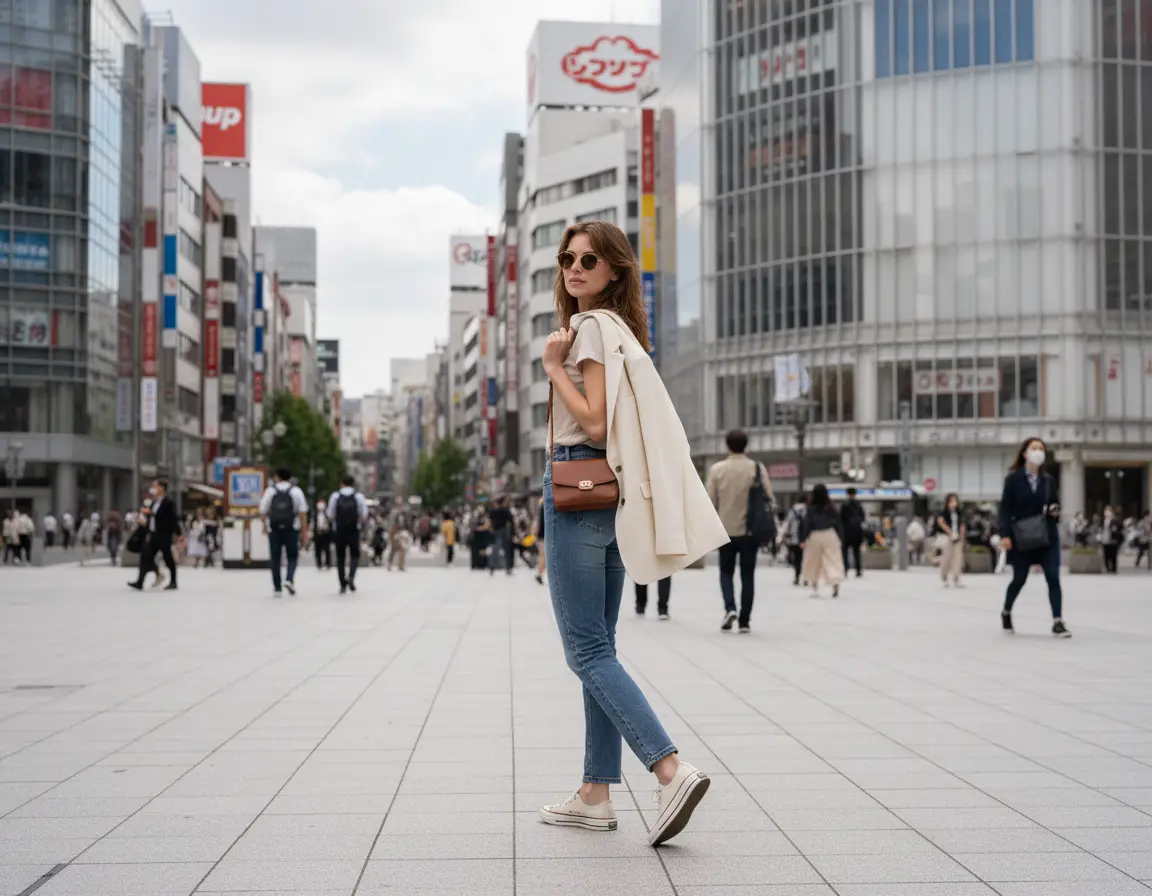
This one was my own vanity tax. I saw a dessert shop in Harajuku that had a line of people photographing the same pastel parfait and figured, okay, maybe this is one of those things that’s actually better than it looks. I was wrong. The setup made sense because the shop was busy, the presentation was neat, and I was already there after walking down Takeshita Street with sunglasses on and my jacket in hand while the afternoon warmed up into the low 20s.
The trigger was ordering the “signature” item instead of just getting coffee and moving on. I paid ¥1,800 for a dessert that looked better from across the counter than it tasted after three bites. The consequence was small but annoying: 20 minutes in line, another 15 minutes waiting for a seat, and a dessert I finished mostly because I’d already paid for it. I also lost the chance to wander into the side streets where the actual shops were quieter and cheaper.
Worth it: only if the dessert itself matters more to you than the photo.
Skip if: you’re hungry and actually want value.
My pick: I’d take a plain coffee and a pastry from a bakery with locals in line instead.
The alternative was obvious in hindsight. I’d rather spend ¥700 on something good and forgettable than ¥1,800 on something designed to be posted. Tokyo has plenty of places where the line is the product. This was one of them.
Shibuya Crossing Was Fine, But I Made It the Center of the Day and That Was the Mistake
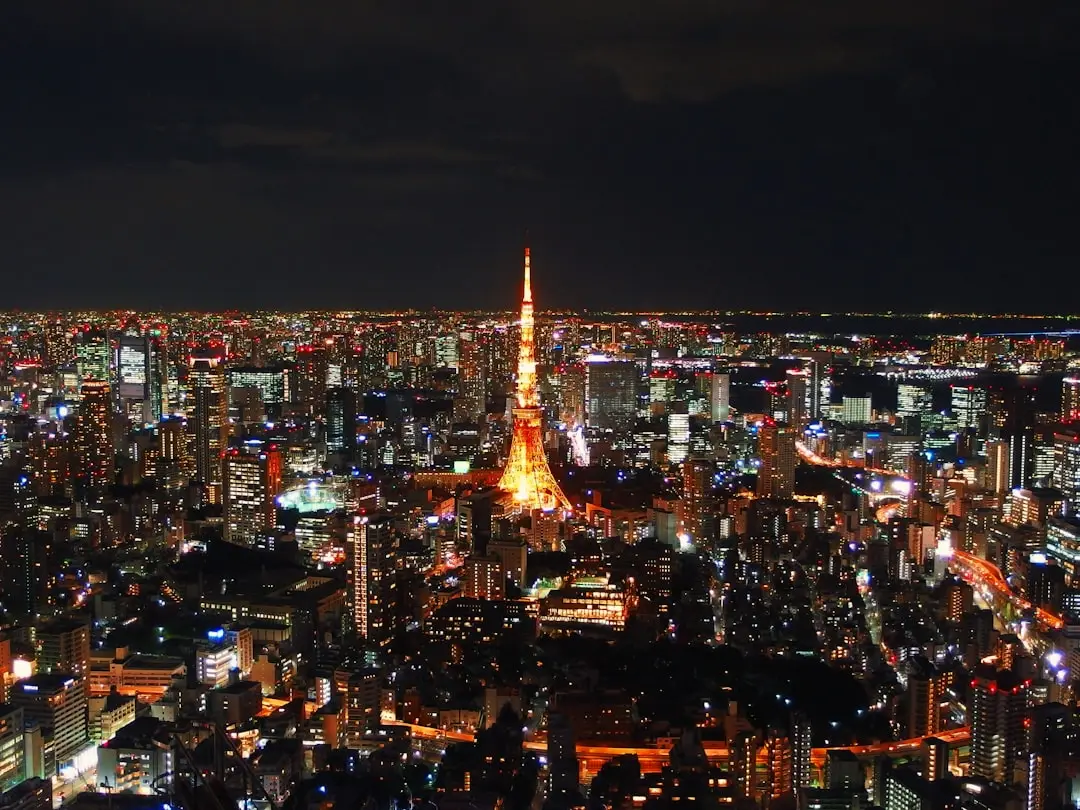
I figured I should see Shibuya Crossing because, yes, it’s Tokyo, and yes, it’s famous for a reason. The expectation was sound. The mistake was treating it like an anchor instead of a 15-minute stop. I arrived after lunch, got caught in the crowd surge, and spent more time positioning myself for a photo than actually enjoying the area. I also made the classic solo traveler error of thinking, “I’m already here, I may as well stay.” That sentence has ruined more days for me than I’d like to admit.
The trigger was trying to build a whole afternoon around the crossing and the surrounding mall area. After about 40 minutes, I’d had enough. I’d walked through the same blocks twice, spent ¥900 on a drink I didn’t need, and realized I was doing the Tokyo version of treadmill sightseeing. The consequence wasn’t dramatic, but it was real: I lost almost 2 hours and ended up with a day that felt busy without actually being interesting.
Worth it: yes, as a quick stop.
Skip if: you’re expecting it to carry an entire afternoon.
My pick: I’d combine it with one specific errand, meal, or bar nearby, then leave.
That’s the part people miss. Shibuya Crossing is a moment, not a plan. I’d go back for 10 minutes and no more. The neighborhood around it is the real draw, and even then, I’d keep moving.
The Senso-ji Detour That Cost Me a Morning
I went to Asakusa thinking I’d do the obvious thing: Senso-ji, a walk, maybe a snack, then move on. The logic seemed fine because the temple is famous, and I wasn’t trying to be contrarian. But I showed up on a weekend around 11 a.m., which was the exact moment every tour group and day-tripper seemed to have the same idea. The approach to the temple was packed shoulder to shoulder, and the souvenir street felt less like a neighborhood and more like a funnel.
I usually book Tokyo tours on Klook — the best time slots go fast, especially in peak season.
The trigger was not leaving earlier. I’d slept in because the weather was mild and partly cloudy, and I assumed I had time. I didn’t. I spent 50 minutes moving through crowds, another 25 minutes waiting for a snack I didn’t even love, and I skipped the quieter back streets I actually wanted to see. I also spent ¥2,200 total on snacks and small purchases that I would never have bought if I hadn’t been swept along by the crowd pressure.
Worth it: early in the morning, before it feels like a procession.
Skip if: you’re going on a weekend after 10:30 a.m. and hate crowds.
My pick: I’d get there by 8:30 a.m., do the temple, then leave before the tourist wave hits.
Here’s the honest part: I expected the atmosphere to save it. It didn’t, not at that hour. The place still has character, but the timing matters more than people admit. Go late and it turns into a crowd-management exercise.
For a deeper look at cheap hotels tokyo solo 2026, I covered this in my Best Cheap Hotels Tokyo Solo 2026.
I compared the options in Tokyo Cheap Eats Guide 2026 — useful if you haven’t booked yet.
I compared the options in Best Day Trips From Tokyo On A Budget 2026 — useful if you haven’t booked yet.
I wrote a more detailed breakdown in Tokyo Capsule Hotel Female Only — worth reading if you’re still deciding.
I compared the options in Best Hostels Tokyo Solo Female 2026 — useful if you haven’t booked yet.
I Tried to “Save Money” by Not Booking a Few Things, and That Backfired
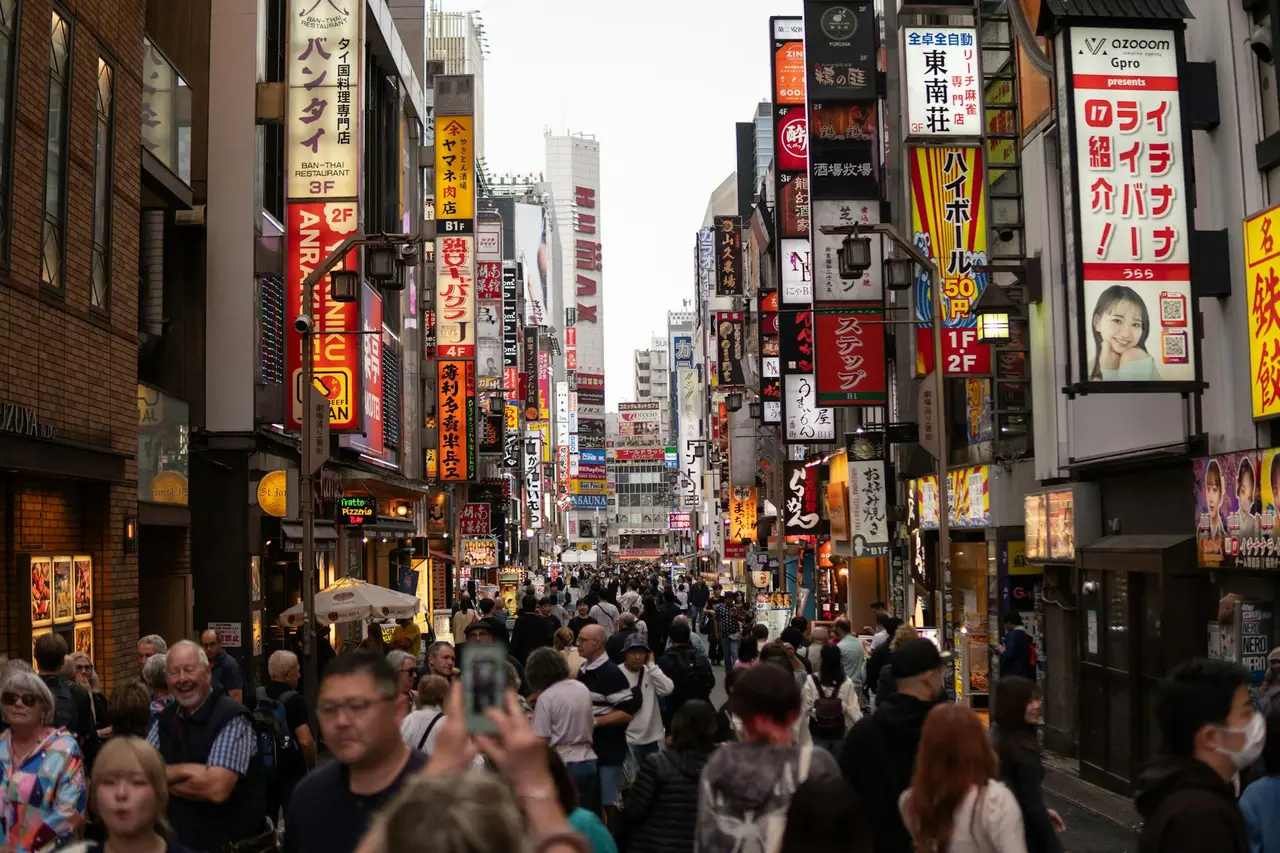
This was the mistake that actually hurt. I usually like to stay flexible, and in a lot of places that’s the smart move. In Tokyo, it only works when the thing you want isn’t tied to a tiny time window. I figured I could skip booking a couple of popular activities and just show up. That seemed reasonable because I wasn’t chasing luxury and I didn’t want to lock my day into a rigid schedule.
The trigger was waiting until I arrived to buy a timed entry for one of the busier experiences I wanted. By then, the better slots were gone. I ended up paying more for a later option and rearranging two other plans around it. The consequence was 90 minutes of useless transit shuffling and about ¥1,200 in extra transport and snack costs because I had to kill time between slots. That’s not catastrophic, but it is exactly the kind of small waste that makes a trip feel messier than it needs to be.
Worth it: booking ahead for anything with a fixed time slot or a known crowd problem.
Skip if: the activity is casual and you don’t care when you go.
My pick: I’d pre-book the one thing I actually care about, then keep the rest of the day open.
I book timed tickets through Klook when the line is the whole problem. If I can see a long queue forming at noon, I’d rather pay for a slot and spend that saved hour eating or walking somewhere better.
The Subway Mistake That Looked Cheap Until It Wasn’t
I used to think transit mistakes were minor. In Tokyo, they add up fast. I made one stupid call after another by choosing the cheapest route instead of the cleanest one. It seemed smart because the fares were small — ¥180 here, ¥230 there — and I was trying to keep the day budget-friendly. The problem was the transfers. A route that saved maybe ¥120 cost me 18 extra minutes and one sweaty staircase with a backpack.
The trigger was choosing a more complicated station change to avoid paying for a slightly faster train. I ended up at the wrong platform once, then had to backtrack through a station that was bigger than some airports I’ve used. The consequence was one missed lunch window and a total of about 45 minutes lost across the day. I also bought a bottle of water I didn’t need because I was annoyed and dehydrated. That was another ¥160 gone for no reason.
Worth it: taking the cheaper route only if the time difference is under 10 minutes.
Skip if: the transfer means stairs, platform changes, and guessing.
My pick: I’d pay a little more for the route that gets me there cleanly and on time.
Tokyo transit is excellent. That’s not the issue. The issue is pretending every small savings is a win. Sometimes the cheap route is just the annoying route dressed up as discipline.
What I’d Do Differently on My Next Tokyo Trip
I’d build fewer days around the famous stuff and more around neighborhoods where I can eat, walk, and leave whenever I want. I’d also stop treating “I’m already nearby” as a reason to join a line. That sentence got me twice, maybe three times if I’m being honest.
I’d make two choices differently right away: I’d book the one timed experience I actually care about, and I’d keep iconic stops to early mornings only. I’d also budget a little more for transit convenience instead of trying to save ¥100 on every ride. That math never works out for me in Tokyo.
Best for: travelers who want Tokyo to feel efficient, not curated, and who are fine skipping the viral stuff if the line is too long.
Skip if: you want every famous stop, even when it costs you hours and the experience is mostly crowd noise.
Next time: I’d pre-book one or two timed entries on Klook, keep famous sights to 8:30 a.m. or earlier, and spend the rest of the day in quieter neighborhoods.
Tokyo was better once I stopped trying to win it. The city doesn’t reward people who chase every headline spot. It rewards people who move fast, eat well, and don’t confuse a queue with quality.
FAQ
Is Tokyo still worth visiting if I hate crowds?
Yes, Tokyo is still worth it if you hate crowds, but you need to be picky about timing. I found early mornings and neighborhood streets way easier than the big-name stops after 10 a.m. If you only go to the obvious places at peak hours, you’ll think the whole city is overloaded.
Do I need to book everything in advance for Tokyo?
No, you don’t need to book everything, but I’d book the things with timed entry or known queues. I lost 90 minutes once by assuming I could wing it, and that was enough to change my approach. For casual meals and normal transit days, I still like leaving room to improvise.
Which Tokyo spots felt most overhyped to you?
The biggest letdowns for me were the places where the line was the attraction: certain food counters, packed shopping streets, and photo-first dessert spots. They weren’t bad, just overpriced for the time they took. I’d rather spend that energy in a quieter area where the city feels like a city.
How early should I go to avoid the worst crowds?
I’d aim for 8:30 a.m. at the latest for the busiest sights, and earlier if it’s a weekend. When I arrived closer to 11 a.m., I was already behind the crowd and stuck in slow-moving foot traffic. Tokyo changes fast once the day gets going.
Is it better to stay flexible or plan more in Tokyo?
I’d plan more in Tokyo than I do in a lot of cities, especially for anything with a time slot or a reputation for lines. Flexibility works for meals and wandering, but it cost me money and time when I relied on it for busier activities. My rule now is simple: plan the bottleneck, leave the rest open.
 Emma Hayes