
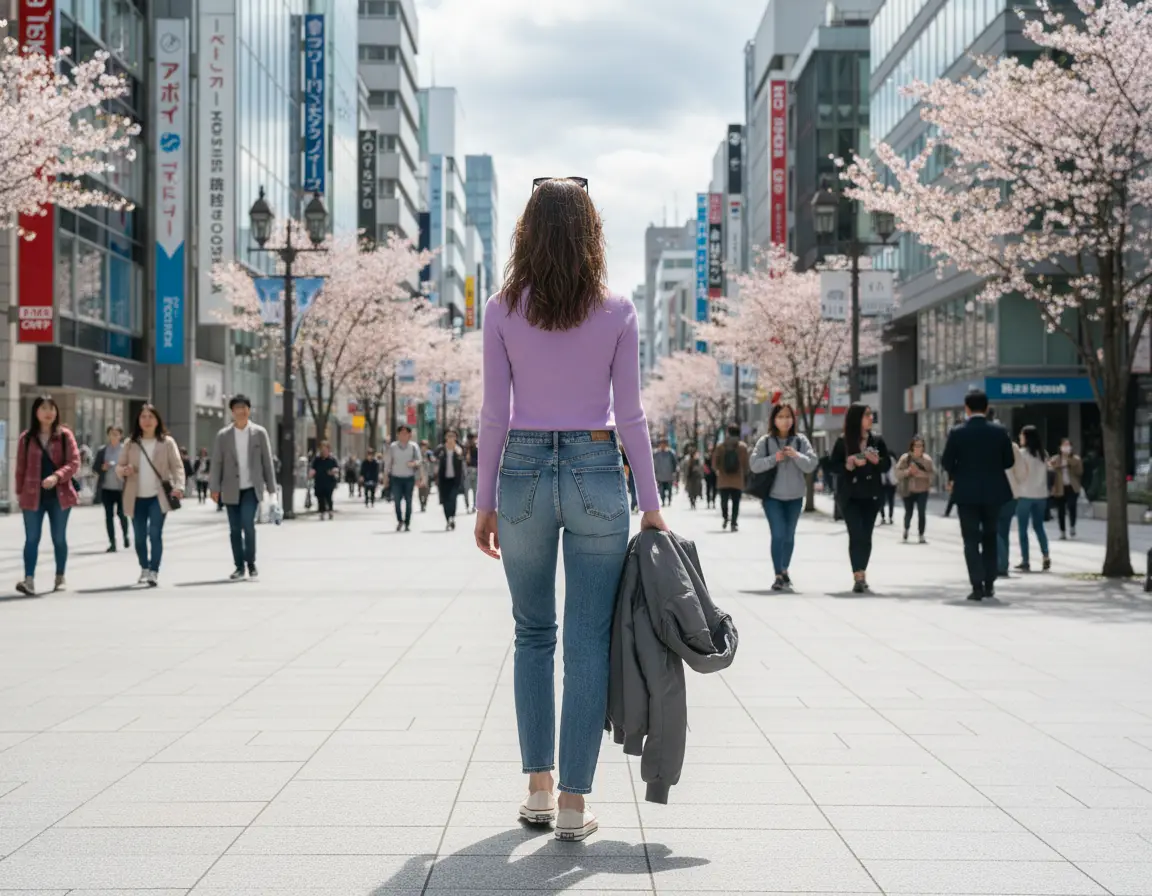
Nobody told me this before I went. Sapporo is one of those cities where the big costs don’t sneak up on you all at once — they show up in small, annoying places like airport transport, a nicer bowl of ramen than you planned to buy, and a hotel that’s cheap until you realize it’s a 15-minute walk from the station in freezing weather. I spent about ¥11,000 to ¥18,000 a day on a normal trip, depending on whether I was eating casually or adding one paid activity. If you’re wondering how much does sapporo cost per day, that was my real range.
My answer is simple: Sapporo is mid-range, not cheap-cheap. I’d call it worth it for travelers who want good food, easy transit, and a city that doesn’t punish you for skipping taxis. I’d skip trying to do it ultra-budget if you hate cold-weather walking or want a central hotel for less than ¥6,000 a night — that math gets ugly fast.
Quick Answer: I spent about ¥11,000–¥18,000 a day in Sapporo, or roughly $75–$120 depending on exchange rate and sleep style. A central hotel near Sapporo Station or Odori was worth it for me, and I’d budget about ¥14,000 a day if you want a comfortable trip.
My real daily budget in Sapporo
I kept my spending pretty normal, not stripped-down and not fancy. On my cheapest days, I spent around ¥11,000, and on days where I had a nicer dinner or a paid museum, it climbed to about ¥18,000. That included a bed, food, local transport, and one extra thing if I felt like it.
Best for: travelers who want a comfortable city trip without pretending ramen and train fares are the whole budget.
Skip if: you’re trying to do Japan on hostel-and-convenience-store mode only. Sapporo can work, but it won’t feel as cheap as smaller cities.
My pick: budget for ¥14,000 a day and leave room for one good meal. That was the sweet spot for me.
I paid ¥1,200 for a solid lunch set in Susukino, ¥430 for a coffee that I didn’t really need, and ¥210 for a subway ride when I was being lazy. Those numbers add up faster than you think, especially if you’re moving around in bad weather and don’t feel like walking 20 minutes in a jacket that’s already in your hand.
Where the money actually goes

The biggest cost in Sapporo is usually accommodation, then food, then transport if you’re staying central. Activities are the easiest place to keep spending under control because a lot of the city is just walking, eating, and wandering through covered shopping arcades. I like that. It means you don’t have to pay for entertainment every hour.
Accommodation: I’d expect ¥6,000–¥14,000 for a decent solo room or simple hotel, more if you want something close to Sapporo Station during busy dates. I saw cheaper places, but the tradeoff was usually a longer walk or a room that looked tired in photos. I paid ¥8,900 one night for a small but clean room near the station, and that saved me from dragging my bag across slushy sidewalks. Worth it.
Food: Plan on ¥2,500–¥5,000 a day if you eat normal meals and don’t go hunting for expensive crab sets. A bowl of miso ramen in the city center was around ¥1,000–¥1,300, which felt fair. I skipped hotel breakfast entirely and grabbed a 7-Eleven egg sandwich for ¥298 one morning instead. Better value, less regret.
Transport: Local subway rides are usually around ¥210–¥370, and I rarely needed more than two or three in a day. The city is walkable in the core, so I didn’t spend much here unless I was tired or the weather got annoying. Taxis are where your budget gets punished, so I avoided them unless the alternative was a miserable walk with luggage.
Activities: Free or cheap is the norm if you keep it simple. Odori Park costs nothing, the Sapporo Beer Museum is free to enter but you’ll pay for tastings, and the clock tower is a quick photo stop rather than a long spend. I spent ¥800 on a museum entry one day and didn’t feel ripped off. That’s rare enough that I noticed.
Worth it: paying a little more for central lodging and then keeping the rest basic.
Not worth it: blowing money on every tourist stop just because it’s on a map.
Hotels: where I’d spend more and where I wouldn’t
I almost booked a cheaper place farther out because the nightly rate looked better by about ¥2,000. Then I checked the map and realized I’d be adding 25 to 30 minutes each way in cold weather. I paid more for the central option and didn’t regret it once. That was one of those boring travel decisions that saves energy and money later.
See current Sapporo hotel prices on Agoda →
Best area for value: Sapporo Station and Odori. You can get around fast, and you’re not stuck in taxi territory after dinner.
Skip if: the room is cheap but the walk gets long. In Sapporo, a “short walk” in winter can feel a lot longer than it looks on paper.
My pick: I’d rather pay ¥8,000–¥12,000 near the center than ¥6,000 in a place that makes every errand annoying.
I stayed in a simple business hotel and that was enough. No drama, no cute breakfast spread I didn’t want, no rooftop anything. Honestly, that’s what I wanted in Sapporo. The hotel was a place to sleep and warm up, not the point of the trip.
See all Sapporo hotels on Agoda.
Food costs: where Sapporo is worth the money
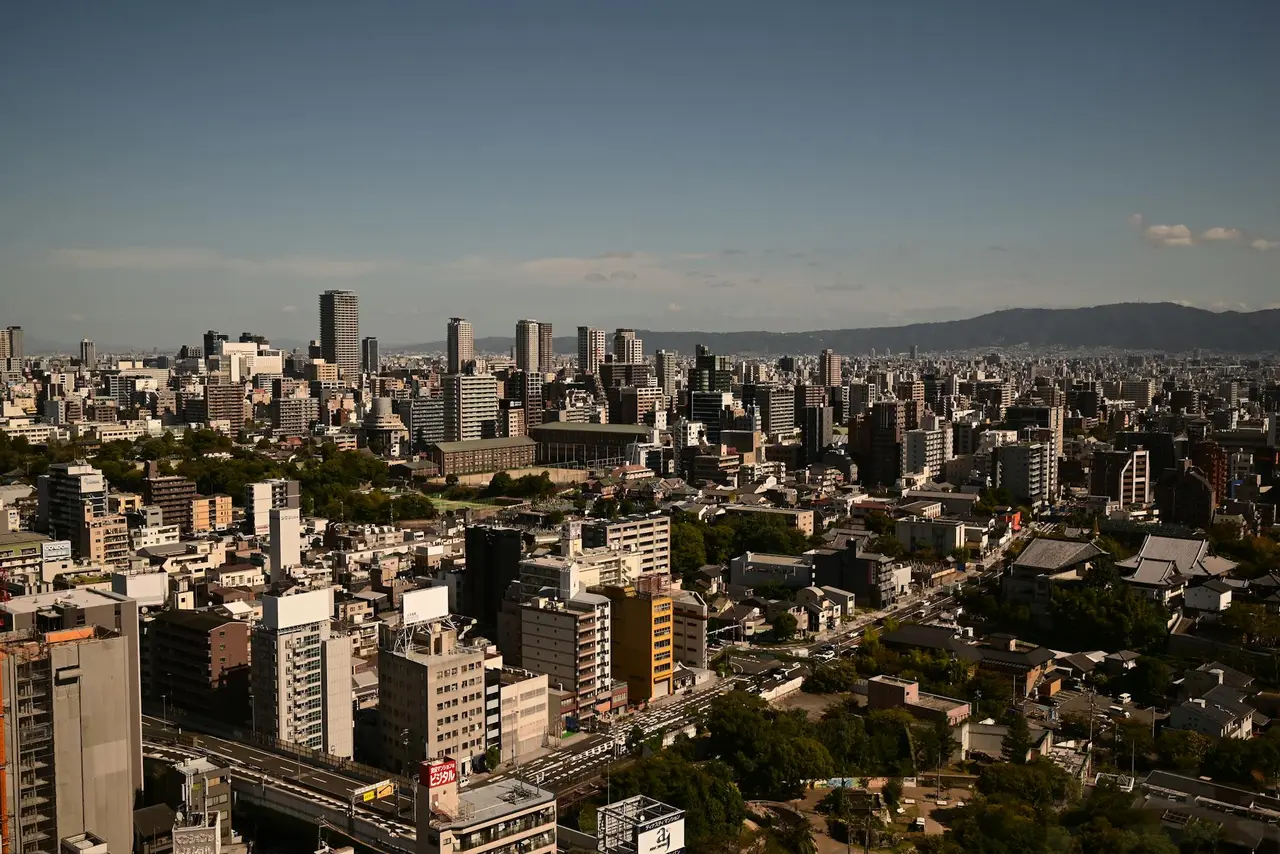
I expected Sapporo food to be a little overhyped because people talk about it like every bowl of ramen is life-changing. It wasn’t. It was better than average, though, and the city made it easy to eat well without going broke. That part mattered more than the hype.
I usually book Sapporo tours on Klook — the best time slots go fast, especially in peak season.
Worth it: ramen, soup curry, and seafood bowls when you pick the right place.
Skip it: pricey restaurant sets near the most obvious tourist stops unless you already know the place is good.
My pick: I’d spend ¥1,000–¥1,500 on lunch and keep dinner flexible.
I paid ¥1,150 for soup curry at a casual spot and it was one of the better meals of the trip. I also spent ¥1,980 on a crab-heavy set that looked better on the menu than on the plate. That second one was fine, not great. I wouldn’t do that again unless someone else was paying.
Convenience stores are the budget safety net here. I bought onigiri for ¥140, a bottle of tea for ¥160, and a snack for later when I didn’t want to sit down for another full meal. That’s the difference between a day that lands at ¥11,000 and one that quietly creeps toward ¥16,000.
Transport: easy to manage, easy to overspend if you get lazy
Sapporo’s city center is easy enough that I didn’t feel trapped by transit. I walked a lot between Sapporo Station, Odori, and Susukino, and I only used the subway when I wanted to save time or keep my shoes dry. That kept transport cheap.
Best for: people staying central and comfortable walking 15 to 20 minutes at a time.
Skip if: you plan to taxi everywhere. The fares don’t explode, but they make a city trip more expensive fast.
My pick: use subway rides as a backup, not a habit.
A single subway ride was around ¥210 on the short end, and that’s easy to ignore until you take three in one day. I did that once after backtracking for coffee and a wrong turn, and suddenly transport had cost me more than lunch. Not a disaster, just annoying.
If you’re doing a day trip to Otaru or a longer ride out to ski areas, book train tickets or check schedules before you go. For normal city movement, I’d buy as I go. No need to overplan a subway day.
What I’d skip so the budget stays sane
I skipped hotel breakfast, guided bus tours, and anything with a line that looked longer than 30 minutes. That saved me money and time. Sapporo is not a city where you need to pay for every experience to feel like you did something.
Skip this: overpriced breakfast buffets in business hotels. I’ve done them before, and they rarely beat a ¥400 convenience-store breakfast plus a real lunch later.
Skip this too: souvenir shopping in the most obvious tourist zones. I saw the same snacks cheaper in regular department stores and basement food halls.
Worth paying for: one good meal and a central room. That’s the part that actually improves the trip.
I spent ¥600 on a small dessert from a department-store basement because I was curious. Fine. I wouldn’t call it a smart use of money, but I also didn’t feel bad about it because the rest of the day was cheap. That’s the balance I’d aim for in Sapporo.
The day I got the budget wrong
I made one mistake that cost me more than it should have. I assumed I could book a decent room late and save money, since Sapporo didn’t feel packed when I arrived. The trigger was a weekend check-in after I’d already crossed the city with my bag, and the cheaper central places were gone. I ended up paying ¥2,400 more than I wanted for a room that was just okay.
The consequence wasn’t just the money. I also lost about an hour comparing places on my phone while standing near the station, which is exactly the kind of dumb travel time I hate wasting. Next time, I’d book the first two nights in advance and keep the rest flexible. That’s the smarter move if your trip overlaps with a weekend or ski season.
Best for: travelers who book lodging early and want to keep the whole trip in the mid-range.
Skip if: you’re hoping to wing accommodation and still stay central for cheap.
Next time: I’d lock in a station-area hotel before I land, then decide the rest after I’ve seen the weather and my energy level.
Rough daily estimates from my own trip. Prices shift by season.
What I’d do differently
I’d book the first couple of nights earlier, and I’d stop assuming the cheapest hotel is the best deal if it adds a long walk in cold weather. I’d also keep one meal a day deliberately cheap, because Sapporo makes it too easy to spend money on “just one more” bowl of something.
I’d probably skip one paid museum and use that money for a better dinner instead. That trade never feels exciting in the moment, but it works.
Is Sapporo expensive day to day?
Not crazy expensive, but not budget-Japan either. I think of it as a city where you can stay comfortable for around ¥14,000 a day without trying very hard, and you can push it lower if you’re disciplined about hotels and meals. The city rewards that kind of planning.
Best for: travelers who want a clean, easy city trip and don’t mind spending a little more for a central bed and good food.
Skip if: you want a super-cheap Japan base and hate paying extra for winter convenience.
Next time: I’d keep my budget at ¥14,000 a day, book the first two nights early, and spend the rest on food instead of random extras.
I expected Sapporo to be dirt-cheap like smaller Japanese cities, but I actually spent ¥14,000 to ¥18,000 on days I ate well and stayed central — way more than I’d budgeted. The flip was realizing that good location and decent food aren’t negotiable when you’re traveling solo in winter, so the “budget” version of this city costs almost as much as trying to be comfortable. My takeaway: stop comparing Sapporo to backpacker towns and plan for mid-range money instead.
FAQ
How much money should I bring for one day in Sapporo?
I’d bring about ¥14,000 per day if you want a comfortable trip without watching every yen. That covered my hotel, meals, subway rides, and one small extra like dessert or a museum entry. If you’re doing a hostel and convenience-store run, you can go lower, but I wouldn’t build the trip around that.
Is Sapporo cheaper than Tokyo?
Yes, Sapporo is cheaper than Tokyo for hotels and usually easier on food spending too. I noticed the biggest difference in room rates near the center, where Tokyo-style prices just didn’t show up as often. The tradeoff is that Sapporo can feel more expensive than smaller Japanese cities once you add winter-friendly lodging and local transport.
Can I do Sapporo on a tight budget?
Yes, but I’d keep expectations realistic and stay away from the most central hotels. A budget day can work around ¥8,000 to ¥10,000 if you’re careful with food and choose simple transit, but that usually means smaller rooms or less convenient locations. I’d do it only if saving money matters more than comfort.
Is it worth paying more to stay near Sapporo Station?
Yes, I’d pay more for the station area because it saves time and makes bad weather less annoying. I spent about ¥2,000 extra one night for a central room and avoided a long cold walk with my bag, which was the right call. If you’re only staying one or two nights, that convenience is worth the markup.
What’s the first thing I should book in Sapporo?
I’d book the hotel first, then any day-trip trains if I already know my dates. Rooms near Sapporo Station and Odori can sell or jump in price faster than you’d expect on weekends and during snow season. Food and local transit are fine to sort out after you arrive.
 Emma Hayes