

I did this wrong the first time. I treated Sapporo like a layover between “real” Hokkaido plans — packed too much into one day because everything looked close on the map. It wasn’t. The city is spread out enough that a bad route turns into dead time fast. That’s how I ended up on a tram I didn’t need, eating lunch at 3 p.m. standing outside a convenience store because every actual restaurant had a line. Not a great afternoon.
My answer now: Sapporo is worth 2 to 3 full days if you want it to feel like something instead of a checklist. It works well for people who like good food, easy transit, and a city that doesn’t punish you for not renting a car. If you only care about one landmark and a quick shopping street, a long single day might be enough — but I’d say you’re leaving the better half behind. The real question is whether you want a city break or just a photo stop. This is the route I’d use.
Quick Answer: Spend 2 full days in Sapporo, or 3 if you want Otaru. Start at Sapporo Station, walk to Odori Park, eat ramen in Susukino, visit the Sapporo Beer Museum, then use day 2 for Nijo Market, Maruyama Park, Hokkaido Shrine, and Hokkaido University. Otaru runs about ¥750 each way by JR and works best as a third-day add-on — not a rushed afternoon.
Best for: Food-first travelers, solo travelers, and anyone who wants an easy base with decent transit.
Skip if: You want nonstop sightseeing and don’t care about eating well or walking neighborhoods.
My pick: Two full days, with a third if you want Otaru or a slower ramen-and-park day.
Day by Day
Day 1: Central Sapporo, Beer, and the Parks That Make the City Work
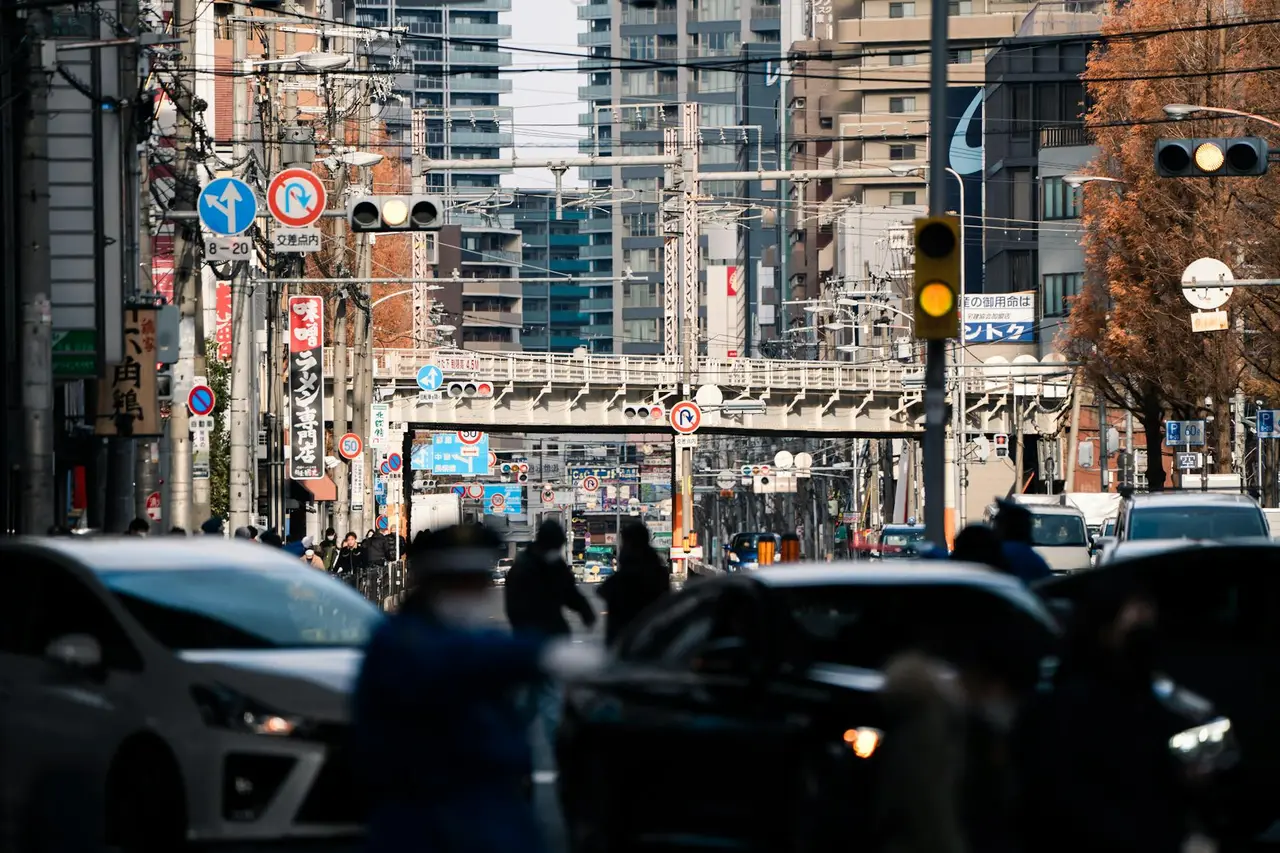
Best for: A first day that doesn’t waste energy.
Skip if: You only want temples and old-town style sightseeing.
My pick: Start central, stay on foot, and keep the day simple.
I’d start at Sapporo Station because that’s where the city makes sense. From the station, it’s about a 10-minute walk to Odori Park, and that stretch is useful for orientation before you start spending money. I made the mistake of taking a subway hop too early on my first visit, and it saved maybe 8 minutes while making the day feel disjointed. Not worth it.
Give Odori Park 20 to 30 minutes, more if the weather is decent and you want to sit for a while. In the 8-19°C range I had, I wore a light jacket in the morning and ended up carrying it by lunch. The park itself isn’t a “wow” stop, and that’s fine. It’s a clean, easy reset in the middle of the city, and in Sapporo that matters more than it sounds like it should.
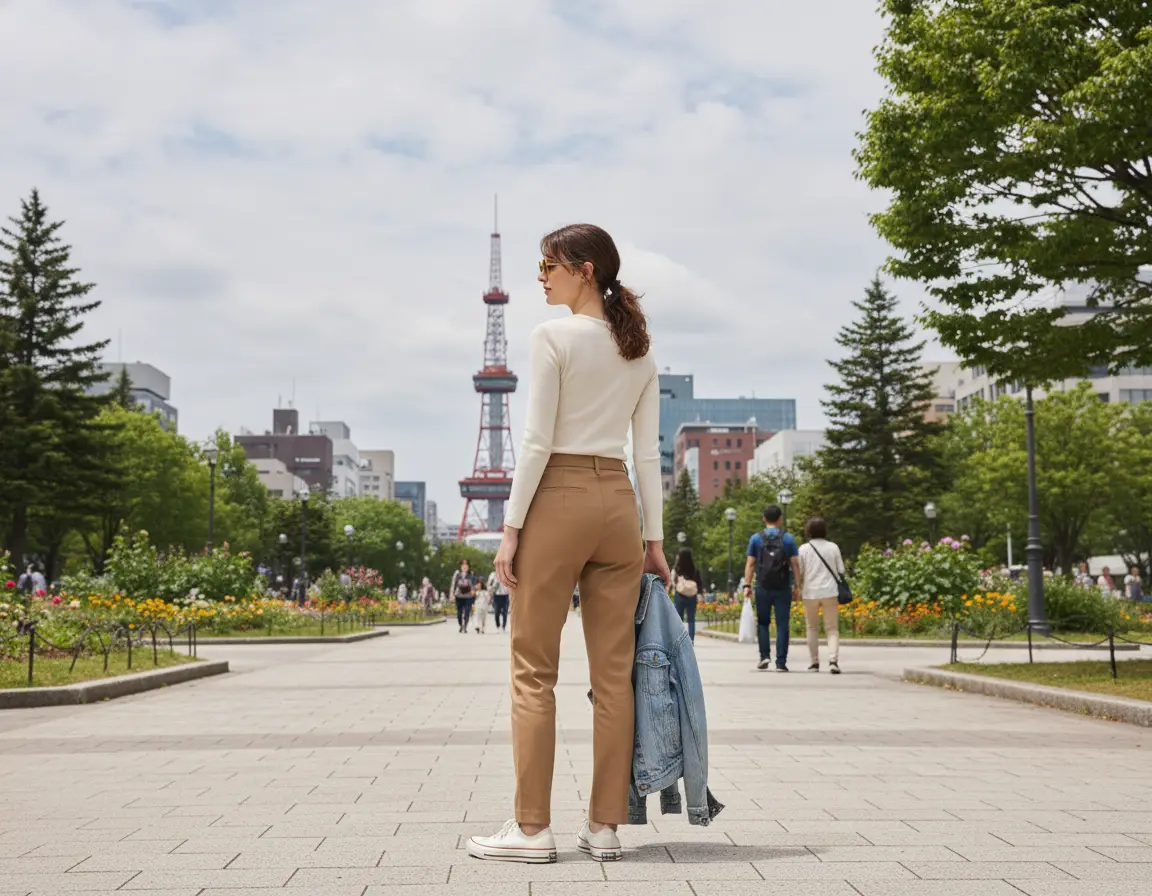
From Odori, walk 12 minutes to the Sapporo TV Tower area if you want the view, or skip it if you’re not into paying to look at a city from above. I went up because I was there and the line was short, not because I think towers are sacred. The view was decent, the ticket was around ¥1,000, and I stayed about 25 minutes. Worth it only if the weather is clear enough to see the grid layout and the mountains beyond. If it’s hazy, I’d skip it and keep walking.
For lunch, head to the Susukino area, which is about a 15-minute walk from Odori or one subway stop if your feet are already complaining. I ate miso ramen at Ramen Yokocho on a colder afternoon and paid about ¥1,200 to ¥1,600 depending on the shop. This is one of those places that can be either good or annoying depending on timing. If you go at 12:30 p.m., expect a wait. I waited 25 minutes once, which is fine if you’re hungry and not in a rush, but I wouldn’t build my whole day around a famous bowl. Worth it for the atmosphere and the regional style; skip the most crowded storefront if the line is snaking out the door and there’s another shop with seats open.
After lunch, take the Namboku or Toho subway line back north to Odori or keep walking back through the center and stop at the Sapporo Clock Tower only if you’re already nearby. I paid around ¥200 for the subway hop, which is cheap enough, but the Clock Tower itself is more of a quick photo than a major attraction. I expected it to feel more historic than it did. It was fine, just a little underwhelming for the entry fee. That’s the thing with Sapporo: the city is better in motion than when you over-focus on one small paid stop.
In the late afternoon, go to the Sapporo Beer Museum and, if you want a break, the adjacent beer garden. From Sapporo Station, take the JR line to Naebo Station, about 5 minutes and roughly ¥200, then walk 10 to 12 minutes. I almost skipped this because beer museums sound like the kind of place that exists for tour groups. I was wrong. The museum is actually useful if you want a local-history stop that doesn’t drag, and the paid tasting is the part that makes it worth the detour. I paid about ¥600 for a tasting and sat for 20 minutes. That was enough. The full restaurant setup is more expensive, so I’d only do that if you want a proper dinner there.
Worth it if: You want a first day that balances walking, food, and one easy cultural stop.
Skip if: You only have half a day and don’t want to deal with subway transfers.
Day 2: Parks, Markets, and the Part of Sapporo That Feels Local
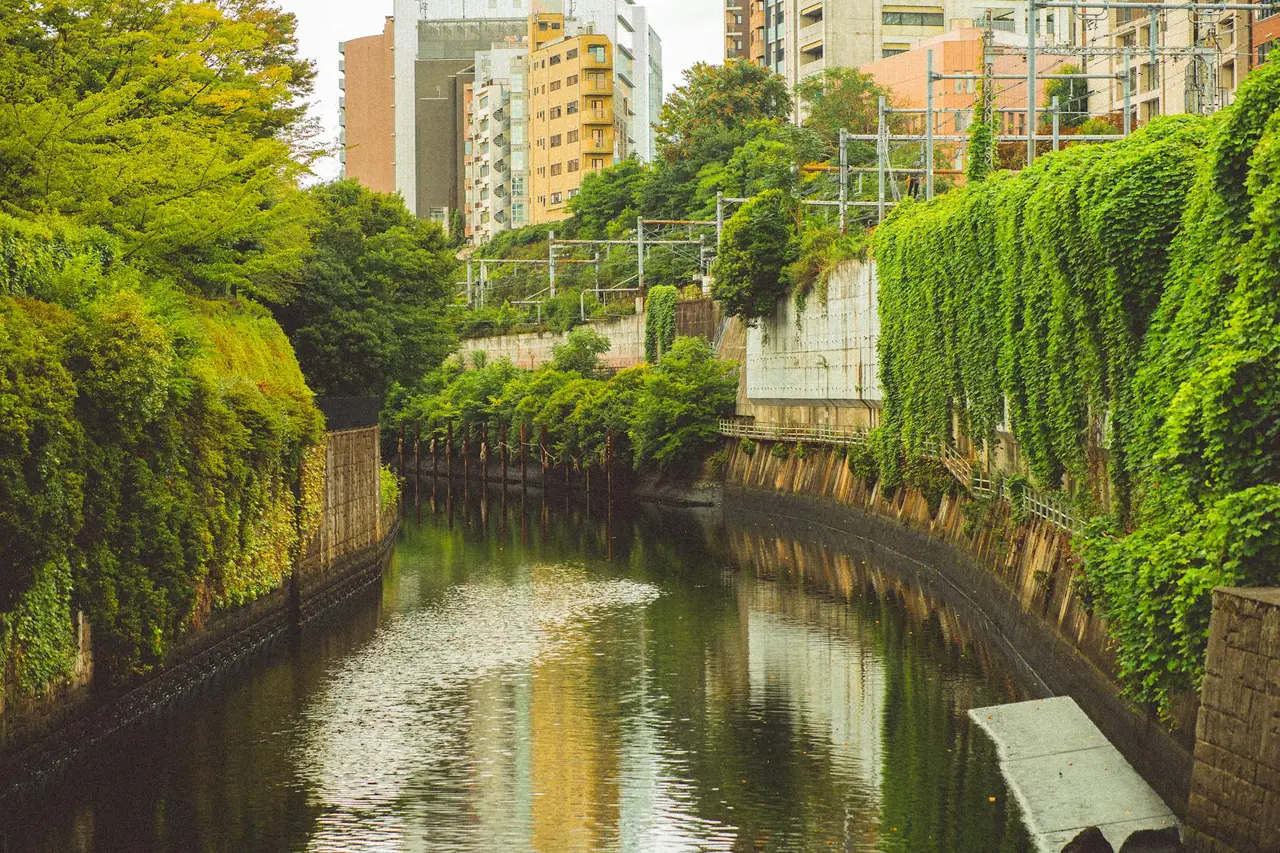
Best for: A slower day with real food and fewer gimmicks.
Skip if: You hate markets and would rather spend every hour in museums.
My pick: Nijo Market early, then Maruyama and Hokkaido Shrine before the city gets loud.
I’d start at Nijo Market by 8:30 a.m. if you want it to feel human. From Odori Station, it’s about a 10-minute walk, or one quick subway stop if you’re coming from farther out. I ate a seafood rice bowl there for around ¥1,500 to ¥2,500, and that price range is where the market starts making sense. Go too late and you’re paying market prices without the good energy. I went once at 11:30 and regretted it; the lanes were busy, the seating felt cramped, and the whole thing was more performative than useful. Early is better. Much better.
After breakfast, walk 15 to 20 minutes or take a short subway ride west toward Maruyama Park. If you’re moving by subway, the fare is usually around ¥200. This is where I’d slow down. Maruyama Park is not a big-ticket stop, and I mean that in a good way. It’s a place to walk, breathe, and let the city loosen up a bit. In spring it’s busier, but even in mild weather it felt like the sort of place locals actually use, which is rarer than travel blogs admit.
Continue 10 minutes on foot to Hokkaido Shrine. I thought this would be one of those shrines where you spend 7 minutes, take one photo, and leave because the guidebook said so. It ended up being one of the calmer parts of the trip. The grounds are free, the walk there is easy, and the atmosphere isn’t trying to sell you anything. I spent about 40 minutes there, mostly because I didn’t feel pushed out. Worth it if you like quiet spaces. Skip it if you’re in Sapporo for food only and don’t want a shrine stop at all.
For lunch, head back toward central Sapporo or stay near Maruyama and eat curry soup, which is one of the city’s better local answers to a rainy or chilly day. I paid about ¥1,300 for a bowl near the station and didn’t need anything else for a few hours. It’s not fancy. It doesn’t need to be. That’s the appeal. Sapporo food is strongest when it’s direct, filling, and not pretending to be a “concept.”
In the afternoon, go to the Hokkaido University campus if you want a walk that isn’t just park grass. From Sapporo Station, it’s about a 10-minute walk to the south gate. The campus paths are open and easy, and in the late afternoon light the trees make the whole place feel less like a sightseeing stop and more like a living part of the city. I’d give it 30 to 45 minutes. Free, low effort, and useful if your legs need a break.
Worth it if: You want a day that feels local instead of packaged.
Skip if: You’re short on time and already have a market day elsewhere in Hokkaido.
Day 3: Otaru as a Side Trip, or Stay in Sapporo and Actually Relax
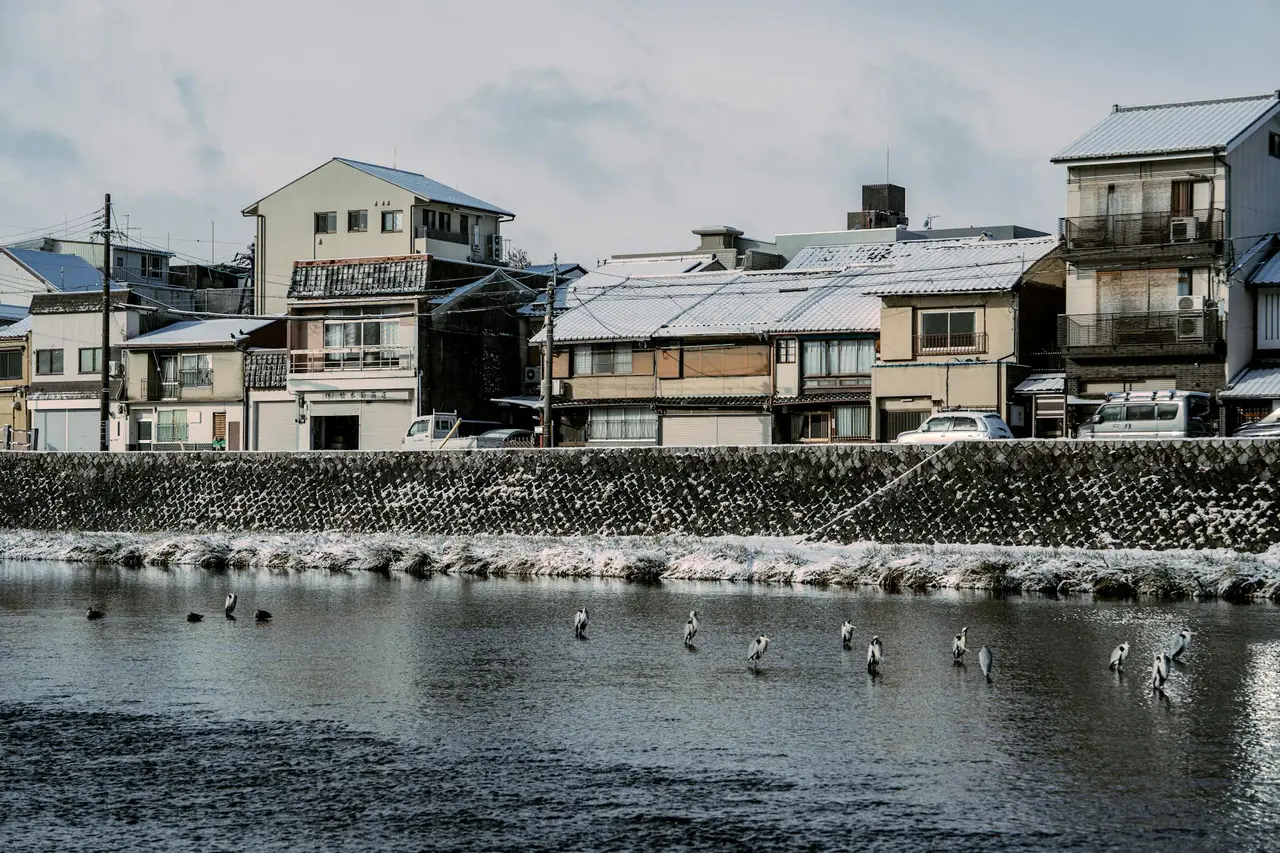
Best for: Travelers with a third day who want one easy out-of-city move.
Skip if: You hate day trips or don’t want to spend time on trains.
My pick: Otaru if you’ve got the energy; otherwise, stay in Sapporo and eat better.
If you only have two days in Sapporo, I’d skip Otaru and stay in the city. That’s my honest call. Otaru is easy, but it still eats half a day once you count train time, walking, and the temptation to stop for snacks. From Sapporo Station to Otaru Station, the JR line takes about 35 to 45 minutes and costs roughly ¥750 one way. That’s reasonable. The tradeoff is time, not money.
Otaru is worth it if you want a canal walk, glass shops, and a slower pace that feels different from Sapporo. I went expecting a cute little half-day where everything would line up neatly. It didn’t. The canal area was busier than I expected, and a lot of the famous spots felt more like souvenir stops than real neighborhood life. Still, I didn’t hate it. I just wouldn’t call it essential unless you enjoy browsing and snack-hopping. The LeTAO cheesecake stop was the one thing I’d repeat. I paid about ¥500 to ¥700 for a slice and it was the kind of dessert that makes a train ride back feel justified.
If you stay in Sapporo instead, I’d use the day to slow down and eat well. Go back to a ramen shop you liked, try soup curry if you skipped it, and spend an hour in a café near Odori or Susukino. This is where Sapporo is better than people give it credit for. It doesn’t force you into constant sightseeing. You can build a day around one meal, one park, and one easy neighborhood walk, and honestly that’s a better use of energy than chasing another “must-do” stop.
For a city day, I’d pair the Sapporo Factory area with a late lunch and no pressure. It’s about a 15-minute walk from Odori or a short subway ride, and the old brick building gives you something to look at without turning the day into a checklist. The shopping itself is ordinary. Fine, not great. But if you need a weather backup or a place to kill an hour without spending much, it works.
Worth it if: You have three days and want one easy change of pace.
Skip if: You’re already tired of trains or you’d rather keep your meals in Sapporo.
Cost Breakdown
Rough daily estimates from my own trip. Prices shift by season.
For a deeper look at time to visit sapporo, I covered this in my Best Time To Visit Sapporo.
For a deeper look at neighborhoods, I covered this in my Best Neighborhoods In Sapporo.
I wrote a more detailed breakdown in Sapporo Travel Mistakes To Avoid Winter — worth reading if you’re still deciding.
Transport Tips

Best for: Travelers who want the city to stay efficient.
Skip if: You plan to taxi everywhere and don’t care about cost.
My pick: Walk the center, use subway for longer hops, and don’t overthink it.
Sapporo is one of those cities where the transit is easy enough that you can make bad choices and still recover. The subway lines are simple, and most central rides cost around ¥200 to ¥250
If you’re staying near Sapporo Station, Odori, or Susukino, you’re in the right zone. That triangle is walkable, and it cuts down on pointless transfers. I once stayed a little too far east because the room was ¥2,000 cheaper per night. Bad math. I spent more than that on extra rides and lost time, and by the end of the day I was still walking back tired. I’d pay more for the central area next time without blinking. The cheaper room only makes sense if you’re staying longer and don’t mind being out of the action.
Taxi use is only worth it when you’re dragging luggage or finishing late. Otherwise, it’s a comfort expense, not a smart move. And no, the city doesn’t need guided bus tours. I skipped those completely. The routes are easy enough on your own, and I’d rather spend the money on one better meal than a bus seat I don’t need.
Budget-wise: Expect about ¥200 to ¥250 per subway ride and maybe ¥800 to ¥1,500 for the occasional taxi hop if you’re tired or carrying bags.
Where I’d Eat First, and What I’d Skip
Best for: People who travel through their stomach.
Skip if: You’re the type who can eat convenience-store food for three days and not care.
My pick: Ramen, soup curry, and one seafood bowl. That’s enough.
Sapporo is one of the few cities where I’d plan the day around meals on purpose. Not because every place is magical. Because the food is the point more often than the attractions are. I’d start with miso ramen in the center, then soup curry near Odori or Maruyama, then a seafood bowl at Nijo Market if I got there early enough. That sequence worked better than trying to “fit in” meals around the sights. The city rewards you when you stop trying to turn lunch into an afterthought.
I’d skip hotel breakfast almost every time here. Sapporo has too many better options, and a buffet breakfast is usually the most expensive boring meal of the day. I paid for one by accident when it was bundled into a room rate, and I still left hungry enough to buy coffee and a pastry 30 minutes later. That tells you enough. If you’re staying near a station, grab breakfast from a bakery or a convenience store and save the money for a proper lunch.
For a cheap but useful stop, I’d keep a Lawson or 7-Eleven in the plan. I bought a rice ball, coffee, and a yogurt drink for under ¥500 on one morning when I was behind schedule, and it fixed the day without turning into a “street food experience.” That’s the kind of practical win I like. No drama. Just fuel.
Worth it: Ramen Yokocho, Nijo Market early, soup curry near central Sapporo.
Skip it: Overpriced hotel breakfast and any place with a line stretching down the block.
What I’d Change Next Time
I’d book a central hotel again, even if it costs a bit more. The savings from a cheaper outskirts room disappear fast once you start adding transport and friction. I’d also keep the Beer Museum and Otaru as separate half-days instead of trying to stack them into one bigger plan. That made the trip feel cleaner.
I’d skip the TV Tower if the weather looked hazy. I went up because I was already there, and I probably wouldn’t repeat it unless visibility was good. I’d also get to Nijo Market earlier, because the difference between 8:30 a.m. and late morning is bigger than it sounds.
Sapporo Excel Hotel Tokyu
Sapporo
★★★★☆
Sapporo Prince Hotel
Sapporo
★★★★☆
 Emma Hayes