
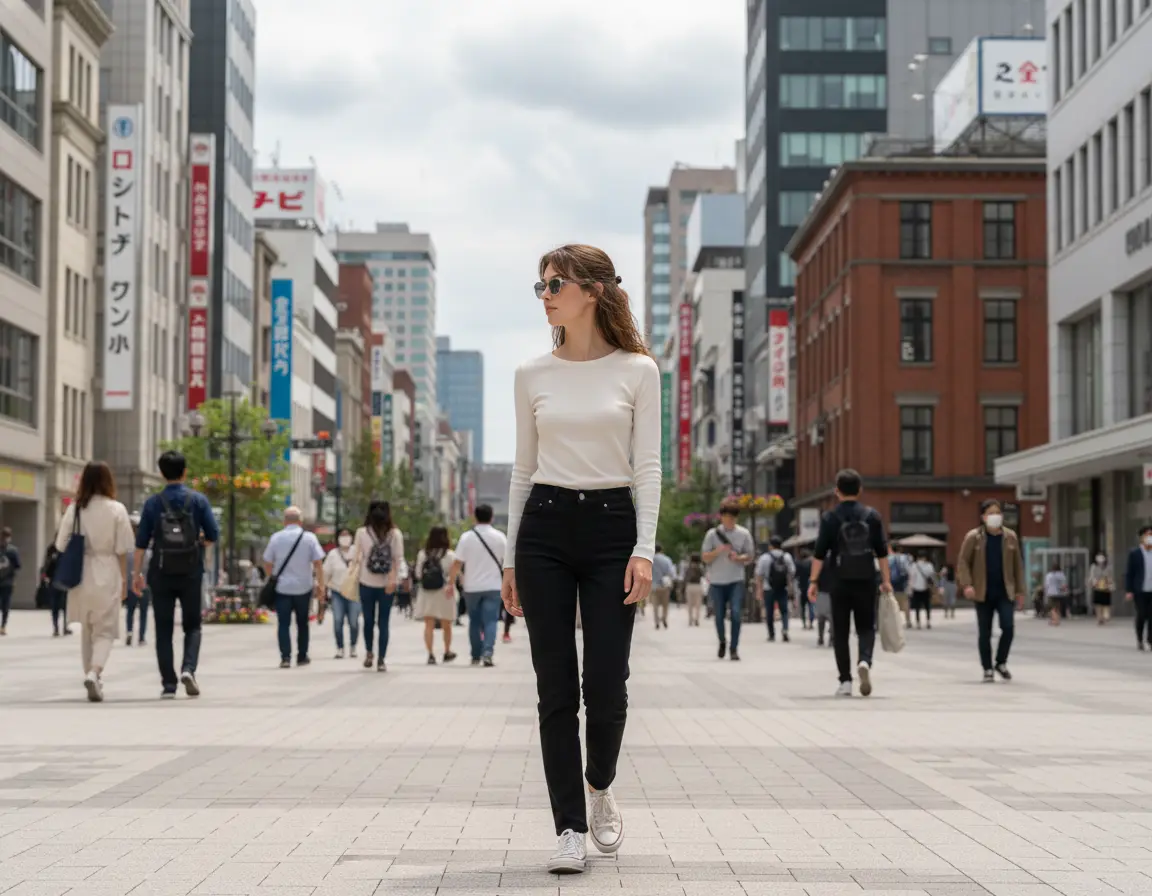
I did this wrong the first time. I tried to squeeze too much into one Sapporo trip, and I ended up spending more time on trains and buses than I wanted to admit. The better move is simple: pick one or two day trips, not five, and choose them based on what you want most — food, views, or something that feels a little different from the city. If you’re looking for the best day trips from Sapporo, this is the version I’d actually use.
My answer: I’d use Sapporo as a base for easy, low-friction day trips, but I wouldn’t turn the whole trip into a transit marathon. If you want the best value, Otaru is the obvious first pick. If you want hot springs or a slower, older-town feel, Jozankei or Noboribetsu make more sense. If you only have one free day, I’d skip anything that needs a long transfer and keep it simple.
Quick Answer: Otaru is my top pick for the best day trips from Sapporo because it’s about 35 to 45 minutes away by JR and costs roughly ¥750 one way. Jozankei is the slower reset day, Noboribetsu is best for a full hot-spring outing, and Lake Shikotsu is the quiet nature option.
Day by Day

Day 1: Otaru for the easiest win
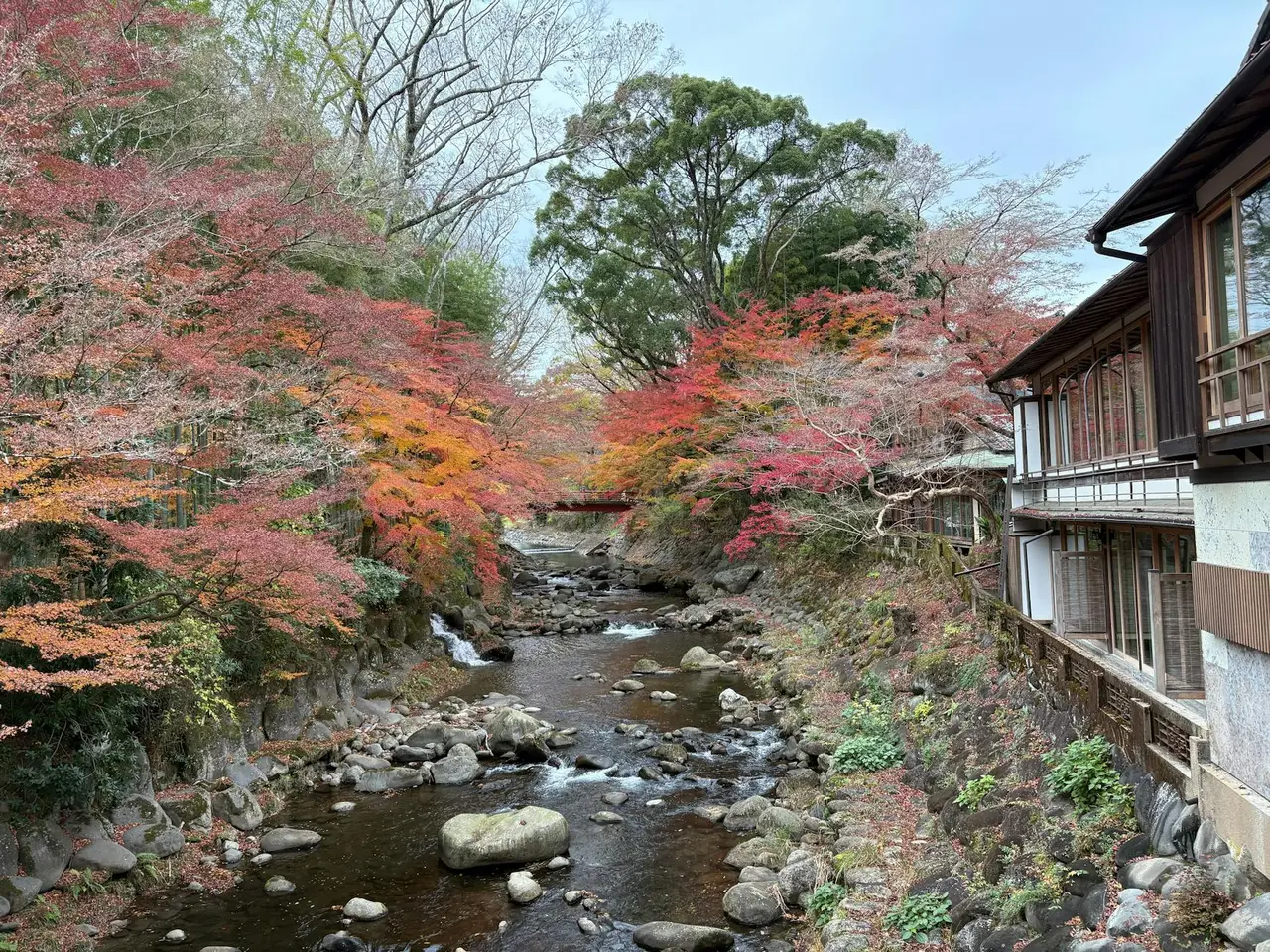
I’d start here. Otaru is the day trip from Sapporo that asks the least of you and gives back the most. It’s about 35 to 45 minutes from Sapporo Station by JR Hakodate Line, and the fare is roughly ¥750 one way depending on the train. That’s the kind of math I like.
I took the JR train from Sapporo Station, got off at Otaru, and walked almost everywhere from there. The route from the station to the canal area is about 15 to 20 minutes on foot, and it’s flat enough that I didn’t think about it much. I was wearing sunglasses and a light jacket in the morning, then I shoved the jacket into my bag by lunch when the temperature felt closer to the high teens. Mild weather like that makes Otaru even easier, because you don’t need to babysit your layers.
Here’s how I’d structure it:
- 9:00 a.m. Leave Sapporo Station on the JR Hakodate Line. Aim for a seat if you can, because standing for 40 minutes is a boring way to start a day off.
- 9:45 a.m. Walk to Otaru Canal. Spend 30 to 45 minutes there, not two hours. The canal is fine, but it’s not a life-changing event. I’d take a few photos and move on.
- 10:30 a.m. Head to Sakaimachi Street. This is where Otaru gets more useful. The old merchant buildings, glass shops, and sweets places are all packed into a walkable stretch.
- 11:00 a.m. Pick one snack stop instead of grazing everywhere. I paid around ¥500 for a pastry and coffee at a small café near the shopping street, and that felt like the right amount of effort.
- 12:30 p.m. Lunch near the station or along the canal. I’d go for seafood or a simple set meal, usually around ¥1,200 to ¥2,000
- 2:00 p.m. Either visit the Otaru Music Box Museum or skip it. It’s cute, but if you’re not already into that kind of thing, it turns into a souvenir stop with a soundtrack.
- 3:30 p.m. Head back to Sapporo before rush hour gets annoying.
Best for: First-time visitors who want a day trip that’s cheap, walkable, and hard to mess up.
Skip if: You hate souvenir streets or you want a day that feels more local and less polished.
My pick: Otaru is the one I’d do first, and I’d still choose it again over anything that needs a complicated transfer.
I expected Otaru to feel more overrated than it did. I’d seen enough glossy photos of the canal to assume it would be all hype and no substance. It wasn’t. Still, I wouldn’t stretch the day too long — four to five hours there was enough for me, and that’s the honest ceiling.
Day 2: Jozankei when I want a slower day
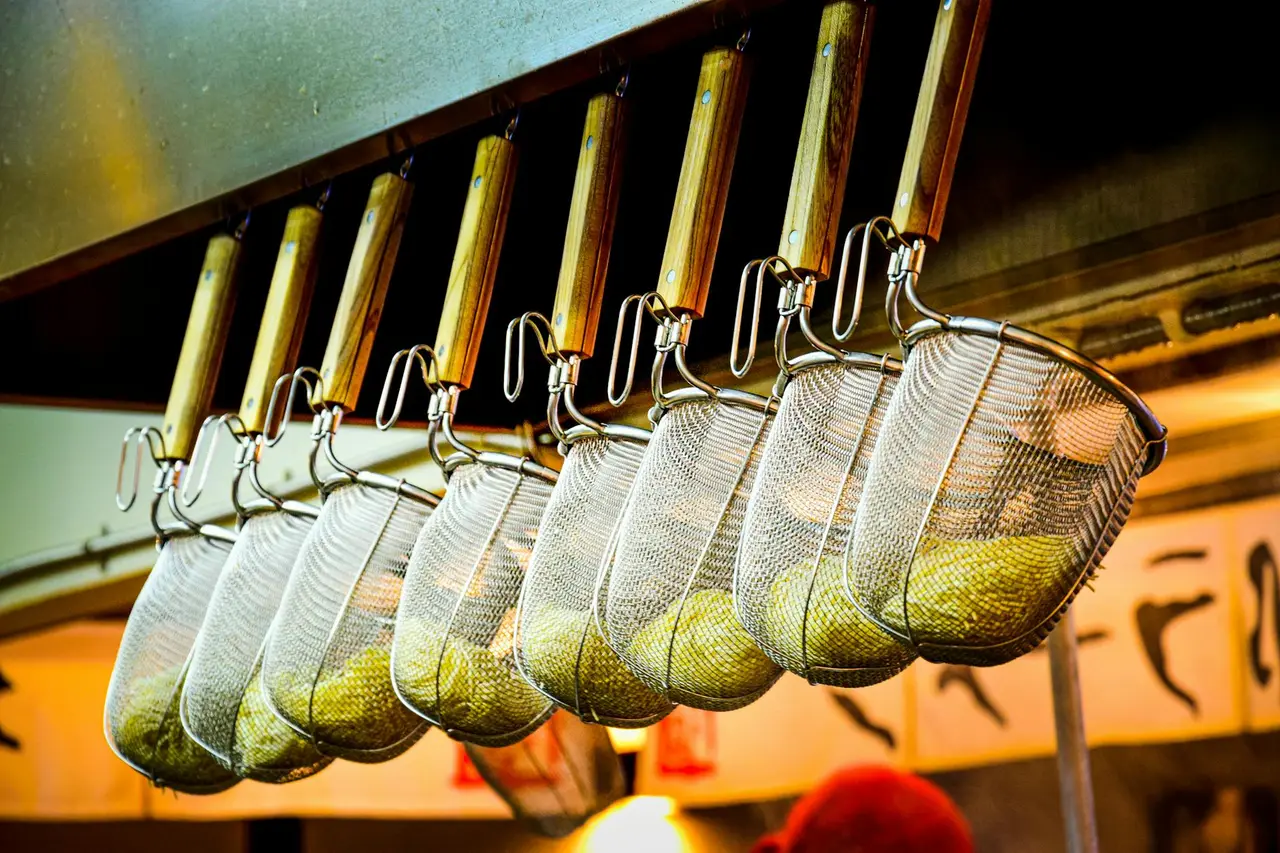
Jozankei is the day trip I’d choose when I want to stop making decisions. It’s about 60 to 75 minutes from central Sapporo by bus, usually from around Sapporo Station or Makomanai area depending on the service, and the fare is roughly ¥770 to ¥1,000 one way. The bus ride is part of the point. You trade speed for less friction once you get there.
I went in the morning and brought nothing fancy — just a light long-sleeve tee, my jacket, and a bottle of water. Jozankei works best when you’re not trying to “do” much. The river valley, the footbridges, and the onsen town feel are enough if you’re in the right mood. If you’re chasing landmarks, this will probably feel underpowered. Fine, not great. But if your legs are tired, it’s useful.
My version of the day would look like this:
- 9:00 a.m. Bus from Sapporo. I’d leave earlier on weekends because seats can get tighter than you’d expect.
- 10:15 a.m. Arrive in Jozankei and walk the river area. I spent about 30 minutes just crossing bridges and figuring out where I wanted to sit.
- 10:45 a.m. Stop at a café or bakery for coffee and a snack. Budget around ¥500 to ¥900
- 11:30 a.m. to 2:00 p.m. Book a day-use onsen if that’s your thing. Day-use entry often lands around ¥1,000 to ¥2,500 depending on the bathhouse and what’s included.
- 2:00 p.m. Walk a bit more along the river, then take the bus back.
Best for: Travelers who want one quiet day and don’t need a packed sightseeing list.
Skip if: You only have one free day in Sapporo and you want the highest return on your time.
My pick: Jozankei is worth it only if you’re deliberately slowing down. Otherwise, save the bus fare and stay in the city.
I had Jozankei and a second round of city food in front of me on one rainy-looking morning — except it never actually rained. I chose the bus because my feet were tired from the previous day, and that was the right call. The tradeoff is that Jozankei gives you calm, not a lot of action. I’d do it again, but only after a busy few days.
Day 3: Noboribetsu if you want the full hot-spring outing
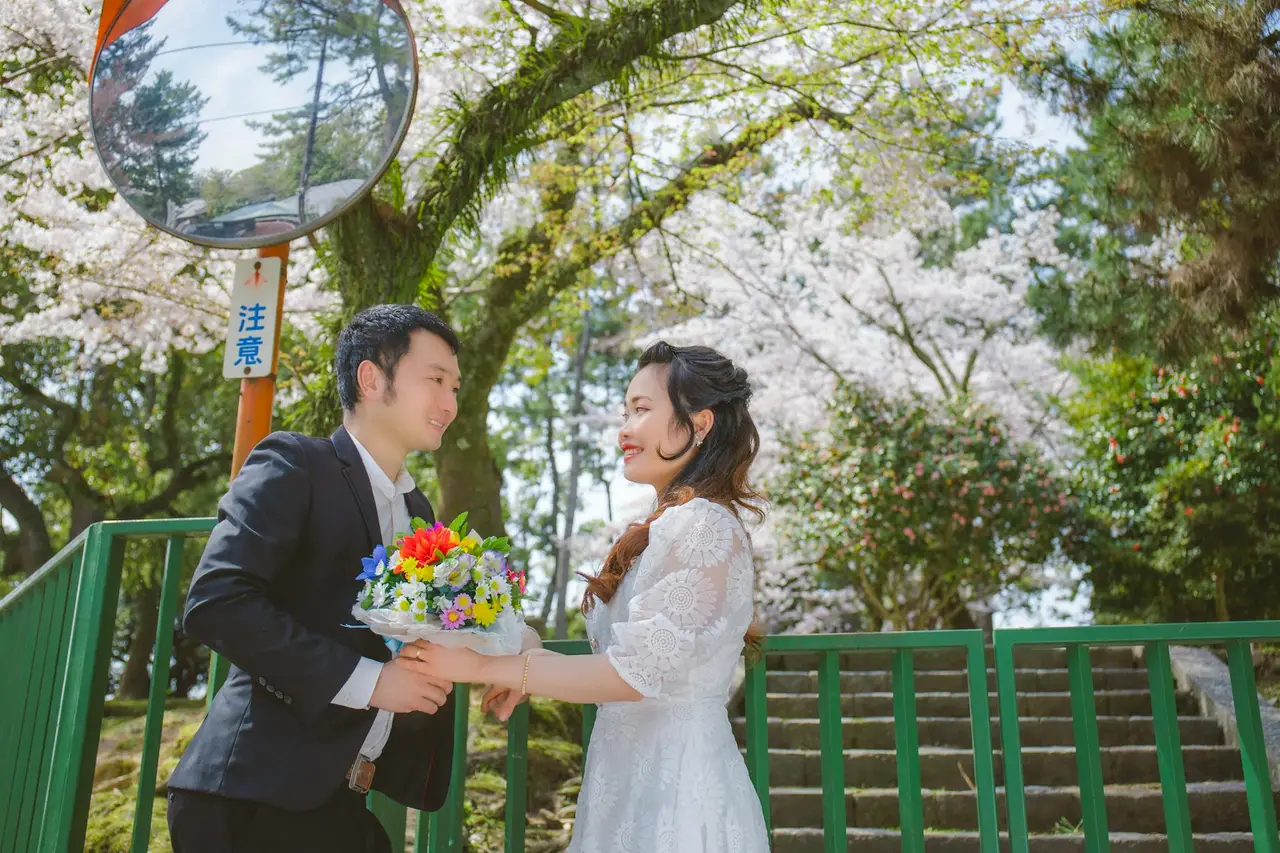
Noboribetsu is the one I’d save for a day when I don’t mind being in transit longer. From Sapporo, the train usually takes about 1 hour 20 minutes to 1 hour 45 minutes each way, often via JR to Noboribetsu Station and then a local bus to the hot spring area. Expect around ¥5,000 to ¥6,500 round trip depending on the route and train type. It’s not cheap. It is worth it if you actually use the town, not just pass through.
I thought Noboribetsu would be one of those places that looks better on a brochure than in real life. The odd part is that it’s more practical than pretty, and that’s what made it work for me. The steam, the sulfur smell, the wooden walkways, the short trails around Jigokudani — it all adds up to a place that feels committed to being what it is. I respected that.
Here’s the day I’d plan:
- 8:30 a.m. Leave Sapporo by JR. Buy a drink and snacks before you go, because station convenience stores are cheaper than random tourist-area cafés.
- 10:15 a.m. Arrive at Noboribetsu Station and take the bus up to Noboribetsu Onsen. The bus ride is usually about 15 minutes and costs around ¥350 to ¥400
- 10:45 a.m. Walk Jigokudani first. I spent about 40 minutes there, and that was enough.
- 11:30 a.m. Have lunch in the onsen area. A simple noodle or curry set runs about ¥1,000 to ¥1,800
- 1:00 p.m. to 3:00 p.m. Do a day-use bath if you’re going to Noboribetsu at all. If you skip the onsen, the trip loses a lot of its point.
- 3:30 p.m. Head back to Sapporo before you start feeling the long ride home.
Best for: People who want a real hot-spring town experience and don’t mind a long transit day.
Skip if: You’re on a short trip or you hate paying extra for transportation before you even start sightseeing.
My pick: Noboribetsu is the most rewarding day trip here if you commit to the bath and the walk around Jigokudani.
I made one mistake here: I assumed the town itself would keep me busy for longer than it did. It didn’t. The trigger was simple — I arrived without a bath plan, wandered for 45 minutes, then realized I was paying for a long day just to stare at steam. That cost me one overpriced snack and an hour I didn’t need to lose. Next time, I’d pre-decide the bathhouse first or skip Noboribetsu entirely.
Day 4: Lake Shikotsu for water, quiet, and not much else
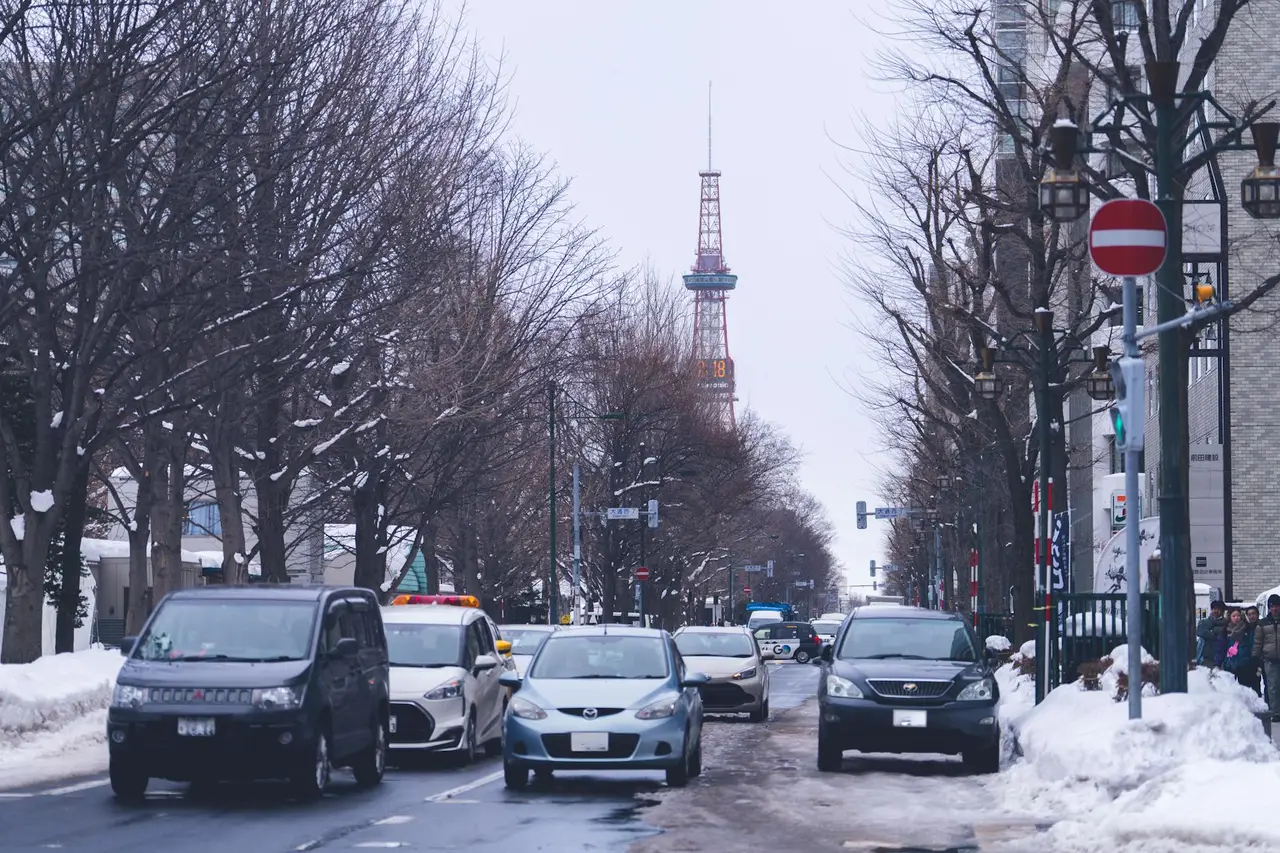
Lake Shikotsu is the one I’d choose if I wanted a nature day without a hiking commitment. It’s about 1.5 to 2 hours from Sapporo by bus and local connection, depending on the route, so this is one of those trips where timing matters more than the destination itself. Budget around ¥2,000 to ¥3,500 round trip if you’re not using a special pass. I wouldn’t call it easy. I would call it calm.
The lake is beautiful in the way that makes you lower your voice without meaning to. But there’s a tradeoff: if the weather turns gray or windy, the whole thing loses some shine. I had one partly cloudy stretch there, and it still worked because I wasn’t expecting a big activity list. I just wanted a place where I could sit, walk, and eat without fighting crowds.
This is how I’d do it:
- 8:00 a.m. Leave Sapporo early. Late departures make this feel inefficient fast.
- 9:45 a.m. to 10:15 a.m. Arrive and walk the shoreline area.
- 10:30 a.m. Rent a bike or just keep walking if the weather is decent. Rental prices vary, but I’d expect roughly ¥1,000 to ¥2,000 for a short rental.
- 12:00 p.m. Lunch near the lake. Options are limited, and that’s part of the problem. I’d plan on ¥1,200 to ¥2,000.
- 1:30 p.m. Take a boat cruise only if the schedule lines up cleanly. If it doesn’t, skip it. I don’t like waiting around for a mediocre boat ride.
- 3:00 p.m. Head back.
Best for: Travelers who want a quiet nature day and don’t mind spending more time getting there than at a café.
Skip if: You’re trying to squeeze maximum sightseeing into one day. This is not that kind of outing.
My pick: Lake Shikotsu is worth it only if you value the slow pace as much as the view.
I expected Lake Shikotsu to feel like a full-day highlight. It didn’t. It felt like a reset button, which is different. If you go, go for the slower mood and not because you need another item to tick off.
Day 5: Asahikawa only if you want a city day outside Sapporo
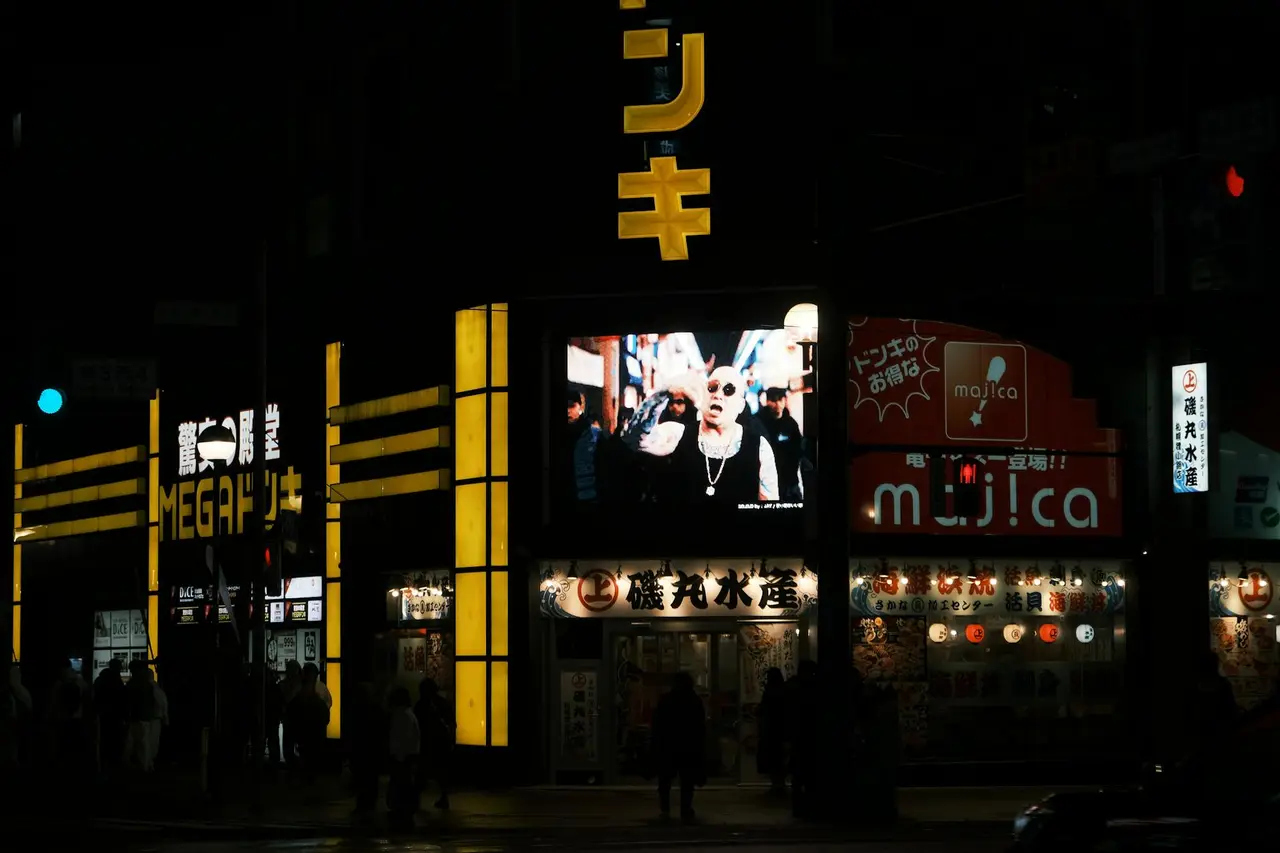
Asahikawa is the one I’d choose when I want a bigger city, a zoo, or ramen that feels like the point of the trip. From Sapporo, JR trains take about 1 hour 25 minutes to 1 hour 40 minutes, and a one-way ticket is usually around ¥4,500 to ¥5,500 depending on the service. That makes it a more expensive day out than Otaru, and you feel that immediately.
I’m not pretending Asahikawa is a cute little side trip. It’s a working city, and that’s why I like it more than some polished tourist stops. The downside is that it can feel a little spread out if you don’t have a plan. If you go, go with one reason. Mine would be ramen and a single main stop, not a wandering mood.
My realistic day would be:
- 8:30 a.m. Take the JR train from Sapporo.
- 10:15 a.m. Arrive and go straight to Asahikawa Ramen Village or a specific ramen shop near the station. I’d budget ¥900 to ¥1,500 for lunch.
- 11:30 a.m. If you want the zoo, take the bus from the station area. The ride is about 40 minutes and costs roughly ¥500 each way.
- 1:00 p.m. to 3:00 p.m. Visit Asahiyama Zoo only if you actually like zoos. It’s one of the better-known stops here, but it’s still a zoo. I don’t think everyone needs to go.
- 4:00 p.m. Head back to Sapporo.
Best for: People who want one bigger outing and don’t mind a longer train ride.
Skip if: You’re already doing Otaru and one onsen day. This becomes redundant fast.
My pick: Asahikawa is the backup day trip, not the first one I’d book.
I went in thinking Asahikawa would be mostly a practical stop. It was, but in a good way. I paid for ramen, walked more than I expected, and got a cleaner sense of Hokkaido as a working place instead of a sightseeing set. That mattered to me more than I thought it would.
Cost Breakdown


Rough daily estimates from my own trip. Prices shift by season.
For a deeper look at sapporo or tokyo for first timers, I covered this in my Sapporo Or Tokyo For First Timers.
I compared the options in Best Neighborhoods In Sapporo — useful if you haven’t booked yet.
Transport Tips
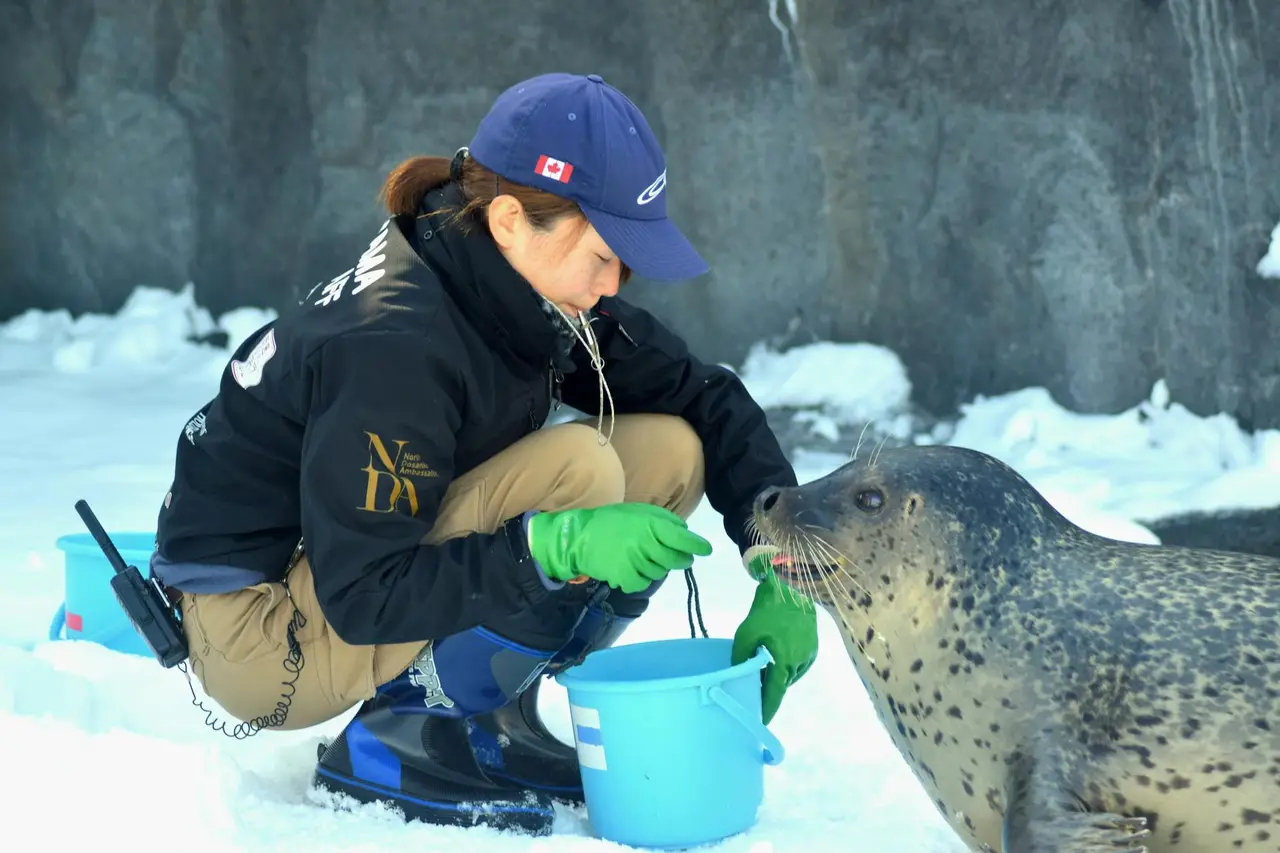
If I only had two free days in Sapporo, I’d do Otaru and Jozankei. That gives me one easy, walkable outing and one slower day without burning half the trip on transfers. If I had three days, I’d add Noboribetsu before I’d add Asahikawa, because the hot springs feel more distinct from the city.
The biggest mistake I see people make is treating every day trip like it needs to be “worth it” in some dramatic way. That math never works out. A day trip is worth it if the transit is simple, the activity matches your mood, and you’re not paying a lot just to get tired somewhere else.
Best for: Short trips where you want one or two day trips, not a whole circuit.
Skip if: You’re the type who hates taking the last train and checking schedules twice.
My pick: Otaru first, Jozankei second, Noboribetsu if you still have energy and a full day left.
I’d book fewer day trips and leave one day completely open. I tried to overuse Sapporo as a base, and it made the trip feel busier than it needed to be. I’d also spend a little more on staying near Sapporo Station or another easy transit hub. The extra few dollars a night can save you a lot of dragging-around time, especially if you’re starting early. I checked one cheaper place that was ¥2,000 less per night, but the extra 25-minute walk each way would’ve annoyed me every single day. I paid more and didn’t regret it.
Where I’d Actually Stay in Sapporo
Sapporo View Hotel Odori Park
Sapporo
★★★★☆

Sapporo Excel Hotel Tokyu
Sapporo
★★★★☆
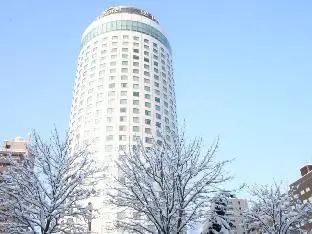
Sapporo Prince Hotel
Sapporo
★★★★☆
For Sapporo I used Agoda — they had the best rate for my dates.
I pre-booked on Klook the night before — skipped the entire ticket line.
FAQ
Is Otaru actually worth a full day from Sapporo?
Yes, Otaru is worth a full day if you like easy walking, food stops, and a trip that doesn’t chew up your whole schedule. I’d spend about 4 to 6 hours there and call it enough, because the canal and Sakaimachi Street don’t need an all-day commitment. If you only have one free day, this is the safest choice.
Can I do two day trips back-to-back without getting exhausted?
No, I wouldn’t stack two long day trips in a row unless one of them is very short and simple. Even a “light” outing like Otaru still means train time, walking, and a lot of small decisions. I’d leave at least one slower day in between, or Sapporo starts feeling like a transit base instead of a city.
Which trip would I cut first if the weather turns bad?
I’d cut Lake Shikotsu first. It relies more on the outdoors than the others, and gray weather takes a lot out of it fast. Otaru and Noboribetsu still work in light cloud, but a lake day needs better conditions to feel worth the extra travel.
Is Noboribetsu too far for a day trip?
No, it’s still workable as a day trip, but I wouldn’t call it casual. The train-plus-bus combo adds enough time that you need an early start and a clear plan for the onsen area. If you hate long return rides, I’d skip it and keep the day closer to Sapporo.
What’s the one day trip I’d do again without thinking twice?
Otaru, easily. It’s the best mix of low cost, simple transit, and enough to do without feeling stuffed. I paid around ¥750 each way on the train and never felt like I was overpaying for the experience.
 Emma Hayes