
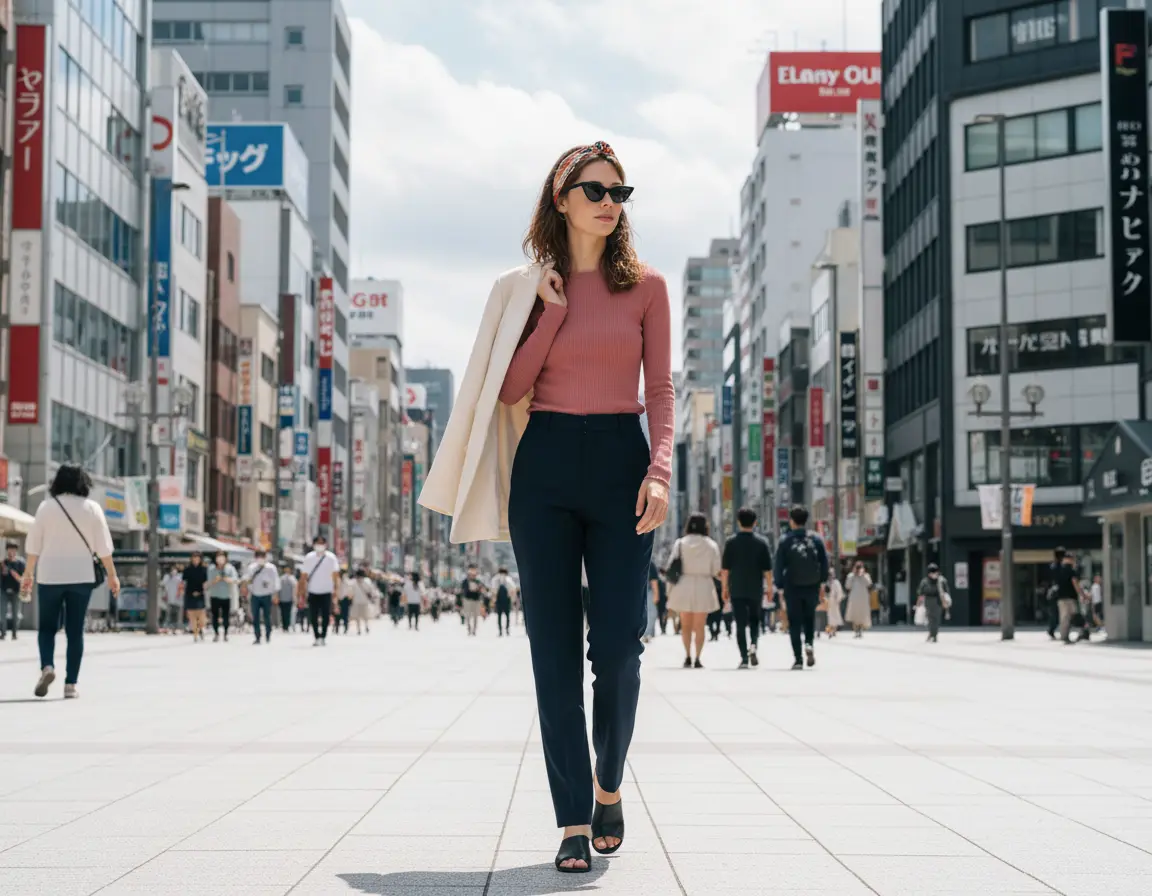
Nobody told me this before I went: Sapporo changes depending on the season more than most cities I’ve visited in Japan. I went in mild weather — around 7–17°C, partly cloudy, jacket in hand by lunch — and the city felt easy, roomy, and way less annoying than I expected. My answer is simple: I’d go for winter if I wanted the real Sapporo experience, and I’d go for late spring or early autumn if I wanted comfort and lower-friction sightseeing. Summer is fine, but I wouldn’t plan a whole trip around it unless I already had a reason. The best time to visit Sapporo really depends on whether you want snow, easy walking, or a softer city trip.
Quick Answer: Late January to February is my pick for snow, festivals, and the full Sapporo feel. For easier sightseeing, I’d choose May or September. Summer is usable, but it’s my backup option, not my first choice.
Best fit: people who want snow, food, and good transit without Tokyo-level stress.
Skip it: if you only care about cherry blossoms, beaches, or nonstop nightlife.
My pick: late January to February for snow and festivals, or May and September for easier walking and better value.
Quick Answer
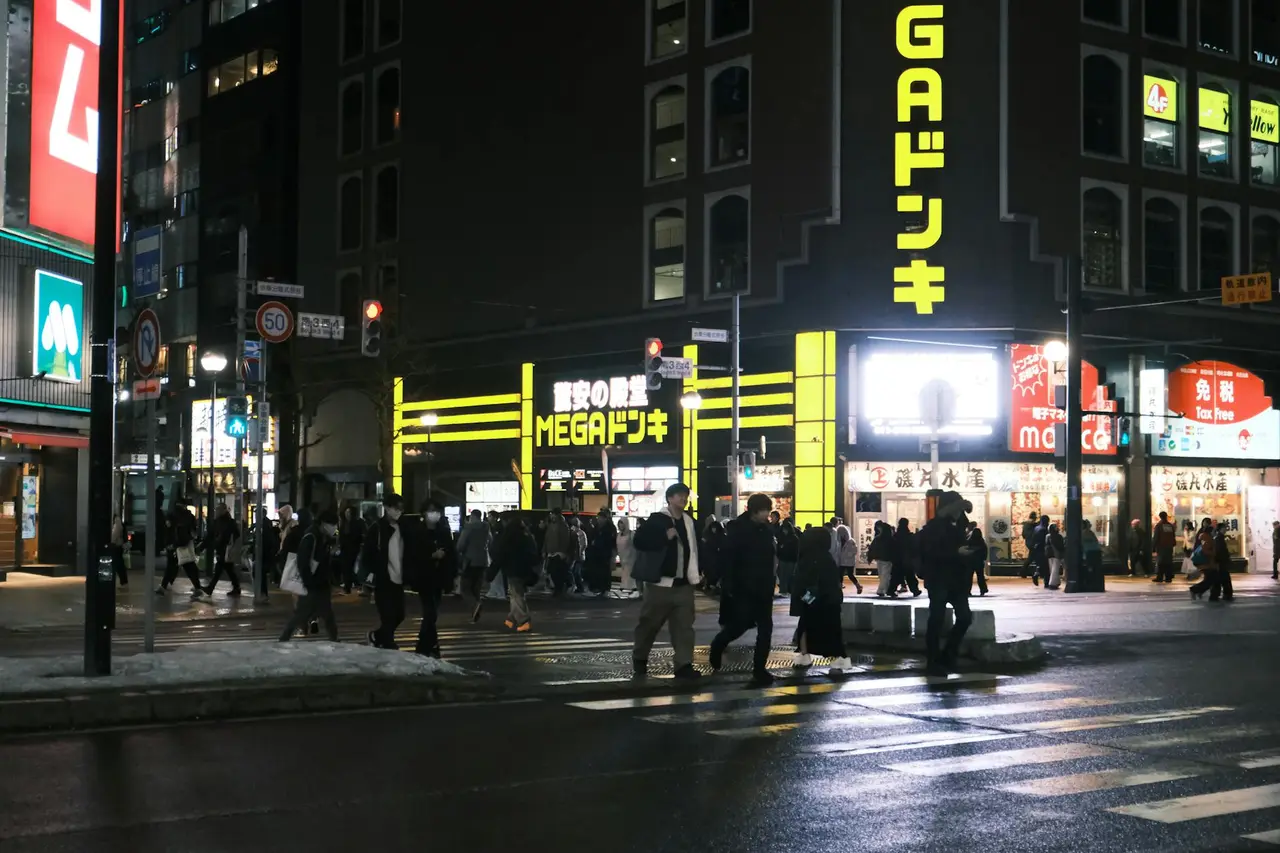
If you want the version of Sapporo that sticks in your head, go in late January or February. That’s the best time to visit Sapporo for snow, hot bowls of soup, and the slightly ridiculous feeling of walking through a city that has fully committed to winter. For easier sightseeing, I’d pick May, June, or September. I remember leaving my hotel near Sapporo Station in a jacket and ending the afternoon in a T-shirt, which is usually my favorite kind of packing failure. If you’re watching your budget, shoulder season is kinder. Rooms were easier to find, and I didn’t get hit with the kind of winter pricing that makes you stare at a booking page for too long. For a short trip, I’d choose one clear reason to go and stick to it. Sapporo is not the place for vague optimism. That never saves time.
Winter is the real reason to come, but book it like everyone else is coming too
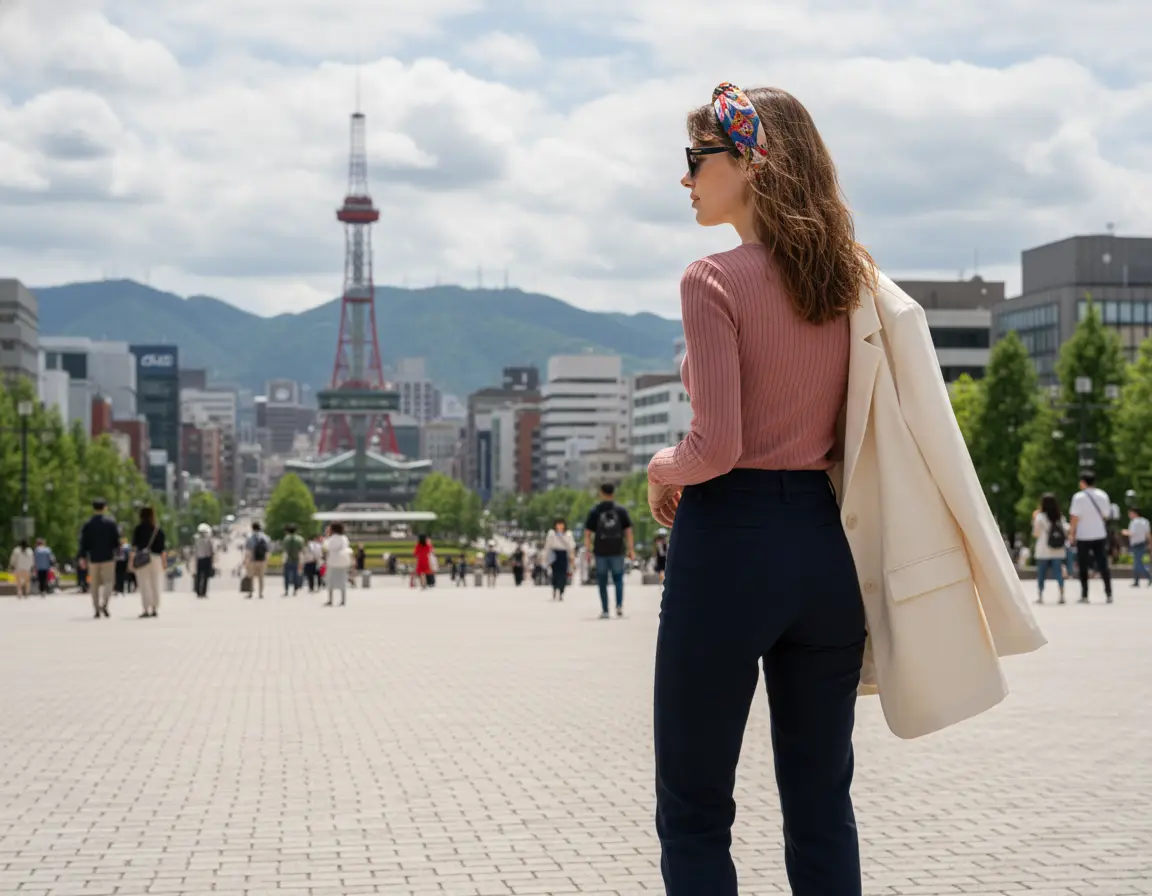
I’d still choose winter first if I’d never been to Sapporo. Snow changes the city fast. Odori Park, Susukino, and the Sapporo Snow Festival area all feel different when the ground is packed white instead of just being a regular urban park corridor. I paid more attention to transit timing, because walking 15 minutes in slushy boots is not the same as walking 15 minutes in dry weather. Worth it, though.
The catch is that winter is also the season when people stop pretending they’re flexible. If you want a hotel in a sane location, I’d book ahead. Near Sapporo Station and around Odori, rates can jump fast in February, especially around festival dates. I checked a few midrange places and saw rooms that were around ¥9,000–¥14,000 on normal dates push higher when demand tightened. I’d rather pay that once than drag my bag through cold streets after dark.
Best for: snow lovers, festival travelers, and people who don’t mind planning ahead.
Skip if: you hate cold, bulky luggage, or spending money on thermal layers you’ll only wear once.
My pick: winter is the season I’d build the whole trip around, but I’d lock accommodation before I locked anything else.
I expected winter Sapporo to feel harsh and a bit miserable. It didn’t. It felt organized, and that surprised me. The streets were manageable, the train system made sense, and the city seemed built for cold instead of fighting it. That’s the difference.
Spring and early autumn are the easy answer if you want Sapporo without the winter hassle
If I were going back for a first or second trip and wanted the least friction, I’d choose May, early June, or September. This is the season where I could walk around without turning my day into a clothing project. On my trip, I started with a light jacket in the morning, then ditched it by lunchtime. By afternoon I was carrying sunglasses in one hand and acting like I had planned the weather perfectly, which I obviously hadn’t.
This is the best time if you care more about getting around than checking a seasonal box. Odori Park is pleasant, the walk from Sapporo Station to central areas doesn’t feel punishing, and you can actually enjoy food stops without thawing yourself out first. It’s useful but not dramatic. That’s fine. Not every trip needs a snow-globe moment.
I’d especially choose this window if I had less than 5 days in Hokkaido and wanted Sapporo to be my base, not the whole point. You still get good food, easy transit, and a city that doesn’t feel rushed. The tradeoff is simple: you lose the snow, but you also lose the cold-weather logistics.
Best for: first-timers, walkers, and anyone who wants a smooth city trip.
Skip if: you’re coming specifically for winter scenery or the Snow Festival.
My pick: May and September are the dates I’d choose if I wanted the easiest version of Sapporo.
Summer is fine, but I wouldn’t fly in just for it
Sapporo’s summer gets a better reputation than it deserves. It’s cooler than much of Japan, which is nice, but “less miserable than Tokyo in August” is not the same thing as “worth planning your vacation around.” If you’re already in Hokkaido, summer is a good time to be there. If you’re choosing Sapporo as the main event, I think winter or shoulder season gives you more back for the same flight.
I’d use summer for food, parks, and a slower city pace. I wouldn’t use it for a bucket-list sightseeing sprint. The city works well, but it doesn’t have the visual punch that winter gives it. And if you’re the type who gets bored when a destination feels a little too normal, summer may leave you underwhelmed.
Best for: travelers extending a Hokkaido route or avoiding peak summer heat elsewhere in Japan.
Skip if: you want the most distinct Sapporo experience possible.
My pick: summer is my backup option, not my first choice.
What I’d book ahead, and what I’d just sort out on arrival
The big mistake is over-planning the wrong things and under-planning the expensive ones. I’d book flights and hotels early for winter, especially if I wanted a central base. For spring or autumn, I’d still book a decent room before arrival, but I wouldn’t panic. In Sapporo, location matters more than fancy extras. I’d rather stay near Sapporo Station, Odori, or Susukino than save a little and lose 25 minutes every time I wanted to go anywhere.
What I wouldn’t book ahead is random “local experience” stuff that looks cute online but turns into a time sink. I skip guided bus tours almost everywhere, and Sapporo is no exception. The city is easy enough to handle on your own. A subway pass and a map app do more work than most packaged day tours I’ve seen.
If you’re trying to decide on hotels, I’d look at rates for your arrival dates before committing. Sapporo isn’t cheap enough to ignore timing, but it’s also not so chaotic that you need to book six months out for a shoulder-season trip. For winter, though, I’d stop pretending I could wing it. That’s how you end up paying more for a mediocre room because everything decent is gone.
Best for: independent travelers who care more about transit and sleep than hotel amenities.
Skip if: you’re looking for a packaged, fully planned trip with every transfer arranged for you.
My pick: book the bed first, then figure out the rest once you know your dates.
See all Sapporo hotels on Agoda →
The festival dates are worth it only if you accept the crowd tradeoff
The Snow Festival is the biggest reason people pick winter, and I get why. The city feels sharper and more alive when the snow sculptures are up. But I also think it’s easy to romanticize the event and ignore the part where you’re sharing sidewalks with a lot of other people doing the same thing. I waited 25 minutes for one of the more popular food stalls near the main festival area, and that was on a day when I was already cold and hungry. Fun, but not exactly efficient.
If you go for the festival, I’d treat it as one piece of the trip instead of the trip itself. Go early in the day, eat before the main rush, and don’t plan a tight schedule around one sculpture area. The city is better when you leave yourself room to wander. If you only have 2 or 3 days in Sapporo, I’d rather spend one evening around Susukino eating ramen than spend the whole day chasing crowds for photos.
Best for: first-time winter visitors who want the iconic version of Sapporo.
Skip if: crowds annoy you or you hate standing still in cold weather.
My pick: go once, but don’t build the entire trip around it.
I compared the options in Best Day Trips From Sapporo — useful if you haven’t booked yet.
If things to do in sapporo matters to your trip, my Things To Do In Sapporo At Night has the specifics.
Food season matters less than people think, but winter still wins for comfort eating

Sapporo’s food scene is one of the few things I’d enjoy in almost any season. Still, winter makes it easier to appreciate. Miso ramen tastes better when your face is cold. Soup curry feels like a practical decision instead of a trend. I ate a bowl of ramen near Susukino that cost around ¥1,200, and it was exactly the kind of meal that makes winter travel feel less stupid. Not glamorous. Just good.
If I were choosing based on food alone, I’d still lean winter or shoulder season. Why? Because I’m more likely to want hot meals, less likely to want long outdoor detours, and happier sitting in a small restaurant after walking through cold air. Summer is still fine for food, but it doesn’t add anything special the way winter does. That’s my honest read.
Best for: travelers who want ramen, seafood, and a lot of warm meals between transit stops.
Skip if: you’re expecting Sapporo to be a nonstop restaurant city with no weather impact.
My pick: I’d time my trip around eating well in cold weather, then let the rest of the itinerary follow that lead.
One thing I’d skip entirely is paying extra for anything that markets itself as a “local food experience” but just hands you a fixed menu and a pretty setting. I’d rather spend ¥1,200 on ramen or ¥2,000 on a meal I found myself than overpay for a staged version of local eating. That stuff usually looks better online than it feels in person.
What I’d do differently next time
I’d plan around the season first, not the attractions. That sounds obvious, but I didn’t do it well enough the first time. I also wouldn’t try to squeeze Sapporo into a wider Japan itinerary without giving it at least a few days. The city works best when you let it breathe a little.
I’d also book my hotel earlier if I was coming in winter and stop pretending I’d find a great deal at the last minute. I paid for convenience in a few places in Japan when I should’ve just booked smarter. Sapporo is one of those cities where location saves you more than a cheap room ever will.
Rough daily estimates from my own trip. Prices shift by season.
My final call on when to go
I’d go to Sapporo in winter if I wanted the city at its best and I didn’t mind planning ahead. I’d go in May or September if I wanted the easiest, least annoying version of the trip. Summer is usable, but I wouldn’t make it the reason I flew there.
Best for: travelers who want snow, good food, and a city that’s easy to move around in without Tokyo-level stress.
Skip if: you need warm beach weather, hate cold logistics, or only have 1–2 days and no seasonal goal.
Next time: I’d pick late January or September, then book the hotel earlier than I think I need to.
I booked my trip for June thinking shoulder season meant fewer crowds and decent weather, but I didn’t check the humidity cycle — I ended up sweating through three shirts a day and wasting about 4,000 yen on laundry services I wouldn’t have needed in May or September. The mistake was assuming “mild” automatically meant “comfortable,” when really Sapporo’s late spring gets thick and heavy in a way that changes how much you actually want to walk around. Next time I’d go late May or early September instead, when the air still lets you move.
See current Sapporo hotel prices on Agoda →
I usually book Sapporo tours on Klook — the best time slots go fast, especially in peak season.
FAQ
Is winter in Sapporo too cold for a solo trip?
No, I don’t think winter is too cold for a solo trip if you pack properly and keep your days realistic. The city handles snow well, and I was comfortable with a light jacket, warm layers, and boots that didn’t make me hate walking. I’d just avoid overloading the day with too many outdoor stops.
Is the Snow Festival worth planning a trip around?
Yes, but only if you accept crowds and higher hotel prices. I spent time near the festival area and the atmosphere was fun, but I also waited 25 minutes for food and had to move slower than I wanted. I’d go once, then build the rest of the trip around normal city stuff so the whole visit doesn’t turn into queue management.
What month would you pick if you only had one chance to go?
I’d pick February if I wanted the strongest Sapporo experience, or September if I wanted the easiest one. February gives you snow, winter food, and the city’s most distinct feel, while September keeps the weather comfortable and the streets easy to walk. I’d choose based on whether I wanted atmosphere or low effort.
Can I visit Sapporo on a tight budget?
Yes, Sapporo can work on a budget if you avoid winter festival dates and stay near transit instead of chasing trendy hotels. I kept food costs reasonable by eating ramen, curry, and convenience-store snacks, and that helped a lot. The expensive mistake is usually location, not food.
How many days do I need in Sapporo to make the season choice matter?
Three full days is the point where the season starts to matter in a real way. With just 1 or 2 days, I’d pick the season that makes your main plan easiest, not the one that sounds nicest on paper. If your dates are fixed, choose based on weather comfort and hotel availability first.
 Emma Hayes