
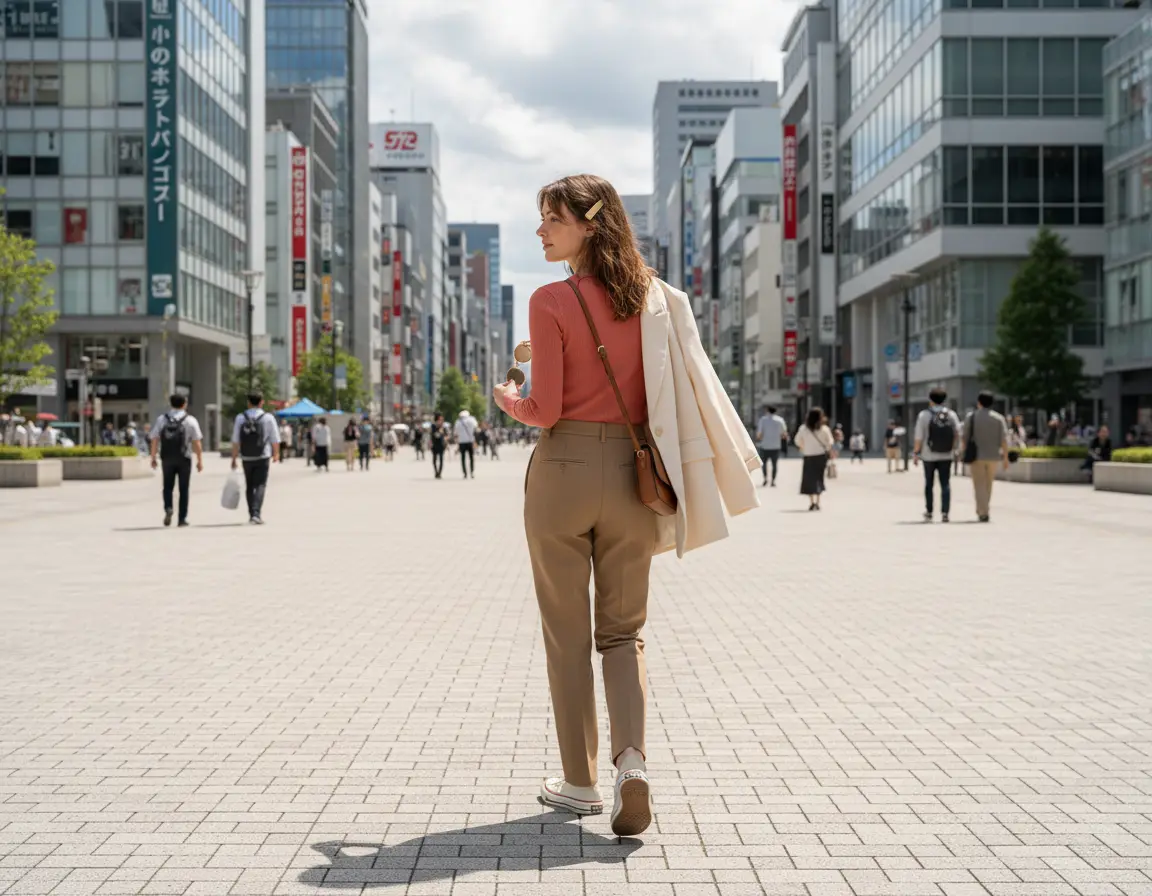
I did this wrong the first time. I treated Sapporo like a quick stopover, packed too much into one day, and spent half of it on trains and the other half eating standing up because I was already behind. After fixing that trip in my head about a dozen times: three days works for Sapporo if you want a city break with good food, easy transit, and one side trip that doesn’t swallow the whole itinerary. The mistake isn’t going — it’s going without a loose day built in.
This itinerary works if you like walking, food halls, and a city that doesn’t punish you for not taking taxis. It’s not for people who want wall-to-wall shrines or a sightseeing checklist that requires a spreadsheet. The core decision is simple: stay central, keep one day deliberately slower, and skip anything with a line longer than 30 minutes that isn’t food.
Quick Answer: For a Sapporo itinerary over 3 days, I’d base near Sapporo Station or Odori, spend Day 1 in central Sapporo and Susukino, Day 2 across Hokkaido Jingu, Maruyama Park, and Moerenuma Park, and Day 3 at Nijo Market or Otaru. My rough daily spend landed around $100–$182 depending on how much ramen I ate.
- Three days in Sapporo is enough — but only if you’re not trying to do Hokkaido’s greatest hits in the same trip.
- Stay near Sapporo Station or Odori. I almost booked something 20 minutes out because it was cheaper. The math didn’t work once I added transit time both ways, twice a day.
- Skip anything oversold with a long queue. The parts I remember most were a bowl of miso ramen at a counter, the tram ride across town, and the market at 8 a.m. before the tour groups arrived.
- Daily spend was manageable for Japan — especially once I stopped paying for hotel breakfasts I didn’t actually want.
Day by Day
Day 1: Central Sapporo, Zero Stress, Good Food
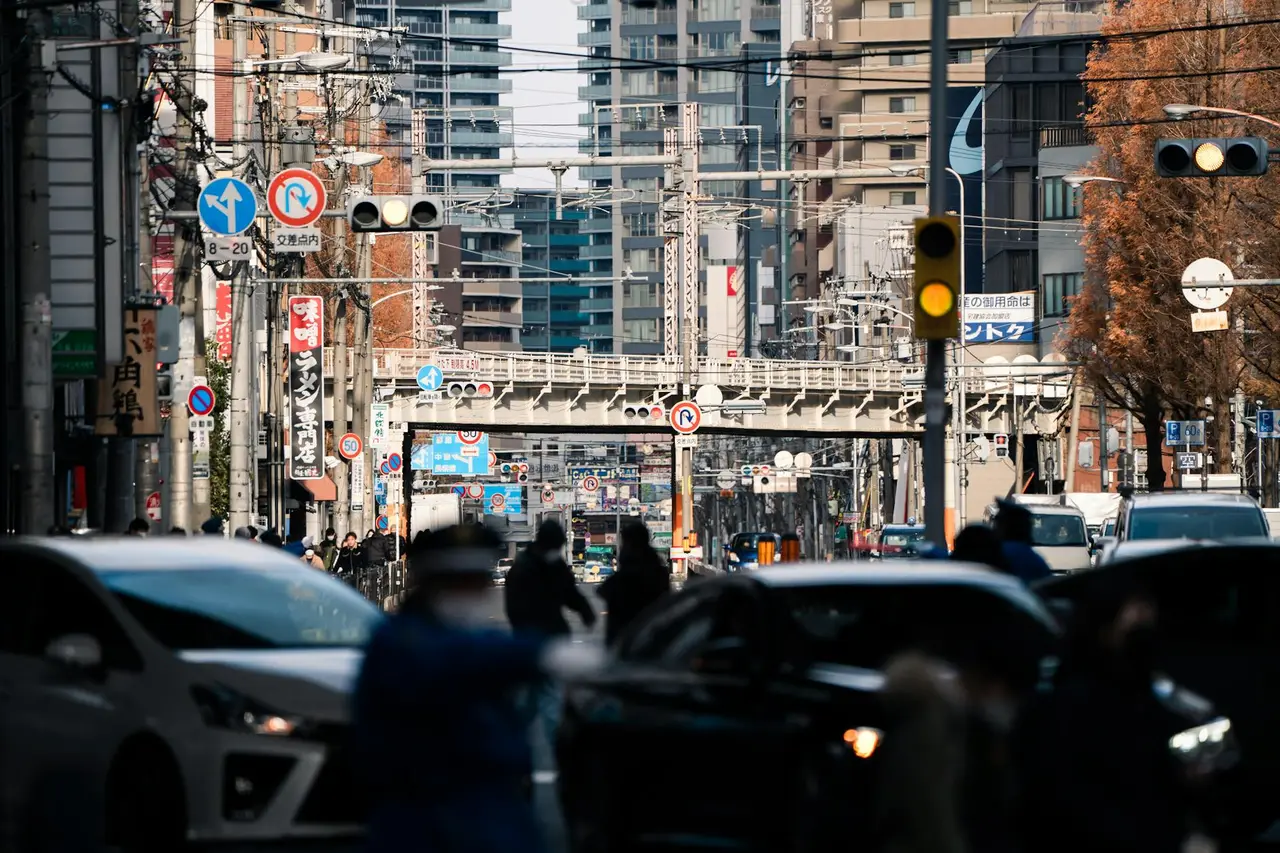
I’d start with the center of the city and keep the first day light. After a flight, or even after a morning train, I don’t want a schedule that feels like a punishment. This day is about getting your bearings, eating well, and seeing the parts of Sapporo that actually help you understand the city. Best for: first-day energy, bad-weather backup, and anyone arriving before lunch.
Morning, 9:00 a.m. to 11:30 a.m. — Sapporo Station to the Former Hokkaido Government Office
Start at Sapporo Station and walk south about 10 minutes to the red-brick Former Hokkaido Government Office. The walk is flat and easy, and I liked that I could orient myself without needing to decipher a bus map right away. Entry was free when I went, which already puts it ahead of a lot of “historic” stops that charge you to look at a room for five minutes. Worth it if you like a quick, low-cost city landmark. Skip if you’re allergic to government-building sightseeing; this is more about atmosphere and the grounds than a deep museum visit.
I spent maybe 20 minutes inside and another 15 outside. That was enough. I expected it to be a bigger deal, honestly, and it wasn’t — but the break from the station area was useful, and sometimes that’s the whole point.
Lunch, 11:45 a.m. to 1:00 p.m. — Ramen Alley or Sapporo Station
For lunch, I’d go to either Susukino Ramen Alley or one of the station restaurants, depending on how much walking you want to do. From the Government Office area, it’s about 20 minutes on foot to Susukino, or you can take the subway from Odori to Susukino in about 2 minutes for around ¥210
I’d pick ramen over a hotel lunch set every time here. Hotel breakfasts in Sapporo are often sold as a perk, but they’re usually just expensive convenience. I’d rather spend that money on one bowl I actually remember.
Afternoon, 1:15 p.m. to 4:30 p.m. — Odori Park, TV Tower, and the Beer Museum area
Walk back north into Odori Park and spend some time there without trying to “do” it. The park itself is free, and the TV Tower sits at the east end if you want the overhead view. I paid around ¥1,000 for the observation deck once; it was fine, but I wouldn’t call it essential. Best for: a clear city layout and a low-effort afternoon. Skip if short on time: the TV Tower, because the park view from the ground is enough for most people.
If you want a second stop, head toward the Sapporo Beer Museum area by bus or taxi, but I’d only do that if you care about beer history or want the brewery atmosphere. From Odori, getting there by taxi takes about 10 minutes and costs roughly ¥1,200 to ¥1,800
Evening, 5:00 p.m. onward — Susukino for dinner
Finish in Susukino for dinner and a short walk through the neon blocks. I ate grilled lamb at a small place near the station and paid about ¥1,800 with a drink. That’s the kind of meal I’d recommend here: local, straightforward, and tied to the neighborhood instead of some generic “city dining” idea. Worth it if you want Sapporo’s busiest food zone. Skip if you hate bright streets and crowds at night; this area can feel a bit much after 8 p.m.
My pick: keep Day 1 simple and central. I tried to squeeze in one more stop my first time and regretted it because I spent too much time moving between places instead of actually enjoying the city.
Day 1 rough total: about ¥3,500–¥6,000 / $23–$40, depending on whether you pay for the TV Tower and drinks.
Day 2: Parks, Shrines, and the Part of Sapporo That Slows Down
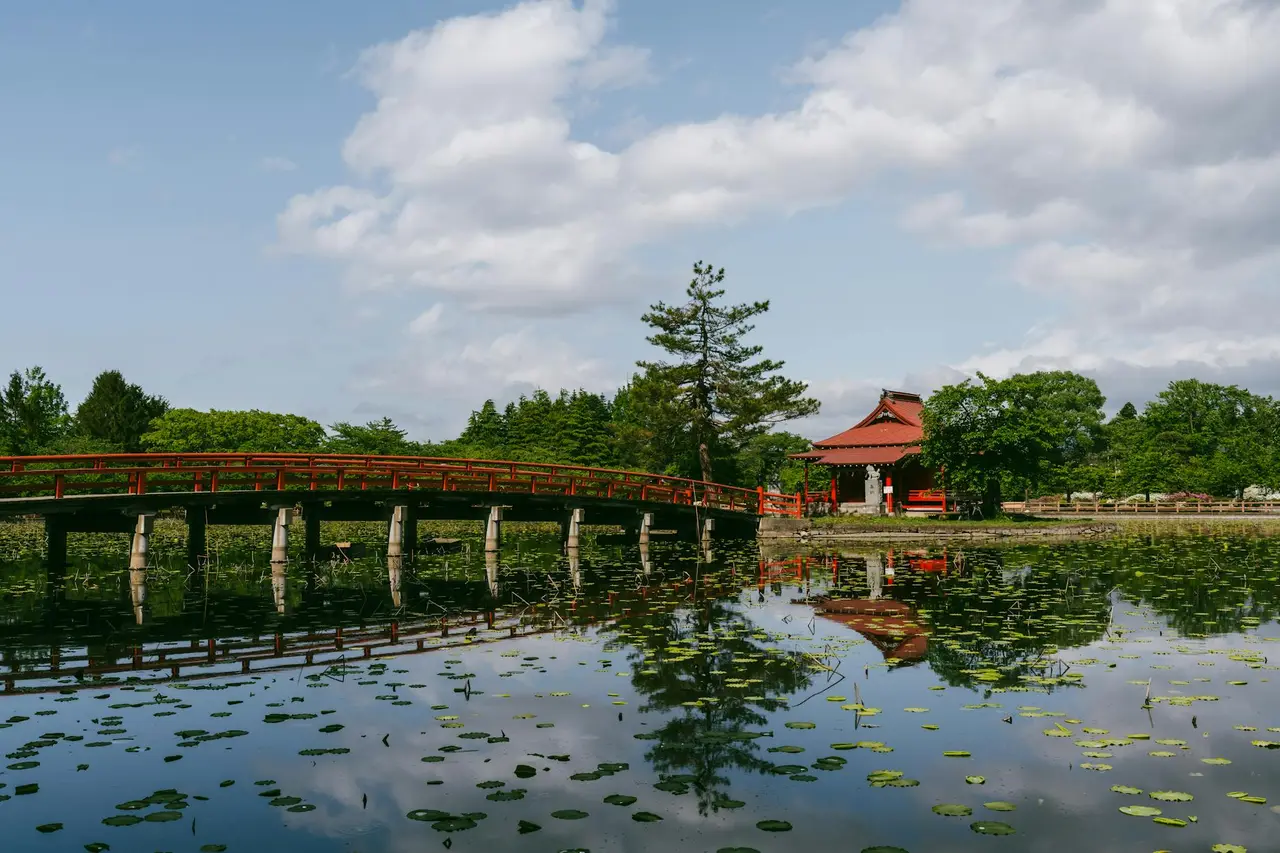
Day 2 is the one I’d keep for a slower pace. I planned it around places that don’t require mental gymnastics, because Sapporo is at its best when you stop forcing it to be a checklist city. This day works especially well if the weather is cool, which it was for me — around 6–15°C, partly cloudy, with my jacket in hand by late morning. Best for: walkers, solo travelers, and anyone who wants one calm day in the middle of the trip.
Morning, 9:00 a.m. to 11:30 a.m. — Hokkaido Jingu and Maruyama Park
Take the subway to Maruyama Koen Station. From Sapporo Station, that’s about 10 minutes on the Tozai Line plus another 10 minutes walking to the shrine entrance, and it costs around ¥210 each way. I got there with sunglasses on and a jacket in my hand because the sun kept breaking through the clouds, then disappearing again. Hokkaido Jingu is free, and the grounds are the real reason to go. Worth it. The shrine itself is calm, but not in a dramatic, life-changing way. Calm is enough.
I had expected Maruyama Park to be more of a “big city park” scene, but it felt quieter and more local than that. People were walking dogs, a few older couples were taking their time, and I didn’t feel like I was standing in a staged travel spot. That surprised me in a good way. If you want a place that feels useful rather than showy, this is it.
Lunch, 11:45 a.m. to 1:00 p.m. — Soup Curry near Maruyama or back in central Sapporo
I’d eat soup curry nearby instead of heading back into the city first. From the shrine area, a local curry spot usually means a short walk or a 5-minute taxi ride, and I paid about ¥1,200–¥1,600 for a bowl with vegetables and chicken. The advantage is obvious: you don’t waste the middle of the day commuting for lunch. Worth it if you want one of Sapporo’s signature foods without turning it into a production. Skip if you’re not hungry enough for a full meal, because soup curry is filling and a little heavy if you treat it like a snack.
Afternoon, 1:15 p.m. to 4:30 p.m. — Moerenuma Park
Go to Moerenuma Park after lunch if you want the most different-feeling stop in the city. From central Sapporo, I’d take the subway and a bus combination, or a taxi if you’re with luggage or just tired of transfers. The full trip can take 35–50 minutes, and that’s the tradeoff. Entry is free, but the transit time is real, so I wouldn’t put this on a rushed itinerary. Best for: people who like landscape design, wide open space, and a place that feels unlike downtown.
I almost skipped it because I assumed it would be one of those places that photographs better than it feels. I was wrong. It’s actually useful if you need a reset from the city, and I stayed longer than planned, which almost never happens when I’m skeptical at the start. If you only have two days total, though, this is the first thing I’d cut.
Evening, 5:30 p.m. onward — Back to Odori or Susukino for dinner
Head back to central Sapporo for dinner rather than eating in the park area. From Moerenuma Park, expect about 45 minutes to get back by bus and subway, maybe less if you time it well. I grabbed a quick meal near Odori for around ¥1,000 and kept the night easy. That was the right call. After a day with more transit, I don’t want to chase a fancy reservation across town.
Day 2 rough total: about ¥3,000–¥5,500 / $20–$37, depending on transit and whether you add a taxi to Moerenuma.
Day 3: Choose Your Own Finish — Market Morning or Otaru Side Trip
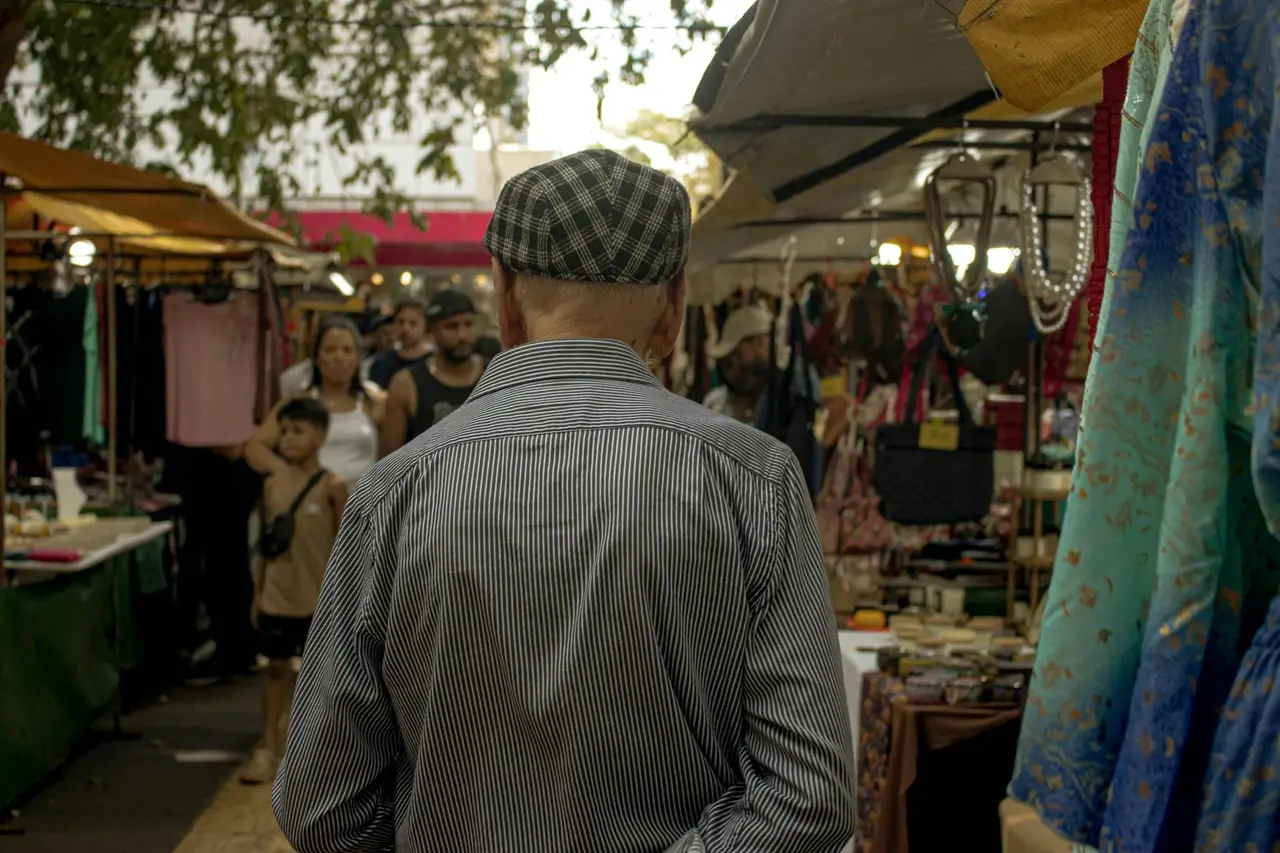
Day 3 is where I’d give myself a choice instead of forcing a fixed route. If you want more Sapporo, stay in the city and do a market morning. If you want one side trip, go to Otaru. I’d only do both if you’re moving slowly and don’t mind a long day. Best for: flexible travelers who don’t need every hour booked.
Option A: Nijo Market and a final city lunch
If I’m staying in Sapporo, I’d start at Nijo Market around 8:30 a.m. before it gets busy. From Odori, it’s a 10-minute walk, so there’s no reason to pay for transport. I had a seafood rice bowl there for about ¥1,800, and while it wasn’t cheap, it was better value than the more polished places that seem designed for tour groups. Worth it if you want one straightforward seafood meal. Skip if you’re not into early starts, because the market is at its best before mid-morning.
I’d avoid lingering too long. I spent about an hour there, which felt right. The market is practical, not magical. That’s fine. Practical places are often the ones I remember more clearly later, because they solve a real travel problem: breakfast that turns into lunch.
Option B: Otaru day trip
If you want to leave the city, take the JR Hakodate Line from Sapporo Station to Otaru. It usually takes about 35–45 minutes and costs roughly ¥750 one way. I’d leave around 8:30 a.m. and come back by late afternoon. The canal area is the obvious draw, but I’d treat it as a half-day stroll with snacks, not a full sightseeing marathon. Worth it if you want a change of pace and don’t mind a train ride. Skip if your goal is to keep the trip low-effort, because Otaru adds transit and a bit of crowd management.
I expected Otaru to feel more special than it did. It’s pleasant, and I’m glad I went, but the canal itself didn’t hold me for long. I spent more time picking a snack and waiting for a seat than actually sightseeing. If you only have three days total, I’d only choose Otaru over a city morning if you really want that seaside-town feel.
Lunch and afternoon, whichever option you choose
If you stay in Sapporo, eat near the station and use the afternoon for a final walk through the underground mall or a coffee stop. If you go to Otaru, grab a bakery lunch or seafood bowl near the canal and keep the rest unstructured. I’m being a little strict here because three days goes fast, and this is where people overbook themselves. Skip if short on time: any souvenir shopping that requires a detour. I bought one box of Shiroi Koibito cookies, and that was enough.
Day 3 rough total: about ¥2,500–¥5,000 / $17–$34 for a city day, or ¥4,000–¥7,000 / $27–$47 if you add Otaru.
Where I’d Stay So This Itinerary Actually Works
For Sapporo I used Agoda — they had the best rate for my dates.
I’d stay near Sapporo Station or Odori, and I’d pay a bit more for that location. I looked at cheaper places farther out, including one that was about ¥2,000 less per night, but the extra 20–30 minutes of commuting each day would’ve eaten the savings fast. That math never works out for me. Best for: first-time visitors and solo travelers who want easy transit. Skip if you’re only in town for one night and planning to stay out late in Susukino, because then being right by the nightlife zone may matter more.
For Sapporo I used Agoda — they had the best rate for my dates.
Where I’d Actually Stay in Sapporo
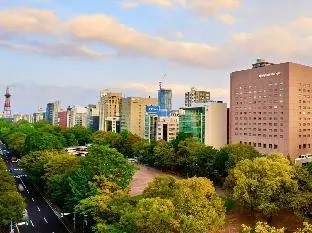
Sapporo View Hotel Odori Park
Sapporo
★★★★☆
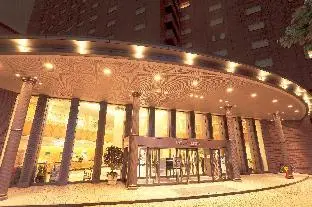
Sapporo Excel Hotel Tokyu
Sapporo
★★★★☆
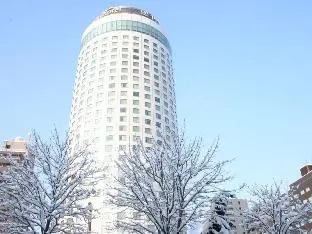
Sapporo Prince Hotel
Sapporo
★★★★☆
The station area is plain, but plain is useful. You can get to the subway, the JR lines, and the underground walkways without thinking too hard, which matters when the weather is cool or you’re carrying a bag. I’d rather have a decent room near the station than a prettier one that turns every outing into a commute.
See all Sapporo hotels on Agoda if you want to compare station-area prices against Susukino before booking.
For a deeper look at time to visit sapporo, I covered this in my Best Time To Visit Sapporo.
If sapporo or tokyo for first timers matters to your trip, my Sapporo Or Tokyo For First Timers has the specifics.
Cost Breakdown
Rough daily estimates from my own trip. Prices shift by season.
Transport Tips
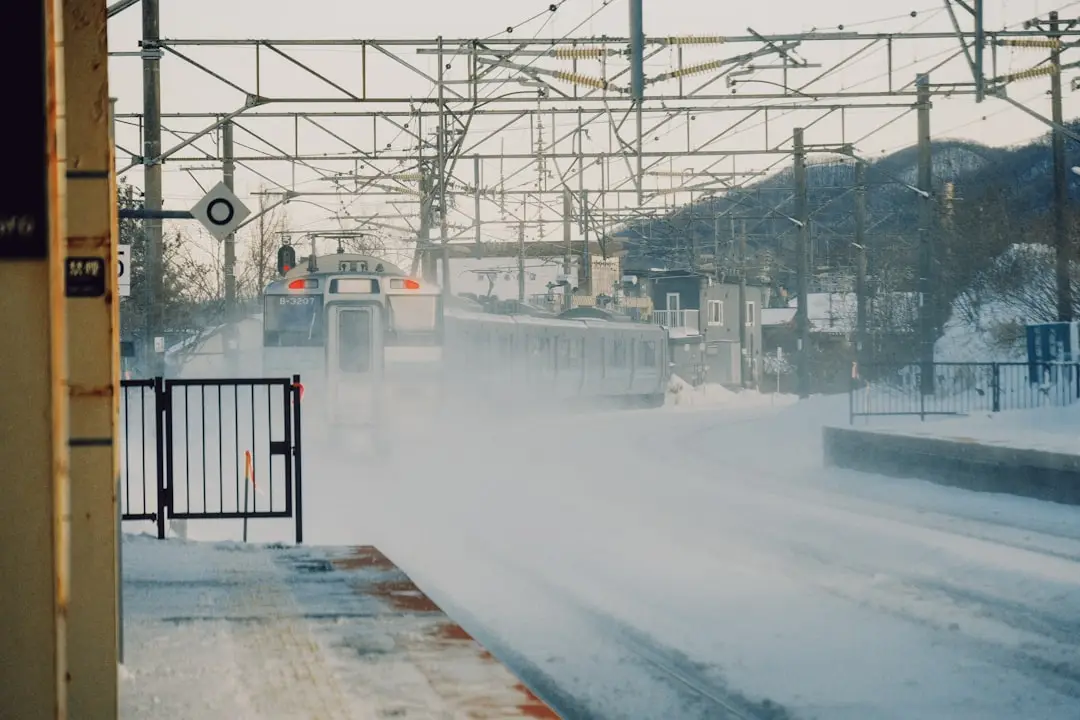
I’d use the subway for most of this trip and only add taxis when they save a real chunk of time. From Sapporo Station to Maruyama Koen Station, the subway takes about 10 minutes plus a short walk, and it costs around ¥210 each way. Odori to Susukino is about 2 minutes by subway for around ¥210, which is why I wouldn’t bother with a taxi for that stretch.
For Moerenuma Park, the subway-and-bus combination is the main tradeoff: it takes about 35–50 minutes from central Sapporo, so it’s worth doing only if you want the park itself. Otaru is the one longer ride I’d keep in mind, since the JR Hakodate Line from Sapporo Station takes about 35–45 minutes and costs roughly ¥750 one way.
If you’re staying near Sapporo Station or Odori, most of the city becomes easy enough that you can move around without thinking too hard. That’s the whole point of this route.
I booked a full-day tour on Day 1 thinking it would maximize my time, but I spent 6 hours on a bus with 20 other people instead of actually exploring on foot—I missed the ramen alley I wanted to eat at and paid ¥8,500 for something I could’ve done myself in half the time. The trigger was trusting a travel site’s “best way to see Sapporo” without checking what kind of traveler I actually am. Now I’d skip the tours entirely and just walk the neighborhoods I’m staying near.
I pre-booked on Klook the night before — skipped the entire ticket line.
I pre-booked on Klook the night before — skipped the entire ticket line.
FAQ
Is three days enough for Sapporo?
Yes, three days is enough for Sapporo if you want a relaxed city trip with one side outing. I’d use one day for central Sapporo, one for parks and the shrine area, and one for either Otaru or a slower market morning. If you try to cram more in, the trip starts feeling like transit with snacks.
Should I stay near Sapporo Station or Susukino?
I’d pick Sapporo Station for a first trip because it makes the whole itinerary easier to run. Susukino is better if nightlife matters more than convenience, but I found the station area more efficient for early starts and day trips. If you’re only in town for a short stay, the station wins on pure practicality.
Is Otaru worth the train ride from Sapporo?
Yes, Otaru is worth it if you want a half-day change of pace and don’t mind spending about 35–45 minutes each way on the JR line. I wouldn’t call it essential, though, because it adds a layer of planning that a pure Sapporo day doesn’t need. If your trip is only three days total, I’d choose Otaru only if you really want a canal-town detour.
What should I cut if I only have two days?
I’d cut Moerenuma Park first. It’s good, but the transit time makes it the easiest thing to lose when the schedule tightens. Keep Odori, Hokkaido Jingu, and one food-heavy evening instead.
Is Sapporo expensive for a short trip?
No, Sapporo isn’t expensive if you stay central and eat like a normal person instead of chasing hotel packages and fancy sightseeing meals. My biggest costs were accommodation and the occasional long dinner, not transit or entry fees. A realistic budget for a comfortable three-day trip is still lower than what I’d spend in Tokyo or Kyoto for the same level of convenience.
 Emma Hayes