

Nagoya was supposed to be a quick food stop. It was a lot more useful than that. I went in expecting a few famous dishes and some filler meals between trains, and I ended up with a city where a cheap lunch could beat a “special” dinner if I picked right. For a Nagoya cheap eats walking tour 2026, that was the whole point.
My answer is simple: Nagoya is worth a cheap eats walking tour if you like eating a lot without blowing your budget. It’s not for people who want polished tasting menus or a glossy food crawl with someone waving a flag. What matters most here is choosing the right streets and skipping the places that exist mainly for tourists with short attention spans.
Quick answer: Start with misokatsu at Yabaton Honten in Sakae, then tebasaki at Furaibo, and finish with one snack in Osu. My best meals were under ¥1,500, and I had a full day of eating for about ¥4,000
Restaurants
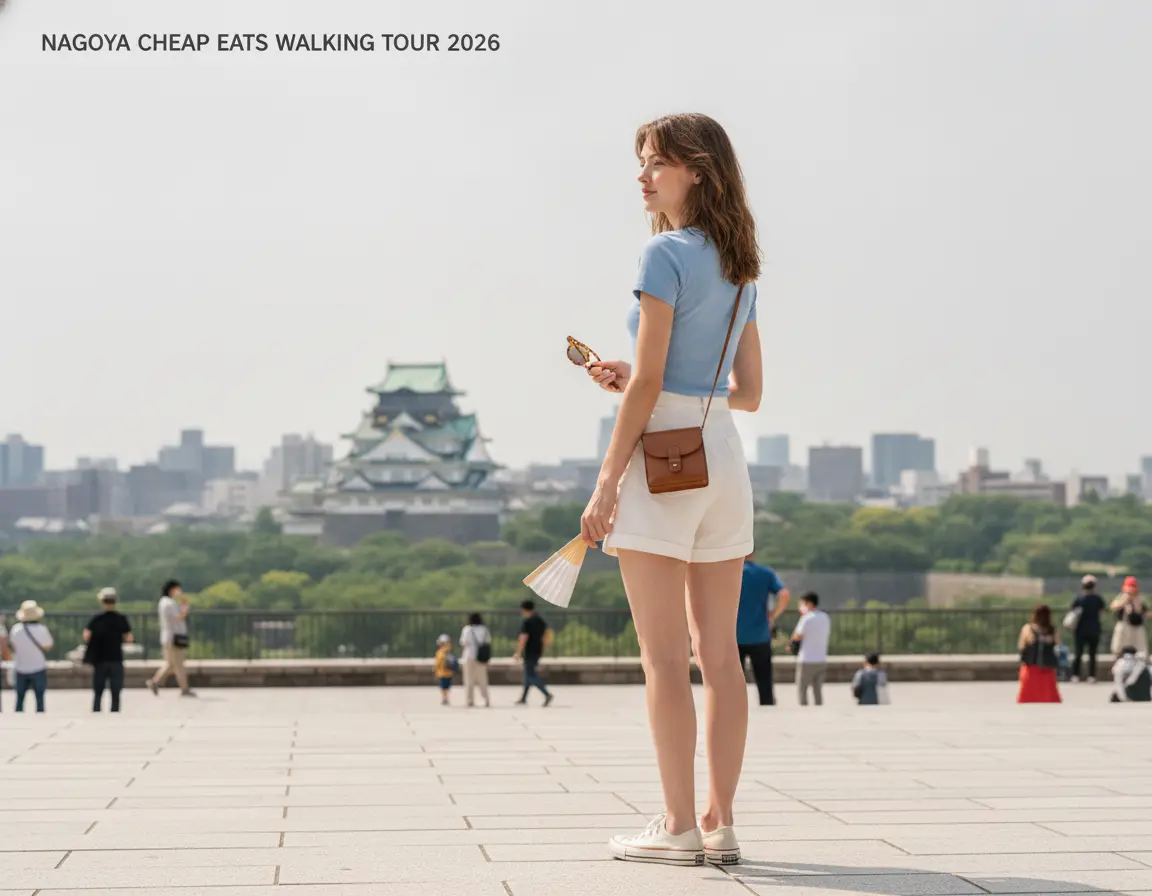
My first stop: misokatsu that was actually worth the detour
I started at Yabaton Honten in Sakae because everyone recommends it, and I wanted to see if the hype had any teeth. I ordered the misokatsu set, which ran me about ¥1,900
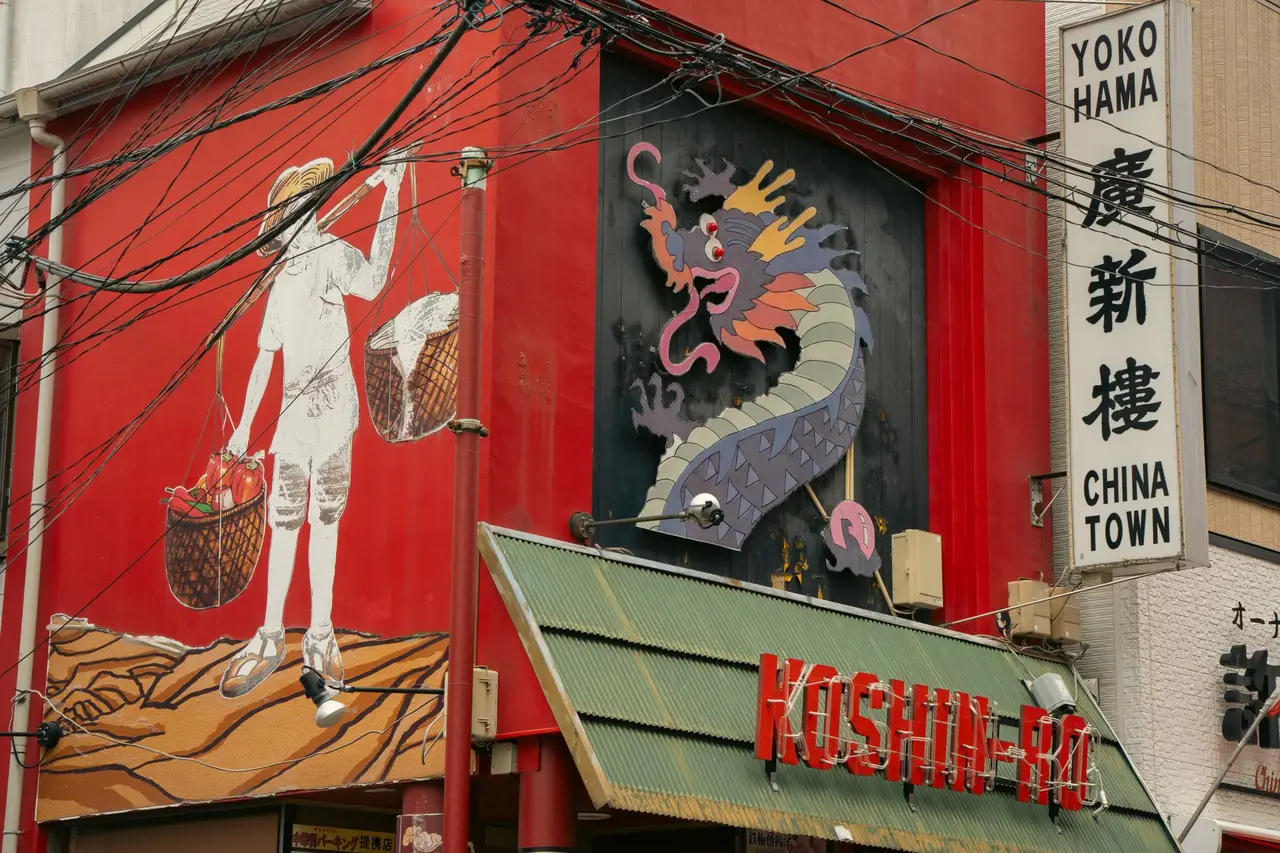
I waited about 25 minutes, which is already near my personal limit, but the queue moved steadily and the place runs like it knows exactly what it is. The meal itself was not subtle. The sauce is salty and rich, and I liked it more than I expected because the pork stayed crisp under all that miso instead of turning into mush. Worth it, but only if you go early or don’t mind a line.
Best for: first-timers who want Nagoya’s signature dish without guessing.
Skip if: you hate waiting or want something light.
My pick: I’d go again, but I’d show up before noon and avoid the lunch rush.
How to find it: I walked from Sakae Station, and that was the cleanest way to do it. It’s in a part of town where you can eat, wander, and keep moving without needing a taxi. If you only do one “famous” meal in the city, this is the one I’d keep.
Tebasaki in Nagoya is better as a cheap snack than a big plan
For chicken wings, I went to Furaibo because I wanted the standard version, not some over-designed version that existed for photos. I ordered a half-dozen tebasaki for around ¥700, plus a beer that pushed the bill closer to ¥1,400
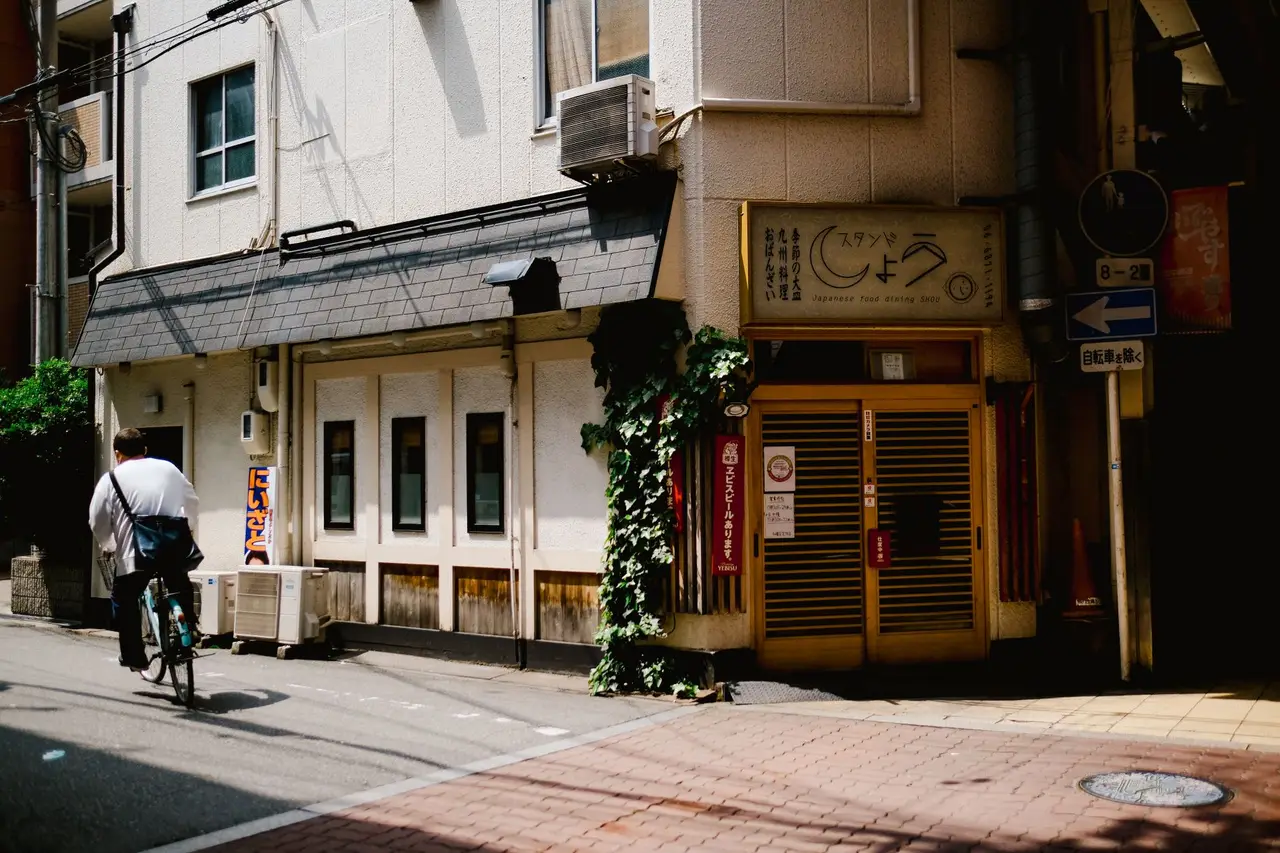
I’d heard tebasaki described like a life-changing snack. It’s not that dramatic. Still, it’s one of the better value bites in Nagoya because the portion is cheap, fast, and doesn’t require a big commitment. I ate mine in about 15 minutes and kept walking. That’s the point.
Best for: budget travelers who want something salty and quick between bigger meals.
Skip if: you’re looking for a full meal or a quiet sit-down dinner.
My pick: worth it as a snack, not as the main event.
How to order: at the counter, I pointed to the tebasaki set on the menu. Some branches are busier than others, but the process is easy enough even if your Japanese is nonexistent. If you’re doing a walking route, this is the kind of stop that keeps the day moving instead of killing it with a long lunch.
Osu Shopping Street: good for grazing, bad for overplanning
Osu was the part of the day where I made my first mistake. I figured the shopping street would be a cheap-eats gold mine all the way through, so I didn’t bother eating before I got there. That was the obvious move, or so I thought. But I arrived after a damp, hot morning around 28°C, already hungry, and the first thing I saw was a line at one of the bigger takoyaki stalls that went past 30 minutes. I bailed and bought a ¥180 bottled tea instead, which was not the lunch I had in mind.
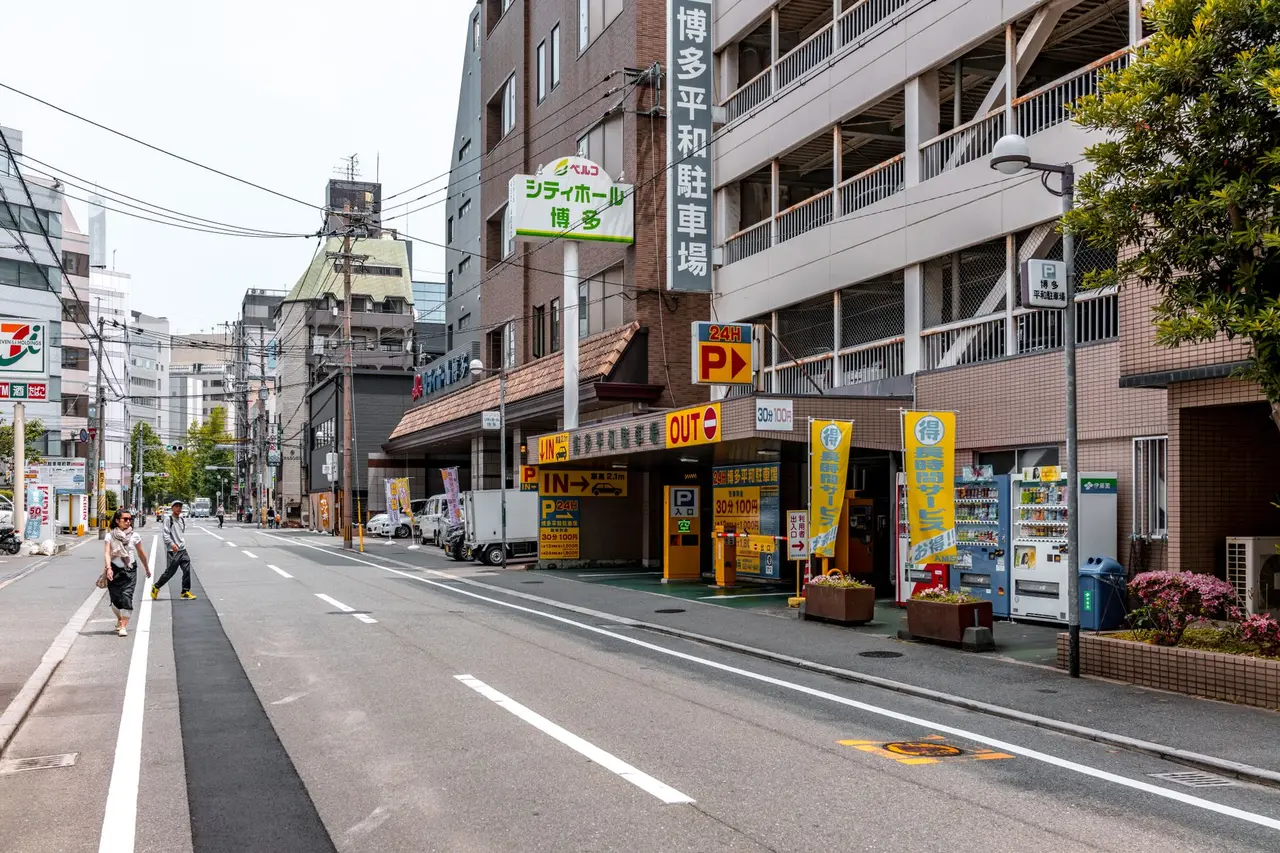
That was the trigger: I was trying to make the famous stall work because it was famous, not because it made sense. The consequence was simple. I wasted time, got hungrier, and ended up grabbing a random curry bread for about ¥320 from a side shop just to stop myself from getting annoyed. It was fine. Not memorable. The better move would’ve been to eat before entering Osu and then treat the street like a snack zone, not a main meal destination.
Best for: grazing, snacking, and people who don’t mind wandering without a strict plan.
Skip if: you’re impatient with lines or want your best meal of the day here.
My pick: I’d use Osu for one snack, not three.
What I’d order here next time: taiyaki if the line is short, karaage if I spot a busy local stall, and then I’d leave. The problem with Osu isn’t the food. It’s that the street is easy to overdo because there’s always one more thing to try. That math never works out for me.
The one place I expected to be overhyped — and it kind of was
I assumed Nagoya Station’s underground food area would be the smartest place to eat because it’s efficient and packed with options. It is efficient. It is also the kind of place where you can accidentally pay a little too much for something just okay because you’re tired and the train is in an hour. I had a grilled eel rice bowl there for around ¥2,200
I expected the station food floor to be a hidden win. Instead, it was useful but not memorable. The eel was fine, the service was fast, and I got out in time for my train. But I wouldn’t make it a destination. If you’re already there and starving, it works. If you’re choosing where to eat, I’d walk a bit farther.
Best for: people with a train gap and zero patience.
Skip if: you can spare 15 minutes to walk somewhere less obvious.
My pick: only if you need speed more than value.
How to find it: follow the signs into the Meitetsu and JR station food areas, then ignore the first glossy place you see. I paid too much once here because I was in a hurry. Not a disaster, just a small annoyance I didn’t need.
Food Budget
Rough per person per day estimates from my own meals.
Lunch sets beat dinner for value, and I’d do that again
My best value meal in Nagoya was a lunch set at a small tonkatsu place near Sakae, where I paid about ¥1,100 for a pork cutlet, rice, miso soup, and pickles. Nothing fancy. No dramatic plating. Just a meal that made sense. The staff moved fast, the room filled with office workers, and I knew I’d made the right call within two bites. That’s usually a good sign.
I almost went back for dinner, but the same type of meal would’ve cost closer to ¥1,500 or ¥1,700, and I didn’t think the difference was worth it. Lunch sets in Nagoya are the sweet spot if you want to eat well without paying for the evening rush. My rule here is pretty boring: eat your “real” meal at lunch, then keep dinner simple. It saves money and you don’t end up too full to walk.
Best for: anyone trying to keep a food day under control.
Skip if: you only want late-night eating.
My pick: lunch is the smarter bargain almost every time.
What I’d do differently: I’d plan the whole day around one big lunch and two smaller stops instead of chasing a big dinner. I spent more on dinner than I needed to because I was still hungry after snack-hopping. That’s on me.
What I’d skip: touristy food near the obvious sights
Everyone recommends Nagoya Castle-area food stalls and souvenir-heavy snack counters, but I’d skip most of them. I paid about ¥600 for a castella-style souvenir snack near a major attraction, and it was dry enough that I regretted not saving the money for an actual meal. The problem wasn’t the idea of local food. It was the markup and the fact that the whole setup felt designed for people who weren’t staying long enough to care.
I also walked past a place selling “Nagoya specialty” sets with big photos and a line of tourists, and I didn’t even bother. Those spots usually lean on convenience and branding, not value. If the menu is translated in five languages and the first thing you see is a photo board, I get suspicious fast. Sometimes that suspicion is wrong. Here, it usually isn’t.
Best for: nobody, unless you’re desperate and already there.
Skip if: you care about price per bite.
My pick: I’d walk 10 minutes away and eat elsewhere.
That’s the difference in Nagoya: the good cheap eats are often just off the most obvious route, not right on it. I didn’t need a guidebook to tell me that once I’d paid enough times to notice.
I booked the food tour through Klook — way cheaper than booking at the counter.
FAQ
Is Nagoya worth eating through on foot?
Yes, and I’d do it again. The best cheap meals are close enough to walk between, especially around Sakae, Osu, and Nagoya Station. I spent more time choosing badly than actually getting around.
What should I order first if I only have one meal?
I’d order misokatsu first, no question. It’s the most useful “this is Nagoya” meal, and a decent lunch set usually lands around ¥1,100 to ¥1,900 depending on the spot. If you only have one stop, that’s the one I’d protect.
Are the famous chicken wings actually worth it?
Yes, but as a snack, not a big event. I paid around ¥700 for six wings and liked them more for the speed and price than for any dramatic food moment. They’re worth it when you want something quick between bigger meals.
Should I eat at Nagoya Station or walk somewhere else?
I’d walk somewhere else if I had more than a train gap to fill. Station food is fast, but I paid about ¥2,200 for eel there and felt the convenience markup right away. If you’re rushed, it works; if not, your money goes farther outside the station.
Can I do a cheap food day in Nagoya without booking anything?
Yes, and that’s how I’d do it. A self-guided day works well because the city’s food is spread out in manageable clusters, and most of the good value spots don’t need reservations. I’d only book if I wanted a guide to handle the route for me.
 Emma Hayes