

I did this wrong the first time. I treated Hiroshima like a quick stop, rushed the Peace Park, and then spent the rest of the day wandering around hungry and slightly annoyed because I hadn’t planned the ferry to Miyajima properly. Three days is the right amount here if you want the city and the island without sprinting. I’d use this Hiroshima itinerary 3 days plan for first-time visitors who like history, good food, and easy transit. If you only want one big shrine photo and a box to tick, two days is enough.
Quick Answer: Three days in Hiroshima is worth it if you want the Peace Memorial area, Miyajima, and one slower neighborhood meal or museum stop. My best-fit plan is Day 1 for Peace Park and the museum, Day 2 for Miyajima, and Day 3 for Shukkeien, Hondori, and easy city food. I’d stay near Hiroshima Station or central tram access, and I’d expect around ¥240 per tram ride, about ¥200 for the museum, and roughly ¥420 to reach Miyajimaguchi by JR.
Day by Day
Day 1: Peace Park, the museum, and a low-key evening
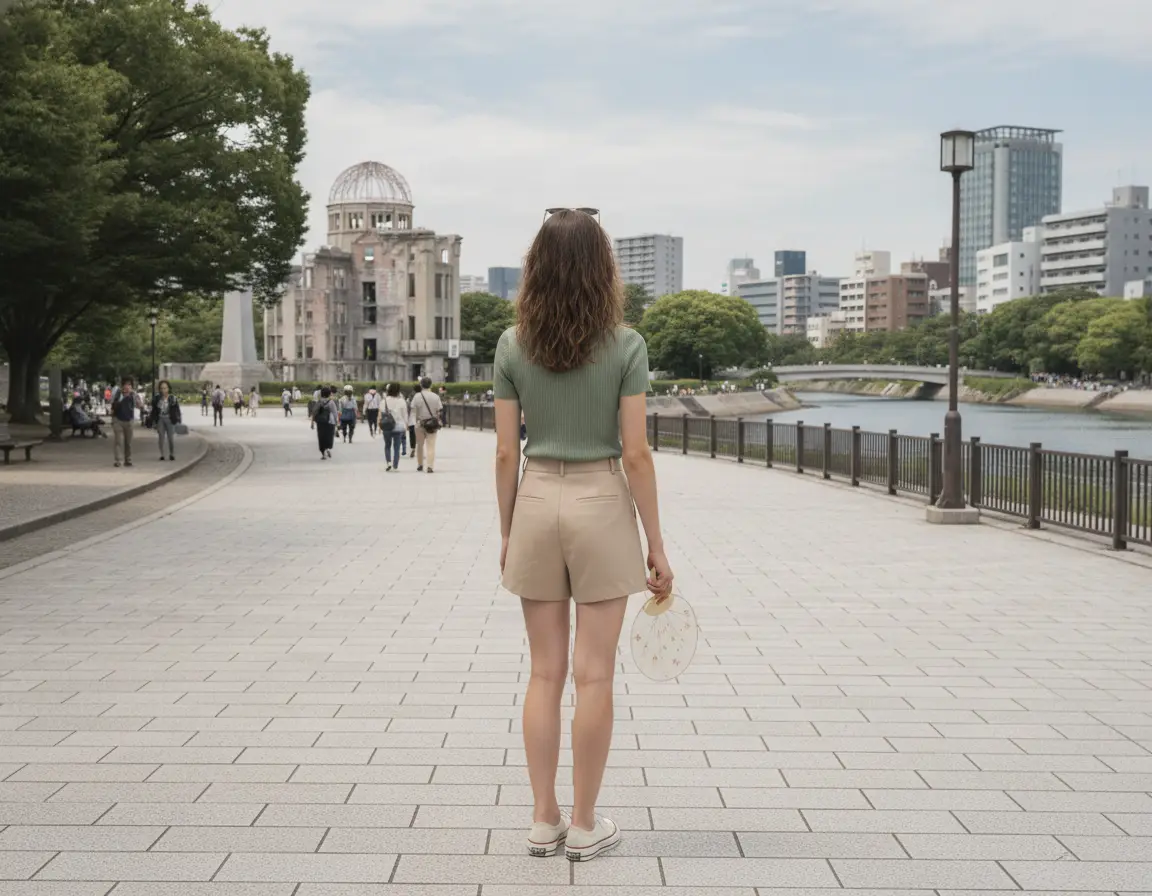
I’d start here because Hiroshima makes more sense once you’ve seen the Peace Memorial Park and the museum before anything else. I walked from the Atomic Bomb Dome to the museum in about 10 minutes, and that short stretch matters more than it sounds like it will. The whole area is easy to do on foot, which is rare and useful.
Begin at the Atomic Bomb Dome early, ideally around 8:30 a.m. if you want a quieter first look. It’s free, and you only need 15-20 minutes unless you’re lingering for photos or reading the plaques. I thought it would feel more sealed-off and formal, but it’s right there in the middle of the city, with trams passing nearby. That contrast hit harder than I expected.
From there, walk 5 minutes into Peace Memorial Park. Give yourself 30-45 minutes to move slowly through the Cenotaph, the Children’s Peace Monument, and the open paths. I used my fan and sunglasses because it was in the 21-28°C range and already warm by late morning, which sounds obvious, but I still forgot how exposed the park feels in the sun. If you need a coffee break, there are convenience stores and small cafés near the park edges; I paid about ¥190 for a canned coffee and sat for 10 minutes under the trees.
Then go into the Hiroshima Peace Memorial Museum. Entry is usually around ¥200, which is one of the best value museum tickets I’ve paid in Japan. Plan for 1.5 to 2 hours, and don’t schedule anything emotionally heavy right after. I made the mistake of trying to stack too much after it the first time, and I just ended up tired and weirdly hungry in the wrong way. The museum is worth it, but only if you give it space.
Best for: A first day with structure and not much transit hassle.
Skip if: You’re already overloaded by war history and want to keep the day lighter.
My pick: Museum first, then a slow walk back through the park before dinner.
For lunch, stay near the park and keep it simple. I’d eat at a nearby okonomiyaki spot rather than crossing town for something “better,” because Hiroshima-style okonomiyaki is one of the city’s actual reasons to be here. I paid around ¥1,100 at a small counter place near central Hiroshima Station on a different day, and that price felt fair for a full meal. If you want a first-night dinner with zero fuss, this is the move.
In the evening, head to Hondori or the streets around it for a casual walk and dinner. The tram from the Peace Memorial area to Hondori takes about 5-10 minutes and costs roughly ¥240. It’s not fancy, but it works. I’d choose a small izakaya or another okonomiyaki place over a sit-down tourist menu that charges twice as much for the same ingredients. Fine, not hard to decide.
Skip if short on time: You can drop the museum and keep only the Peace Park and Dome if you’re on a very tight schedule, but I’d only do that if you’re emotionally tapped out or arriving late.
Day 2: Miyajima without the day-trip chaos
Day 2 is the one people overcomplicate. I’d go to Miyajima early, and I would not treat it like a sleepy half-day add-on unless you’re staying overnight there. From Hiroshima Station, take the JR Sanyo Line to Miyajimaguchi Station, about 25 minutes and roughly ¥420, then walk 5 minutes to the ferry terminal. The JR ferry is covered by the JR Pass if you have one; otherwise, the ferry is inexpensive and easy. Total transfer time from central Hiroshima to the island is usually around 45-60 minutes once you count the walk and boarding.
I expected Miyajima to feel like a polished tourist trap. Parts of it are, honestly. But I still liked it more than I thought I would because the island has a rhythm that changes once the first ferry rush thins out. The deer are annoying near the main street, and I kept my bag zipped because one tried to nose at the strap. Cute for five seconds. Then no.
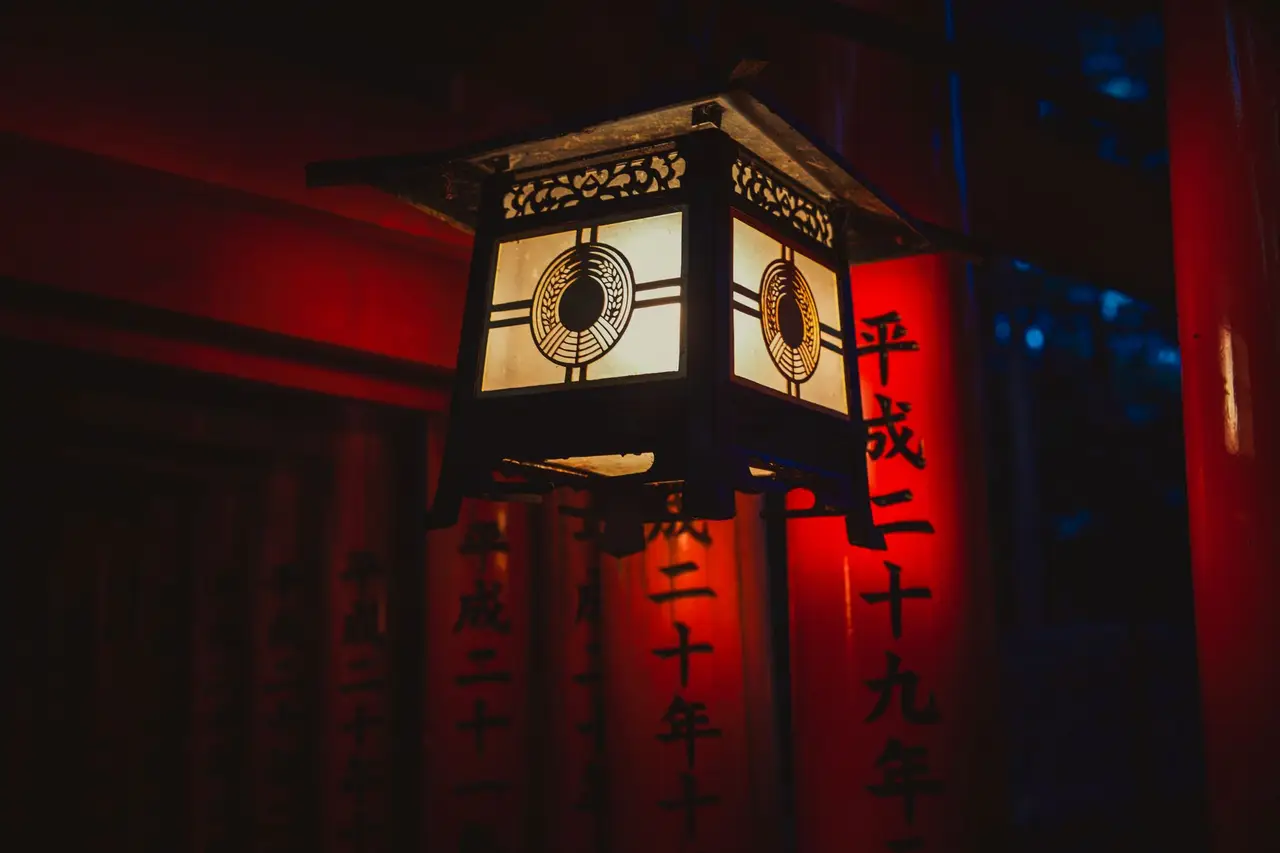
Get there before 9:00 a.m. if you want the torii and Itsukushima Shrine area before the worst crowd build-up. The shrine entry is about ¥300, and the famous floating torii view is free from the shore. I waited maybe 15 minutes for a decent photo angle, which is fine, but I wouldn’t pay extra for a guided photo stop or any of that packaged nonsense. The outside view is enough.
Have lunch on the island, but keep expectations grounded. I’d go for oysters if they’re in season, or grab a simple set meal near Omotesando Shopping Street. I paid about ¥1,300 for grilled oysters and a drink on a previous trip, and that felt like one of the few island purchases that wasn’t inflated just because tourists were standing nearby. If a restaurant has a line over 30 minutes, I’d skip it and eat later. The food is good enough elsewhere.
After lunch, pick one uphill thing, not three. Mount Misen is the usual choice, but I’d only do it if you actually want a half-day hike or a cable car ride. The ropeway costs around ¥2,000 round trip, and the full mountain outing can swallow 3-4 hours once you include waiting, the ride, and the walk at the top. I went up once thinking I’d “just see how far I got,” and the line ate the mood. That was my failure, plain and simple. I lost almost an hour and a half to queueing and ended up cutting the island time I wanted for wandering and snack stops. Next time, I’d go early or skip the mountain entirely and stay in the town center longer.
Best for: People who want Miyajima without turning it into a crowded all-day ordeal.
Skip if: You hate ferry logistics or you only have one full day in Hiroshima.
My pick: Early ferry, shrine, lunch, then one extra hour of wandering before heading back.
Back in Hiroshima, I’d keep the evening easy. Take the tram or a JR local train back, then have dinner near Hiroshima Station if you’re staying there, or in the central shopping streets if you’re downtown. I like station-area dinners on travel days because they don’t pretend to be an event. A good ramen bowl or curry plate usually runs ¥900-1,400, and that’s the kind of price I trust at the end of a long day.
Skip if short on time: If you only have two days total, I’d cut Mount Misen before I’d cut the Peace Memorial Museum. The island is nice; the museum is the reason Hiroshima stays with you.
Day 3: Local food, tram rides, and one slower neighborhood
Day 3 is where Hiroshima stops being a checklist and starts feeling like a city you can actually live in for a minute. I’d keep this day lighter on purpose. After two days of major sites, the best move is one neighborhood meal, one market stop, and one simple transit ride that doesn’t cost much or require planning gymnastics.
Start at Hiroshima Station if you haven’t already explored it. The station area is useful, not pretty, and I mean that as a compliment. It has the easiest food options, luggage storage, and tram connections in the city. If you’re moving hotels, this is the least annoying place to base yourself. I checked a few business hotels here that were around ¥7,500-¥12,000 a night, and that’s the range I’d expect for decent value without pretending you’re in a design magazine.
From the station, take the tram to the Shukkeien area or just walk if your hotel is central. The tram ride costs around ¥240 and takes 10-15 minutes depending on the line and stops. Shukkeien Garden is worth it if you want a quiet hour and a break from heavy history. Entry is usually around ¥260, and 45-60 minutes is enough unless you’re the type who sits on every bench. I thought I’d breeze through it, but I stayed almost an hour because the garden gives you a reset without asking for much back.
Best for: A slower third day that keeps your trip from feeling like a museum marathon.
Skip if: You’re trying to squeeze Hiroshima into one packed overnight stay.
My pick: Shukkeien in the morning, then food and a lazy afternoon walk.
For lunch, I’d go after Hiroshima-style okonomiyaki again, but not at the most famous place with the longest line. You’ll see plenty of those in the commercial arcades, and I’d skip any spot that looks like it was built for Instagram first and appetite second. I ate at a smaller counter-style place near the station and paid around ¥1,100, which is the kind of number that makes sense for a full meal here. The layered noodles, cabbage, and sauce are the point. Don’t overpay for a prettier room.
If you still have energy, spend the afternoon in the Hondori shopping arcade and the side streets around it. This is where Hiroshima feels normal in the best way: drugstores, small bars, bookstores, and a few places to sit down with a cold drink. I bought a cold tea for ¥160 and watched the city move for 20 minutes because my feet needed a reset. That’s not a highlight reel moment, but it made the day work.
One thing I’d add here only if you care about baseball: Mazda Zoom-Zoom Stadium is worth a detour when there’s a game on. Tickets vary, but even a cheaper seat can be a good value if you like local sports culture more than souvenir shopping. If there’s no game, skip it. Stadiums are dead weight without a reason.
Skip if short on time: Cut the garden first if you only have two days, then keep the station area and one good lunch.
Cost Breakdown
Rough daily estimates from my own trip. Prices shift by season.
I wrote a more detailed breakdown in Is Hiroshima Worth Visiting — worth reading if you’re still deciding.
I compared the options in How Many Days In Hiroshima — useful if you haven’t booked yet.
If hiroshima mistakes first time visitors matters to your trip, my Hiroshima Mistakes First Time Visitors has the specifics.
For a deeper look at time to visit hiroshima, I covered this in my Best Time To Visit Hiroshima.
If neighborhoods matters to your trip, my Best Neighborhoods In Hiroshima has the specifics.
I wrote a more detailed breakdown in Hiroshima Or Kyoto For First Timers — worth reading if you’re still deciding.
Transport Tips
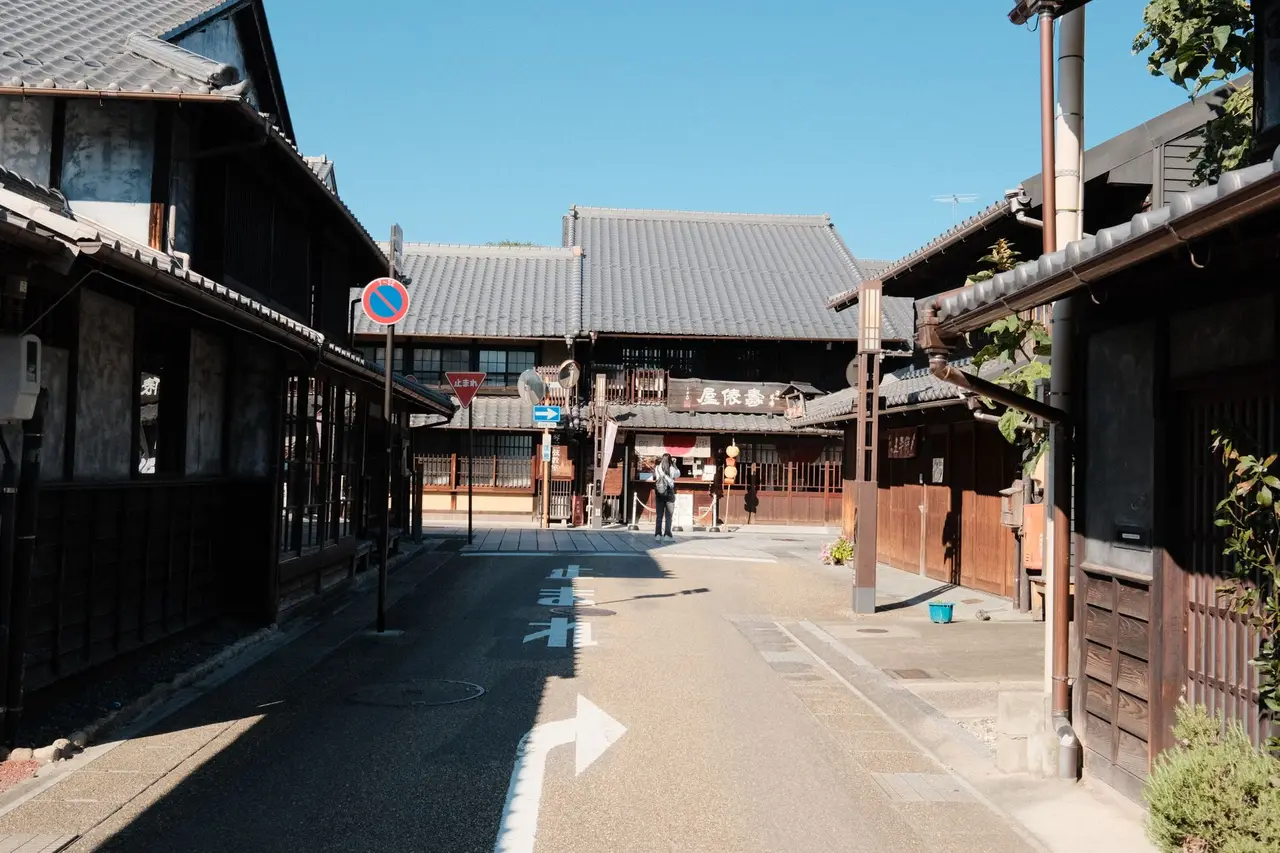
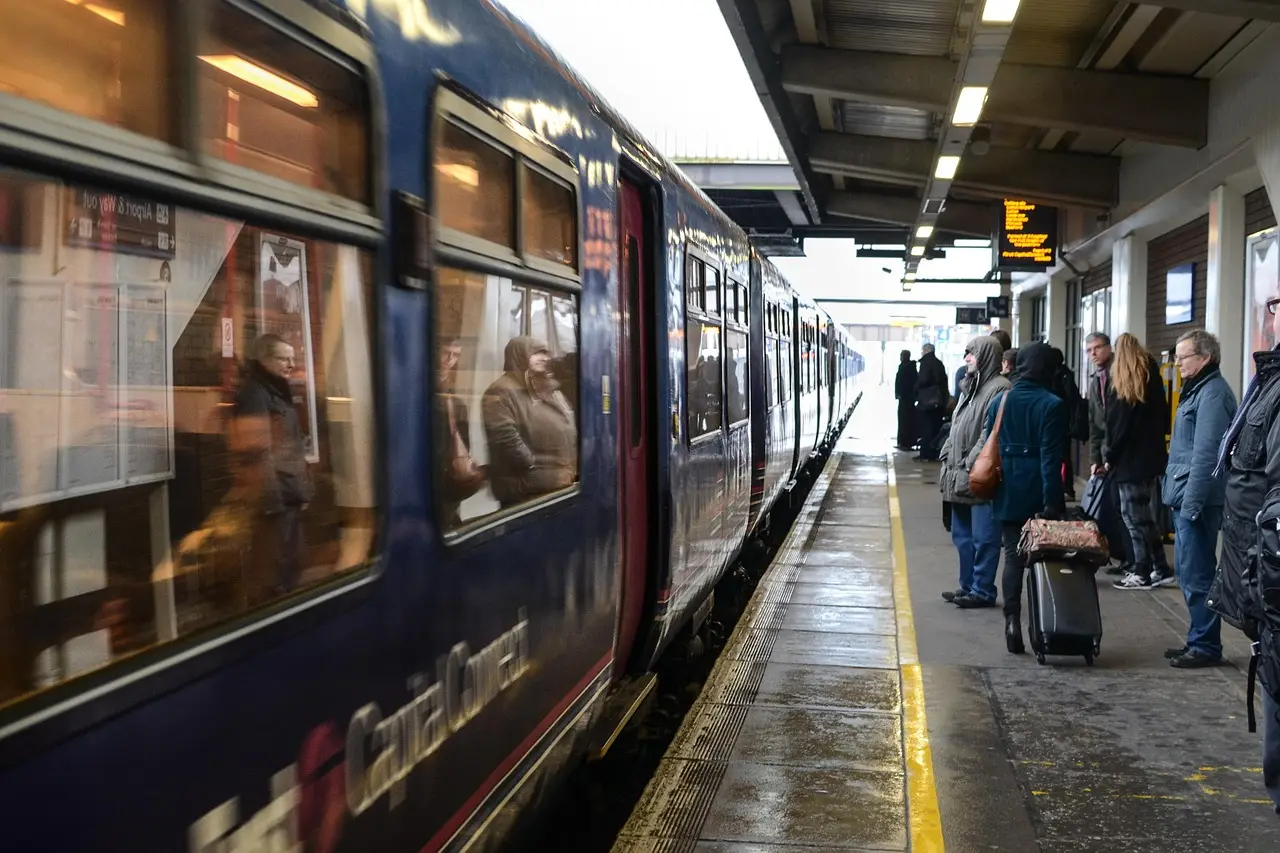
The biggest mistake I made was assuming everything was close enough to improvise. Hiroshima is easy to navigate, but “easy” still costs time. A tram ride here is cheap and straightforward, but if you keep changing plans, you burn the actual value of the trip: slow movement between places that deserve attention. I’d book a hotel near Hiroshima Station or central tram access, then keep the island and the museum as the fixed points.
See all Hiroshima hotels on Agoda if you want to compare station-side business hotels with places closer to the Peace Park; rates swing enough that location can change the value a lot.
Where I’d Actually Stay in Hiroshima
ANA Crowne Plaza Hiroshima By IHG
Hiroshima
★★★★☆
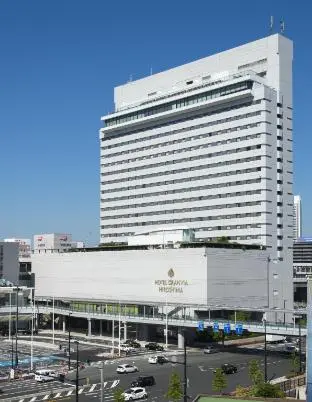
Hotel Granvia Hiroshima
Hiroshima
★★★★☆

Oriental Hotel Hiroshima
Hiroshima
★★★★☆
For Hiroshima I used Agoda — they had the best rate for my dates.
I pre-booked on Klook the night before — skipped the entire ticket line.
FAQ
Is Hiroshima easy to do without a car?
Yes, Hiroshima is easy without a car, and I’d actually avoid driving here unless I was heading far outside the city. The tram network, JR lines, and walkable central area cover the places most people come for. I spent around ¥240 per tram ride and never felt stuck.
How many nights do I really need in Hiroshima?
Three nights is the sweet spot, and I’d only cut it to two if I was already passing through. One full day for the Peace Memorial area and one for Miyajima gets you the basics, but the city feels better with one slower day at the end. Anything shorter starts to feel rushed.
Is Miyajima worth a full day from Hiroshima?
Yes, Miyajima is worth a full day if you go early and don’t stack too many extras onto it. The ferry plus transit takes about an hour each way, and the island gets crowded fast after mid-morning. I’d skip Mount Misen before I’d skip the shrine area and lunch on the island.
Where should I stay for a short Hiroshima trip?
I’d stay near Hiroshima Station if I wanted the easiest logistics, or near the Peace Park if I wanted to walk to the museum and central sights. Station-side hotels usually make train and ferry connections less annoying, which matters more than charm on a 3-day trip. I paid more once to stay central, and I’d do that again.
What should I cut if I only have two days?
I’d cut Shukkeien Garden and Mount Misen first, then keep the Peace Memorial area and Miyajima. Those two are the core of the trip, and everything else is optional once time gets tight. I’d also keep dinners simple near my hotel so I wasn’t spending half the evening on transit.
 Emma Hayes