
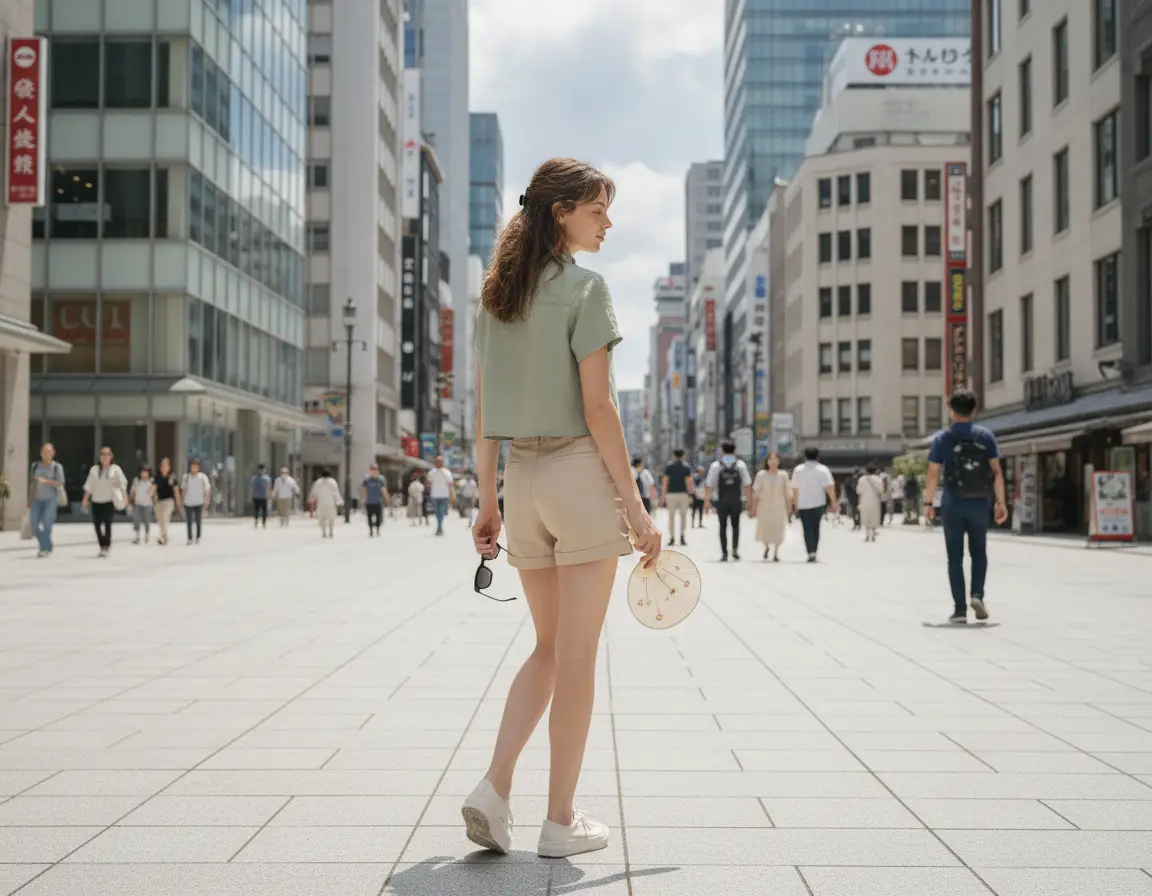
I almost missed my first train because I tried to squeeze too much into Hiroshima before lunch. I showed up in a linen shirt, already sweating a little in the 22–28°C heat, bought a fan from a convenience store, and spent my first hour fixing a mistake I could’ve avoided. My answer is simple: Hiroshima is worth prioritizing for the Peace Memorial area, a proper okonomiyaki meal, and Miyajima if you have enough time. It fits slow, thoughtful travelers and anyone who likes a city with real history plus easy day-trip logistics. If you only want flashy sightseeing, I’d skip the extra detours and keep it tight. If you’re looking for the best things to do in Hiroshima, this is the route I’d actually follow.
Quick Answer: For one day, do Peace Memorial Park, the Atomic Bomb Dome, the Hiroshima Peace Memorial Museum, and lunch at Okonomimura. With two days, add Miyajima. With three, add Shukkeien Garden and a slower station-area meal.
Day by Day

Best use of 1 day: Peace Memorial Park, Atomic Bomb Dome, lunch at Okonomimura, then one quiet evening walk.
Best use of 2 days: Add the Hiroshima Peace Memorial Museum properly and Miyajima as a half-day or full-day trip.
Best use of 3 days: Slow down. Add Shukkeien Garden, local food, and one neighborhood meal near Hiroshima Station.
My verdict: The city is not overloaded with attractions, and that’s the point. The good stuff is concentrated and easy to do without wasting money.
Day 1: Peace Memorial Park Without Rushing It
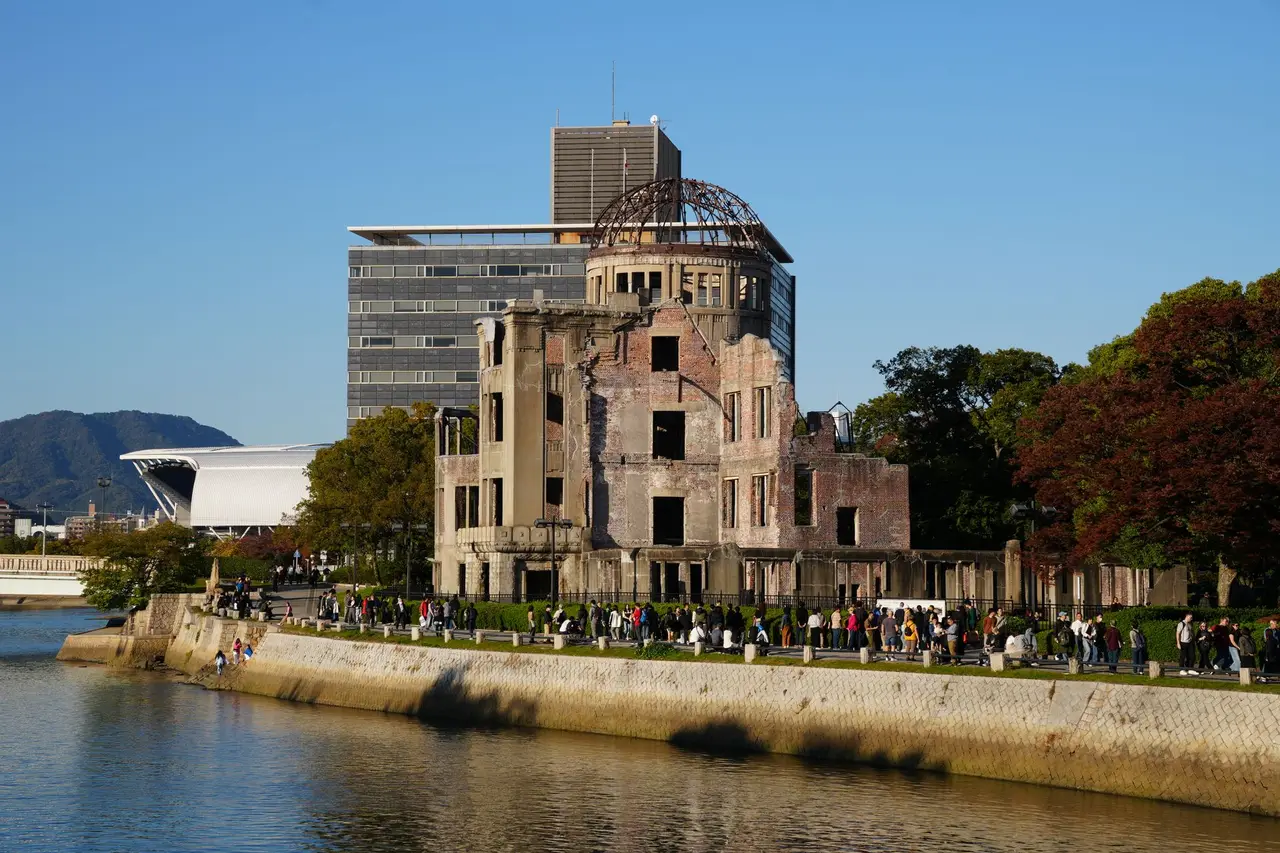
I’d start here, and I wouldn’t try to “do Hiroshima” by bouncing around all morning. From Hiroshima Station, I took the Hiroshima Electric Railway streetcar to Genbaku Dome-mae. It cost ¥240 and took about 15–20 minutes depending on the wait, which is fine unless you’re carrying a big bag and already impatient. I got off, crossed the street, and was at the Atomic Bomb Dome in minutes.
The Dome is free, which matters because the real cost here is emotional time, not money. I expected it to feel more like a photo stop, honestly. It didn’t. I stood there for maybe 10 minutes longer than planned because the contrast between the ruined shell and the modern city around it is the whole point. Worth it.
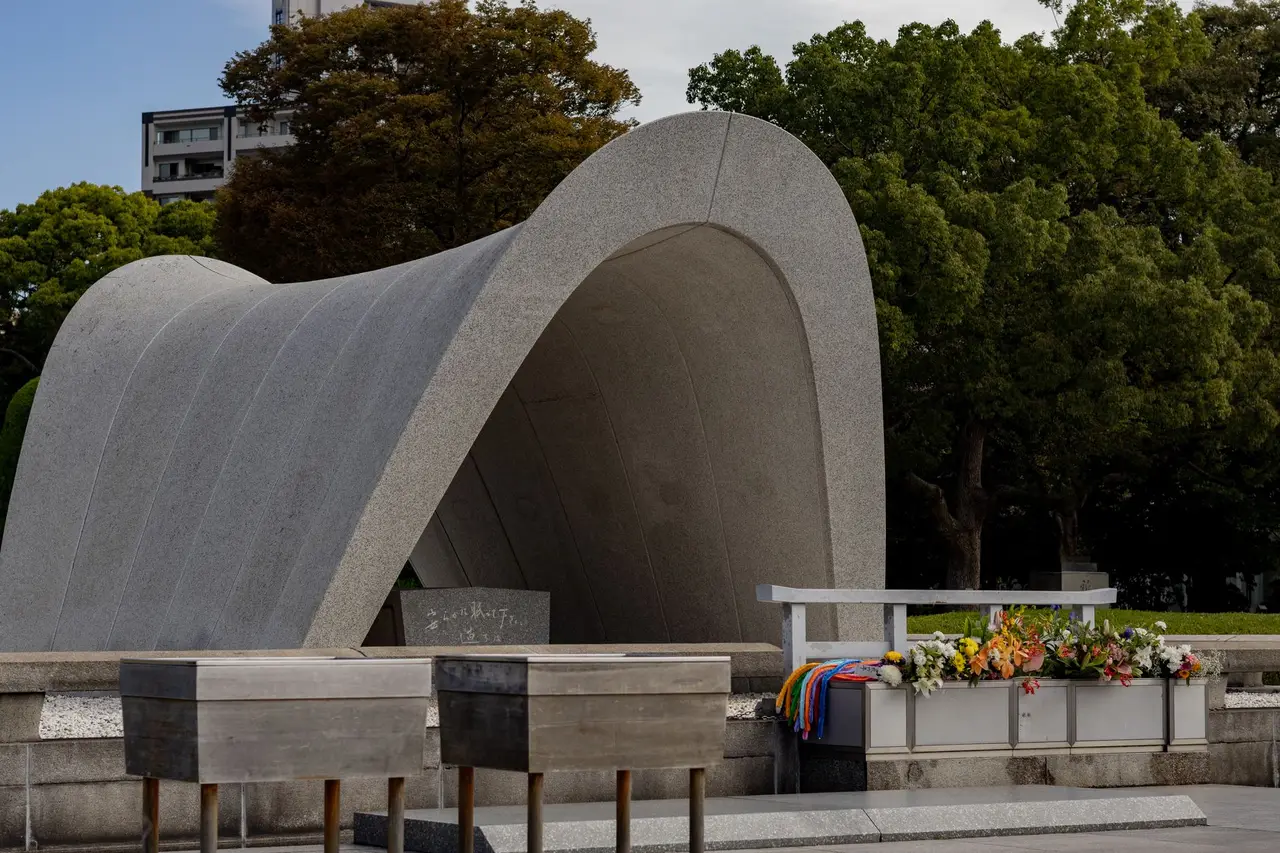
From there, I walked through Peace Memorial Park for about 30 minutes. The walk is flat and easy, and that makes it one of the few memorial spaces where you can move at your own pace without feeling herded. I stopped at the Cenotaph, the Children’s Peace Monument, and the Flame of Peace. None of this is expensive, and none of it should be rushed.
Best for: First-time visitors who want the core Hiroshima experience without overcomplicating the day.
Skip if: You’re looking for high-energy sightseeing. This is reflective, not thrilling.
My pick: Go in the morning before lunch. The park felt calmer before the day-trippers fully arrived.
After the park, I went into the Hiroshima Peace Memorial Museum. Entry was ¥200 when I visited, which is absurdly cheap for something this important. I stayed about 90 minutes, and that was enough for me. More than that and I was mentally done, which I think is normal. The museum is worth it, but only if you actually have the energy to read and absorb what you’re seeing.
If you only have one day in Hiroshima, this is non-negotiable. If you’re short on time, I’d cut a later garden stop before I’d cut the museum.
Worth it if: You want to understand the city, not just collect landmarks.
Only if: You can give it real attention. Half-listening while checking your phone won’t work here.
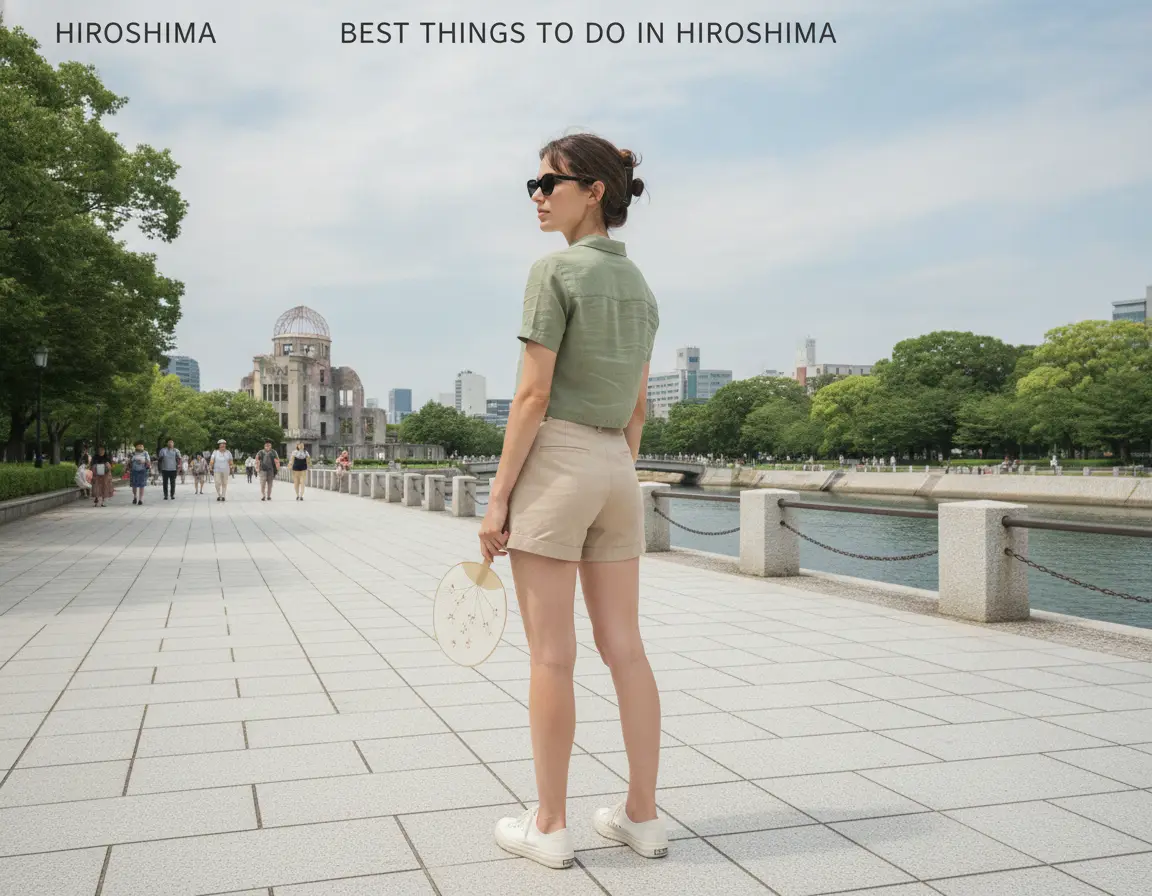
Day 1 Lunch: Okonomimura, But Pick Your Stall Carefully
For lunch, I went to Okonomimura because skipping Hiroshima-style okonomiyaki would’ve been a weird choice. From the Peace Memorial Park area, I walked about 20 minutes, which was fine in the morning but felt longer after standing in the museum. If you don’t want to walk, a tram ride is about ¥240 and takes roughly 10 minutes depending on where you start. Either way, it’s easy.
Okonomimura is a multi-floor food building with a lot of tiny stalls, and this is where I made my first judgment call. I had two choices in front of me: one stall with a long line and one with a shorter line and a menu I could actually read. I went with the shorter line. The food cost me around ¥1,200
I’m not going to pretend every stall is a life-changing meal. Some are fine, some are better than fine, and a few are just efficient. I had the classic layered Hiroshima-style okonomiyaki with noodles, cabbage, and pork, and it hit the exact note I wanted after a heavy morning. Worth it, but only if you pick a stall that’s busy enough to feel alive and not so packed that you lose your afternoon waiting.
Best for: Lunch after the Peace Memorial area when you want something local and filling.
Skip if: You hate crowds or don’t want to eat standing shoulder to shoulder with strangers.
My pick: Go early, around 11:00 a.m. to 11:30 a.m. I arrived later once and regretted it.
If you only have one meal in Hiroshima, make it this. If you’re trying to save money, this is still a good value meal compared with the overpriced “set lunch” places near major sightseeing zones. I paid about the same as a mediocre sandwich and got something I’d actually remember.
If hiroshima worth visiting matters to your trip, my Is Hiroshima Worth Visiting has the specifics.
I wrote a more detailed breakdown in How Many Days In Hiroshima — worth reading if you’re still deciding.
I compared the options in Hiroshima Mistakes First Time Visitors — useful if you haven’t booked yet.
If time to visit hiroshima matters to your trip, my Best Time To Visit Hiroshima has the specifics.
I wrote a more detailed breakdown in Best Neighborhoods In Hiroshima — worth reading if you’re still deciding.
Day 1 Evening: A Quiet Walk and a Station Dinner
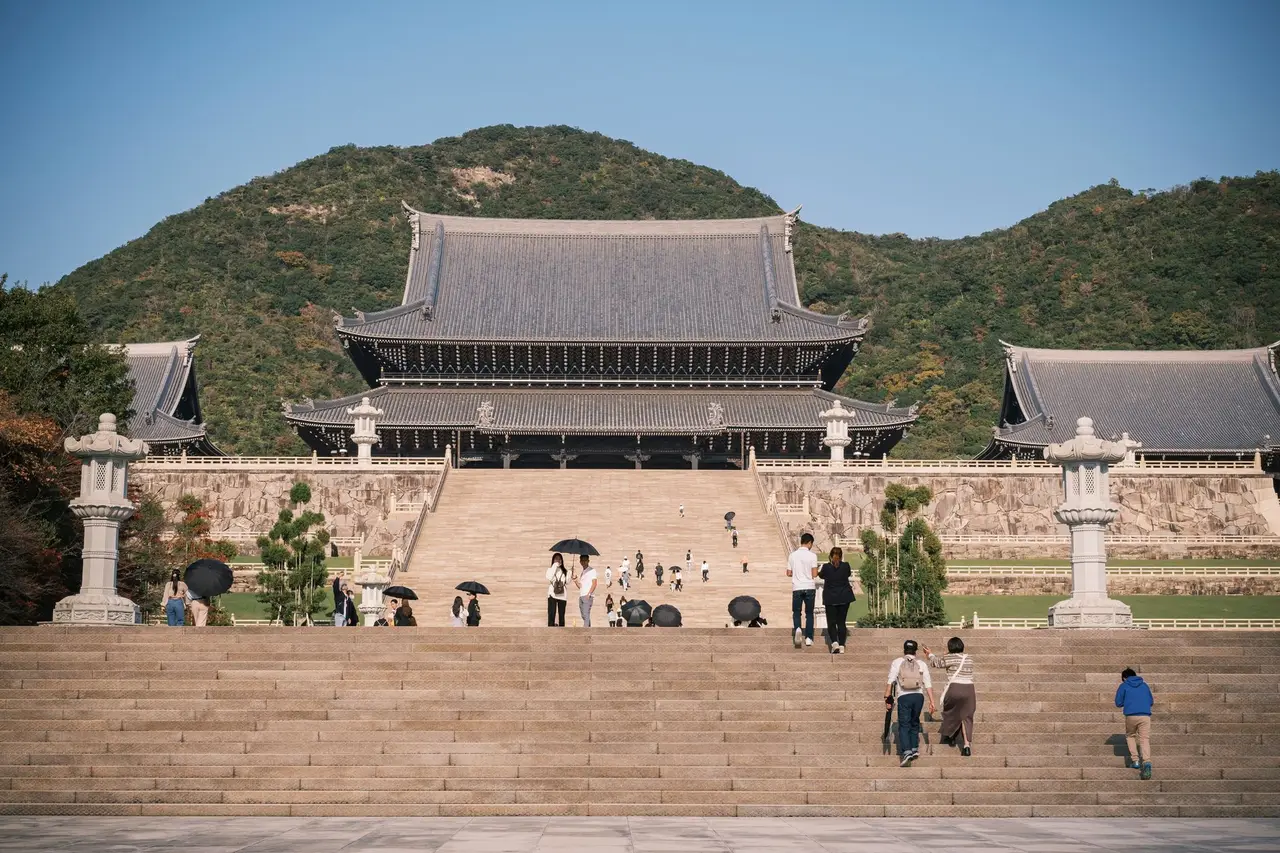
After a heavy museum-and-lunch block, I wanted something low-effort. I walked back toward the river and then headed to Hiroshima Station by streetcar, again around ¥240 and about 15 minutes. I had considered going somewhere more “interesting,” but I was tired and the city doesn’t punish you for choosing easy. That’s one of Hiroshima’s better traits.
For dinner, I used the station area instead of chasing some overhyped neighborhood recommendation. Hiroshima Station has enough food options that you don’t need to make a project out of dinner. I paid around ¥1,000–¥1,500 for a simple rice set and tea. Not exciting. Still worth it on a day like this.
I’d skip any guided evening bus tour here. Hiroshima is better on foot and by tram, and I don’t need someone narrating the obvious while I’m trying to decompress. A solo walk through the station district, then back to my hotel, made more sense. Useful but not memorable. Fine by me.
Best for: Travelers who want one full, serious day without adding transit stress at night.
Skip if: You’re trying to cram in nightlife. Hiroshima is not the city I’d choose for that.
My pick: Keep the evening simple. A cheap dinner near your hotel beats a long cross-city detour.
Day 2: Miyajima, But Only If You Leave Early
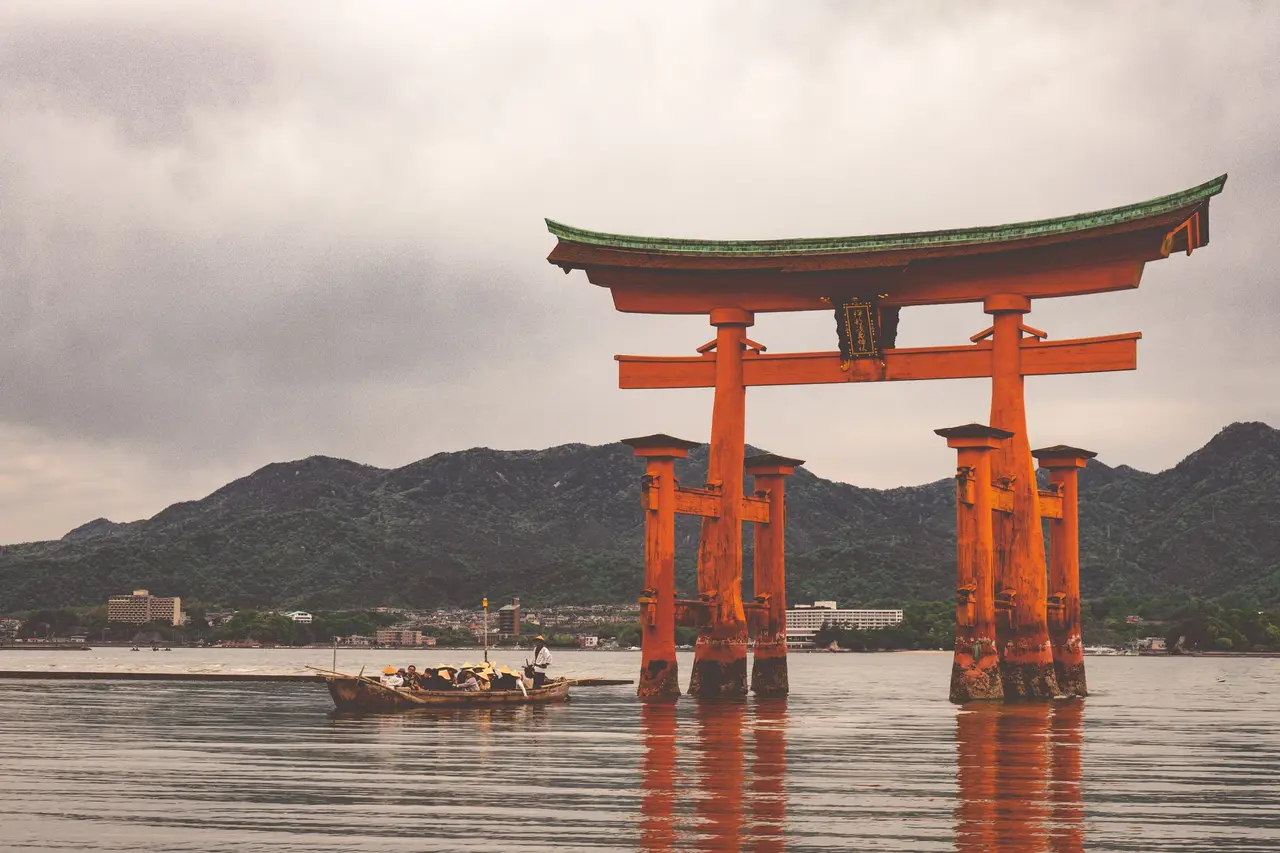
I figured Miyajima would be the easy, postcard part of the trip. It is, but only if you leave before the crowds fully wake up. From Hiroshima Station, I took the JR Sanyo Line to Miyajimaguchi in about 25 minutes. The fare was around ¥420
I got to the island before the worst of the day-trippers, and that mattered more than I expected. I assumed the famous Itsukushima Shrine and floating torii would feel overdone by the time I arrived. They kind of are, but early in the day they still work. Later, I watched the crowds thicken near the waterfront and was glad I’d shown up when I did. If you arrive late, the magic gets diluted by people trying to stand in the same photo spot for 15 minutes.
The shrine area is worth seeing, but I wouldn’t spend the whole day pretending every corner of Miyajima is essential. I walked the main area, had a quick snack, and kept moving. The deer are cute for about five minutes and then they start acting like unpaid bag inspectors. Funny once. Less so when one noses into your tote.
Best for: First-timers with at least two days in Hiroshima.
Skip if: You only have one day and already feel stretched. The city core should come first.
My pick: Go early and leave before mid-afternoon if you hate crowds. That timing changed the whole experience for me.
Food on Miyajima is a mixed bag. I had grilled oyster skewers for around ¥500–¥800 and a sweet treat from a small shop near the main street. Good enough. I’d never pay extra for a sit-down “view restaurant” here unless I was trapped by weather or with family. The island is prettier when you’re moving through it, not lingering in a place with inflated prices and slow service.
If you only have two days total, this is the optional piece I’d keep. If you have one day, cut it. Plain and simple.
Day 3: Shukkeien Garden and Hiroshima Without the Pressure
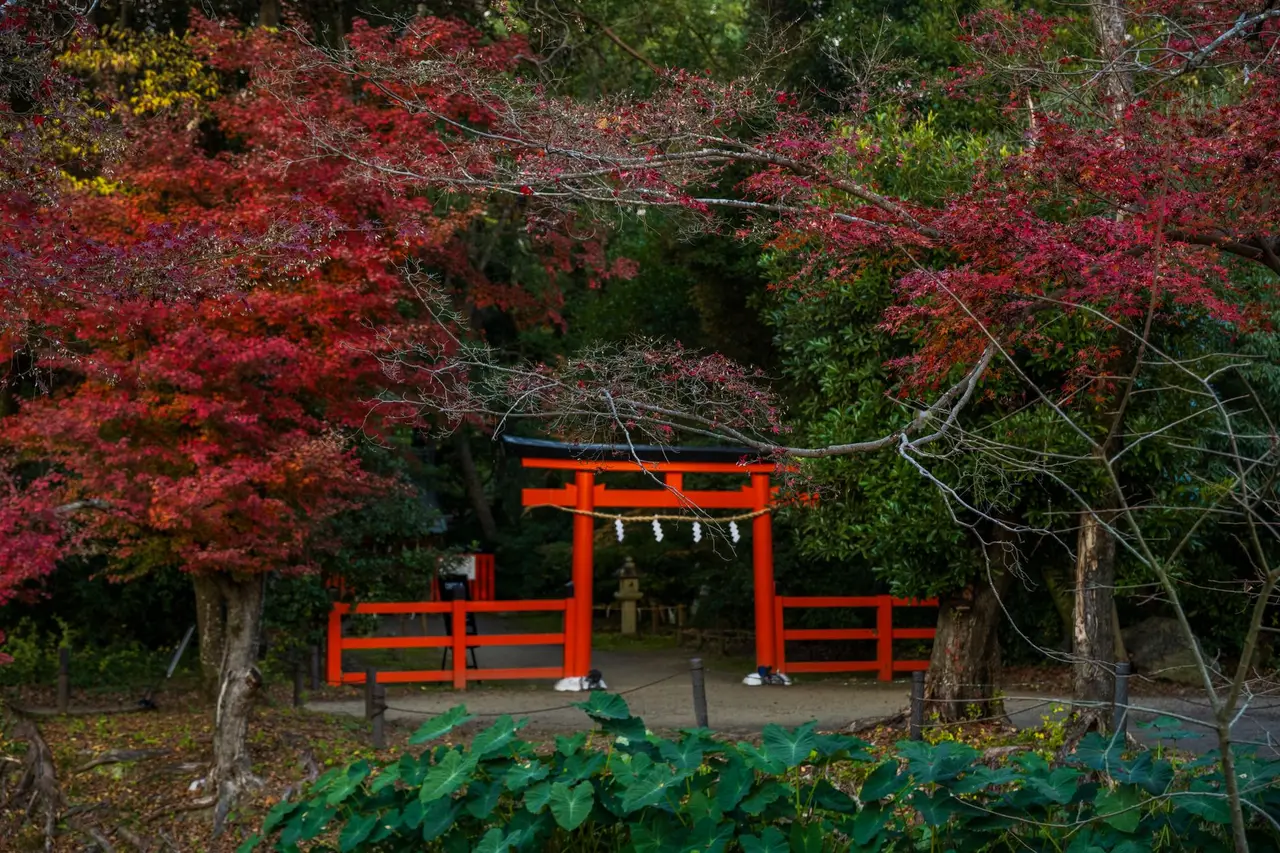
On my last day, I wanted something quieter than memorials and less crowded than Miyajima. Shukkeien Garden fit that mood. From Hiroshima Station, I took the streetcar to Shukkeien-mae for about ¥240, then walked a few minutes to the entrance. Entry was about ¥260, which is low enough that I didn’t overthink it. I spent around an hour there, maybe a little more, and that felt right.
The garden is not a giant all-day destination. It’s a clean, calm break between bigger sights. I went in the late morning while it was still warm but not unbearable, and I was glad I had sunglasses and a fan in my bag. The shade helped, but the humidity still sat on me a bit. I don’t love pretending weather doesn’t matter. In Hiroshima, it does.
I expected Shukkeien to feel like filler after the more famous stops. It didn’t. It’s not the kind of place I’d build a trip around, but it’s a good reset button if you’ve already done the museum and Miyajima. Worth it for a slower trip, skip it if you’re short on time.
Best for: Travelers with three days who want a calm final morning.
Skip if: You’re down to your last few hours in the city. The Peace Memorial area is more important.
My pick: Pair it with a late breakfast or early lunch near Hiroshima Station so you’re not zigzagging across town.
After the garden, I went back to the station area for a simple meal. That’s the part people skip in travel blogs, but I don’t. Stations are useful. They solve hunger, timing, and exhaustion in one stop. I paid about ¥900 for noodles and tea, and that was better value than sitting in a touristy café pretending I had energy left.
The Mistake I Made on My First Hiroshima Day
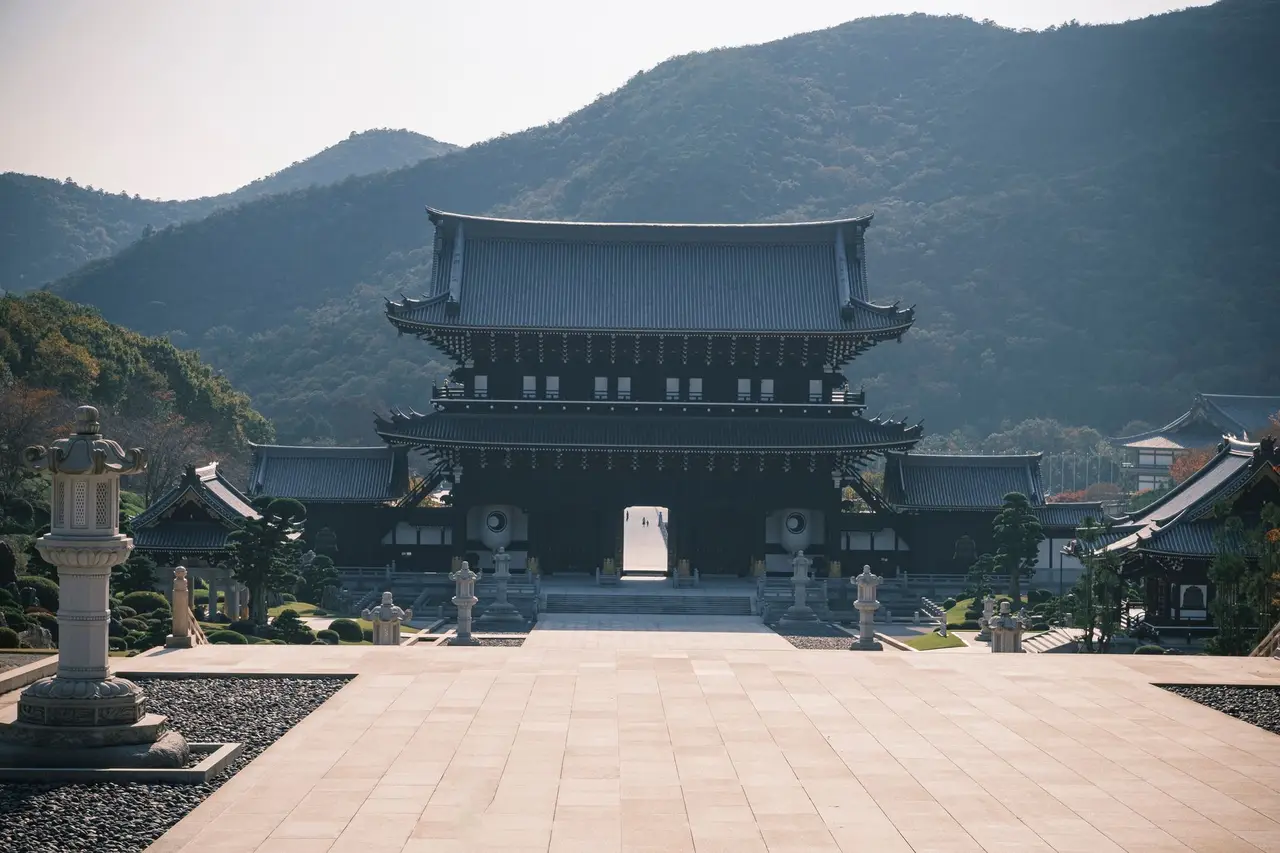
I thought I could do the Peace Memorial Museum, lunch, Miyajima, and a nice dinner all in one day. That was the obvious move on paper. The trigger was simple: I left the museum later than planned, got to Okonomimura after the lunch rush, and then realized I’d be arriving on Miyajima too late to enjoy it properly. I still went, but I spent more time watching crowds than actually seeing anything. The consequence was a wasted afternoon and about ¥1,200 in extra transit and snack spending I didn’t need.
What I know now is boring but useful: Hiroshima rewards pacing. I’d split the city and the island across two days every time. If I only had one day, I’d drop Miyajima before I’d drop the museum or the okonomiyaki lunch. That’s the tradeoff that actually matters.
Failure lesson: Don’t stack the memorial area and Miyajima back-to-back unless you’re okay with rushing both.
My pick: Two days is the minimum for a relaxed trip. One day works, but it’s a compressed version of the city.
Cost Breakdown
Rough daily estimates from my own trip. Prices shift by season.
Transport Tips
I’d book a hotel closer to Hiroshima Station or the tram lines instead of trying to save a few dollars farther out. I did the math wrong once and lost time every day. Not dramatic, just annoying.
I’d also leave Miyajima earlier and stop pretending I’m the kind of traveler who wants to “take it slow” after 2 p.m. in a crowded place. I don’t. The earlier ferry is the better ferry.
And I’d keep one meal intentionally boring. Sounds strange, but station-area food gave me the best value and the least friction. I’m not sure that’s universal for everyone, but it worked for me.
Where I’d Actually Stay in Hiroshima
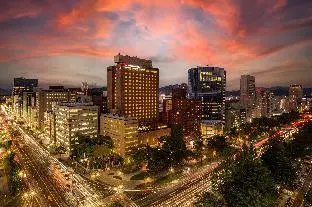
ANA Crowne Plaza Hiroshima By IHG
Hiroshima
★★★★☆
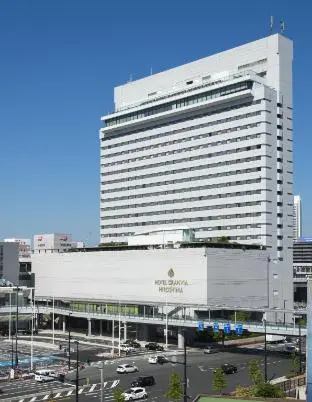
Hotel Granvia Hiroshima
Hiroshima
★★★★☆
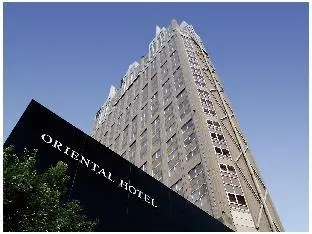
Oriental Hotel Hiroshima
Hiroshima
★★★★☆
For Hiroshima I used Agoda — they had the best rate for my dates.
I pre-booked on Klook the night before — skipped the entire ticket line.
FAQ
Is Hiroshima worth more than one day?
Yes, two days is the sweet spot for me. One day covers the Peace Memorial area and lunch, but Miyajima starts to feel rushed if you cram it in. If you only care about the city core, one day works; if you want the trip to breathe, stay longer.
Can I do Miyajima as a half-day from Hiroshima?
Yes, but I’d only do that if I left early and kept my expectations realistic. The round-trip transit is straightforward, but crowds build fast after late morning. If you leave around 8:00 a.m., it feels easy; if you leave after 11:00 a.m., it starts to feel like a queue generator.
What should I skip if I only have one day in Hiroshima?
I’d skip Shukkeien Garden first. It’s nice, but it’s the first thing I’d cut before the museum, the Atomic Bomb Dome, or okonomiyaki. If your schedule gets tight, those three are the core of the city for me.
Is the Hiroshima Peace Memorial Museum too heavy for a short trip?
No, it’s worth making time for even on a short visit. I spent about 90 minutes there, and that was enough to feel like I’d actually understood the city better. If you’re sensitive to emotional material, go earlier in the day when your energy is higher.
Where would I stay for the easiest Hiroshima itinerary?
I’d stay near Hiroshima Station or on a tram line close to the center. That cuts down on wasted transit and makes it easier to get to the museum, Okonomimura, and the ferry connection for Miyajima. I’d pay a little more for that convenience rather than saving ¥1,000 — based on my trip, always good to confirm and losing half an hour every time I moved.
 Emma Hayes