
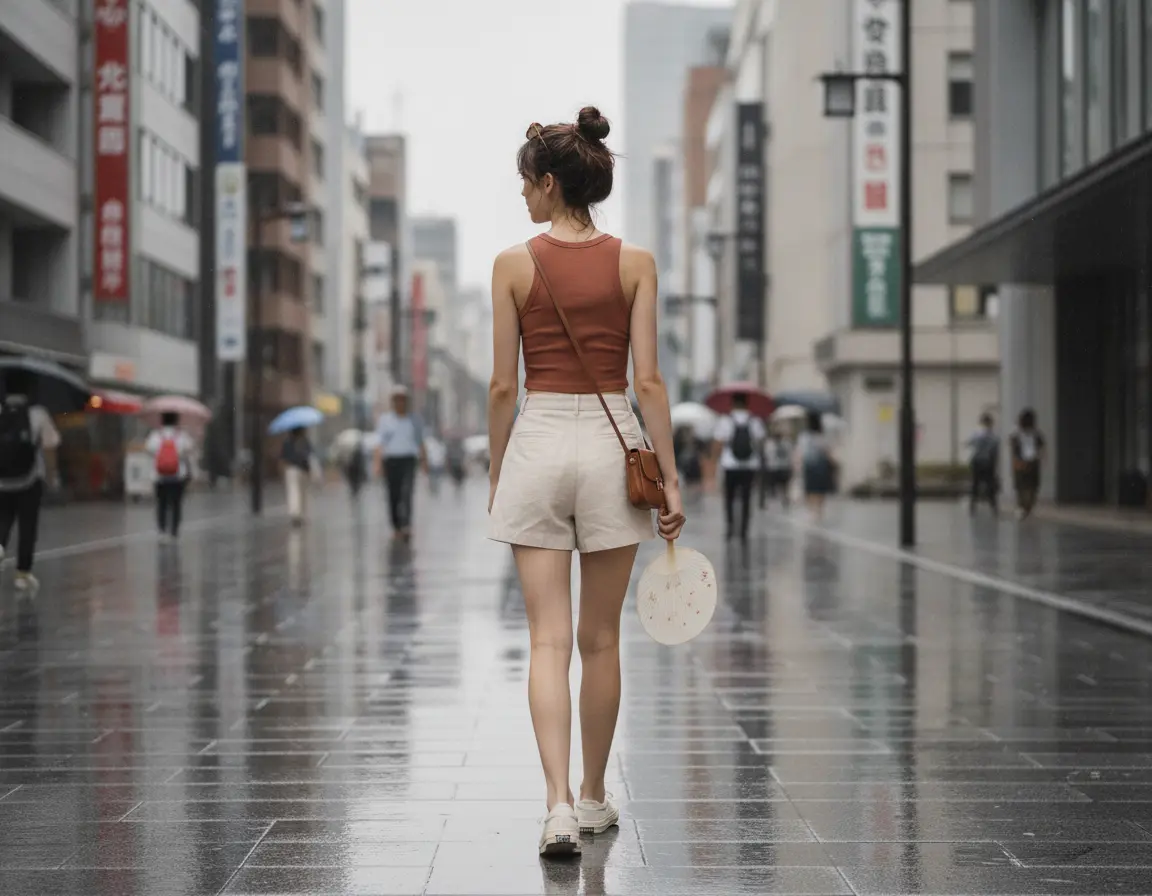
Nobody told me this before I went. Hiroshima is one of those cities people flatten into a day trip, and that’s a mistake if you care even a little about food, transit, and not rushing through a place that deserves more than a photo stop. I’d give Hiroshima 2 days, 3 if you want Miyajima without turning the trip into a sprint. If you’re wondering how many days in Hiroshima is enough, that’s my honest answer.
Who this fits: first-time visitors, solo travelers, and anyone coming through western Japan who wants a trip that feels calm instead of packed.
Who should skip the longer version: people on a tight Japan itinerary with only one free day or travelers who mainly want nightlife and shopping.
What matters most: Hiroshima’s best stuff is spread out just enough that one day feels rushed, but not so spread out that you need to overplan it.
Quick Answer: I’d spend 2 days in Hiroshima for most trips, 1 day only if you’re passing through, and 3 days if Miyajima is non-negotiable. Streetcars were ¥240 per ride, museum entry was ¥200, and a good okonomiyaki meal was about ¥1,200.
My short answer: 2 days is the sweet spot
I’d do 2 full days in Hiroshima, and that’s the version I’d recommend without hesitation. Day 1 for the Peace Memorial area and the city center, Day 2 for Miyajima or a slower Hiroshima food day if you don’t want another ferry ride.
I spent 2 days there and still felt like I moved at a normal pace. I had time for the Peace Memorial Museum, the Atomic Bomb Dome, a long lunch of okonomiyaki, and one slow evening walk without checking my watch every 20 minutes. That felt right. One day would’ve worked only if I was using Hiroshima as a quick stop between trains.
Best for: travelers who want the city to feel like a stop, not a blur.
Skip if: you only have half a day and don’t want to spend it commuting between sights.
My pick: 2 days, with a third only if Miyajima is non-negotiable.
1 day in Hiroshima: doable, but I wouldn’t choose it
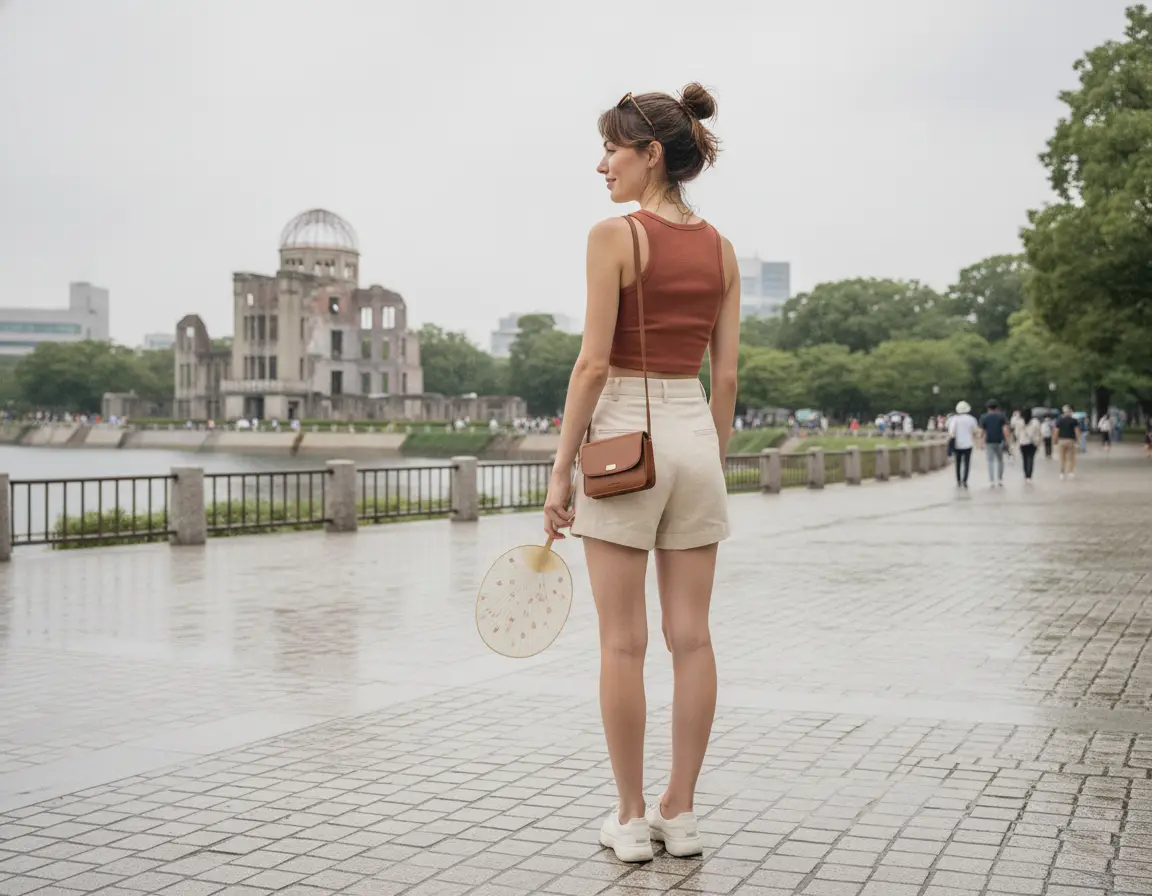
One day in Hiroshima is enough for the headline sights, and that’s about it. I’d only do this if I was already passing through on the Sanyo Shinkansen and didn’t want to add a hotel night. If you try to squeeze in the museum, the Peace Memorial Park, okonomiyaki, and Miyajima in the same day, the math gets ugly fast.
My mistake the first time was thinking I could “just see the main things” and still leave room for wandering. I started at Hiroshima Station, took the streetcar toward the center, and realized pretty quickly that the transfers alone were eating into the day. I paid ¥240 for the streetcar each way, then another ¥600 for museum entry, and I still didn’t have time to breathe between stops. That was the moment I knew 1 day was only worth it if I treated it like a sampler, not a proper visit.
Worth it if: you have a train day and want a serious stop, not a relaxed one.
Skip it if: you care about food, pacing, or seeing Miyajima without rushing back for the last ferry.
My pick: I’d only do 1 day if it was a transit decision, not a destination decision.
I wrote a more detailed breakdown in How Much Does Hiroshima Cost Per Day — worth reading if you’re still deciding.
If hiroshima matters to your trip, my Hiroshima In March has the specifics.
I wrote a more detailed breakdown in Hiroshima In November — worth reading if you’re still deciding.
2 days in Hiroshima: the version I’d book again
Two days gave me the balance I wanted. I could spend the first day in the Peace Memorial area without making it feel like homework, then use the second day for Miyajima or a slower city day. That extra night changed the whole trip. Hiroshima went from “important stop” to “actual place I remember clearly.”
If I had to pick one base plan, I’d stay near Hiroshima Station or along the tram lines closer to the Peace Memorial area. I stayed within easy streetcar reach and that saved me from wasting time on taxis. The streetcar is cheap, and the whole system is easy enough that I didn’t need a tour or a transport pass. I paid ¥240 per ride, which is one of those small costs that feels fine until you do it six times in a day. Then it adds up.
There’s also a practical reason 2 days works: Hiroshima is not a place where I wanted to race between landmarks. The city feels better when I leave room for a slow lunch and a little downtime. I grabbed an onigiri and iced coffee from a convenience store one hot afternoon when the temperature sat around 21–27°C and the air still felt damp after rain. That was the right move. Fancy food would’ve been wasted on a day like that.
Best for: first-timers who want the city to feel unhurried.
Skip if: you’re trying to pack Hiroshima into a Japan itinerary with no slack at all.
My pick: 2 days is the cleanest answer for most people.
3 days in Hiroshima: only if Miyajima matters to you
I’d stretch to 3 days if Miyajima is a real priority, not just a box to tick. That’s the difference between “I went there” and “I had time to stay until the crowds thinned.” I expected Miyajima to be the part I’d like least because it sounded overhyped. It wasn’t bad, but it was busier and more packaged than I wanted, especially near the famous waterfront areas. I’m still glad I went, but I wouldn’t build my whole Hiroshima trip around it.
Here’s the tradeoff: 3 days gives you room to do the island properly, but it also means paying for another hotel night and giving up time elsewhere in Japan. If you’re already short on days in Kyoto, Osaka, or Tokyo, I’d cut Hiroshima back to 2 and keep moving. If you’re moving slower and want one low-stress day on Miyajima, then 3 days starts to make sense.
The ferry itself was easy. I took the JR ferry from Miyajimaguchi, and the ride was part of the appeal. But the island gets busy fast, especially around the ropeway and the most photographed shrine areas. I’d avoid building the day around the most obvious photo stops unless you like standing around with everyone else.
Best for: travelers who want Miyajima without a rushed return to the city.
Skip if: you only care about Hiroshima proper and don’t want an extra hotel night.
My pick: 3 days only if I’m staying overnight on Miyajima or moving very slowly.
What I’d book ahead, and what I’d buy when I got there
The only thing I’d book ahead with any real urgency is lodging, especially if I want a room near Hiroshima Station or I’m traveling in a busy season. I checked rates on Agoda and saw basic business hotels jump from around ¥7,000 to ¥11,000 a night on busier dates, which is enough to change my decision. If I’m staying close to the station or planning a late arrival, I book early. See all Hiroshima hotels on Agoda if you want to compare station-area prices before they creep up.
I would not book a guided city tour. Hiroshima is easy enough to do on your own, and the streetcar system is straightforward. I also wouldn’t prepay for anything that locks me into a rigid schedule unless I’m going straight to a sold-out seasonal event. The Peace Memorial Museum doesn’t need a package around it. The city is built for independent travel.
What I’d buy on arrival: streetcar rides, convenience store meals, and museum tickets. The museum entry was ¥200 when I went, and that’s one of the best value admissions I’ve paid anywhere in Japan. The food around the city is cheap enough that I never felt the need to overplan meals. I’d rather keep it loose and spend money where it matters.
Worth booking ahead: your hotel, especially if you want a walkable base near the station or museum area.
Skip booking ahead: city transport, museum entry, and casual meals.
My pick: book the room, not the day.
Getting around without wasting time or money
Hiroshima is easy to move through, but I still made one bad call early on: I assumed everything central would be walkable in the way Kyoto sometimes is. It isn’t. The city is walkable in pieces, not as one neat loop. I ended up walking too much in the heat, then taking the streetcar anyway because my feet gave up first.
The Hiroshima Electric Railway streetcars are the move. Fares were ¥240 per ride, and I used them for the Peace Memorial area, the station, and the ferry connection toward Miyajima. If you’re staying less than 5 days, I’d skip any complicated transit pass unless you’ve actually mapped out enough rides to make it pay off. Simple beats clever here.
I also used the Hiroshima Bus Center once and didn’t find it especially useful for a short stay. Fine, not terrible. But for the kind of trip I was on, the streetcar did the job better and with less thinking. That’s the difference between a system that’s technically available and one I’d actually recommend.
Best for: travelers who want cheap, simple movement between the main sights.
Skip if: you hate public transit and want everything outside your hotel door.
My pick: streetcar over taxi, every time.
The food decision: one meal you should make time for
If I had to spend money on one thing in Hiroshima, it would be okonomiyaki. Not the touristy version with a giant queue just because a place has a social media following. I mean a normal counter spot where the grill is right in front of you and the price doesn’t make me laugh.
I ate at a small okonomiyaki place in the city and paid about ¥1,200 for a solid plate. That was the right amount. I’ve seen people line up for places that charge more because they’re famous, and I don’t think that math works. Hiroshima-style okonomiyaki is worth your time, but not if it costs you 40 minutes in line and another ¥1,500 just for the name.
I’d skip hotel breakfast entirely and eat out instead. Hotel breakfasts in Japan can be nice, but in Hiroshima I’d rather spend that money on one real meal and a coffee from a local shop. I don’t need a buffet to feel prepared for the day. I need a plan and maybe an extra ¥2,000 in my pocket.
Worth it: a proper okonomiyaki lunch or dinner.
Skip it: overpriced restaurant queues that exist mainly for the photo.
My pick: one good local meal beats a fancy breakfast spread.
The part I expected to be heavy, but wasn’t
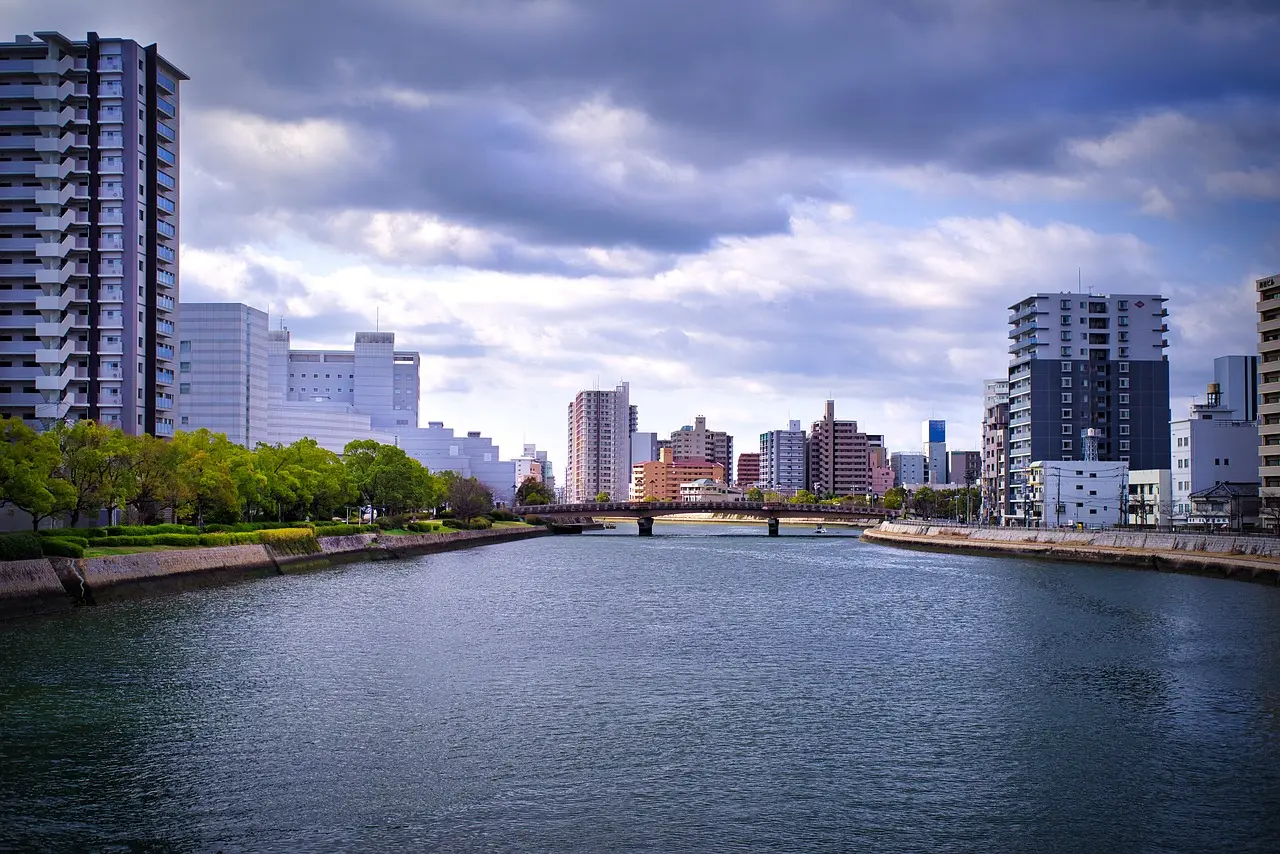
I expected the Peace Memorial area to drain me more than it did. It was serious, obviously, and I don’t want to make it sound light. But the space itself is calm and organized, and that helped. I spent about 90 minutes in the museum and then walked through the park afterward. I didn’t feel pushed along, which mattered more than I expected.
What surprised me was how much the timing affected the experience. I went later in the morning, after the first rush, and it was still busy but manageable. If I had arrived at the exact same place with a packed group tour crowd, I think I would’ve liked it less. I’m not saying go for empty silence — that’s unrealistic — but I am saying don’t stack the visit right after a big transit transfer when you’re already annoyed and hungry.
Best for: travelers who want a meaningful stop without a complicated day.
Skip if: you’re expecting a quick photo stop and nothing else.
My pick: give the Peace Memorial area real time, not a rushed pass-through.
Rough daily estimates from my own trip. Prices shift by season.
What I’d do differently next time
I’d book a better-located hotel instead of trying to save a few dollars on distance. The cheaper room I considered was about ¥2,000 less per night, but the extra walking and transit would’ve annoyed me by day two. That wasn’t a real saving. It was a hassle tax.
I’d also leave more time for one slow meal and less time for random wandering between the obvious sights. Hiroshima rewards a steady pace. I got more out of the city when I stopped trying to “cover” it.
And I’d decide on Miyajima before the trip, not halfway through it. Half-committing is how you end up spending money on a ferry day you didn’t really plan for.
So, how many days should you actually give Hiroshima?
My answer is 2 days for most travelers. That gives you the Peace Memorial area, enough time to eat well, and a clean way to add Miyajima without turning the trip into a rush. One day is too thin unless you’re just passing through. Three days is only worth it if you want the island to feel relaxed.
If I were planning the same trip again, I’d keep Hiroshima at 2 nights and build the rest of my Japan route around that. It’s a city that works best when it’s not treated like an afterthought.
Best for: travelers who want Hiroshima to feel calm, meaningful, and easy to move through.
Skip if: you only have one spare day and don’t want to trade other Japan stops for it.
Next time: I’d stay 2 nights near the station, book the room early, and decide on Miyajima before I arrive.
See current Hiroshima hotel prices on Agoda →
I usually book Hiroshima tours on Klook — the best time slots go fast, especially in peak season.
FAQ
Is one day in Hiroshima enough if I’m already in western Japan?
No, one day is too tight unless I’m only stopping for the Peace Memorial area and a quick meal. I’d end up rushing the museum, skipping proper lunch, and treating the city like a checkpoint. If that’s all you have, it works, but I wouldn’t call it the right amount.
Do I need to stay overnight, or can I just do Hiroshima as a day trip?
I’d stay overnight. A day trip turns the city into a commute problem, and I don’t think that’s worth it unless your route is extremely limited. One night gives you better pacing, an actual dinner, and less pressure to sprint back for trains.
Is Miyajima worth adding if I only have a short trip?
Yes, but only if you can give it real time. I’d skip it on a one-day Hiroshima visit because the ferry and crowds eat too much of the schedule. With 3 days total, it starts making sense and feels less like a box to tick.
Should I book a hotel near Hiroshima Station or the Peace Memorial area?
I’d book near Hiroshima Station if I’m arriving late or leaving early, and near the Peace Memorial area if I want the sights to feel easier on foot. The station area is usually the better value, and I paid enough attention to maps to know 15 minutes of walking with luggage gets old fast. For a short stay, location beats a slightly cheaper room.
Is Hiroshima expensive compared with other Japanese cities?
No, I found Hiroshima pretty reasonable. My streetcar rides were ¥240 each, museum entry was ¥200, and a good okonomiyaki meal was around ¥1,200, which kept the day affordable. I spent less there than I expected, mostly because I didn’t waste money on tours or overpriced meals.
 Emma Hayes