
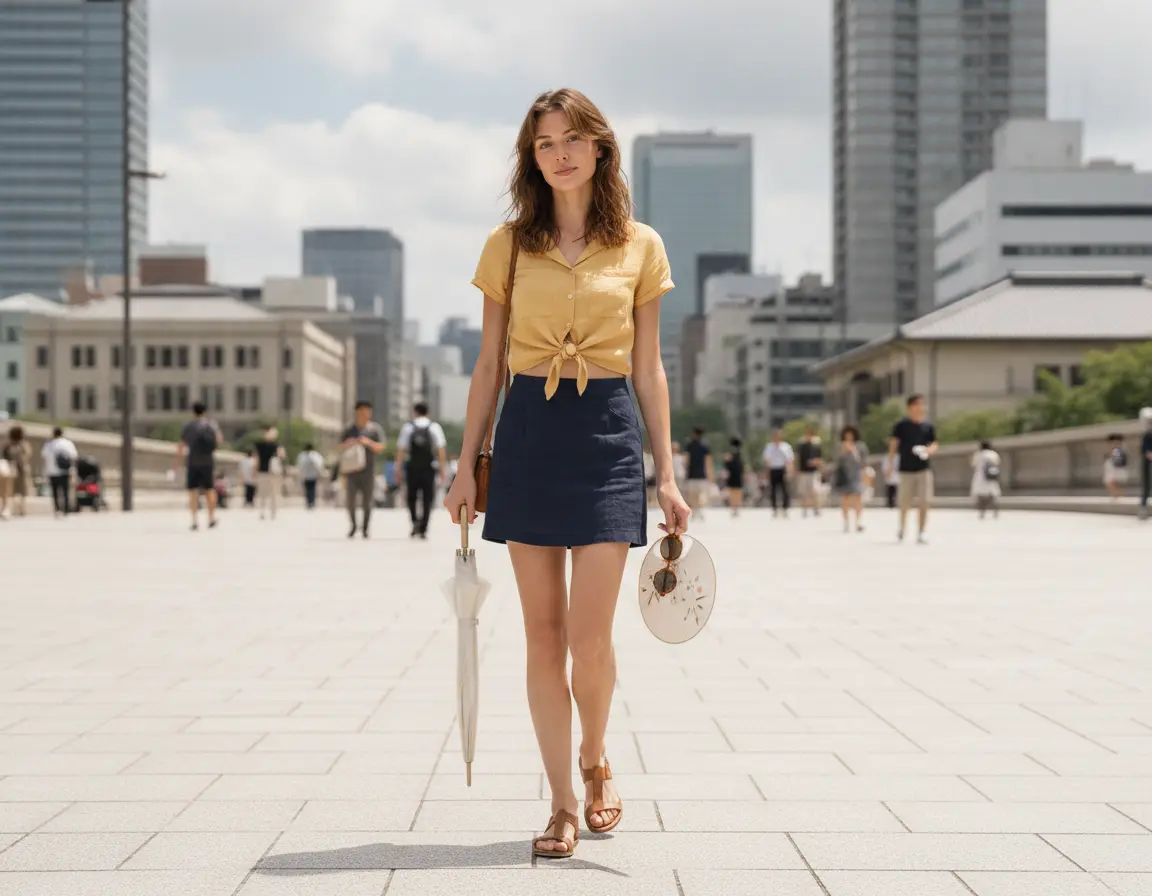
I almost wasted a full afternoon on Hiroshima by treating it like a city I could “figure out” on the fly. I did the Peace Memorial Park, grabbed lunch near the tram line, and still managed to burn time and money on two choices that looked harmless in the moment. My short version: Hiroshima is worth it, but only if you respect the distances, book the one thing that actually needs booking, and don’t turn the day into a slow shuffle between the obvious stops. If you’re looking up Hiroshima mistakes first time visitors make, these were mine.
Who this is for: first-time visitors with one or two days, especially if you’re doing Miyajima and the city center in the same trip.
Who this is not for: travelers who want a packed, photo-heavy day with no transit friction and no planning.
What matters most: timing, transit, and not overpaying for convenience that doesn’t save enough time.
Quick Answer: Hiroshima works best when you split the city and Miyajima into separate days, use the tram instead of a short taxi, give the Peace Memorial area a real time block, and go to Okonomimura before the dinner rush.
Main Tips
I made a few Hiroshima mistakes first time visitors tend to make. The biggest one was paying for a ride I didn’t need, then assuming the city would all compress into a simple walk. It doesn’t. Miyajima also needs more breathing room than I gave it, and one of the famous stops I saved too late in the day felt tired by the time I got there. The fixes were basic, but the cost of missing them was real: more money, more waiting, and less time at the places I actually wanted to see.
I Took a Taxi for a Route the Tram Would’ve Handled Fine
I took the taxi because Hiroshima looked spread out on the map and I wanted to save my feet for the Peace Memorial area. At the time, that seemed reasonable. I’d already been walking in hot, sticky weather that sat around 21–28°C, and I had a sun hat, sunglasses, and an umbrella in my bag, so I was trying to be “smart” and conserve energy.
The trigger was simple: I saw a cab and told myself the fare would be small enough to justify the convenience. It wasn’t. The ride cost me ¥1,480 for a trip that the tram would have handled for a tiny fraction of that, and I still had to wait at a signal and then walk the last few minutes anyway. So I paid extra and lost maybe 12 minutes, which is a bad trade unless your legs are genuinely done.
Best for: late-night returns, bad knees, or when you’re carrying luggage.
Skip if: you’re only moving between central Hiroshima stops during the day.
My pick: the tram next time, every time. It’s slower on paper, but the gap in price is too annoying to ignore.
The hindsight is pretty boring, which usually means it’s right: I’d use the tram and just accept the extra few minutes. Hiroshima’s streetcar network is useful, and on a first visit that matters more than pretending a short taxi ride is efficient. If I’d started with the tram from the beginning, I would’ve kept the money and not changed the shape of the day at all.
I Went to Miyajima Too Late and Turned It Into a Crowded Sprint
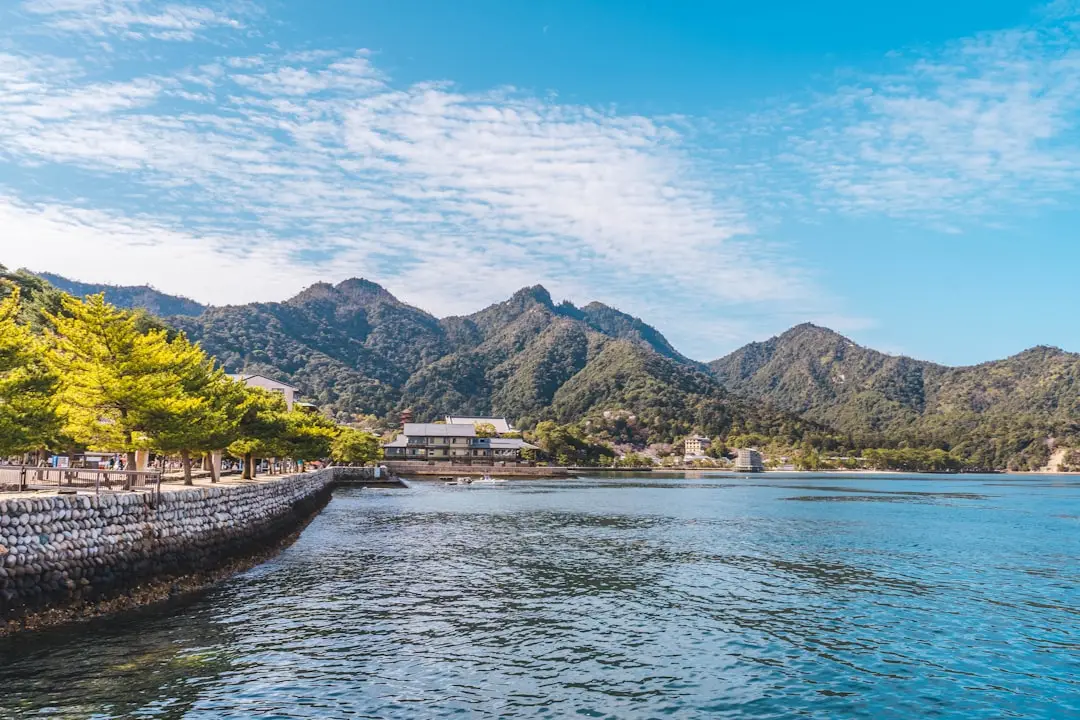
I figured Miyajima would be easy because it’s one of the most obvious side trips in the area. I assumed I could leave Hiroshima midafternoon, take the train and ferry, and still have enough time to wander without rushing. That logic was sound in a vacuum. It just didn’t work with the actual crowds and the way the island empties out unevenly at the end of the day.
The trigger was that I left too late. I got to the ferry side after the easy morning flow had already gone, and I ended up moving through the island with everyone else who had the same idea. The consequence was about 90 minutes of pure friction: waiting, threading around groups, and feeling like I was trying to catch up to my own schedule. I also missed the calmer window around Itsukushima Shrine and got the torii view with more people than I wanted in the frame. Fine, not great.
Best for: travelers who can get there before lunch and stay until late afternoon.
Skip if: you’re planning to treat Miyajima like a casual afterthought.
My pick: go early or don’t go at all. That’s the real split.
I had two options in front of me: push Miyajima later or give it a proper morning slot. I chose the lazy version because it sounded flexible, and I paid for it in crowd pressure. Next time, I’d book the ferry day around the island, not around whatever else I thought I could squeeze in first. If I’m already in Hiroshima, I’d rather be at Miyajima by 9:00 a.m. than arrive after the rush and spend the whole visit negotiating space.
I book timed activities through Klook when a place has a real crowd problem. On a day like this, the difference between a smooth visit and a sloppy one is usually a booked slot, not more optimism.
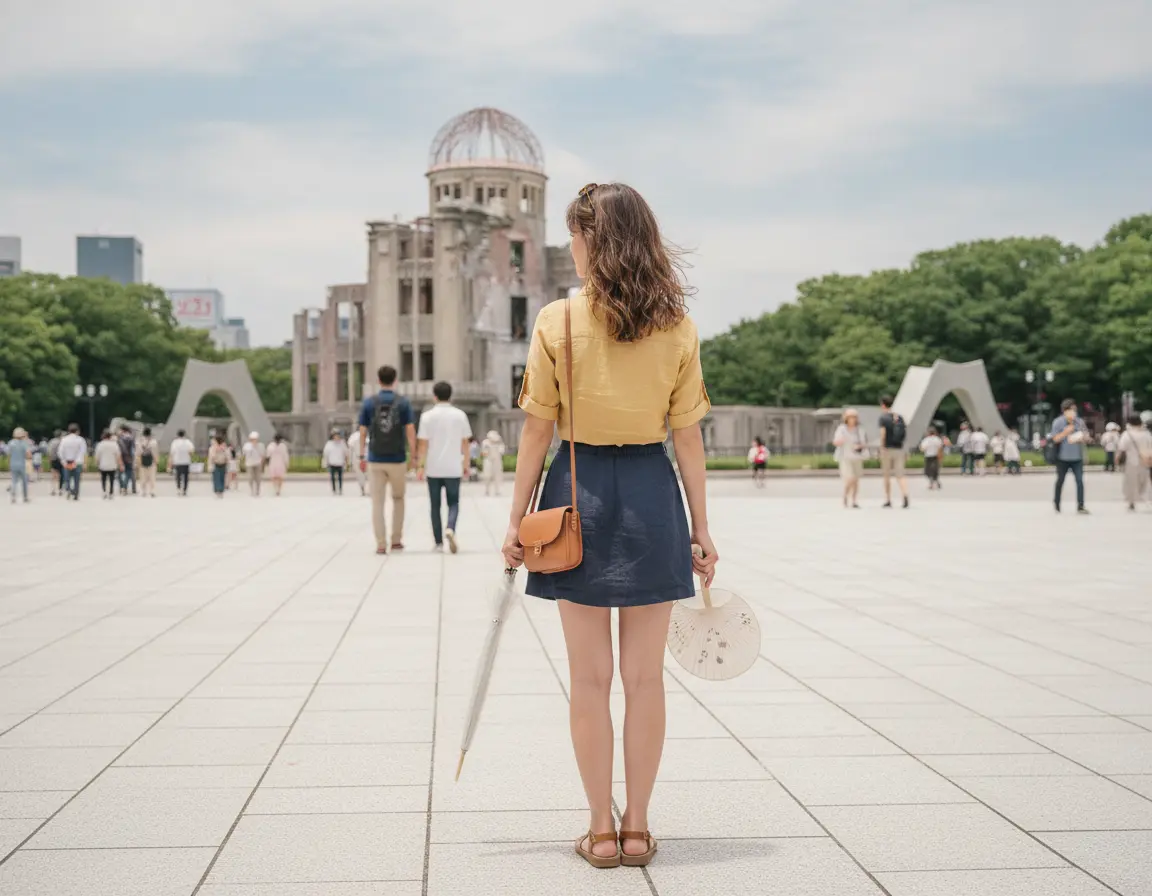
I Treated the Peace Memorial Area Like a Quick Stop
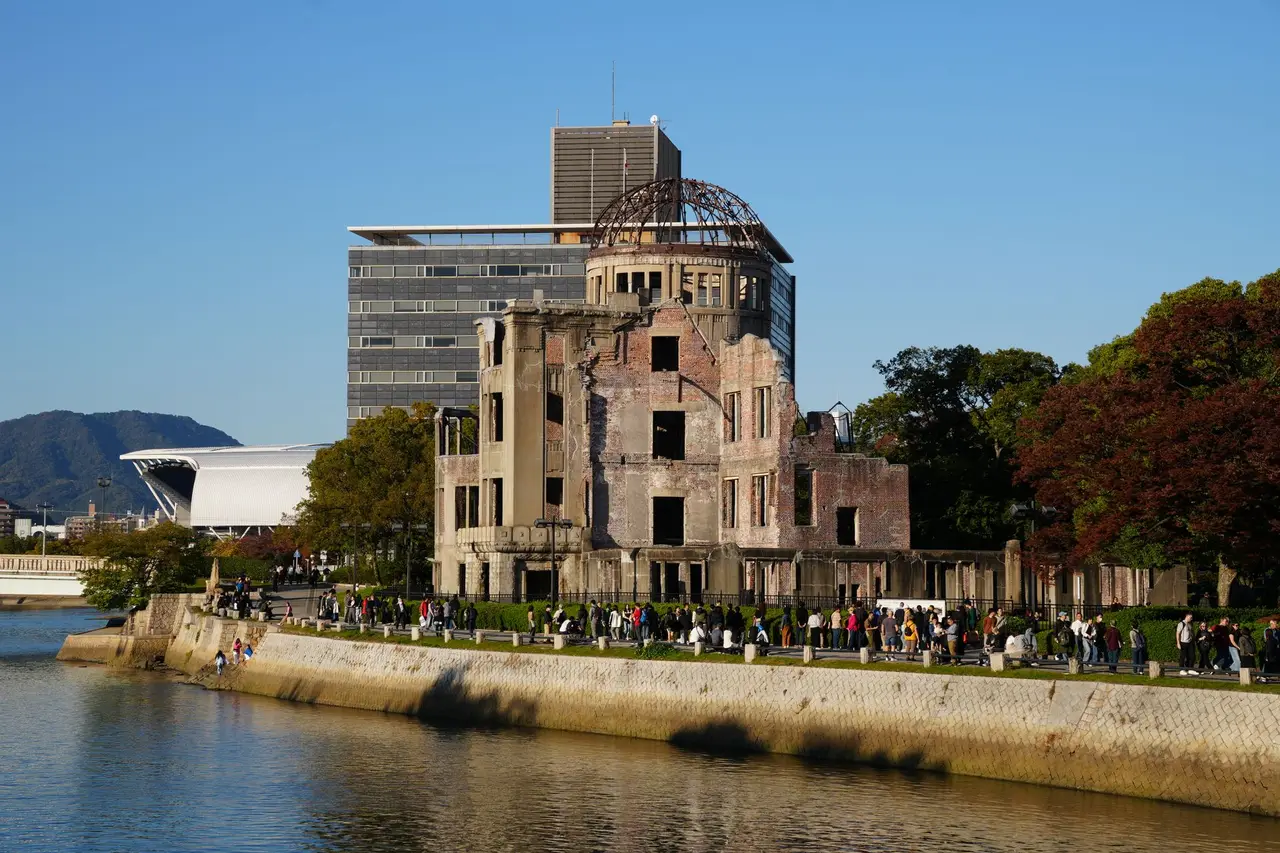
I thought the Peace Memorial Park would take about an hour, maybe a little more if I lingered. That was my mistake. The setup seemed logical because the park is open and walkable, and the museum is right there. But I arrived with the wrong pace in mind, which made me rush the one place in Hiroshima where slowing down actually matters.
The trigger was that I went in with too little time left before my next stop. I skimmed instead of reading, and I did it at the worst hour, when I was already a bit tired and the heat had caught up with me. The consequence was real: I spent about 45 rushed minutes in the museum, then another 20 minutes trying to see the park without properly absorbing it. I don’t think I got the point of the visit until I left, which is embarrassing and also common, I guess.
Best for: anyone who can give this area a slow, uninterrupted block of time.
Skip if: you’re trying to “fit it in” between other big plans.
My pick: one solid window beats two half-hearted passes.
The hindsight is simple: I’d give the Peace Memorial area a clean morning or early afternoon block and stop pretending it’s a filler stop. I’d also go before the rest of the day wears me down. The museum needs attention, not just a body moving through it.
I Bought Lunch Near the Obvious Tourist Strip and Paid for the Convenience
I went with the nearest lunch option because I didn’t want to wander hungry and lose time. That was the logic, and honestly, it wasn’t crazy. I had already spent enough energy getting around, and the weather made standing around feel worse than it usually does. But the trigger was choosing the first easy-looking place instead of walking five more minutes.
I usually book Hiroshima tours on Klook — the best time slots go fast, especially in peak season.
The consequence was ¥1,700 for a meal that was fine and forgettable. I got a set lunch that filled me up, but it was one of those meals where the location did the selling. I could have walked a little farther and probably eaten better for less. Instead, I paid the convenience tax and then sat there wondering why the room was full of other tired visitors doing the same thing.
Best for: emergency lunches when you’re genuinely low on time.
Skip if: you’re eating near Peace Memorial Park just because you’re too lazy to walk.
My pick: leave the obvious strip and find somewhere with actual local turnover.
Hindsight: I’d rather do a 7 to 10 minute walk and eat somewhere that isn’t built around catching the nearest hungry tourist. Hiroshima has enough ordinary, useful food options that I don’t need to settle for the first place with a menu in English. This mistake didn’t ruin the day. It just made lunch cost more than it should have.
I Missed the Timing on Okonomimura and Got the Worst Version of the Experience
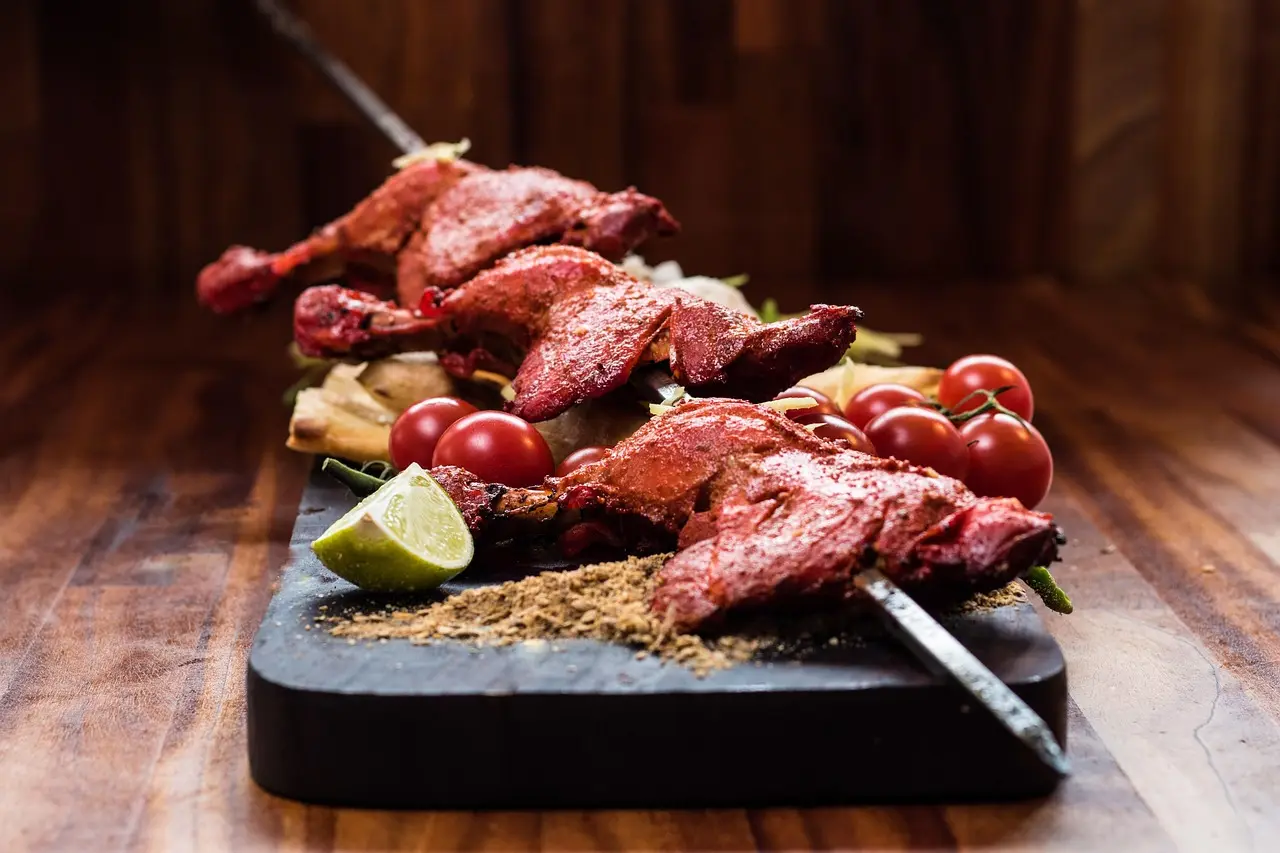
I expected Okonomimura to be easy because it’s a food hall and food halls are supposed to be flexible. I figured I could drop in whenever, grab a seat, and eat without much fuss. That expectation was wrong in the one way that matters: timing changes the whole thing.
The trigger was showing up when a lot of other people were also looking for dinner. I didn’t reserve or even check the peak window, and I ended up waiting around 25 minutes before I could sit down. The consequence was not catastrophic, but it was annoying enough to count. I paid about ¥1,300 for okonomiyaki, then spent part of the meal annoyed that I’d turned a simple dinner into a queue. The food was good. The experience was less good than it should’ve been.
Best for: first-timers who want Hiroshima-style okonomiyaki without overthinking it.
Skip if: you hate waiting or you’re arriving at peak dinner time.
My pick: go earlier than your stomach thinks you need to.
The hindsight is that Okonomimura is worth it, but only if I stop treating it like a casual drop-in. I’d go before the dinner rush, or I’d eat at a smaller place with less noise and less line drama. The hall itself is useful because it makes the decision easy. That doesn’t mean the timing is forgiving.
I Tried to Pack Hiroshima and Miyajima Into One Breathless Day
This was the biggest mistake, and it cost me the whole rhythm of the trip. I thought the city and the island were close enough that I could stack them together, keep moving, and call it efficient. In theory, yes. In practice, no. The transfers are easy enough, but the mental load adds up fast when you try to do all the “important” things in one go.
The trigger was not choosing a real pace. I kept telling myself I was being efficient, but what I was actually doing was compressing all the good parts into a day that had no slack. The consequence was about 2 hours of extra transit-and-wait time that I could have avoided by splitting the day better. More importantly, I didn’t enjoy either place as much as I should have because I was always half-thinking about the next move. That math never works out.
Best for: travelers with 2 full days or more in Hiroshima.
Skip if: you only have one day and want to see both without stress.
My pick: keep one day city-based and one day island-based.
If I were doing it again, I’d separate the two and stop pretending “possible” means “good.” Hiroshima isn’t huge, but it’s not a place where you want to spend your day proving that you can move quickly. I’d rather come back with fewer stops and better memories than squeeze in everything and remember the logistics instead.
Main Tips I’d Use Next Time
I’d start with the Peace Memorial area early, then keep Miyajima for a separate morning instead of forcing both into one long loop. I’d also use the tram more and skip any taxi ride that only saves a handful of minutes. The city is easy enough once you stop trying to outsmart it.
I’d eat where locals actually line up for lunch, not where I’m already standing when hunger hits. And I’d treat Okonomimura like a timed dinner decision, not a spontaneous one. A little structure would’ve saved me money and a weird amount of mental energy.
FAQ
How many days do I actually need in Hiroshima?
Two days is the sweet spot for me. One day for the city center and Peace Memorial area, one day for Miyajima keeps the trip from feeling like a race. If you only have one day, I’d cut the extra food stops before I’d cut the memorial area.
Is Miyajima worth the time on a first trip?
Yes, but only if I give it a proper half-day or more. I’d skip it if I only had a few scattered hours, because the ferry and crowd timing eat up more of the day than people expect. Early arrival makes a huge difference.
Can I rely on walking around Hiroshima without planning transit?
No, I wouldn’t. The city is manageable, but the tram saves enough time and energy that it’s worth thinking about before I leave the hotel or station area. I learned that the hard way after paying ¥1,480 for a short taxi ride I didn’t need.
Is the Peace Memorial Museum too heavy for a rushed schedule?
Yes, it is. I’d only go if I can give it at least an hour without checking the clock every few minutes. A rushed visit makes the whole thing feel thin, and that’s the one place in Hiroshima where thin is the wrong result.
Should I eat at Okonomimura or find a smaller spot?
Yes to Okonomimura, but I’d go earlier than dinner rush. It’s a good first-stop option if I want Hiroshima-style okonomiyaki in one place, but I waited 25 minutes when I went at a busy time. If I’m hungry and impatient, I’d pick a smaller local place instead.
 Emma Hayes