
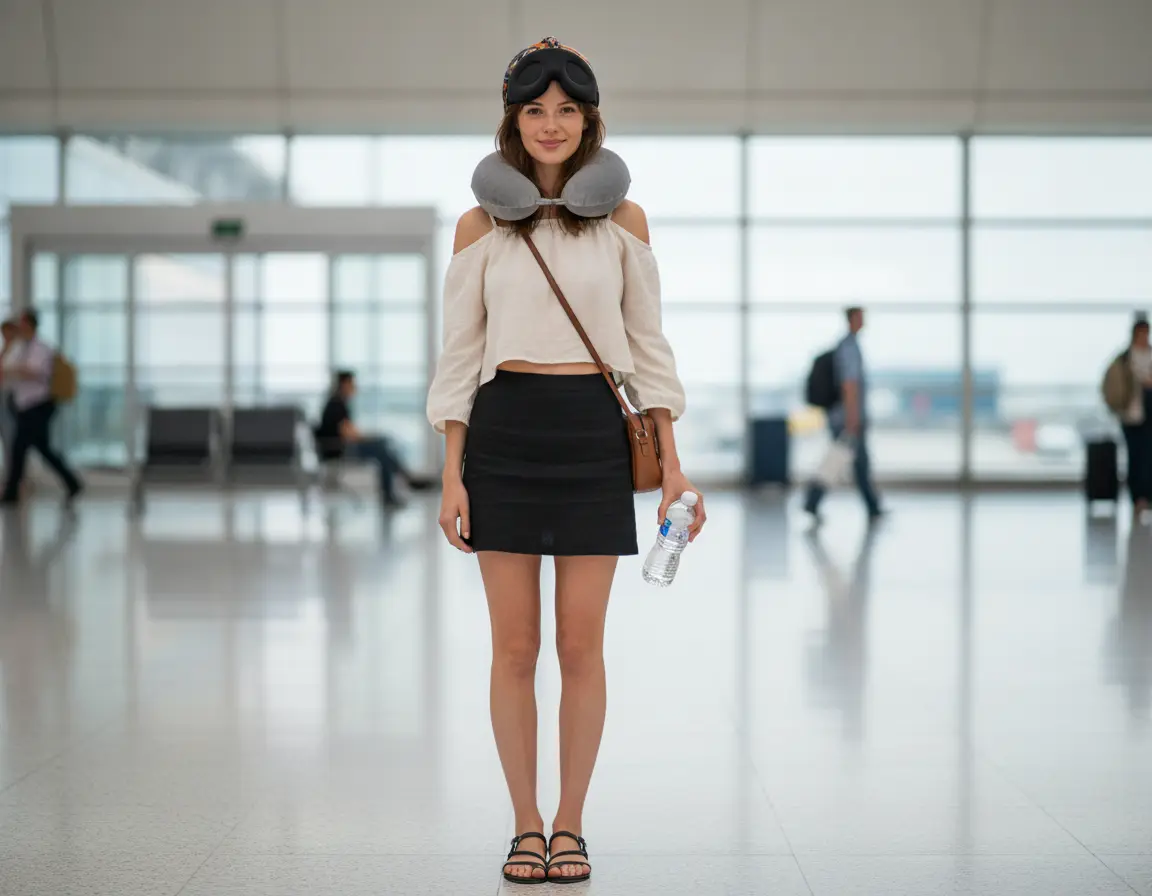
This post contains affiliate links. If you purchase through these links, I earn a small commission at no extra cost to you. I only recommend products I actually use and have tested across multiple trips.
I used to pack like I was preparing for a one-week emergency and a three-month expedition at the same time. It made my carry-on messy, and half the stuff never got used. Then I had one of those annoying travel moments that changes your packing rules: I was in a humid hostel in Barcelona, my head was pounding after a late flight, and the only thing I had was a random blister bandage from the bottom of my bag and a half-empty packet of painkillers. That was the trip where I stopped treating first aid as an afterthought.
Now I pack for actual problems I hit on the road: headaches on long-haul flights, tiny cuts from cheap hostel bathrooms, motion sickness on overnight buses, and the kind of cold-weather dryness that cracks your lips in one day. I care a lot less about a giant kit with 40 things I’ll never touch. I care about something small enough to stay in my carry-on, organized enough that I can grab what I need at 2 a.m., and practical enough that I don’t end up buying emergency supplies in airport shops for triple the price.
That’s why my idea of the best international travel first aid kit is not “largest” or “most complete.” It’s the one that survives real use, fits in a carry-on, and doesn’t turn into a junk drawer after the first trip. I’m using two products here that actually earned space in my bag over months of travel, not because they look good online, but because they solved the annoying stuff better than the cheap options I tried first.
The Short Answer
If I’m packing light, I want Loop Quiet 2 Ear Plugs for sleep on flights and in hostels, and Evolution Earth Deluxe Neck Pillow for long transit days when I’m stuck upright for 6 to 10 hours. I used the Loop plugs for 16 months across 13 countries, and I used the neck pillow for 9 months across 8 countries, including a 9-hour overnight train from Bangkok to Chiang Mai. Both are worth it if your problem is noise or bad sleep posture; neither replaces real medical supplies, and neither is magic on a terrible seat.
If you’re choosing between random Amazon kits right now, my advice is simple: skip the giant one-bag “everything” kits unless you want bulk, and spend on the pieces you’ll actually use on a red-eye, in a noisy hostel, or on a cold overnight bus. That’s where the value is.
What I Actually Pack for Transit and Sleep
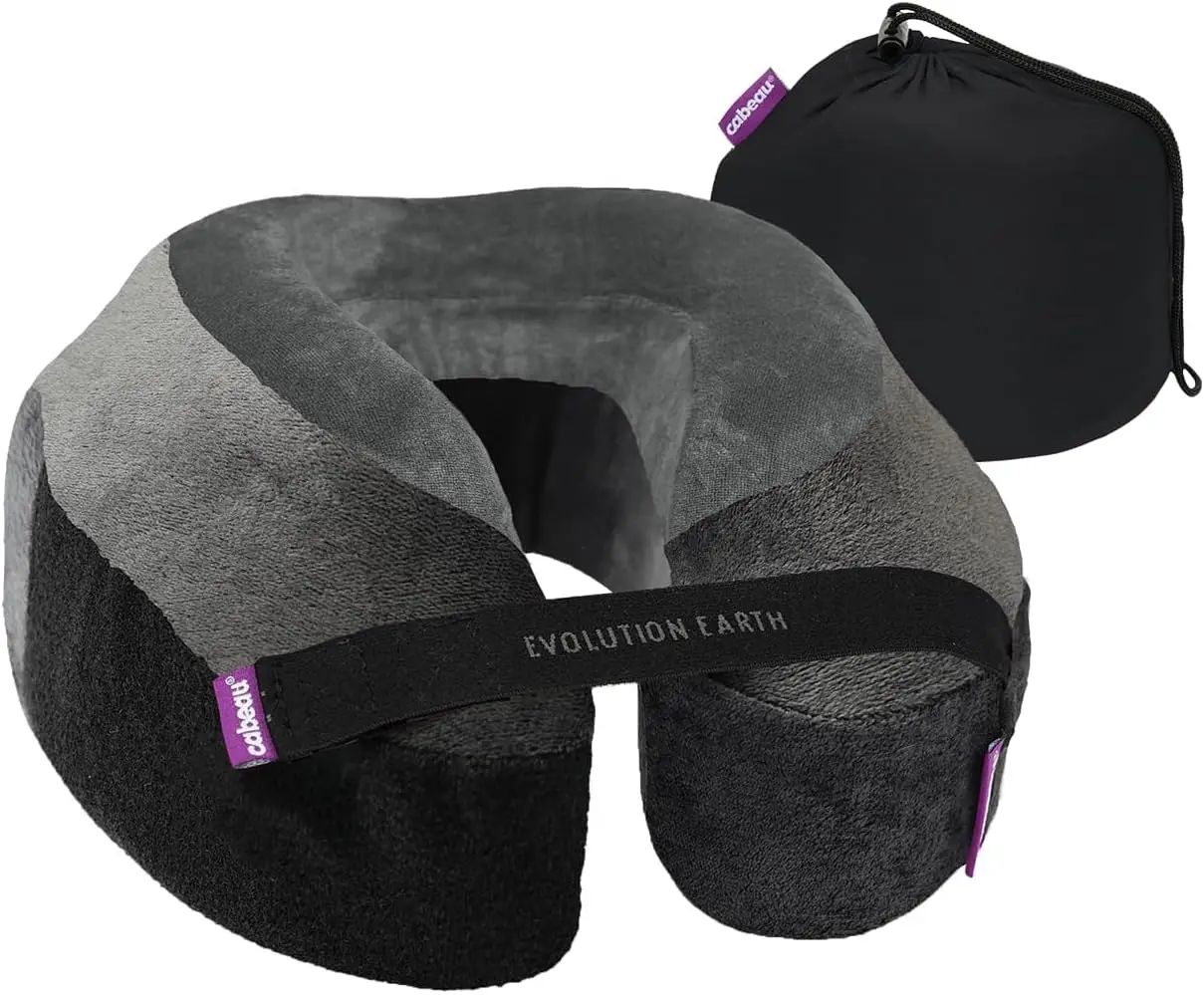
Evolution Earth Deluxe Neck Pillow
Evolution Earth · $35-55 when I bought it
This is comfortable for long transit days, especially if I’m stuck upright for 6-10 hours. It’s softer than the cheap U-shaped pillows, but it’s still a neck pillow, so I don’t expect miracles on a budget airline middle seat.
- Worth knowing:
- Bulkier than I want to carry when I’m trying to travel with one small backpack.
- Doesn’t fully prevent neck strain if the seat has no head support.
Check current price on Amazon (affiliate link)
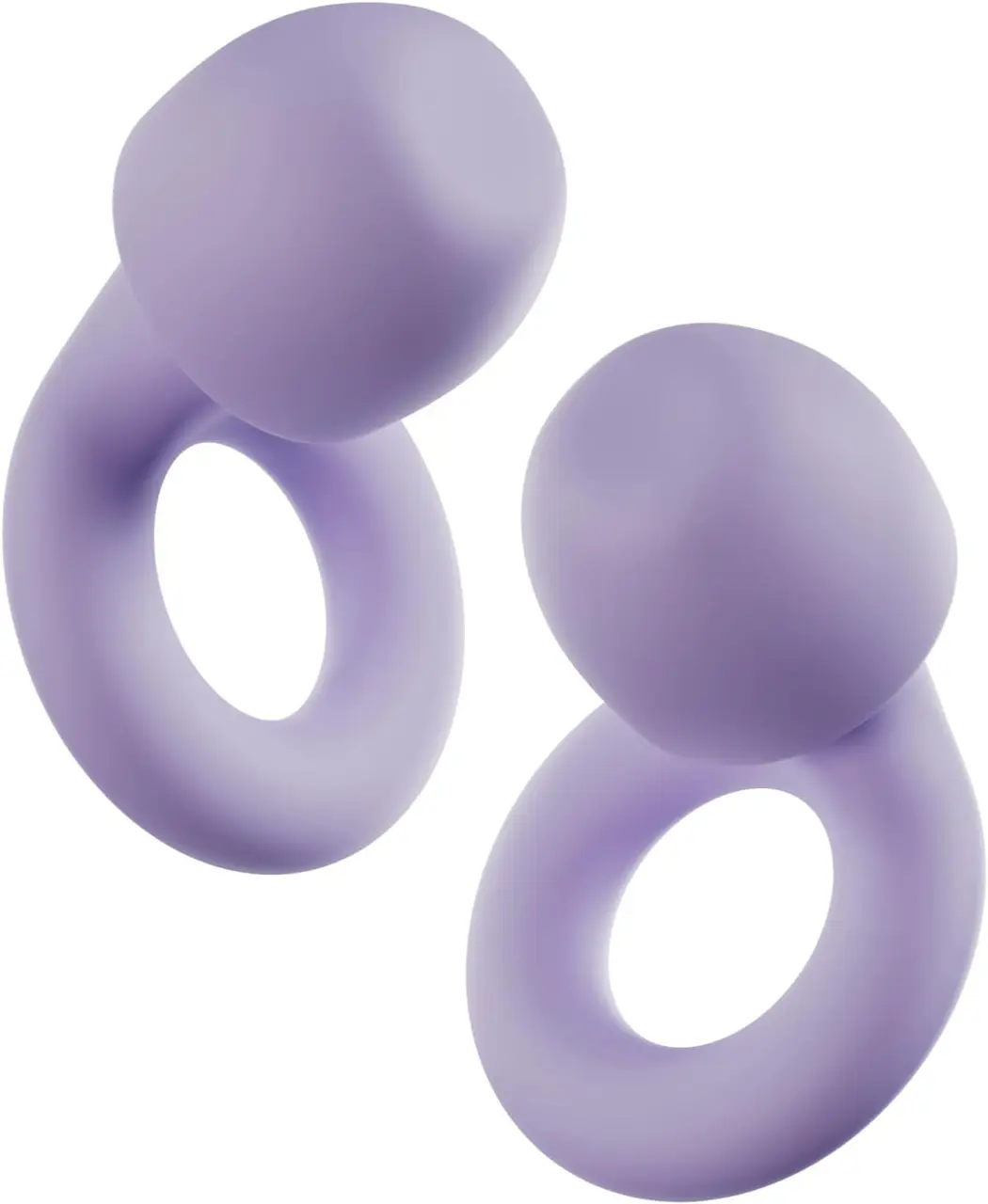
Loop Quiet 2 Ear Plugs
Loop · $20-35 when I bought it
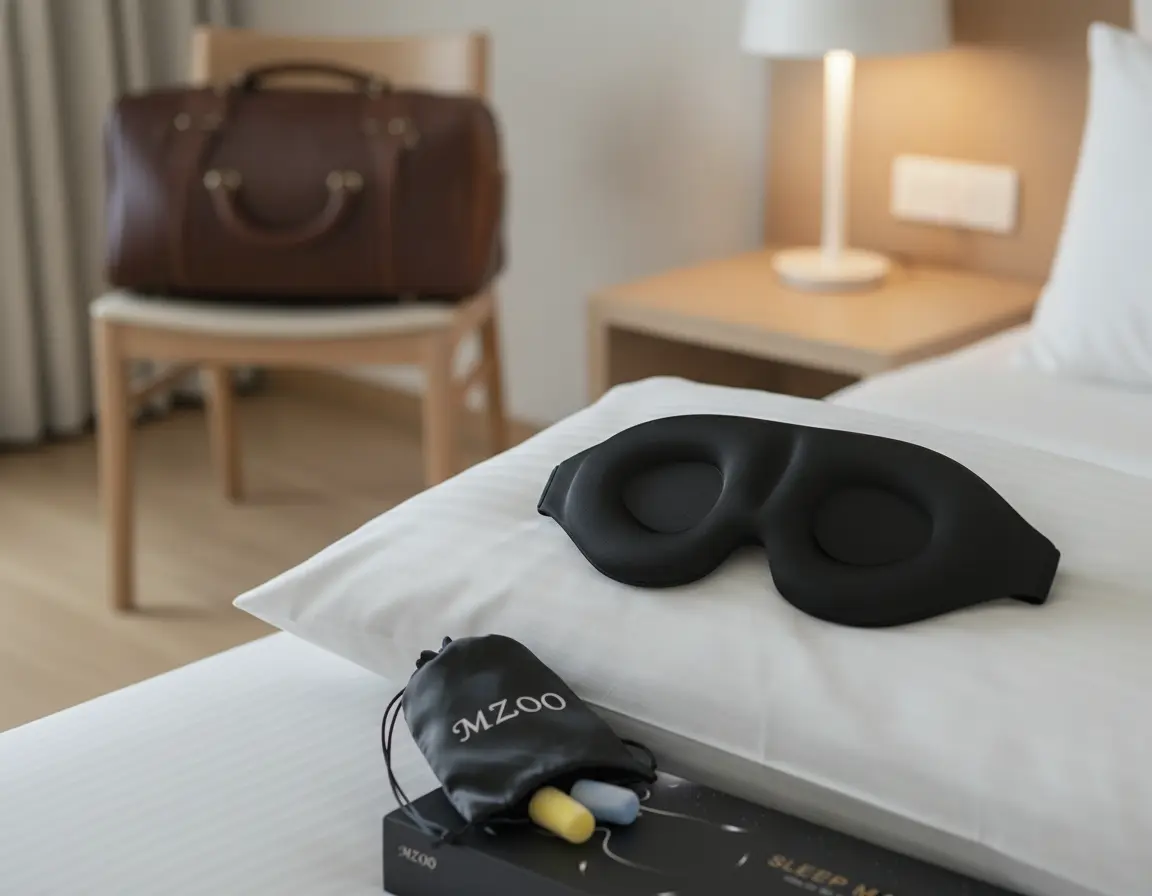
These are my go-to for hostels and flights because they reduce noise without making everything feel totally sealed off. They’re comfortable enough to sleep in, but I still notice them if I’m tossing around a lot.
- Worth knowing:
- Easy to misplace because they’re tiny and come with small accessories.
- They reduce noise well, but not enough to fully block loud snoring or street construction.
Check current price on Amazon (affiliate link)
Loop Quiet 2 Ear Plugs were the first thing that made me stop buying the cheap foam packs at airport pharmacies. Before these, I was using the basic orange foam earplugs you can get in a 10-pack for a few dollars, plus a random Amazon silicone pair. The foam ones worked for noise, but I woke up with that stuffed, sealed-off feeling and ended up pulling them out halfway through the night in a 12-bed hostel in Barcelona. The silicone pair was worse: by night two, one plug had gone missing in my backpack, and I had already spent about $18 on something I didn’t trust.
The winning differentiator for the Loop Quiet 2 is simple: they reduce noise without making everything feel totally sealed off. I noticed it most in that Barcelona hostel during a two-night stay. I could still hear movement in the room, but the snoring and hallway noise after midnight dropped enough that I actually stayed asleep. That’s the part the cheap foam plugs never did for me. After 16 months and 13 countries, I still reach for these on flights and in hostels because they solve the real problem without making me feel cut off from everything.
After the switch, I stopped waking up as often in shared rooms, and I stopped wasting money on disposable packs that got lost or crushed. For $20-35 when I bought them, that’s worth it because I’ve used them far more than any disposable set and I’m not repurchasing them every few weeks. If you sleep through anything already, these are only if you actually care about taking the edge off noise. They will not fully block loud snoring or street construction, and they are easy to misplace because they’re tiny and come with small accessories.
Field test detail: I’ve packed the Loop case with a passport, lip balm, charging cable, and a folded eye mask in the same side pocket, and it still closed cleanly. On a long-haul flight, I could keep them in for a few hours without that hot, itchy feeling I get from the cheap foam ones. The quirk is that I still notice them if I toss around a lot, so they’re not invisible. Worth it, but only if you want reusable earplugs that are actually comfortable enough to keep using.
Evolution Earth Deluxe Neck Pillow replaced the floppy U-shaped pillow I used to grab from drugstores before flights. That cheap version cost me about $12 and did almost nothing on a 7-hour overnight bus in Vietnam; my head still dropped forward, and I woke up with a stiff neck and a headache. I also tried a compressible travel pillow from a discount travel aisle, and it went flat too quickly to matter once I was upright for more than an hour. I spent money, got bad sleep, and still arrived wrecked.
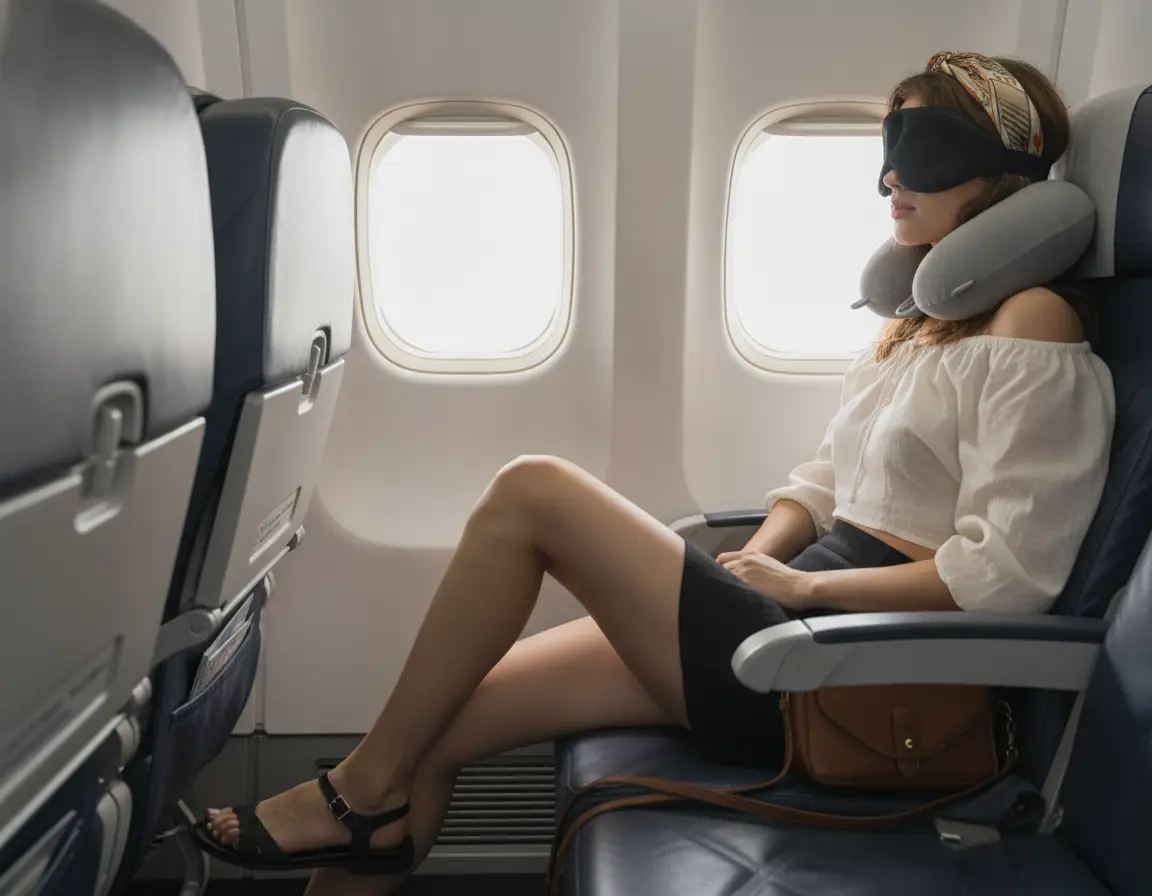
The winning differentiator here is that it actually supports my head when I’m stuck upright for 6 to 10 hours. I used the Evolution Earth Deluxe Neck Pillow on a 9-hour overnight train from Bangkok to Chiang Mai, mostly to keep my head from dropping forward while I tried to sleep upright. That’s the exact moment it earned its spot. It’s softer than the cheap U-shaped pillows, and it does a better job of holding position when the seat has no head support.
After 9 months across 8 countries, I still think it’s worth it for long transit days. For $35-55 when I bought it, I’d rather pay that once than keep buying junk pillows that fail on the first real overnight. The limit is real, though: it’s bulkier than I want when I’m trying to travel with one small backpack, and it doesn’t fully prevent neck strain if the seat has no head support. If you’re on a budget airline middle seat with no recline and no headrest, this won’t save you completely. It’s still a neck pillow, not a miracle.
Field test detail: I’ve shoved it into my carry-on with a light jacket, snacks, a Kindle, and a toiletry pouch, and it takes up more space than I like. On cold winter flights, the fabric felt better than the scratchy foam versions I’d used before, but in humid weather it’s still one more soft item to manage in a packed bag. The small quirk is that I sometimes have to adjust it once or twice after I sit down before it feels right. Worth it if your main issue is upright sleep on trains and long flights.
What Didn’t Make the Cut
The cheap foam earplugs from a pharmacy chain were my first mistake. I used them on a red-eye and in a hostel in Lisbon, and by hour three I had the sealed-off, pressurey feeling that makes me rip them out half-asleep. They cost me about $6 total, plus a terrible night’s sleep, and I replaced them faster than I should have. Skip them if you hate that plugged-up sensation.
The $12 drugstore U-shaped neck pillow was worse. I used it on a 7-hour overnight bus in Vietnam, and my head still bobbed forward enough that I woke up with a stiff neck and a headache. That was one wasted night and one wasted purchase. Skip it unless you’re only using it for short naps in a lounge chair.
I also tried a random silicone earplug set from Amazon, the kind that comes with a tiny case and extra tips. It went missing in my bag on a two-night trip and one plug got soft enough to feel annoying after a few hours. I spent about $18 and still ended up using backup foam plugs from a convenience store. Only if you’re extremely careful with tiny accessories.
How It All Fits Together
For carry-on only trips, I keep first aid and comfort gear boring and small. The earplugs live in an outer pocket so I can grab them before boarding or at hostel check-in. The neck pillow stays clipped or stuffed on top of my bag so I’m not digging for it at the gate while everyone else is crowding the line. That matters when I’m moving fast through airports and trying not to unpack my whole bag in public.
In humid summers, I care less about bulky extras and more about items that don’t become annoying after one sweaty day. In cold winters, I want gear that helps me sleep on long transit because bad sleep hits harder when I’m already cold and tired. The combination of these two products works because they solve different problems: one cuts noise, the other keeps my head from collapsing forward. Together, they’re better than any giant “travel survival” kit full of things I never touch.
If I were building a real international travel first aid kit around actual use, I’d rather have these two reliable comfort items plus a small, separate pouch with medicine and bandages I already know I need. The mistake is buying one oversized bundle and hoping it covers everything. It usually doesn’t.
I expected Hiroshima to feel heavy in a way that would flatten me for days, but I actually found myself sitting in a small pharmacy near the Peace Memorial Park, buying ¥1,200 worth of blister treatment and electrolyte packets after walking for 4 hours in humidity I’d completely underestimated. What hit me wasn’t the weight of the history—it was realizing how unprepared I was for the physical demands of moving through a place that demanded so much emotional attention. The honest takeaway: pack your first aid kit before you arrive anywhere, because the moment you need it is when you’re too drained to think clearly about what actually matters.
FAQ
Are Loop Quiet 2 ear plugs good for long flights?
Yes, I’d use them again on long flights. They take the edge off engine noise and chatty seatmates without making me feel sealed off, which matters on 8- to 12-hour trips. I still keep them in a pocket with my passport so I can put them in before boarding.
Do I really need a neck pillow for international travel?
Yes, if you sleep upright at all. I used the Evolution Earth Deluxe Neck Pillow on a 9-hour overnight train and it kept my head from dropping forward the way cheap pillows never did. If you always get aisle seats with good headrests, you can skip it.
Which one would I pack for a hostel stay?
I’d pack the Loop Quiet 2 first. In a 12-bed dorm, noise is the problem more often than posture, and these helped me sleep through snoring and hallway traffic in Barcelona. The neck pillow only matters if you’re also doing overnight transit.
Do these work in humid weather?
Yes, but not equally well. The earplugs are the easier win because they stay useful on hot nights and don’t add bulk, while the neck pillow can feel like one more soft item to manage in a sweaty backpack. For humid summer trips, I’d still pack both if I have a long transit leg.
What should I skip if I’m only bringing a carry-on?
I’d skip oversized “all-in-one” kits and any pillow that compresses badly but still takes up half a side pocket. I’ve already wasted money on cheap versions that failed on the first real overnight, so now I only keep the pieces that solved a specific problem on an actual trip. That keeps my bag light and my sleep less miserable.
 Emma Hayes
What I’d Rebuy Immediately
If I lost everything tomorrow, I’d rebuy the Loop Quiet 2 Ear Plugs first because I’ve used them the most and they’ve saved more nights than anything else in this category. I’d also rebuy the Evolution Earth Deluxe Neck Pillow for long-haul flights and overnight trains, but only because I know exactly when it earns its space. Both are worth it. Both have limits. And both beat the cheap versions I kept trying before I finally stopped wasting money.