
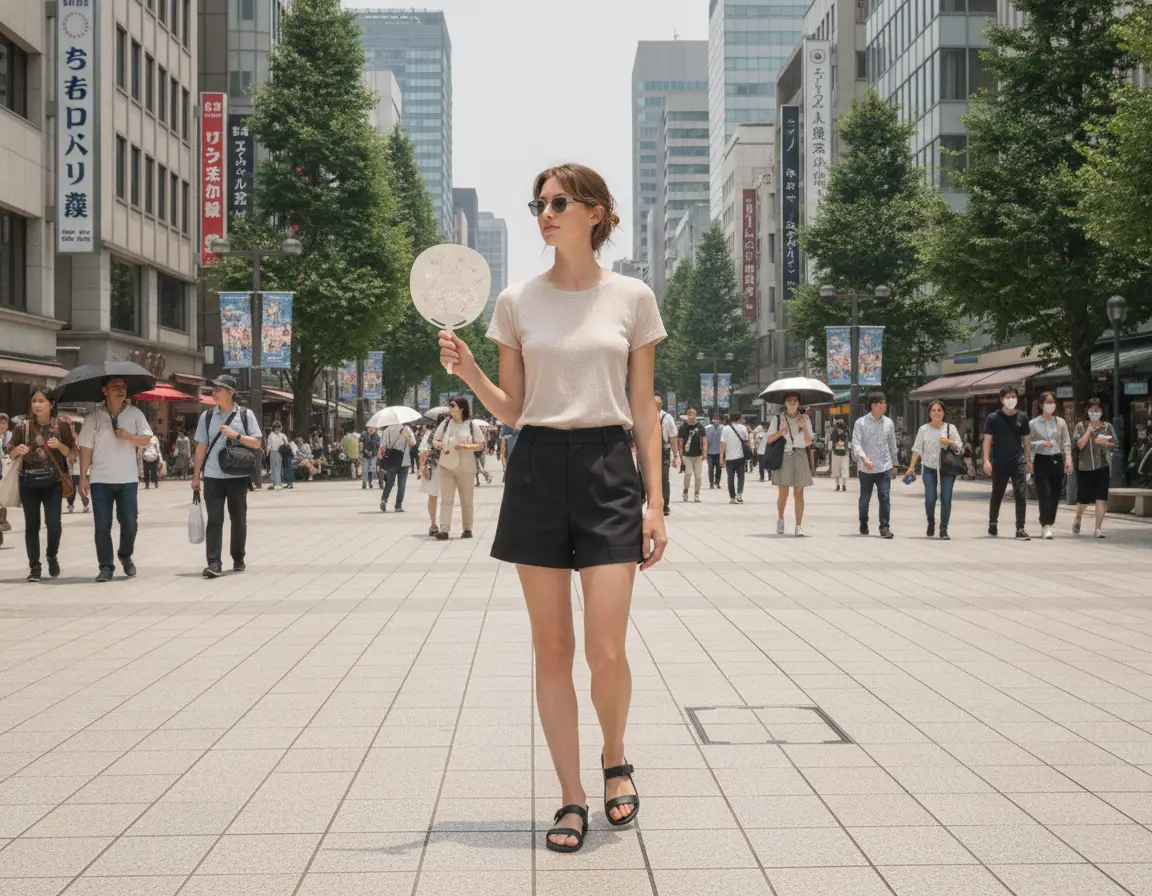
¥9,800: that was my cleanest Hiroshima day once I stopped paying for dumb stuff. If you’re wondering how much does hiroshima cost per day, my honest answer is that I’d budget ¥7,000–¥12,000 per day if I’m staying in a hostel and moving at a normal pace. I still had okonomiyaki, rode the tram, visited the Peace Memorial area, and bought a few convenience store snacks without feeling like I was rationing every yen. Hiroshima is cheaper than Tokyo or Kyoto, but not as cheap as people seem to expect.
My answer: I’d budget ¥7,000–¥12,000 per day if I’m staying in a hostel and moving at a normal pace. That fits backpackers, solo travelers, and anyone who wants a few paid sights without doing the “I’ll just eat one rice ball and call it culture” thing. If you want a private hotel, sit-down dinners, or more taxis, the number jumps fast.
Best for: Travelers who want a realistic Hiroshima budget, not a fantasy one.
Skip if: You’re hoping Hiroshima is a dirt-cheap city where you can ignore transit and still stay comfortable.
My pick: I’d plan around ¥9,000 a day and treat anything under that as a good day, not the baseline.
Quick Answer: I’d budget ¥7,000–¥12,000 per day in Hiroshima. My cleanest day was ¥9,800, with a hostel bed, tram rides, okonomiyaki, and a few convenience store snacks.
The short answer: Hiroshima is manageable, but not bargain-basement cheap
If I’m being blunt, Hiroshima sits in that nice middle zone where money goes further than in Japan’s biggest cities, but not so far that I can stop thinking about it. The big expense is lodging. Food is still reasonable if I lean on local spots and convenience stores, and the tram system keeps transport from becoming annoying or expensive.
I paid ¥600 for a tram day pass on one of my days here, and that made the city feel easy. Without it, I’d have still been fine, but I would’ve thought twice about hopping around between the Peace Memorial Park, downtown, and lunch spots. That’s the real Hiroshima budget trick: the city doesn’t punish you, but small choices add up.
Worth it: Budgeting for a normal, comfortable day instead of trying to force the cheapest possible version.
Skip it: Assuming Hiroshima will be dramatically cheaper than every other major Japanese city. It isn’t.
What I actually spent on a normal day
My usual day in Hiroshima landed around ¥8,500 to ¥10,500. That included a hostel bed, breakfast from a convenience store, lunch at a casual local place, a proper dinner, and tram rides. I didn’t do anything fancy. I also didn’t spend the day hungry, which is my line for whether a budget works.
Here’s the rough shape of one of my days: ¥1,800 for a hostel dorm bed, ¥350 for coffee and a pastry from a nearby bakery, ¥900 for lunch, ¥1,200 for dinner, and about ¥600 for transport. I also spent ¥1,000 on a museum or entry fee on a different day, but Hiroshima doesn’t force you into paid attractions if you’d rather keep it simple. The Peace Memorial Park itself is free, and that matters a lot.
I expected lunch to be the sneaky budget killer. It wasn’t. The more annoying costs were the small extras — bottled drinks, a convenience store snack I didn’t need, and one taxi I took because I was tired and slightly lazy. That taxi was ¥1,300 I didn’t need to spend. Annoying. Worth remembering.
Best for: Travelers who want a real day-by-day number, not a vague “Japan is expensive” answer.
Skip if: You’re expecting a Hiroshima day to come in under ¥5,000 without sacrificing comfort.
My pick: ¥9,000-ish is the sweet spot for me.
Accommodation: where the budget really starts moving
Accommodation is the biggest decision in Hiroshima. I found dorm beds around ¥1,800–¥3,500, while decent business hotels and simple private rooms were more like ¥7,000–¥14,000 depending on the date and location. I’d pay more to stay near Hiroshima Station or in the center if I’m only here one or two nights. The city is easy enough to move around, but dragging a bag too far in hot humidity is stupid.
See current Hiroshima hotel prices on Agoda →
I stayed in a hostel-style place one night because I was trying to keep the whole trip lean, and it worked fine. The room was basic, the common area was clean enough, and I could walk to food without thinking about it. If I were switching one thing, I’d probably pick a slightly better-located private room for a short stay and cut back somewhere else. That math never works out the way I want, but location usually wins.
I checked a few hotels near the station and around Hondori, and the price gap was often only ¥1,500 to ¥3,000 more than the cheaper options once I looked at rates. For a short trip, that extra money can save you a lot of transit and decision fatigue. If you want to compare room options quickly, I’d start with Agoda because the cheaper room is not always the better deal once you add tram rides and time.
Worth it: Paying a little more for a central stay if you’re in Hiroshima for under 3 nights.
Skip it: Chasing the absolute lowest room rate if it adds 20–30 minutes of transit each way.
Food costs: easy to control if you eat like a normal person
Food in Hiroshima can be cheap or not, depending on how much I let myself wander into tourist-heavy places. A convenience store breakfast was usually ¥250–¥500. Lunch at a casual local spot often ran ¥800–¥1,200. Dinner was the one meal where I could push it up, especially if I wanted Hiroshima-style okonomiyaki with a drink. I paid ¥1,300 for one solid plate, and that felt fair.
The city is good for eating well without wrecking the budget. I had one lunch near Hondori where I paid about ¥900 for a set meal, and it was more filling than the overpriced lunch sets I skipped near the busier sightseeing areas. I’d rather spend on a proper dinner than on a sad hotel breakfast, which I never book anyway. Those breakfast add-ons are usually the sneaky rip-off.
My biggest food mistake was grabbing a drink from a vending machine every time I got warm, which is absurd because I had a reusable bottle in my bag. Hot, humid weather makes that harder than it should be. I was dealing with 21–27°C and enough humidity that I kept a fan and umbrella with me, so I bought more cold drinks than I needed. Probably spent an extra ¥400–¥600 that day on nonsense.
Best for: Travelers happy with convenience stores, lunch sets, and one good dinner.
Skip if: You want every meal to be sit-down dining. That pushes the budget up fast.
My pick: Mix one nice meal with cheap breakfast and lunch. That’s the sweet spot.
Transport: the tram is cheap, taxis are not the answer
Hiroshima’s tram system is one of the reasons the city doesn’t feel expensive. A single ride is usually around ¥220, and the day pass I used was ¥600. I’d use the day pass again if I’m doing more than two or three rides. If I’m just going from station to hotel and then walking most of the day, single fares are fine.
I took the tram to get around downtown and toward the Peace Memorial area, and it was simple enough that I didn’t need to overthink routes. That’s rare in a city where I don’t know the layout well. The one taxi I took cost ¥1,300, and I only did it because I was tired after a long humid day and didn’t want to stand around waiting. Useful once. Not a habit.
If you’re staying less than 5 days, skip taxis unless you’re arriving late, carrying heavy luggage, or splitting the fare with someone. Hiroshima is walkable in parts, and the tram fills the gaps cheaply. I’d rather spend that money on dinner than on a 10-minute ride.
Worth it: A tram day pass if you’re sightseeing across more than one area.
Skip it: Taxiing around the city just because it’s easier. It’s not worth the drip of extra yen.
What’s free, what’s worth paying for, and what I’d skip
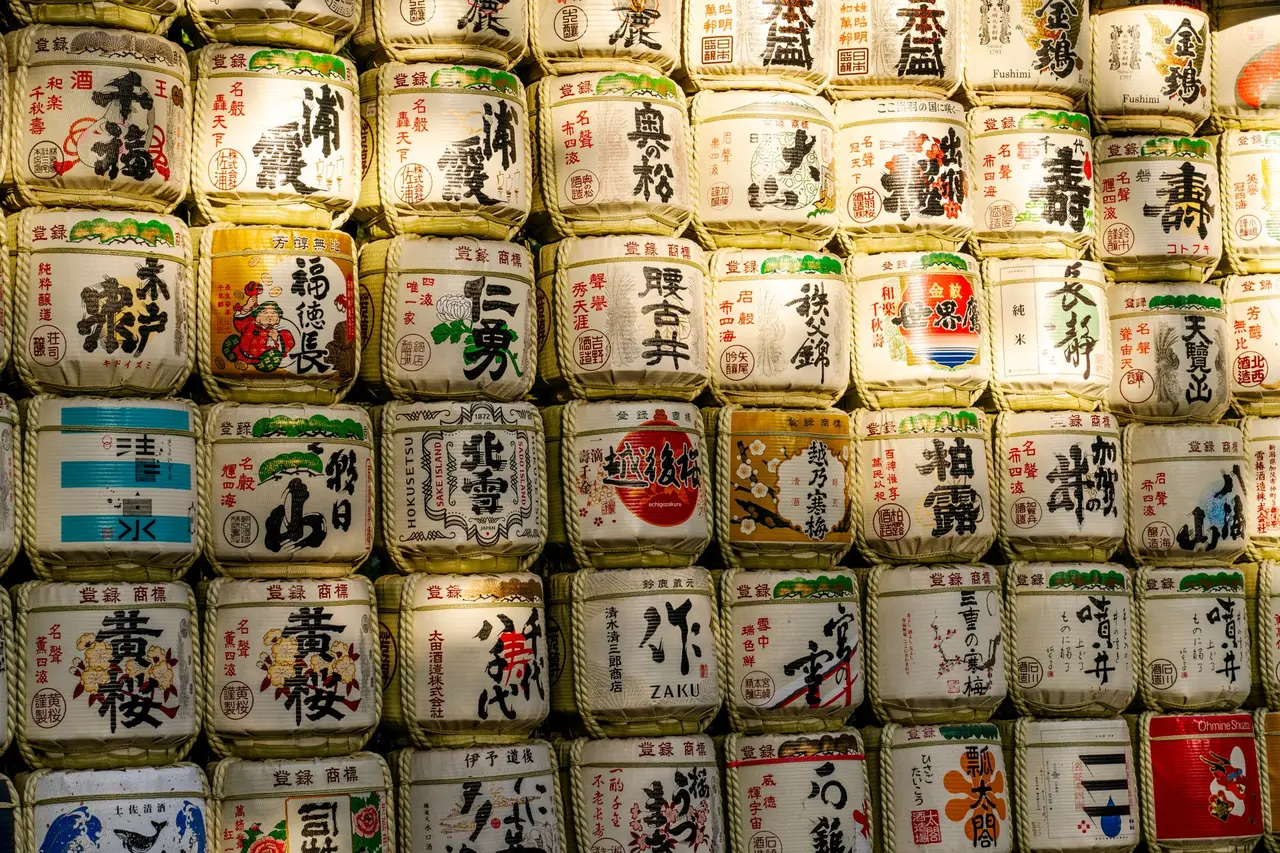
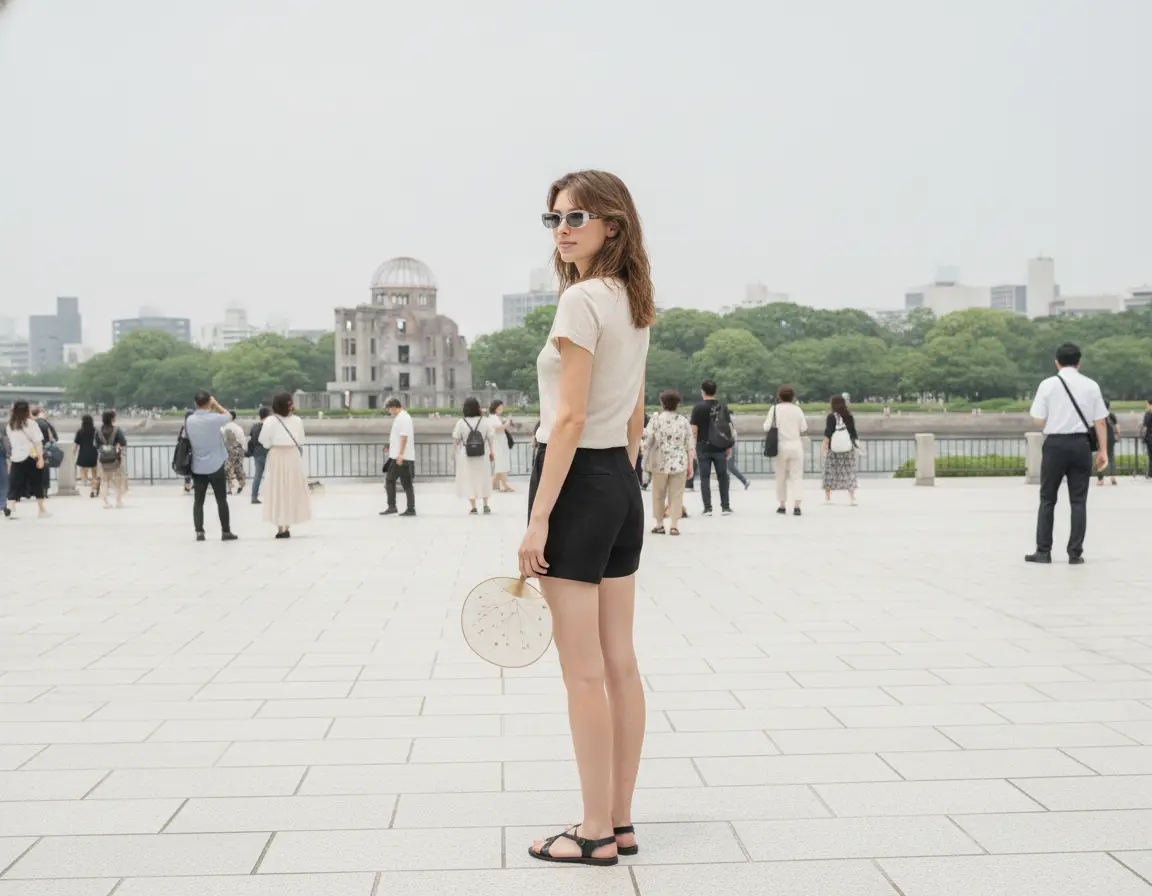
The best money-saving move in Hiroshima is simple: use the free stuff first. Peace Memorial Park costs nothing, and I’d never pay to “make it meaningful” with some packaged add-on. The park and surrounding memorial area were enough on their own. I spent time there, then ate lunch nearby, and that was the right rhythm for the day.
For paid sights, I’d be selective. The Hiroshima Peace Memorial Museum has an entry fee that’s low enough to be worth it if you care about the history. I’d call that money well spent. On the other hand, I’d skip anything that looks like a rushed combo ticket or a guided bus tour unless you genuinely hate planning. I don’t. I also don’t like paying someone to herd me from one stop to another.
I figured I’d be tempted by one of those packaged city tours because they look efficient online. I wasn’t. Once I got there, the tram was easy, the park was free, and I could build my own day for less money. That’s the real takeaway: Hiroshima rewards independent travel more than packaged sightseeing.
Worth it: The museum and the free memorial area.
Skip it: Bus tours and “all-in-one” sightseeing packages that charge for convenience I didn’t need.
The budget traps I’d watch for
Hiroshima doesn’t punish you with one giant expense. It gets you with little things. Mine were drinks, a random taxi, and one meal in a busier area where I paid more than I needed to. I also made the classic mistake of not checking train and tram timing closely enough once, which cost me about 25 minutes waiting in the heat. Not tragic, just irritating.
The other trap is booking too cheaply on accommodation and then paying for it in time. I almost booked a place that was ¥2,000 less per night, but the walk from the station looked miserable with luggage, and I knew I’d hate it after dark. I paid more for the central option instead. That was the right call. I’d do it again without thinking.
If you’re only in Hiroshima for 2 days, don’t squeeze the room rate so hard that you end up wasting your whole evening on transit. If you’re staying 4–5 days, then a slightly cheaper room farther out can make sense because the daily savings stack up. Short trip? Pay for convenience. Longer trip? Save a bit, but keep the transport simple.
Best for: Travelers who check the full cost, not just the nightly rate.
Skip if: You’re about to book a cheap room without looking at the map.
My pick: Central and slightly pricier beats cheap and annoying.
Rough daily estimates from my own trip. Prices shift by season.
What I’d do differently next time
I’d book my stay closer to the station or Hondori from the start. I saved a little on one night and gave it back in time and annoyance. I’d also stop buying random cold drinks every time I got warm. A refillable bottle and one planned convenience store stop would’ve been enough.
I’d probably spend one more meal on a proper Hiroshima-style okonomiyaki place and one less meal “just wherever is open.” The city does casual food well, and I underused that on my first pass. Minor regret, but real.
Best for: Anyone who wants a cleaner, less fussy Hiroshima trip on a real budget.
Skip if: You’re trying to make every day ultra-cheap by cutting location and meals at the same time.
Next time: I’d budget ¥9,000 a day, stay central, and skip the taxi and the breakfast add-ons.
I expected Hiroshima to be dirt-cheap compared to Tokyo, but my actual days landed around ¥9,800 once I stopped pretending I could live on convenience store rice balls alone. The flip was realizing that hostels, decent food, and tram passes add up faster than I’d budgeted, even though the city is genuinely cheaper than bigger cities. My honest takeaway: Hiroshima is manageable on ¥7,000–¥12,000 per day, but it’s not the bargain-basement destination some travelers seem to expect.
I usually book Hiroshima tours on Klook — the best time slots go fast, especially in peak season.
FAQ
Is Hiroshima cheap compared with Kyoto or Tokyo?
Yes, Hiroshima is cheaper than both, and I felt that most in accommodation and transport. I still wouldn’t call it ultra-cheap, because a decent room and normal meals add up fast. If you budget like you would for a midrange Japanese city, you’ll be fine.
Can I do Hiroshima on a tight budget?
Yes, but I’d keep it realistic and aim for around ¥6,000–¥8,000 a day if you’re in a dorm and eating simply. The free memorial areas help a lot, and tram fares are low. If you try to force it under that, you’ll probably end up skipping meals or walking too much in the heat.
How much should I budget for one full day of sightseeing?
I’d plan on about ¥8,000–¥11,000 for a comfortable day. That covers a hostel bed, two decent meals, tram rides, and one paid museum or attraction. If you’re staying in a private room, add more and don’t pretend otherwise.
Is it worth paying extra to stay near Hiroshima Station?
Yes, especially if you’re only there 1–3 nights. I paid more for location once and saved myself time, tram fares, and dragging a bag around in humidity. The cheaper room only wins if you’re staying longer and don’t mind extra transit.
Do I need to book anything in advance for Hiroshima?
No, not most of the city, but I’d book accommodation ahead if I’m arriving on a weekend or during a holiday period. Trams, convenience stores, and the memorial area are easy to handle on arrival. Hotels can jump in price faster than you’d expect, and that’s where early booking actually matters.
 Emma Hayes