
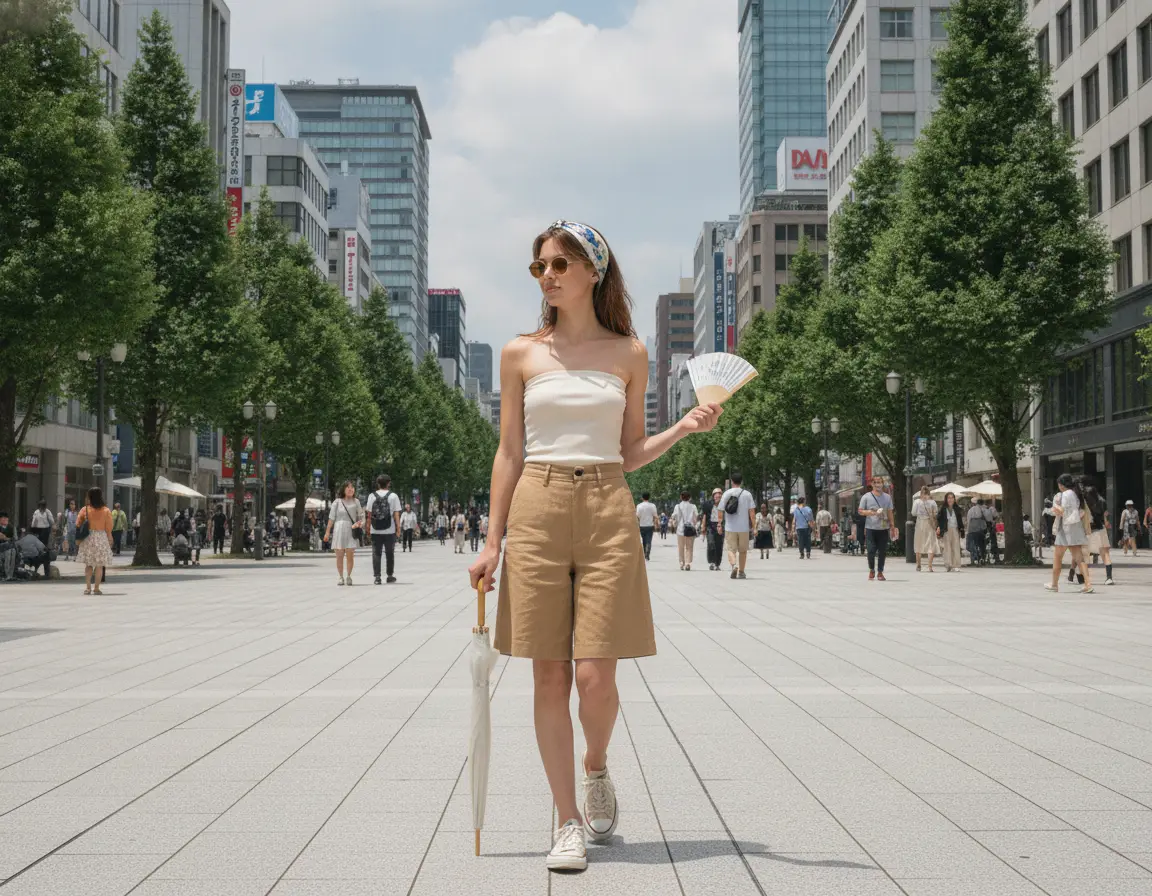
Nobody told me this before I went: Hiroshima changes a lot depending on the month, and the difference between a smooth trip and a sweaty, crowded one is bigger than I expected. I went in warm weather, around 22-29°C, with a small umbrella in my bag and sun on and off between clouds, and I could feel how timing shaped everything from tram rides to the Peace Park walk. For the best time to visit Hiroshima, I’d aim for late spring or autumn.
My answer is simple: I’d visit Hiroshima in late spring or autumn for the best balance of weather, walkability, and sanity. That’s the sweet spot if you want to move around easily, eat well, and not melt while standing outside the Atomic Bomb Dome. If you’re only coming for cherry blossoms or you don’t care about crowds, April can still work. July and August? I’d skip unless your dates are fixed and you’re fine with heat, humidity, and a lot of people doing the same exact thing.
Quick answer: Late March to May, or October to mid-November, is the best time to visit Hiroshima if you want easier weather and walkable days. Cherry blossom week and Golden Week get crowded, while winter is cheaper but grayer.
I wrote a more detailed breakdown in Best Day Trips From Hiroshima — worth reading if you’re still deciding.
Late spring and autumn are the easiest months to get right
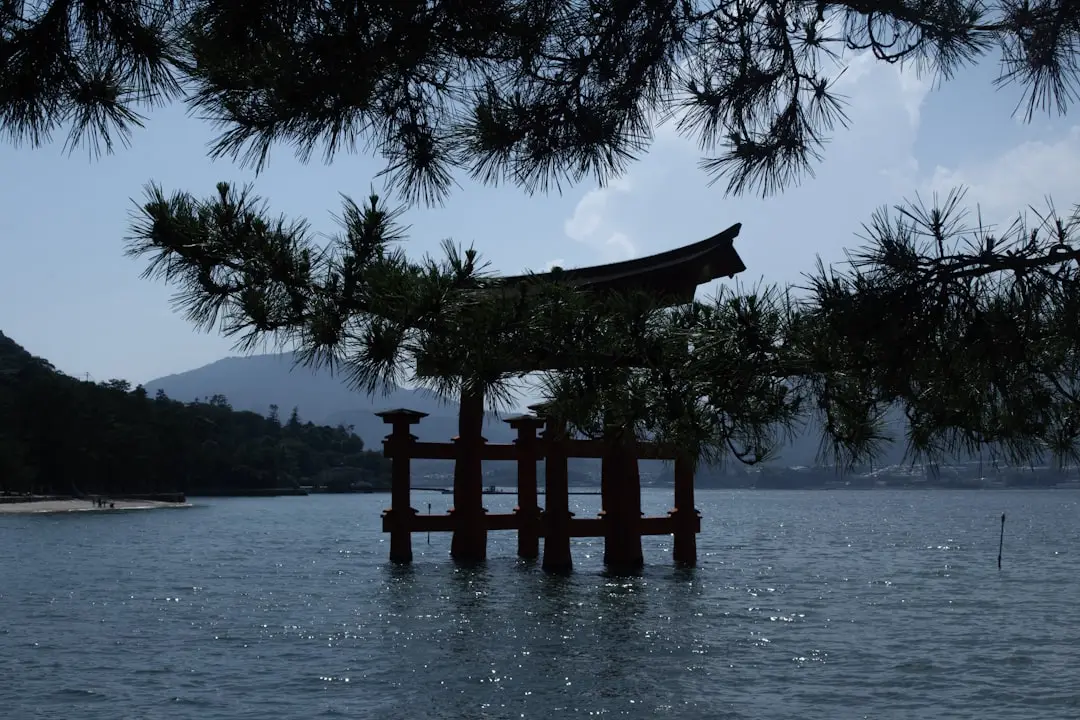
I’d aim for April, May, October, or November if I were booking Hiroshima again. Those months give you the best mix of comfortable walking weather and decent daylight, and that matters here because Hiroshima is a city I wanted to move through on foot between trams, river paths, and food stops. I paid ¥220 for tram rides more than once, but I still walked a lot because the weather made it doable.
Worth it if: you want to spend your day outside without planning every five minutes around shade and water breaks.
Skip if: your whole trip is built around cheap rooms and you don’t care if it rains or feels muggy.
I expected Hiroshima to feel heavier and slower than it did. It’s serious, of course, but in spring and autumn it also feels easy to navigate, and that surprised me in a good way. I could sit by the river, eat an onigiri from a convenience store, and keep going without feeling wiped out.
For me, that’s the real tradeoff: you pay a little more for better dates, but you get more out of every hour. If I’m choosing a season for a short trip, I’d rather spend an extra $15-$30 a night on a better month than save it and drag through a sticky afternoon.
Cherry blossom season is pretty, but I wouldn’t plan a whole Hiroshima trip around it
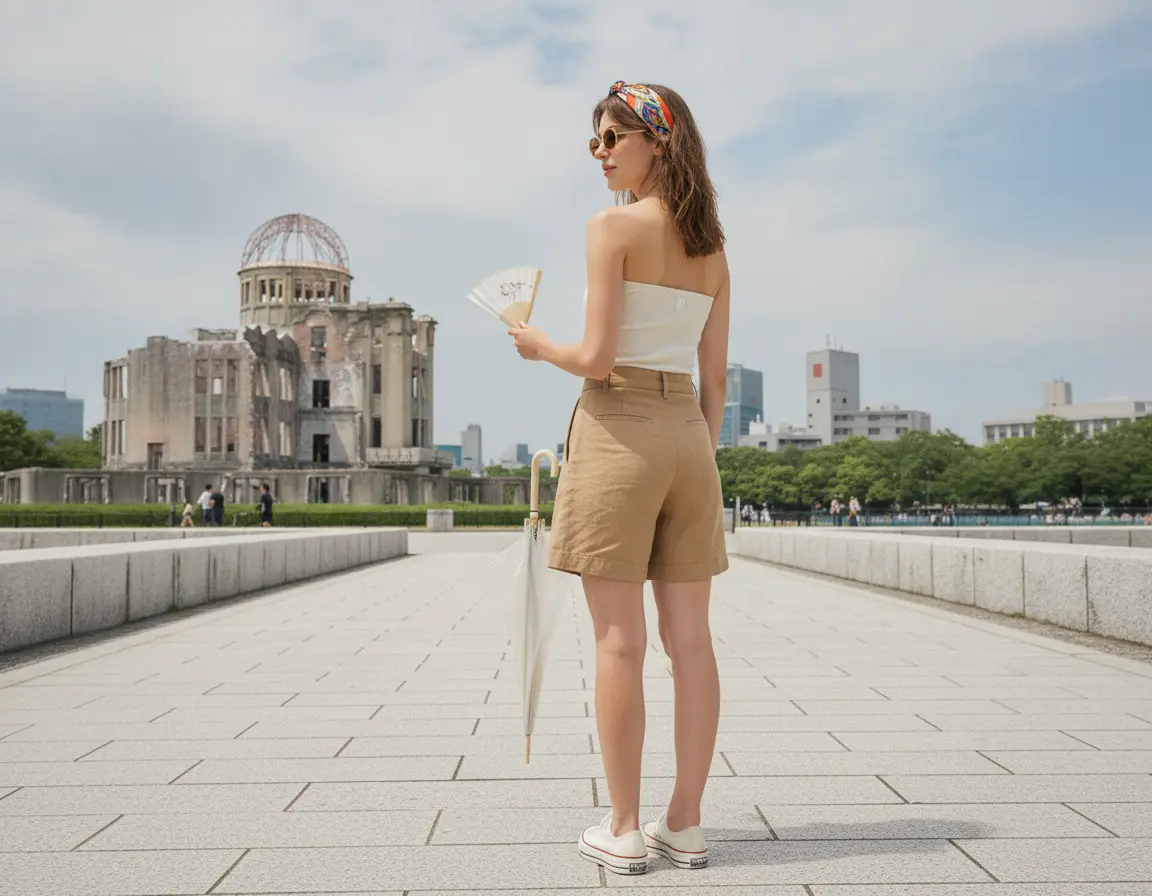
March into early April gets a lot of attention because the trees around Peace Memorial Park and along the river can look great. I get why people do it. I also think the hype gets ahead of the actual experience. The city gets busier, rooms jump in price, and you can spend too much time competing with everyone else for the same photo spot near the dome.
I checked room prices in that period and saw basic business hotels climb into the roughly $80-$140 range near the center, while quieter dates were often cheaper. That math never works out in your favor unless cherry blossoms are the main reason you’re going. I’d only book this window if I was already in Japan and Hiroshima was one stop in a bigger spring route.
Best for: travelers who want spring scenery and don’t mind paying more for it.
Skip if: you’re trying to keep the trip efficient and low-stress.
I spent one morning near the Peace Memorial Park area when the weather was mild and the trees were just starting to turn. It was pleasant, not magical. Good enough for a walk, but I wouldn’t call it worth restructuring the whole trip around it.
Summer is the roughest season, and I’d only go if I had to
July and August are the months I’d avoid first. Hiroshima gets hot, sticky, and tiring fast, and the city isn’t the kind of place where you can hide from that easily if you want to see anything beyond your hotel room. I was there when it was already around 22-29°C and partly cloudy, and even that was enough to make me grateful for a fan, sunglasses, and a cold drink stop every couple of hours.
In full summer, I’d expect more of the same but worse. The Peace Memorial Museum is indoors, sure, but the walk there and the time outside after still add up. Miyajima is even more annoying in heat because you’re moving between ferries, slopes, and crowded paths. I’d do it only if my dates were fixed or if I was combining Hiroshima with a longer summer Japan trip.
Worth it if: you’re locked into summer vacation and can keep your sightseeing early and short.
Skip if: you hate humidity or you get cranky when you’re sweating before lunch.
I bought a bottled tea for about ¥160 and a cheap handheld fan from a convenience store because I underestimated how quickly a “normal” warm day turns into a slog here. That tiny purchase saved me more annoyance than any fancy itinerary tip would have. For summer, that’s the move: early starts, indoor breaks, and zero shame about slowing down.
Winter is cheaper, quieter, and a little underrated
I wouldn’t call winter the best season for Hiroshima, but I do think it’s the cleanest budget choice. Hotel rates are usually softer, the streets are calmer, and you can move around without fighting the same crowd pressure you get in spring. If you’re mostly here for the Peace Memorial Museum, a good meal, and maybe one day trip, winter can be a smart pick.
The downside is obvious. Some days feel gray, and the city loses a bit of its easy outdoor appeal. I’d still take it over peak summer if the trip is about value. If you’re staying less than five days, winter makes more sense than it sounds because you’re not losing much time to long, lingering outdoor plans anyway.
My pick: winter for budget travelers who care more about smooth logistics than pretty weather.
Skip if: you want bright river walks, long outdoor lunches, and the full “Japan in nice weather” feeling.
I’ve made the mistake of choosing a cheap season before and then getting bored because the weather made me lazy. Hiroshima is one of the few places where that can still work out, because the city’s main draw isn’t a beach or a mountain view. It’s a city where museums, tram access, and food carry more of the day than the weather does.
What I’d book ahead, and what I’d leave for arrival
I’d book Hiroshima accommodation ahead if I was traveling during cherry blossom season, Golden Week, or a long weekend. Outside those windows, I’d still look at rates early, but I wouldn’t panic-book unless I saw a place I liked near Hiroshima Station or the Peace Park area. The location matters more than trying to save a few dollars on something far from the tram line.
If I were comparing options, I’d look at a simple business hotel near the station versus a cheaper place farther out. I’ve done both in Japan, and the cheaper one usually looks better on paper until you’re dragging a bag through heat or rain. In Hiroshima, I’d pay the extra money to cut friction. That’s worth it.
Best for: short trips where you want easy tram access and less wasted time.
Skip if: you’re arriving on a quiet midweek winter date and don’t care about being central.
See all Hiroshima hotels on Agoda when you’re booking early for spring dates — rooms closer to the center go first, and the cheap ones don’t stay cheap for long.
For activities, I wouldn’t overbook. Hiroshima doesn’t need a giant schedule. I’d reserve only the things that actually sell out or get awkward last-minute, like specific ferry timing for Miyajima if you’re trying to avoid the worst crowds. Everything else, I’d buy on arrival or the day before. That keeps the trip flexible, which matters more here than in some overplanned Japan cities.
The timing mistake I’d avoid next time

I made a dumb little timing mistake in Hiroshima: I assumed a warm day meant I could do the city in one long push. I started at the Peace Memorial Park area, wandered too long, and then had to duck into a coffee shop because the heat and humidity caught up with me faster than I expected. That extra stop cost me about an hour, plus a coffee I didn’t really want.
The trigger was simple. I left my hotel with too little water and only a thin layer in my bag, thinking the weather looked “fine.” It was fine. It just wasn’t comfortable. By the time I got to the next stop, I was irritated enough that even a short tram wait felt longer than it was.
What I’d do differently: start earlier, carry water, and split the day into two shorter blocks instead of one marathon walk.
What that means for you: if your dates are warm, don’t build your Hiroshima day like a museum crawl in a cool city. It’s a walking city with weather that can drain you.
That’s the part people miss. Hiroshima isn’t difficult, but the wrong season makes a simple day feel longer than it should. I’d rather pay attention to timing than keep trying to “push through” a bad weather choice.
Rough daily estimates from my own trip. Prices shift by season.
I compared the options in Hiroshima Airport To Hiroshima — useful if you haven’t booked yet.
What I’d do differently next time
I’d avoid mid-summer unless I was forced into those dates. I’d also book a central hotel earlier for spring, because the location premium is easier to stomach than the extra time you lose commuting from a cheaper place.
I’d bring a small fan again, but I’d pack it before I left the hotel instead of buying one after I was already annoyed. And I’d keep the day looser. Hiroshima works better when the timing is light and practical, not when every hour is packed.
For a deeper look at get, I covered this in my How To Get Around Hiroshima.
See current Hiroshima hotel prices on Agoda →
I usually book Hiroshima tours on Klook — the best time slots go fast, especially in peak season.
FAQ
Is Hiroshima worth visiting in summer?
I’d say no unless your dates are locked in. Summer here is hot and humid enough to make even short walks annoying, and I found myself looking for shade and drinks more than I wanted to. If you have flexibility, I’d move the trip to spring or autumn.
Is cherry blossom season too crowded in Hiroshima?
Yes, and I’d only choose it if blossoms are the main reason you’re going. The city gets busier, hotel prices climb, and popular spots around Peace Memorial Park draw more people than I like dealing with. If you go then, book early and keep your expectations realistic.
Is winter a bad time for a first trip?
No, winter is fine, and I’d actually recommend it for budget travelers. The city is quieter, rooms are often cheaper, and the main sightseeing works well even without great weather. I’d just skip it if your trip is mostly about outdoor wandering.
How many days do I need in Hiroshima if I’m picking the right season?
Two full days is my sweet spot. That gives me time for the Peace Memorial Museum, Peace Park, a good meal, and either Miyajima or a slower second day without rushing. If you only have one day, timing matters less than being efficient.
Should I book hotels early for Hiroshima?
Yes, if you’re going in spring, Golden Week, or around any holiday weekend. I’ve seen room prices jump fast enough that waiting turns a decent $80 room into a mediocre $130 one. For quiet winter weekdays, I’d still look early, but I wouldn’t stress.
 Emma Hayes