

I did this wrong the first time. I tried to squeeze Miyajima, Onomichi, and a peace museum stop into one hot, sticky day, and I spent half of it on trains with a damp shirt and a bad mood. Hiroshima is better when you pick one outing and let it breathe a little. If you’re looking for the best day trips from Hiroshima, this is the order I’d use.
My honest take: Miyajima is the clear first choice for most people, Onomichi is the better pick if you want a slower, more local-feeling day, and I’d only add Kure or Iwakuni if you already have extra time in Hiroshima. If you have just one day trip, I’d do Miyajima. If you have two, I’d pair it with Onomichi and skip the rest.
Quick Answer: Miyajima is the safest first pick, Onomichi is the best slower second option, and Kure or Iwakuni only make sense if you have extra time. I’d budget about $35–$75 for a day trip.
Day by Day
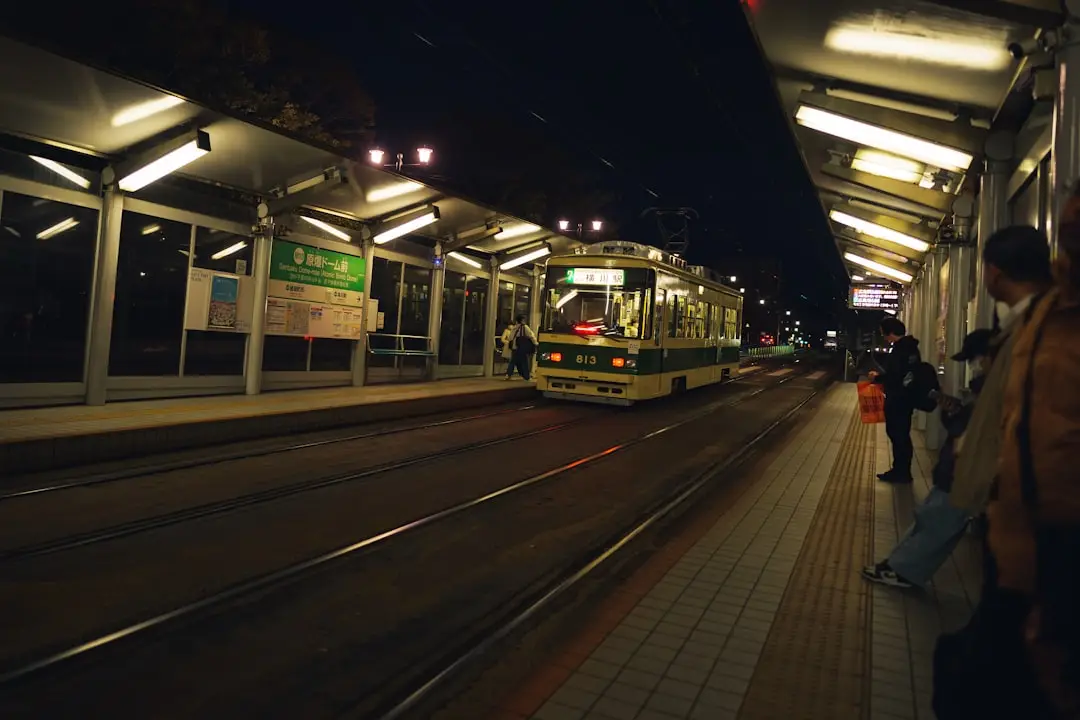
Day 1: Miyajima if you want the safest bet
This is the one I’d send almost anyone to first. It’s easy from central Hiroshima, it doesn’t require a lot of planning, and it gives you enough to fill a full day without feeling like you’re checking boxes. Best for: first-time visitors, short trips, and anyone who wants a clean day with minimal transit friction.
I took the JR Sanyo Line from Hiroshima Station to Miyajimaguchi in about 25 minutes. With the JR Pass, that part was covered; without it, the train was around ¥420
I got there before 9:30 a.m. and still had to dodge tour groups near Itsukushima Shrine. By noon, the waterfront got much busier, and I was glad I’d already done the shrine and the floating torii-view walk. I expected Miyajima to feel overhyped. It kind of is, but I still think it’s worth it because the logistics are so painless and the island gives you a full day without much effort.
A realistic Miyajima timeline
8:00 a.m. — Leave Hiroshima Station
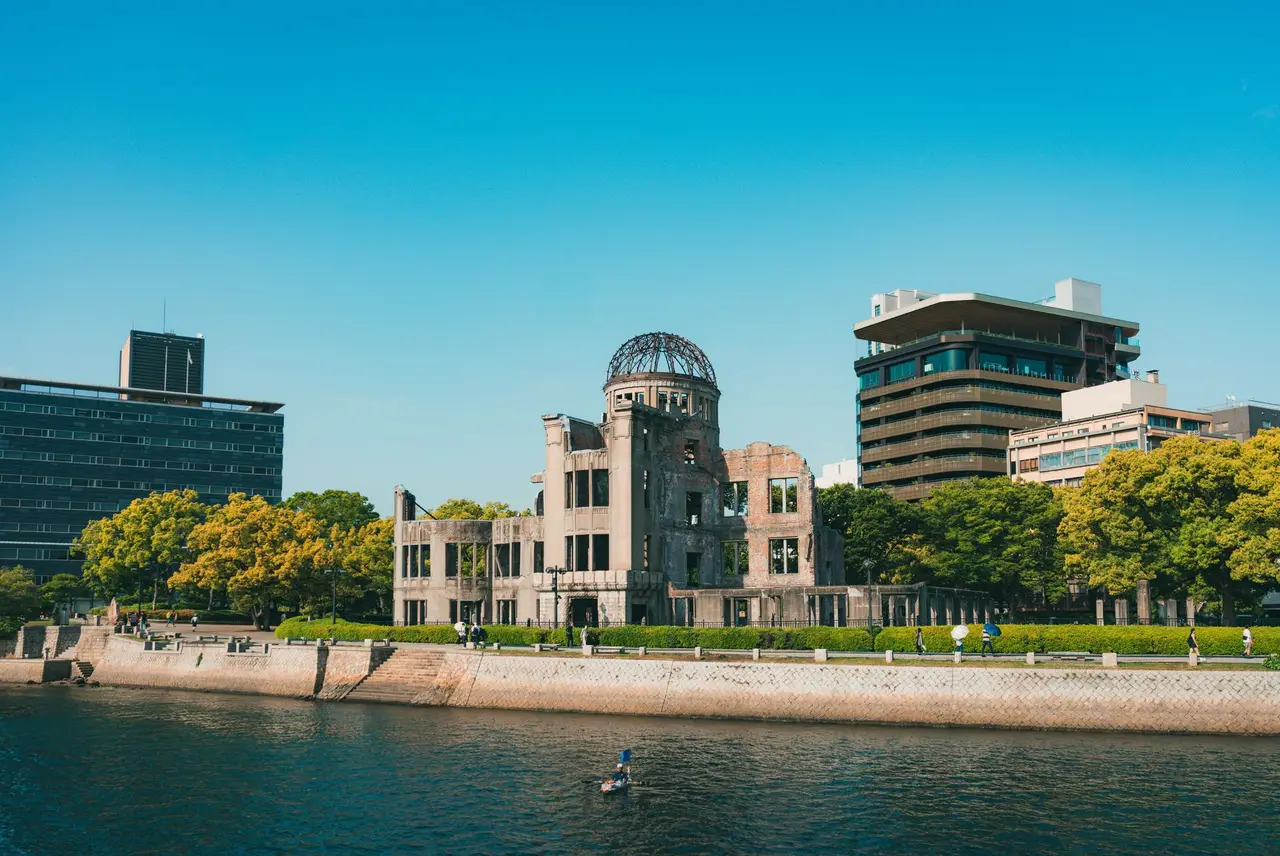
8:25 a.m. — Arrive at Miyajimaguchi, walk 3 minutes to the ferry terminal
8:35 a.m. — Ferry to Miyajima Island
8:50 a.m. — Walk to Itsukushima Shrine area
9:00–10:00 a.m. — Shrine and waterfront walk
10:00–10:45 a.m. — Momiji Manju snack stop and wandering the shopping street
11:00 a.m.–12:30 p.m. — Ropeway area or lower mountain paths
12:30–1:30 p.m. — Lunch
2:00–4:00 p.m. — Optional extra walk, deer breaks, return ferry
I’d eat lunch near the shopping street instead of waiting for something scenic. I paid about ¥1,200 for an oyster set at a small casual place and a bottled tea from a vending machine, and that was enough. The food is not the main reason to go, but the island does oysters better than I expected. Worth it if you like seafood and don’t need a fancy meal.
Skip if short on time: the ropeway and deeper hiking. I did not think the mountain section was bad, but it adds time fast and the lower island already gives you the classic day-trip experience. If you only have one half-day, stay by the shrine and ferry area.
Main tradeoff: Miyajima is efficient, but it’s also the most obvious choice. You’ll see plenty of other travelers doing the exact same loop. That’s fine if you want easy; it’s less fun if you’re chasing quiet.
Day 2: Onomichi for a slower, less packaged day
Onomichi was the surprise for me. I thought it would be one of those places people romanticize online and then quietly forget once they arrive. It wasn’t. It’s still a little messy, a little sloped, and a lot more interesting than the polished island day most visitors default to. Best for: travelers who like walking, old neighborhoods, and a day that feels more local than iconic.
From Hiroshima Station, I took the JR Sanyo Line to Onomichi Station in about 75 to 90 minutes, depending on the train. The fare was around ¥1,520 one way. That’s not cheap-cheap, but it felt fair because the day itself didn’t force me into spending much once I got there. I walked a lot, ate simply, and used the local ferry only if I wanted to break up the route.
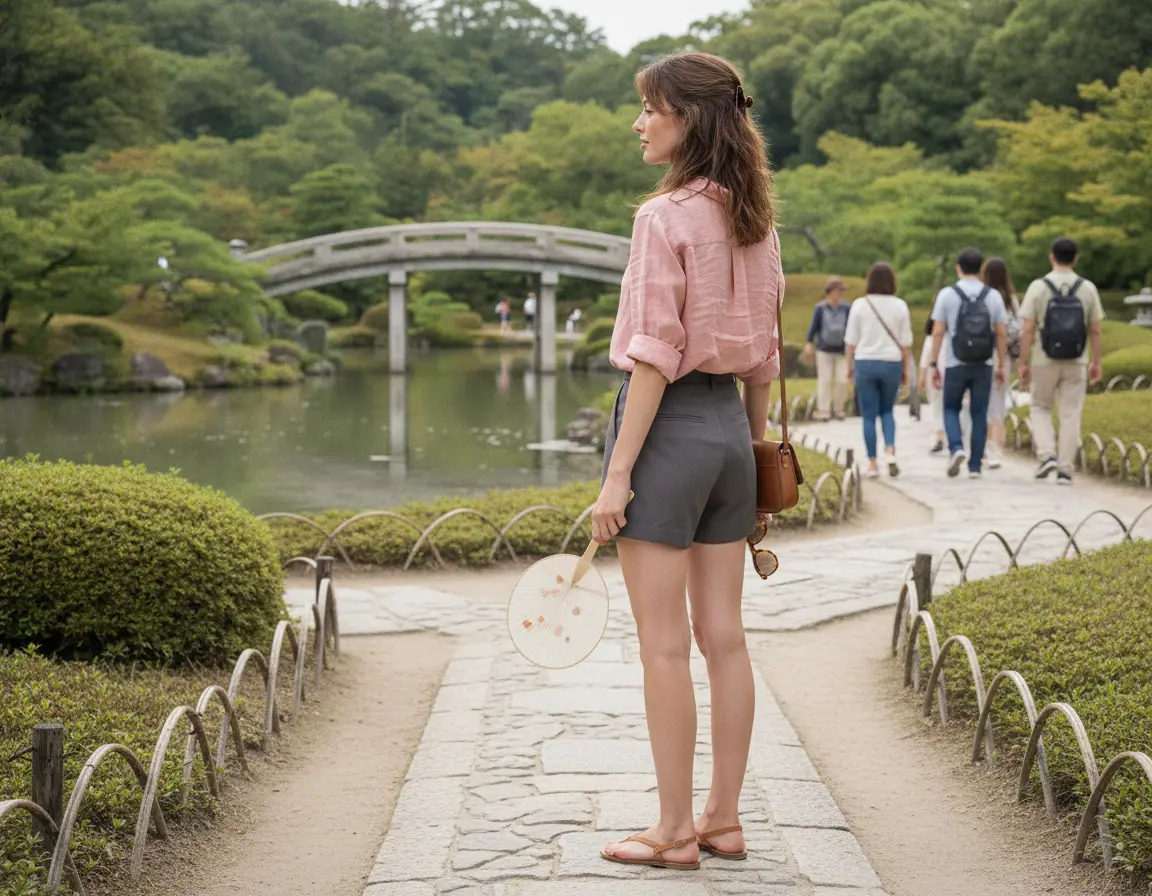
The first thing I noticed was the hills. This is not a flat, carefree stroll. I had on linen shorts, sandals, and a fan in my bag because the weather was hot and humid, around 21–28°C, and I was already sweating by the time I reached the temple steps. I’d call Onomichi a walking day, not a sightseeing day. That matters.
A realistic Onomichi timeline
8:00 a.m. — Leave Hiroshima Station
9:20 a.m. — Arrive in Onomichi, coffee or water stop near the station
9:45–11:30 a.m. — Temple walk and hillside streets
11:30 a.m.–12:30 p.m. — Onomichi ramen lunch
12:45–2:00 p.m. — Harbor area and shopping street
2:00–3:30 p.m. — Optional ferry hop or extra wandering
4:00–5:30 p.m. — Return to Hiroshima
I ate ramen near the station because I didn’t want to gamble on a famous place with a line. That was the right call. I paid about ¥900 for a solid bowl, sat down fast, and got back to walking before the day turned into a food pilgrimage. Worth it if you want a no-drama lunch and don’t care about chasing a viral restaurant.
Skip if short on time: the extra detour to the cat alley and any “let’s just keep climbing” impulse. I’m saying that as someone who likes a good wander. On a sweaty day, the hill can stop being charming pretty fast. If your energy is limited, keep the route tight and stick to the main temple path and harbor.
What I’d compare it to: Miyajima gives you the obvious postcard day. Onomichi gives you a day that feels lived-in. I’d choose Miyajima first for a first Hiroshima visit, but I’d choose Onomichi if I wanted a second day trip that didn’t feel like the same script again.
Day 3: Kure if you want ships, museums, and a less touristy city day
Kure is the practical choice, not the pretty one. I went expecting a place that would feel too industrial to bother with, and I was partly right. But the shipyard history and naval museum angle make it a decent half- to full-day outing if you like maritime stuff or just want a break from shrines and island views. Best for: museum people, train-day travelers, and anyone who wants something easy but not cute.
From Hiroshima Station, I took the JR Kure Line to Kure Station in about 45 minutes. The fare was roughly ¥680
I went straight to the Yamato Museum area first. The museum itself can take 1.5 to 2 hours if you read anything, and the surrounding harbor area is useful if you want a slow walk after. I paid for one coffee and a quick lunch, and that was basically the whole extra cost beyond transport. Worth it only if you care about the topic. If you don’t, this is a skip.
Skip if short on time: Kure entirely, unless you’re already curious about naval history. I don’t think it’s the strongest use of a one-day Hiroshima itinerary. It’s more of a “nice if nearby” stop than a headline outing.
Tradeoff: Kure is efficient and undercrowded, but it doesn’t give you much atmosphere. I’d go back if I wanted a museum-heavy day. I would not choose it over Miyajima for a first trip, not even close.
Day 4: Iwakuni if you want one bridge, one castle, and a quieter crowd
Iwakuni is the one I’d add when I want a change of pace and don’t want to fight for space. It’s less famous, which is exactly why it works. You get the Kintai Bridge, the castle area, and a day that feels calmer than Miyajima without becoming boring. Best for: repeat visitors, people who’ve already seen Miyajima, and anyone who likes a tidy day with fewer crowds.
I took the JR Sanyo Line toward Iwakuni and then connected locally; the full trip from Hiroshima took around 50 to 70 minutes depending on the route. The train fare was in the ¥800–¥1,200 range, which felt fine for the distance. Once I got there, I walked more than I expected. That’s the real cost here, not money but time on your feet.
The bridge is the main event, and honestly, it’s enough if you like a clean, photogenic structure without a whole tourist machine built around it. I paid around ¥1,000 for the ropeway and castle access combo when I was there, then spent time looking at the river and taking a slower route back down. I expected the castle side to be more impressive. It was fine, not great. The bridge is the part I’d pay attention to, and the rest is only worth it if you already made the trip.
Skip if short on time: the full castle area. If your day is tight, the bridge and riverside walk are the actual reason to go. The castle adds time and not enough payoff for a rushed schedule.
My pick: I’d choose Iwakuni over Kure if I wanted a prettier day, but I’d still put both behind Miyajima and Onomichi for most travelers. It’s a good third or fourth option, not the first thing I’d book.
Cost Breakdown
Rough daily estimates from my own trip. Prices shift by season.
For a deeper look at hiroshima or kyoto for first timers, I covered this in my Hiroshima Or Kyoto For First Timers.
Transport Tips
If I only had one spare day and didn’t want to leave the city too far behind, I’d split the day between Peace Memorial Park in the morning and Miyajima in the afternoon, or skip the park entirely and do a shorter local-only day. But for actual day trips, the smarter move is to pair one outside-the-city destination with a relaxed return, not cram two major out-of-town stops together. I learned that the hard way.
I once thought I could do Miyajima plus an extra city stop and still feel good by dinner. I was wrong. I missed the comfortable middle of the day, spent too much time on trains, and paid for a second meal I didn’t really want. The consequence was about ¥1,800 in extra food and at least 90 minutes of dead time I could have used better. Next time, I’d keep the day to one destination and eat where I land instead of trying to optimize everything.
Best for: travelers who hate overplanning and want one clean anchor for the day.
Skip if: you like packing in three sights before lunch. Hiroshima day trips don’t reward that kind of schedule.
My pick: one out-of-town day trip plus a slow dinner back in Hiroshima is the sweet spot.
How I’d rank the day trips from Hiroshima
If I’m ranking these by cost-to-value, ease, and how much I’d actually recommend them to a friend, my order is pretty clear. Miyajima first, Onomichi second, Iwakuni third, Kure fourth. That’s the list I’d use if someone asked me at breakfast and wanted a real answer before noon.
Miyajima wins because the train-and-ferry combo is easy, the island is simple to navigate, and the classic sights are all in one place. Onomichi wins when I want a day that feels less edited and a little more like I found it myself. Iwakuni is a clean backup if I’ve already done the top two. Kure is niche. Fine, but niche.
Worth it if: you want one or two days outside Hiroshima and you’d rather spend money on transit and lunch than on guided logistics.
Skip if: you only enjoy day trips when they feel like a major event. Hiroshima’s best outings are straightforward, not dramatic.
Where I’d Actually Stay in Hiroshima
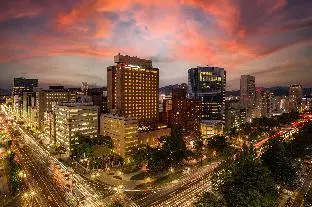
ANA Crowne Plaza Hiroshima By IHG
Hiroshima
★★★★☆
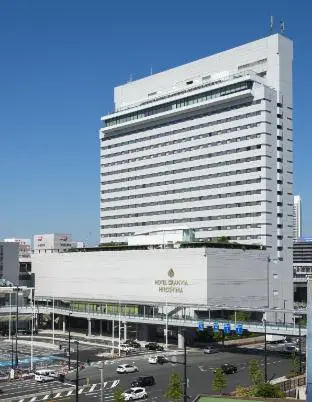
Hotel Granvia Hiroshima
Hiroshima
★★★★☆

Oriental Hotel Hiroshima
Hiroshima
★★★★☆
For Hiroshima I used Agoda — they had the best rate for my dates.
I pre-booked on Klook the night before — skipped the entire ticket line.
FAQ
Is Miyajima worth a full day from Hiroshima?
Yes, Miyajima is worth a full day, and I’d still send most first-time visitors there first. The ferry is cheap, the island is easy to walk, and you can fill 6 to 8 hours without forcing it. I’d just go early, because the crowds start changing the mood by late morning.
Can I do Onomichi as a half-day trip?
No, I wouldn’t do Onomichi as a half-day unless you only care about one short walk and lunch. The train alone takes about 75 to 90 minutes each way from Hiroshima, so the transit eats too much of the day. It works better as a full-day trip where you can actually enjoy the hills and harbor.
Which day trip is easiest without a car?
Miyajima is the easiest without a car, hands down. The train to Miyajimaguchi and the ferry are straightforward, and you don’t need to figure out local bus schedules or backroad connections. If I wanted the least annoying option, that’s the one I’d pick again.
Is Kure worth it if I’m not into museums?
No, I’d skip Kure if museums and naval history don’t already interest you. The city is practical and easy to reach, but it doesn’t have enough payoff for a casual sightseeing day. I’d spend that time in Onomichi or just keep it for Hiroshima itself.
What’s the best choice if I only have one extra day?
I’d choose Miyajima without overthinking it. It gives you the best balance of easy transport, clear sights, and a day that doesn’t collapse if you start a little late. If you only have one spare day, this is the one that wastes the least time.
 Emma Hayes