
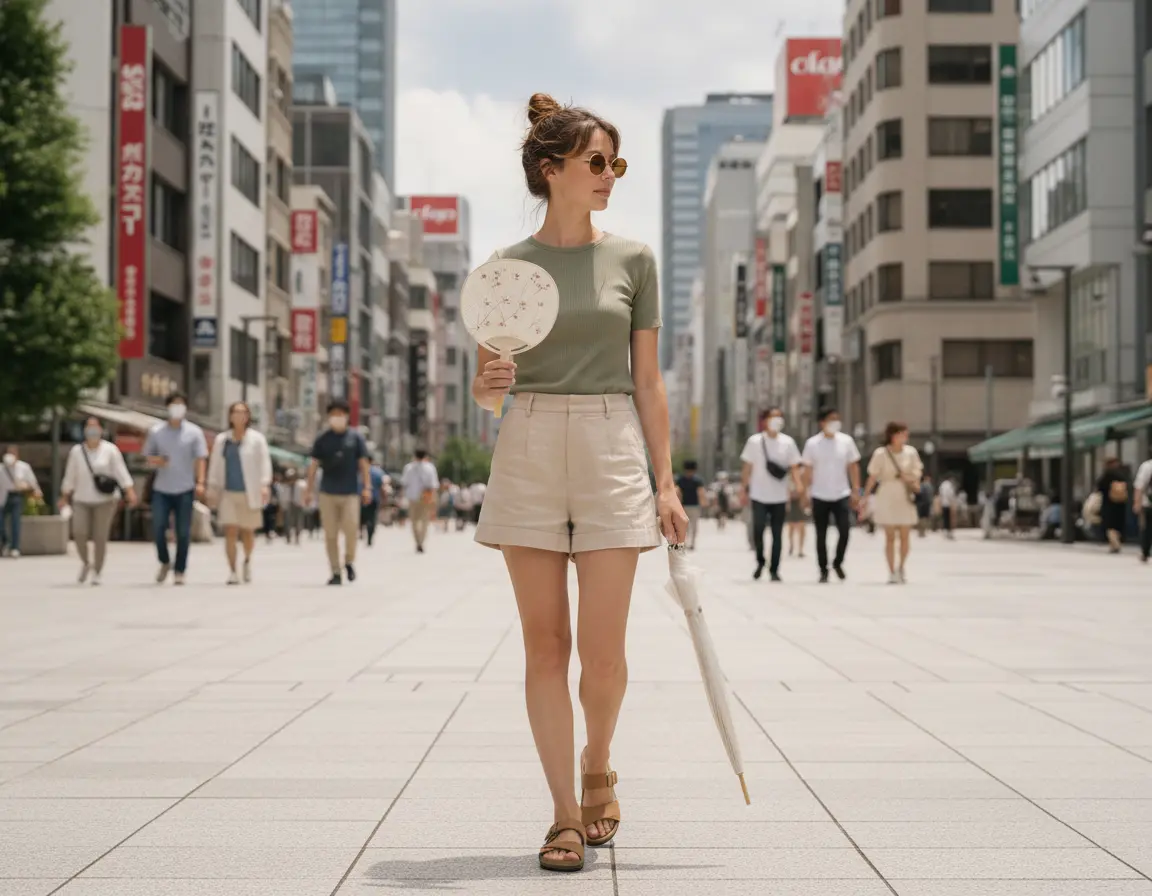
I almost spent my first night in Hiroshima doing the classic rookie thing: wandering without a plan and eating convenience-store dinner because I was too tired to think. Instead, I got off the tram near the river, ate a proper okonomiyaki, and stayed out long enough to realize Hiroshima after dark is calmer than I expected, not dull. I’d do it again, but only if you keep the night simple and don’t try to force a big “nightlife” scene that isn’t really there. If you’re looking for things to do in hiroshima at night, this is the version that actually worked for me.
Quick answer: My best Hiroshima night plan was dinner in Hondori, a slow walk through Peace Memorial Park, then one riverside stop or a bar if I still had energy. The A-Bomb Dome lit up after dark was the standout, and I’d skip anything that needs a long detour.
Day by Day
Day 1: Dinner First, Then the City Gets Quiet
I’d start in or near Hondori, because that’s where the night is easiest to handle without wasting time on transit. From Hiroshima Station, the Astram Line to Hondori takes about 10 minutes and costs around ¥190, or you can take a tram for roughly 15-20 minutes depending on the line and traffic. I paid ¥900 for a solid dinner at a small okonomiyaki place tucked into a building near the arcade, and that set the tone better than any “night view” would have.
The food is the point here. Hiroshima-style okonomiyaki is layered instead of mixed, so it feels a little more substantial than the Osaka version I’m used to. I sat at the counter, watched the cook stack noodles, cabbage, pork, and egg, and honestly that’s enough of a night activity for a first evening. Worth it: yes, especially if you’ve had a long travel day and want something local without a big production.
Best for: travelers who want an easy first night with food and short walks.
Skip if: you’re chasing loud bars or a packed nightlife district.
My pick: eat near Hondori first, then decide if you still want to keep going.
If you want a specific area, I’d stay around Hondori or Hatchobori rather than wandering toward random side streets. The streets are clean and manageable, but after 9:30 p.m. a lot of places start thinning out fast. I expected more buzz, and that was my first wrong assumption. It was quieter, which made it easier to move around, but it also meant I didn’t want to overplan the night.
Skip if short on time: any long sit-down dinner with a reservation far from the center. Hiroshima at night is better when the whole evening stays within one compact area.
Day 2: Peace Memorial Park After Dark, Then the River
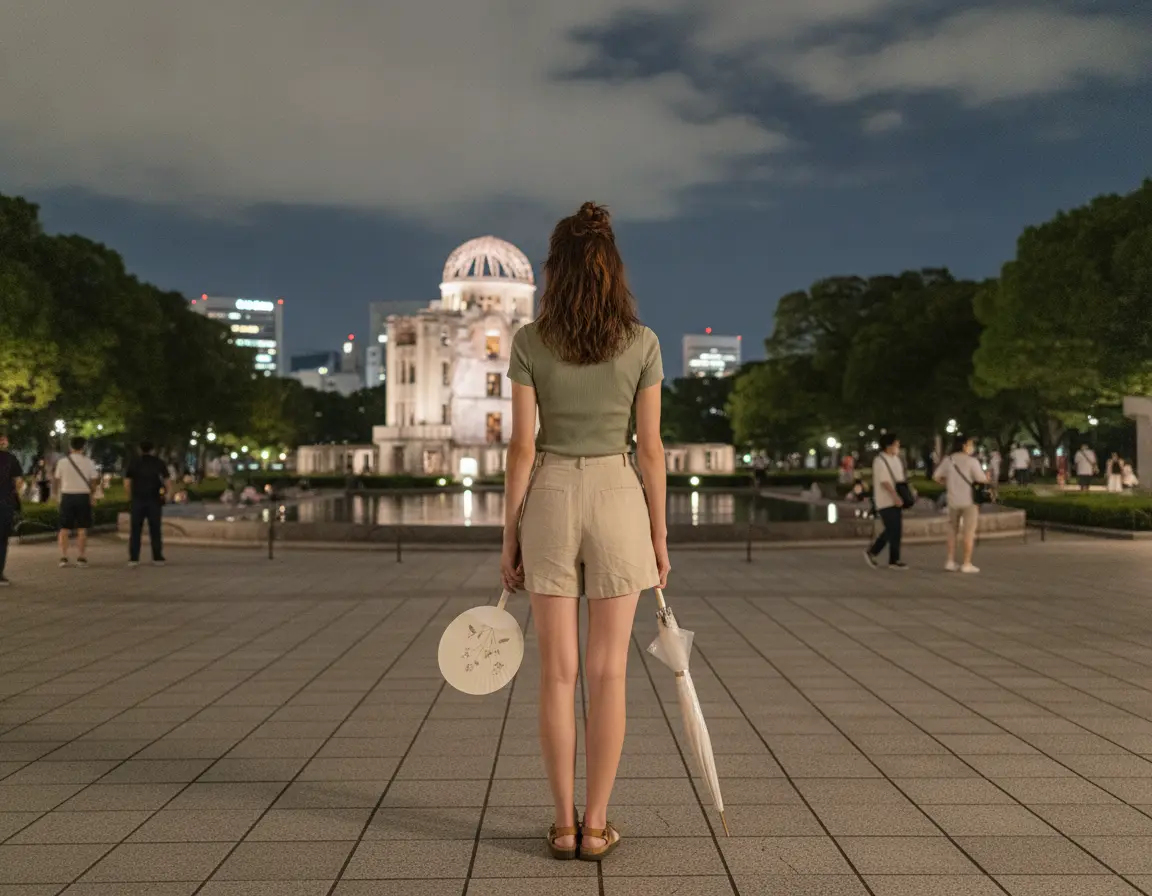
I think the best nighttime walk in Hiroshima is still Peace Memorial Park, even though it’s not the obvious “fun” choice. From Hondori, it’s about 10-15 minutes on foot, and the route is easy enough that I didn’t need my map after the first turn. The park itself is free, and the A-Bomb Dome at night is one of those rare famous sights that actually earns its reputation. I expected it to feel overdone. It didn’t. It felt restrained, which is the whole point.
I spent about 40 minutes walking the paths, pausing near the River of Peace and then crossing back toward the Dome. There were people taking photos, but not the crush you get at a daytime landmark. That matters. Worth it: yes, especially after dinner when you want something quieter and more reflective than another restaurant.
The tradeoff is obvious. This is not a “night attraction” in the loud, flashy sense. It’s a walk, a look, and a pause. If you want neon and energy, you’ll be disappointed. If you want a real sense of the city after the day crowds leave, this is the better version.
Best for: solo travelers and anyone who likes a slower night with some meaning behind it.
Skip if: you’re looking for entertainment that feels lively or social.
My pick: go after sunset, not before, because the lit-up Dome changes the whole mood.
I made one small mistake here. I came out after a little rain, thinking I’d just power through in sandals because the temperature was still around 27°C and the air felt sticky anyway. Bad idea. The pavement stayed damp, and I spent the rest of the walk doing that annoying half-step thing people do when their feet are slightly annoyed. Next time I’d wear proper walking shoes and keep the umbrella in my bag instead of pretending I didn’t need it.
Skip if short on time: the longer loop through the park. If you only have one day less than you hoped for, do the Dome view and a straight walk back to Hondori. That’s the part that gives you the most for the least effort.
Day 3: A River Walk That Doesn’t Waste Your Evening
After dinner and the park, I’d keep the night moving along the river rather than trying to invent a big plan. The area around the Motoyasu River and the central bridge crossings is easy to walk, and it gives you a different angle on the city without costing anything. I walked about 25 minutes from the Dome area back toward the main shopping streets, stopping for a canned coffee that cost me ¥160 from a vending machine because I’d already spent enough on food. Cheap, boring, useful. That’s my kind of travel math.
The river walk is worth it if you like simple city nights. It’s not dramatic. It’s just one of those places where the city feels lived in instead of staged. I saw office workers heading home, a couple of teenagers on bikes, and a few other travelers doing the same slow loop I was doing. Worth it: yes, but only as part of a fuller evening. I wouldn’t build the whole night around it.
Best for: people who want a low-cost, low-effort way to keep the evening going.
Skip if: you want a destination with a single obvious “thing” to do.
My pick: combine it with dinner or the Peace Park walk, not as a standalone plan.
If you want a drink afterward, this is where I’d head toward a small izakaya or a quiet bar around Hatchobori. I paid ¥700 for a beer one night and didn’t feel ripped off, which is a low bar but a real one. Prices can climb if you end up somewhere polished, so I’d stay away from places that look like they were designed for office party groups with expense accounts. Fine for them. Not for me.
Skip if short on time: any detour that adds more than 15 minutes each way just to find a bar with a nicer sign. Hiroshima isn’t Tokyo. The extra effort doesn’t pay back as much here.
Day 4: If You Want Nightlife, Keep It Small and Local
Hiroshima does have nightlife, but I’d call it modest rather than exciting. The city is better for a beer, a whiskey highball, or a casual izakaya crawl than for a full late-night blowout. I checked out a couple of small bars near the center and found the same pattern: friendly, relaxed, not cheap-cheap, and not remotely worth trekking across town for. Worth it: only if you actually like bars, not if you’re just trying to manufacture a “night out.”
I’d keep the budget honest here. A drink might run ¥500-900, and a simple snack or skewer plate can easily add another ¥500-1,200
Best for: travelers who want one or two drinks and a local bar, not a club scene.
Skip if: you’re expecting late bars packed past midnight.
My pick: one izakaya, one drink, then back to the hotel before the transit gets annoying.
If you’re deciding between a bar night and an early night, I’d pick sleep unless you’ve already handled the main sights. Hiroshima is more rewarding when you’re not dragging the next morning. The city’s night energy is real, but it’s subtle. That’s the tradeoff.
Skip if short on time: the second bar. Seriously. One place is enough.
Day 5: The One Night Activity I’d Actually Put on a Short Itinerary
If I had just one evening in Hiroshima, I’d do three things and stop there: dinner, Peace Memorial Park, and a short river walk. That’s the version that gives you the most context without turning the night into a checklist. From my hotel near the station, the whole loop took me just under 4 hours with no rushing, including the time I sat down to eat and the extra 15 minutes I spent just standing by the Dome because I didn’t want to leave yet.
Best for: first-time visitors with one night and a normal energy level after travel.
Skip if: you only want shopping, bars, or a loud scene.
My pick: dinner in the center, then walk the park and river in one clean loop.
I’d skip guided night tours here. I didn’t see the point, and I don’t usually say that lightly. Hiroshima is easy enough to handle on your own at night, the routes are clear, and the city is compact enough that paying someone to walk you around feels like bad value unless you have a very specific historical focus. If you’re the kind of traveler who likes structure, fine. For me, the taxi or tram money is better spent on food.
If you do want one paid activity, I’d stay near Hondori or the station so the night ends close to your bed. Being able to walk back saved me more than once, and I’d rather spend an extra $10-$20 on location than waste 30 minutes on transit after dark. See all Hiroshima hotels on Agoda →
Rough daily estimates from my own trip. Prices shift by season.
Cost Breakdown
The budget block above is the cleanest snapshot of what I spent. Hiroshima was manageable for me as long as I kept the night simple: one proper dinner, one or two drinks at most, and a walk instead of a paid activity. The biggest cost saver was staying central, because that kept me from spending extra on transit after dark.
Transport Tips
From Hiroshima Station, the Astram Line to Hondori takes about 10 minutes and costs around ¥190, while trams usually take roughly 15-20 minutes depending on the line and traffic. For the night plan I actually liked, walking was the main transport once I got into the center. Hondori, Hatchobori, Peace Memorial Park, and the river are all close enough that you can keep the evening compact.
If you’re deciding between a tram and a taxi, I’d lean tram unless you’re already tired and staying out late. Hiroshima is not a city where you need to overcomplicate the movement between dinner, the park, and the river.
Where to Stay
I’d stay near Hondori or the station if your plan includes evening walks, because that made the whole night easier for me. Being able to walk back saved me more than once, and I’d rather spend an extra $10-$20 on location than waste 30 minutes on transit after dark.
For Hiroshima I used Agoda — they had the best rate for my dates.
Where I’d Actually Stay in Hiroshima
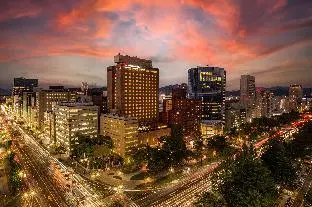
ANA Crowne Plaza Hiroshima By IHG
Hiroshima
★★★★☆
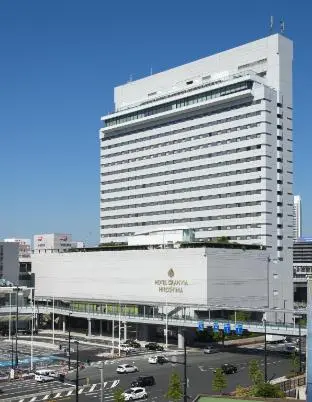
Hotel Granvia Hiroshima
Hiroshima
★★★★☆
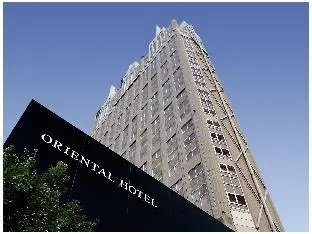
Oriental Hotel Hiroshima
Hiroshima
★★★★☆
I pre-booked on Klook the night before — skipped the entire ticket line.
FAQ
Is Hiroshima safe to walk around at night?
Yes, I felt fine walking around the central areas at night. The routes around Hondori, Peace Memorial Park, and the river felt straightforward, and I didn’t have any moments where I wanted to bail early. I’d still keep to the main streets and avoid wandering too far out just because a map makes it look short.
How late do things stay open in Hiroshima?
Most casual dinner spots and bars stay open later than the museums, but Hiroshima is not a city where everything runs deep into the night. I noticed plenty of places getting quieter after 9:30 p.m., and that shaped how long I stayed out. If you want a full evening, start early and don’t waste the first hour.
Is the Peace Memorial Park worth seeing after dark?
Yes, and I actually prefer it at night. The lit A-Bomb Dome and the quieter paths make it feel more reflective than the daytime version, and I spent about 40 minutes there without feeling rushed. If you only have one night, this is the one sightseeing stop I’d keep.
Can you do Hiroshima at night without a tour?
Yes, I’d skip a tour and do it on your own. The central area is easy to navigate, the tram and walking routes are simple, and the main night sights don’t need a guide to make sense. I’d only book something if you want a very specific historical explanation rather than a relaxed evening.
What should I cut if I only have one evening?
I’d cut the bar-hopping idea first. One drink is enough, and the city gives you more value from dinner plus a walk than from chasing nightlife. If time is tight, keep the okonomiyaki and the Peace Memorial Park walk, then head back before you start forcing it.
 Emma Hayes