
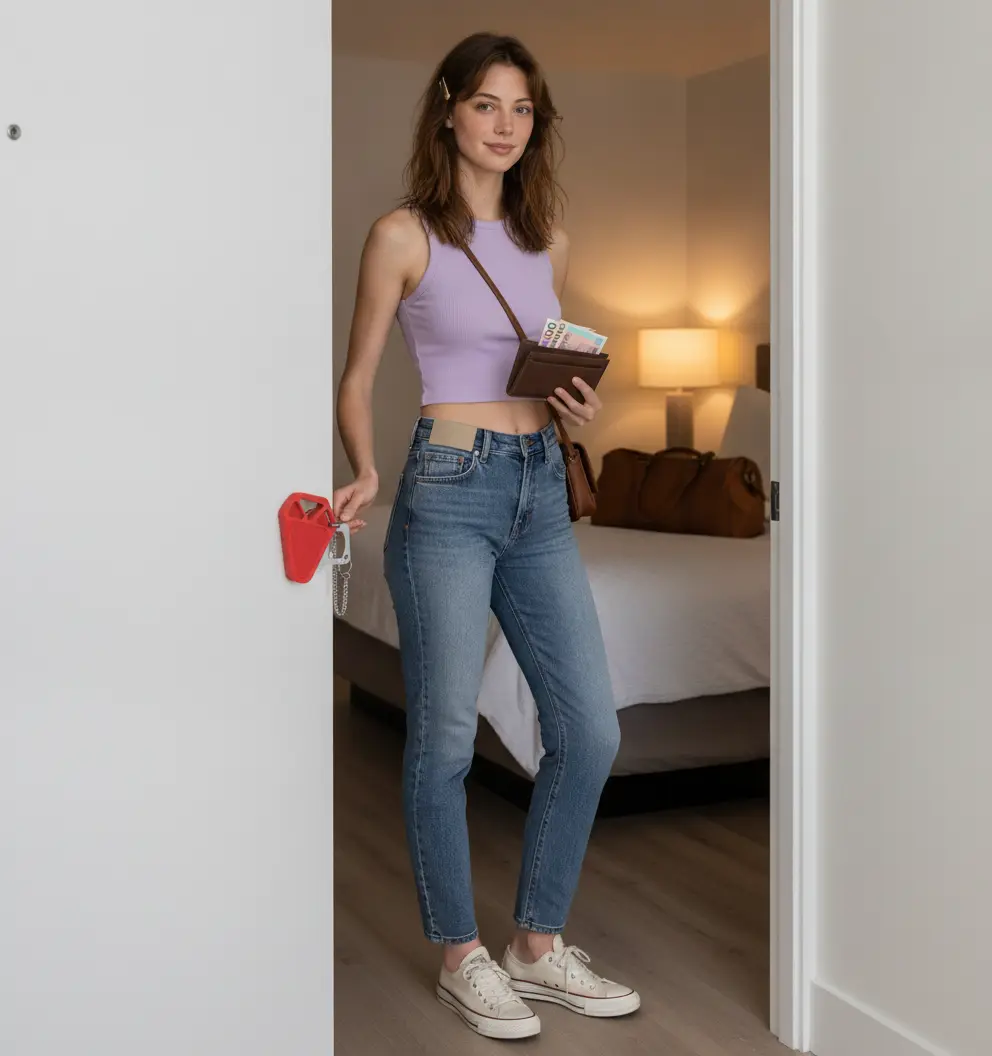
This post contains affiliate links. If you purchase through these links, I earn a small commission at no extra cost to you. I only recommend products I actually use and have tested across multiple trips.
I used to treat small safety gear like an afterthought. Then I had one of those cheap, old-room moments in Athens where the door shut fine, but the hardware looked tired and uneven enough that I kept checking it twice. That was the trip where I stopped thinking, “I’ll be fine,” and started packing a real backup. Since then I’ve tested door locks across 8 countries, in humid summer rooms, cold winter stays, and on carry-on-only trips where every extra item has to earn its place. My rule changed fast: if a lock is fiddly, flimsy, or only works in ideal conditions, I do not want it in my toiletry bag.
For me, the best lock for a gate is not the most dramatic-looking thing on Amazon. It’s the one I’d actually trust in a weird room, at 11:30 p.m., after a long flight, when I’m too tired to wrestle with bad hardware. I’ve used both AceMining Portable Door Lock and the Portable Door Lock Travel Door Lock enough to know the difference between “nice idea” and “worth packing every time.” One is a little sturdier in hand. The other is a little cheaper and still useful. Both beat crossing my fingers and hoping an old latch behaves.
The Short Answer
If I’m packing for solo stays, I want AceMining Portable Door Lock first. It’s the one I’ve kept in my toiletry bag for 18 months, and it felt sturdier than the cheaper travel locks I tried before. If the room setup is old, uneven, or just makes me uneasy, that extra solidity is worth the $9-16 I paid.
Portable Door Lock Travel Door Lock is the cheaper backup I’d still use in older hotel rooms and budget apartments. I used it for 14 months across 9 countries, including a budget hotel in Medellín near a busy street, and it gave me an extra layer when the latch looked loose.
My blunt take: if you’re asking what is the best lock for a gate in the travel sense, I’d pick the AceMining for most solo trips. If your door style is unusual, neither lock is magic, and that matters more than the price.
What I Actually Pack for Solo Stays
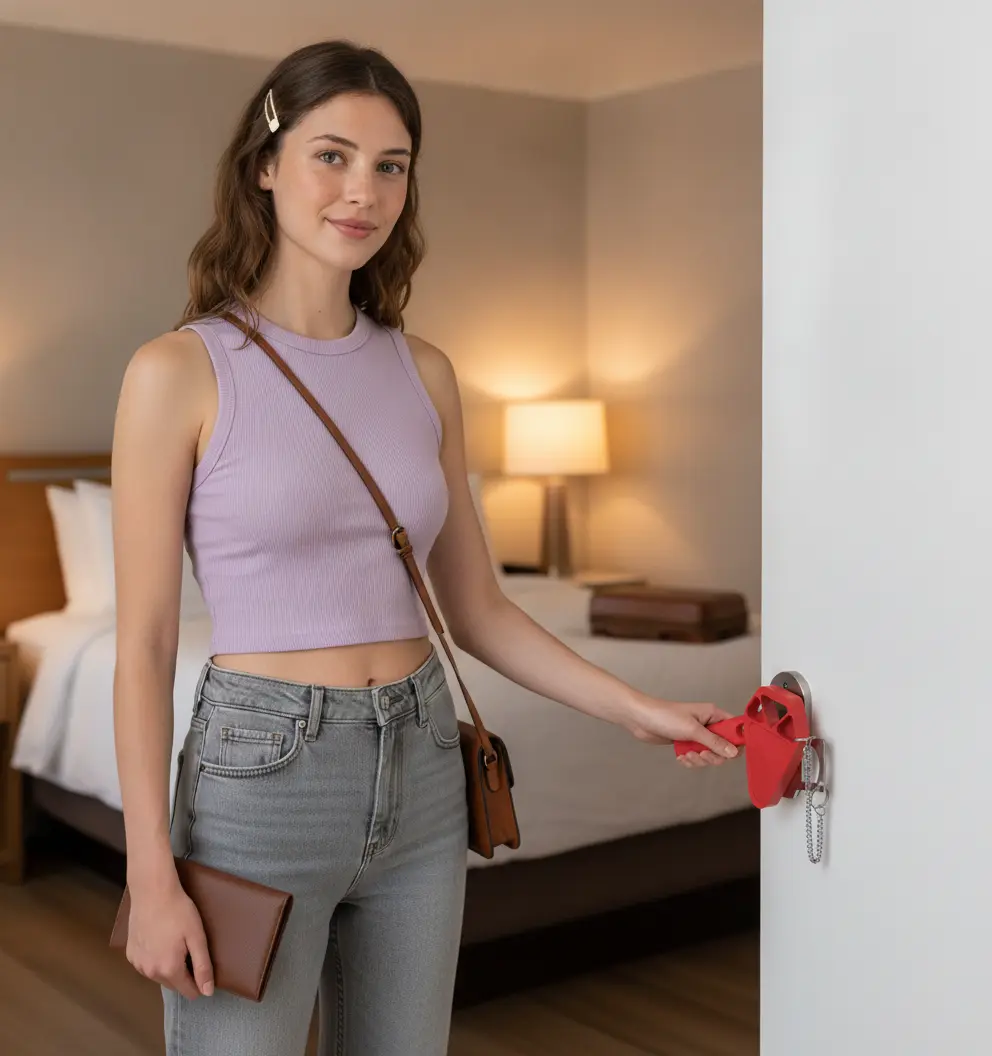
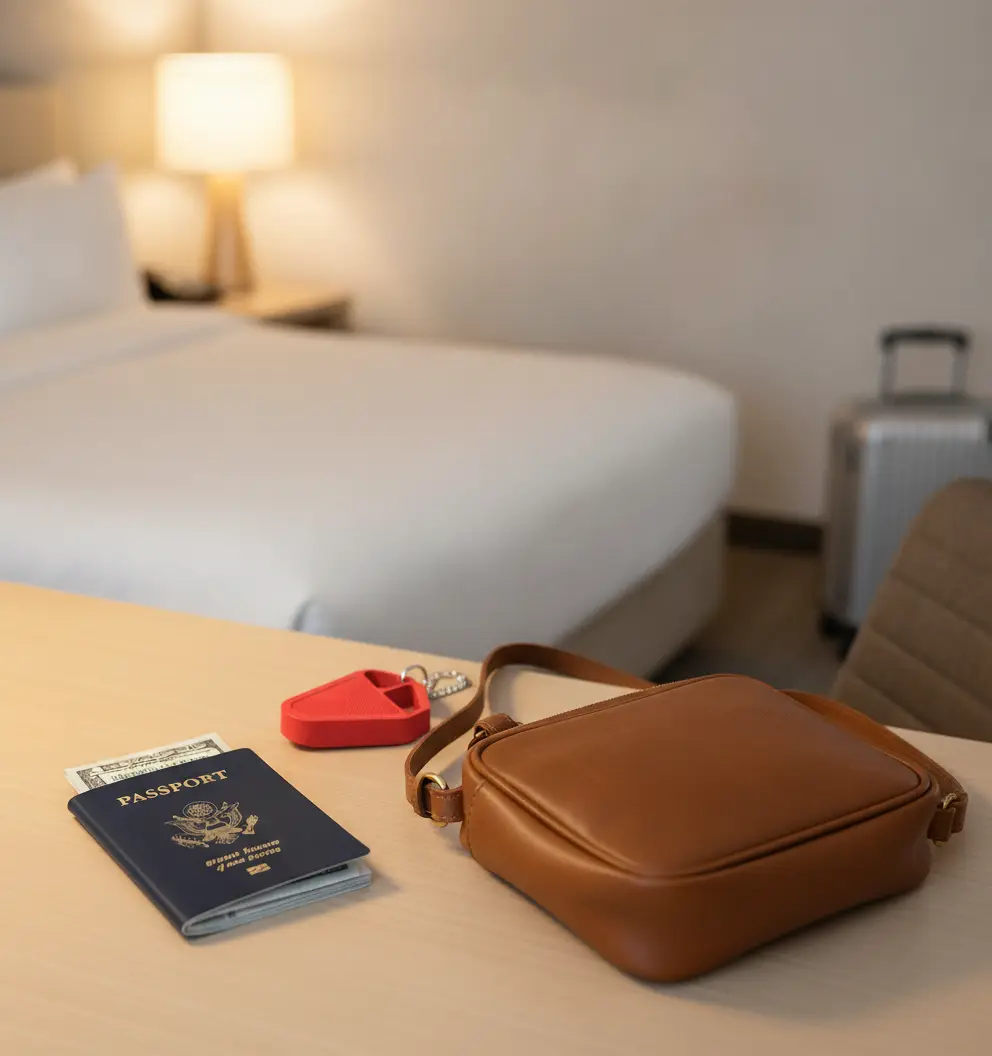
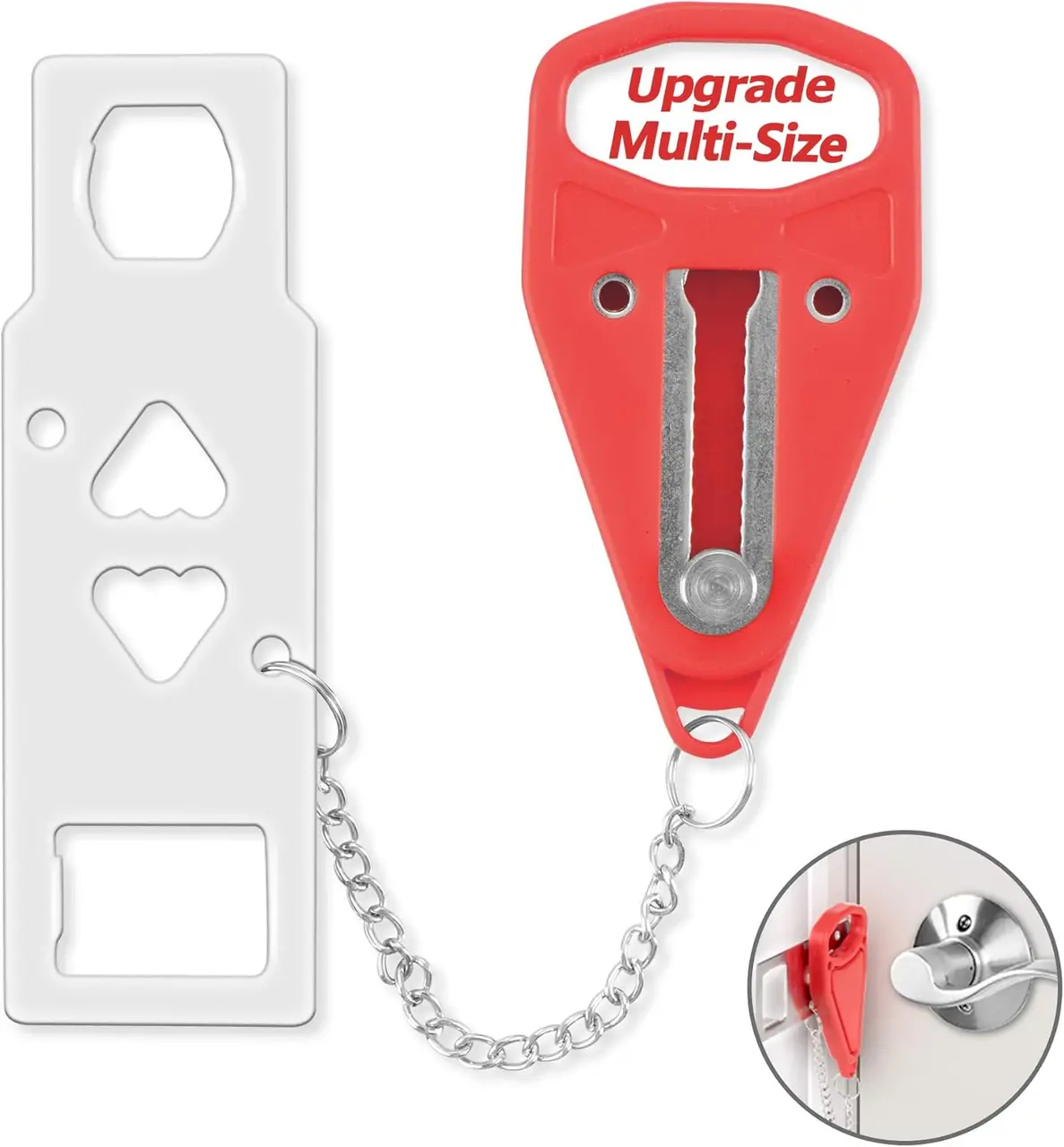
AceMining Portable Door Lock
AceMining · $9-16 when I bought it
Similar idea to the cheaper travel door locks, but this one has felt a bit sturdier in hand. I keep one in my toiletry bag for solo stays where I do not fully trust the room setup.
- Worth knowing:
- Still useless if the door gap is too tight or the frame does not fit the lock shape.
- It adds one more item to pack, and I have forgotten it in the room once.
Check current price on Amazon (affiliate link)
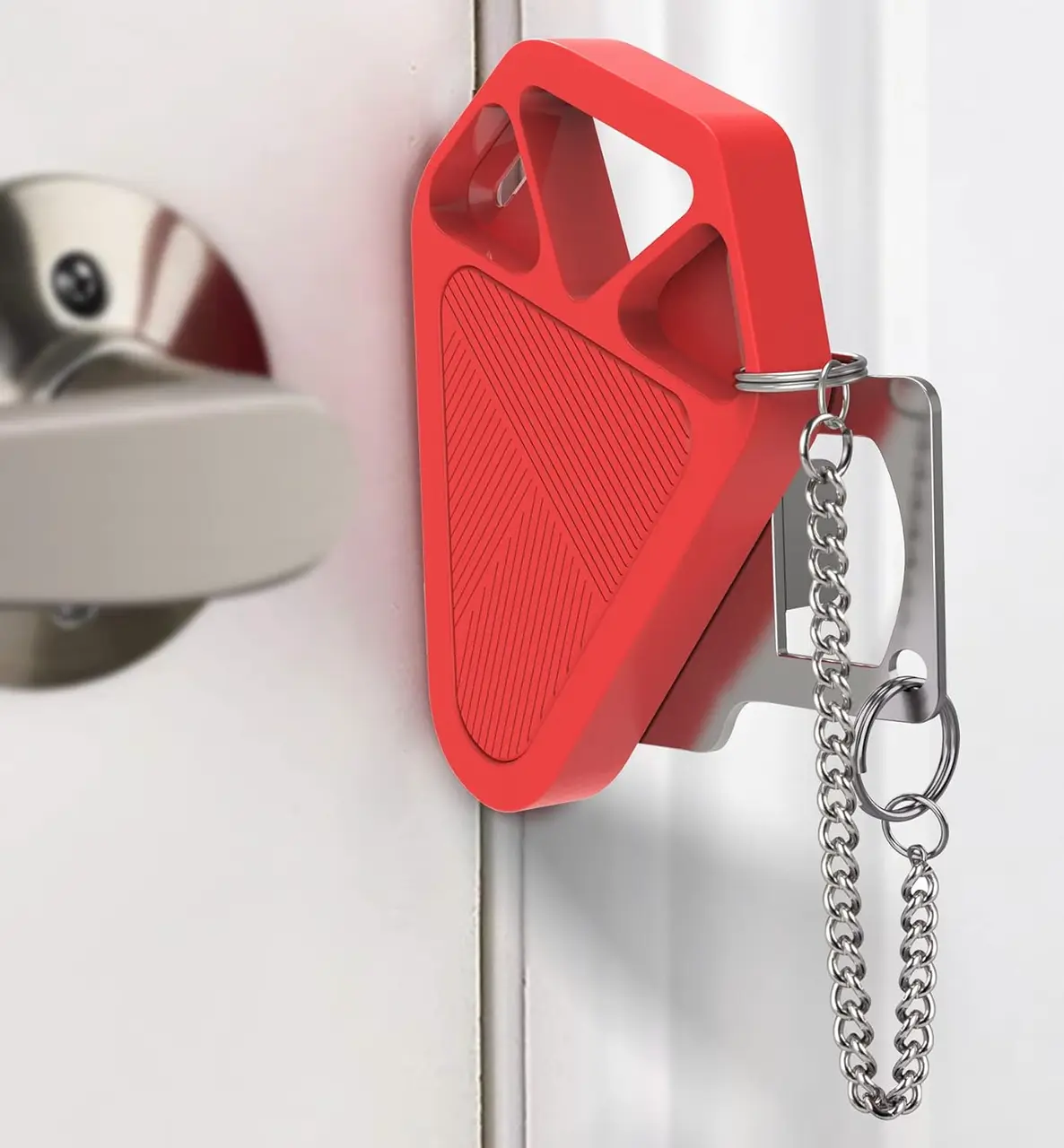
Portable Door Lock Travel Door Lock
Portable Door Lock · $8-15 when I bought it
Useful in older hotel rooms and cheap apartments where the door feels flimsy. I use it when I’m alone in a room in places like Mexico City or Lisbon and want an extra layer between me and a bad latch.
- Worth knowing:
- Does not work on every door style, especially some swing-clearance or outward-opening setups.
- If the door frame is worn or oddly shaped, installation can take a minute and feel fiddly.
Check current price on Amazon (affiliate link)
AceMining Portable Door Lock is the one I reached for after I got tired of cheap versions that felt a little too toy-like. Before this, I had tried a cheaper Amazon travel lock that worked once, then made me fight the frame on the next trip. The failure was simple: it felt loose in the hand, and in an old guesthouse room I did not want “maybe” security at midnight. I paid around $9-16 for the AceMining, and that difference was worth it because the first thing I noticed was the sturdier feel before I even got to the room.
The winning differentiator is boring, which is exactly why it works: it feels more solid when I’m installing it in a real room with tired hardware. In that Athens guesthouse, the door closed fine but the lock hardware looked old and uneven, and the AceMining sat more confidently than the cheaper version I had used before. After that, I stopped second-guessing whether the lock itself was the weak point. For me, that’s the whole value. If you’ve had a lock that rattled or felt sketchy the second you touched it, this is why the AceMining matters.
Field test-wise, I’ve used it for 18 months in 8 countries, and it lives in my toiletry bag because that’s where I actually remember it. It fits alongside my toothbrush, a small face wash, a razor, and a passport pouch without forcing me to repack the whole bag. On carry-on-only trips, that matters more than people admit. I also like that it has survived humid summers and winter stays without feeling sticky or warped in my hand.
The edge case is the annoying truth: it is still useless if the door gap is too tight or the frame does not fit the lock shape. I’ve had one room where I pulled it out, checked the gap, and knew within 20 seconds it was not happening. That’s not a product flaw so much as a reality check, but it means this is worth it only if your doors are the standard kind it can actually grab. It also adds one more item to pack, and I have forgotten it in the room once, which is the kind of dumb travel mistake I make so you don’t have to.
Verdict: worth it. I’d keep the AceMining if I’m doing solo stays in older rooms, especially where the door hardware looks tired or the setup feels off. It won’t work if the frame and gap don’t match the shape it needs.
Portable Door Lock Travel Door Lock is the cheaper one I used before I decided I wanted something a bit sturdier in hand. I bought it around $8-15 and used it for 14 months in 9 countries, mostly in older hotel rooms and cheap apartments where the door felt flimsy. The clearest failure scene was a budget hotel in Medellín, near a busy street, where the lock looked loose and I wanted an extra barrier between me and the room door. The cheaper lock did the job, but I never loved the way it felt during installation.
The winning differentiator here is cost per usefulness. For the price, it gave me a real extra layer when I was alone in Mexico City or Lisbon and wanted something between me and a bad latch. On the Medellín stay, I got it installed inside the door and moved on with my night instead of doing the annoying mental math of “is this lock actually going to hold?” That small reduction in stress is the whole reason I still respect this one. If your budget is tight and you want a simple backup, this is the one I’d pick again.
In practical terms, it fit into a tiny space and disappeared into my carry-on setup without drama. I used it on trips where I had a laptop, charger, Kindle, a small crossbody, and one compact toiletry kit, so I care a lot about anything that adds bulk. It also proved itself on travel days when I was tired and wanted a fast setup after a late arrival. I do not want to spend 10 minutes decoding a lock at 1 a.m., and this one was usually fine once I knew the door style.
The limit is clear: it does not work on every door style, especially some swing-clearance or outward-opening setups. If the frame is worn or oddly shaped, installation can take a minute and feel fiddly. That’s the tradeoff. It’s worth it only if you’re dealing with standard-ish interior doors and you’re okay saving money over getting the more sturdy-feeling option.
Verdict: worth it if you want the cheaper backup and your doors are normal enough to cooperate. Skip it if you travel in places with unusual door swings or weird frame geometry.
What Didn’t Make the Cut
The cheapest generic travel lock I bought first was the classic false economy. I used it on one trip and it already felt loose in the hand, then it took too much fiddling on the next door and I stopped trusting it. That cost me about $10 and, more annoying, about 15 minutes of standing in a hallway trying to make it sit right. I do not want a safety item that turns into a small argument with the frame.
The popular Amazon dupe with the shiny marketing photos was worse in a different way. It looked fine online, but in a worn room in Europe the shape just did not match the door setup, so I ended up with a useless piece of plastic in my bag and one more thing to remember on the way out. I wasted around $12 and the bigger cost was the confidence hit. That one taught me to care more about real door compatibility than cute product photos.
I also tried a no-name version that was supposed to be the “same thing” for less. It was fine for one door, then failed on a second stay because the frame was too odd and installation got fiddly enough that I gave up. I lost maybe 20 minutes across the trip and decided that if I’m solo and tired, I want a lock that works quickly or not at all. That’s why I now lean toward the two above instead of chasing the cheapest listing.
How It All Fits Together
My carry-on setup is simple because I hate packing around extras that only sound smart on paper. One door lock goes in my toiletry bag, not loose in the main compartment, so I see it when I grab my wash kit. That matters on long-haul flights and late arrivals because I’m already tired and not trying to remember where I stashed “the safety thing.”
When I’m packing for humid summers, I want gear that does not get weird in the bag. When I’m packing for cold winters, I want something I can handle quickly without stiff fingers making the setup annoying. Both AceMining and the Portable Door Lock Travel Door Lock have been fine in those conditions, but the AceMining is the one I trust more when the room setup looks sketchy. If I’m going ultra-light, I take one lock, not both. If I’m going solo for longer than a week, I still make room for the sturdier one.
The real trick is matching the lock to the trip, not the fantasy version of the trip. In an older guesthouse with questionable hardware, I want the sturdier-feeling AceMining. In a budget apartment where I just want an extra layer and I’m watching every dollar, the cheaper Portable Door Lock is enough. Either way, I’d rather spend $9-16 once than spend the whole stay wondering if the door is doing its job.
FAQ
Is a travel door lock actually worth packing for solo trips?
Yes, I think it is worth it for solo trips, especially in older rooms where the latch or frame looks tired. I’ve used mine in 8 to 9 countries and the value shows up at night, not in the listing photos. If you stay in budget places or old buildings, I’d pack one every time.
Which one would you take for a week in an old city apartment?
I’d take the AceMining Portable Door Lock. The sturdier feel matters more when the hardware already looks uneven, and that was exactly the situation in Athens for me. If the room setup is questionable, I’d pay a few dollars more and stop thinking about it.
Will these work on every door?
No, and that’s the part people skip too fast. I’ve had doors where the gap was too tight or the frame shape was wrong, and neither lock could do anything useful. If you’re dealing with unusual swing clearance or outward-opening doors, I would not count on either one.
Do they add much weight in a carry-on?
No, they are tiny enough that I keep one in my toiletry bag without noticing it. The bigger issue is not weight, it’s remembering to bring it and not leaving it in the room on checkout day. I’ve done that once, and it was annoyingly avoidable.
Would you pack one for a cold winter trip and a humid summer trip?
Yes, I would pack one for both. I’ve used these in humid and colder conditions, and the real test is whether I can install it fast when I’m tired, not whether the weather is nice. If you want a lock that stays useful across seasons, the AceMining is the one I’d grab first.
 Emma Hayes
What I’d Rebuy Immediately
If I had to repack tonight, I’d rebuy AceMining Portable Door Lock first. It’s the one I trust more in old rooms, and I’ve used it long enough to know it earns its space.
I’d also rebuy the Portable Door Lock Travel Door Lock if I wanted a cheaper backup for standard doors. It’s not fancy, but it did the job in places like Medellín, Mexico City, and Lisbon when I wanted one more layer and didn’t want to spend much.
Everything else I tried was either too fiddly, too weak, or too optimistic about door shapes. For me, that makes the AceMining the obvious answer if you want the best lock for a gate in travel terms: small, sturdy enough, and actually worth packing.