

I thought Fukuoka would be a quick food stop. It wasn’t. I ended up staying longer than I planned because the city made everyday travel easy in a way a lot of bigger Japanese cities don’t. I paid ¥260 for subway rides, ate a decent bowl of tonkotsu ramen for about ¥900, and kept wondering why more first-timers skip it. If you’re asking is Fukuoka worth visiting, my answer is yes for a short, low-stress Japan trip.
I’d choose Fukuoka because it gives me enough city energy without the usual overload. If you want a place where I can land, eat well, walk a lot, and still get back to my hotel without a transit headache, Fukuoka is the better pick. Choose Osaka or Tokyo only if you want bigger late-night chaos, more neighborhood variety, or you’re building a Japan trip around shopping and nonstop action.
The one thing that changes the decision for me is friction. Fukuoka has less of it. That sounds small until I’m hot, carrying a bag, and trying to decide whether a 20-minute train transfer is worth a bowl of noodles. In Fukuoka, I didn’t have to think that hard.
Best for: first-time Japan travelers who want food, walkability, and a calmer base.
Skip if: you need a giant-city hit and don’t mind spending more time underground.
Quick answer: Yes, Fukuoka is worth visiting if you want an easy Japan city break. I paid about ¥900 for ramen, ¥260 for subway rides, and stayed near Hakata Station for roughly $70-$110 a night.
Why Fukuoka won me over

I expected Fukuoka to be mostly a layover city with good ramen. I figured I’d do Canal City, eat twice, and move on. Instead, I kept using it as a base because it handled the boring parts of travel well. That matters more than people admit.
I stayed near Hakata Station and that changed the whole trip. From there, I could get to Tenjin, Canal City, and the airport without turning the day into a logistics puzzle. The Airport Line from Hakata to Fukuoka Airport is absurdly fast; I was at the airport in under 15 minutes on the train, and that never stopped feeling useful.
Worth it if: you like a city that works without making you think too hard.
My pick: Fukuoka over a bigger Japanese city when I only have a few days and don’t want transit to eat the trip.
The food also wasn’t just “good for a regional city,” which is the lazy line people use when they don’t want to say much. I ate tonkotsu ramen at a small place near Hakata for around ¥900, then grabbed gyoza that were crisp, cheap, and gone too fast. I also had mentaiko rice at a casual lunch spot for under ¥1,200. None of it felt staged for tourists. That’s the point.
I’ll be honest: I thought the famous yatai stalls would be my favorite part. They weren’t. They were fun once, but not the whole city. I waited around 25 minutes at one stall near Nakasu because the line moved slowly, and the food was fine, not life-changing. I’d still try one yatai evening, but I wouldn’t build my whole trip around it.
Best for: travelers who care more about food quality and ease than chasing big-name sights.
Skip if: your idea of a good trip is a city that keeps you busy every waking hour.
The alternative: when Osaka makes more sense

Osaka is the better choice if I want more variety packed into the same number of days. I went there before, and the city has more neighborhoods that feel distinct right away. Dotonbori is louder, Shinsekai is weirder, and the food scene has a wider spread of cheap eats, chain comfort, and late-night options. Fukuoka doesn’t match that scale.
Here’s the tradeoff that actually matters: Osaka gives me more to do, but I pay for it with more transit and more sensory overload. In Fukuoka, I could walk from one meal to the next and not feel like I was crossing a small country. In Osaka, I’m checking train exits and station maps more often. That gets tiring after day two.
I had Osaka and Fukuoka in my head for a short Japan trip, and I went with Fukuoka because I wanted less reset time between plans. Osaka would’ve worked if I wanted nightlife, shopping streets, and a bigger “city trip” feel. But I didn’t want to spend half my day moving around. That was the tipping point.
Choose Osaka only if: you want a busier trip and don’t mind more crowding and transit.
My pick: Fukuoka for a cleaner, easier trip; Osaka for a louder one with more moving parts.
Tokyo sits in a different category. I’m not comparing them as equals, because I don’t think they are. Tokyo is better if I want endless neighborhoods, museums, and late-night options. But it also takes more energy and more money to do casually. I paid around ¥260 per subway ride in Fukuoka, and I noticed that because the same day in Tokyo usually eats more rides, more time, and more patience. Fukuoka is the better value for a shorter stay.
Best for: travelers who want a city trip with more pace and more options.
Skip if: you’re trying to keep the trip simple and don’t care about having endless choices.
Money, time, and convenience: the part that changed my mind
Fukuoka is not a dirt-cheap city, but it’s easier to keep reasonable. My rough daily spend looked like this: a simple hotel near Hakata or Tenjin ran about $70 to $110 a night, ramen and lunch could stay around $15 to $25 total, and local transit was often under $5 a day if I wasn’t zigzagging everywhere. That’s not backpacker-cheap, but it’s sane.
When I checked hotel prices, I noticed something annoying and useful: the good spots near Hakata Station were often only a little more expensive than places farther out. I almost booked a cheaper room that saved maybe $12 a night, but it was a 14-minute walk from the station in humid weather and I didn’t love the math. I paid a bit more for the location, and I was right to do it. That saved me from dragging my bag through heat that felt like 31°C and regretting it immediately.
Budget-wise: Fukuoka is one of those cities where paying a little extra for the right area actually pays back in time.
Worth it if: you value a central base more than chasing the lowest nightly rate.
Convenience is where Fukuoka pulls ahead of the comparison for me. Hakata Station is a real hub, not just a name on a map. The airport connection is fast, the subway is simple, and the city doesn’t force me into long transfers for basic sightseeing. I could get from breakfast to a beach walk to dinner without feeling like I’d planned a military operation.
That said, Fukuoka doesn’t give me the same “I can spend three nights here and still not scratch the surface” feeling as Tokyo. If I had a week in Japan and wanted one city to swallow most of my time, Fukuoka wouldn’t be my first choice. It’s efficient. Maybe too efficient for some travelers.
Best for: shorter trips where transport friction matters more than endless options.
Skip if: you want a place that rewards getting lost for hours in different districts.
What Fukuoka feels like day to day
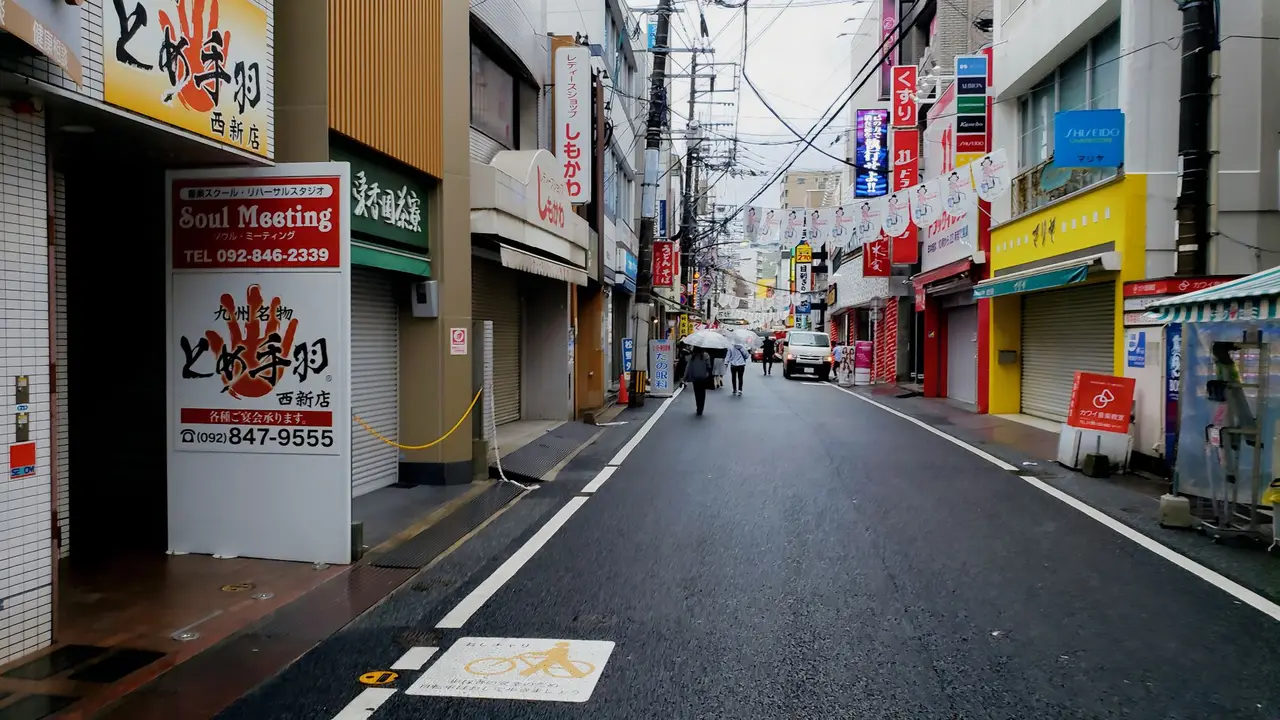
The city has a calmer rhythm than Osaka, and that’s not a compliment or an insult. It just means I could eat, walk, and rest without feeling like I was missing a better neighborhood five stops away. Tenjin felt busy but not punishing. Hakata felt useful. Nakasu had enough nightlife to keep things from going flat, but I never felt trapped in a party district.
I spent one hot afternoon walking between Canal City and the surrounding streets in loose clothes, sunglasses on, fan in hand, and I was glad I didn’t try to overpack the day. The weather was sitting in the 26–33°C range, and Fukuoka handled it better than I expected because I kept finding air-conditioned breaks without effort. I ducked into a coffee shop for 480 yen when the heat started getting annoying, and that tiny pause mattered more than any “must-see” stop.
Vibe-wise: Fukuoka is calmer, cleaner, and easier to pace than the bigger Japanese cities people usually compare it with.
Only if: you like a trip that feels lived-in rather than relentlessly entertaining.
I also expected the city center to feel more polished than it did. Some parts do, but in a normal way. Not shiny, not sterile. I liked that better. A place can be tidy and still feel real, and Fukuoka manages that more often than I thought it would.
For me, the real win was how little recovery time I needed between activities. In Tokyo, I often need a pause just to reset after a train-heavy morning. In Fukuoka, I’d walk, eat, sit, and keep going. That sounds minor. It isn’t. It changes the whole shape of a short trip.
Best for: slower travelers who still want a city, not a resort town.
Skip if: you get bored when a place doesn’t throw constant stimulation at you.
The one mistake I made in Fukuoka
I made the obvious mistake: I underestimated the heat and walked farther than I should have in the middle of the day. I thought I could string together a few stops between Hakata and Tenjin without much trouble. By the time I reached the next place, I was sweaty, annoyed, and already spending money on drinks I didn’t plan for.
The trigger was simple. I left a station thinking the walk looked manageable on the map. It was manageable. It just wasn’t pleasant in that humidity. I spent about ¥600 on bottled drinks and a cold coffee I didn’t need, and I lost enough energy that I cut one planned stop entirely.
Lesson: Fukuoka is walkable, but summer walking still drains you fast.
What I’d do instead: break the city into smaller chunks and use the subway more during the hottest hours.
That mistake actually helped me understand the city better. Fukuoka rewards pacing. If I try to treat it like a compact walking city in the middle of a hot day, I just waste energy. If I build around the subway and save the longer walks for morning or evening, it works much better.
Worth it if: you’re realistic about heat and plan around it.
Skip if: you hate any city that asks you to think about timing.
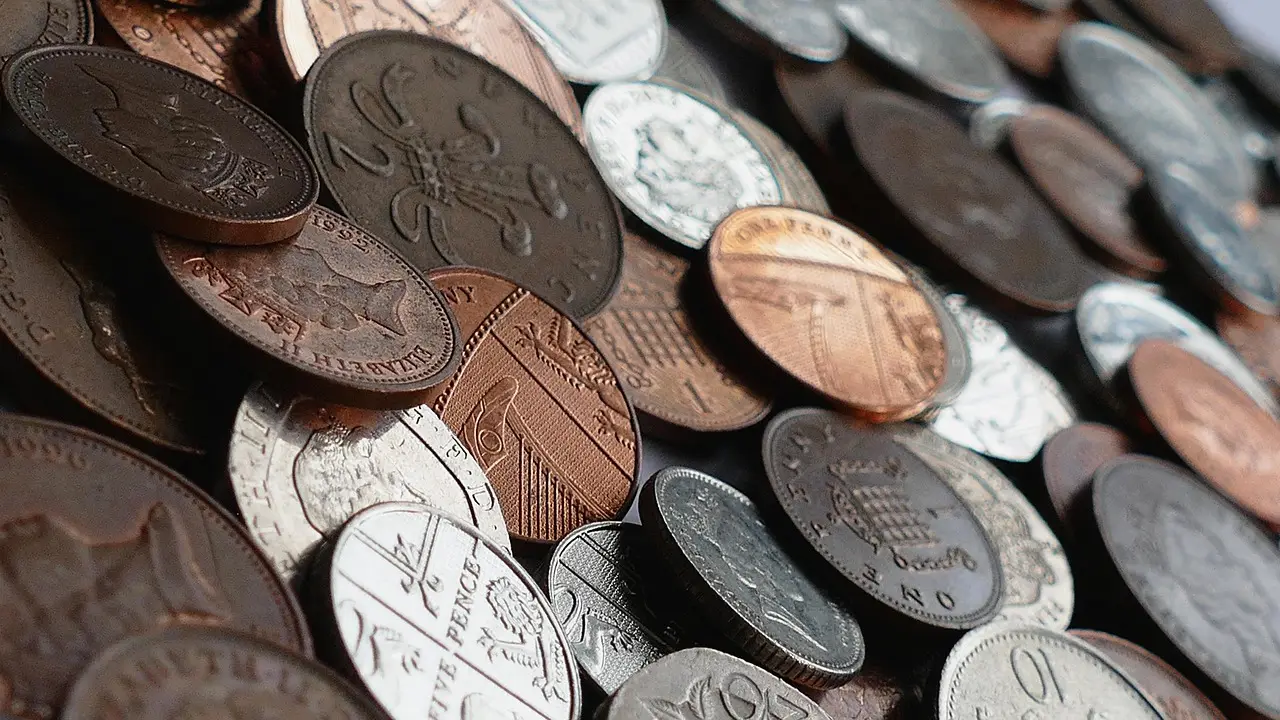
Rough daily estimates from my own trip. Prices shift by season.
What I’d do differently next time
I’d stay one extra night near Hakata instead of splitting my time so much. That would’ve cut the bag-moving and given me one slower evening for yatai or a simple neighborhood dinner.
I’d also skip one of the famous food stops people recommend online and just eat more casually around Tenjin. The smaller meals were often better value, and I don’t love paying extra for a place because it has a name people repeat on the internet.
And I’d plan one beach or waterfront evening earlier in the trip instead of saving it for the end. I left that too late, and once the schedule got messy, it became the first thing I cut.
Final call: is Fukuoka worth visiting?
Yes, Fukuoka is worth visiting if you want a Japan city that’s easy to use, food-forward, and less exhausting than the obvious big-name choices. I’d pick it again for a short trip, especially if I wanted to keep costs reasonable without staying somewhere dull.
Choose Osaka instead if you want more nightlife, more neighborhood variety, and a bigger city buzz. I’d make that switch for a longer trip or if I already knew I wanted a louder Japan experience. But for a first Fukuoka or Osaka for a first trip type decision, I still lean Fukuoka when the trip is short and I want less friction.
Best for: first-timers who want easy transit, good food, and a city that doesn’t waste half the day.
Skip if: you want nonstop stimulation and don’t mind bigger crowds and more train time.
Next time: I’d stay closer to Hakata again and build the whole trip around slower meals, not a packed sightseeing list.
See current Fukuoka hotel prices on Agoda →
I usually book Fukuoka tours on Klook — the best time slots go fast, especially in peak season.
If fukuoka airport to fukuoka matters to your trip, my Fukuoka Airport To Fukuoka has the specifics.
I compared the options in How Much Does Fukuoka Cost Per Day — useful if you haven’t booked yet.
FAQ
How many days do I need in Fukuoka?
Three days is the sweet spot for me. I can cover ramen, a yatai night, Tenjin, Hakata, and one slower walk without rushing. Two days works only if I’m treating it as a food-and-arrival city, not a full destination.
Is Fukuoka better than Osaka for food?
I’d give the edge to Osaka for sheer variety, but Fukuoka wins for simplicity and consistency. I ate better in Fukuoka than I expected, and I spent less time deciding where to go next. If I want the easiest food trip, I’d pick Fukuoka again.
Can I use Fukuoka as a base for day trips?
Yes, and that’s one of the reasons I like it. I’d use it for short side trips because Hakata Station makes regional train travel easier than a lot of people expect. The catch is that every day trip steals time from a city that already works well on its own.
Is Fukuoka expensive for a solo traveler?
No, not by Japan city standards. I was able to keep a decent day under about $100 when I stayed central and ate casually. The extra cost usually came from location, not from the city being inherently pricey.
Would I choose Fukuoka over Tokyo for a first Japan trip?
Yes, if the trip is under a week and I want less stress. Tokyo gives me more of everything, but Fukuoka gives me a cleaner, easier introduction to Japan without the same transit drag. I’d still choose Tokyo only when I’m ready for a bigger, busier trip.
 Emma Hayes