

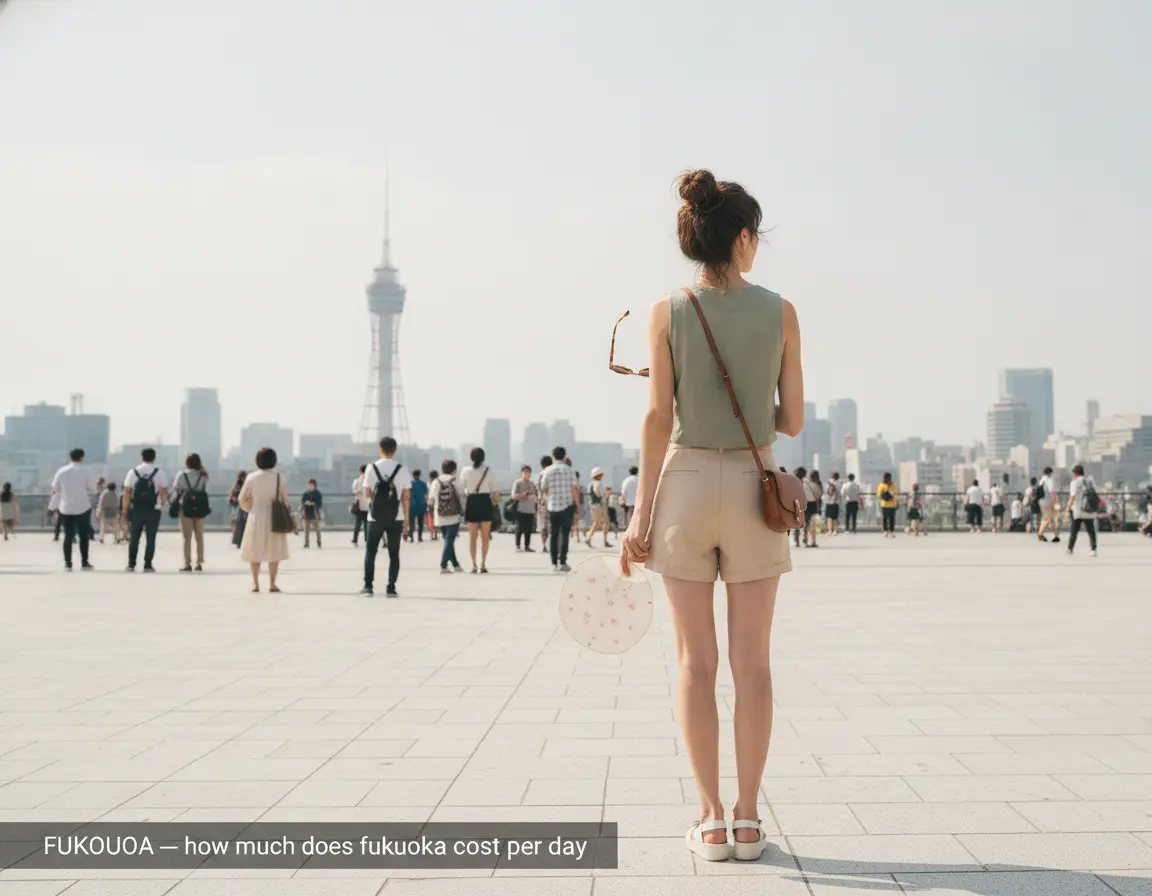
¥9,200: that was my average spend on one of my normal Fukuoka days, and it surprised me because I expected the city to be cheaper than it felt once I started adding up trains, coffee, and dinner. I also made one dumb mistake the first day and paid for it in time, not just money. My short answer: Fukuoka is manageable on a mid-range budget, and I’d plan around ¥8,000-¥12,000 a day if I want comfort without acting like I’m on vacation from reality. If you’re wondering how much does fukuoka cost per day, that’s the range I’d use.
It fits travelers who want good food, clean transit, and a city that doesn’t punish you for moving around. If you’re trying to do Fukuoka on the absolute cheapest budget, you can, but I wouldn’t call it effortless. If you’re staying less than 5 days, the biggest money trap is over-planning day trips and booking the wrong area to sleep in.
What matters most here is not some dramatic “Japan is expensive” story. Fukuoka is really about where you stay, how often you ride the subway, and whether you keep eating at places with English menus and tourist pricing. I learned that fast after paying ¥1,800 for a lunch that was fine but not remotely worth being proud of.
Quick Answer: I’d budget ¥8,000-¥12,000 a day for Fukuoka if I want comfort. My own normal day was ¥9,200, with a hostel bed near Hakata Station for ¥4,700, food around ¥2,100
The real daily budget I’d use
If I were budgeting Fukuoka from scratch, I’d use three numbers: budget traveler, comfortable traveler, and “I want to eat well without fuss.” My own trip sat in the middle. I paid ¥4,700 for a hostel bed near Hakata Station, spent about ¥2,100 on food that day, and another ¥700 on transport. That put me right around ¥7,500 before any random convenience-store snack or coffee.
My pick: I’d budget ¥8,000-¥12,000 per day if I’m staying in a decent central area and eating one good meal out.
Best for: Travelers who want a city break that feels easy, not stripped down.
Skip if: You want a place where you can ignore transit costs completely. Those add up here.
Budget-wise: Fukuoka is cheaper than Tokyo for me, but not “everything is cheap” cheap. That math never works out if you keep hopping around the city all day.
I expected my food spending to be the main problem. It wasn’t. The bigger leak was small transit rides and one extra coffee stop when I was too hot to keep walking. The morning I hit 33°C and humidity felt like a wet towel, I bought a bottled tea for ¥160, then another one two hours later. Tiny purchases. Annoying total.
Accommodation: where the budget swings the most
For lodging, I’d plan on about ¥3,500-¥7,000 for a hostel or capsule, ¥8,000-¥15,000 for a simple business hotel, and more if you want a bigger room near Hakata Station or Tenjin. I stayed in a hostel bed for ¥4,700 one night and a basic hotel room for ¥9,800 another night. The hotel was not charming, but it was quiet, which mattered more after a long humid day.
See current Fukuoka hotel prices on Agoda →
Best for: People arriving late or leaving early. Being near Hakata Station saves time and taxi money.
Skip if: You’re trying to shave off ¥1,000 but end up 25 minutes from the train with luggage. I’ve done that and regretted it immediately.
My pick: I’d pay a bit more for Hakata or the edge of Tenjin over a cheaper place that looks good on a map but eats your day.
The mistake I made was booking too casually. I saw a lower rate outside the center and thought, “How bad can it be?” Then I checked the walk in the heat and realized I’d be dragging a bag through a neighborhood with almost no useful convenience stores nearby. I ended up paying ¥1,300 more for a different place and still lost an hour. Next time I’d book near a station first, price second.
See all Fukuoka hotels on Agoda.
Food: the city’s best-value category, if you avoid the obvious traps
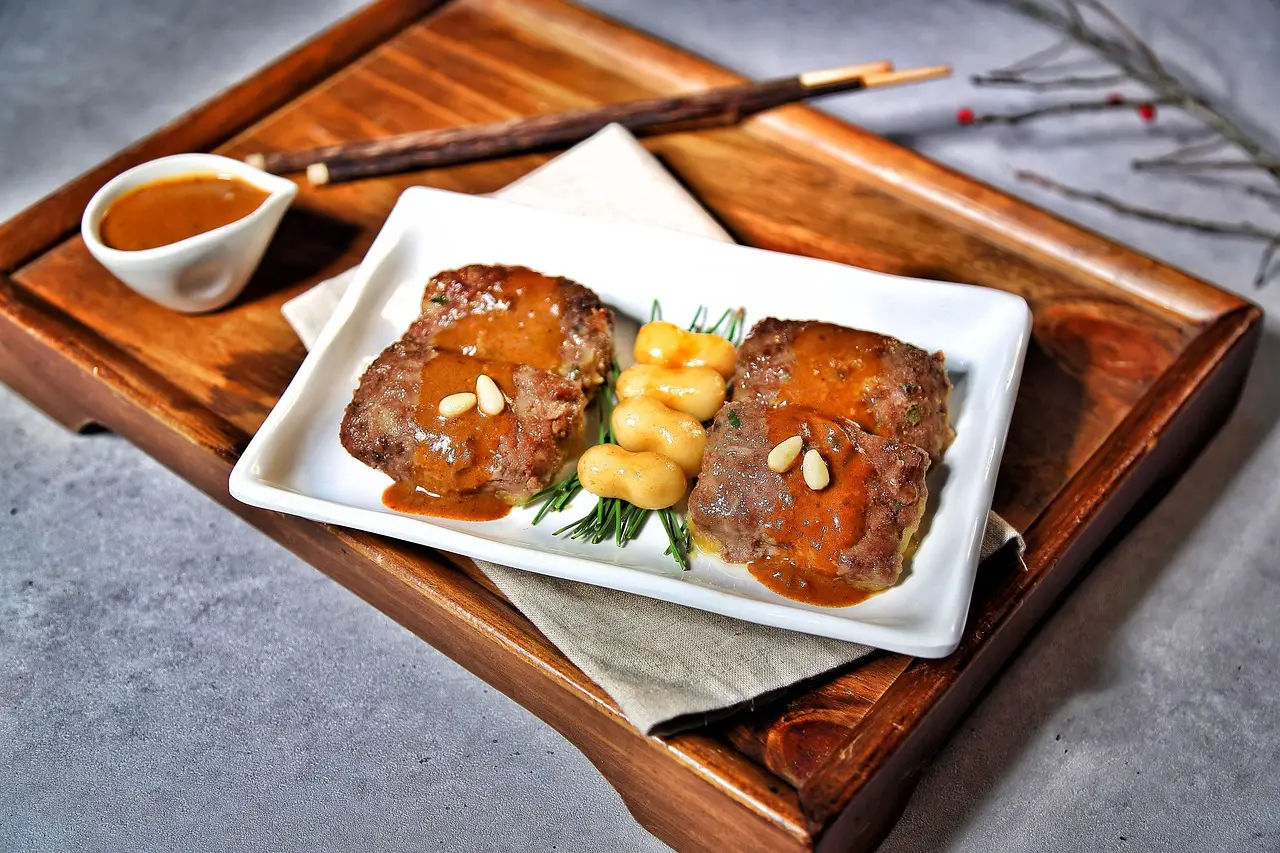
Food is where Fukuoka earns its reputation. A solid bowl of ramen at a local shop ran me around ¥900-¥1,100, and I paid ¥650 for a set of gyoza and a drink at a casual place near Nakasu. A convenience-store breakfast was usually ¥350-¥500, and honestly, that worked fine when I wanted to keep moving.
Best for: Travelers who like eating out once or twice a day without blowing the budget.
Skip if: You’re planning every meal around tourist lists and Instagram spots. The markup is real, and the food is not that much better.
My pick: I’d do one proper lunch or dinner, then keep the other meal cheap with a kombini or simple noodle shop.
I had one lunch in a polished, English-menu place in Tenjin that cost ¥1,800, and I left annoyed at myself. The food was fine. The issue was that I’d walked past three smaller shops that probably would’ve done the same job for half the price. If I’m honest, that’s the kind of expense that sneaks up on you because the room looks clean and the menu looks safe.
My better meals were the unremarkable ones: a bowl of ramen for ¥980, a rice ball from Lawson for ¥170, and a late-night bite that cost less than the drink I ordered with it. No line, no fuss, no performance. I’d rather repeat that than pay extra for a place with a nice font on the menu.
Getting around Fukuoka without wasting money
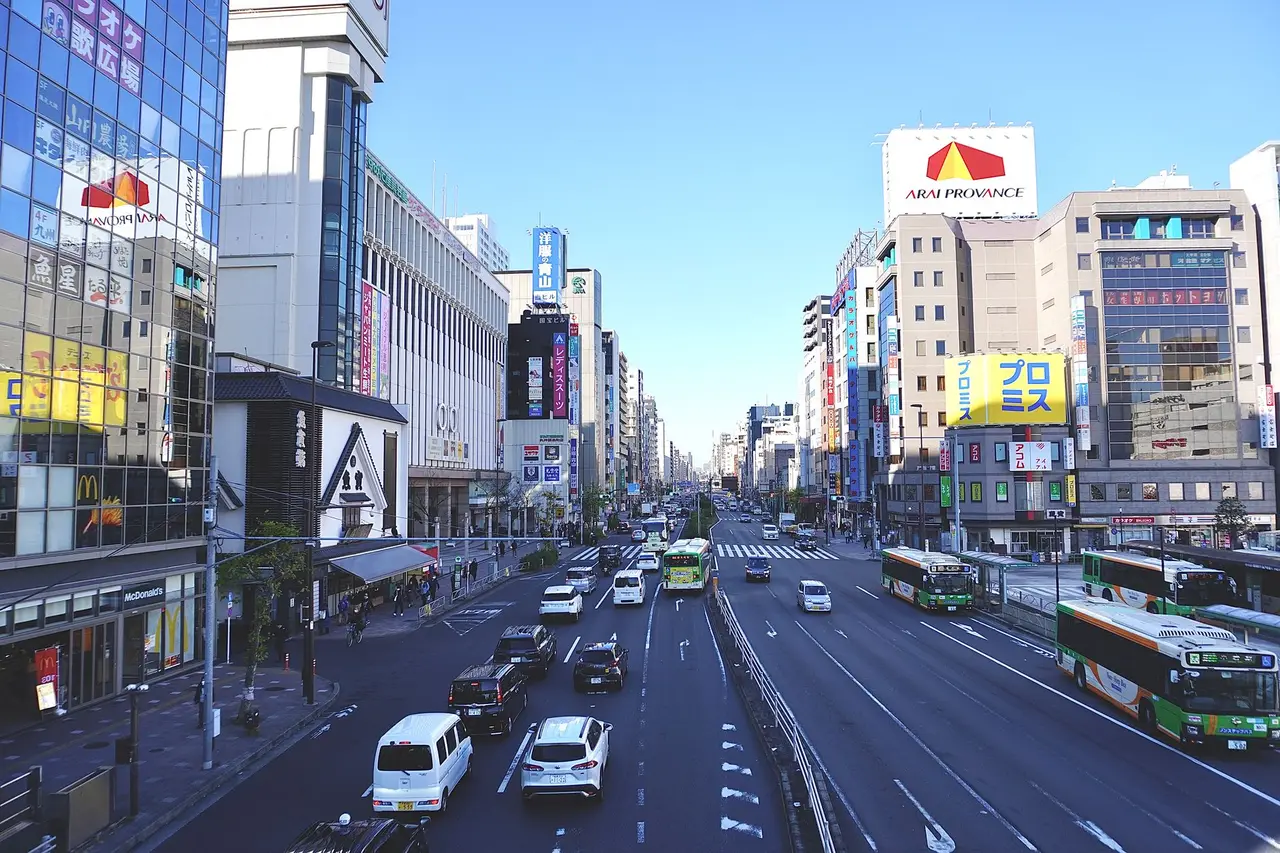
For transport, I spent about ¥700-¥1,200 on a normal day. The subway is the only thing I used often enough to matter, and single rides usually sat around ¥210-¥260 depending on distance. A one-day subway pass can make sense if you’re bouncing between Hakata, Tenjin, and a few extra stops, but I wouldn’t buy one unless I knew I’d ride at least four times.
Worth it if: You’re doing a full day of back-and-forth between neighborhoods.
Skip if: You only have one or two rides planned. Paying per ride is cheaper and simpler.
My pick: I’d pay as I go unless I’m stacking errands or sightseeing across the city.
I walked more than I expected because Fukuoka is fairly easy to navigate on foot once you’re in the right area, but the heat changed the math. During the hottest stretch, around 26-34°C, I gave up on a longer walk and took the subway instead. That was the right call. A five-minute ride saved me from arriving sweaty and irritated, which is not a mood I enjoy paying for.
The main mistake here is assuming you can “just walk” everywhere. You can walk a lot, but not all day in humid weather unless you enjoy showing up tired. A wide-brimmed sun hat and a small fan were not optional for me. They were the difference between a decent day and a miserable one.
Activities: what’s worth paying for and what I’d skip
Fukuoka is not a city where I’d stack paid attractions. Most of what I liked was cheap or free: walking around Tenjin, crossing to Nakasu in the evening, wandering by the river, and eating at yatai stalls if I found one that didn’t look like a total tourist funnel. The paid stuff I did was small. I spent ¥600 on a museum entry one afternoon and thought it was fine, not memorable.
I usually book Fukuoka tours on Klook — the best time slots go fast, especially in peak season.
Best for: Travelers who like city time more than ticketed attractions.
Skip if: You’re tempted to fill the day with paid stops just because you’re in a new place. Fukuoka doesn’t need that.
My pick: I’d keep activities light and spend the money on food or a better room.
The expectation flip for me was yatai stalls. I thought they’d be this easy, lively, local dinner scene every night. Some were great, but a few felt oddly staged and pricey for what they were. One stall quoted me a price that made the whole thing feel more like an experience package than dinner. I left and got ramen instead. Better choice. If you only have a few days, I’d treat yatai as a maybe, not a plan.
If you want to book anything ahead, I’d only do it for a specific activity with limited slots, not for random city wandering. Most Fukuoka days don’t need a guide. I book tours through Klook when I actually need a timed entry or a scarce slot, but for this city I’d keep it mostly loose.
The cheap mistakes that push a Fukuoka day over budget

The biggest budget killer wasn’t one giant splurge. It was a pile of small, avoidable decisions. I bought a coffee I didn’t need for ¥480, took the longer route back once because I missed the right exit, and paid extra for a lunch that looked cleaner than it tasted. None of those are dramatic. Together, they turned a normal day into a more expensive one.
Best for: People who can stick to a rough plan and not keep saying yes to every convenient-looking purchase.
Skip if: You know you get lazy about food and transit when you’re tired. Fukuoka is easy to overspend in small ways.
My pick: I’d budget a little buffer, then decide in advance which one meal I’ll spend on.
My failure narrative is simple: I assumed a central hotel would solve everything. It didn’t. The trigger was realizing I was still far enough from the station that I kept choosing taxis, convenience-store drinks, and lazy detours. The consequence was roughly ¥2,000 more than I expected over two days, plus wasted time. Next time I’d pick a smaller room closer to Hakata or Tenjin and cut the “cheap but inconvenient” option entirely.
What I’d pack so I don’t spend extra on arrival
I wouldn’t call this a shopping-heavy city, but I did need a few things to avoid extra spending. My linen shirt, sunglasses, and sun hat got more use than any cute outfit I packed. I also kept a small umbrella in my bag even though it didn’t rain during my visit, because the shade in parts of the city is not enough when the pavement starts cooking.
Worth it: Lightweight clothes, a refillable bottle, and a portable fan if you run hot.
Skip it: Packing heavy layers “just in case.” They sit in your bag and make you pay for storage, sweat, or both.
My pick: I’d pack for heat first and style second. That order saved me money because I didn’t keep ducking into shops to buy a replacement top.
I forgot how much hot weather changes spending. When I’m comfortable, I walk. When I’m not, I start paying for shortcuts. That’s the real daily cost in Fukuoka during warmer months.
What I’d do differently next time
I’d book my first two nights near Hakata Station and stop pretending a cheaper place 20 minutes away is a smart deal. I’d also decide my food budget before landing, because the city makes it easy to spend extra on “just one more” meal. And I’d skip any attraction or stall that needs a line longer than 30 minutes. I don’t care how famous it is.
Best for: Travelers who want a city that feels easy, eats well, and doesn’t require a huge daily budget.
Skip if: You need luxury-level convenience at a low price. Fukuoka is good value, not magic.
Next time: I’d spend a little more on location and a little less on random convenience purchases.
FAQ
Is Fukuoka cheap enough for a solo traveler on a budget?
Yes, Fukuoka is cheap enough if I keep my lodging sensible and don’t turn every meal into a sit-down event. I can get by around ¥7,000-¥9,000 a day if I stay in a hostel, eat a mix of ramen and convenience-store food, and use the subway sparingly. The budget starts drifting upward fast if I book a nicer hotel or keep grabbing coffee and taxis.
How much did I spend on food in one normal day there?
I’d call ¥1,500-¥2,500 a normal food range for me in Fukuoka. One ramen bowl, one snack, and one cheap breakfast can land right there without feeling deprived. If I add drinks or a nicer dinner, it jumps, but not in a shocking way.
Do I need a subway pass in Fukuoka?
No, I wouldn’t buy one unless I knew I’d ride several times that day. Single rides are cheap enough that paying as I go usually wins, especially if I’m mostly staying in Hakata and Tenjin. I’d only consider a pass if I was zigzagging across the city all day.
Is it worth staying near Hakata Station to save money?
Yes, I think it’s worth paying a bit more for Hakata if I’m only in Fukuoka for a short trip. The savings on time and extra transport usually beat the slightly cheaper room farther out. I paid more once for a central bed and wasted less energy, which is the better deal in a city I’m trying to enjoy quickly.
What’s the one thing that makes a Fukuoka day more expensive than expected?
It’s the small stuff: extra rides, convenience-store drinks, and paying more for meals that look safer than they are. I’ve watched a day go from reasonable to annoying just by choosing the obvious option too many times. If I want to stay on budget, I pick one meal to spend on and keep the rest simple.
 Emma Hayes