

I almost wasted ¥4,800 on an extra night in Fukuoka because I thought I needed more time to “see everything.” I didn’t. I spent part of that day sitting in a coffee shop near Hakata Station, checking train times and realizing the city works best when you stop trying to turn it into a big checklist.
My answer: I’d stay 2 to 3 days in Fukuoka for a first trip. That’s enough for good food, one proper neighborhood day, and either a side trip or a slow river-and-street-food evening. If you only care about Tenjin, Hakata, and one ramen crawl, 2 days is fine. If you want day trips or you like moving slowly, 3 days feels right. If you’re trying to squeeze in temples, beaches, shopping, and nearby cities all at once, I’d give it more time or cut something. If you’re wondering how many days in Fukuoka makes sense, that’s my honest answer.
Quick Answer: I’d book 2 nights if I was passing through and 3 nights if Fukuoka was one of my main stops. 2 days works for a quick city break and a yatai night; 3 days is my sweet spot for food, walking, and one side trip like Dazaifu.
- 2 days: enough for a quick city break, a yatai night, and one neighborhood loop. Worth it if Fukuoka is a stop on a bigger Kyushu trip.
- 3 days: my sweet spot. Enough time to eat well, move around without rushing, and do one side trip or slow afternoon.
- 4+ days: only if you’re using Fukuoka as a base for Itoshima, Dazaifu, Nanzoin, or more of Kyushu. Otherwise I’d move on.
- Skip extra nights: if you hate repeat food stops, don’t want to linger in one city, or you’re already short on time elsewhere in Japan.
Quick Answer

If I had to choose, I’d do 3 nights in Fukuoka. Two works if you’re just threading it into a bigger trip. By day three, though, I was already doing the classic “one more coffee, one more walk” routine around Hakata Station, which is usually my sign that I’ve seen enough of a city for now. A fourth day would’ve been more habit than need.
Best for: travelers who like eating well, moving efficiently, and not overpacking a city trip.
Skip the extra day if: you only want one ramen meal, one shrine stop, and a couple of shopping streets.
My pick: 3 days, because it gives you room for weather, jet lag, and one mistake without making the trip feel thin.
The real tradeoff is simple: Fukuoka is easy to enjoy, but it’s not a city I’d stretch forever unless I had a reason. I thought I’d want more time for “exploring,” then I realized most of the useful parts are compact and close together. That’s good news for anyone with a tight schedule. It’s also why a long stay can get a little slack if you don’t already have side trips planned.
What actually fills your time in Fukuoka
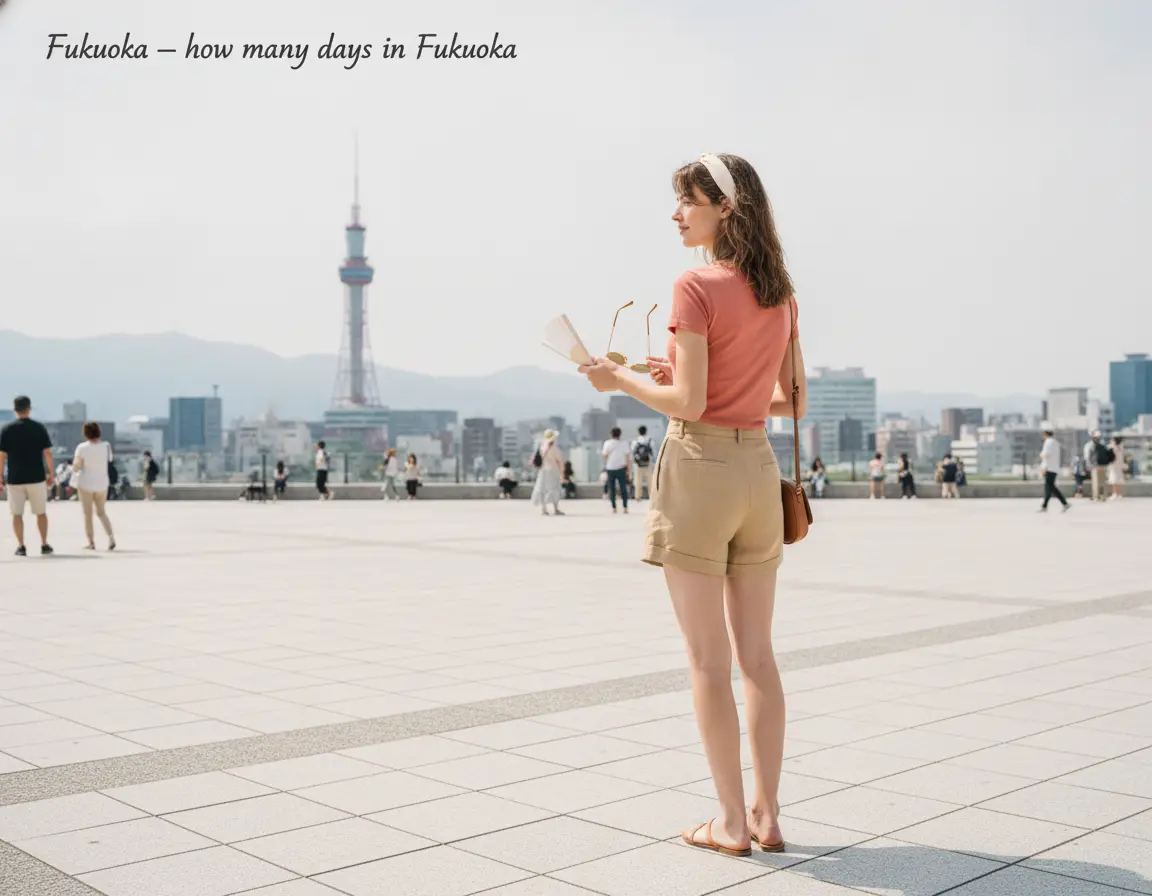
I spent one morning walking from Hakata to Canal City, then on to Tenjin, and I didn’t need a taxi or a complicated plan. I bought a ¥180 bottle of tea from a convenience store, kept going, and that was basically the city’s rhythm: simple, not scenic in a dramatic way, but easy. Fukuoka is useful because the days don’t get eaten by transit.
Here’s the part people miss: Fukuoka isn’t a “big sights” city. It’s a good food-and-neighborhood city. That means your time goes to ramen, coffee, shopping streets, a shrine or two, and maybe a waterfront evening. If you like ticking off famous landmarks all day, you’ll probably finish faster than you expect.
Worth it for: people who want a relaxed city base with low friction between meals, neighborhoods, and transit.
Not worth stretching for: travelers who need a packed list of major monuments to feel satisfied.
I expected Canal City to be more interesting than it was. It’s fine, but it’s still a mall at the end of the day, with a big fountain show and a lot of stores I could ignore in any city. I stayed about 40 minutes, grabbed a snack, and left. If you only have 2 days, I’d treat it as a filler stop, not an anchor.
My 2-day version: what I’d keep and what I’d cut
If I only had 48 hours in Fukuoka, I’d keep it tight. Day one would be Hakata Station, a ramen stop, and a yatai night. Day two would be Tenjin, a neighborhood walk, and one shrine or cultural stop. That’s enough to feel the city without pretending I’m living there.
For ramen, I paid around ¥1,000 at a straightforward tonkotsu spot near Hakata. It wasn’t fancy. It didn’t need to be. The point was speed and flavor, not a reservation book. I’d do that again before I’d spend an hour waiting for a famous place with a line curling down the block. Lines over 30 minutes are a hard no for me, and Fukuoka has enough food that I don’t need to play hero.
Best for: short trips, stopovers, or anyone building Fukuoka into a longer Kyushu route.
Skip if: you want a slow pace and hate feeling like you’re choosing between meals.
My pick: 2 days if your schedule is tight, because the city doesn’t punish brevity.
I’d skip trying to “do” every famous ramen location. That’s the kind of thing people post online and then regret when they spend half their trip waiting. One good bowl is enough. Two is a luxury. Three starts to feel like a hobby I didn’t ask for.
Why 3 days is the number I’d actually book
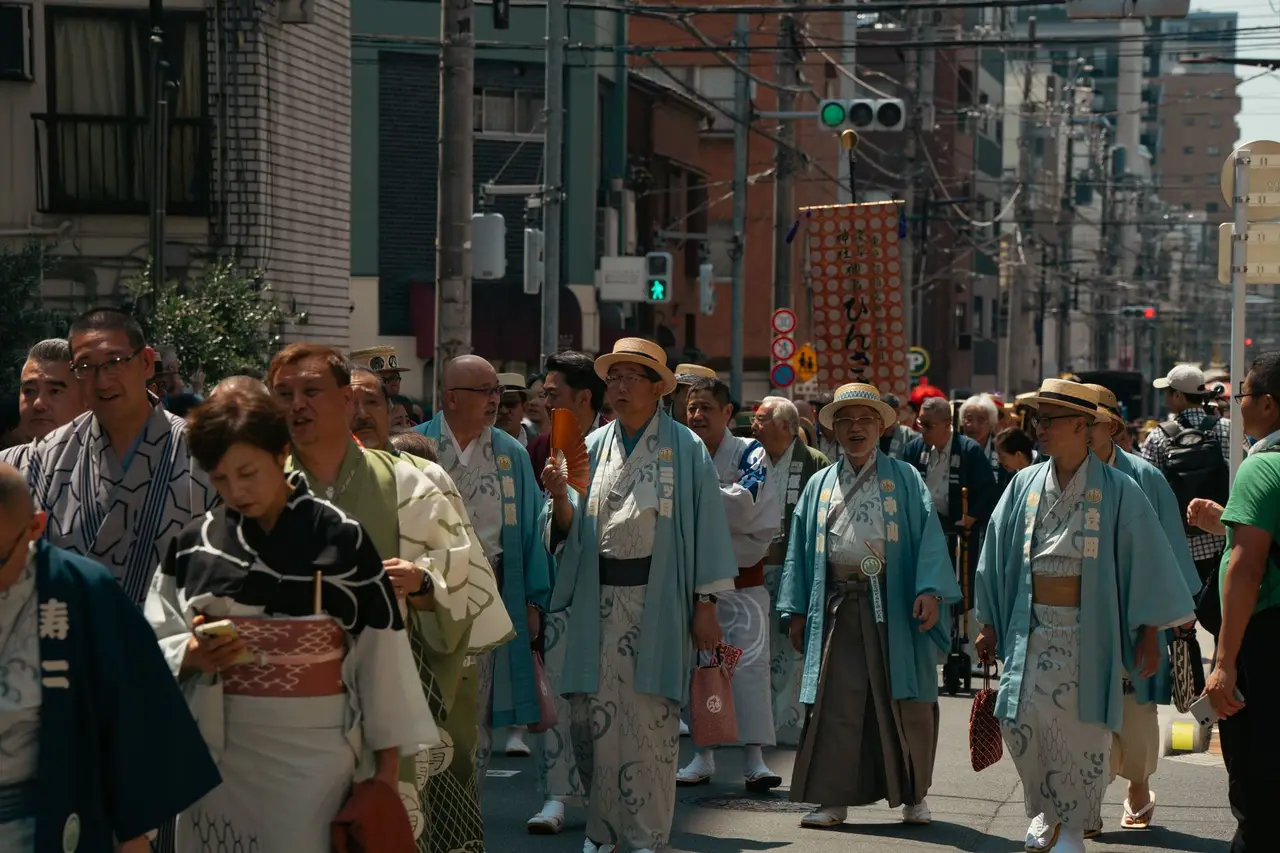
Three days is where Fukuoka stops feeling rushed and starts feeling easy. I had one day where I moved between Tenjin and Hakata on foot and by subway, and the whole thing cost me under ¥500 in transit. That matters. It means you can leave space in the day and still not burn money on getting around.
With 3 days, I’d do one more thing beyond the city center: Dazaifu if I wanted a classic half-day, or Itoshima if I wanted beachier, slower scenery. I’d probably choose Dazaifu first because it’s simple and doesn’t require much thinking. It’s about 30 minutes by train from central Fukuoka, and the trip feels worth it if you like a quick break from the city. It’s less useful if you’re expecting a huge cultural day. It’s a half-day, not an epic.
Worth it if: you want one side trip without turning the whole visit into logistics.
Only if: you’re staying long enough that one full day can be spent outside the main city core.
My pick: 3 days, because it gives you one extra buffer day for weather, fatigue, or a meal you want to revisit.
I figured I’d want one more night in order to “fit in” more. What happened instead was I used the extra time to slow down, eat better, and avoid bad timing. That’s the real value of a third day in Fukuoka. Not more sightseeing. Less friction.
What I’d book ahead, and what I’d leave for arrival
I’d book accommodation before arriving, especially near Hakata or Tenjin. I checked rates for a few weeks and saw simple business hotels around ¥7,000 to ¥12,000 a night, while nicer central places jumped when weekends were involved. Fukuoka is not a city where I’d gamble on finding a great last-minute room if I wanted a specific neighborhood.
I’d also book anything time-sensitive if I was visiting during a holiday weekend or a festival period. Regular ramen, subway rides, and neighborhood wandering? No need. Yatai? I wouldn’t book it at all. It’s street food, not a ceremony.
Book ahead: hotel, especially if you want walkability near Hakata or Tenjin.
Buy on arrival: subway day passes, food, convenience-store basics, and most casual attractions.
Skip booking: guided bus tours. I don’t see the point unless you’ve got mobility issues or a very specific day-trip plan.
See all Fukuoka hotels on Agoda before you lock in the neighborhood, because the walkable spots near the station can jump once weekend dates tighten up.
Getting around without wasting time or money

Fukuoka is easy enough that I didn’t bother with anything fancy. I used the subway, walked a lot, and took one taxi when I was tired and carrying a bag in hot, humid 25-32°C weather. That taxi was around ¥900, and honestly, I don’t regret it. I’d rather pay that than arrive sweaty and annoyed.
The subway is the main thing to know. Hakata, Tenjin, and the airport all connect cleanly enough that you don’t need a complicated transport strategy. If you’re staying central, you can keep transport cheap. If you’re staying far out because the hotel looked nicer on a map, you’ll feel it every day. That math never works out for me.
Best for: travelers staying in Hakata or Tenjin who want to keep the trip simple.
Skip the distant bargain hotel if: it adds 20-30 minutes each way to every meal and evening out.
My pick: pay a bit more for location and save the headache.
I almost booked a cheaper place that was ¥2,000 less per night. Then I checked the walk from the station and realized I’d be dragging my bag through heat and sidewalks for 18 minutes every time I arrived or left. I paid more for the central hotel. Worth it. Not glamorous, just practical.
Where the trip starts to get longer than it needs to be
If you’re staying 4 days or more, I’d only do it if you’re using Fukuoka as a base for more of Kyushu. That’s the point where the city itself stops being the whole trip. I’d look at Itoshima, Dazaifu, Nanzoin, or even another city like Beppu or Kumamoto if I had the time. Otherwise, extra nights can turn into comfort drift. You eat, shop, and wander without actually adding much.
Best for: travelers who want Fukuoka as a base, not just a city stop.
Skip if: your plan is only the main urban area and you’re not doing side trips.
My pick: 3 nights max for a first Fukuoka visit unless I had a clear day-trip agenda.
I thought I’d be the kind of person who could happily spend five days there. Maybe if I had a work break and no pressure, sure. But on a normal trip, I’d rather leave Fukuoka a little early than stay long enough to start repeating myself. That’s the honest version.
Rough daily estimates from my own trip. Prices shift by season.
I wrote a more detailed breakdown in How To Get Around Fukuoka — worth reading if you’re still deciding.
What I’d do differently next time
I’d stop treating Fukuoka like a city I need to “cover.” That mindset made me almost book too many nights. I’d also choose accommodation purely by station access, not by how nice the room looks in photos. And I’d leave one meal slot open instead of forcing a full itinerary. Fukuoka is better when it has breathing room.
My main change: book 3 nights only if I already know I’m doing a side trip.
Second change: stay closer to Hakata or Tenjin and pay the difference.
Third change: skip the urge to line up for famous food if a normal place is right there.
I compared the options in How Much Does Fukuoka Cost Per Day — useful if you haven’t booked yet.
For a deeper look at fukuoka, I covered this in my Fukuoka In March.
If fukuoka matters to your trip, my Fukuoka In December has the specifics.
See current Fukuoka hotel prices on Agoda →
I usually book Fukuoka tours on Klook — the best time slots go fast, especially in peak season.
FAQ
Is 2 days enough for Fukuoka?
Yes, 2 days is enough if you want a city break, good food, and one easy evening out. I’d do it that way if Fukuoka is a stop between other places, because the main neighborhoods are compact and the transit is simple. If you want a side trip, though, 2 days gets tight fast.
Should I stay 3 nights in Fukuoka or use it as a day trip base?
I’d stay 3 nights if this is your first time and you care about food and low-stress walking. A day trip version feels too rushed once you factor in meals, check-in, and the fact that the city is better after dark. Three nights gives you one buffer day, and that’s the difference between a quick visit and a decent one.
Is Fukuoka worth more time than Osaka or Kyoto?
No, I wouldn’t give Fukuoka more time than Kyoto, and I’d usually give it less than Osaka too. Fukuoka is better as a compact, easy city than as a place to overstay. I’d keep it short unless I had clear side trips planned.
What should I cut if my Fukuoka trip drops by one day?
I’d cut the extra neighborhood wandering before I cut food or one half-day side trip. Tenjin and Hakata give you enough city texture on their own, so you don’t need to chase every shopping street. If you lose a day, keep the meals and lose the filler.
Where should I stay if I only have a short visit?
I’d stay near Hakata Station first, then Tenjin if the hotel is clearly better and still walkable. Hakata is the easiest base for trains and airport access, while Tenjin is better if you care more about food and evening walks. If the hotel is 15-20 minutes away on foot, I’d pass and pay for a better location.
 Emma Hayes