

I almost turned my first day in Fukuoka into a long, sweaty mess. I landed thinking the city would be simple enough to wing, then immediately found myself dragging a bag through Hakata Station in 30-degree humidity, checking my phone for the third time, and wondering why I hadn’t made one smarter choice earlier. I did still enjoy the trip. I just paid for a few bad decisions first.
My answer is blunt: Fukuoka is easy for first-time visitors, but only if you stop treating it like a city you can freestyle completely. It fits food-first travelers, people who want good transit without Tokyo-level chaos, and anyone who likes a city that doesn’t waste your time. It’s not for travelers who want every day to feel like a sightseeing checklist or who hate a little planning up front. The biggest thing that matters is location and timing. Get those wrong, and you burn hours for no reason. These are the kinds of fukuoka mistakes first time visitors make when they assume the city will do the work for them.
Quick Answer: Stay close enough to Hakata or Tenjin that you can dump your bag and go eat within 10 minutes, use the subway for real distance, and skip long ramen lines. I wasted 1.5 hours near Hakata Station, paid ¥1,120 for a taxi, and waited 27 minutes for a bowl that cost ¥980.
- I’d still go to Fukuoka again. I just wouldn’t repeat the mistakes I made on day one.
- The city is efficient, but it’s not forgiving if you arrive hot, hungry, and underprepared.
- Most of my regrets were small on paper and annoying in real life. That’s the kind that sticks.
Main Tips
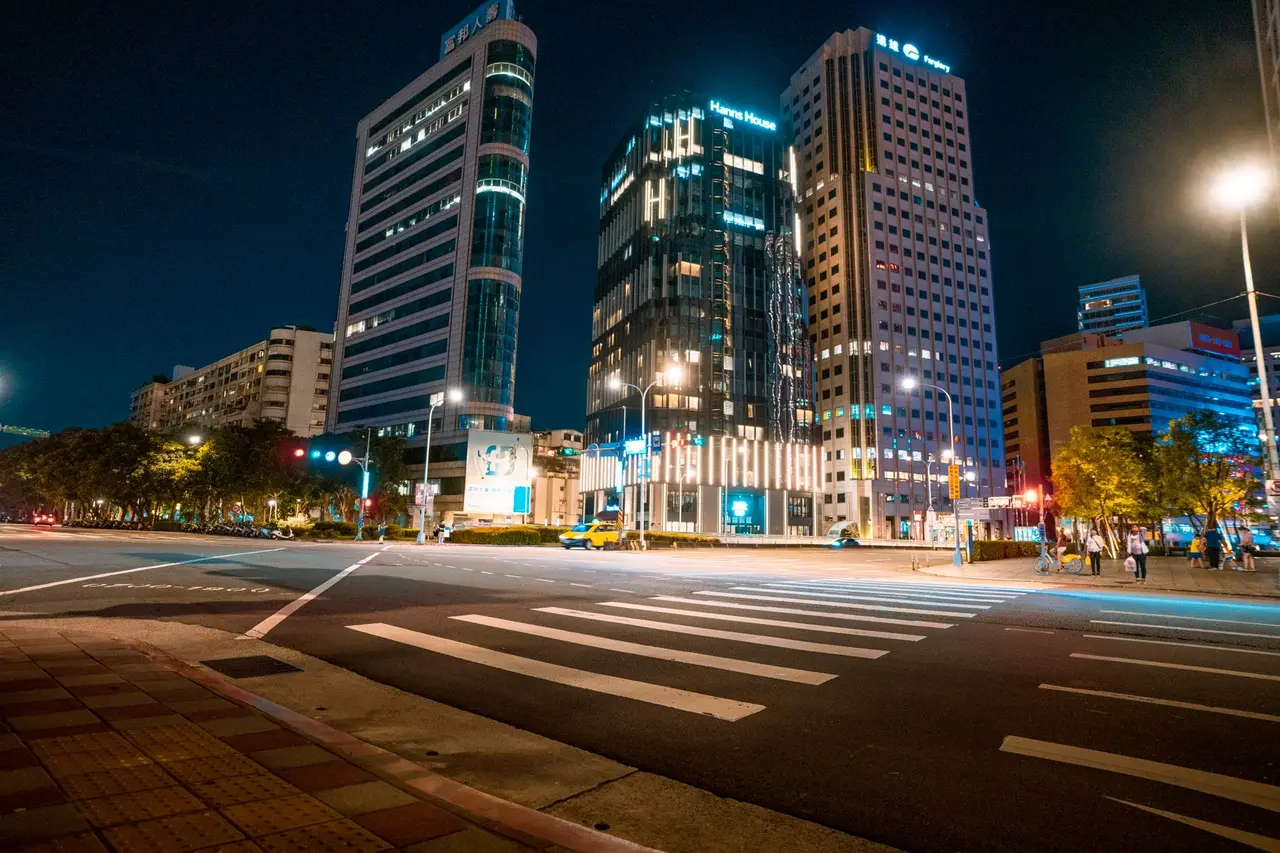
I treated Hakata Station like it was “just a station” and wasted half a day
I figured Hakata Station would be easy to navigate because every big Japanese station eventually makes sense if you stare at enough signs. That logic was fine in theory. The problem was that I arrived with a bag, no solid plan, and the kind of heat that makes every extra block feel personal. I also assumed my first hotel choice didn’t matter much because I’d “just use transit.”
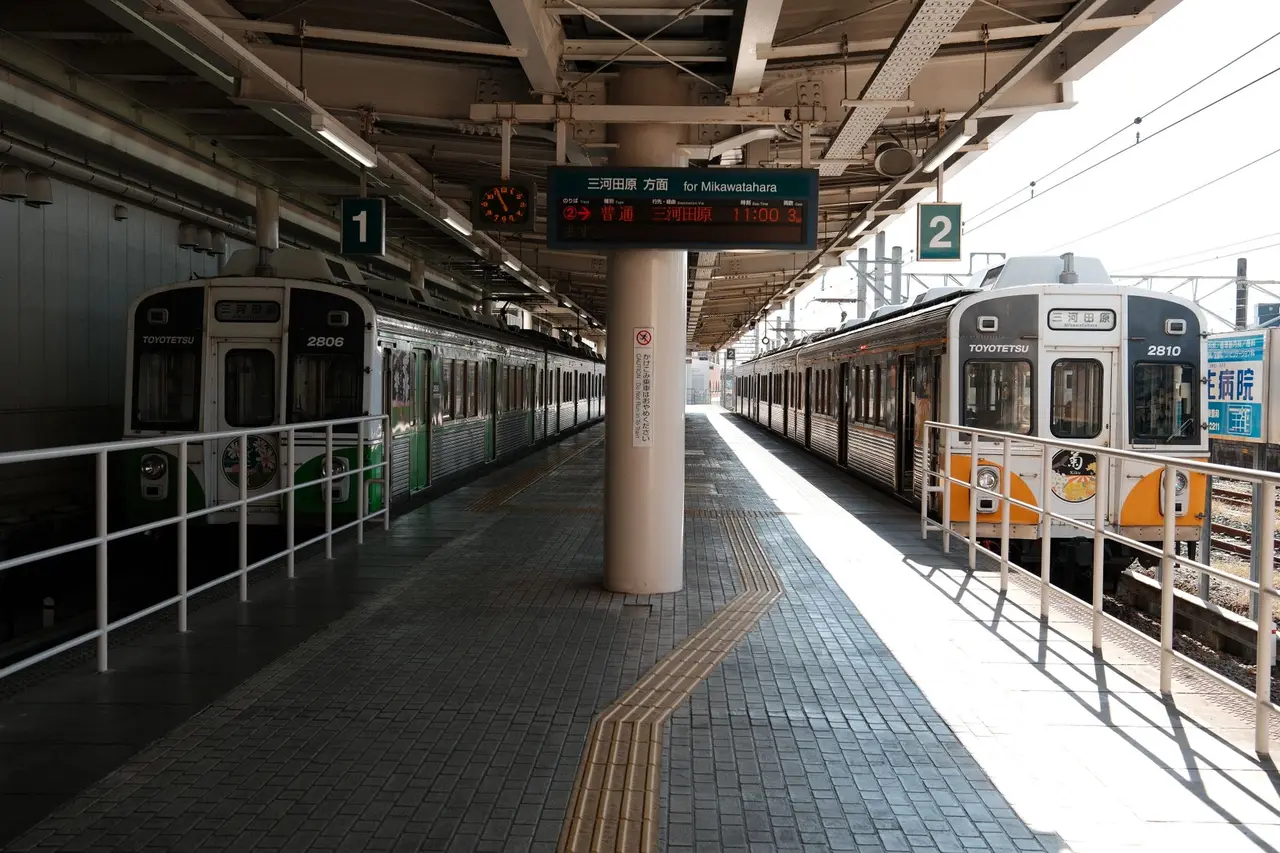
The trigger was simple: I booked a place that looked cheap on the map but turned out to be a 14-minute walk from Hakata Station in hot, humid weather. I left the station, missed the right exit once, doubled back, and then had to cross a few streets with my suitcase under a fan I’d bought at a convenience store for ¥980 because I was already sweating through my shirt. I spent 40 minutes getting from platform to check-in, and that was before I’d even dropped my bag.
The consequence was not dramatic, just stupidly inefficient. I lost about 1.5 hours total that afternoon between walking, rechecking directions, and cooling off in a Lawson with a bottled tea that cost me ¥180
Best for: First-time visitors who want to move fast and eat well without thinking too hard about transit.
Skip if: You enjoy long walks with luggage or you don’t mind adding 15 minutes each way to every outing.
My pick: Stay close enough to Hakata or Tenjin that you can dump your bag and go eat within 10 minutes. That is worth more than saving a little on the room.
Hindsight is boring but useful: I’d choose a base that cuts the first and last mile to almost nothing. If I’m landing tired, I want the station or a short subway ride, not a “reasonable” walk that turns ugly once the sun comes out. The cheaper room was not cheaper once I counted the taxi temptation and the time I lost.
I used the subway to save money, then spent the savings on taxi rides anyway
I thought I was being smart by avoiding taxis and sticking to transit. In most cities, that’s sound logic. Fukuoka’s subway is clean and easy, and I didn’t want to act like every trip needed a cab. The mistake was assuming the city’s convenience would make every route equally painless.
The trigger was a late lunch run from Hakata to a place I wanted near Nakasu, followed by a rainy return trip after dark. I had a small umbrella, but the rain came down hard enough that I stopped caring about my “budget discipline” and took a taxi back for ¥1,120 instead of walking 18 minutes and showing up drenched. Earlier that same day, I’d also taken the subway one stop when walking would’ve actually been faster because I didn’t want to think. That part was just lazy.
Consequence: I saved maybe ¥400 on one leg and lost it right back on the other. More annoying, I burned about 25 extra minutes on transfers and platform waiting across the day. The city is compact, but not every route is efficient by train. Sometimes the subway is the right move. Sometimes it’s just a polite detour.
Best for: Longer hops between Hakata, Tenjin, and the airport area.
Skip if: You’re only going 1–2 stops and the weather is decent.
My pick: Walk short distances, use the subway for actual distance, and stop pretending every ride needs to be “optimized.”
I’d still use transit again, but I’d compare it to walking more honestly. A 12-minute walk in Fukuoka is often better than a 6-minute train ride plus waiting. That math never works out the way people think it does.
I lined up for a famous ramen spot because everyone online made it sound non-negotiable
I expected one of the well-known ramen stops to be the highlight of my food day. That was the setup. The trigger was me walking past a line that looked manageable at 11:40 a.m. and deciding to wait anyway because the place had good reviews and the photos looked convincing. I figured I’d be in and out before the lunch crush.
I waited 27 minutes. Then I sat in a tiny seat, ate a bowl that cost ¥980, and realized it was fine but not worth the time I’d just handed over. The broth was rich, the noodles were solid, and I’m not saying it was bad. I’m saying the whole experience was overhyped relative to the actual payoff. I could have had a perfectly good bowl at a quieter local place for less money and zero queue, then spent the extra half hour at Kushida Shrine or just sitting somewhere with iced tea.
The consequence wasn’t just the 27-minute wait. It was the lost rhythm of the day. I missed the window for a quieter walk I’d planned afterward, and by the time I got out, the area felt more crowded and more performative. That’s what I don’t love. When a meal starts to behave like an event, I start resenting it a little.
Worth it if: You’ve got a specific ramen spot in mind and you’re okay paying in time as well as yen.
Skip it if: The line is already visible from the street and you’re hungry now.
My pick: I’d choose a random local shop with a short queue over a famous bowl with a long one, every time.
I also need to say this plainly: I expected the famous place to be a clear upgrade, and it wasn’t. It was good, not life-changing. For readers, that means Fukuoka food is often better when you stop chasing the names and just eat where the lunch crowd looks local.
I booked a canal area stop because I thought it would be the easiest “first night” choice
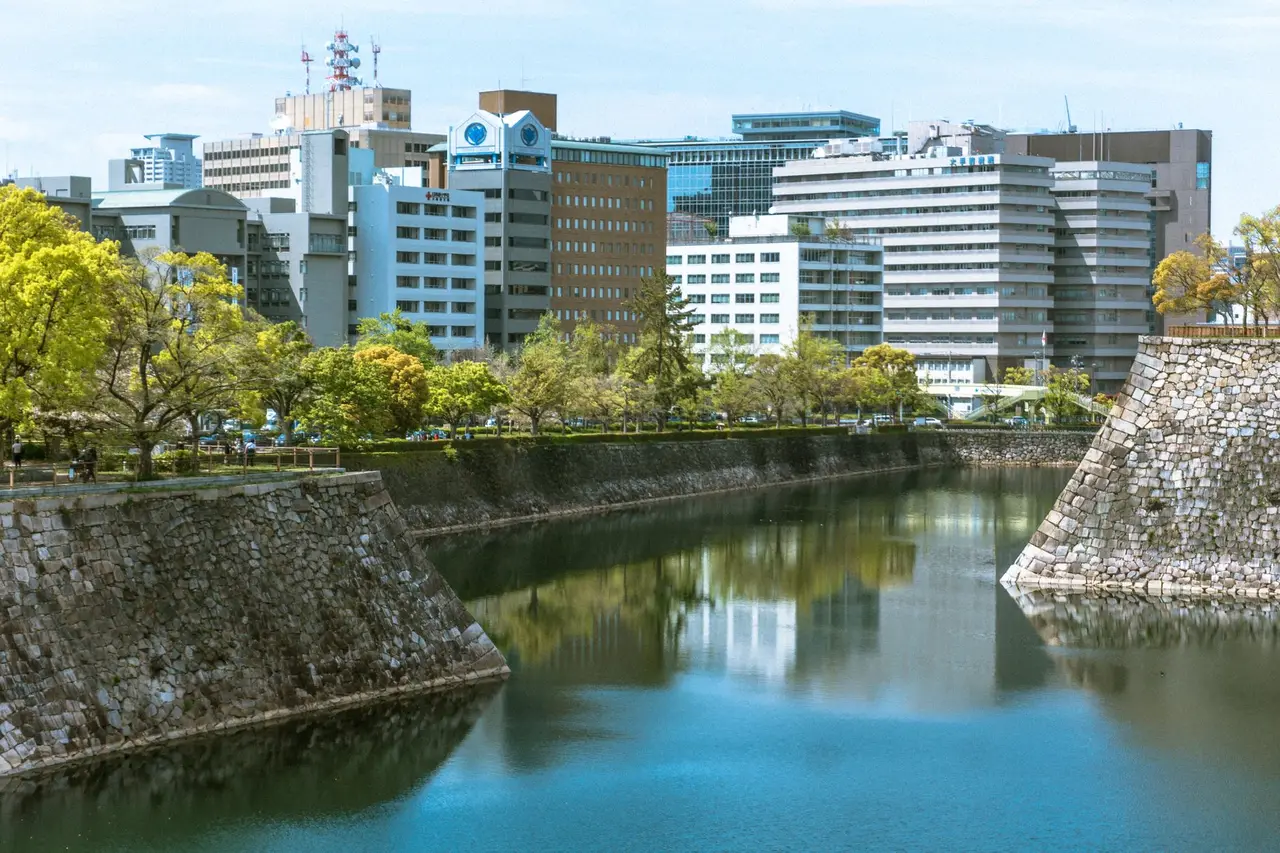
I thought the canal area would be a neat first-night move because it looked central and easy to understand on a map. And it is central, in a technical sense. The problem is that “central” and “useful for a tired first-time visitor” are not the same thing. I wanted atmosphere. I got a place that was more about souvenir browsing and evening foot traffic than actual convenience for the rest of my trip.
The trigger was me stopping there after dinner and deciding to stay longer because the area looked more interesting than it really was. I bought a drink for ¥500, sat for ten minutes, and watched people wander around the water like they were waiting for the place to become a scene. It didn’t. I then had to make an awkward 20-minute return trip to where I actually needed to be, which was a pain because the rain had left the sidewalks slick and my sandals were not ideal.
The consequence was small but real: about 45 minutes gone for a detour that didn’t improve the day, plus another ¥700 I probably didn’t need to spend on snacks and drinks while I was killing time. It’s not a disaster. It’s just the kind of mistake that makes a city feel busier than it is.
Worth it if: You want one evening stroll and don’t mind paying a little extra for a prettier route.
Skip if: You’re trying to keep your first Fukuoka trip efficient and low-friction.
My pick: I’d treat the canal area as a stop, not a base. Go once, eat, leave.
I’d probably still walk through again, but I wouldn’t build my schedule around it. The area is useful for a short wander, not for anchoring the whole trip.
I tried to “save time” by squeezing too much into one afternoon
This was the mistake that felt logical before it felt dumb. I had a short window and wanted to hit a shrine, a food stop, and one waterfront walk in the same afternoon because Fukuoka looked compact on the map. I figured I could string it together without stress. That logic was sound in the abstract. It just didn’t work once the weather turned hot and sticky around 31°C and I was already carrying a fan, sunglasses, and a wet umbrella from a rain shower.
The trigger was me refusing to cut one stop when the day clearly needed a slower pace. I kept moving because each individual thing seemed small. Then I hit the point where every extra block felt like a chore. I missed a better lunch hour, arrived at one spot when I was already tired, and ended up spending about ¥1,600 on drinks, snacks, and a random cold coffee because I was trying to stay functional instead of actually enjoying the walk.
Consequence: I did three things and enjoyed maybe one and a half of them. I also lost around two hours to aimless transit, indecision, and cooling down in convenience stores. That’s the sort of math I hate. It looks productive on paper. It feels scattered in real life.
Best for: Travelers who naturally move fast and don’t mind a full walking day.
Skip if: You’re landing the same day or it’s humid enough that you’re already sweating before noon.
My pick: I’d cut one stop and sit down for a proper meal instead. Fukuoka is better when you leave space for food.
The surprising part was that I expected the packed afternoon to feel efficient. It didn’t. It felt rushed and a little silly. For this city, fewer stops usually wins.
I usually book Fukuoka tours on Klook — the best time slots go fast, especially in peak season.

FAQ
Is Fukuoka easy to get around without a car?
Yes, Fukuoka is easy to get around without a car. I used the subway, walked a lot, and only took one taxi when rain made the walk annoying. If you stay near Hakata or Tenjin, the city feels very manageable on foot and by train.
Is Hakata Station too busy for a first-time visitor?
No, it’s busy but manageable. I got turned around once because I arrived tired and hot, not because the station was confusing in a serious way. If you build in 15 extra minutes for your first arrival, it’s fine.
Are the famous ramen shops worth waiting for?
Usually no, not if the line is already long. I waited 27 minutes for a bowl that cost ¥980, and it was good but not better than a quieter local place would’ve been. I’d only wait if the queue is short or the shop is the main reason you’re there.
Should I stay near the canal area on my first trip?
No, I wouldn’t. I thought it would be a convenient first-night base, but it ended up feeling better for a short evening walk than for actually moving around the city. I’d rather stay closer to the train and eat there than add extra transit every day.
How many days do I need for Fukuoka to feel worth it?
Two full days is the minimum I’d pick. That gives you room for food, one neighborhood walk, and one slower stop without rushing from place to place. If you only have a layover-style visit, I’d keep expectations modest and focus on one meal plus one area.
 Emma Hayes