

I almost wasted my first afternoon in Fukuoka on a detour I didn’t need. I was sweating through a 31°C day, dragging a tote bag, and standing outside a station map trying to decide if I really cared about one more shrine before dinner. I didn’t. Fukuoka is a city I’d do in three days if I want good food, easy transit, and a trip that doesn’t turn into a logistics puzzle.
My answer is yes: three days is a good amount of time here. It fits travelers who like urban trips with actual meals, not just sightseeing checklists. It’s not for people who want a dense temple-heavy itinerary or a trip where every stop feels like a headline. What matters most in Fukuoka is choosing a base near Hakata or Tenjin, then spending your time on places that are either tasty, walkable, or both. This fukuoka itinerary 3 days keeps the route tight and practical.
Quick Answer: Three days is enough for Fukuoka if you want food, parks, shrines, and one easy day trip. Stay near Hakata Station or Tenjin, and expect roughly $75-$140 a day.
Day by Day
Day 1: Hakata, Canal City, and an Easy First Night
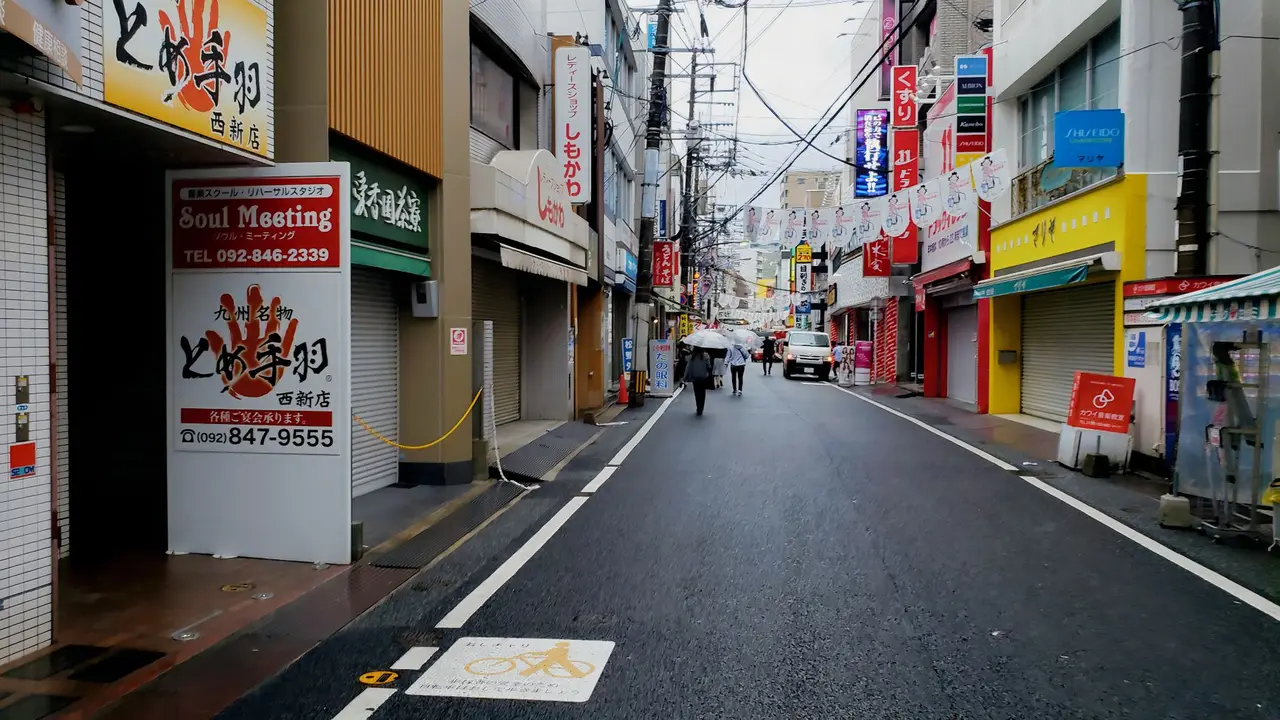
I’d start with the practical version of Fukuoka, not the scenic one. That means Hakata Station, a lunch near the station, a slow walk through Canal City, and an early night if you’ve just arrived. It’s not the sexiest first day. It’s the one that works.
I landed at Hakata Station and paid ¥260 for the subway into the center instead of taking a taxi, which would have been silly for a solo trip. From there, I checked into a simple hotel near the station and dropped my bag before lunch. If you’re carrying luggage in hot weather, that base choice saves your whole mood.
Best for: First-day arrival, jet lag, or anyone who wants to ease in instead of sprinting around town.
Skip if: You only have one full day and want the most scenic side of Fukuoka right away.
My pick: Hakata first, because it’s efficient and the city is easier when you’re not already tired.
9:30 a.m. — Arrive and drop your bag
If you’re flying into Fukuoka Airport, the city center is absurdly close. The airport is only a few subway stops from Hakata, and that’s one of the reasons I like this city so much. I’ve paid more time and money just getting from airports to hotels in places that were supposed to be “easy.” Fukuoka actually is.
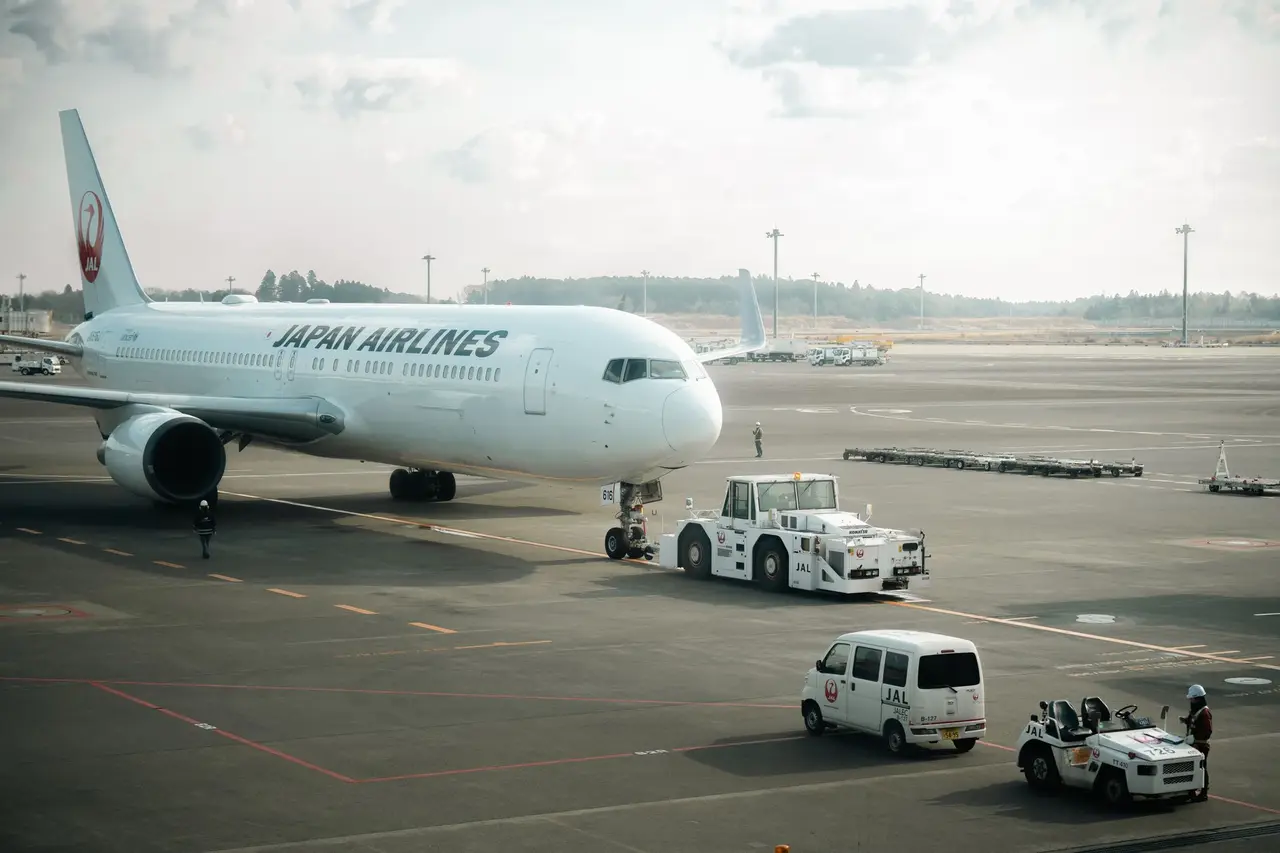
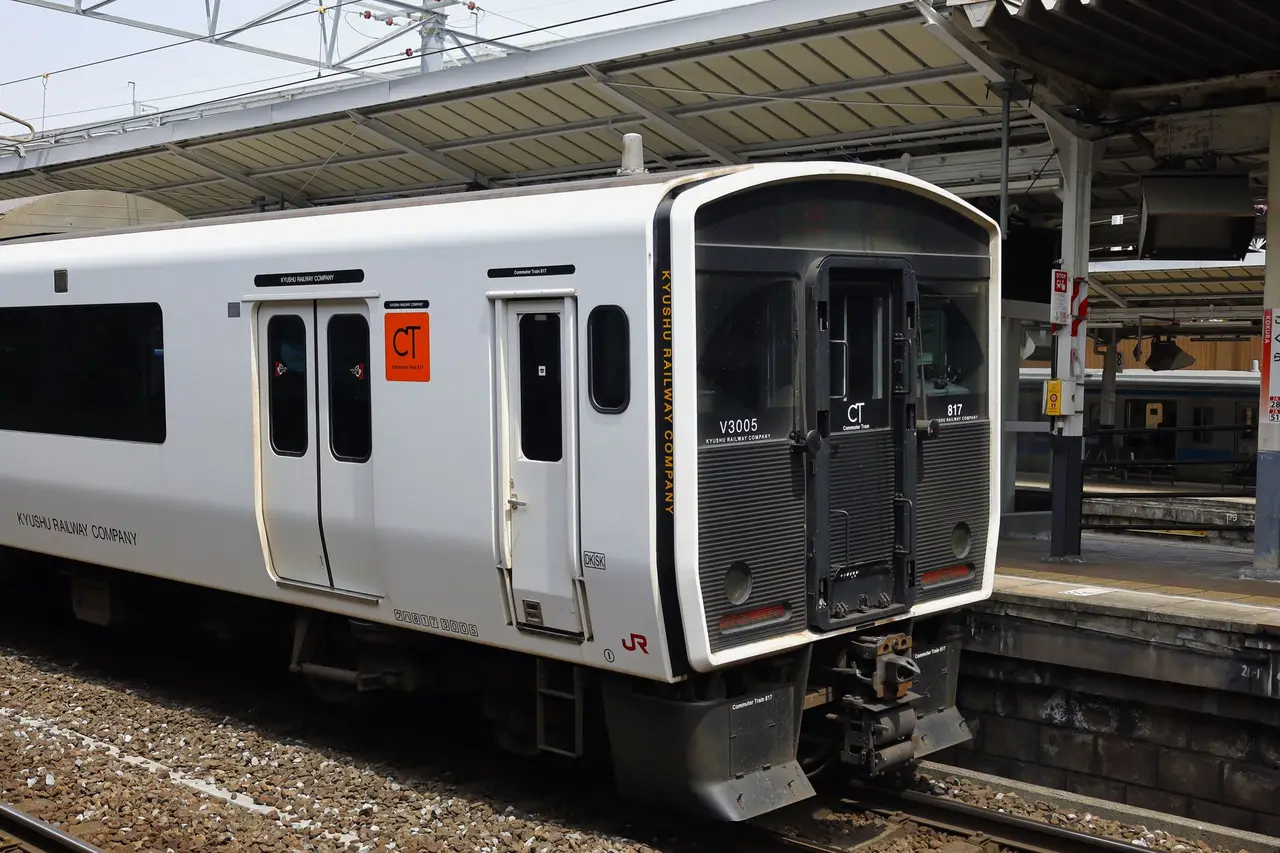
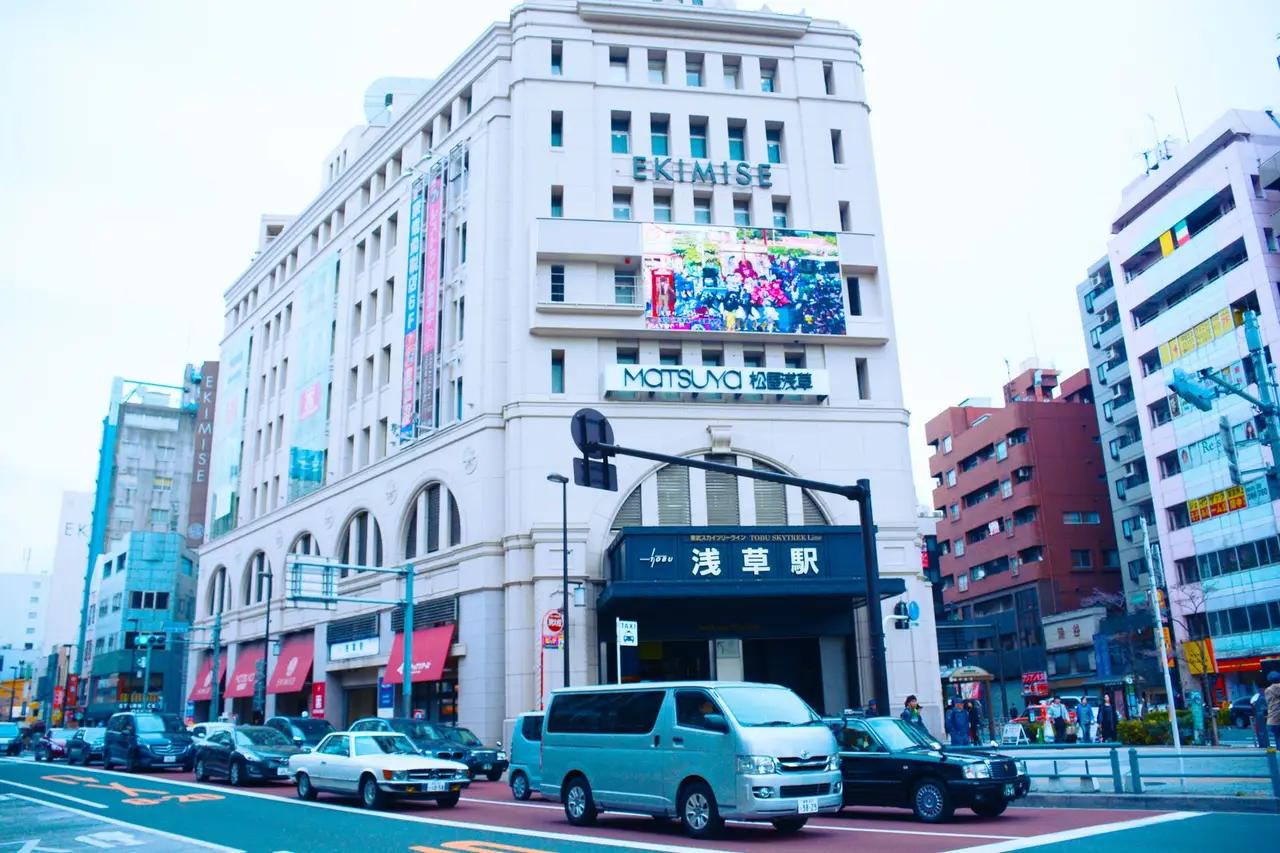
From the airport, I’d take the Fukuoka City Subway Kuko Line to Hakata Station. It’s about 5 minutes and costs around ¥260. If you’re staying near Tenjin instead, the same line gets you there in roughly 11 minutes for about ¥260 as well.
11:00 a.m. — Lunch around Hakata Station
I’d eat close to the station, because day one is not when I want to hunt for a “local favorite” across town. I grabbed a cheap lunch in a station building and paid around ¥1,000 for a solid bowl set, which was more than enough after a flight. This is where Fukuoka starts making sense: food is easy, and the city doesn’t punish you for being normal.
For ramen, I’d keep it simple and go for tonkotsu somewhere in the Hakata area rather than chasing a famous branch across town. Ichiran’s main area can be convenient if you’re curious, but I wouldn’t line up for it if the queue is long. My rule is simple: if the line is more than 30 minutes, I’m out.
Worth it if: You want your first meal to be close, fast, and cheap.
Skip if: You hate station-area food halls and need a slower neighborhood lunch.
My pick: Hakata lunch over a detour. The value is better, and you don’t burn energy before the afternoon.
1:00 p.m. — Canal City and the surrounding blocks
Canal City is useful, not magical. I went expecting a flashy mall to feel like a trap, and honestly, part of it did. But it’s still a decent first-day stop because it gives you shopping, bathrooms, coffee, and a break from the heat in one place. I ducked in for air conditioning more than once.
From Hakata Station, it’s about a 10- to 15-minute walk depending on your route, or a short bus ride if you’re too tired to deal with the sun. I’d walk it in the morning or late afternoon and avoid the worst heat. In the middle of the day, the concrete can feel like it’s reflecting the whole sky back at you.
Skip the fountain show if it doesn’t line up with your timing. I thought I’d care more about it than I did, and I didn’t. The mall itself is the thing, and even that is only worth it if you want a no-stress indoor stop.
Best for: Rainy weather, heat relief, or a low-effort first afternoon.
Skip if: You’re expecting a local neighborhood experience. It’s a mall. A good one, but still a mall.
My pick: Use it as a break, not a destination.
5:30 p.m. — Kushida Shrine and a short walk in Hakata
I’d walk over to Kushida Shrine before dinner. It’s close enough to fit without turning the day into a museum crawl, and it gives you a little structure after the mall. From Canal City, it’s about 5 to 10 minutes on foot. I was glad I went, but I wouldn’t stretch it into a half-day.
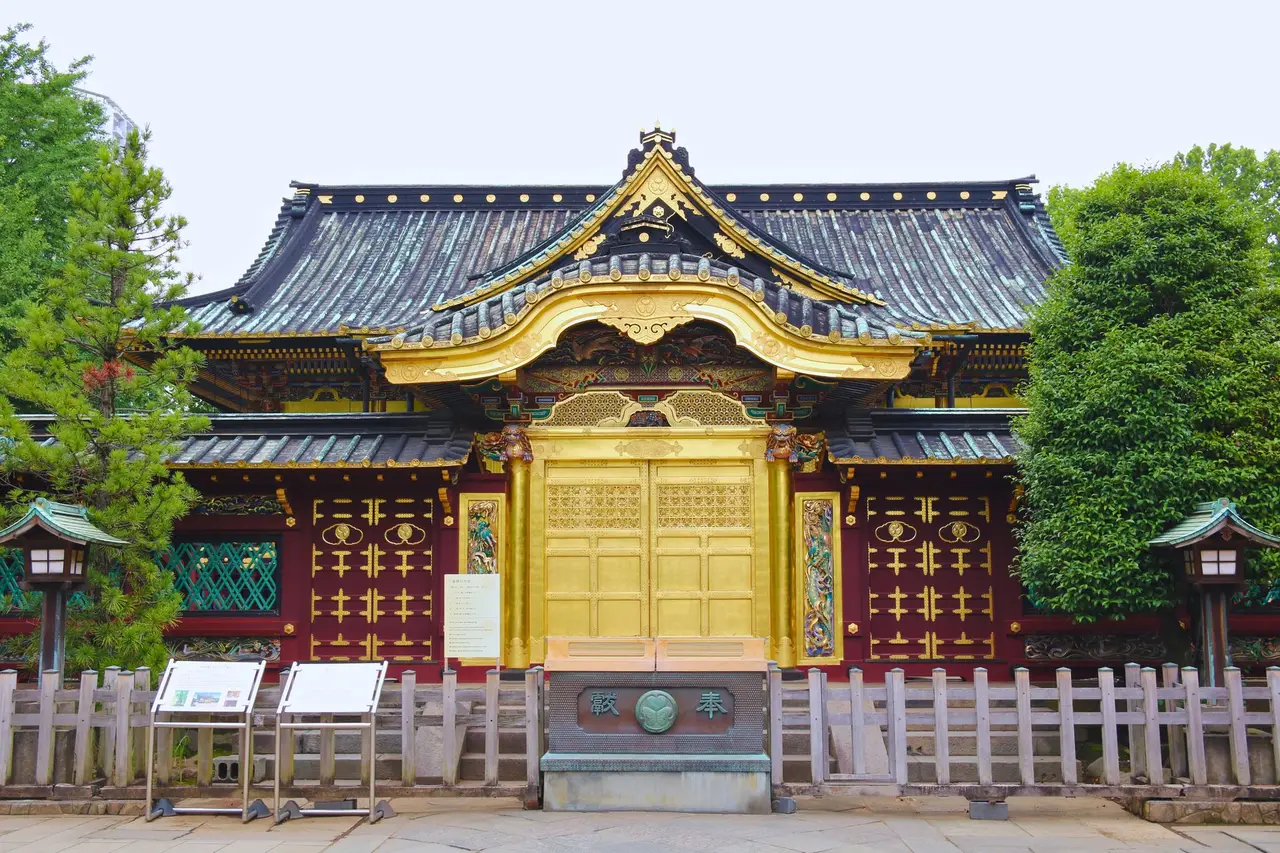
This is also where I got my first small surprise. I expected the shrine to feel busier and more touristy than it did. It was calmer than I thought, especially compared with the shopping streets nearby. That’s useful to know if you’re deciding what deserves your limited time.
Worth it if: You want one cultural stop that doesn’t eat the whole afternoon.
Skip if: Shrines aren’t your thing and you’d rather save the energy for food.
My pick: Kushida over a random extra mall stop. It gives the day some shape.
7:00 p.m. — Dinner and an early night
I’d keep dinner close to Hakata Station or head to a yatai if the weather is decent and you don’t mind a little looseness. Yatai stalls are one of the few tourist-famous things in Fukuoka that I don’t roll my eyes at immediately. They’re still a little expensive for what they are, but the atmosphere is real enough that I can forgive the markup once.
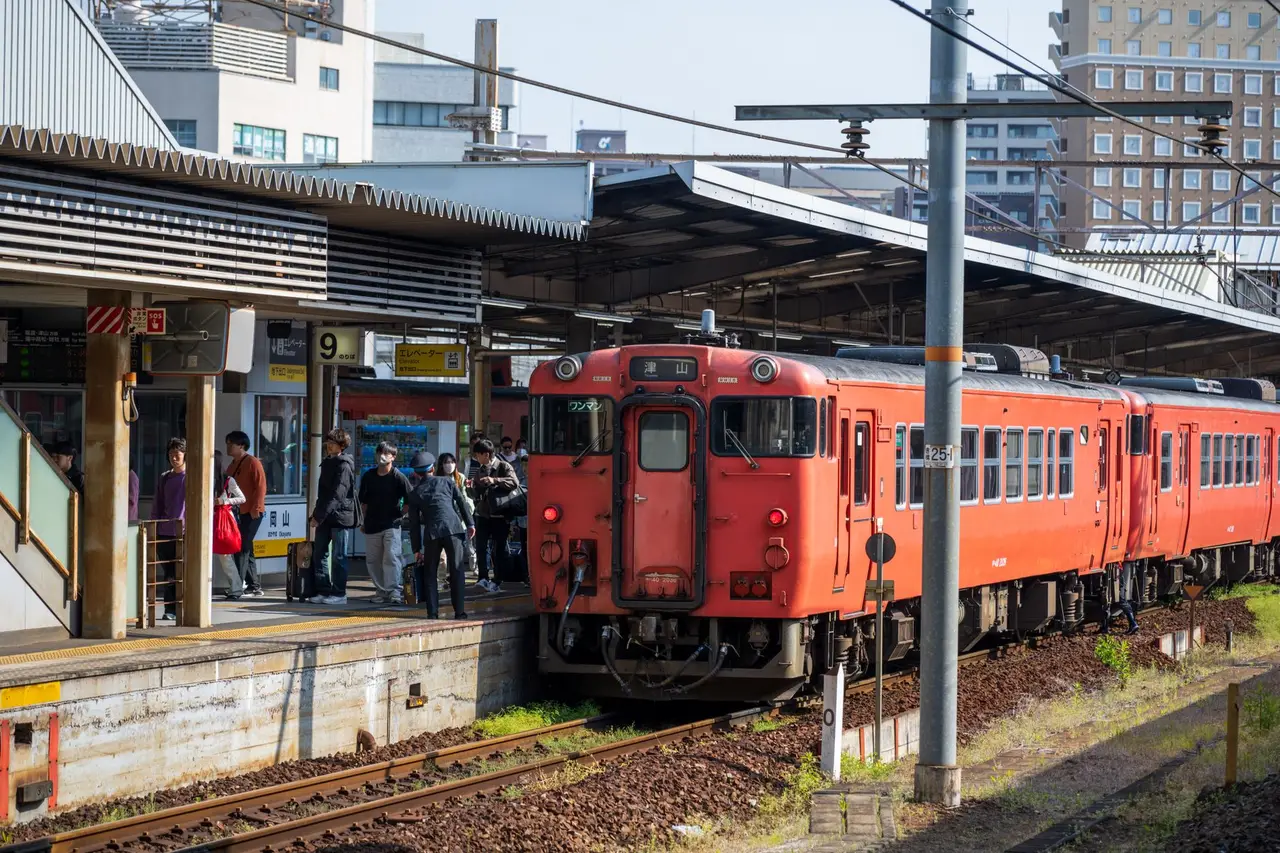
I paid around ¥1,200 for dinner at a simple spot and watched the station crowd thin out while I ate. If you want yatai, go early. I wouldn’t make them my only dinner plan because they can fill up and the seating is limited. It’s fun once, not an everyday strategy.
Budget for Day 1: about $70-$125, depending on where you stay and whether you do yatai.
Day 2: Dazaifu, Tea Breaks, and the City’s Slower Side
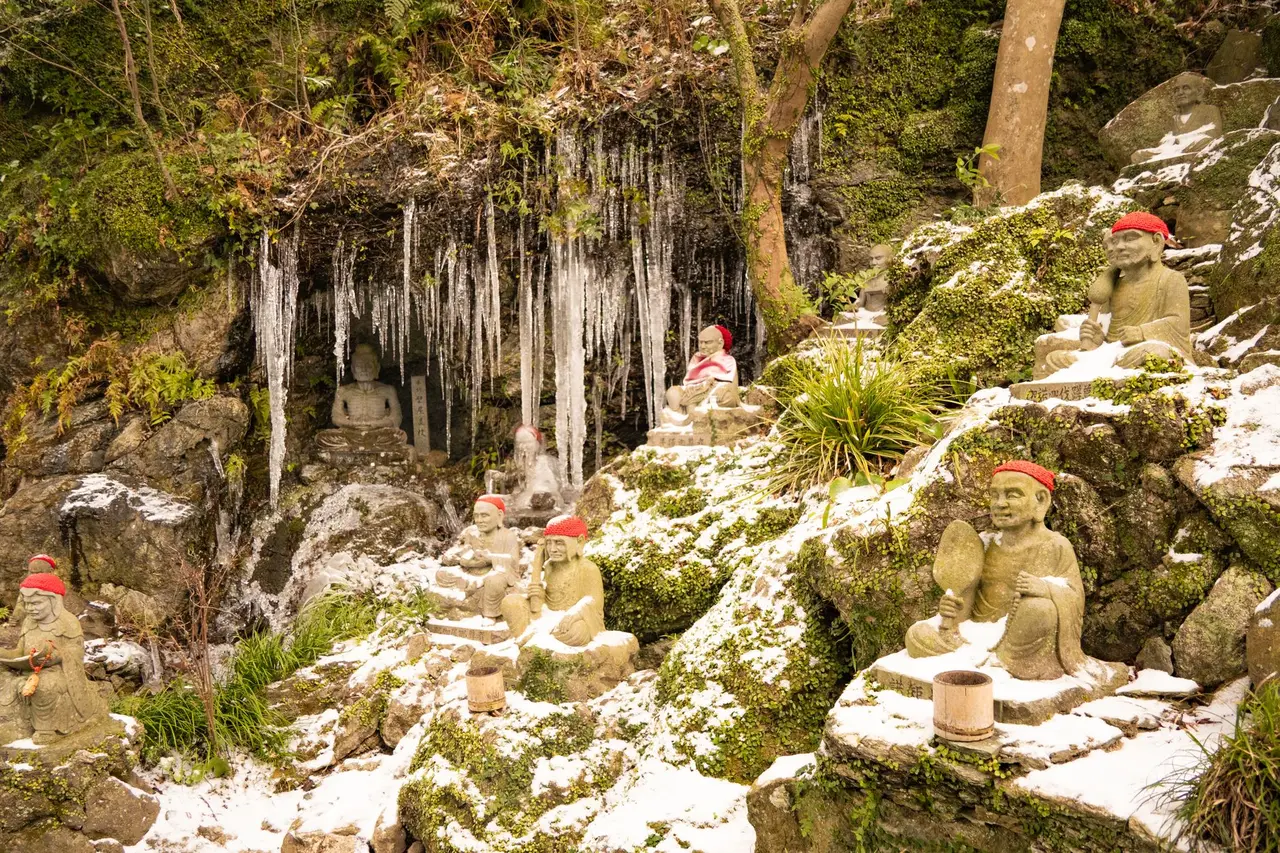
Day two is the one I’d use for Dazaifu. It’s the clearest half-day or full-day add-on from Fukuoka, and it gives the itinerary a different pace. I’d go in the morning, come back before dinner, and keep the rest of the day loose. This is the day that makes the trip feel less like a city break and more like a proper Fukuoka itinerary.
Best for: Travelers who want one cultural outing that still feels easy from the city.
Skip if: You only care about food and don’t want any shrine-heavy time.
My pick: Dazaifu beats a random extra neighborhood wander because it’s memorable without being exhausting.
8:30 a.m. — Train to Dazaifu before the crowds
I’d leave early, because the whole point is beating the group-tour wave. From Tenjin, take the Nishitetsu train toward Futsukaichi, then transfer to the Dazaifu Line. The trip usually takes around 35 to 45 minutes total and costs roughly ¥400 to ¥500 depending on the exact routing. That’s cheap enough that I don’t feel bad about going just for half a day.
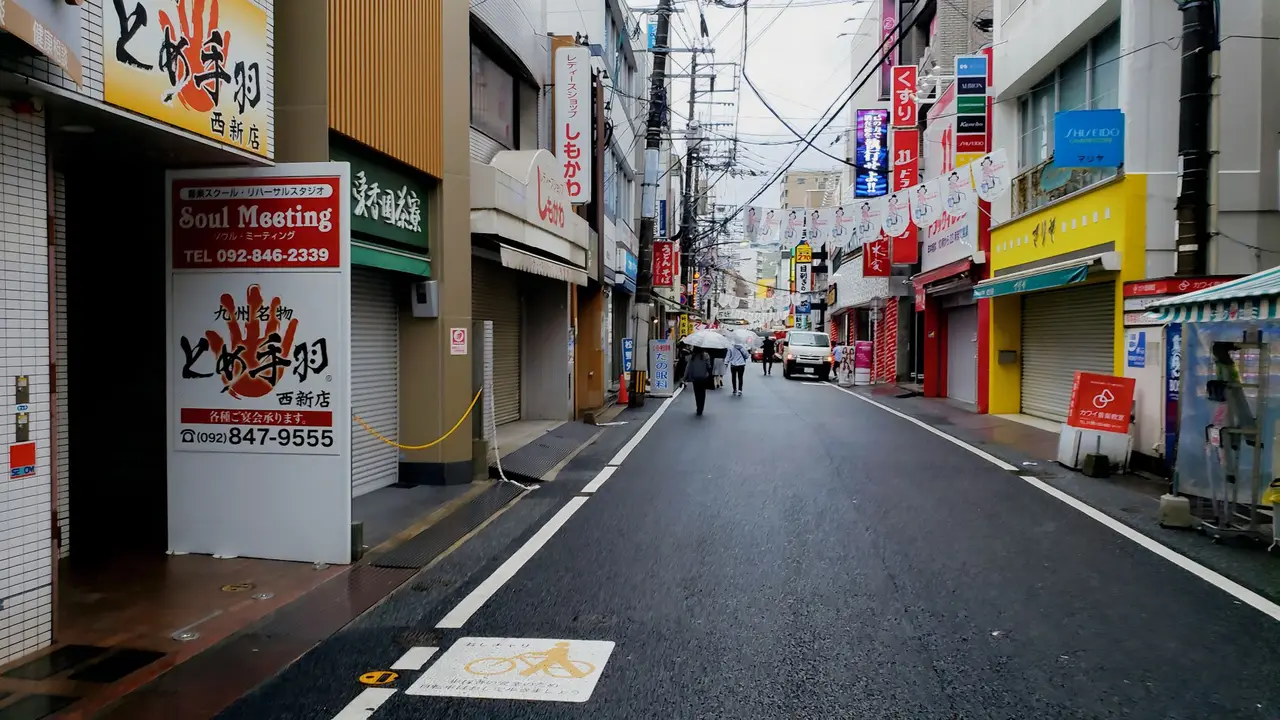
I thought Dazaifu would feel overhyped. Parts of it are, especially the souvenir lane, but the shrine grounds themselves are still worth the ride. I’d rather be there before 10 a.m. than arrive later and spend my energy dodging day-trippers.
9:30 a.m. — Dazaifu Tenmangu
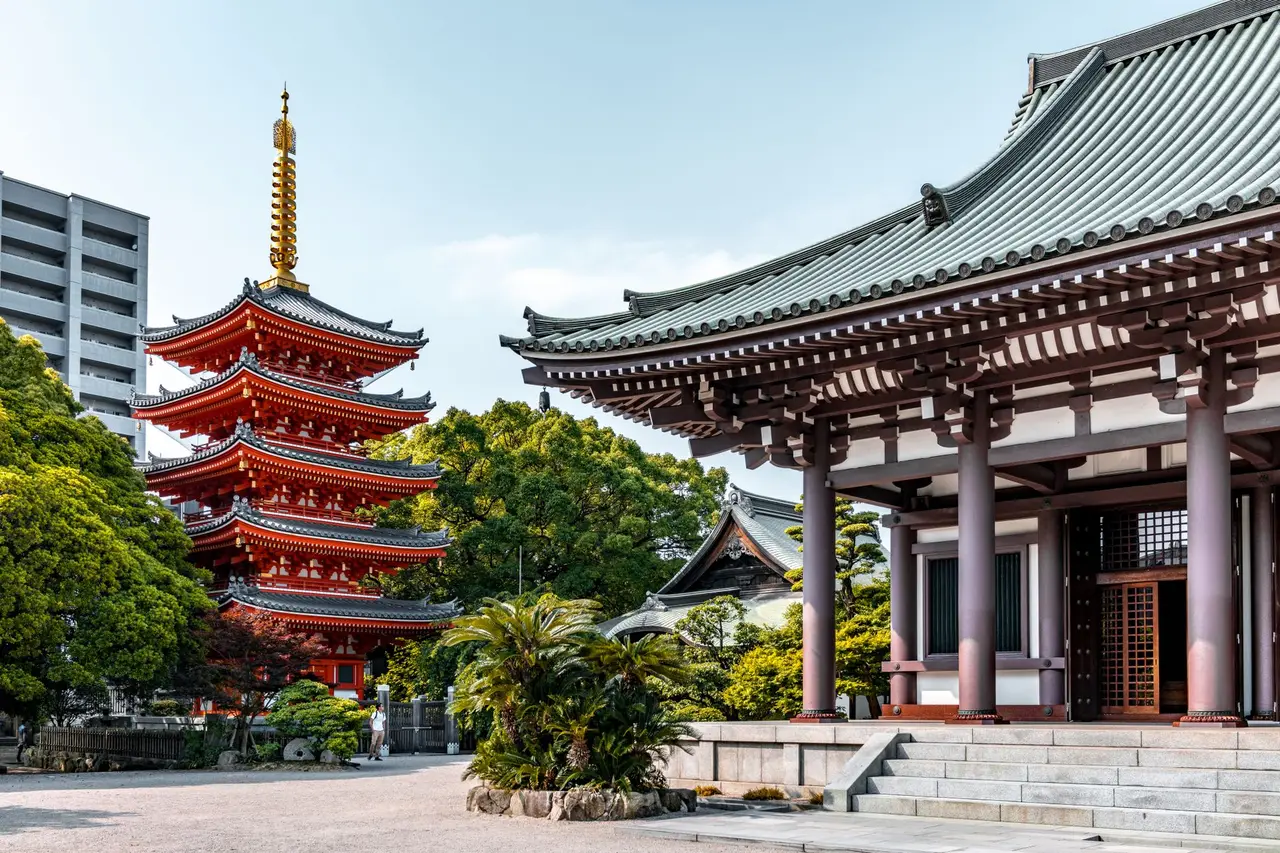
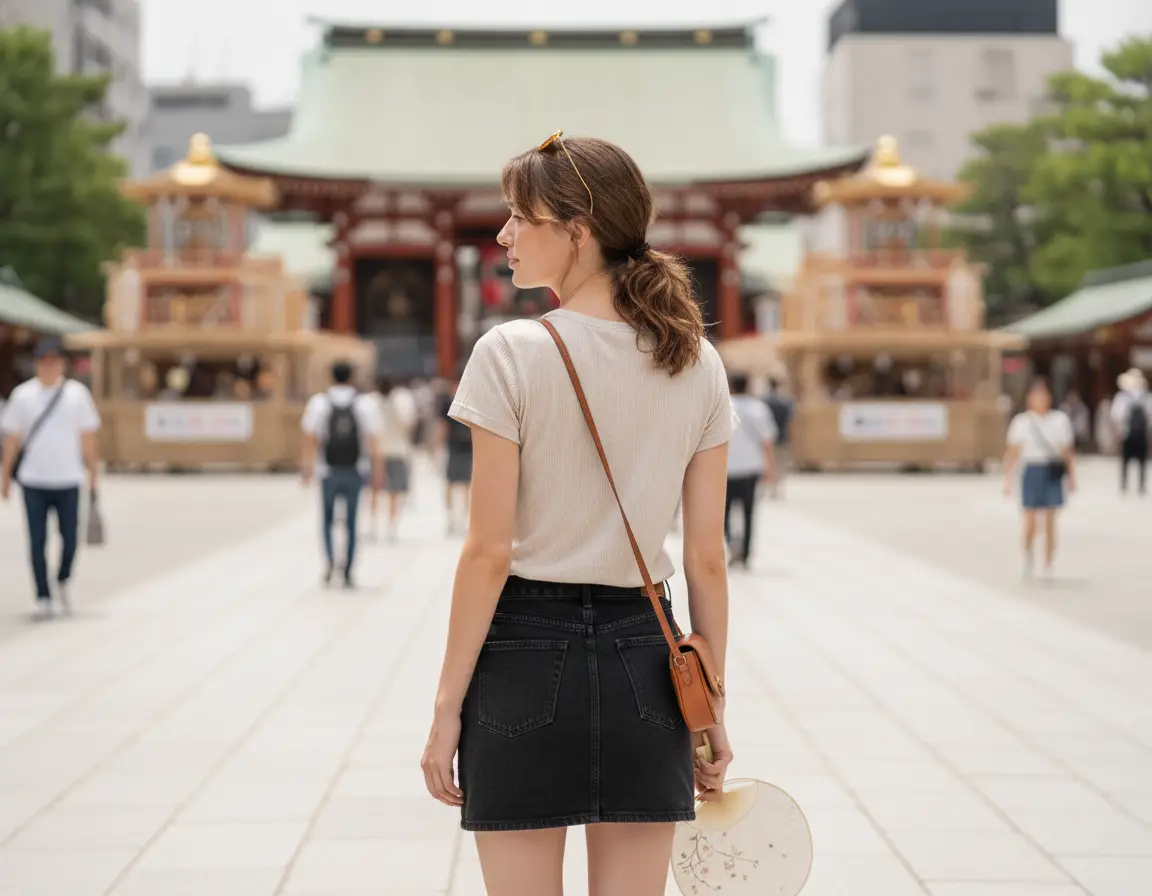
Dazaifu Tenmangu is the main reason to come, and I’m not going to pretend otherwise. The grounds are free, and that matters because the real value here is the walk, the bridge, and the atmosphere around the shrine rather than any paid entry. I spent about 45 minutes here, which felt right. Longer would have been overkill.
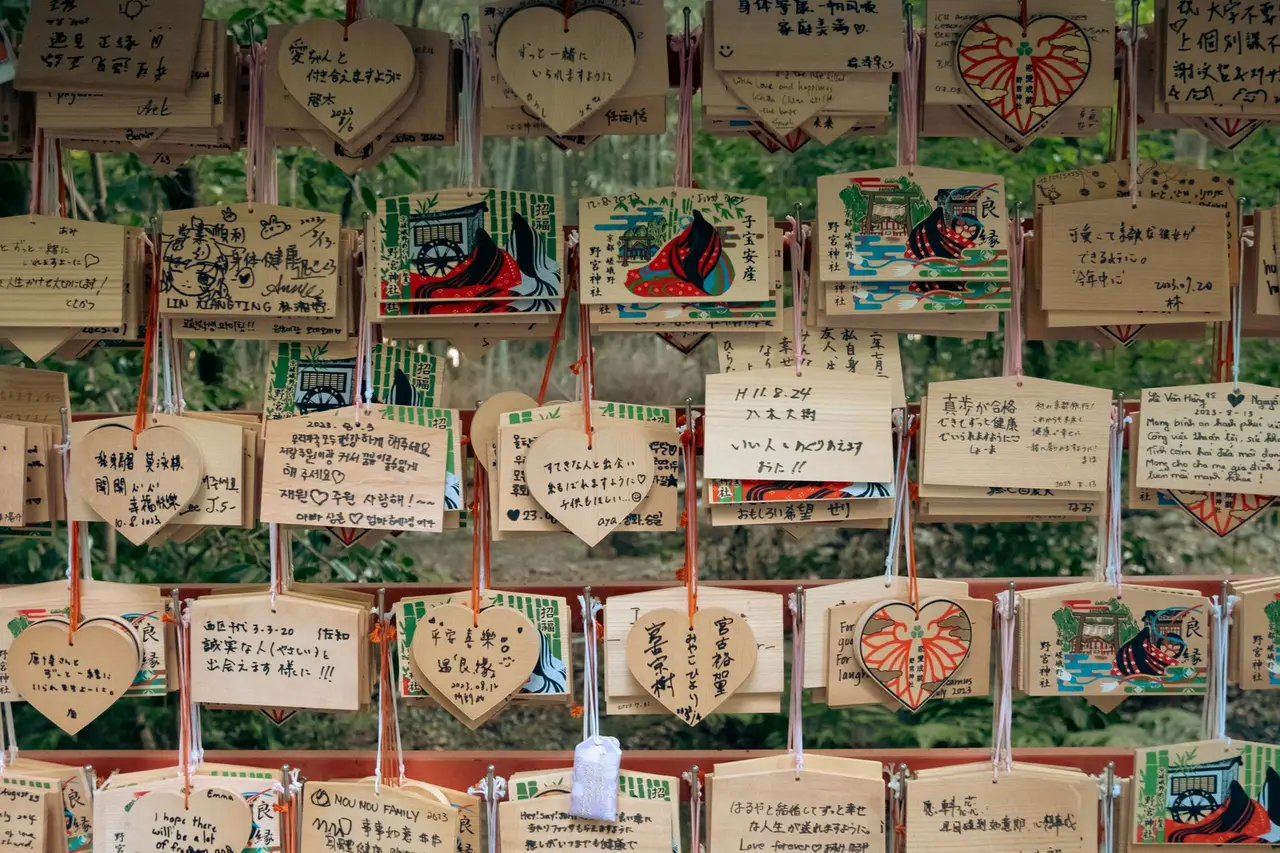
I was there in the heat, wearing a light tee and shorts, with sunglasses on and a fan in my bag. That mattered. Even in a place that’s shaded in parts, summer humidity can turn a pleasant walk into a very sweaty one if you’re not prepared.
Worth it: Yes, but mainly if you arrive early and don’t expect a giant all-day attraction.
Skip if: You’re already shrine-saturated or only have two total days in Fukuoka.
My pick: Go for the morning, then leave before it starts feeling repetitive.
10:30 a.m. — Umegae mochi and a tea stop
I’d buy umegae mochi from one of the shops near the shrine. I paid about ¥150 for one piece, and it was the kind of snack that makes sense in context even if it’s not life-changing. Warm, sweet, simple. That’s enough. I also stopped for tea nearby and paid around ¥500, which felt like a better use of money than any souvenir I almost bought and didn’t need.
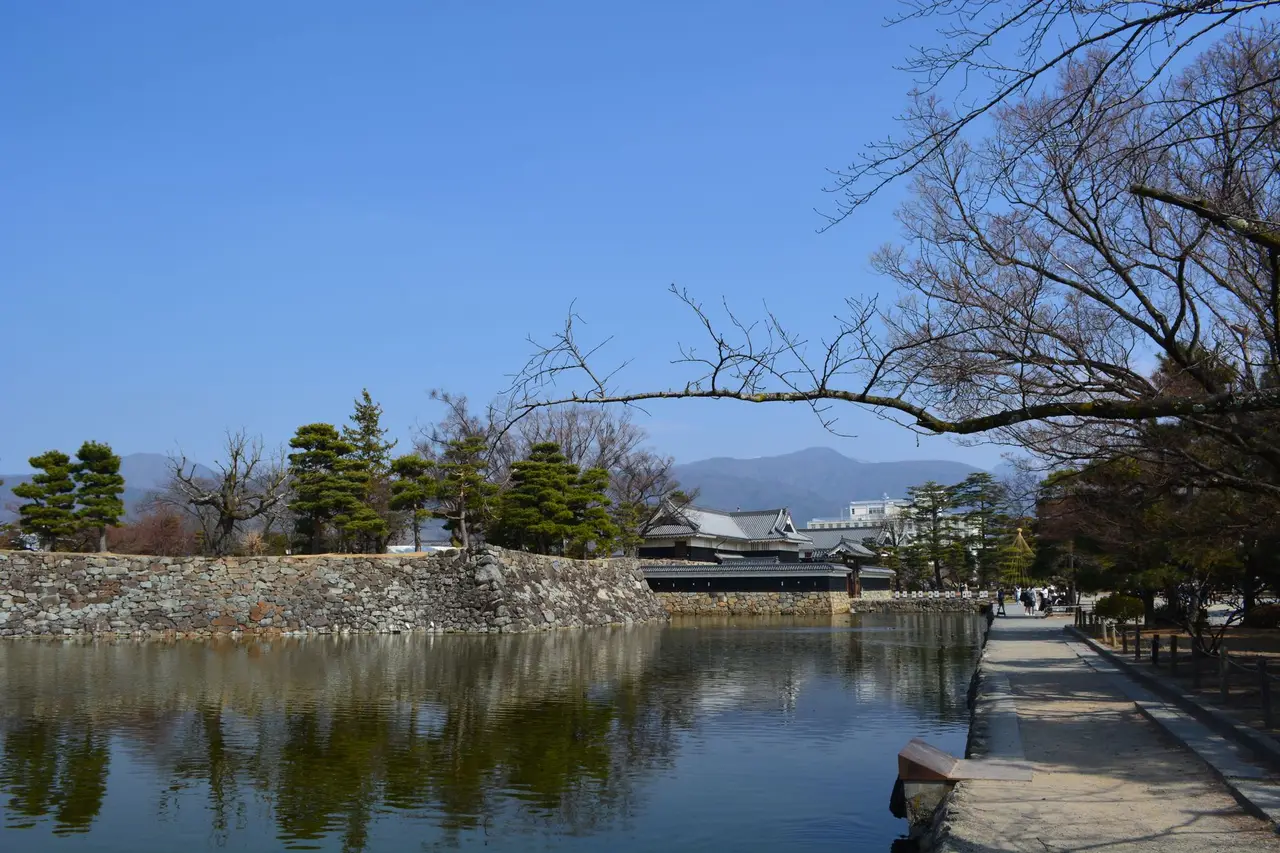
This is the part of the day I’d keep slow. Sit for a bit. Let the route do its job. Dazaifu isn’t about rushing from one photo stop to another, and I don’t think it rewards that style anyway.
12:00 p.m. — Optional Kyushu National Museum
If you like museums, the Kyushu National Museum is the add-on I’d choose. It’s right by the shrine area and easy to fold in without extra transit. If you don’t care about museums, skip it. Seriously. I went in expecting a quick look and ended up spending almost 90 minutes because the building itself is better than I expected and the collection is more substantial than the usual “regional museum” label suggests.
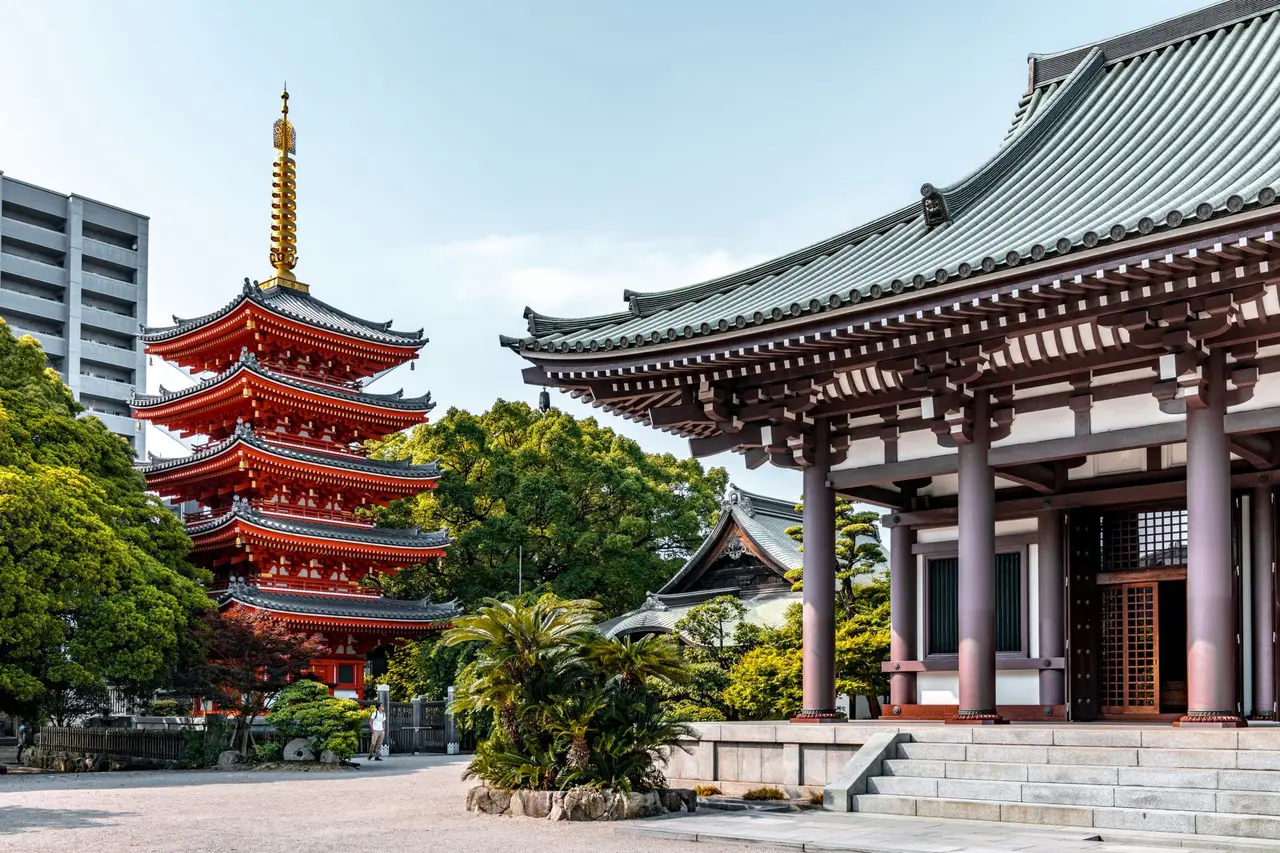
Admission is around ¥700 for adults, and I think that’s fair if you actually like cultural history. If you’re tired, hot, or museum-averse, save the money and head back to Fukuoka instead. That’s the cleaner choice.
Worth it if: You want a second stop in Dazaifu without making the day feel empty.
Skip if: You’re already ready for lunch and a nap back in the city.
My pick: I’d do the museum once, not every time.
2:00 p.m. — Back to Tenjin for an afternoon reset
From Dazaifu, I’d head back to Tenjin rather than trying to squeeze in another far-flung stop. The return trip takes about the same 35 to 45 minutes. Once back, I’d get coffee or a cold drink near the station and keep the rest of the afternoon easy. This is where Fukuoka’s walkability and transit start paying off again.
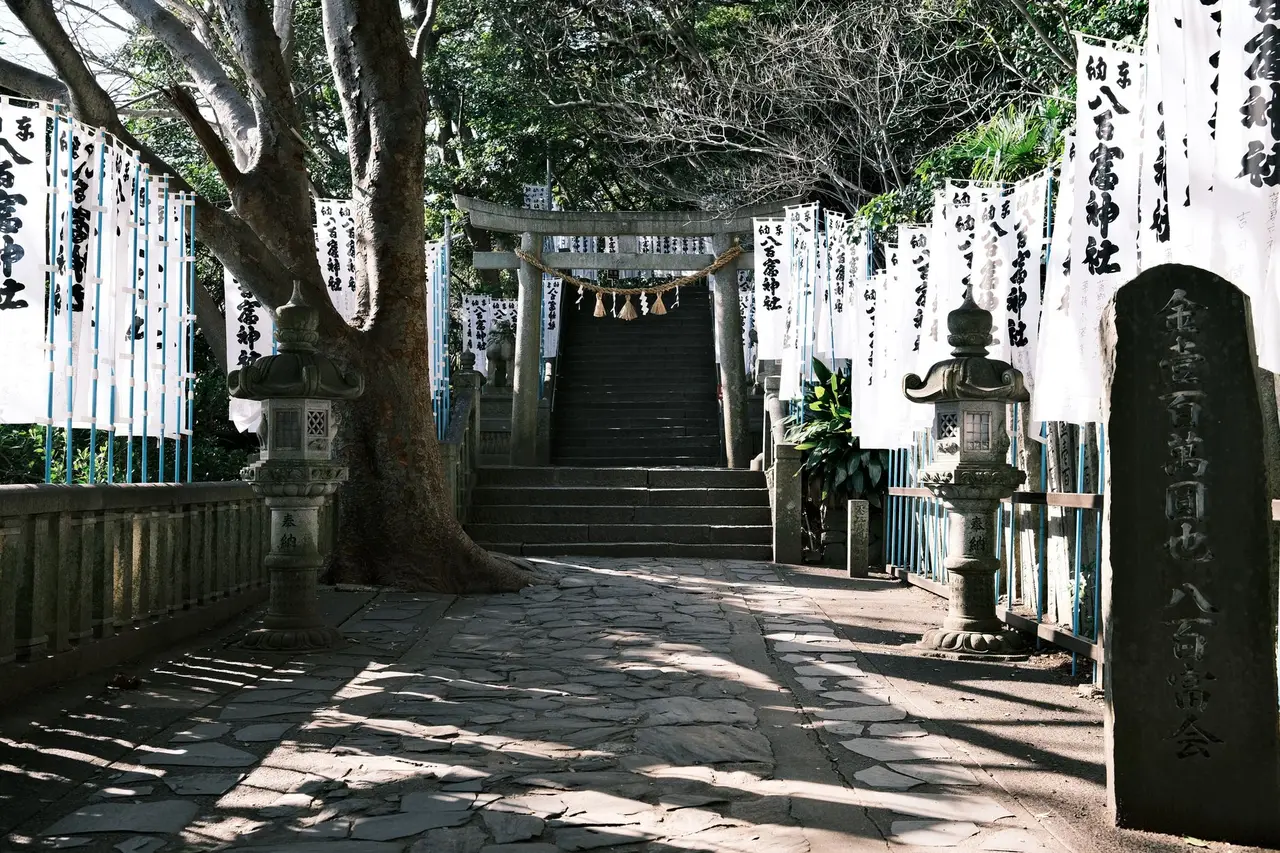
I’m not a fan of itineraries that pretend every day needs six major stops. This one doesn’t. The city works better when you leave room for a slow lunch or a random shop stop, because the transit is efficient enough that you don’t need to overbook the day.
Budget for Day 2: about $35-$80, depending on museum entry and how much you spend on snacks.
Day 3: Ohori Park, the Coast, and One Last Food Run
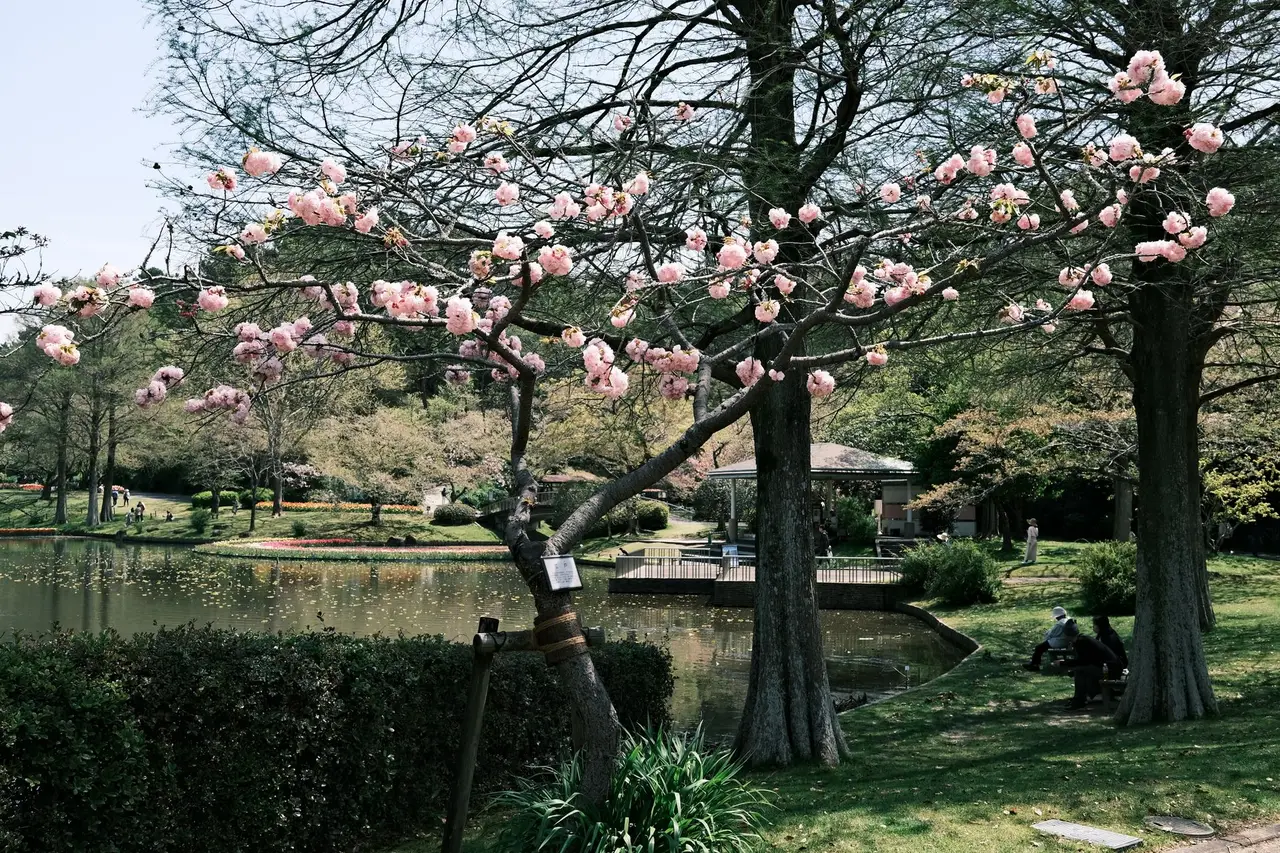
Day three is where I’d choose between green space and the waterfront depending on my energy. If I had only three days, I’d keep this day flexible but still anchored by a real plan. My version would be Ohori Park in the morning, a short stop at Fukuoka Castle ruins if I’m already nearby, then Momochi Seaside or a final food crawl later. It’s a good last day because it doesn’t require much effort to enjoy.
Best for: A slower final day with walking, water, and one last meal worth remembering.
Skip if: You hate open spaces or you’re leaving on an early train and need a tighter schedule.
My pick: Ohori Park first, because it gives the day some breathing room.
9:00 a.m. — Ohori Park and the loop walk
I’d start at Ohori Park before the sun gets annoying. The loop path around the lake is about 2 kilometers, and I spent around 40 minutes walking it at a slow pace with a coffee in hand. It’s not a destination that needs hype. It just works. There are benches, water views, and enough space that the city feels less crowded for a little while.
From Tenjin, the subway ride to Ohori Park Station is about 5 minutes and costs around ¥260. That’s the kind of move I like in Fukuoka: short, cheap, and useful. I’d rather pay that than get trapped in a taxi for no reason.
Worth it: Yes, especially in the morning when it’s still cool enough to walk.
Skip if: You’ve already done enough park time in other cities and want pure urban food stops.
My pick: I’d keep the park, even on a short trip.
10:00 a.m. — Fukuoka Castle ruins if you want a quick add-on
If you’re already at Ohori Park, I’d walk up to the Fukuoka Castle ruins only if you have extra energy. The climb is short, but it’s still a climb in summer. I did it once and was fine, but I wouldn’t build the day around it. The view is decent, the ruins are mostly about context, and the best part is that it doesn’t cost anything to wander through.
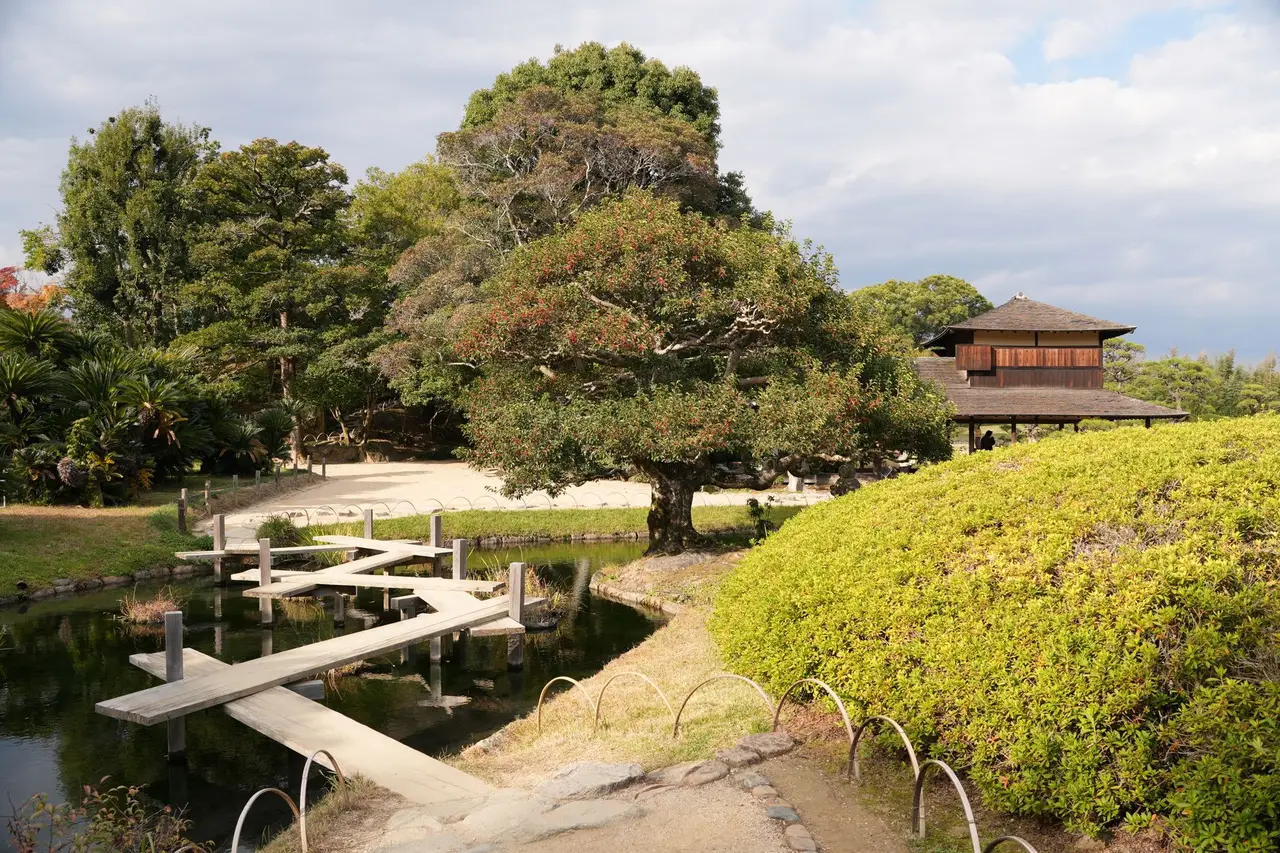
Skip if short on time: This is the first thing I’d cut from the whole three-day plan. The park is better value.
12:00 p.m. — Lunch in Tenjin or near the park
For lunch, I’d go back toward Tenjin and eat somewhere with a short wait. I paid about ¥1,300 for a set meal near the station on one of my lunches, and that felt like the right ceiling for a casual meal. The city has enough options that I wouldn’t waste time on a famous place if the queue was ugly.
If you want one last ramen bowl, do it here. If you want something lighter, I’d choose a rice bowl or tempura set. The point is to eat well without turning lunch into an event.
2:00 p.m. — Momochi Seaside and Tower area, only if you want a modern finish
I’d only go to Momochi if I wanted one last change of pace. From Tenjin, the subway to Nishijin or Tojinmachi is around 10 minutes and costs about ¥260, then it’s a walk or short bus ride to the waterfront. The beach itself isn’t the reason to go; the open space and the cleaner, newer city feel are. It’s fine. Not amazing. Fine.
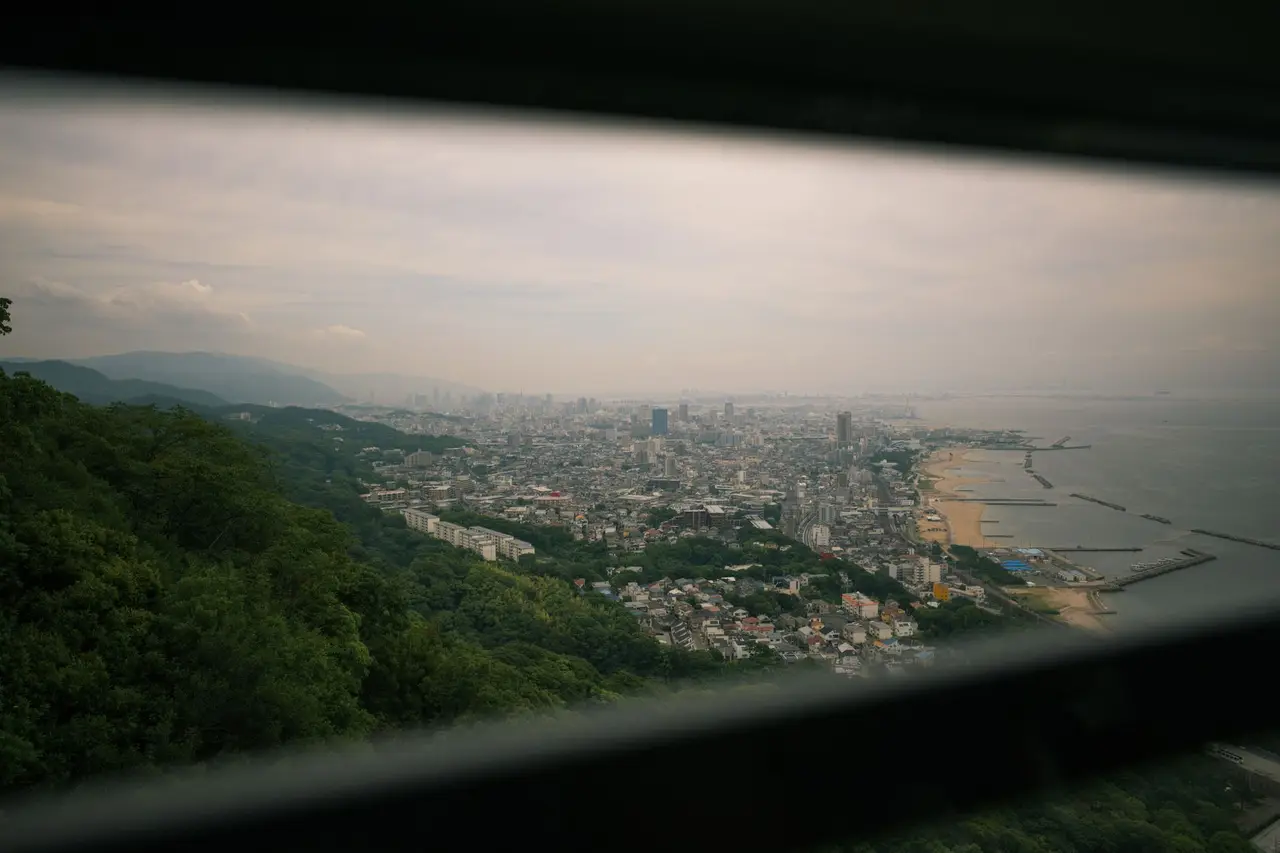
I expected Momochi to feel more like a must-see urban coast. It didn’t. It felt more like a decent place to walk off lunch than a place I’d build the whole afternoon around. That’s useful because it keeps expectations honest. I’d go if you want variety. I’d skip it if you’d rather spend the afternoon eating and shopping in Tenjin.
Worth it if: You want one non-temple, non-mall stop on your last day.
Skip if: You’re short on time or already feel done with city walking.
My pick: Optional, not essential. I’d only go if the weather is good and I’m not rushed.
5:30 p.m. — Final dinner in Tenjin
I’d end with dinner in Tenjin because it’s the best place to make a last-minute choice without wasting time. You can find noodles, curry, izakaya food, and smaller local spots around the station area. I spent about ¥1,500 on my last dinner and didn’t feel cheated, which is rare enough to mention. That’s the real Fukuoka advantage: decent meals don’t require a plan that starts three days ahead.
If I had to choose one food district for a short trip, I’d still pick Tenjin over chasing one famous place across town. Better walkability, easier transit, fewer wasted steps. The food is the point, but the location makes the food easier to enjoy.
Budget for Day 3: about $35-$95, depending on whether you add Momochi and how much you spend on dinner.
Cost Breakdown
Rough daily estimates from my own trip. Prices shift by season.
I almost booked a cheaper hotel farther from Hakata Station because the nightly rate looked better by about ¥2,000
That’s the mistake I’d warn myself about. I assumed a small price difference would stay small. It didn’t. Over three days, the extra walking and transit would have cost me more than the room savings, and I know myself well enough to say I would’ve complained the whole time.
Best for: Travelers who want to move around Fukuoka without wasting time on transfers.
Skip if: You don’t mind a commute and want the cheapest possible hotel.
My pick: Stay near Hakata or Tenjin. That choice matters more than one fancy dinner.
See all Fukuoka hotels on Agoda when you’re deciding between a cheaper outer-area hotel and a pricier central one — the location gap adds up fast over three days.
I wrote a more detailed breakdown in Is Fukuoka Worth Visiting — worth reading if you’re still deciding.
I compared the options in How Many Days In Fukuoka — useful if you haven’t booked yet.
If fukuoka mistakes first time visitors matters to your trip, my Fukuoka Mistakes First Time Visitors has the specifics.
I wrote a more detailed breakdown in Best Time To Visit Fukuoka — worth reading if you’re still deciding.
For a deeper look at neighborhoods, I covered this in my Best Neighborhoods In Fukuoka.
If fukuoka or osaka for first timers matters to your trip, my Fukuoka Or Osaka For First Timers has the specifics.
Transport Tips
I’d use the subway for almost everything in this trip. From Fukuoka Airport to Hakata is about 5 minutes and around ¥260, and Tenjin is roughly 11 minutes for about ¥260 as well. That’s why I keep saying the city is easy: the airport link is short, the station network is simple, and the rides are cheap enough that I never felt guilty using them.
For Dazaifu, the Nishitetsu route from Tenjin takes around 35 to 45 minutes and costs roughly ¥400 to ¥500. For Ohori Park, the subway from Tenjin is about 5 minutes and around ¥260. Those are the kinds of transfers that make a three-day Fukuoka itinerary feel smooth instead of rushed.
I wouldn’t rent a car for this route. Parking adds hassle, and the main stops work better by train and foot. If you stay near Hakata or Tenjin, you can keep the whole trip compact.
Where to Stay
I’d stay near Hakata Station if I’m arriving by train or plane and want the easiest logistics. I’d pick Tenjin if I care more about nightlife and shopping. Hakata wins for transit speed, while Tenjin is a little better for wandering on foot after dinner. For a 3-day trip, I’d still lean Hakata because the airport link is too easy to ignore.
For Fukuoka I used Agoda — they had the best rate for my dates.
Where I’d Actually Stay in Fukuoka

ORIENTAL HOTEL FUKUOKA HAKATA STATION
Fukuoka
★★★★☆

Grand STAY Hakata Station North
Fukuoka
★★★★☆

Dormy Inn Hakata Gion Natural Hot Spring
Fukuoka
★★★★☆
I pre-booked on Klook the night before — skipped the entire ticket line.
FAQ
Is three days enough for Fukuoka?
Yes, three days is enough for Fukuoka if you want a balanced trip with food, one cultural day trip, and time to walk the city without rushing. I’d use those three days for Hakata, Dazaifu, and one slower park or waterfront day. If you want deep museum time or multiple side trips, I’d add a fourth night.
Should I stay near Hakata or Tenjin?
I’d stay near Hakata if I’m arriving by train or plane and want the easiest logistics, and I’d pick Tenjin if I care more about nightlife and shopping. Hakata wins for transit speed, while Tenjin is a little better for wandering on foot after dinner. For a 3-day trip, I’d still lean Hakata because the airport link is too easy to ignore.
Do I need a car in Fukuoka?
No, I wouldn’t rent a car for a three-day Fukuoka trip. The subway, Nishitetsu trains, and walking cover the main spots well, and parking just adds hassle. I spent under ¥300 on most city rides, which is hard to beat.
Is Dazaifu worth half a day?
Yes, Dazaifu is worth half a day if you go early and keep your expectations sane. I’d treat it as a shrine-and-snack outing, not a giant attraction, because that’s where it works best. If you only have one full day in Fukuoka, I’d skip it and stay in the city.
What should I cut if I only have two days?
I’d cut Momochi first, then the Fukuoka Castle ruins if I needed to trim more. The park, Hakata food stop, and Dazaifu give you more value for the time than an extra scenic detour. Two days is enough to get a feel for the city, but not enough to do every optional stop without the trip getting sloppy.
 Emma Hayes