

12 minutes: that’s about how long it took me to realize Fukuoka is a city where location changes the whole trip. I dragged my bag through the heat, checked the station map twice, and paid ¥1,100 for a taxi once because I picked the wrong base the first time. I’d stay in Hakata for a first Fukuoka trip, and I’d only switch to Tenjin if I cared more about food-and-nightlife wandering than train convenience.
If you’re figuring out where to stay in Fukuoka for the first time, Hakata is the easiest first base. It fits first-timers, short stays, and anyone arriving with luggage or an early Shinkansen. Tenjin is the better alternative if you want a livelier evening area and don’t mind a little more walking. The main thing that matters here is not “which neighborhood is cute” — it’s how much time you want to waste moving between your hotel, the station, and dinner.
Quick answer: Stay in Hakata for your first Fukuoka trip unless you know you want Tenjin’s food, bars, and shopping. Hakata is the cleanest mix of transit, walkability, and low-friction arrival, while airport-side hotels only make sense for a brutally early flight. I’d expect about $70–$140/night in Hakata and $80–$160/night in Tenjin.
Hakata: the base I’d book again
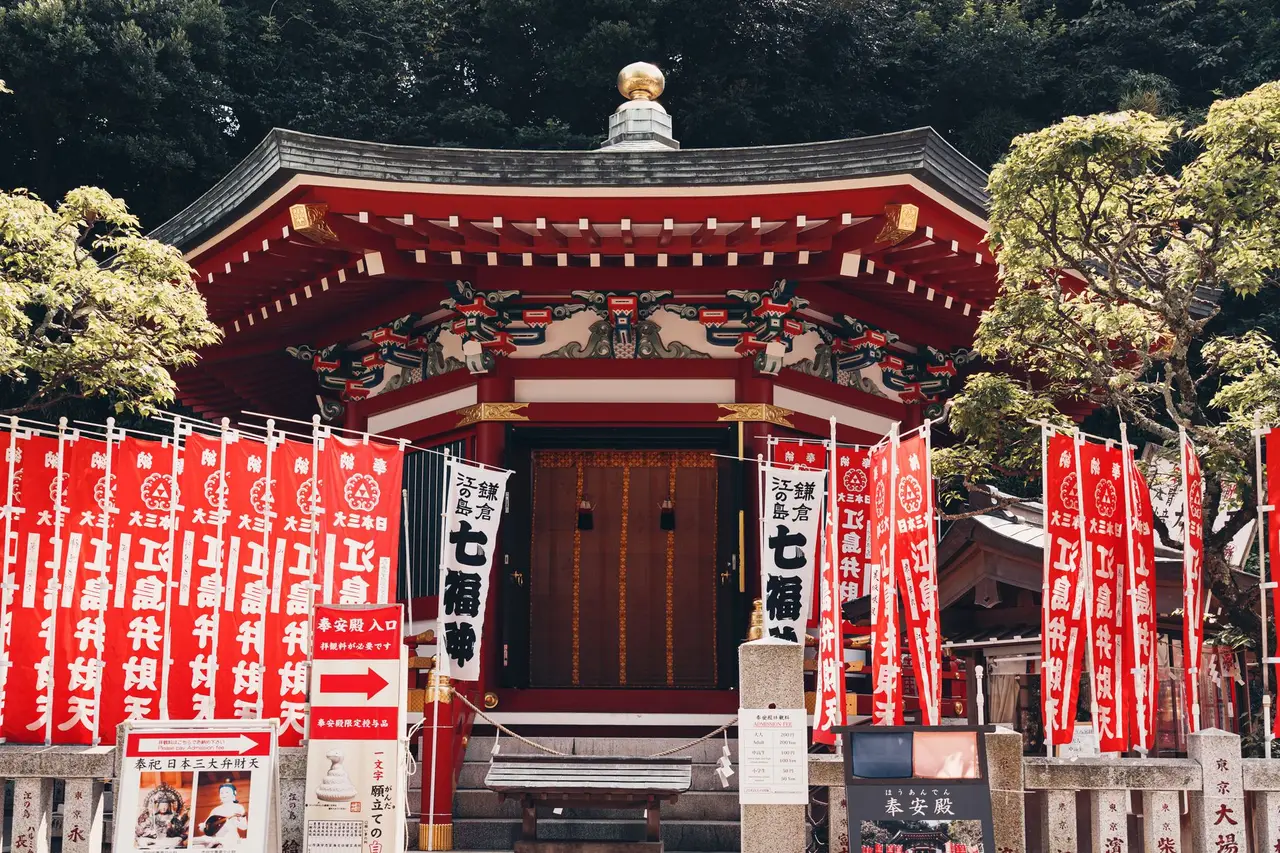
Best for: first-time visitors, train-heavy trips, day trips, and anyone arriving late.
Skip if: you want to step out of your hotel into a more local, nightlife-heavy street scene.
Main tradeoff: it’s efficient, not romantic. Fine by me.
Hakata is where I’d stay in Fukuoka first if I wanted the least annoying trip. I stayed close enough to Hakata Station that I could walk there in about 8 minutes, and that mattered more than I expected. The station area solves a lot: JR trains, subway access, airport connections, easy luggage handling, and enough food nearby that I never had to overthink dinner after a long day.
This is also the best place if you’re doing even one day trip. I took the subway and JR around the city, and not having to cross town just to get back to my room saved me time I’d rather spend eating. If I’d stayed in Tenjin instead, I’d have added roughly 10–15 minutes each way for some station transfers. That doesn’t sound like much until you do it three times in a day.
Budget-wise: I’d expect $70–$140/night here for a decent solo room or simple business hotel, with some cheaper capsule-style options closer to $35–$60/night. Food is easy to keep around $15–$25/day if you lean on ramen, convenience-store breakfasts, and one proper meal. I paid about ¥900 for a solid ramen bowl near the station and ¥160 for a drink from a vending machine when I was too lazy to wander farther.
The downside is simple: Hakata can feel a little too practical. You’re near everything, but not always in the part of the city where I’d want to hang around just for the vibe. Still, for a first trip, I think that’s a fair trade. I’d choose it again without thinking too hard.
Tenjin: better if you plan to stay out late
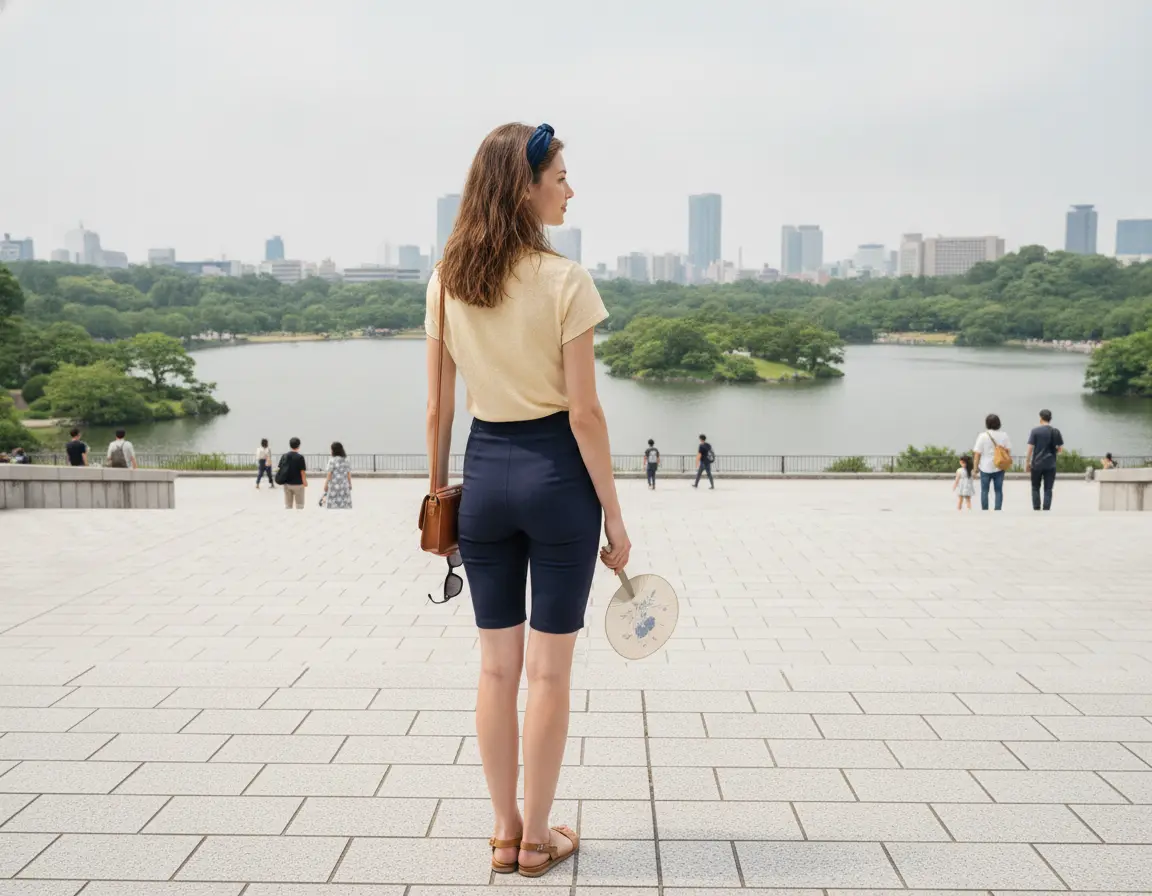
Best for: food-focused travelers, shopping, nightlife, and people who like walking out into a busier area.
See current Fukuoka hotel prices on Agoda →
Where I’d Actually Stay in Fukuoka

ORIENTAL HOTEL FUKUOKA HAKATA STATION
Fukuoka
★★★★☆

Grand STAY Hakata Station North
Fukuoka
★★★★☆

Dormy Inn Hakata Gion Natural Hot Spring
Fukuoka
★★★★☆
Skip if: you want the simplest possible arrival and departure routine.
Main tradeoff: more fun at street level, slightly less frictionless than Hakata for rail logistics.
Tenjin is the only area I’d seriously consider over Hakata for a first stay, and only for a certain kind of trip. The neighborhood has more going on once the sun drops, and I liked being able to wander into random ramen spots, cafes, and bars without planning much. I spent one evening around Tenjin after dinner and ended up buying a ¥500 dessert I didn’t need. That’s the kind of area it is.
But I wouldn’t pick it just because it sounds more interesting. The walk from some Tenjin hotels to the main station or subway points can be a little less direct than staying right by Hakata Station, and if you’re carrying luggage in hot weather, that matters. It’s not far-far. It’s just enough to be mildly annoying.
Budget-wise: expect about $80–$160/night here for a solid hotel, with a few cheaper business options and some higher-end places that climb fast on weekends. I paid more attention to room size than I usually do here because I knew I’d be in and out, and some of the cheaper rooms felt tight for the price. If the rate difference is only $10–$15, I’d still lean Hakata unless you know you want to spend evenings in Tenjin.
I also expected Tenjin to feel more chaotic than it did. It wasn’t a mess. It just felt busier in a way that made me want to keep moving instead of settling in. That’s useful if you like energy. It’s less useful if your goal is an easy base.
I compared the options in Best Things To Do In Fukuoka — useful if you haven’t booked yet.
For a deeper look at fukuoka itinerary 3 days, I covered this in my Fukuoka Itinerary 3 Days.
I compared the options in Fukuoka Airport To Fukuoka — useful if you haven’t booked yet.
For a deeper look at get, I covered this in my How To Get Around Fukuoka.
If things to do in fukuoka matters to your trip, my Things To Do In Fukuoka At Night has the specifics.
I compared the options in Fukuoka For Couples — useful if you haven’t booked yet.
I compared the options in Free Things To Do In Fukuoka — useful if you haven’t booked yet.
Nakasu: good for nightlife, not my first choice
Nakasu is the area people bring up when they want “central” without thinking through what that means at 1 a.m. I walked through it after dinner and got the point quickly: bright signs, a steady hum from the streets, and that riverfront air that never quite feels still. It makes sense if your night is the priority. Otherwise, I don’t love it.
If you’re deciding where to stay in fukuoka for the first time and you’re not specifically chasing nightlife, I’d pass. I thought Nakasu might be a clever compromise between Hakata and Tenjin. It wasn’t. It felt like a compromise in the bad sense: more noise than Hakata, less everyday usefulness than Tenjin.
Budget-wise, I’d expect around $75–$150/night, but I’d only pay that if the hotel itself was clearly better. The neighborhood advantage alone isn’t enough for me. I’d rather spend the same money in Hakata and sleep better.
Near Fukuoka Airport: only if your flight is the whole plan

I checked a few airport-area rates on my phone while standing in the heat outside arrivals, and they were only about $10
I’d only stay here if I had a very early departure or a late landing and wanted the simplest possible night. For anything longer, it feels like paying to be near the airport instead of near Fukuoka.
What I’d choose again after making one bad call
I made one dumb choice in Fukuoka: I picked a cheaper place based on the map and not the actual walk from the station. The listing looked fine, and I figured I’d be saving enough to justify it. Then I arrived in hot, sticky weather, with a bag on one shoulder and a fan in my hand, and the 20-minute detour felt longer than it should have. I spent ¥1,100 on a taxi the next day because I was done pretending the location was “close enough.”
The lesson was simple. For Fukuoka, I’d pay more for a base that cuts friction, especially on a short trip. The city is easy once you’re settled, but the wrong hotel adds tiny annoyances that stack up fast. That’s not dramatic. It’s just annoying in a very real way.
What I’d choose again: Hakata, because it made the whole trip smoother from arrival to checkout.
What I’d change: I’d pay extra only for a room within an easy walk of Hakata Station, not just “near” it on a booking map.
How much the location choice actually changes your trip
Staying in Hakata means you can get to the airport in around 10 minutes on the subway and move around the city without much planning. That matters if you’re doing a short trip or arriving tired. Staying in Tenjin means you’ll probably save a little time on food and evening wandering, but you’ll give up some of the station convenience that makes the first day easier.
Location consequence: choosing Tenjin over Hakata can add about 10–15 minutes to some train-heavy days, while choosing Hakata over Tenjin can save you that same time every time you’re handling luggage or transferring lines.
I spent one morning in a linen shirt, sunglasses on, already too warm by 9 a.m., and I was very glad my hotel was near the station. If I’d been farther out, I would’ve started the day irritated. That’s the kind of small thing that decides a base for me.
Rough daily estimates from my own trip. Prices shift by season.
What I’d do differently next time
I’d book closer to Hakata Station and stop trying to save $8 a night by moving one subway stop farther away. That math never works out once you add in tired legs, luggage, and one extra taxi. I’d also check room size more carefully. A cheap room can be fine, but a tiny room plus humid weather is a bad combo.
I’d keep Tenjin in mind only for a longer stay, when I had more time to wander at night and didn’t care as much about the airport-to-hotel routine. For a first visit, I’d still take Hakata. It’s the better base, and I don’t think that’s close.
Best for: first-time visitors who want the easiest, smartest Fukuoka base with the least transit hassle.
Skip if: you care more about nightlife and street energy than station access and simple arrivals.
Next time: I’d book Hakata again, but only within a short walk of the station and not for a “cheap enough” hotel that adds daily friction.
I expected Fukuoka’s neighborhoods to feel pretty similar, but what actually happened was that staying in the wrong area cost me ¥1,100 in a taxi ride and a whole morning of frustration before I moved to Hakata. The flip was realizing location here isn’t about vibes—it’s about whether you waste 15 minutes or 45 minutes getting anywhere. For a first trip, pick Hakata and save yourself the lesson I learned the hard way.
I usually book Fukuoka tours on Klook — the best time slots go fast, especially in peak season.
FAQ
Is Hakata better than Tenjin for a first Fukuoka trip?
Yes, I’d pick Hakata first. It’s the easier base if you’re arriving by train or plane and don’t want to spend your first day figuring out transit. Tenjin is the better pick only if you care more about evening wandering and restaurant options right outside your hotel.
Is Tenjin noisy at night?
Yes, parts of Tenjin can be noisy, especially around busier streets and late-night spots. I wouldn’t book there if I wanted an early, quiet sleep. If noise bothers you, Hakata is the safer choice and usually feels calmer after dinner.
Should I stay near Fukuoka Airport?
No, not for a normal sightseeing trip. I’d only do that for a very early flight or a one-night stopover, because the city is close enough that airport hotels give up too much convenience for too little gain. Most travelers will get more value from Hakata.
How much more is a good central hotel worth paying for?
I’d pay about $10–$20 more per night for a hotel that’s actually close to Hakata Station or in a part of Tenjin I’d use every day. That small gap can save you repeated taxi fares, extra walking, and a lot of annoyance with luggage. If the cheaper place is 15 minutes farther out, I usually skip it.
What area would you book if you only had two nights?
I’d book Hakata without hesitation. Two nights is short enough that easy arrivals, quick train access, and a simple dinner run matter more than atmosphere. Tenjin only starts to make sense if the trip is already leaning heavily toward food and nightlife.
 Emma Hayes