

I did this wrong the first time. I tried to treat Fukuoka like a quick food stop and packed too much into one day, which meant I spent more time on trains and in queue-y lunch spots than I should have. The city works better when you slow down just enough to let the neighborhoods do the work.
My answer is yes: I’d spend 2 to 3 days in Fukuoka, and I’d use this exact kind of itinerary if I wanted a city break that’s easy, walkable, and strong on food without feeling like a theme park. It’s best for travelers who like real neighborhoods, efficient transit, and cheap meals that don’t feel like a compromise. It’s not for people who want a packed temple checklist or a nonstop sightseeing sprint. The real question here is how much of Fukuoka you want to eat, walk, and repeat without wasting time. If you’re looking for the best things to do in Fukuoka, this is the version I’d actually follow.
Quick answer: Spend 2 full days in Fukuoka, or 3 if you want a slower coast morning. Start in Hakata, move to Tenjin, do Dazaifu early, and keep one evening open for yatai or a normal ramen shop. My budget ran roughly $55 to $90 a day before a nicer hotel.
Day by Day
Day 1: Hakata, Tenjin, and the easiest food-first start
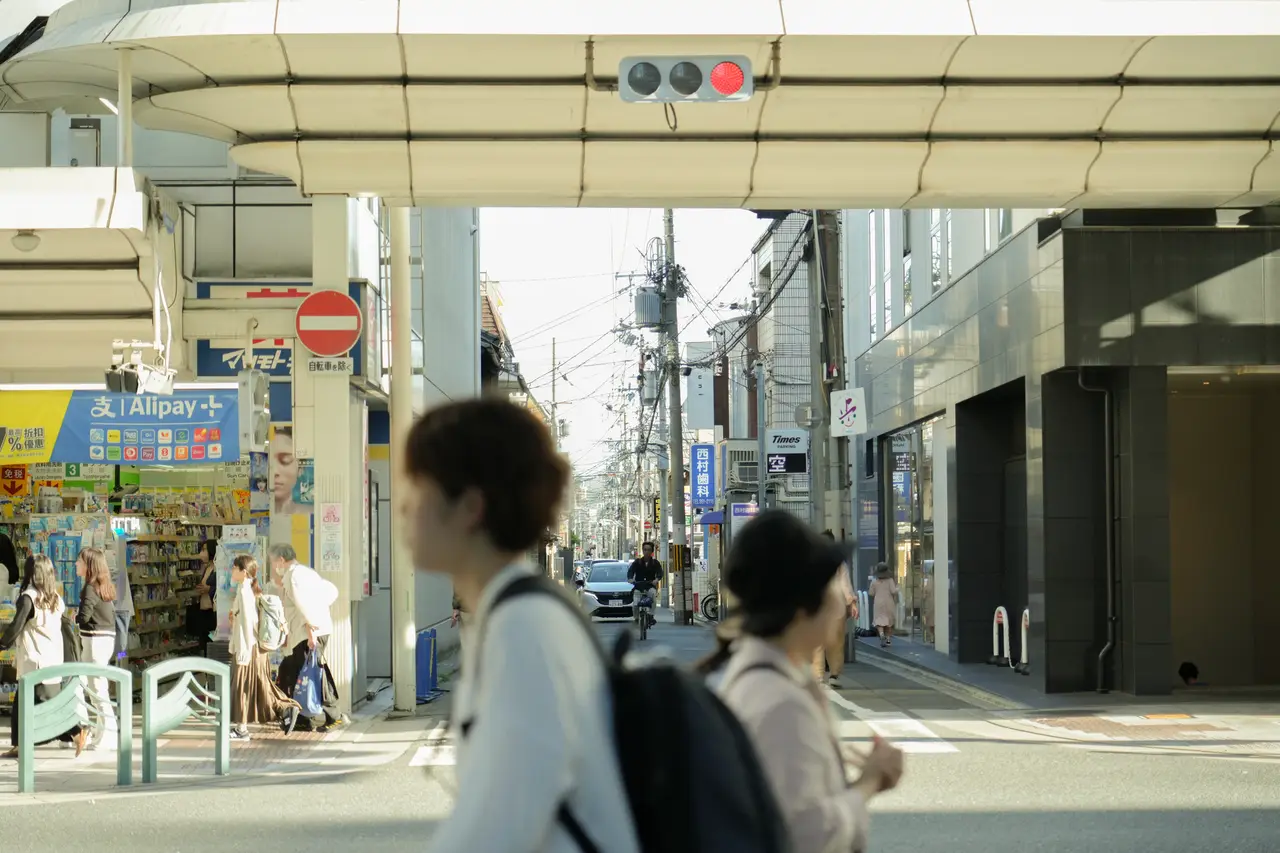
I’d start in Hakata because it makes the whole city feel less annoying. From Fukuoka Airport, the subway to Hakata Station takes about 5 minutes and costs around ¥260
My first stop would be Hakata Station itself, not because the building is exciting, but because it solves the arrival problem fast. I bought a coffee and a sandwich at a station convenience store once because I was too early for lunch, and that was honestly smarter than waiting around hungry. The station area is useful, not memorable. Worth it if you’re arriving with luggage and want to get organized fast.
From Hakata Station, I’d walk or take the subway 1 stop to Tenjin, depending on where I was staying. The subway ride is about 3 minutes and around ¥210
Tenjin is where I’d actually spend time. I’d use it for lunch, a little shopping, and a slow wander through the underground passageways when the heat gets annoying. I paid ¥1,200 for a simple lunch set near Tenjin and didn’t feel ripped off, which is rare enough to mention. If you want local food without the performance, this is the area to do it. Skip the places with English menus and fake “local” branding plastered outside.
For lunch, I’d go for Hakata ramen or mentaiko rice somewhere straightforward near Tenjin or Hakata. I’m not impressed by ramen spots with 40-minute lines unless the bowl is doing something unusual. Fukuoka has enough decent options that I wouldn’t wait that long. A bowl usually runs around ¥800 to ¥1,200, and that’s fair.
After lunch, I’d head to Ohori Park by subway. From Tenjin to Ohori Koen Station, it’s about 5 minutes and around ¥210. The park itself is free, and that’s part of why I like it. It’s not a dramatic attraction. It’s a good reset. I walked the lakeside path for maybe 40 minutes and used it as a break between food stops, which is exactly how I’d use it again.
Best for: First-day arrivals who want low stress and a real meal before sightseeing.
Skip if: You only have one day and want temples or a bigger day trip instead.
My pick: Hakata first, Tenjin second, Ohori Park in the afternoon. That order saved me time and kept me from zigzagging across the city.
Day 2: Dazaifu and a night that’s better than it sounds
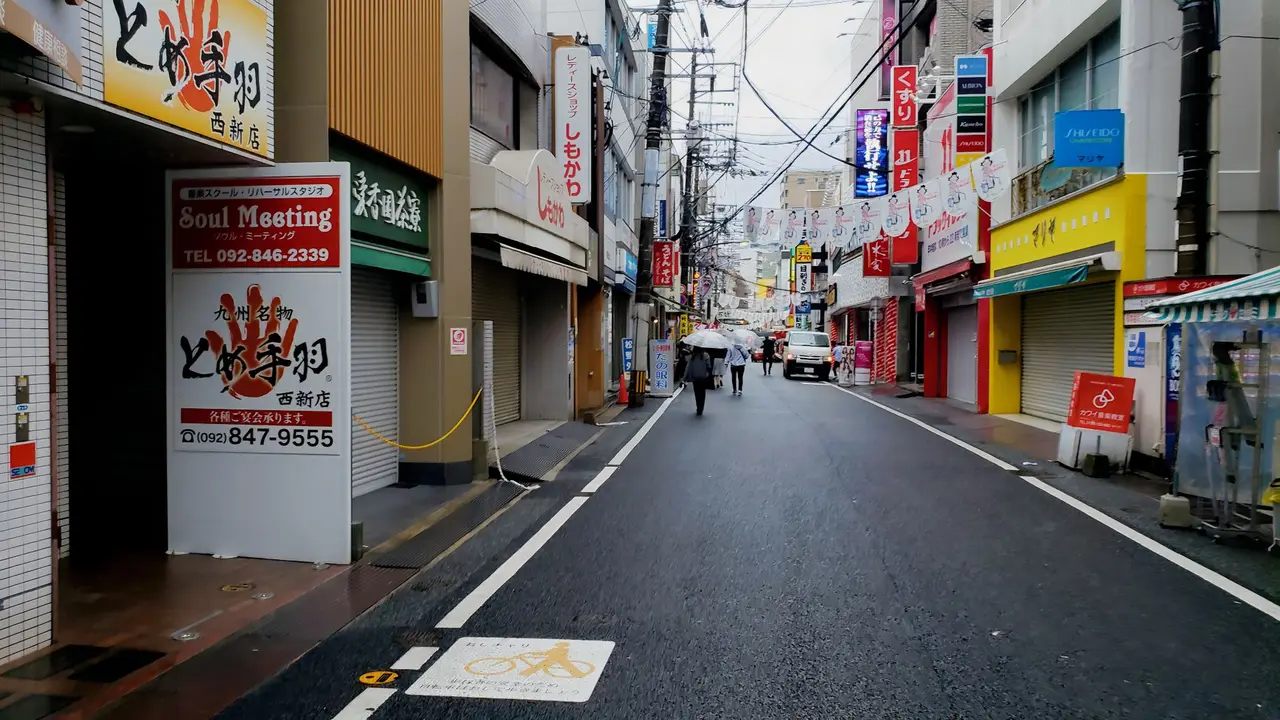
I thought Dazaifu would feel overdone. It kind of does in the busiest hour, but I still think it’s worth the half-day if you go early and don’t pretend it’s some secret cultural escape. From Tenjin, I took the Nishitetsu train to Dazaifu Station via Nishitetsu Fukuoka (Tenjin), which took about 35-40 minutes total and cost around ¥400 one way. That’s the move I’d repeat. It’s simple, and the station connection is easy enough that I didn’t have to think about it twice.
From Dazaifu Station, the walk to Dazaifu Tenmangu Shrine is about 5 minutes. I got there before the worst of the crowd and still saw enough people to know I’d hate it later in the day. The shrine grounds are free, and the main tradeoff is this: you’re paying with time, not money. Worth it if you go early. Skip it if you hate places that get busy fast and start to feel staged by lunch.
The famous approach street has snacks and souvenirs, but I’d keep my spending tight there. I bought a plum mochi for about ¥200 and a soft-serve for around ¥400, and both were fine. Fine, not life-changing. The better part was actually the walk itself, not the shopping. That’s why I wouldn’t build the whole day around eating here. The food is decent, but it’s not the reason to come.
Here’s where my expectation was wrong. I assumed Dazaifu would be the most interesting part of the day, and it wasn’t. The shrine was calmer than I expected in the morning, but the surrounding street felt more like a tourist funnel than a neighborhood. I still think the visit is worth it because the train ride is short and the cost is low, but I wouldn’t stretch it into a full-day outing unless I was combining it with something else nearby.
Back in the city, I’d spend the evening around Nakasu or Tenjin for dinner and maybe yatai if I wanted the classic Fukuoka night scene. I’m not a huge street-food romantic when it means waiting around for a seat, but I did try it once because I wanted to see if it matched the hype. I waited about 25 minutes for a spot and paid roughly ¥900 for a simple noodle dish and a drink. The verdict: worth it once, only if you’re okay with some waiting and a slightly awkward seating shuffle. I would not build my whole night around it.
If yatai is slammed, I’d eat at a normal ramen shop instead. The city has plenty of them, and the math usually works out better. A good bowl plus a side dish often costs less than a “scene” meal at the stalls, and I’d rather spend my money on something I actually enjoy than on the idea of having been there.
Best for: Travelers who want one easy side trip and a recognizable Fukuoka evening.
Skip if: You’re trying to avoid crowds or don’t care about the famous shrine-and-stall combo.
My pick: Dazaifu in the morning, city dinner at night. That split gives you the value without turning the day into a slog.
Day 3: The coast, parks, and the slower version of Fukuoka
If I had a third day, I’d stop trying to “cover” the city and just make it more local. I’d pick the coast or another easy outdoor area, then leave the afternoon open. Fukuoka is not a city that rewards overplanning. It rewards being near the right station and not making dumb timing decisions.
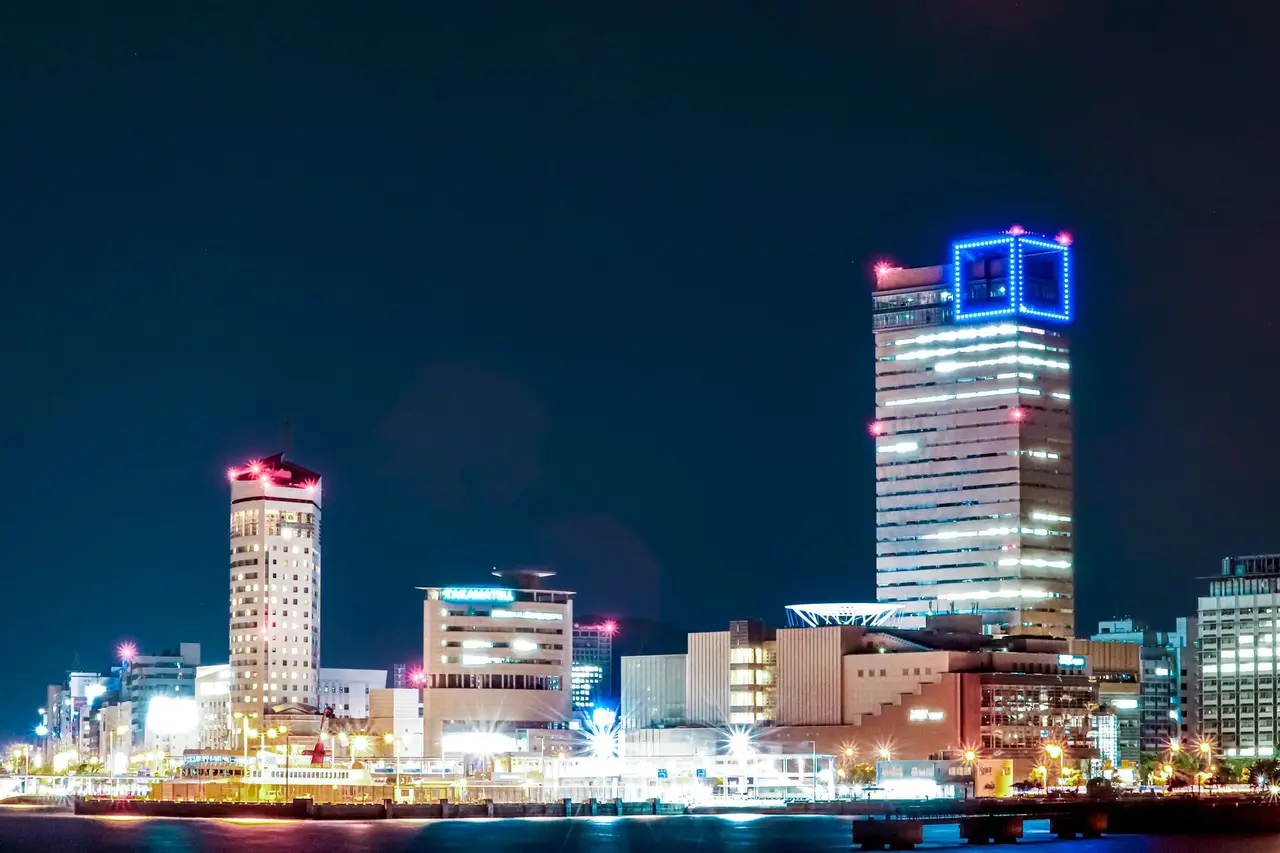
My favorite low-effort option is Momochi Seaside Park and the area around Fukuoka Tower. From Tenjin, the subway and short walk take about 20-25 minutes total, and the fare is around ¥260 to ¥300 depending on the route. I’d go in the morning or late afternoon, because midday heat makes the open areas feel a little too exposed. The beach itself is more of a city beach than a dramatic coastal stop, so I wouldn’t sell it as a big scenic moment. It’s a decent place to walk, sit, and take a break.
I expected Fukuoka Tower to be more compelling than it was. I went because it’s one of those easy “city landmark” stops, and I left thinking the money would have been better spent on dinner. Entry is usually around ¥1,000, give or take seasonal pricing, and the view is fine. Not bad. Just not worth a special trip if your time is short. The outside area around Momochi was more useful to me than the tower itself.
If I were hungry out there, I’d eat at a casual café or a simple set-meal place near the station rather than searching for something fancy by the waterfront. I paid around ¥1,300 for a lunch plate near the area once, and that felt right for the setting. The whole point of this day is to keep things easy. No long lines. No guided bus tour nonsense. Just a slower pace and less transit friction.
Another good option is Uminonakamichi if you want more green space and don’t mind a longer half-day. It takes more time to reach, so I’d only choose it if I had a real third day and wanted something more open than the city parks. I didn’t do it on my shortest trip because the commute didn’t line up with how much time I had. That’s the tradeoff with Fukuoka side trips: they’re easy, but not all equally efficient.
Best for: People who need one slower day after the food-heavy city core.
Skip if: You only have two days and want to keep the itinerary tight.
My pick: Momochi over Fukuoka Tower. The area gave me more value than the ticket did.
Cost Breakdown

Rough daily estimates from my own trip. Prices shift by season.
I wrote a more detailed breakdown in Is Fukuoka Worth Visiting — worth reading if you’re still deciding.
I compared the options in How Many Days In Fukuoka — useful if you haven’t booked yet.
I wrote a more detailed breakdown in Fukuoka Mistakes First Time Visitors — worth reading if you’re still deciding.
I compared the options in Best Time To Visit Fukuoka — useful if you haven’t booked yet.
If neighborhoods matters to your trip, my Best Neighborhoods In Fukuoka has the specifics.
Transport Tips
I’d use the subway more than anything else. Fukuoka’s network is small enough that I didn’t feel punished for not renting anything or taking taxis everywhere. From the airport to Hakata, from Hakata to Tenjin, from Tenjin to Ohori Park, and from Tenjin out to Dazaifu, the transit was clean and predictable. That’s the whole trick.
My biggest mistake was assuming I could squeeze too much into one day and still keep it relaxed. I tried to stack Hakata, Tenjin, Ohori Park, and a big dinner stop all in one afternoon, and I ended up walking in circles because I hadn’t planned the order properly. The cost wasn’t huge — maybe an extra ¥600 to ¥800 in fares and a chunk of energy — but the real loss was time. I missed the point of the city for a few hours, which is a dumb way to travel. Now I’d group spots by station and stop pretending a tight schedule makes a trip better.
For solo travelers, this city is easy. For couples or friends, it’s still easy. The difference is mostly how much you care about eating at specific spots. If that’s your priority, book around meal timing. If not, keep the day loose and let the next train be the plan.
Best for: Anyone who wants a city break without complicated logistics.
Skip if: You need constant sightseeing to feel like the day counted.
My pick: Subway first, walking second, taxis only when I’m tired or carrying too much.
Where to Stay
I’d book my first night closer to Hakata or Tenjin, not somewhere “slightly cheaper” that adds 15-20 minutes of back-and-forth. I did the math once and realized the savings were tiny compared with the time I lost. That math never works out the way you hope it will.
For Fukuoka I used Agoda — they had the best rate for my dates.
Where I’d Actually Stay in Fukuoka

Dormy Inn Hakata Gion Natural Hot Spring
Fukuoka
★★★★☆

Mitsui Garden Hotel Fukuoka Gion
Fukuoka
★★★★☆

HOTEL ORIGO HAKATA – Gion –
Fukuoka
★★★★☆
I’d also skip one of the famous snack stops and just eat a better normal dinner instead. I spent too much mental energy deciding between two average options because I thought I needed to try everything. I didn’t. Fukuoka is better when I stop treating it like a checklist.
And I’d keep one evening completely open. I liked the nights in Tenjin best when I wasn’t rushing from a shrine to a stall to a station. That slower version felt more like the real city.
I pre-booked on Klook the night before — skipped the entire ticket line.
FAQ
Is Fukuoka good for a short trip?
Yes, Fukuoka is very good for a short trip. I think 2 full days is enough to get a feel for the city without rushing every meal and train ride. If you only have 24 hours, I’d focus on Hakata, Tenjin, and one easy food stop instead of trying to do everything.
Do I need a car to get around Fukuoka?
No, I wouldn’t rent a car for a normal city trip. The subway and trains handle the useful stuff well, and most of the places I’d actually go are easy to reach from Hakata or Tenjin. A car only starts making sense if you’re doing more spread-out Kyushu day trips.
Is Dazaifu worth the half-day?
Yes, Dazaifu is worth it if you go early and keep expectations realistic. I’d go for the shrine, the short train ride, and a snack, not for some deep cultural day. If you hate busy approach streets, I’d skip it and spend the time in the city instead.
Where should I stay if I want the easiest Fukuoka itinerary?
I’d stay near Hakata or Tenjin. That puts you close to the airport, the subway, and the food areas I’d actually use, which saves more time than a slightly cheaper hotel farther out. I’d pay the extra if it cut 15 to 20 minutes off my daily commute.
Are yatai stalls worth eating at?
Yes, but only once or twice. I waited about 25 minutes for a seat and paid around ¥900 for a simple meal, which was fine for the experience but not cheaper or faster than a normal ramen shop. If your schedule is tight, I’d eat elsewhere and skip the queue.
 Emma Hayes