

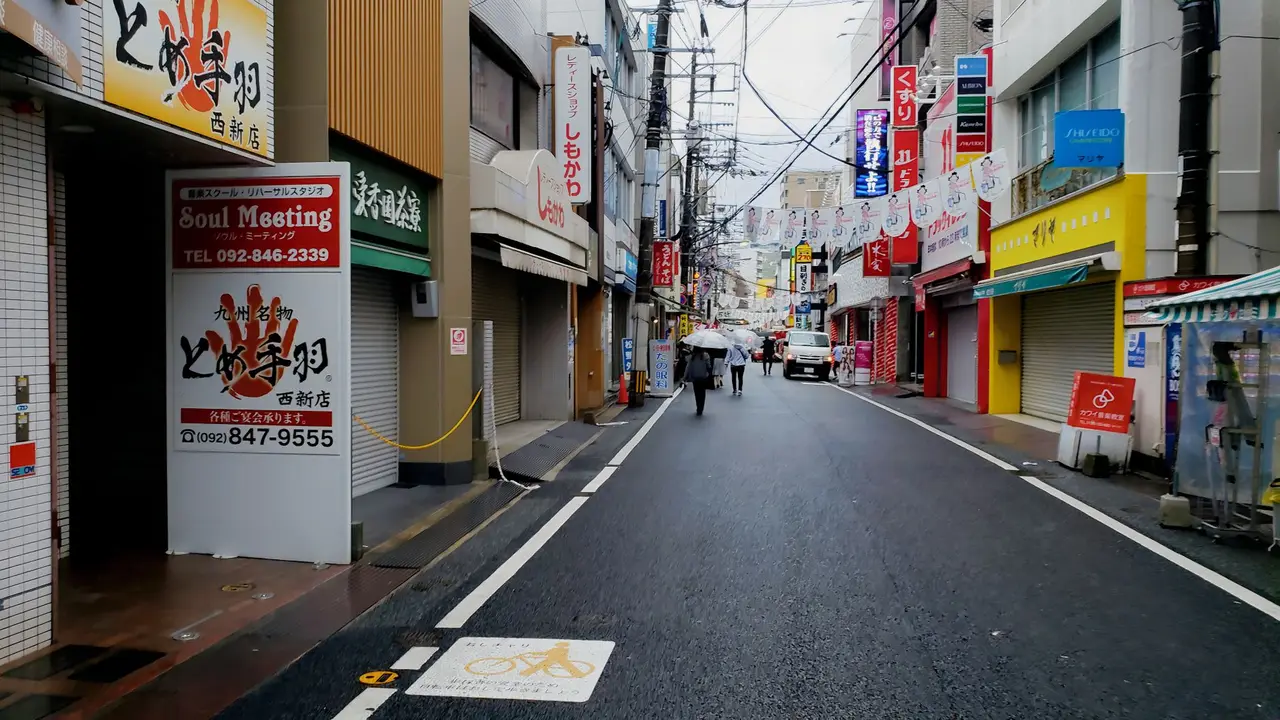
I almost blew my first morning in Fukuoka by wandering around Tenjin with no plan and a melting bottle of water. The city was already hot — around 30°C by late morning — and I kept ducking into convenience stores just to cool down. I fixed it by building a day around parks, shrines, waterfront walks, and cheap food I could grab on the move.
Yes, Fukuoka works really well for free sightseeing, and it’s one of the easier big Japanese cities for free things to do in Fukuoka without feeling deprived. I’d do this itinerary if I wanted a low-cost city day with enough structure to avoid wasting time, and I’d skip it only if I had very little energy and wanted to spend the whole day in one neighborhood. What matters most here is transit efficiency: Fukuoka is spread out just enough that a smart route saves you from paying for constant backtracking.
Quick Answer: Fukuoka is one of the easiest big Japanese cities to do cheaply without feeling deprived. My best free route is Tenjin, Ohori Park, Maizuru Park, Kushida Shrine, and the riverfront, with paid extras kept optional.
Day by Day
Day 1: Tenjin, Ohori Park, and the easiest free city day

I’d start in Tenjin because it solves the boring part of travel first: getting oriented without spending money. The area around Tenjin Station is busy, but it’s also useful, and I like useful more than pretty when I’m still figuring out a city. I walked out of the station, checked my map twice, and still found the route easy enough that I didn’t need to pay for a taxi or waste time circling blocks.
Best for: first-time visitors who want a free day that still feels like a real city day.
Skip if: you hate urban walking and want temples or nature only.
My pick: Tenjin first, because it keeps the rest of the day simple.
8:30 a.m. — Walk Tenjin Central Park and the river area
From Tenjin Station, I’d walk to Tenjin Central Park first. It’s free, it’s close, and it gives you a good reset before the rest of the day. The walk from the station area took me about 10 minutes, and I liked that I could just stand under the trees for a minute without buying anything. That sounds small, but in humid weather, small counts.

After that, I’d wander toward the Naka River side streets for 30 to 40 minutes. There’s no entry fee, no line, and no pressure. It’s not a dramatic stop, and that’s the point. I’d call it worth it only because it gives you a clean transition into the rest of the itinerary.
Worth it if: you want an easy, free start without committing to a museum or tour.
Skip if: you’re short on time and would rather go straight to the park.
9:30 a.m. — Head to Ohori Park and the Japanese Garden area
From Tenjin Station to Ohori Park, I’d take the subway from Tenjin to Ohorikoen Station. It’s about 5 minutes on the Kuko Line and usually costs around ¥200
Ohori Park itself is free, and this is the part I’d actually build the day around. The wide paths, water views, and open space make it one of the easiest places in Fukuoka to slow down without spending money. I sat on a bench for about 20 minutes with a cold drink from a nearby vending machine, which cost me ¥160 and felt like a better use of money than any souvenir would have.
The Japanese Garden inside the park costs money, usually around ¥250
Best for: people who want a calm, low-cost middle of the day.
Skip if: you’re trying to keep the itinerary 100% free and don’t care about garden design.
My pick: the park, not the paid garden. The free loop gives better value.
11:30 a.m. — Walk to Maizuru Park and the castle ruins
From Ohori Park, Maizuru Park is about a 10 to 15 minute walk, depending on how slowly you move in the heat. The castle ruins are free to walk around, and that’s the useful part. I expected the area to feel more dramatic than it did. It didn’t. The stone walls and remaining structures are interesting, but the real win is the park itself, not the idea of a castle.
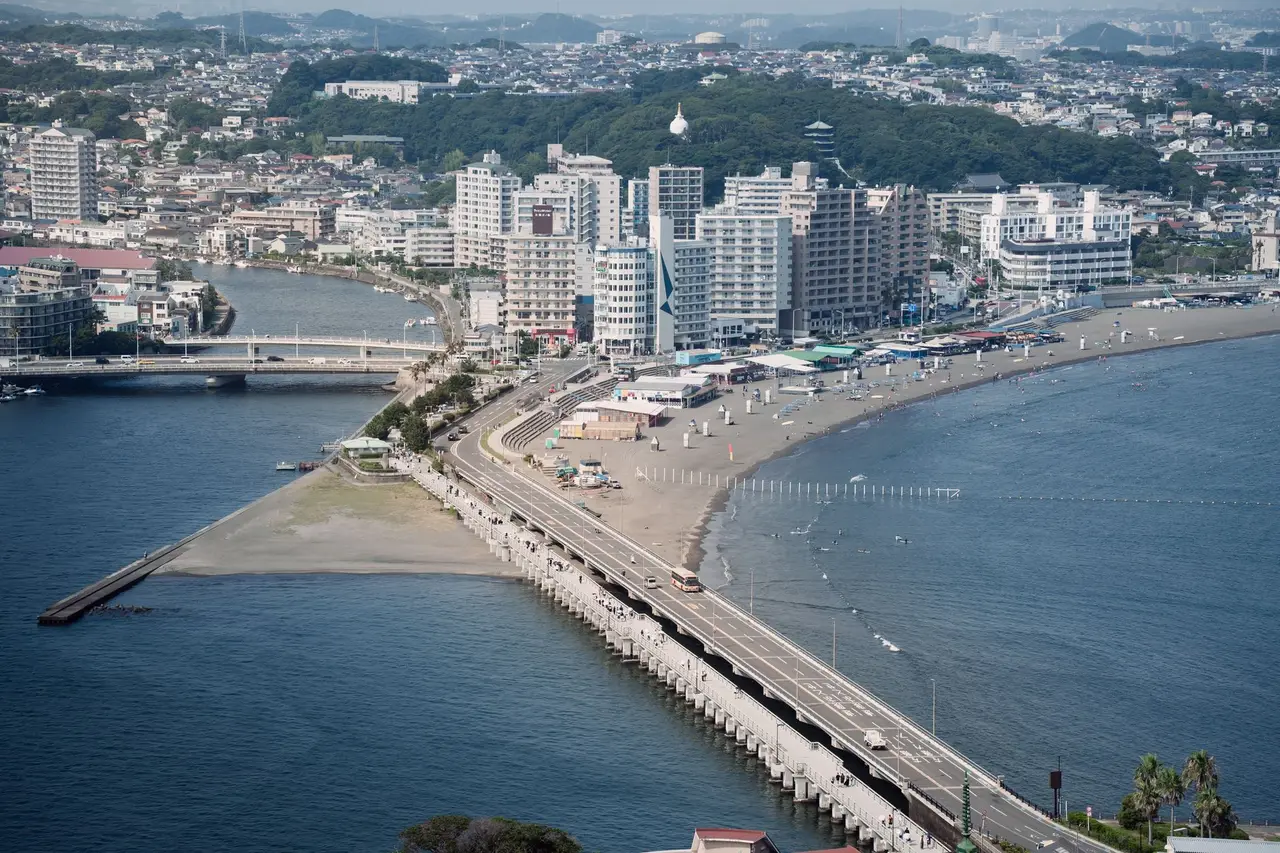
I’d spend 45 minutes here, maybe an hour if I wanted a slower pace. There’s no reason to rush. The upside is that it pairs well with Ohori Park, so you’re not paying for transport twice just to see a second green space that’s already in the same part of town. The downside is that it’s not especially rich in things to do if you’re looking for a big historic site. Useful, not memorable. That’s my honest read.
Worth it if: you’re already in the area and want another free walk.
Skip if: you only care about major landmark energy and want to cut straight to food.
Verdict: I’d do Ohori and Maizuru together. Separately, they’re mild. Combined, they make a solid free half day.
Lunch: cheap food near Tenjin or Ohori, not a sit-down splurge
I wouldn’t waste this day on a long lunch. I’d grab something simple near the station or a combini meal and keep moving. On my own trip, I paid about ¥620 for an onigiri set and tea at a convenience store because I didn’t want to sit in a restaurant for 45 minutes and miss the daylight part of the itinerary. That was the right call.
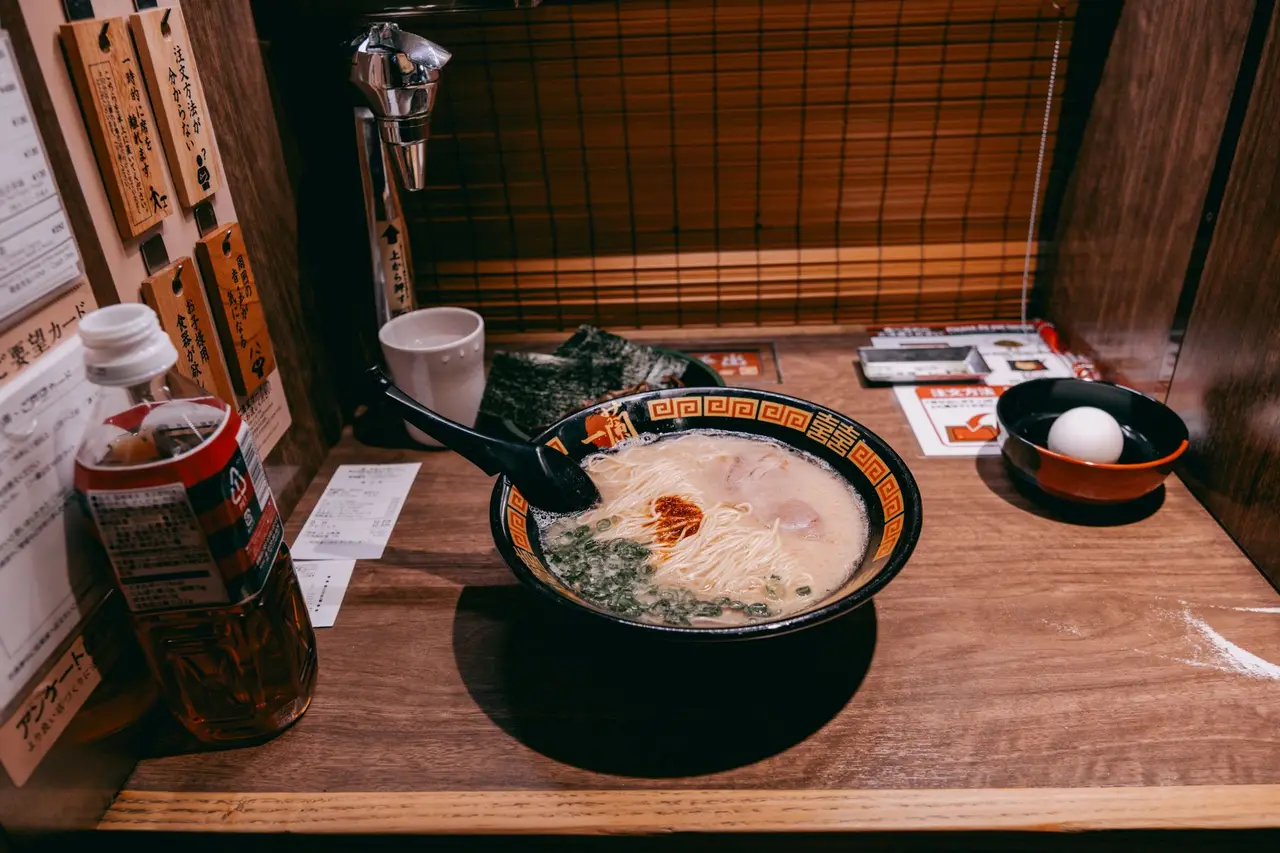
If you want something more local without blowing the budget, Tenjin has plenty of affordable noodle shops and casual lunch counters around the station exits. I’d budget $6 to $12 for lunch if I wanted to stay cheap but not miserable. The free itinerary works better when you don’t treat meals like a separate project.
Best for: travelers who want to keep the day moving.
Skip if: you’re the type who wants a long, fancy lunch between every stop.
Day 2: Shrines, canal-side walking, and the parts of Fukuoka that don’t feel staged
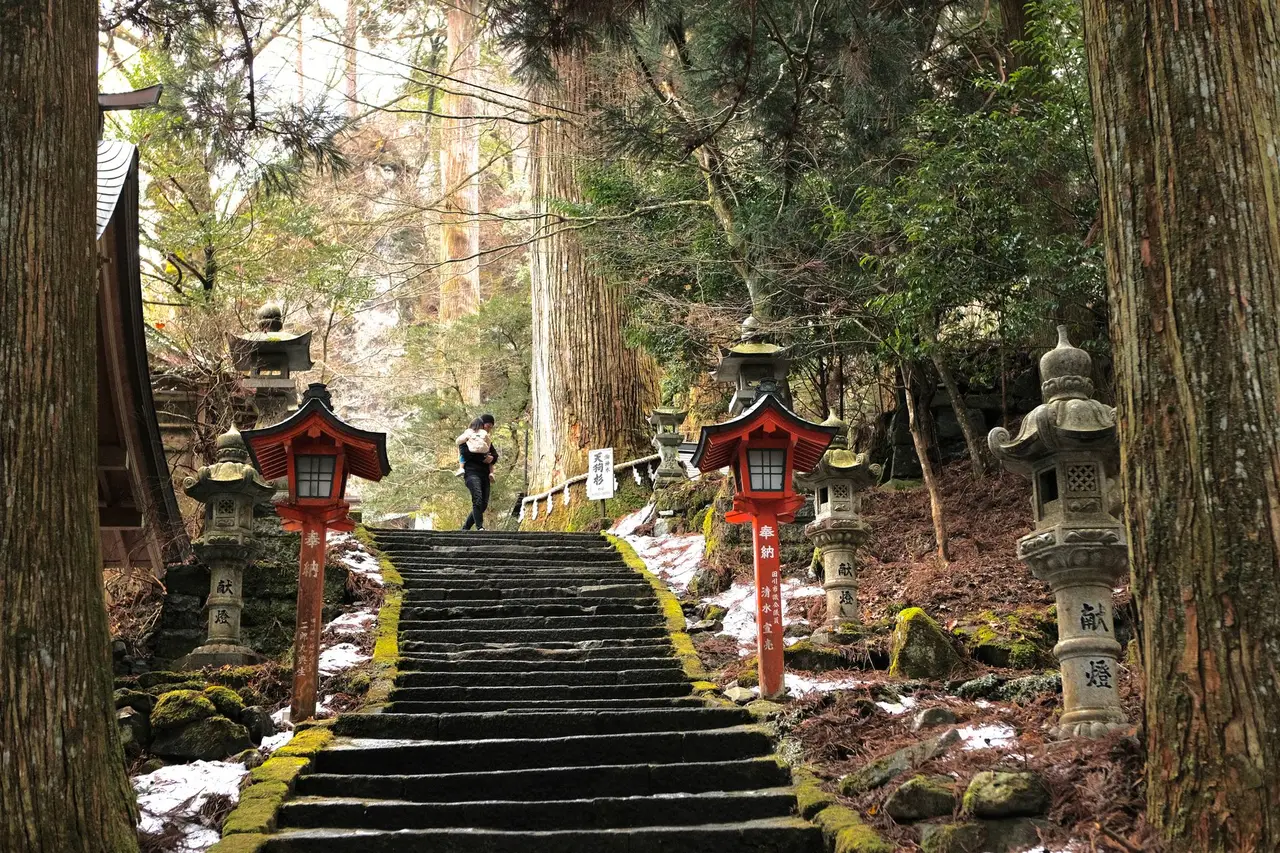
For a second day, I’d shift south and east a little, because repeating Tenjin all day gets old fast. Fukuoka’s better when you move through it in pieces instead of trying to “cover” it like a checklist city. I like that this route gives you a shrine, a waterfront walk, and a neighborhood food stop without requiring any paid attraction at all.
Best for: travelers who want something quieter than Tenjin but still easy to follow.
Skip if: you only have half a day and need to stay in one area.
My pick: this is the best free day if you want a little more character.
8:30 a.m. — Kushida Shrine before the crowds build
I’d go to Kushida Shrine early, before the area gets busier and before the heat starts pressing down. From Hakata Station, it’s about a 15-minute walk, or you can take the subway to Nakasu-Kawabata and walk around 8 minutes. Entry is free, and that alone makes it worth a stop if you’re already in the city center.
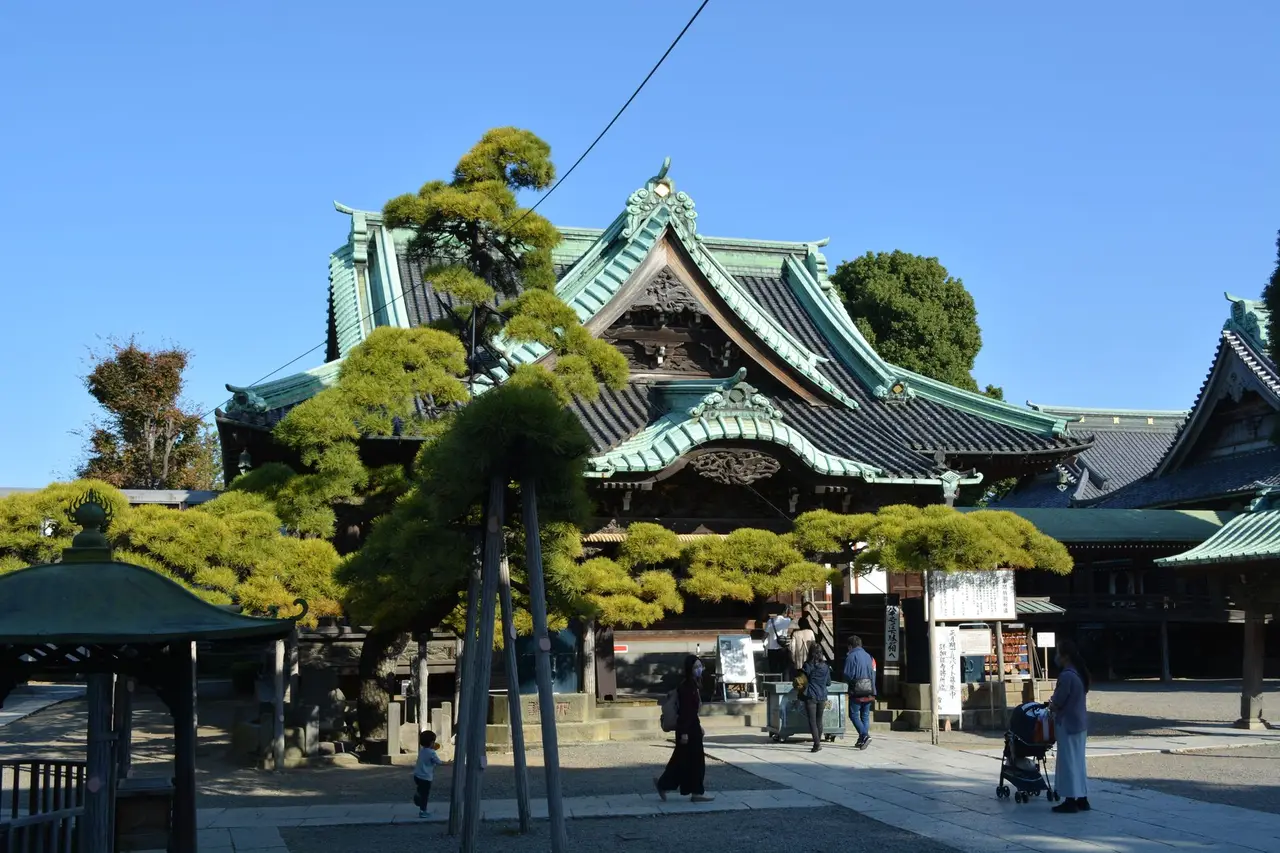
I spent about 25 minutes here and didn’t feel like I needed more. The place is compact, and that’s part of why it works. I’ve seen travelers overstay small shrines because they think every stop has to become a two-hour event. It doesn’t. This one is better as a calm start than as a major attraction.
Worth it if: you’re near Hakata and want a free cultural stop that doesn’t eat the morning.
Skip if: you’re trying to build a nature-heavy day instead.
9:15 a.m. — Walk through Hakata old streets and along the canal area
From Kushida Shrine, I’d walk toward the canal and older streets around Hakata for 30 to 40 minutes. This isn’t a polished sightseeing zone, which I actually prefer. It feels lived-in. I’d stop for photos only when something looked naturally interesting, not because every corner begged for one. That’s partly why I liked it.
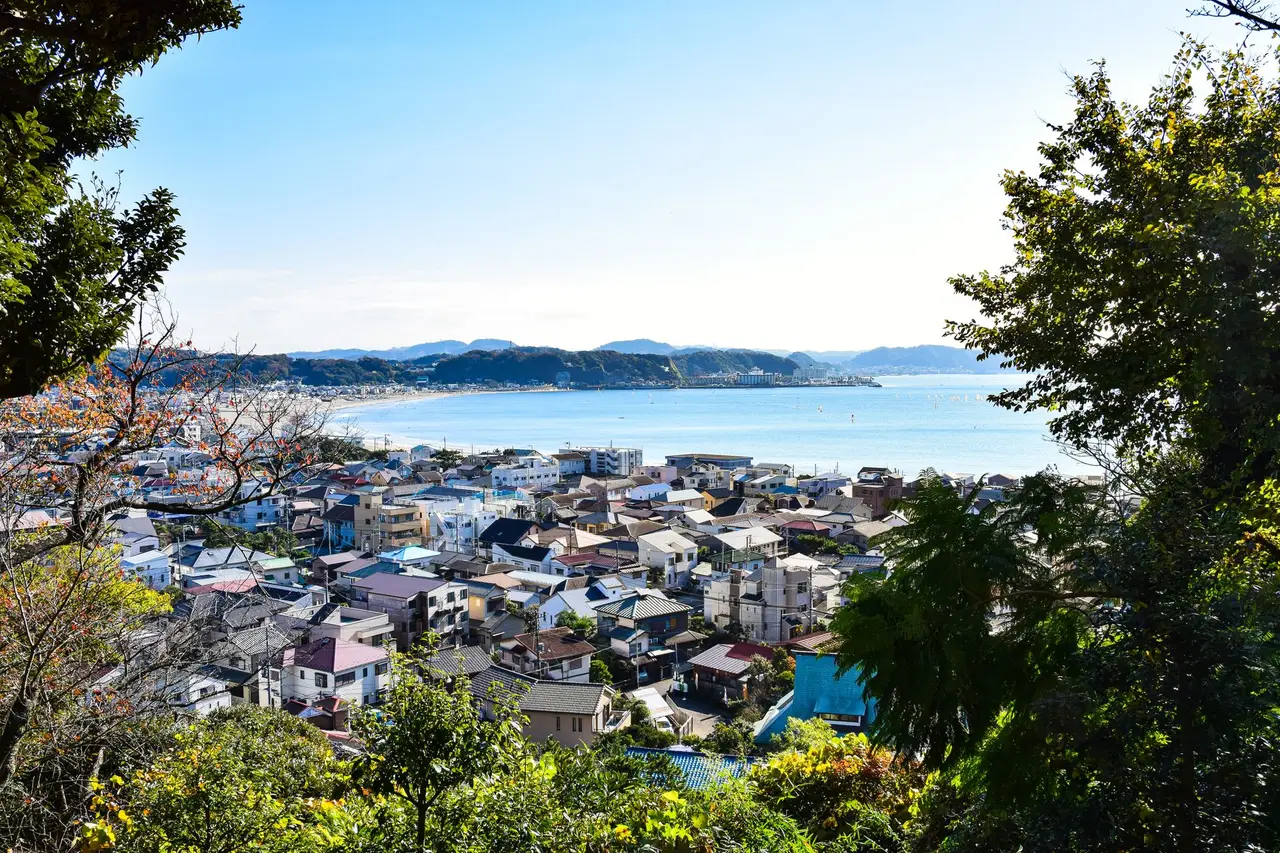
I expected this section of the city to feel more touristy, maybe even overdone, but it didn’t. Some of it is just normal urban walking, and that was the surprise. It meant I could actually pay attention to the city instead of trying to separate “local” from “tourist” in a fake way. If you’re looking for a day that feels less packaged, this is the one I’d choose.
Best for: people who like ordinary streets more than big attractions.
Skip if: you need a dramatic landmark every 20 minutes.
10:30 a.m. — Naka River or Nakasu riverfront walk
I’d continue toward the river and spend another 30 minutes walking the waterfront. This is free, easy, and a good place to pause before lunch. In the heat, I kept my sunglasses and little fan out the whole time, and I was glad I packed both. The walk itself costs nothing, but the comfort level changes a lot if you’re prepared for humid weather.
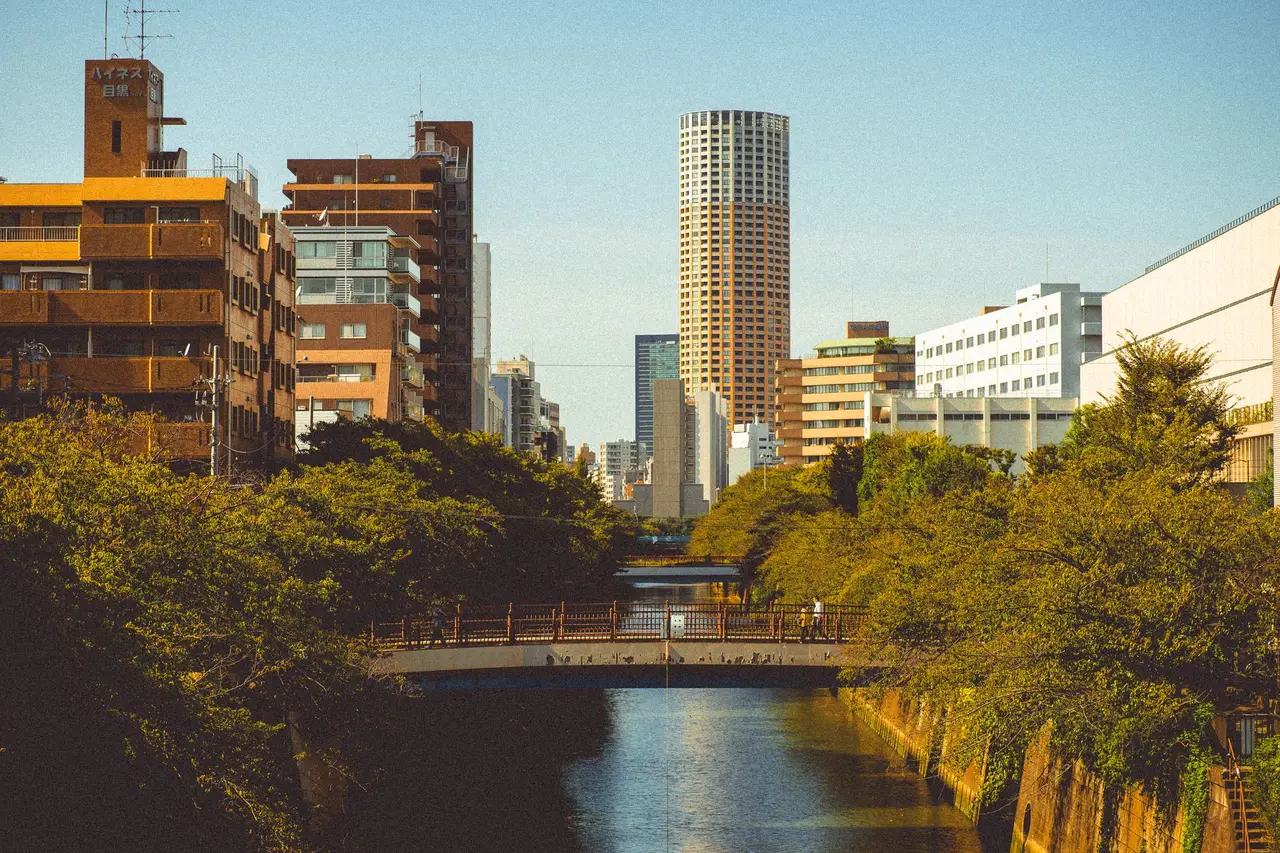
This is also where the day becomes more about pacing than sightseeing. I’d call it worth it if you like a city that lets you drift a little. It’s not a postcard stop. It’s just pleasant, and that’s enough.
Verdict: do the river walk if you want a low-effort free stop. Skip it if you’re already tired and would rather head straight to food.
Lunch: canal-side or Hakata-area cheap eats
I wouldn’t try to “save” lunch by skipping it and then buying three random snacks later. That math never works out. Around Hakata and Nakasu, I’d budget $8 to $14 for a quick bowl of ramen, curry rice, or a set meal. If I were trying to keep the day low-cost, I’d pick the place with the shortest line and the fastest turnover, not the one with the nicest sign.
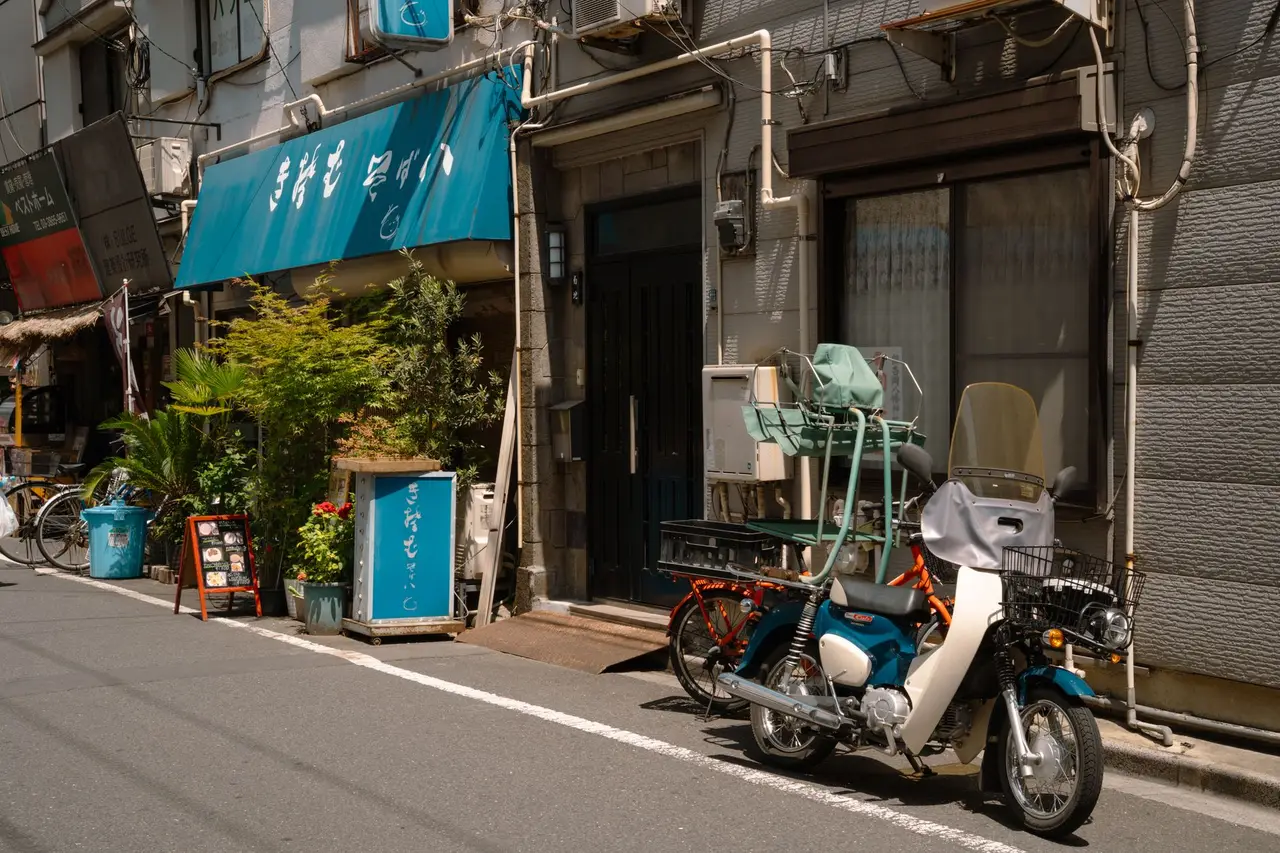
I almost waited for a popular ramen shop near Hakata Station because the line looked manageable. Then I checked the clock, saw it was already noon, and walked away. Ten minutes later the line had doubled. I spent ¥1,050 at a smaller counter instead and was eating before the people in the queue were even seated. That was the smarter move.
Best for: travelers who hate waiting more than they hate average noodles.
Skip if: you’re chasing one specific famous bowl and don’t mind a queue.
Day 3: Free viewpoints, waterfront air, and one last walk before you leave
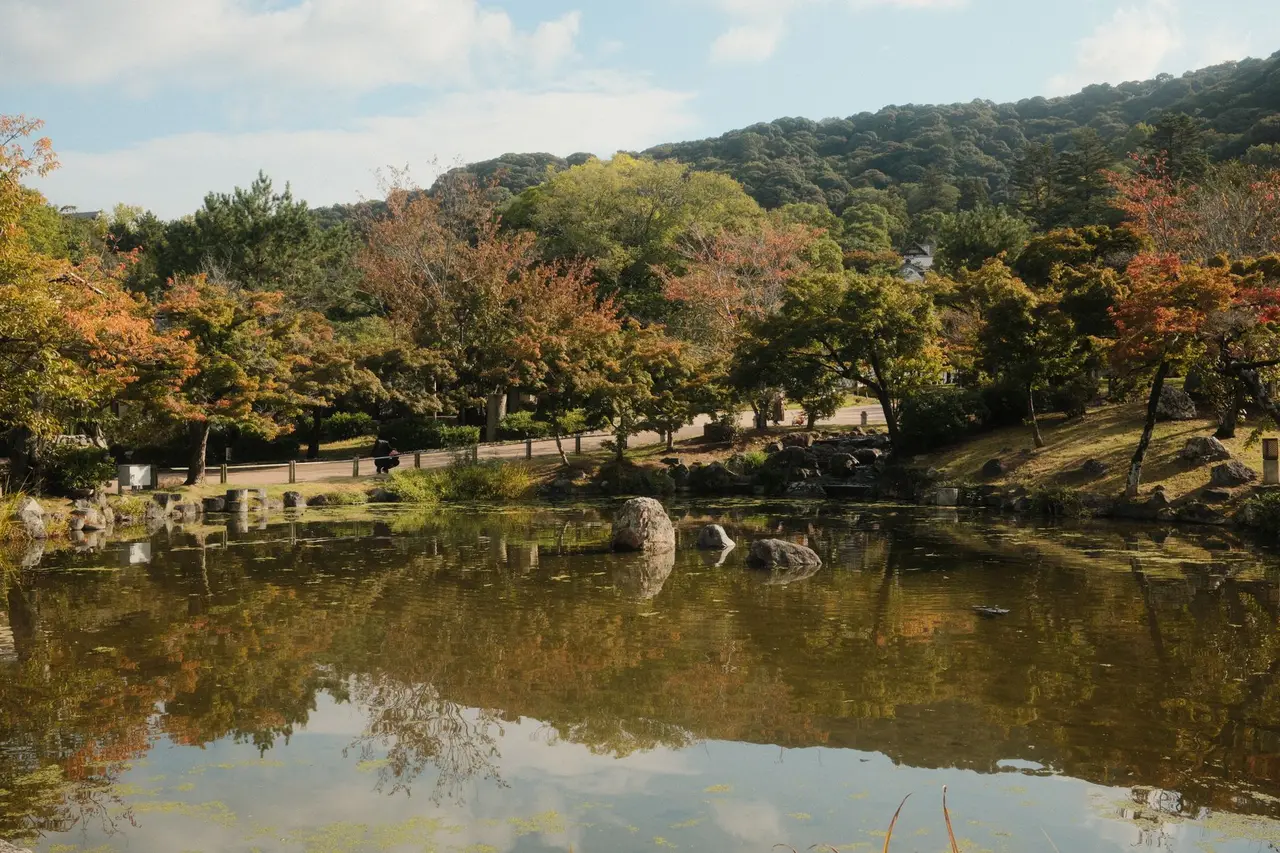
If I had a third day in Fukuoka and wanted to keep spending low, I’d use it for a slower loop with a view. This is the day I’d build around time, not sights. It’s the difference between “I saw the city” and “I didn’t feel rushed all day,” and I care about that more than I used to.
Best for: longer stays, slow travelers, and people who want a lighter final day.
Skip if: you only have one or two days and need the stronger core route first.
My pick: keep this day flexible. It’s the easiest one to cut if your trip gets shorter.
9:00 a.m. — Fukuoka Tower exterior area and Momochi Seaside Park
I’d take the subway or bus out toward Momochi if I wanted a waterfront morning. From Tenjin, the bus or subway combination usually takes about 20 to 30 minutes depending on connections, and the exact fare varies, but I’d expect around ¥250 to ¥300 each way. I wouldn’t pay to go up Fukuoka Tower unless I had cloudy weather and nothing else to do. The outside area is enough for me.
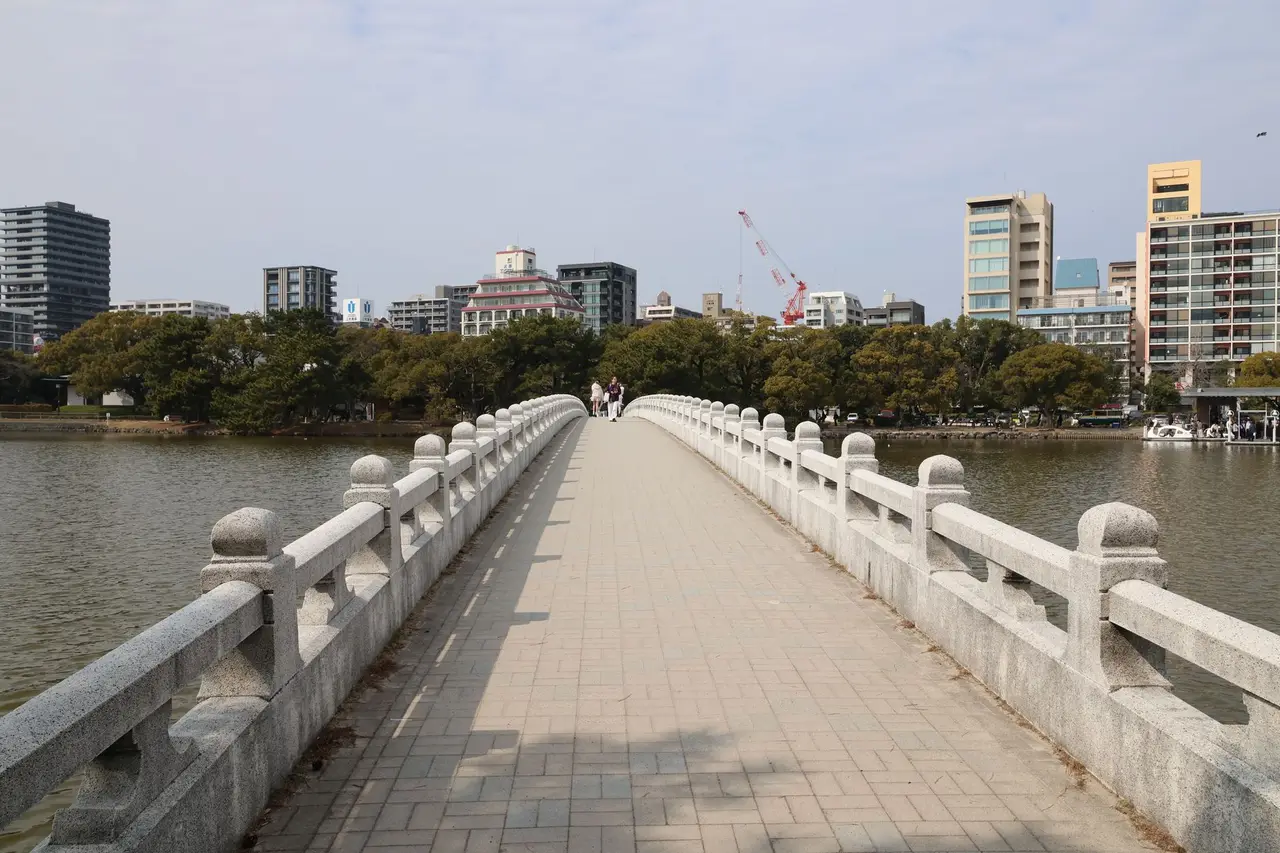
Momochi Seaside Park is free, and that’s the real draw. I walked along the shore for about 40 minutes and liked that it gave me space without requiring a ticket. It’s not the most exciting stop in the city. Fine, not great. But if you want a breezier final day, it does the job.
Worth it if: you want a waterfront morning without paying tower prices.
Skip if: you’re staying only one night and need to keep the itinerary tighter.
10:30 a.m. — Return toward the city and use the rest of the day for anything free you missed
From Momochi, I’d head back to Tenjin or Hakata and leave the afternoon open. That flexibility matters because not every free thing needs a fixed slot. Maybe you want another slow walk through Ohori Park. Maybe you just want to sit in a station café with an iced coffee that cost ¥350 and people-watch for an hour. I’ve done both, and I don’t think one is more “authentic” than the other.
Best for: travelers who like a loose last day instead of a packed one.
Skip if: you’re the type who gets annoyed when a day doesn’t have five named stops.
Cost Breakdown
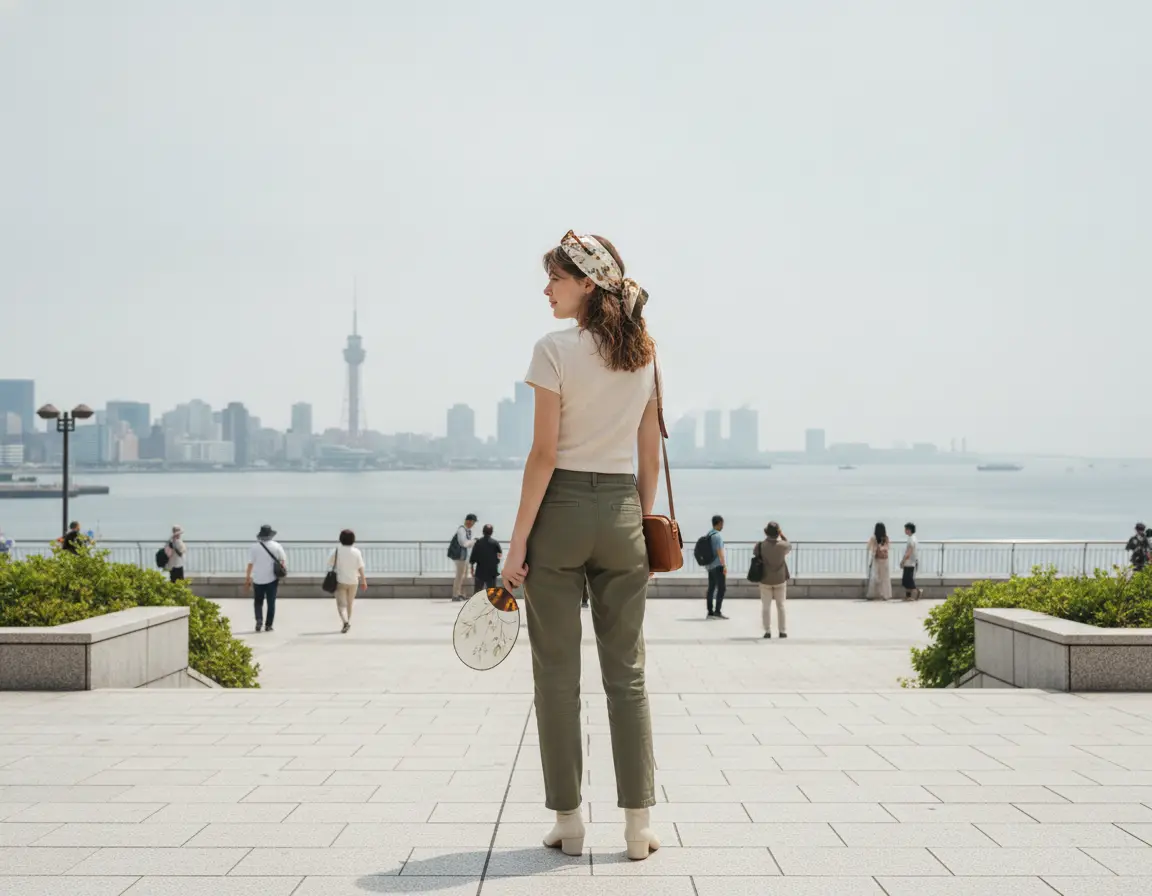
Rough daily estimates from my own trip. Prices shift by season.
Transport Tips
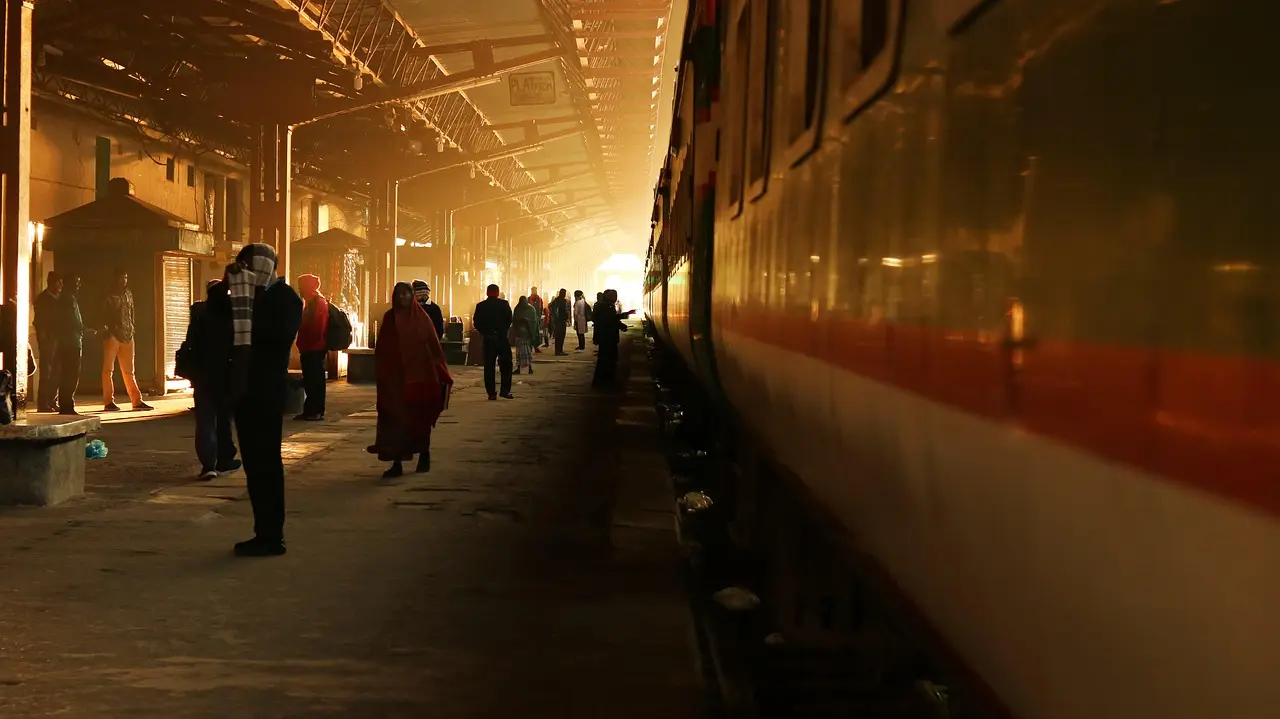
I made the classic mistake of assuming I could string together more walking than the weather would allow. I saw short distances on the map and thought, easy. Then I stepped outside into hot, humid air and realized that 12 minutes in Fukuoka can feel longer than 20 minutes in a cooler city. The trigger was simple: I left the station without enough water and kept trying to “save time” by walking instead of taking one short subway ride.
It cost me about an hour of extra fatigue and a couple of unnecessary convenience-store stops, which added maybe ¥300 to ¥500 I didn’t need to spend. More annoying, it made the middle of the day feel worse than it should have. Now I’d wear lighter clothes, carry water from the start, and pay for the short ride when it saves my energy. That’s the real lesson here. Cheap is good. Pointlessly sweaty is not.
Best for: anyone planning a summer visit who thinks they can brute-force the city on foot.
Skip if: you already know your limit in heat and humidity.
What I’d change next time
I’d start earlier, even if that means a slower breakfast. Fukuoka gets easier when you beat the hottest part of the day by a few hours, and I don’t think that’s optional in summer. I’d also group more of the city by station area so I wasn’t zigzagging as much.
I’d skip any paid stop that wasn’t clearly better than the free version nearby. That includes the garden at Ohori Park unless I had extra time and a real interest in garden design. And I’d keep lunch simple instead of chasing the “best” place.
Best for: travelers who want a cleaner, cheaper version of the same trip.
Skip if: you don’t mind spending a little extra to avoid planning.
Where I’d Actually Stay in Fukuoka

Dormy Inn Hakata Gion Natural Hot Spring
Fukuoka
★★★★☆

Mitsui Garden Hotel Fukuoka Gion
Fukuoka
★★★★☆

HOTEL ORIGO HAKATA – Gion –
Fukuoka
★★★★☆
For Fukuoka I used Agoda — they had the best rate for my dates.
I pre-booked on Klook the night before — skipped the entire ticket line.
FAQ
Can I do Fukuoka cheaply without feeling bored?
Yes, I think Fukuoka works well on a low budget without feeling stripped down. The free parks, shrine stops, and waterfront walks give you enough structure that the day doesn’t turn into random wandering. I’d still spend a little on food and short transit rides, because that’s where the value is.
Is Ohori Park worth a stop if I’m only in the city for one day?
Yes, I’d put Ohori Park on a one-day Fukuoka plan. The free lake loop is the best part, and it gives you a real break from station areas without costing anything. I’d skip the paid Japanese Garden if time is tight, because the free park already does most of the job.
Do I need a subway pass for this kind of itinerary?
No, I wouldn’t buy a pass for just one free-focused day. The rides I used were short, usually around ¥200 to ¥300 each, and that adds up slowly unless you’re crossing the city all day. I’d just pay as I go unless I knew I’d be taking four or five rides.
What should I cut first if my Fukuoka trip gets shortened?
I’d cut Momochi and the tower area first. It’s pleasant, but it’s the easiest part to lose if you only have one or two days. Keep Tenjin, Ohori Park, and Kushida Shrine instead, because those stops give you more variety for the time you spend.
Is Fukuoka still good in hot weather?
Yes, but I’d plan around the heat instead of pretending it won’t matter. I was there in 26–33°C weather, and the city felt much easier when I started early, carried water, and used short transit rides instead of stubbornly walking everywhere. If you do that, the free itinerary still works fine.
 Emma Hayes