

Fukuoka was supposed to be my easy Japan reset. It was hot, humid, and a lot more spread out than I expected. I still liked it, but if I’m answering the first-timer question straight, I’d choose Osaka because it gives you more payoff for the same amount of trip energy. If you’re stuck on fukuoka or Osaka for first timers, that’s the short version.
I’d choose Osaka because it gives a first trip more variety, more obvious neighborhoods, and better day-one momentum. Choose Fukuoka only if you want a calmer base, fewer “should I book this?” decisions, and a city that feels less crowded without feeling dead. The real tradeoff is simple: Osaka gives you more to do per hour, while Fukuoka gives you less friction.
Best for: first-time Japan travelers who want easy food, transit, and a city that keeps moving.
Skip if: you want a slower, smaller city and don’t care about packing a lot into a short stay.
Quick answer: Osaka is my pick for first-timers because it gives more variety, easier nights, and better day-one momentum. Fukuoka is calmer and simpler, but Osaka felt like the stronger base for a first Japan trip.
Why Osaka won my first-timer test
I had Osaka and Fukuoka in front of me, and I kept coming back to the same thing: Osaka gives you more useful travel moments without making you work for them. I spent a night in Namba and another in Umeda, and both times I could get dinner, a convenience-store snack, and a train ride home without planning my life around it. That sounds basic. It is basic. But on a first trip, basic is gold.
Osaka also has a better “I just landed and need the city to make sense fast” setup. The subway lines are legible, the shopping streets are obvious, and if you get hungry at 9:30 p.m., you’re not hunting for a single good block. I paid about ¥1,200 for a solid bowl of ramen near Namba, then grabbed a ¥240 drink from FamilyMart and walked back without thinking. That kind of low-friction night matters when you’re jet-lagged.
Best for: first-timers who want a city that gives back quickly.
Skip if: you hate busier streets and don’t want a lot of restaurant noise.
My pick: Osaka, because the trip starts working for you faster.
What I underestimated was how much Osaka’s density helps on a short stay. I expected it to feel chaotic in a bad way, and it didn’t. It felt busy in a useful way. I could walk from one dinner spot to another area in 15 or 20 minutes and still have options if the first place had a line. That saved me from the dead time I hate most on city trips.
And yes, Osaka is more touristy in the obvious places. Dotonbori is not some secret local pocket, and I wouldn’t build a whole trip around standing under neon signs with 300 other people. But for a first timer, the city’s overdone parts are easy to avoid after one look. Osaka has enough depth that you can step away from the loudest streets and still have a good day.
Why Fukuoka still makes sense if you want less hassle

Fukuoka is the one I’d hand to someone who doesn’t want a giant first-trip city. It’s smaller, more relaxed, and easier to move through without feeling like you’re constantly choosing among five districts. I stayed near Hakata and could get from the station to dinner in maybe 10 minutes on foot, which sounds minor until you’ve dragged a bag across a city in 32°C heat and humid air. I was wearing linen and still sweating through it.
Fukuoka is also better if you care more about a smooth trip than a packed one. I paid around ¥1,100 for a bowl of tonkotsu ramen in the Hakata area, and it felt like a normal meal, not a performance. That’s the city’s thing. It doesn’t try to impress you every five minutes. It just works.
Best for: travelers who want an easy base and don’t need a huge list of sights.
Skip if: you get bored when a city doesn’t keep throwing new districts at you.
Worth it: if you want a first Japan trip that feels calmer and less rushed.
I figured Fukuoka would be the kind of place people overpraise because it’s “underrated.” It wasn’t that. It was simply good in a lower-key way. That actually made it easier to like. I didn’t spend the whole trip comparing it to a bigger, louder city. I just moved through it, ate well, and didn’t lose time to transit drama.
The catch is that Fukuoka asks a little more of you if you want variety. It’s not that there’s nothing to do. It’s that the city’s best parts are less stacked together than Osaka’s. If your first trip is only 3 or 4 nights, I think that matters. If you have a week and you want slower mornings, Fukuoka starts looking smarter.
Cost, time, and convenience: the part that usually decides it
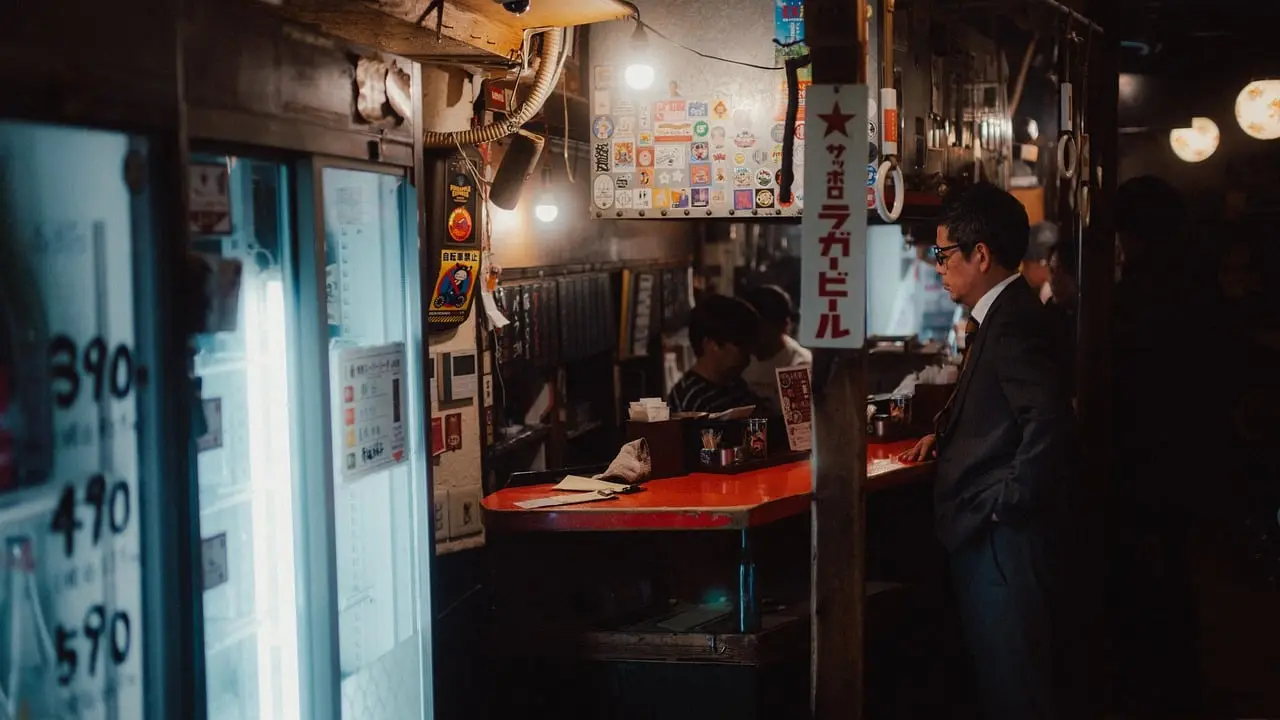
Budget-wise, the gap is smaller than people think, but Osaka still wins on value. On my last style of trip, I could get a decent business hotel room in Osaka for about ¥9,000 to ¥14,000 a night if I booked early enough. In Fukuoka, I saw similar rooms around ¥8,000 to ¥13,000, so the nightly difference wasn’t huge. The real difference was what I got out of each day.
Food was cheap in both cities, but Osaka gave me more choices for the same spend. I could eat a filling lunch for ¥900 to ¥1,300 in Osaka without trying hard. In Fukuoka, a good meal might cost the same, but I sometimes had to walk a bit farther or settle for fewer late-night options. That’s not a disaster. It just changes the rhythm.
Transit is where Osaka pulls ahead for first-timers. A subway ride in Osaka often runs around ¥190 to ¥290 depending on distance, and the network makes it easy to stitch together a day without backtracking. In Fukuoka, I used the subway less and walked more, which I liked, but it also meant a few more “are we there yet?” moments if I was crossing town in the heat.
Money cost: Fukuoka can be a touch cheaper on hotels, but I wouldn’t choose it for savings alone.
Time cost: Osaka gives you more usable hours because the city is easier to string together.
Energy cost: Fukuoka is lighter on the nervous system. Osaka is lighter on the “what now?” question.
Opportunity cost: In Fukuoka, you may give up some neighborhood variety. In Osaka, you give up some quiet.
I made one mistake in Fukuoka that changed how I think about it. I figured I could stay a little farther from Hakata Station and just walk everywhere. The trigger was a rain shower after lunch near Canal City, and I ended up waiting under an awning with my umbrella for about 15 minutes while my feet got hot and sticky anyway. The consequence was small in money terms — maybe an extra ¥500 in local transit over two days — but it cost me energy and time I didn’t need to spend. Next time, I’d stay closer to Hakata or Tenjin and stop pretending a “short walk” feels short in humid weather.
Best for: Osaka if you want to spend your time moving around the city, not recovering from it.
Skip if: you hate crowds and don’t want to deal with busier station areas.
My pick: Osaka on convenience, even when the hotel price is only slightly higher.
See current rates near Hakata and Tenjin on Agoda if you want to compare how much that location premium actually costs right now.
I wrote a more detailed breakdown in Fukuoka For Couples — worth reading if you’re still deciding.
The vibe difference you feel before you can explain it
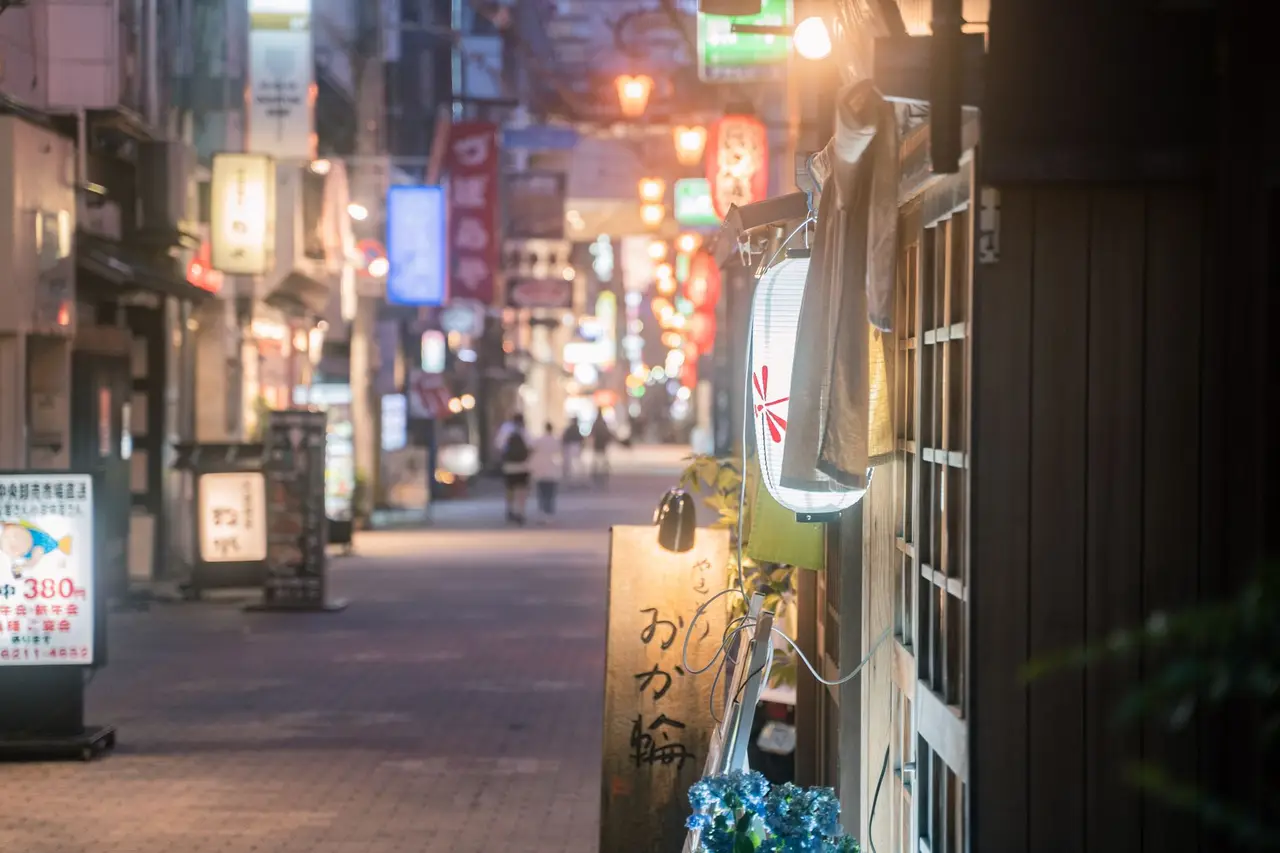
Osaka feels like a city that expects you to eat, walk, and keep going. Fukuoka feels like a city that lets you drift a little. That’s the difference I noticed most, and it showed up in tiny things. In Osaka, I kept seeing people move with a purpose, even in shopping areas. In Fukuoka, I could sit by the water near the bay area and not feel like I was wasting the day.
Osaka is better if you like a trip that stays lively after dark. I had dinner around 7:30 p.m. in Namba, then walked through streets that were still full of people at 9 p.m. and didn’t feel weird about it. Fukuoka is quieter at night, especially once you’re away from the busiest station zones. That’s nice if you want a slower evening. It’s less useful if you want that “I can just wander and see what happens” feeling.
Best for: travelers who want their city to keep moving into the evening.
Skip if: you prefer a softer, less crowded night scene.
Worth it: Osaka for the energy; Fukuoka for the easier exhale.
I expected Fukuoka to feel more “local” in some magical way, and I don’t buy that label anymore. It’s still a city. People still commute, eat fast, and get on with their day. The difference is scale, not some romantic authenticity. That’s why I’m wary when people talk about it like a secret. It isn’t secret. It’s just less intense.
Osaka, meanwhile, is not the polished postcard some people make it sound like either. It’s scruffier, louder, and more direct. I like that. It doesn’t pretend to be serene, and I don’t need my first Japan city to pretend.
What I’d do differently next time
I’d book my first two nights in Osaka near a station with fewer transfer headaches, probably around Umeda or Namba, and I’d stop trying to save ¥1,000 a night by going too far out. That math never works out once you factor in the extra train rides and the mental drag.
I’d also give Fukuoka more room if I were staying a week or longer. I rushed it a little on my first pass because I kept comparing it to Osaka instead of letting it be its own trip. That was on me. Fukuoka got better when I stopped expecting it to perform.
And I’d avoid planning a first-timer day that depends on too many district switches in either city. One big lunch, one neighborhood walk, one dinner. That’s enough. I’ve made the mistake of trying to “see” a place by moving through five stations in one afternoon, and all that did was make me tired and vaguely annoyed.
Rough daily estimates from my own trip. Prices shift by season.
See current Fukuoka hotel prices on Agoda →
I usually book Fukuoka tours on Klook — the best time slots go fast, especially in peak season.
FAQ
Is Osaka too busy for a first trip to Japan?
No, I don’t think Osaka is too busy for a first trip. It’s lively, but the transit and food options make it easier than people expect once you settle in. I’d rather have a busy city with clear systems than a quiet one that makes me work for every meal.
Can Fukuoka be a first stop in Japan?
Yes, Fukuoka works fine as a first stop if you want an easier landing. I found it simpler to move around than I expected, especially if you stay near Hakata or Tenjin. I’d still pick Osaka first if this is your only big city on the trip.
Which city is better for eating without spending a lot?
Osaka wins for cheap food that still feels worth the money. I had plenty of meals in the ¥900 to ¥1,300 range there, and I had more late-night options when I didn’t want a sit-down dinner. Fukuoka is good too, but Osaka gives you more choice per yen.
Do I need a car in Fukuoka?
No, I wouldn’t rent a car for a normal first trip to Fukuoka. I got around fine with walking, subway rides, and the occasional taxi when the weather was sticky and I was over it. A car would just add hassle and parking stress.
How many days do I need in Osaka or Fukuoka?
Three nights is enough for Osaka to feel worth the stop, and four to five nights works better if you want a slower pace. Fukuoka feels better with at least three full days, because I think it rewards a less rushed schedule. If you only have two nights, I’d still choose Osaka.
 Emma Hayes