

Fukuoka was supposed to be my easy base for quick escapes. It was better than that, but only if I picked the right places and didn’t waste time chasing the shiny ones. I made one bad call early on and spent 40 minutes on a train to a stop that looked better online than it felt in real life.
My answer: I’d use Fukuoka for day trips if I wanted short, efficient outings with good food and low friction. I’d skip the whole idea if I wanted dramatic scenery or I hated train transfers. The real decision is simple: do you want a day that feels full without turning into a logistics project?
The best day trips from Fukuoka are Dazaifu, Yufuin, and Mojiko/Kitakyushu. Dazaifu is the easiest, Yufuin is the prettiest full-day escape, and Mojiko is the cheaper value pick. Itoshima works best for a slower coastal day.
Day by Day

Day 1: Dazaifu for the easiest first day trip
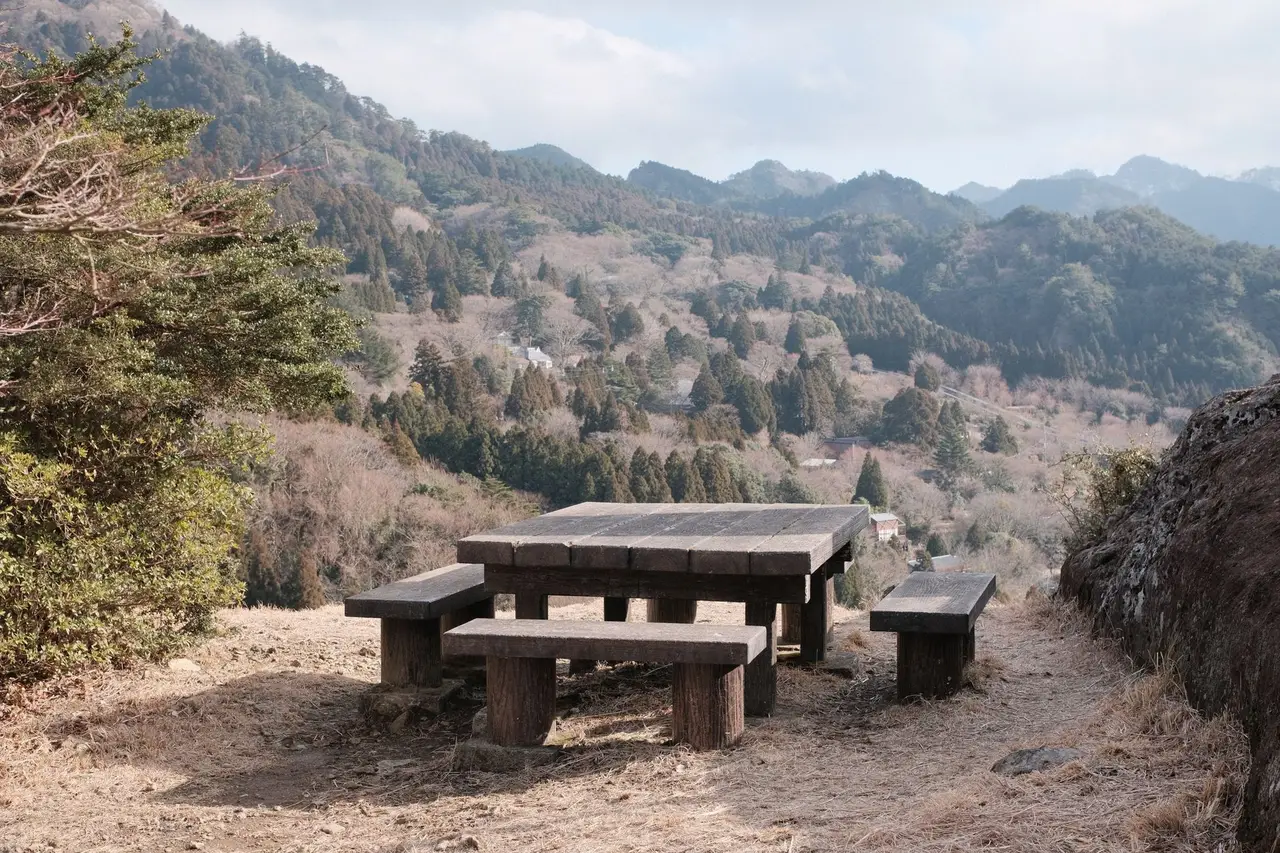
I’d start here. Dazaifu is the cleanest, least annoying day trip from Fukuoka, and it’s the one I’d send to anyone who wants a low-stress half day with no complicated planning. It’s not the most exciting outing I’ve ever done. It is the easiest one to get right.
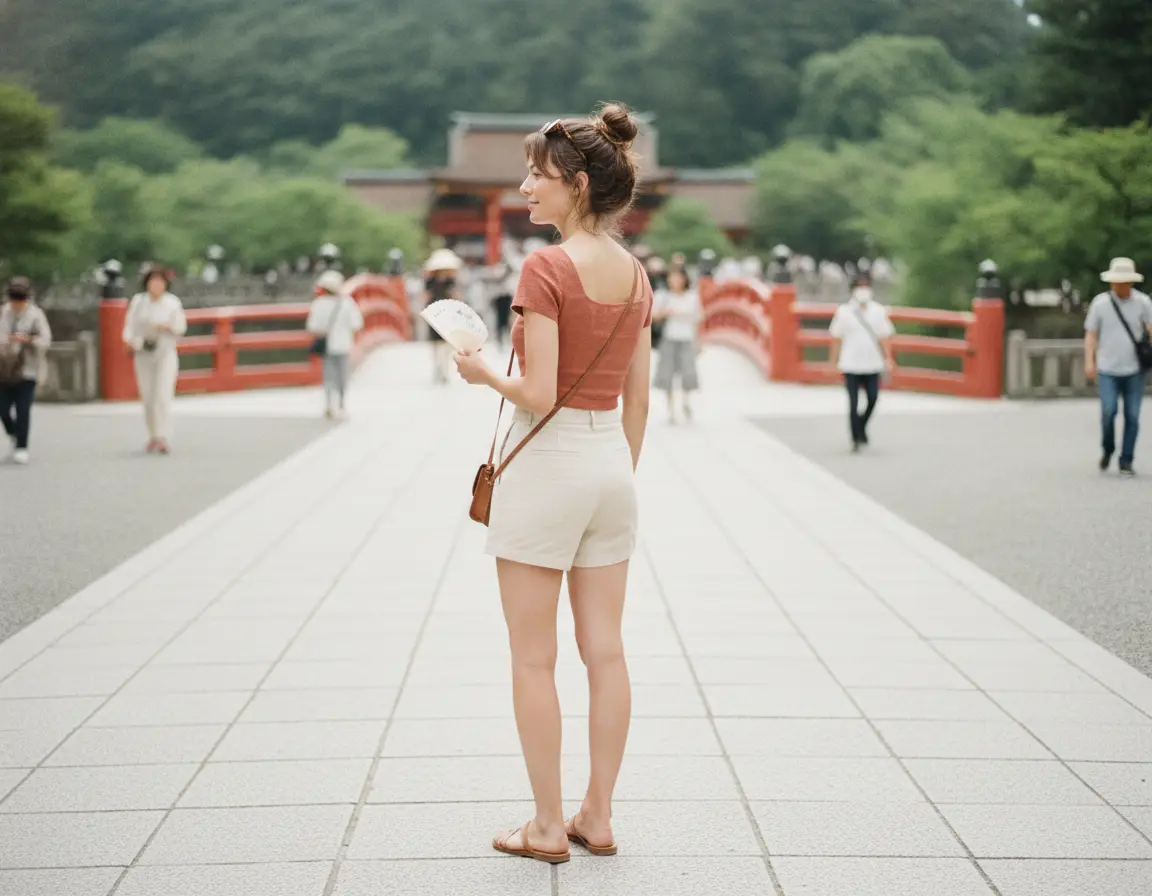
From Hakata Station, I took the Nishitetsu train to Dazaifu. The ride took about 30 minutes total with the transfer at Futsukaichi, and it cost me around ¥430 one way. I left around 8:30 a.m. and was walking under the cedar-lined approach before the worst of the heat kicked in. It was already 26-33°C that week, so I had a fan in one hand and sunglasses on from the start.
My route was simple: Dazaifu Station, the approach street, Dazaifu Tenmangu, then lunch. I spent about 90 minutes at the shrine area, which was enough. The main path gets busy fast, and I don’t love standing around with a crowd just to take the same photo everyone else has already posted. The exterior is free and the paid bits aren’t really the point here.
For food, I ate at a small noodle shop near the approach street and paid about ¥1,100 for a set meal. That was the right move because Dazaifu is one of those places where wandering hungry gets expensive in the dumbest way possible. The tourist snacks are fine, but they’re mostly souvenir food. I’d rather spend the money on one actual meal.
Best for: First-timers, half-day travelers, and anyone who wants an easy win without much risk.
Skip if: You want a trip that feels remote or scenic. Dazaifu is orderly, not dramatic.
My pick: I’d do Dazaifu first if I only had one afternoon free.
Skip if short on time: the Kyushu National Museum. I didn’t go in because I wanted the shrine and lunch, not another indoor stop that would’ve added time and heat fatigue.
Day 2: Yufuin for the prettiest full-day escape
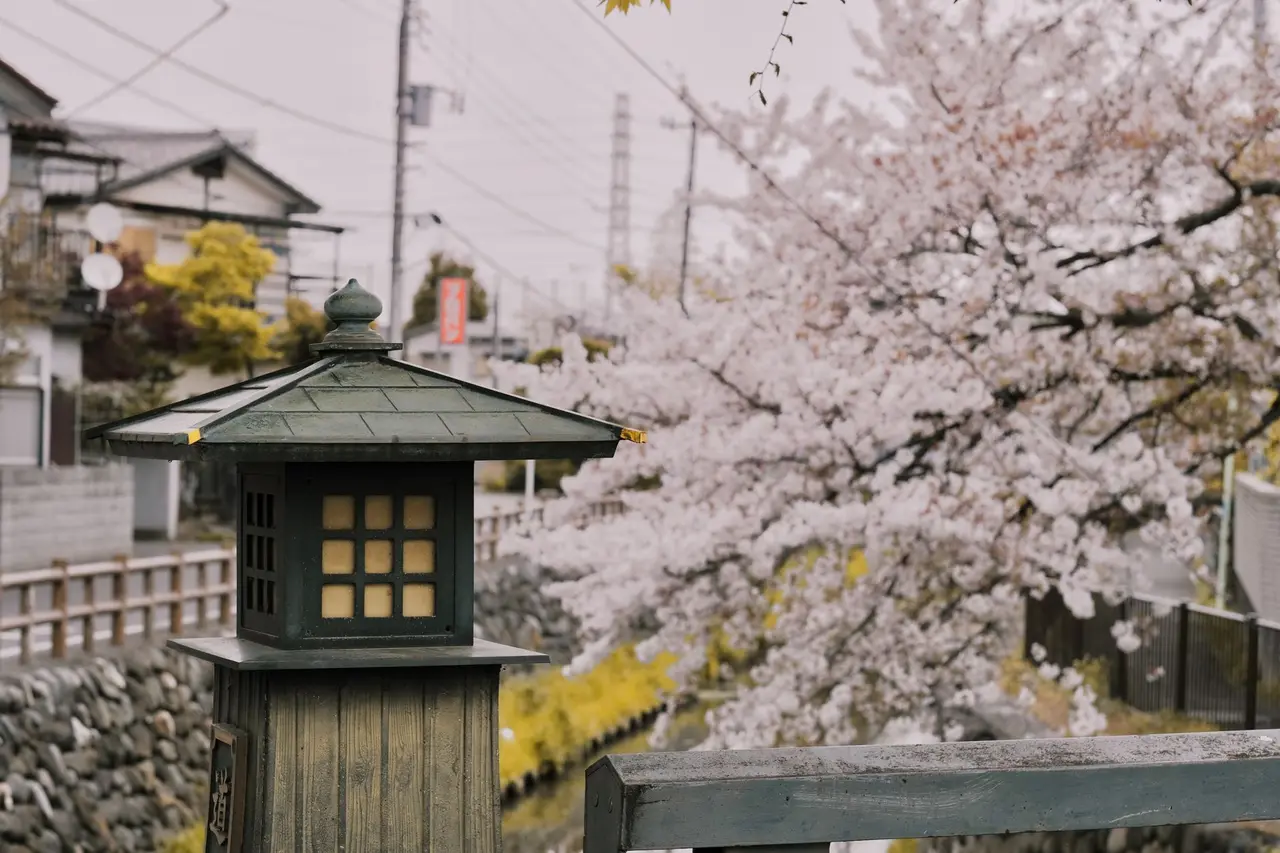
Yufuin is the one I’d choose if I wanted a proper day away from the city. It takes more effort, and you pay for that in time. Still, it feels like a real change of pace, which is rare for a day trip that doesn’t require an overnight bag.
I took the Limited Express Yufu from Hakata Station to Yufuin. It was about 2 hours one way and cost roughly ¥4,500 depending on seat type. I booked my seat ahead because I didn’t want to gamble with a same-day scramble, and that was the right call. If you’re leaving on a weekend, don’t wing it.
I expected Yufuin to feel polished in a way I wouldn’t like. It did feel polished, but not in a fake way. That surprised me. The main street is touristy, yes, but the mountain backdrop and slower pace made it easier to forgive the obvious souvenir shops. I still think some of the Instagram-famous corners are overhyped. The lake area and side streets were where I actually wanted to linger.
I spent my first hour walking from the station toward Yufuin Floral Village and Yunotsubo Street, then I turned off into quieter lanes before the crowds thickened. That was the move. The main strip gets clogged with groups by late morning, and I don’t wait in lines for snacks when the snack itself is just okay. I bought a cream puff for about ¥350, ate it standing up, and moved on.
Lunch was a local soba set near the station area for around ¥1,400
Best for: Travelers who want one bigger, more memorable day and don’t mind a longer train ride.
Skip if: You only have a half day or you hate spending 4+ hours round-trip on transport.
My pick: Yufuin is the best full-day day trip from Fukuoka if you leave early and keep the plan simple.
Skip if short on time: the souvenir-heavy middle section of Yunotsubo Street. I’d walk it once, then peel off to the quieter side streets instead of trying to “do” the whole thing.
Day 3: Mojiko and Kitakyushu for food, history, and a cheaper day
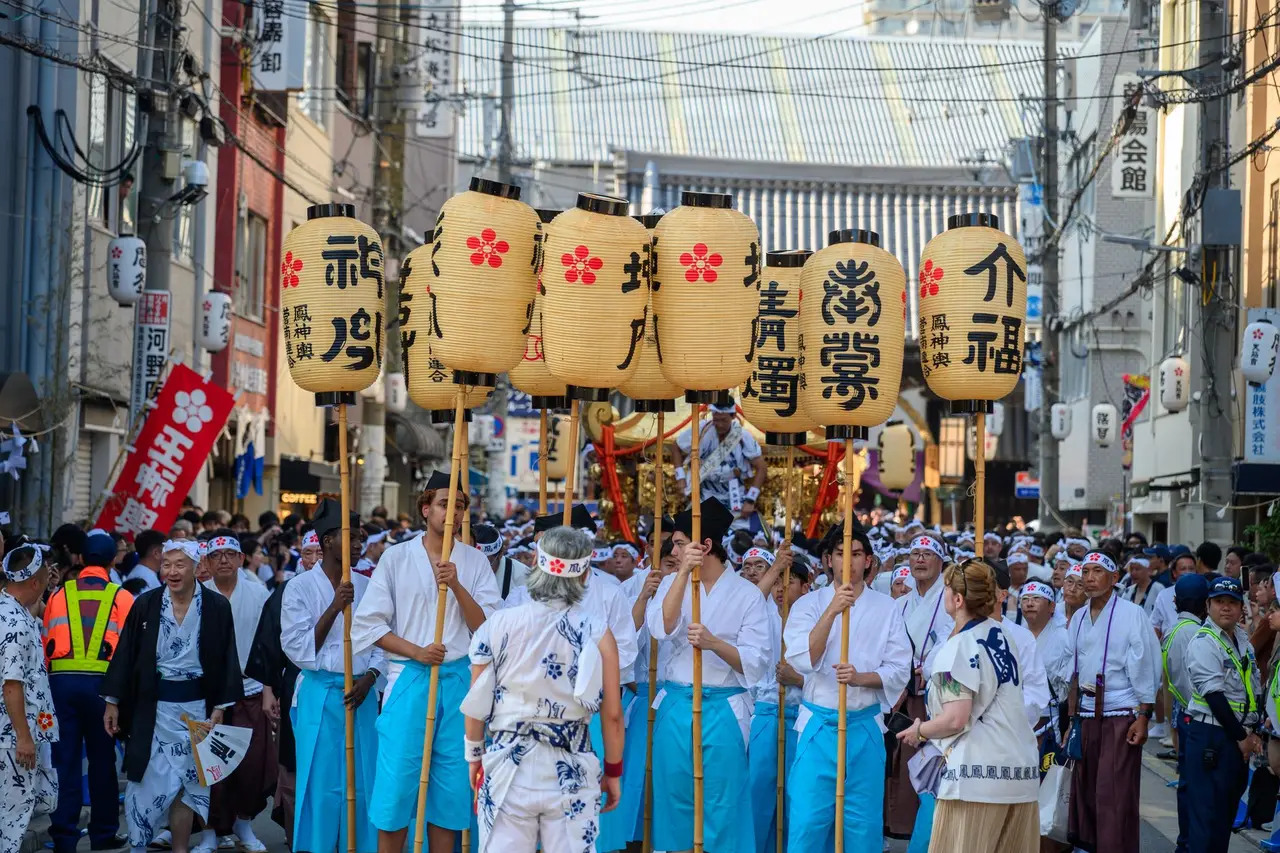
Mojiko was the trip I thought would be the most boring. I figured it would be all old port scenery and not much else. I was wrong enough to keep it on this list. It’s not thrilling, but it’s useful, affordable, and easy to pair with a decent lunch and one or two low-effort sights.
From Hakata Station, I took the JR Kagoshima Line toward Kokura, then changed for Mojiko. Total travel time was about 1 hour 10 minutes, and the fare came to around ¥1,600 round trip. That’s the kind of cost I can live with for a day trip. Not cheap-cheap, but fair enough for the distance.
I got off at Mojiko Station and walked the retro port area for about two hours. The buildings are attractive in a low-key way, and the best part is that you don’t need to pay for much to enjoy it. I grabbed lunch near the station — a curry rice set for ¥1,000
Then I crossed over to Kokura for a short castle stop. The train hop was quick, about 15 minutes, and the fare was around ¥280
Best for: Budget travelers, history-light travelers, and anyone who wants a cheaper day that still feels different from Fukuoka.
Skip if: You want a lush nature day or you’re trying to avoid back-to-back train changes.
My pick: I’d choose Mojiko over a random farther stop if I wanted a lower-cost day with a decent lunch and no stress.
Skip if short on time: the castle interior. I’d keep the retro port walk and lunch, then decide if I had energy for Kokura after that.
Day 4: Itoshima for beaches, cafes, and a car-free compromise
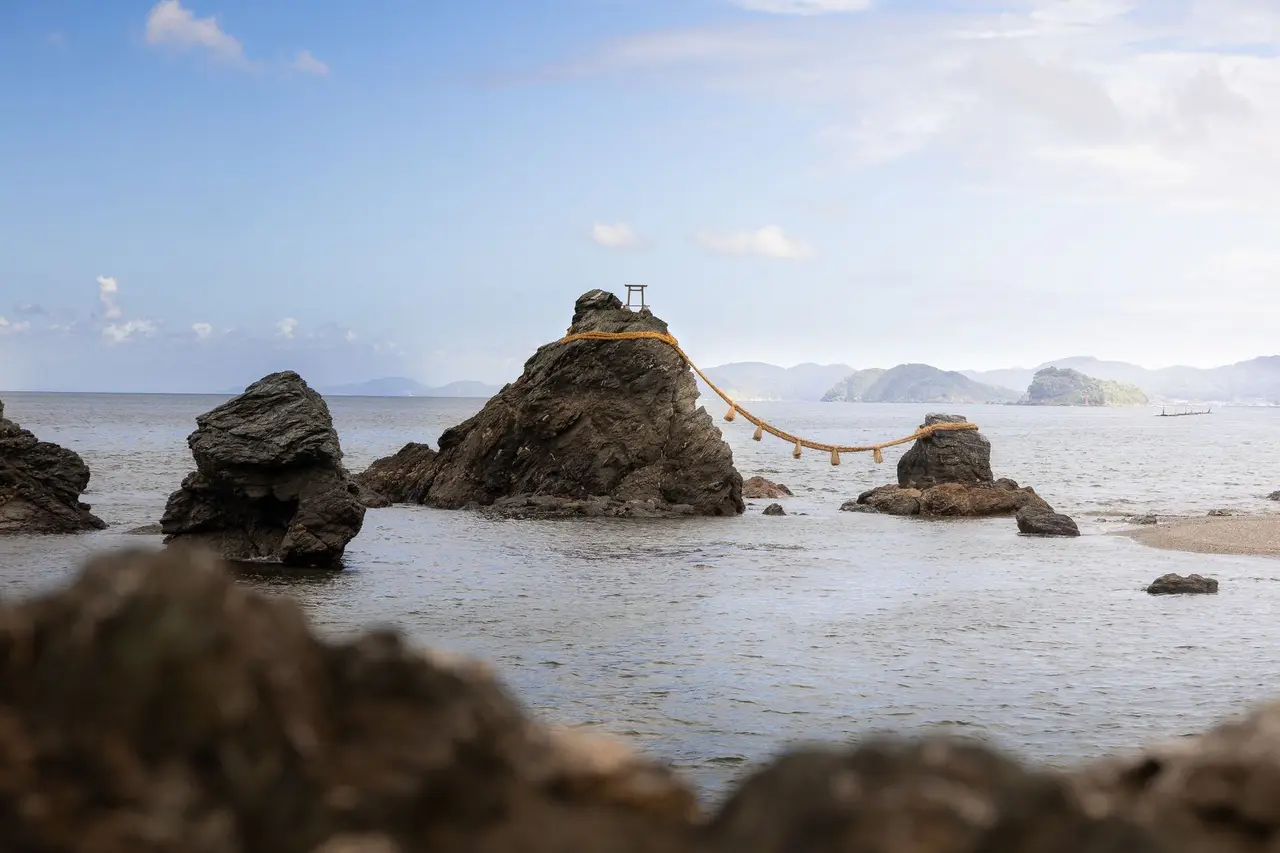
Itoshima is the trip I’d take when I wanted a break from temples and shopping streets. It’s more spread out, which is the catch. Without a car, you have to be picky, and I don’t say that lightly because I hate spending half a day figuring out buses.
I took the JR Chikuhi Line from Hakata to Chikuzen-Maebaru in about 35 minutes, around ¥540 one way. After that, I used a local bus for roughly ¥300 to reach a beachside area, and the timing was a little annoying. I waited 18 minutes for the bus on the way back, which is exactly the sort of thing that makes a “relaxing” trip feel less relaxing. Still, it worked because I only planned one main stop.
I went to a café near the coast and paid about ¥1,300 for a lunch plate and iced coffee. The food was good enough, but the real value was the break from the city rather than the meal itself. That’s the difference with Itoshima. It’s a scenery day, not a food pilgrimage. If you’re expecting a packed itinerary, you’ll be frustrated.
I walked the beach area for about an hour, then sat in the shade because the humidity was heavy and my shirt was sticking to me by noon. That’s when Itoshima makes sense: one café, one walk, one beach stop, then leave before you start inventing things to do. I don’t think it’s worth trying to string together too many spots unless you have a car.
Best for: People who want a slower, coastal day and don’t mind a little transit awkwardness.
Skip if: You’re relying on buses and you want a tightly packed schedule. It gets fiddly.
My pick: I’d do Itoshima only if I wanted a beach day, not as a first or only day trip.
Skip if short on time: multiple café stops. Pick one, sit down, and stop pretending you need a whole route plan.
Cost Breakdown
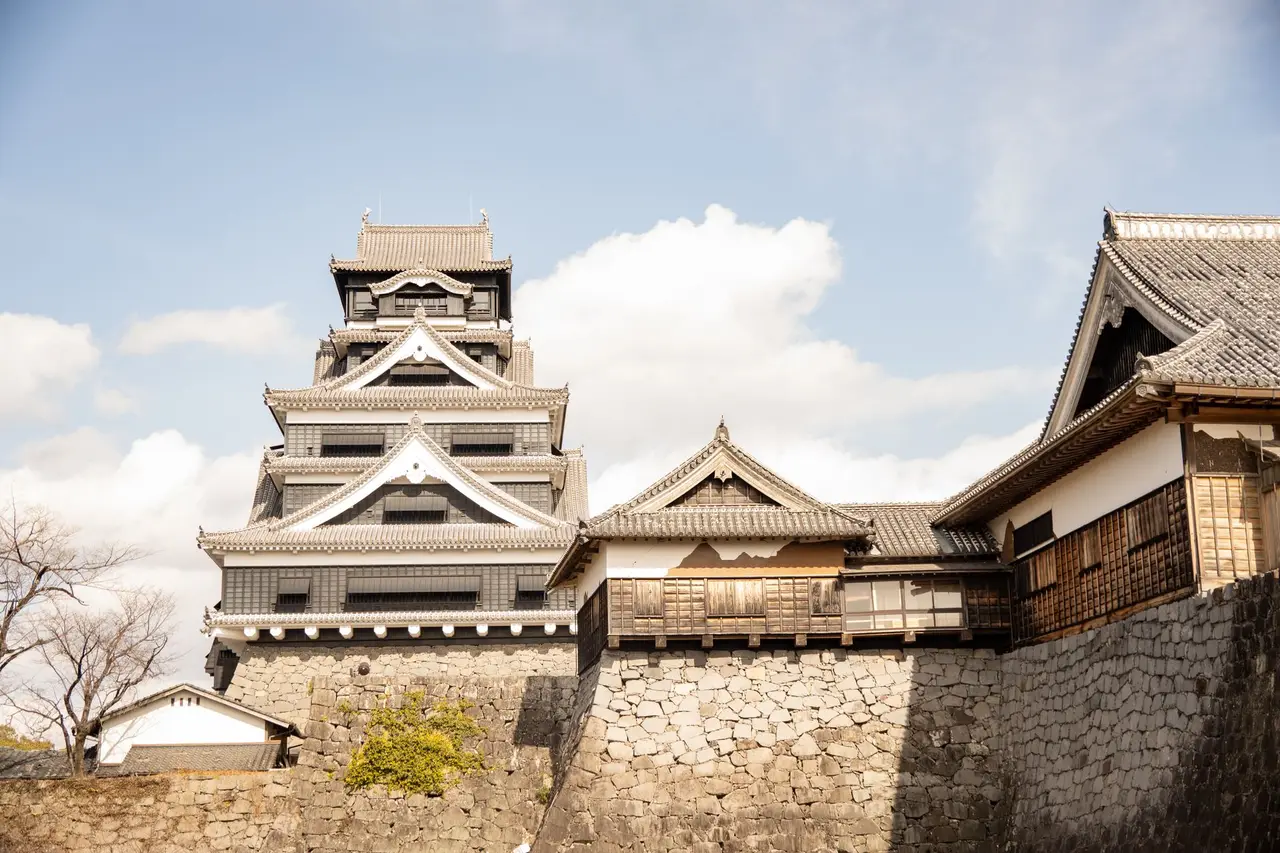
If I had to rank the best day trips from Fukuoka by cost, effort, and payoff, I’d put Dazaifu first, Yufuin second, Mojiko third, and Itoshima fourth for most travelers. That order changes a little if you care more about scenery than convenience, but not by much. I keep coming back to the same thing: the day trips that work best are the ones that don’t ask you to work for them.
Dazaifu gives the best ratio of time spent to satisfaction. I spent under ¥2,000 total that day, including food, and I never felt rushed. Yufuin costs more and takes longer, but it feels like a real outing rather than a local errand. Mojiko is the value pick if you want something different without paying for a long ride. Itoshima is the wildcard. Nice, but not the first place I’d choose if I only had one shot.
Best for: Travelers who care about cost per value and don’t want a packed, exhausting day.
Skip if: You want one single “wow” sight and don’t care about the rest of the day.
My pick: I’d choose based on energy, not just distance. Dazaifu on tired days, Yufuin when I’m ready to spend the whole day out.
I compared the options in Fukuoka Or Osaka For First Timers — useful if you haven’t booked yet.
Transport Tips

The transport is the whole game in Fukuoka. If you choose the wrong trip, the day gets swallowed by transfers and you end up paying money to sit down. I’ve done that, and I don’t recommend it.
For Dazaifu, I’d use Nishitetsu. It’s the cleanest option and the price is low enough that it doesn’t sting. For Yufuin, I’d book the Limited Express if I could get a seat. For Mojiko and Kokura, JR is straightforward, and the fares still feel reasonable. For Itoshima, I’d only go without a car if I had one clear target and no urge to improvise.
Best for: Travelers who want to keep day trips simple and predictable.
Skip if: You’re trying to do three far-apart stops in one day. That’s how you end up hungry, late, and annoyed.
My pick: One destination, one lunch, one backup plan. That’s enough.
If you’re staying near Hakata or Tenjin, the station access saves time every single morning, and I’d pay a little more for that instead of dragging luggage through side streets. Compare station-area stays on Agoda.
Rough daily estimates from my own trip. Prices shift by season.
Where I’d Actually Stay in Fukuoka

Dormy Inn Hakata Gion Natural Hot Spring
Fukuoka
★★★★☆

Mitsui Garden Hotel Fukuoka Gion
Fukuoka
★★★★☆
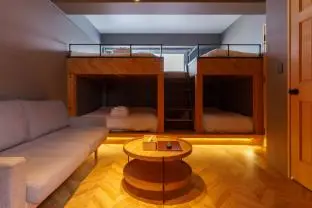
HOTEL ORIGO HAKATA – Gion –
Fukuoka
★★★★☆
For Fukuoka I used Agoda — they had the best rate for my dates.
I pre-booked on Klook the night before — skipped the entire ticket line.
FAQ
Is Dazaifu worth a half day from Fukuoka?
Yes, Dazaifu is worth a half day, and I’d call it the safest day trip choice from Fukuoka. The train is short, the route is simple, and you can do the shrine, lunch, and a slow walk without burning your whole schedule. I spent under ¥2,000 total and still felt like I’d actually gone somewhere.
Should I do Yufuin if I only have one free day?
Yes, I’d do Yufuin if I had one free day and wanted the trip to feel special enough to justify the time. The round-trip train ride is long, around 4 hours total, so I’d only pick it if I could leave early and stay out all day. If you’re the type who gets annoyed by long rides, I’d choose Dazaifu instead.
Can I do Mojiko and Kokura in one day?
Yes, I’d combine Mojiko and Kokura in one day if I wanted a budget-friendly outing with a little variety. The transfer between them is only about 15 minutes by train, so the combo works without feeling chaotic. I’d still keep the plan light and skip anything that adds a second long detour.
Is Itoshima easy without renting a car?
No, Itoshima is not the easiest without a car, and I wouldn’t call it beginner-friendly for day trippers. The train gets you partway there, but buses and timing can slow everything down, which is annoying when you just want a beach day. I’d go car-free only if I had one clear café or beach stop in mind.
What day trip would you cut first if I’m short on time?
I’d cut Itoshima first if time was tight, because it loses the most value when you can’t move around freely. Dazaifu and Mojiko both work better as compact trips, and Yufuin still makes sense if you can leave early enough. If I had only one day, I’d take Dazaifu and not overthink it.
 Emma Hayes