

Is Fukuoka worth the hotel bill? I spent about $62 a night to find out, and yes — but only if you pick the right base. I’d stay in Tenjin first, Hakata second, and I’d skip the cute-sounding side streets unless you already know the city well.
Fukuoka is one of those cities where location actually changes the trip. I learned that after dragging a bag through humid 31°C afternoon heat, stopping for a cold drink, and realizing the “cheap” room I almost booked would’ve added a lot of wasted transit time. If you want the best neighborhoods in Fukuoka for a first trip, the decision comes down to this: pay a little more for walkability and easy subway access, or save money and spend more time commuting.
Quick answer: Tenjin is my first pick, Hakata is the backup, and Nakasu only makes sense if nightlife is the whole plan. I paid $62 a night in Tenjin, about $55 in Hakata, and $11 for a yatai meal in Nakasu.
Tenjin: the one I’d book again
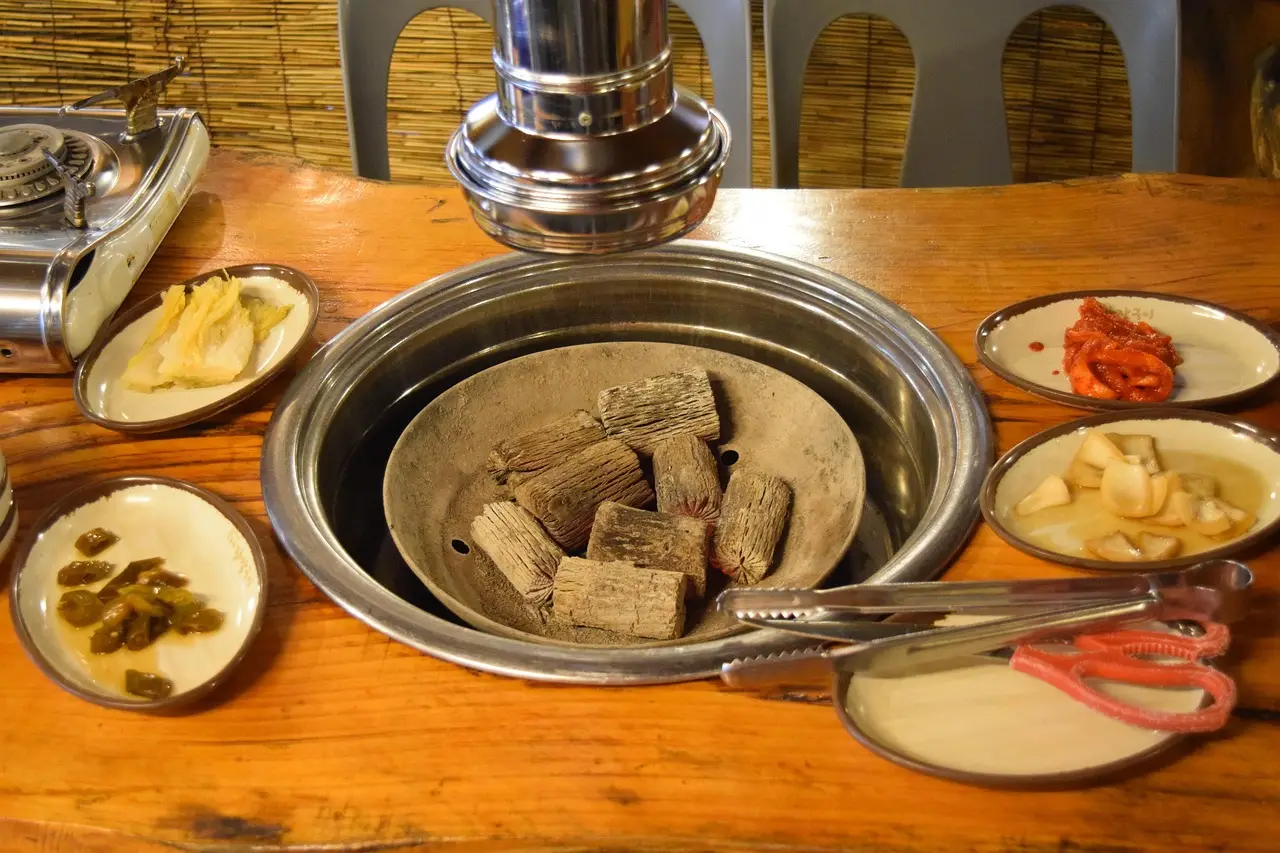
Best for: first-timers who want to eat well, walk a lot, and keep transit simple.
Skip if: you need to be next to the Shinkansen or you hate city noise after midnight.
Main tradeoff: you pay a bit more than the outer neighborhoods, but you save enough time and friction that it usually comes out ahead.
Tenjin is where I’d stay again without overthinking it. I paid $62 a night for a small private room near Tenjin Station, and the location saved me from taking extra taxis or doing awkward subway transfers just to get dinner. I could walk to a lot of my meals, and that mattered more than I expected.
I had Tenjin and a cheaper place near Yakuin in front of me. I went with Tenjin because I knew I’d be out late eating, and I didn’t want to be watching the clock for the last train or a 15-minute walk home after a long day. Yakuin would’ve worked if I were staying longer and wanted a quieter block, but for a short trip, Tenjin wins.
The area feels busy in a useful way. I grabbed a convenience-store lunch one afternoon because I was too hot to sit down anywhere fancy, then later had tonkotsu ramen for about $9 and walked back without thinking about transport. That’s the real advantage here: everything is close enough that you stop planning your day around getting back to the hotel.
Worth it: yes, if your trip is under four nights and you want the city to feel easy.
Location consequence: staying in Tenjin means you might spend 20–30 minutes getting to some sights on the edge of town, but you save yourself the repetitive train hops that chew up a short trip.
Tenjin also handled my bad timing well. One evening I left after dinner with my umbrella and fan in my bag because the heat had been hanging around all day, and I still got back on foot in a way that felt simple instead of exhausting. It’s not quiet, and I wouldn’t call it charming in a postcard way. It’s useful. That’s the point.
Hakata: better for transit, not for hanging around
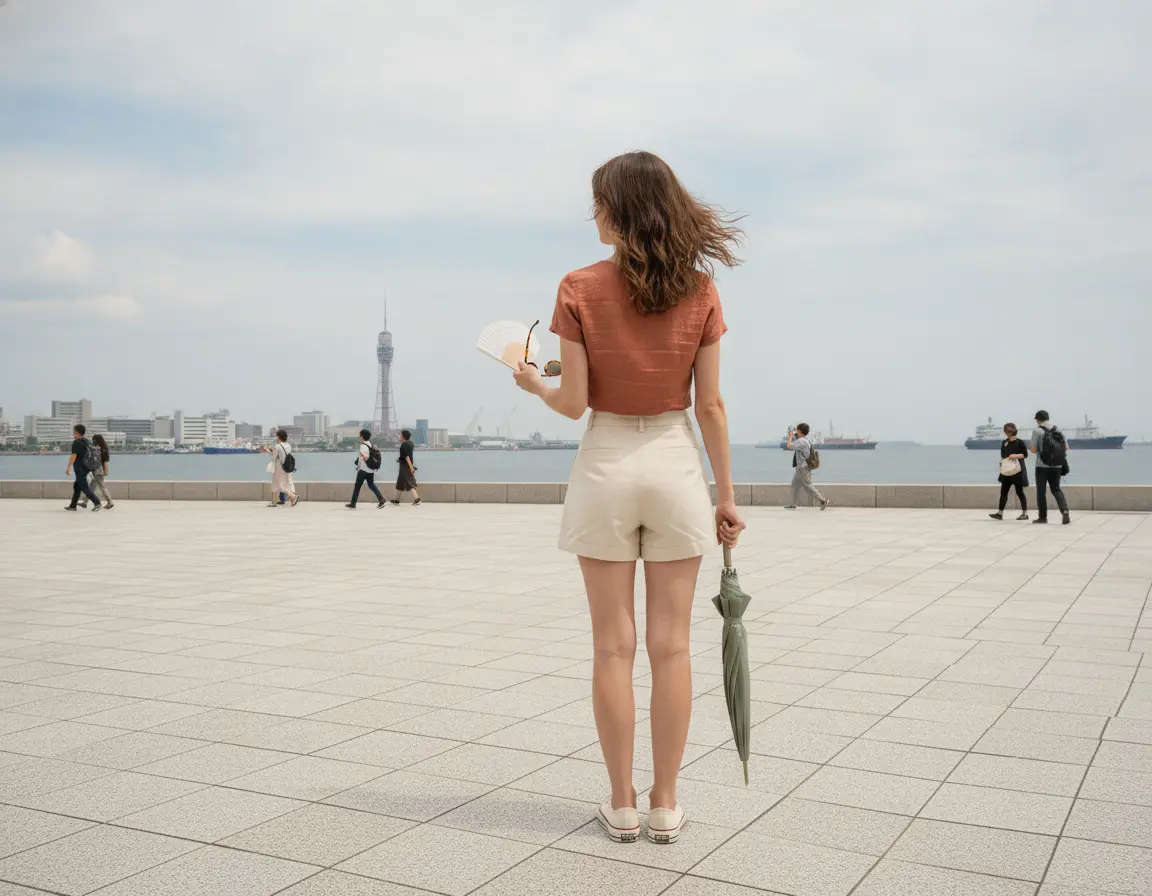
Best for: travelers arriving late, leaving early, or using Fukuoka as a train-heavy base.
Skip if: you want the better restaurant cluster and more relaxed evening wandering.
Main tradeoff: Hakata is efficient, but I found it a little too practical to be my first choice for a longer stay.
Hakata makes sense when your trip is built around the station. If I were landing late, taking an early train, or using Fukuoka as a stopover, I’d take it. I stayed here one night on a different trip and paid about $55, which was a little cheaper than Tenjin, but the savings disappeared once I started adding subway rides and taxi possibilities.
I expected Hakata to feel like a dead zone after dark. It wasn’t dead, but it was more transit-first than I wanted. I remember stepping out for dinner, seeing mostly station traffic and chain restaurants, and thinking, “fine, not great.” For a one-night logistics stay, that’s enough. For a base, I’d still choose Tenjin.
Best for: people who value airport and rail access more than neighborhood feel.
Skip if: you want to wander out for a drink and stumble into a better dinner without checking maps.
Worth it if: you’re only in town briefly and the station is doing most of the work for you.
The big upside is obvious: you’re close to Hakata Station, and that makes the airport run stupidly easy. If you’re carrying luggage or connecting to another city, that convenience is real. I’d call it the best Fukuoka base for logistics, but not the one I’d choose for atmosphere.
Nakasu: only if nightlife is the whole plan

Best for: late dinners, drinks, and people who want to be near the yatai area.
Skip if: you’re a light sleeper or you want a calm place to crash.
Main tradeoff: you get evening energy, but you give up sleep quality and a little day-to-day comfort.
Nakasu is the neighborhood I’d choose only if I knew I’d be out late. I walked through around dinner time and it already felt louder than Tenjin, with more traffic and more people lingering around the river and food stalls. That can be fun. It can also be annoying when you’re trying to get back to your room and actually sleep.
I paid $11 for a yatai meal one night — skewers and noodles, nothing fancy — and the setting was better than the food. That’s my honest read. It’s worth doing once, maybe twice, but I wouldn’t book my room there unless nightlife is your entire reason for visiting Fukuoka.
Best for: travelers who plan to stay out past 11pm most nights.
Skip if: you care about quiet, dark hallways, and not hearing the city all night.
Only if: you want the easiest stumble-home setup after drinks and don’t mind a less restful base.
People make Nakasu sound like the heart of the city. I don’t buy that for accommodation. It’s a better evening zone than sleeping zone, and I’d keep it that way.
Yakuin and Watanabe-dori: quieter, but not my first pick
Best for: travelers who want a calmer street feel and don’t mind a short subway or walk.
Skip if: you want to step out and have everything right there.
Main tradeoff: you get better sleep and a bit more local rhythm, but you lose the instant convenience of Tenjin.
I like this area more than I expected, but I still wouldn’t rank it first. I spent one morning walking through after breakfast, and it felt more residential than the central districts, which can be nice if you’re in town for more than two nights. The downside is simple: you start adding small bits of transit into your day, and those bits add up.
I almost booked a cheaper room here because it was about $14 less per night than Tenjin. I didn’t, because I knew I’d be moving around the city a lot and didn’t want to trade savings for friction. If you’re the kind of traveler who likes quiet evenings and doesn’t mind a 7–10 minute walk to the subway, this area is a solid choice. For me, it was close but not close enough.
Best for: longer stays and travelers who actually enjoy sleeping away from the busiest blocks.
Skip if: your trip is short and you want your hotel to pull its weight every hour you’re awake.
Worth it if: the price gap is at least $20 a night and you’re not packing your days with stops.
I think this is where people overcorrect. They avoid the center because they want something “local,” then end up spending half their trip on trains. That’s not a win in my book.
I compared the options in Best Day Trips From Fukuoka — useful if you haven’t booked yet.
I wrote a more detailed breakdown in Things To Do In Fukuoka At Night — worth reading if you’re still deciding.
If free things to do matters to your trip, my Free Things To Do In Fukuoka has the specifics.
If fukuoka matters to your trip, my Fukuoka In March has the specifics.
For a deeper look at fukuoka, I covered this in my Fukuoka In December.
Near Ohori Park: nice, but a little too quiet for most trips
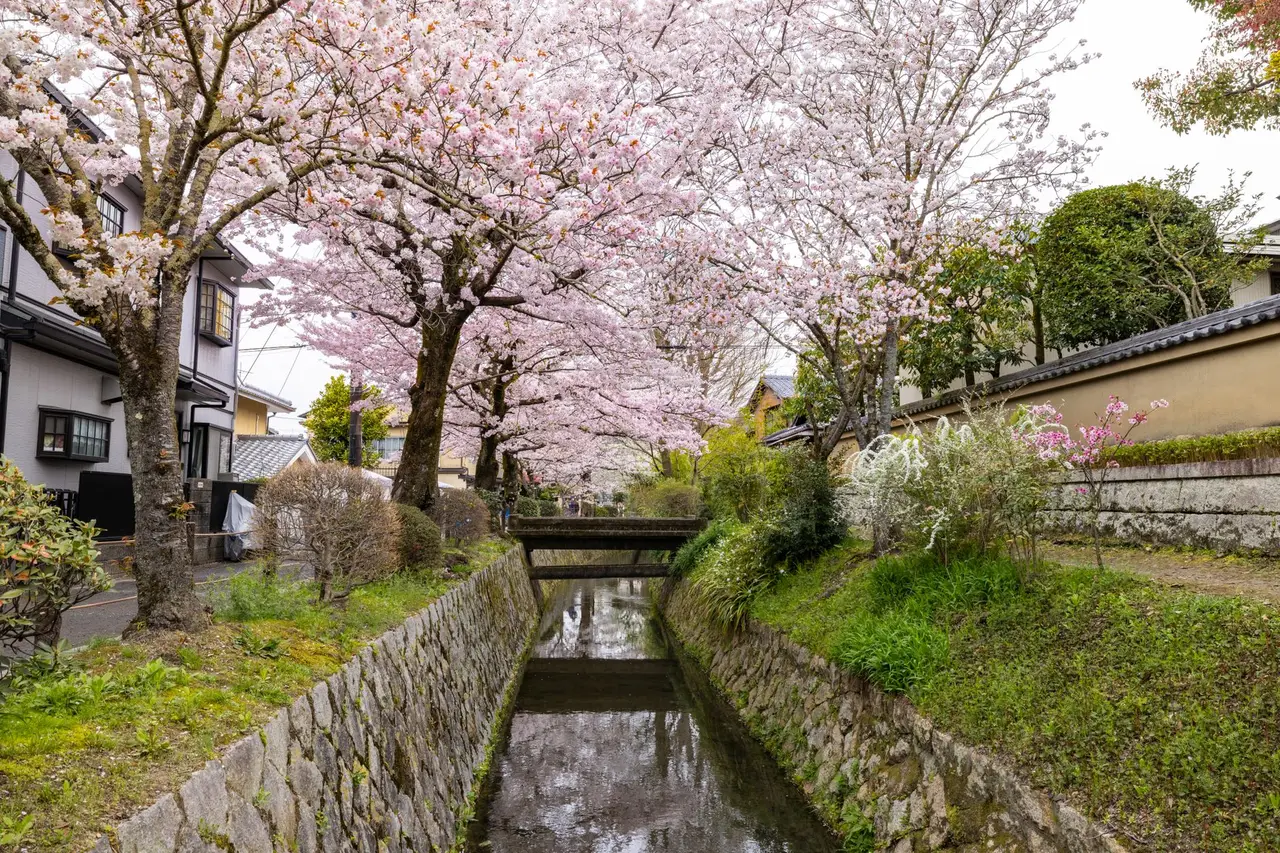
Best for: repeat visitors, runners, and people who want calmer mornings.
Skip if: you plan to eat out often and want late-night convenience.
Main tradeoff: the area is pleasant, but you’re paying for calm instead of convenience.
Ohori Park is one of those places that sounds like one of the best neighborhoods in fukuoka until you actually stay there and start timing your day around it. I walked the loop in the morning, stopped for a convenience-store coffee, and watched the runners go by while the city was still waking up. It was peaceful, yes. It was also a 15-minute subway ride back into the center, which is fine once or twice and less fine when you’re doing it every night for dinner.
I’d only pick this area if I wanted slower mornings and didn’t mind paying for taxis or extra train time later. A room here can look like a good deal, but saving ¥1,000 or ¥2,000 a night doesn’t mean much if you’re spending that on transit and losing the easy food runs that make Fukuoka feel simple. Fine for a second visit. A little too quiet for a first one.
Best for: slower travelers who want morning walks and less street noise.
Skip if: you’re trying to pack in ramen, shopping, and quick transit in the same day.
Only if: you’ve already done the central neighborhoods and want a quieter second visit.
What I’d actually book next time
I’d book Tenjin again. I had Tenjin and Hakata on my shortlist, and Tenjin won because I cared more about walking to dinner and moving around the city without extra steps. Hakata would be my pick only if I were arriving after a long flight, leaving early, or using Fukuoka as a quick rail stop.
I also made one small mistake: I assumed a cheaper room farther out would be fine because Fukuoka looked compact on the map. It wasn’t a disaster, but it cost me about 25 minutes of extra transit one night and turned a simple dinner plan into a slightly annoying return trip. The lesson was boring but useful — in Fukuoka, central usually pays for itself.
Rough daily estimates from my own trip. Prices shift by season.
I’d look at Tenjin and Hakata first, because the best neighborhoods in Fukuoka usually save more time than they cost. Fukuoka hotel prices can jump faster than you’d expect on weekends, and the difference between a central room and a “good deal” on the edge is usually smaller than it looks once you factor in transport. See all Fukuoka hotels on Agoda.
What I’d do differently next time
I’d stay one fewer night in a cheaper outer area and put that money toward a better Tenjin room. I’d also book earlier for a weekend, because the best-value places near the station were the first to move. And I’d stop pretending I’m going to enjoy a 12-minute walk home in humid heat after ramen. I won’t.
Best for: first-time visitors who want the easiest mix of food, transit, and walking in Fukuoka.
Skip if: you’re only in town for a station transfer or you need dead-quiet nights.
Next time: I’d book Tenjin sooner and only switch to Hakata if my arrival or departure made the station worth the tradeoff.
Where I’d Actually Stay in Fukuoka

Dormy Inn Hakata Gion Natural Hot Spring
Fukuoka
★★★★☆

Mitsui Garden Hotel Fukuoka Gion
Fukuoka
★★★★☆
HOTEL ORIGO HAKATA – Gion –
Fukuoka
★★★★☆
See current Fukuoka hotel prices on Agoda →
I usually book Fukuoka tours on Klook — the best time slots go fast, especially in peak season.
FAQ
Is Tenjin really better than Hakata for a short trip?
Yes, I think Tenjin is better for most short trips. It gives me easier dinner options and a more walkable evening without giving up too much transit convenience. I’d still pick Hakata if I had a very early train or a late-night arrival.
Would you stay near Nakasu if you were traveling alone?
Only if nightlife was the goal. I found it louder and less restful than Tenjin, and I wouldn’t want that as my default solo base. For a calm solo stay, I’d sleep elsewhere and just visit Nakasu for dinner.
How much more should I pay for a central location?
About $10–$20 more per night is worth it to me in Fukuoka. If the central room saves even one taxi ride or a few extra subway hops, the difference usually pays back fast. I’d only go cheaper if the neighborhood was still walkable and close to a station.
Is it okay to stay outside the center to save money?
Yes, but only if you’re staying several nights and don’t mind commuting. On a short trip, I found the “savings” vanish once I added transit time and the annoyance of getting back late. I’d do it for a longer, slower stay, not for a first visit.
Which area would you choose if you were arriving late at night?
I’d choose Hakata. Being close to the station makes late arrival day much easier, especially with luggage and limited energy. Tenjin is still fine, but Hakata removes one more thing to think about after a long travel day.
 Emma Hayes