

This post contains affiliate links. If you purchase through these links, I earn a small commission at no extra cost to you. I only recommend products I actually use and have tested across multiple trips.
I used to treat wallets like an afterthought. I’d grab whatever slim card holder was cheapest, stuff it with receipts, and then wonder why my crossbody turned into a brick by day three. That changed on a 3-week Italy trip when I kept fishing for transit cards in train stations and paying for coffee with one hand while dragging a carry-on with the other. The wrong wallet slowed me down more than I expected.
After that trip, I got a lot less romantic about travel gear. I stopped caring about “nice leather” and started caring about whether something stayed slim in a crowded airport line, whether it made sense with a carry-on-only pack, and whether I’d still like it after months of daily use. That’s where the Pomelo Best RFID Blocking Wallet earned its place. I used it for 22 months across 11 countries, mostly on transit-heavy days, museum runs, and long-haul travel where I wanted one small thing to hold cards without turning into a mess.
For me, the real test wasn’t the RFID claim. It was whether the wallet stayed useful when I was tired, moving fast, and carrying less. This one did. Not in a flashy way. Just in the way that matters when you’re trying to get through airports, train stations, and humid summer streets without digging around like a rookie.
The Short Answer
If you want a slim women’s travel wallet that keeps cards organized without hogging space, the Pomelo Best RFID Blocking Wallet is worth it. I paid around $12-$22 when I bought it, and for that price it solved the one problem I actually had: bulky wallets making my crossbody annoying to use.
It’s also worth it if you carry mostly cards and a few folded bills, not a pile of coins and receipts. I’d skip it if your wallet is basically a tiny filing cabinet.
My quick take: this is the one I’d grab for airports, city breaks, and train travel. It’s not a sentimental leather piece. It’s a practical travel wallet that stays out of the way.
What I Actually Put in My Travel Wallet

Pomelo Best RFID Blocking Wallet — I used this for 22 months, on 11 countries, after rejecting bulkier card holders that kept making my bag feel cluttered. Before this, I carried a cheap Amazon faux-leather wallet that looked fine for about two weeks, then started ballooning once I added a metro card, two credit cards, a debit card, and a few folded receipts. By the end of a long day in Rome, it felt like I was carrying a small sandwich in my crossbody.
The winning difference with the Pomelo Best wallet showed up on that same kind of day, when I was hopping between transit, coffee, and museum tickets. I could keep my cards, a few bills, and my ID in one place without the wallet getting thick enough to annoy me every time I zipped my bag. That sounds small, but on a humid day when you’re already sweaty and impatient, “small” is the whole point. I paid around $12-$22 for that convenience, and it was worth it because I stopped wasting time digging around at checkout.
After switching, the problem basically disappeared. I used it on a 3-week trip through Italy, mostly for transit cards, coffee, and museum tickets, and I didn’t once have that annoying moment where I had to dump half my bag onto a counter to find the right card. On airport and train days, that mattered more than the RFID part. The RFID blocking is fine, but the real win is that it stays slim when I’m moving fast. If you’ve had a wallet turn into a pocket brick after a week, this fixes that specific problem.
Field test details: it holds my essential cards plus folded cash without fighting me, and it still fits cleanly in a small crossbody with my phone, lip balm, and passport pouch. On a busy transit morning, I could pull it out, pay, and put it back one-handed without doing a bag excavation. The edge case is coins and receipts: if I start stuffing those in, it gets bulky fast. After months of use, the leather looked decent but not precious; it did not age into that soft, lived-in look some people want. The tiny quirk is that it’s so slim I had to stop myself from overstuffing it, which is actually a good problem to have.
What it won’t do: this is not the wallet for people who carry every loyalty card, six receipts, and loose change from three countries. If that’s your style, you’ll hate how quickly it puffs up. For me, that’s a fair trade, and I’d rebuy it for another carry-on-only trip without thinking too hard.
What Didn’t Make the Cut
The cheap Amazon faux-leather card holder was the first one I tried, and it failed in Rome after about 2 weeks. I paid $9 for it, then spent the rest of the trip annoyed because it stretched once I added more than four cards and a few folded bills. By day 10, it felt loose in my hand and bulky in my bag, which defeated the whole point of carrying something small. That $9 was not a disaster, but it was wasted money.
A bulky tri-fold wallet from a discount department store lasted me about 1 trip before I gave up on it. It had room for everything, which sounds good until you’re in a train station line in Milan and the thing takes both hands to open. I remember standing there with my coffee going cold while I fished for a transit card. It cost me around $18 and too much annoyance to keep carrying.
A popular RFID wallet with a stiff snap closure was another miss. I used it on one long-haul flight and a weekend in cold weather, and the snap felt awkward every time I needed quick access at security or a café counter. The leather was fine, but the closure slowed me down enough that I noticed it every single day. For around $20, I wanted less friction, not more.
How It All Fits Together
This wallet works best when the rest of your carry-on setup is equally stripped down. I keep mine with a passport pouch, phone, earbuds, and a small crossbody, which means I’m not constantly rearranging junk just to pay for something. On humid summer trips, that matters because I don’t want to be standing outside a bakery sweating while I dig for a card. On cold winter trips, it stays easy to handle with gloves off for just a second, then back into the bag.
It also makes airport days less annoying. I’ve used it in security lines where I needed my ID, boarding pass, and one card fast, and it was easy to keep the important stuff together. The wallet itself doesn’t solve bad packing, but it does stop your essentials from spreading across the bottom of your bag. That alone makes it worth it if you travel carry-on only and care about not wasting time.
My one honest note: if your travel style includes lots of coins, paper receipts, or loyalty cards from every coffee shop you ever saw, this wallet will start to feel too small. I’d pair it with a separate coin pouch only if I absolutely had to. Otherwise, I’d keep it lean and let it do the one job it’s good at.
I expected Nagoya’s train stations to be chaos where pickpockets ran wild, so I obsessed over finding the “perfect” RFID wallet before arriving—turns out the real problem wasn’t theft, it was me fumbling with an overstuffed card holder at ticket machines every 15 minutes. The flip: I realized I needed a wallet that worked *with* how I actually moved through stations, not one that just blocked signals I probably didn’t need blocked anyway. Honest takeaway—get a slim, accessible wallet first; worry about RFID last.
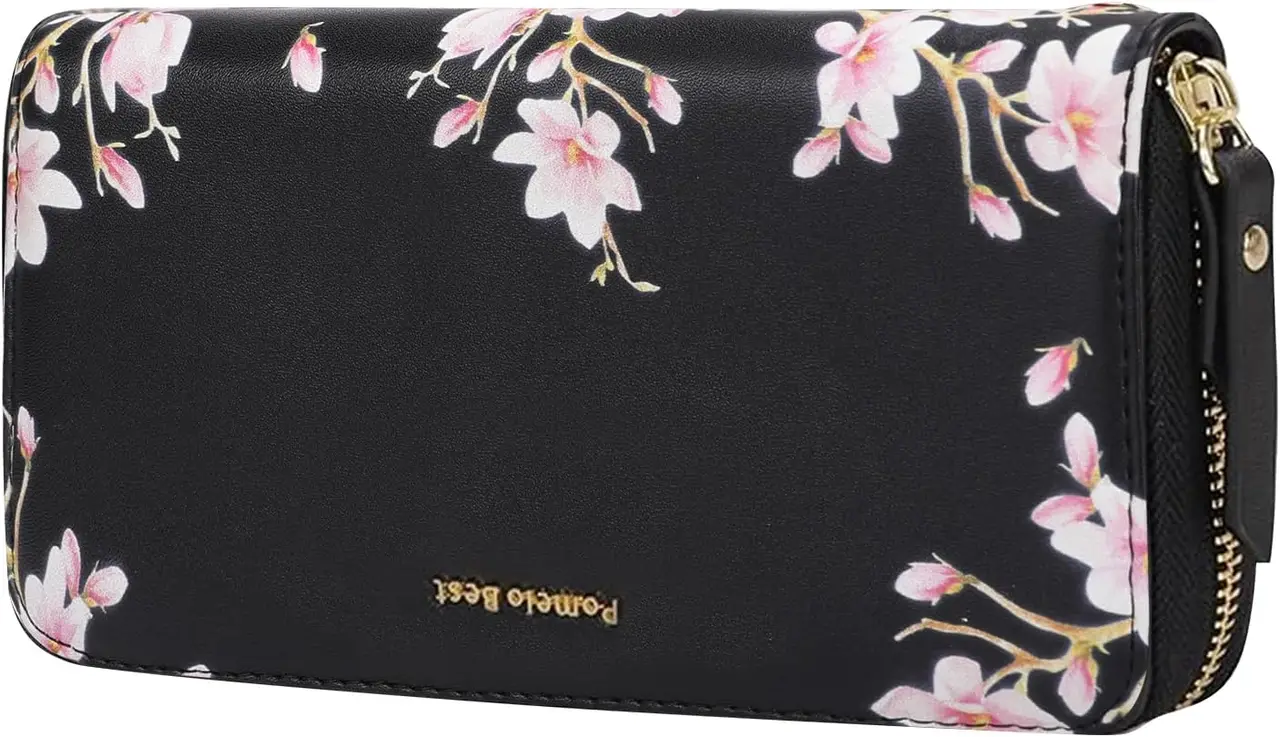
Pomelo Best RFID Blocking Wallet
Pomelo Best · $12-22 when I bought it
A simple wallet that keeps cards organized without taking up much space in a crossbody. The RFID part is fine, but for me the bigger win is that it stays slim when I’m moving through airports and train stations.
- Worth knowing:
- The leather feels decent, but it is not the kind of wallet that ages beautifully after heavy daily use.
- If you carry lots of receipts or coins, it gets bulky fast.
Check current price on Amazon (affiliate link)
FAQ
Is the Pomelo Best wallet good for international travel?
Yes, I think it’s a good pick for international trips. I used it across 11 countries, and the slim shape made it easier to move through airports, train stations, and cafés without carrying extra bulk. If you want one wallet that handles cards and a little cash without becoming annoying, this is a solid choice.
Does RFID blocking actually matter?
For me, the bigger win was organization, not the RFID feature itself. I didn’t buy it because I was obsessing over scanners; I bought it because I wanted my cards in one small place that didn’t bulge in my crossbody. If RFID protection is your main reason, fine, but I’d still judge it on size and ease of use first.
Will it hold coins and receipts without getting bulky?
No, not well. I tried that on a few travel days, and it got thick fast, which is exactly the kind of thing that ruins a slim wallet. If you carry loose change or save every receipt, I’d look for something roomier.
Is it better than a bigger travel wallet with more pockets?
Yes, if you care about staying light and moving quickly. I used a bigger wallet before, and it turned into dead weight in my bag on transit-heavy days. If your main goal is speed and less clutter, I’d pick the Pomelo Best again.
Would you use this on a long-haul flight and winter trip?
Yes, I would. I’ve used slim wallets like this on long travel days and in cold weather, and the easy access matters more when your hands are cold or you’re tired. Just don’t expect it to carry your entire life; it works best when you keep it minimal.
How much should I actually budget for a reliable RFID wallet before flying into Nagoya?
I’d set aside $12–$25 for a solid option like the Pomelo Best, which is what I paid across my purchases. Anything under $10 tends to fall apart after a few weeks of daily use, and anything over $40 is usually paying for branding rather than function—especially when you’re just trying to keep cards safe on trains and in convenience stores.
Will a slim RFID wallet work for Nagoya’s train system and convenience store payments?
Absolutely, I used mine constantly at JR stations and FamiliMarts without any issues keeping my Suica card, two credit cards, and ID together. The wallet stayed thin enough that I could slip it in and out of my crossbody while standing in crowded train cars during rush hour, which happens a lot if you’re moving between Nagoya Station and the city center.
What’s the actual difference between RFID blocking and a regular slim wallet for solo travel in Japan?
Honestly, the RFID part was never my main concern—I cared more about the wallet staying flat and organized when I was exhausted after 8 hours of walking around Atsuta Shrine and hopping between transit. That said, Japan’s contactless payments are everywhere now, so blocking does matter if you’re carrying multiple cards for 3+ weeks like I did across 11 countries.
Can I fit coins in a slim RFID wallet for vending machines in Nagoya?
Not really, and that’s actually why I chose the Pomelo Best—I ditched the coin-carrying habit altogether since most vending machines in Nagoya accept cards now. I’d grab coins when I needed them and used my card wallet for everything else, which meant fewer trips digging through my bag at train platforms.
How long will a $15–$20 RFID wallet actually last if I’m in Nagoya for 2–3 weeks?
Mine lasted 22 months across 11 countries with daily use, so 2–3 weeks is nothing—it’ll hold up perfectly fine. The seams started showing wear around month 18, but the RFID lining stayed intact and cards didn’t slip out, so for a 3-week trip you’re looking at a wallet that’ll survive airport security, humid days at Nagoya Castle, and constant transit card tapping.
 Emma Hayes
What I’d Rebuy Immediately
The Pomelo Best RFID Blocking Wallet is the one I’d buy again first. It stayed useful for 22 months, didn’t get in my way on 3-week Italy-style trips, and solved the exact problem I kept having with bulkier wallets. If I’m packing carry-on only and want one slim wallet for cards, IDs, and a little cash, this is the one that survives the cut.
I’d also rebuy it because it’s cheap enough to be practical and good enough to keep. That combination is rare. For around $12-$22 when I bought it, it did the job without pretending to be a luxury item, and that’s why it kept earning space in my bag.