

I almost wasted ¥3,200 on a fancy train-side lunch my first afternoon in Nagoya, thinking December would feel festive enough to justify it. It didn’t. The city was colder than I expected in the mornings, warmer by lunch, and a little too efficient to waste money on anything that didn’t actually help me move around, eat well, or stay comfortable.
My answer: yes, nagoya in December is worth it if you like a city trip that runs on transit, food, and low-drama logistics. It’s not the right pick if you want a holiday market atmosphere or you need every stop to feel cute on Instagram. What matters most here is weather layering, train timing, and choosing neighborhoods that save you from long platform walks in the cold.
Quick answer: I’d go to Nagoya in December for 2 to 4 days, stay near Nagoya Station or Sakae, and spend on transit convenience and one good meal instead of tourist fluff.
What December actually feels like in Nagoya

I expected This december guide to feel harsher than it did. It didn’t. When I was there, it sat around 17–25°C during the day with partly cloudy skies, and I wore a breathable tee with a light cardigan in hand most of the time. The surprise was the mornings: cool enough that I wanted sleeves, but not cold enough to need a heavy coat unless I was out early.
Verdict: December is easy to pack for, but only if you layer. I’d call it comfortable, not cozy.
That matters because Nagoya is a city where you move between stations, malls, food halls, and indoor attractions more than you wander aimlessly. I spent one morning at Nagoya Station with sunglasses on, then pulled the cardigan on by the time I came back out after lunch. That swing is small, but it changes what you carry all day.
Best for: travelers who hate heavy winter packing and want a city that stays usable without much weather drama.
Skip if: you’re chasing snow, Christmas-market energy, or a winter trip that feels decorative.
Where I’d stay, and where I wouldn’t
I’d stay near Nagoya Station or Sakae. I looked at a cheaper place in a quieter area that was about ¥2,000 less per night, and I passed because the map showed a 20-minute walk to the station. In December, that’s not a cute savings move. That’s just a cold walk with a bag.
See current Nagoya hotel prices on Agoda →
Near Nagoya Station, I paid more, but it paid back immediately in time and energy. I could get off the train, drop my stuff, and be eating within 15 minutes. Near Sakae, you get a little more nightlife and better access to shopping, while still staying connected to the subway. I’d pick Sakae if I wanted a bit more city buzz. I’d pick Nagoya Station if I was arriving late or leaving early.
Verdict: pay for location here. The cheaper hotel only wins if you’re staying a week and barely moving around.
December weekends can jump fast, especially when there’s a concert or a school break nearby. I’ve seen Nagoya hotel prices shift enough that a room I liked on Monday looked silly by Friday. See all Nagoya hotels on Agoda before you lock anything in.
My pick: I’d choose a plain business hotel near Nagoya Station over a prettier but farther option every time.
What to book before you arrive, and what to leave for the day of
I’m usually stubborn about booking too much in advance, and In december punished me a little for that habit. I thought I could wing a weekend lunch near the station, but the places with actual reputation had waits, and the casual spots were full of office workers by noon. I ended up paying ¥3,200 for a lunch set I hadn’t planned on because I was hungry and didn’t want to waste another hour searching.
Book ahead: your hotel, any specific dinner you care about, and anything seasonal that has a limited window. If you want a particular eel place, beef restaurant, or a popular observation deck at sunset, don’t assume you’ll just stroll in. I wouldn’t leave those to chance in December, especially on Friday or Saturday.
Buy on arrival: local transit cards, casual museum tickets, convenience-store snacks, and most daytime meals. The city is easy enough that I didn’t feel trapped by a rigid schedule. If a place had a line longer than 30 minutes, I skipped it and ate somewhere else. That rule saved me money and irritation.
Verdict: book the things that are hard to replace. Everything else can wait until you land.
I don’t love guided bus tours in a city like this, and I’d skip them unless you’re short on time and really want a packaged overview. Nagoya works better when you choose one anchor spot, then move on your own. If you want a set activity, I’d rather book one timed entry or one food experience than spend half a day on a bus. Klook can make sense for a few timed tickets, especially if you’re trying to avoid sold-out slots: Klook.
The food decisions that matter most in December

Nagoya’s food is the real reason I’d come back in December. I’m not saying the city is glamorous. I’m saying I ate well without trying too hard. The trick is to focus on dishes that make sense in colder weather and skip anything that exists mainly because tourists will photograph it once.
I tried miso katsu at a casual spot near Sakae and spent about ¥1,200. Worth it. It’s heavy, salty, and exactly the sort of lunch that makes sense after walking around on a cool day. I also had tebasaki at a no-fuss izakaya and paid around ¥600 for a plate. That one’s a good bar snack, not a destination meal.
What I’d eat again: miso katsu, hitsumabushi if I was willing to pay more, and simple noodles when I didn’t want to think.
What I’d skip: overpriced “Nagoya specialty” sets near the busiest shopping streets that charge ¥2,500 for a plate that tastes fine and looks more impressive than it is.
Verdict: food is a reason to go, but I’d keep the budget on the practical side. Fancy versions are nice once. After that, they’re just expensive lunch.
Best for: travelers who plan trips around meals and don’t mind eating in very normal-looking places.
Skip if: you want a city where every meal feels like an event. Nagoya isn’t that city.
Getting around without wasting time or money
Nagoya is straightforward, which I appreciate more every year. I used the subway, walked a lot, and took the Meitetsu and JR lines when they made sense. A one-way subway ride was usually around ¥210 to ¥270 depending on distance, and it felt fair. No nonsense. No weird surcharge for the privilege of being alive.
I’d skip rental cars unless you’re leaving the city. Parking and traffic don’t make sense for a short stay, and December isn’t the month to learn the city by stress. The subway network covers the parts you actually need, and the station areas are walkable enough if you choose your hotel well. I walked from Nagoya Station to a nearby dinner spot in a light cardigan and was fine. Not warm, not frozen. Fine.
Verdict: public transit is enough for almost everyone. A car is extra hassle with no real payoff inside the city.
The only thing I’d watch is station distance. Nagoya Station is huge, and a 10-minute walk on a map can turn into 20 minutes of platform confusion if you come in from the wrong exit. I did that once and got mildly annoyed at myself. Small mistake, but it cost me a tea stop I’d planned to make.
My pick: stay close to a station and move by subway. That’s the cleanest December strategy.
What I expected to love more, and didn’t

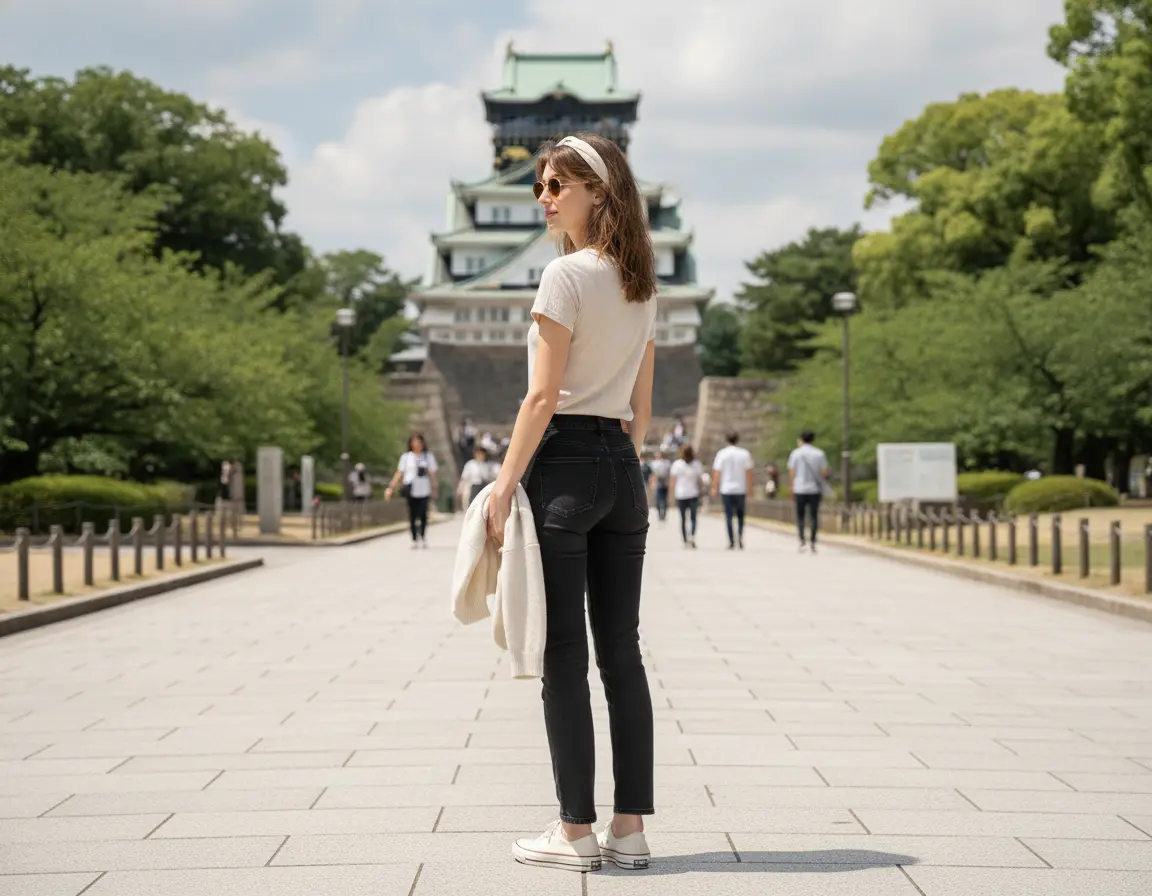
I figured Nagoya Castle would be a bigger highlight than it was. Everyone says to go, and I did. The exterior looked fine, but I left after about 20 minutes because the whole thing felt more like a checkpoint than a memorable stop. The grounds were the better part, and even those were more pleasant than dramatic.
Verdict: go only if you already like castles or have a half-day to fill. Don’t build the trip around it.
That was my main expectation flip in Nagoya. I thought the big-name sights would carry the trip, but the city worked better as a food-and-logistics place than a sightseeing one. That’s useful to know before you arrive, because it changes what you should spend on. I’d rather put the money into a better hotel location or one really good meal than pay for every famous entrance fee in town.
Another thing I expected to be more festive was the December shopping and illumination feel. There are seasonal lights and winter displays in parts of the city, but I wouldn’t build my whole trip around them. They’re nice if you’re already nearby. They’re not worth a separate trip across town unless you have other reasons to go.
Skip if: you only want a city that constantly entertains you with landmarks.
The mistake I made on my first Nagoya day
I made the obvious beginner mistake: I assumed December in Nagoya would be slower and cheaper everywhere. I arrived with a loose plan, a too-small lunch budget, and no reservation for the one restaurant I actually wanted. The trigger was simple. I got hungry around noon near the station and saw a line that looked short from the outside. It wasn’t. By the time I walked around and came back, the place had filled up and I ended up spending ¥3,200 on an uninspiring backup lunch because I didn’t want to keep searching in the cold.
Verdict: don’t wing your first meal of the day if you care about it. December lunches can still get busy.
The consequence wasn’t catastrophic, just annoying. I lost about an hour and paid more than I needed to for food I wouldn’t recommend. Next time, I’d either reserve the restaurant I actually want or eat at a simple place before noon and save the “nice meal” for dinner when I’m not impatient.
What I’d do differently: I’d book one anchor meal, choose a hotel closer to the station, and stop pretending I’m going to outsmart lunch crowds with optimism.
Rough daily estimates from my own trip. Prices shift by season.
What I’d do differently next time
I’d stay one night longer and keep the schedule looser. Two nights felt workable, but three would have let me slow down around meals instead of treating every stop like a test. I’d also spend a little more on location and a little less on random convenience-store snacks, which sounds backwards until you’re the one hauling a bag across a station in a cardigan.
I’d skip trying to “see everything” and just build the trip around a few good decisions: station-side hotel, one reservation, one casual food crawl, one indoor afternoon. That formula works here. It’s not glamorous, but it’s efficient, and December is better when you stop fighting the city’s practical side.
Best for: short-stay travelers who want easy transit, good food, and a city that doesn’t waste time.
Skip if: you need winter charm, big holiday crowds, or a sightseeing-heavy trip that feels constantly exciting.
Next time: I’d book one dinner in advance, stay closer to Nagoya Station, and leave the rest open for whatever looked good that day.
I usually book Nagoya tours on Klook — the best time slots go fast, especially in peak season.
FAQ
Is Nagoya cold in December?
No, not in the way people usually mean cold. When I was there, daytime weather sat around 17–25°C, so I got by with a tee and light cardigan instead of a winter coat. Morning and evening felt cooler, so I’d still pack a layer you can throw on fast.
Do I need to book hotels early for a December trip?
Yes, I’d book early if you want a station-area hotel or anything with strong reviews. I saw rates move enough that waiting could have cost me a better room for the same money. If your dates include a weekend, don’t leave it to chance.
Is Nagoya Castle worth the time?
No, not as a main event. I spent about 20 minutes there and felt like the outside and grounds were enough for me. Go only if you already care about castles or need to fill a half-day.
What should I eat first in Nagoya during winter?
I’d start with miso katsu, because it makes the most sense on a cool day and usually costs around ¥1,000 to ¥1,500. Hitsumabushi is the bigger splurge if you want to spend more on one meal. I’d skip the overpriced tourist versions near the busiest stations and eat where locals actually line up.
Is it easy to get around without speaking Japanese?
Yes, getting around is easy enough for a short trip. Subway signs, station maps, and ticket machines are readable, and I didn’t need anything fancy to move between the main areas. I’d still save your hotel address in Japanese on your phone, because that one tiny step saves a lot of awkwardness.
 Emma Hayes