
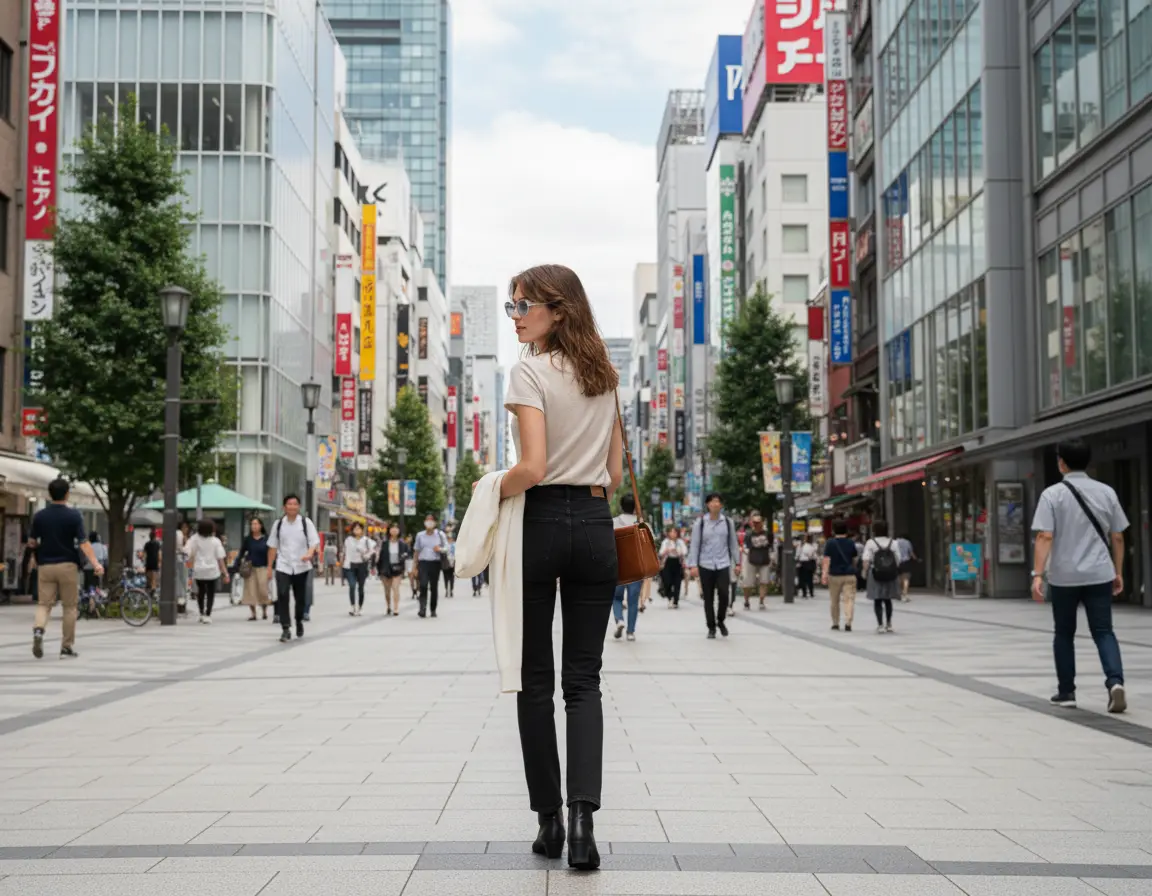
Tokyo taught me fast that “cheap” can mean very different things. I paid ¥9,200 for one room that saved me a 14-minute walk from the station, and I also spent a night in a place that looked fine online but turned into a 25-minute drag with my bag and no real sleep. For a solo trip, I’d rather pay a little more for location than save $15 and lose an hour every day. Best cheap hotels Tokyo solo 2026 really comes down to that tradeoff.
Quick Answer: I’d book Ueno first for the best mix of price and station access, then use Asakusa as the cheaper backup. Skip the far-out listings that save less than $20 a night but add a long walk or extra transit every day.
| Hotel | Price/night | Location | Best for |
|---|---|---|---|
| Ueno | $55-$95/night | Ueno | solo |
| Asakusa | $55-$95/night | Asakusa | budget |
| Shinjuku | $55-$95/night | Shinjuku | solo |
My actual picks after comparing real rooms in Tokyo
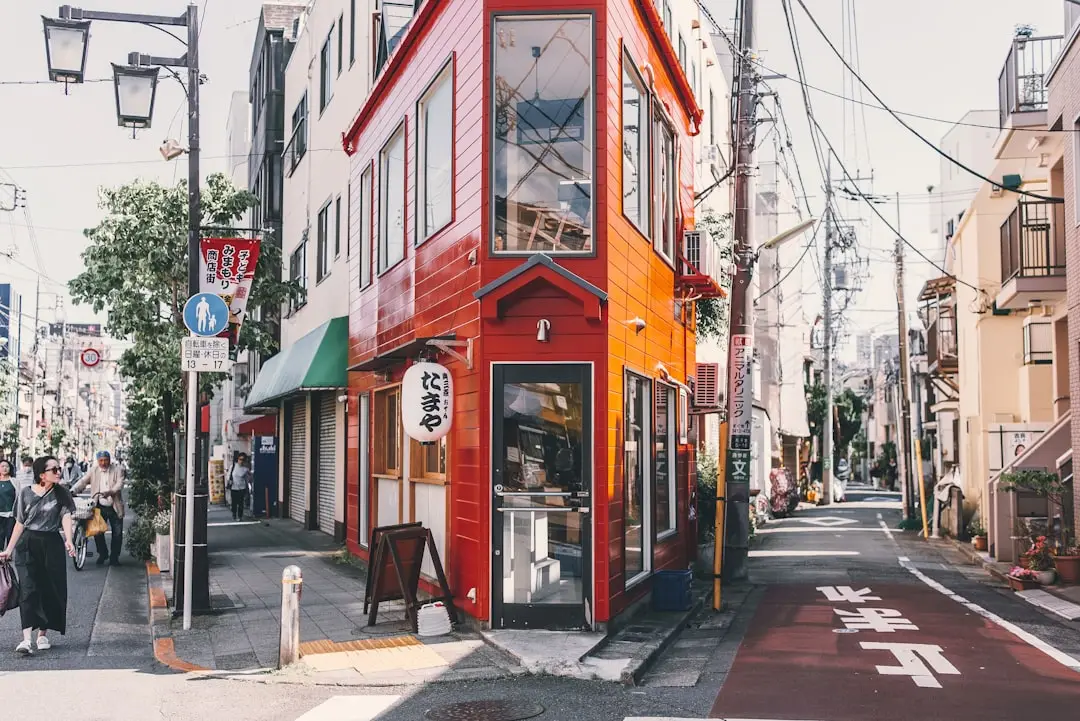
I kept coming back to Ueno because the cheap rooms there were the least annoying. One night at Sotetsu Fresa Inn Ueno-eki Kita-guchi put me in a room that was small in the way Tokyo cheap hotels usually are, but the desk actually had enough space for a laptop and the station walk was short enough that I didn’t start the day irritated. That matters more than a slightly lower rate. I’d rather pay ¥1,000 extra than drag my bag through three extra blocks after dark.
Asakusa was the other place I kept looking at, and the rooms were often a little cheaper. At The Gate Hotel Kaminarimon by Hulic, I liked the feeling of the area, but the tradeoff was exactly what I expected: nicer atmosphere, slightly more effort when I wanted to move around the city fast. For a slower trip, that’s fine. For a solo stay where I wanted to get in, drop my bag, and keep moving, Ueno still won.
I also looked at a few places that were technically cheap but not useful. The room rate looked good until I checked the station walk and realized I’d be spending that “savings” on taxis or lost time. I’ve done that before in Tokyo and it never feels clever after the second day. A hotel can be basic. It just can’t be inconvenient and cheap at the same time.
So my actual answer for Best cheap hotels Tokyo solo 2026 is simple: Ueno first, Asakusa second, and anything too far from a proper station gets crossed off fast. If the room is clean, the bed is fine, and I can get back at 11pm without thinking about it, I’m happy. That’s the whole job.
Ueno: the cheap area I’d actually choose again
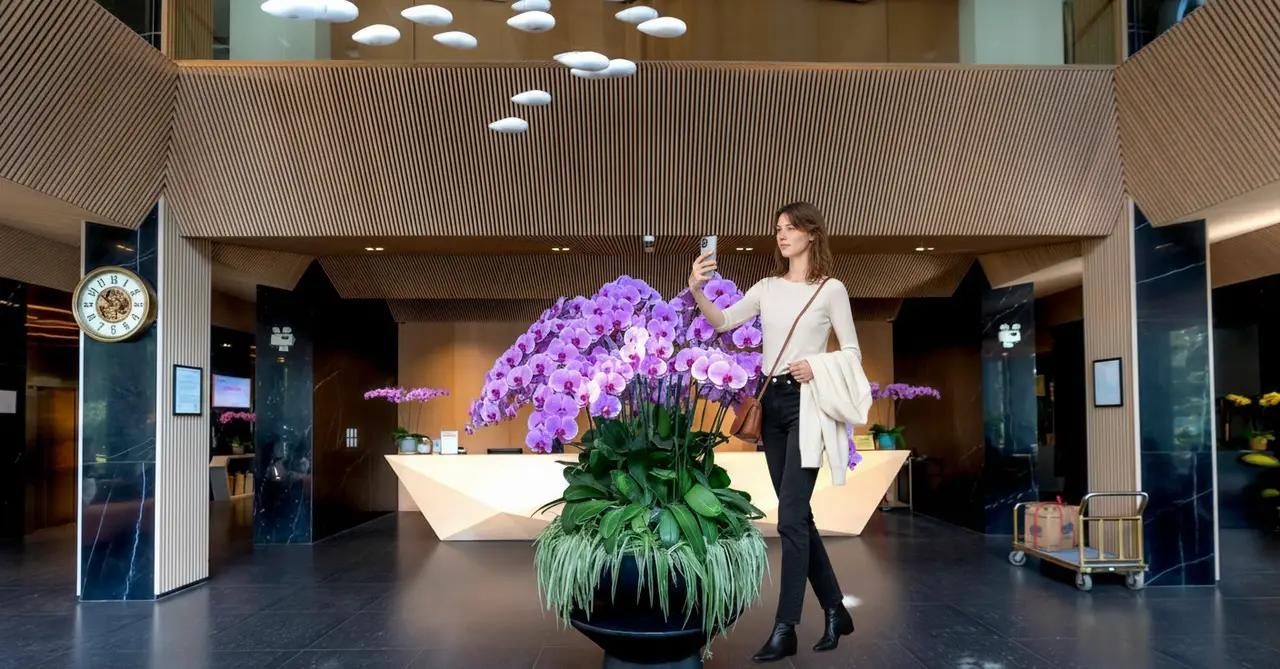
Ueno is where I’d spend the extra few dollars. I walked out of Ueno Station more than once with my sunglasses on and cardigan in hand, and the area made sense immediately. There are convenience stores, casual food spots, and enough foot traffic that I never felt like I’d wandered into the wrong block after dark. For a solo traveler, that calm matters.
Sleep-wise, Ueno is usually decent if you don’t book right above a noisy street or next to a thin wall situation. I stayed in a place around ¥10,000 where the room was small, the window didn’t do much, and the hallway noise was light but noticeable around 7am. Still, I slept fine. That’s the standard I care about in Tokyo: not silent, just not stupid.
The main tradeoff is that Ueno isn’t the prettiest place to sit around for hours. It’s useful, not memorable. But I’ll take useful every time when the alternative is paying more to be in a place that looks nicer and makes me work harder to go anywhere.
Best for: Solo travelers, first-timers, and anyone arriving late who wants an easy base.
Skip if: You want a neighborhood that feels more polished or nightlife-heavy.
Worth it: Yes, if the rate is only a little higher than the cheapest options farther out.
I expected Ueno to feel a bit dull. It did, but in a good way. I’d rather have dull and efficient than charming and annoying, and that’s not me being dramatic. That’s me trying to get back to my room without a train puzzle at midnight.
Asakusa: cheaper, slower, and still a smart backup
Asakusa is the area I’d choose when I wanted to save money and didn’t mind losing some convenience. I found rates there that were often a few dollars lower than Ueno, and the neighborhood itself is easy enough to navigate once you settle in. The catch is the distance penalty. If you’re moving around Tokyo a lot, those extra minutes add up.
I booked a night near Asakusa once because the price was tempting, and I paid about ¥7,800 for the room. The room itself was fine, but the walk from the station with my backpack took longer than I wanted, and I noticed it most when I came back tired. That’s the real cost of a cheap hotel in Tokyo: not the room rate, but the energy tax.
Noise was mixed. One street was quiet, another had enough late-night activity that I could hear people drifting past around 11pm. It wasn’t bad enough to ruin sleep, but it wasn’t the kind of room I’d choose if I were jet-lagged and cranky. Fine, not great. That’s my honest read.
Best for: Budget travelers, slower itineraries, and solo visitors who don’t mind a less central base.
Skip if: You plan to crisscross Tokyo every day and hate extra train time.
Only if: The savings are real, not just ¥500 or ¥700 on a random night.
I thought Asakusa would feel more atmospheric than it did. It was more practical than charming, at least around the hotel blocks I stayed near. If your goal is to save money, that’s fine. If your goal is to make Tokyo easy, I’d still pay up for Ueno.
Shinjuku on a budget: not my first pick, but not a scam either
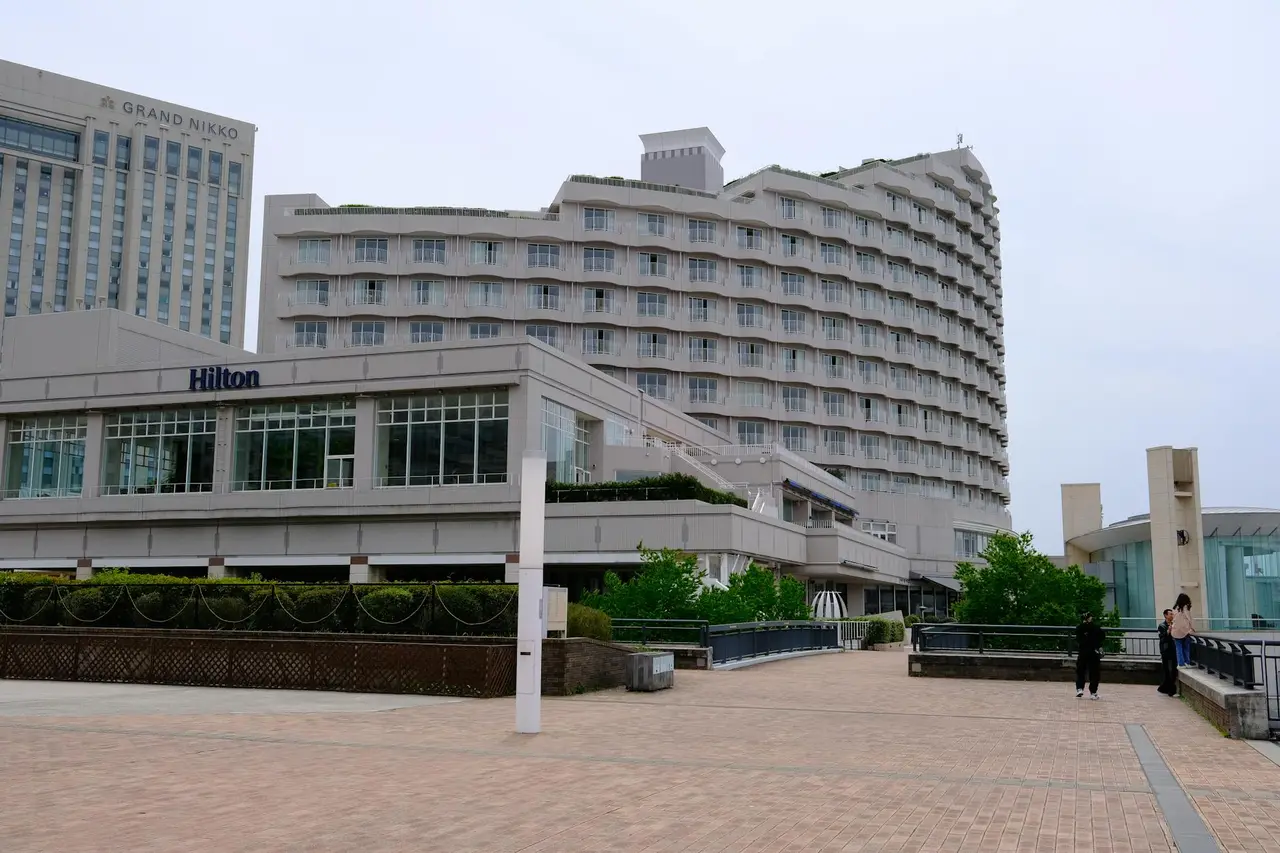
I tried looking at cheap hotels in Shinjuku because everyone acts like staying there solves everything. It doesn’t. The area is handy, yes, but the budget rooms I found were often tiny, a little tired, or placed in spots where the walk from the station felt longer than the map suggested. I’m not against Shinjuku. I’m against paying a premium just to be near chaos.
I had one place in Shinjuku in front of me that was about ¥2,000 more than a similar room in Ueno. I passed on it because the walk was close to 18 minutes with luggage, and that extra money didn’t buy me quieter sleep or a better room layout. The tipping point was simple: I didn’t want to drag a bag through a dense station area every night after dinner.
Sleep in Shinjuku is very dependent on the building. If your room faces a busy street or sits above nightlife, you’ll know it. If you’re a light sleeper, I’d be cautious. If you’re the kind of traveler who falls asleep anywhere, it can work. I’m not that person, so I’d only book Shinjuku if the location was unusually good.
Best for: Solo travelers who want nightlife and don’t mind paying a bit for it.
Skip if: You’re booking cheap because you want rest, not energy.
Worth it: Only when the hotel is actually close to the station and the price gap is small.
I figured Shinjuku would be the easy answer. It wasn’t. Too many cheap listings there seem to sell the neighborhood name more than the room itself, and I don’t like that math. I’d rather stay a little away from the noise and keep my sleep intact.
What cheap really means in Tokyo, from one solo traveler who checked the receipts
For me, cheap in Tokyo usually meant somewhere around ¥7,500 to ¥13,000 a night for a private room, depending on the season and how close I was to a major station. I wasn’t trying to live large. I just wanted a room that was clean, had decent air, and didn’t make me waste my day. Tokyo is one of those cities where the wrong hotel can quietly cost you more than the right one.
The real tradeoff is simple: you can save maybe $10 to $25 a night by moving farther out, but you often pay that back in transit time, energy, or both. I did the longer-walk version once and spent about 20 extra minutes each way just getting from the hotel to where I actually wanted to be. That saved money on paper. In reality, it was a bad deal.
For solo travel, I care about three things more than flashy room photos: station access, late-night comfort, and whether I can get food within a few minutes without overthinking. Tokyo is full of cheap hotels that look identical online, so the neighborhood becomes the deciding factor fast.
Best for: People who want to spend less without turning every day into a transit exercise.
Skip if: You’re choosing based on room photos alone.
My pick: Pay a little more for a station-adjacent base. It pays you back every single day.
One morning in Tokyo, it was about 16°C and I left with a light jacket because the air still felt cool before lunch. By afternoon I had the cardigan stuffed in my tote and was fine in a simple top. That kind of weather makes a walkable hotel even more useful, because you don’t want to be stuck doing extra miles in the wrong layer for no reason.
The one booking mistake I wouldn’t repeat
I made the mistake of booking too far from a station because the nightly rate looked good. I thought I was being smart. The hotel was a few thousand yen cheaper, and I figured I’d just walk a bit more and save the difference. That was the setup, and it sounded reasonable until I arrived with my bag after sunset and realized the route was longer and less pleasant than the map made it seem.
The trigger was a simple wrong turn out of the station area. I had to backtrack twice, and by the time I got to the hotel I’d wasted almost 30 minutes I didn’t need to lose. The consequence was bigger than the time, though. I ended up taking fewer spontaneous evening walks because I knew the return would be annoying, and that changed how I used the trip.
Now I’d pay more for a hotel within a short walk of a proper station, even if the room is smaller. That’s the part people skip when they compare cheap Tokyo hotels: the room size matters less than the friction around it. I’d rather have a tiny room I can reach easily than a cheaper one that makes every outing feel slightly harder.
Best for: Travelers who want the real reason I’d spend a bit more: less daily hassle.
Skip if: You don’t care about walking 15 to 20 extra minutes with luggage or at night.
Worth it: Yes. I’d pay the station tax every time.
That was the moment Tokyo made sense to me as a budget city with a catch. The cheap option isn’t always the cheap option once you count your time. I learned that the annoying way, which is usually how I learn anything useful.
How I’d book Tokyo on Agoda without overpaying
When I’m comparing Tokyo hotel prices, I look at Agoda first because the rate differences are obvious fast and the filters help me sort the real budget options from the weird ones. I don’t care if a room is labeled “great value” if it’s 22 minutes from a station and has review comments about thin walls. I care about the total cost of staying there.
If I were booking again, I’d compare Ueno and Asakusa side by side, then only open Shinjuku if the price was unusually good and the walk was short. I’ve seen enough Tokyo listings to know that the cheapest room is often cheap for a reason. A few extra dollars can buy you a lot less friction, and in Tokyo that matters more than a fancy lobby I’ll pass through once.
Prices near the best-connected areas can jump by about $15 to $30 a night on busy dates, so I’d check rates early and not assume the first decent room will stay available. See all Tokyo hotels on Agoda →
Best for: Price-checking fast and spotting which cheap hotels are actually near the train.
Skip if: You’re booking last minute and not comparing neighborhood location carefully.
My pick: Use it to sort by station access first, then price second.
Rough daily estimates from my own trip. Prices shift by season.
Where to Stay
If you land after 9pm, I’d book Ueno first. The station is easy, the hotels are usually cheaper than central Shinjuku, and you can get to your room without turning a late arrival into a scavenger hunt.
I booked through Agoda and saved about 15% compared to the hotel’s own site.
Where I’d Actually Stay in Tokyo
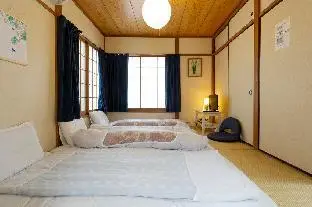
Easy access from Airport, Skytree, Asakusa, Ueno!
Tokyo
★★★★☆

YADOYA Negishi Japanese house Ueno Asakusa
Tokyo
★★★★☆
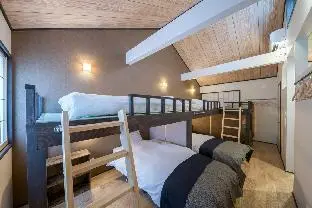
YADOYA Matsugaya Japanese house Asakusa Ueno
Tokyo
★★★★☆
If you’re staying 5 nights or more, Asakusa is the better budget base. You’ll trade a little convenience for lower rates, and that matters more once you’ve already paid for a flight, trains, and too many convenience store dinners.
If your first stop is Senso-ji or you want a quieter solo trip, Asakusa makes sense. If you want to stay out late and still feel plugged into the city, Shinjuku only works when the hotel is genuinely close to the station. Otherwise, you save ¥1,000 and spend it on your feet.
FAQ
Is Ueno a better base than Asakusa for a solo trip?
Yes, I’d pick Ueno first. The station access is better, which saves real time when you’re moving around Tokyo all day. Asakusa can be cheaper, but I’d only choose it if I was happy trading convenience for a slightly lower rate.
How far from the station is too far in Tokyo?
For me, anything beyond a 10-minute walk starts getting annoying, especially with luggage or after dinner. I booked one place that looked fine online but turned into a 25-minute drag from the station, and I regretted it immediately. If a hotel saves less than about $20 a night, I don’t think that extra walk is worth it.
Can I stay in Shinjuku on a budget without making a mistake?
Yes, but I’d only do it if the hotel is genuinely close to the station and the reviews mention quiet rooms. Cheap Shinjuku listings can be fine, but the area name doesn’t fix a bad building layout or a noisy street. I’d choose it for convenience, not for saving money.
What nightly price feels fair for a cheap Tokyo hotel in 2026?
I’d call roughly $55 to $95 fair for a private room, depending on the neighborhood and season. If it’s much lower, I’d check the station distance and room size carefully because the bargain usually comes with a catch. If it’s much higher, I’d want a better location or stronger room quality to justify it.
Would you stay farther out to save money?
No, not unless I was staying for a long time and knew I’d barely move around the city. Tokyo is one of those places where location saves you more than the room discount does. I’d rather pay a bit more and keep my days easy.
 Emma Hayes