
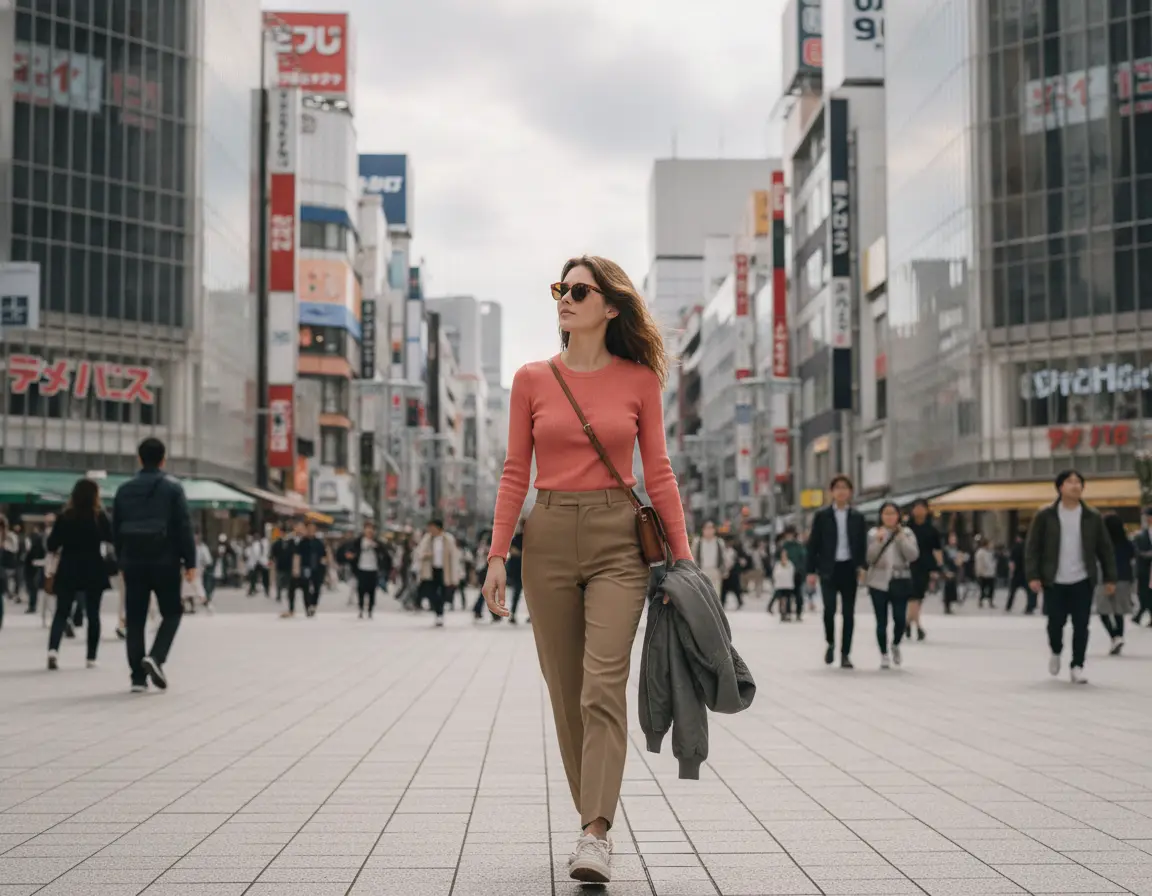
Tokyo was supposed to be expensive. It was, but not in the way people make it sound. I ate very well on a normal budget by skipping the flashy stuff and going where office workers, students, and tired locals were already standing in line. The best cheap eats in Tokyo are the places with short menus, fast turnover, and no drama.
If you want one clear answer from me: I’d chase cheap ramen, standing sushi, conveyor-belt sushi, soba, curry, and depachika food before I’d spend money on “Tokyo food experiences” that are mostly a photo stop. This Tokyo cheap eats guide 2026 is for travelers who care about value and don’t need every meal to be a story. It’s not for people who want polished tasting menus or who think a 45-minute queue is part of the fun. The real question is simple: where do you get the most food for the least money without eating badly? That’s what I’m answering here.
Quick Answer: For Tokyo cheap eats in 2026, I’d start with standing sushi in Ueno, ramen near station exits, soba for the cheapest hot lunch, curry rice for a filling meal, and depachika food halls for a solid dinner. I could eat well for about $20–$35 a day, with lunch sets like ¥1,200 standing sushi and ramen around ¥900–¥1,400
Restaurants
- Best value: ramen, soba, curry rice, and standing sushi around train hubs.
- My pick for one cheap splurge: a set lunch at a no-frills sushi counter or tonkatsu shop.
- Skip: famous “tourist food” spots with long lines and inflated prices for average food.
- Budget reality: I could eat well in Tokyo for about $20–$35 a day if I kept drinks modest.
The first cheap meal I’d seek out again
If I landed in Tokyo hungry and tired, I’d go straight for a standing sushi bar or a conveyor-belt sushi chain before anything else. That’s the meal that gave me the best cost-to-value ratio. I paid ¥1,200 for a lunch set at a standing sushi place in Ueno, and it was the kind of lunch that fixes a day. Not fancy. Just efficient, fresh, and gone in 20 minutes.

My favorite version was a simple set with tuna, salmon, squid, and one seasonal piece, plus miso soup. I also tried Sushiro once because everyone recommends it, and honestly, it was fine. Fine, not great. The plates were cheap, usually around ¥120 to ¥180 each, and I left full for under ¥1,500, but I’d still pick a small standing sushi counter over the chain if I had both in front of me. The chain wins on ease. The counter wins on taste.
Worth it: yes, especially for lunch. The price gap between “okay sushi” and “actually good cheap sushi” is smaller than people think.
Skip if: you want a slow meal or a big social sit-down. This is fast food with better fish, not an event.
My pick: standing sushi first, conveyor belt only if the line is shorter or I’m too tired to think.
Ramen that earns its line, and ramen that doesn’t
Tokyo ramen is where I spent money without feeling stupid about it. A good bowl usually ran me ¥900 to ¥1,400, and I’d rather pay that than blow cash on some overhyped dessert café. I had a shoyu ramen near Shinjuku for ¥1,050
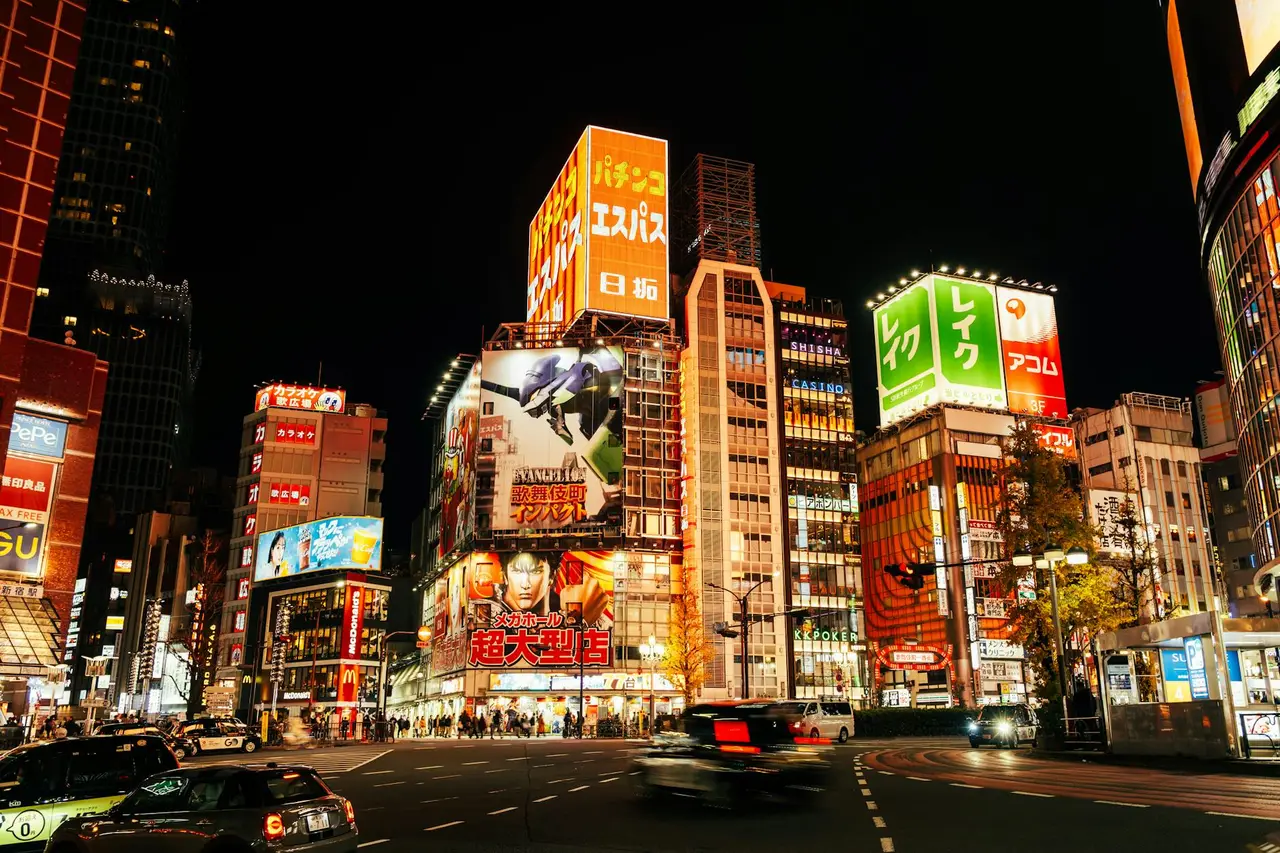
Everyone recommends Ichiran, and I get why. It’s easy, solo-friendly, and the ordering machine takes the pressure off if you’re new in town. I paid around ¥1,200 for the standard tonkotsu bowl, and it was good enough. But here’s my honest take: I wouldn’t wait 30 minutes for it. If the line is short, fine. If not, I’d walk to a smaller shop nearby and probably eat better for the same money. I’ve stood in too many food lines in my life to pretend that’s part of the charm.
How to find the better bowls: look for shops near station exits where office workers are eating at 11:45 a.m. or 1:15 p.m. If the place has a ticket machine, a tiny counter, and the smell of broth hits you before you see the menu, you’re usually in the right zone. The order process is simple: buy a ticket, hand it over, and sit down. Some places have English buttons. Some don’t. I’ve managed with a lot of pointing.
Worth it: yes, but only if the line is moving.
Skip if: the wait is longer than 20 minutes. Ramen gets cold in my patience very quickly.
My pick: neighborhood ramen shop over famous brand name, every time.
Standing soba and curry rice: the meals that saved my day
These were the meals I didn’t plan to love, but they kept showing up as the smart choice. Standing soba is one of the cheapest lunches in Tokyo, and I paid as little as ¥450 for a basic kake soba near a rail station. It was hot, fast, and enough to keep me moving. Not memorable in the way Instagram wants food to be, but useful in the way travel actually is.
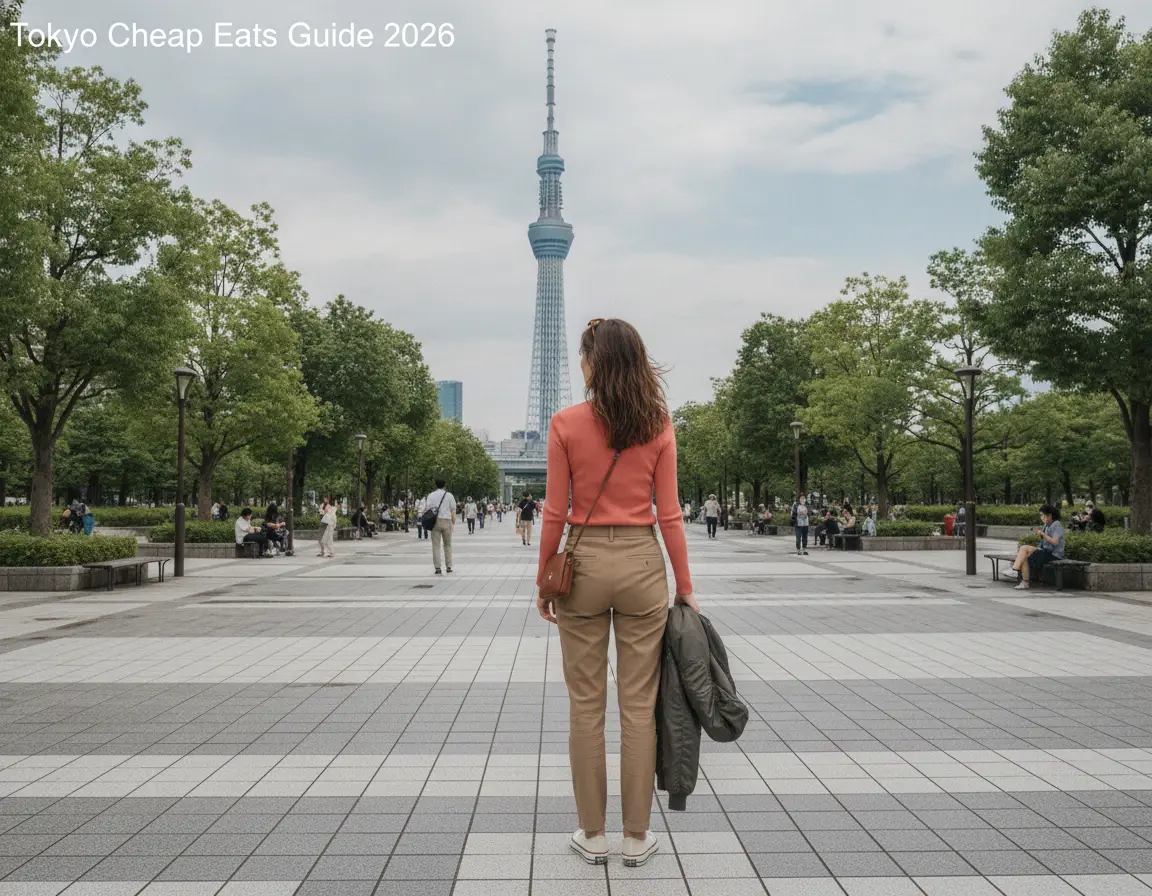
Curry rice was the same story. I had a plate at a chain spot for ¥780, with rice, curry sauce, and a breaded pork cutlet added for a bit more. It was filling and predictable, which is exactly what I wanted after a long morning walking around Asakusa with sunglasses on and my jacket in hand because the temperature had climbed into that weird 17–25°C range where you keep changing your mind every hour. The curry wasn’t elegant. It was practical. That meal probably saved me from spending twice as much on a random cafe lunch that would’ve looked better than it tasted.
I’d choose soba when I want the cheapest hot meal and curry when I want something heavier that won’t turn into a snack an hour later. If I had to compare them, soba is the better budget move and curry is the better hunger fix. Different jobs. Same value.
Worth it: both are worth it, especially for solo travelers.
Skip if: you’re looking for a long, sit-down lunch with drinks. These are in-and-out meals.
My pick: soba for cheapest, curry for best “I need food now” option.
The depachika food halls I kept using instead of fancy meals
Tokyo department store basements are where I stopped pretending every meal needed a restaurant seat. I bought boxed sushi, fried chicken, tamagoyaki, and a couple of rice balls from depachika food halls when I wanted variety without spending much. My best grocery-style lunch came out to about ¥1,100
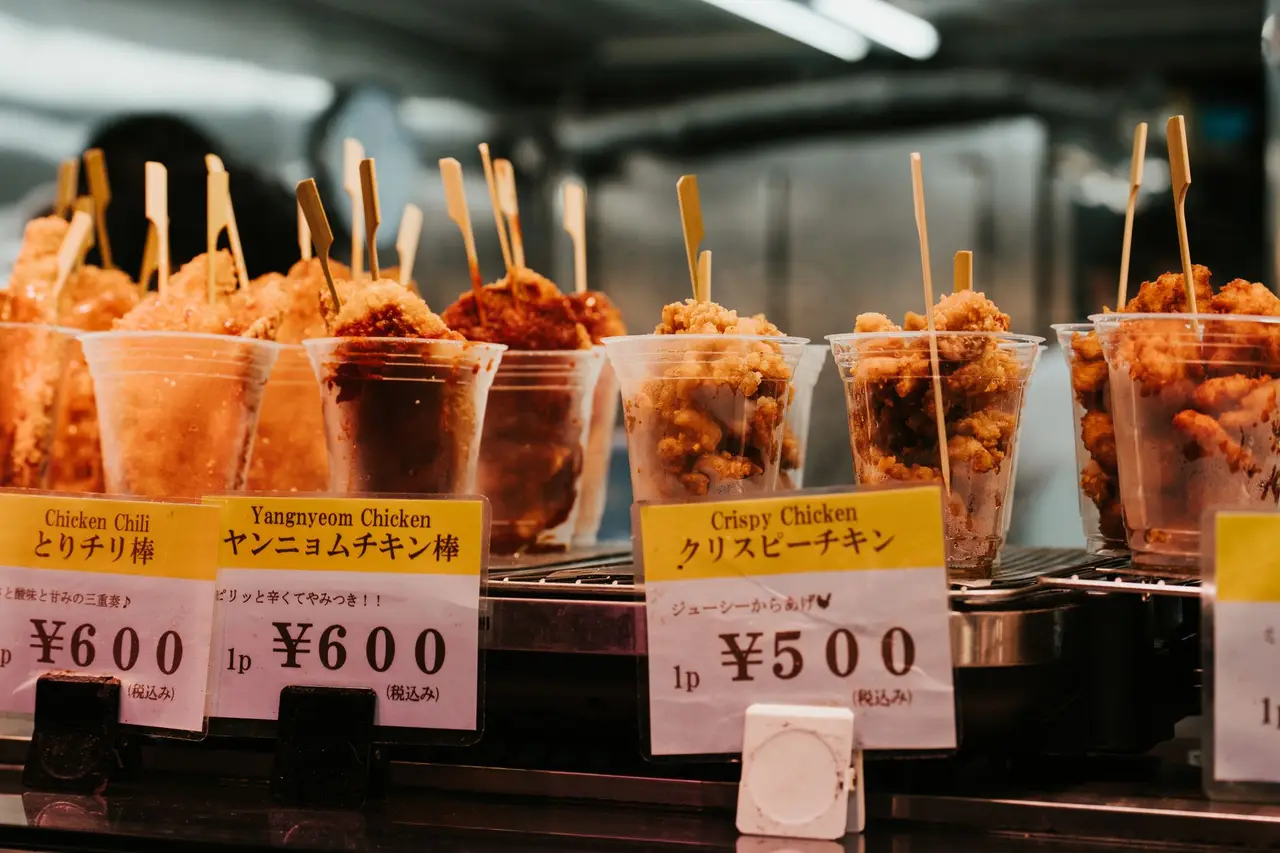
I expected the food halls to be more expensive, because a lot of travel advice makes them sound like luxury zones. They weren’t, at least not if you shop like a normal person and ignore the prettier displays. The trick is to go late afternoon, around 5 p.m., when some items get marked down. I picked up a bento near Shibuya just before closing and saved about 30%. That felt like a tiny victory. And yes, I was hungry enough to care.
This is also where I’d buy snacks for later instead of paying convenience store prices three separate times. A depachika is not the cheapest possible food in Tokyo, but it’s a strong middle ground when you want good quality without a full meal price. I’d take it over a themed café any day.
Worth it: yes, especially for lunch or dinner on a flexible schedule.
Skip if: you want the cheapest possible calories. A konbini will beat it on price.
My pick: depachika for variety, convenience store for pure budget survival.
What I’d skip: the food stops that cost too much for too little
There are a few Tokyo food experiences I’d cut without guilt. First, the super-famous tourist ramen shops where the line starts before you even understand the menu. I waited 25 minutes once for a bowl everyone said was essential, and it was good but not worth the queue. The broth was solid, the noodles were fine, and I left thinking I’d paid with time more than money. That’s the wrong trade in Tokyo.
Second, I’d skip most “local food tours” that bundle a few tiny bites into a pricey package and call it cultural immersion. I’m not saying every guided food walk is bad, but a lot of them lean hard on the idea that eating in Japan has to be curated to be meaningful. It doesn’t. I’d rather spend ¥1,000 on two real meals than ¥6,000 on one guided tasting route where half the stops are about the guide, not the food.
Third, I’d pass on the places that are famous mostly because they photograph well. Matcha parfaits, rainbow toast, giant skyscraper desserts, that sort of thing. I tried one in Harajuku because I got curious and paid ¥980 for a dessert that looked better in the display case than it tasted on the spoon. Everyone recommends this stuff, but if I’m being honest, the real value in Tokyo is usually savory food that disappears fast and doesn’t waste your afternoon.
Worth it: only if you already care about the specific experience, not the food itself.
Skip if: you’re trying to eat well on a budget.
My pick: I’d rather eat two cheap meals than one cute one.
How I ordered without making a mess of it
Tokyo is easy once you stop trying to make it complicated. A lot of cheap places use ticket machines, picture menus, or simple counter ordering. I learned fast that the first screen is usually in Japanese, but the photos and price buttons are enough. If I got stuck, I’d step aside and let the next person go first while I figured it out. Nobody cared. That mattered more than I expected.
The most useful habit I picked up was scanning for lunch sets. A shop might advertise a bowl for ¥900, but the lunch set with rice, pickles, and a small side might be ¥1,050. That extra ¥150 was usually worth it. I made the mistake once of ordering only the base bowl at a curry shop because I thought I was saving money. I wasn’t. I spent ¥780 on a plate that left me hungry an hour later, then bought a snack for ¥220 anyway. Hindsight: I should’ve just paid the extra ¥200 for the set and been done with it.
If you’re eating around stations, the best move is to watch the lunch crowd. A place with salary workers lining up for a quick meal is usually safer than the one with a polished menu board and no customers at 12:30 p.m. That’s not a law, just a pattern I trust. I trust office-worker lunch traffic more than online hype, and Tokyo gave me plenty of reasons to do that.
Best for: first-timers who want low-stress, low-cost meals.
Skip if: you need English menus everywhere and don’t want to point at pictures.
My pick: ticket machine plus lunch crowd equals yes.
Food Budget
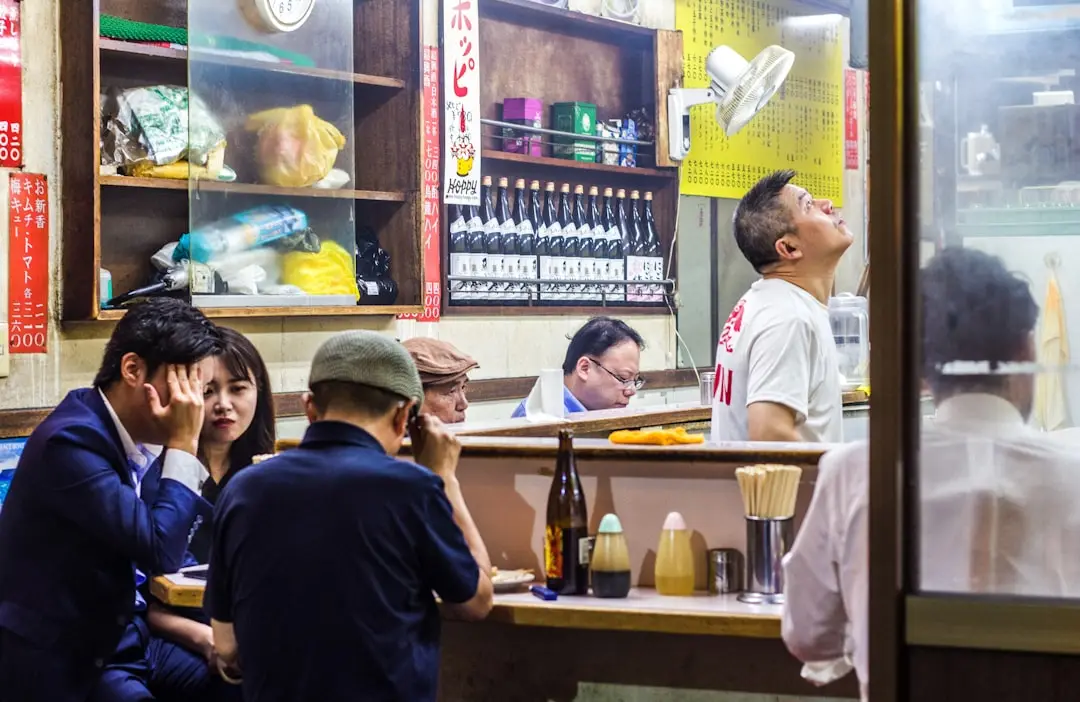
One of my best food days cost me less than I expected and didn’t feel stripped-down at all. Breakfast was a konbini onigiri and yogurt for about ¥320
What I like about Tokyo cheap eats is that the savings don’t always feel like sacrifice. The food is fast, generally clean, and built around real demand instead of a performance for visitors. Sure, I had one or two meals that were just okay. But I also had a ton of meals that solved the exact problem I had at the time: hunger, fatigue, too much walking, or not wanting to sit through a long dinner.
Worth it: yes, if you treat meals as part of the trip instead of the whole point of the trip.
Skip if: you want every bite to be a destination.
My pick: mix one good bowl, one quick counter meal, and one depachika dinner.
Rough per person per day estimates from my own meals.
I book food tours through Klook when I want a guided food walk or market stop and don’t want to spend half the day figuring out tickets and timing. The popular ones can fill up, especially on weekends.
I booked the food tour through Klook — way cheaper than booking at the counter.
FAQ
Can I eat well in Tokyo on a tight budget?
Yes, I think Tokyo is very doable on a tight food budget if you avoid the obvious tourist traps. I regularly ate good meals for ¥450 to ¥1,200 by mixing soba, ramen, curry, and depachika food. If you keep drinks modest, you can eat well without blowing your daily budget.
Is it worth standing in line for famous ramen?
No, I wouldn’t wait more than 20 minutes for ramen in Tokyo. The city has too many solid noodle shops to spend half an hour on one bowl just because it has a reputation. If the line is short, go for it; if not, walk five minutes and try the next place.
What’s the easiest cheap meal for a solo traveler?
Standing sushi or a ramen ticket-machine shop is the easiest for me. Both are fast, low-pressure, and built for people eating alone, so you won’t feel awkward taking one seat and moving on. I’d choose standing sushi if I wanted something lighter and ramen if I wanted a full, hot meal.
Are convenience stores good enough for meals?
Yes, but I treat them as backup, not the main event. A konbini lunch of onigiri, fried chicken, and tea can cost around ¥500 to ¥800 and get the job done between bigger meals. I’d use them for breakfast or a late-night fix, then spend real money on lunch or dinner.
Should I book a food tour in Tokyo or just wander?
I’d book a food tour only if you want structure or you’re nervous about ordering on your own. Tokyo is easy enough to eat through solo, but a good tour can save time if you want market stops and local context in one shot. For pure cheap eats, I’d wander; for a focused food day, I’d book ahead.
 Emma Hayes